
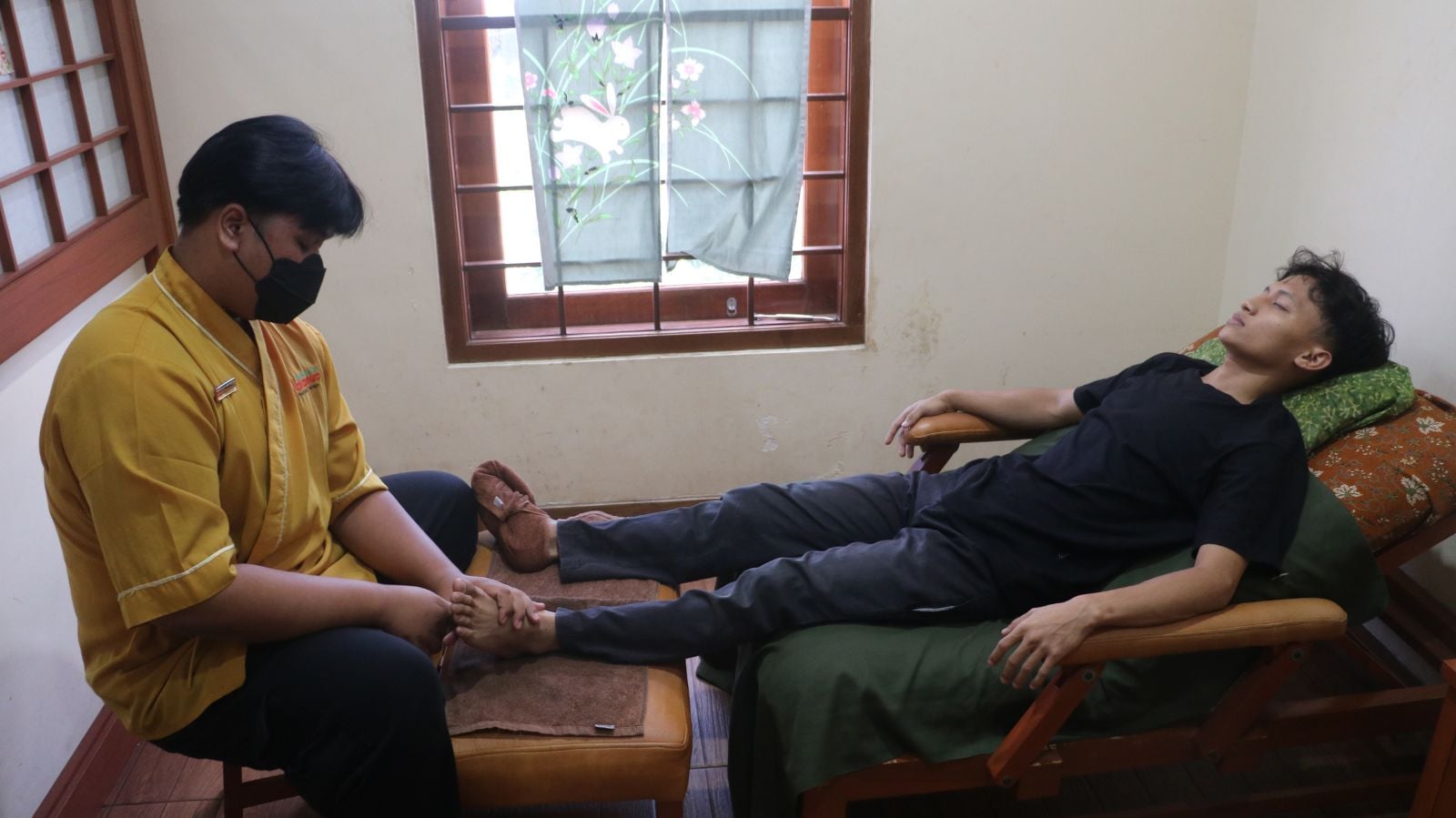
Rising Number of Tournaments in Kudus Spurs Demand for Sports Massage Therapy
KUDUS – Matches may only last a few minutes, yet their impact on an athlete's body can endure for much longer. After being pushed to high intensity, the body often retains fatigue, muscle tension, and underlying injury risks that are not immediately apparent. Beyond victory or defeat, one phase often overlooked is the recovery process.
Awareness of the importance of recovery has grown alongside the increasing number of sports championships held in Kudus Regency. The city, which has recently become a frequent host for regional and national competitions, is fostering not only a space for competition but also a demand for support services to help athletes maintain their physical health. Among these is physical therapy or sport massage, which has become a vital component of the modern sports ecosystem.
Therapy Methods Tailored to Athlete Needs
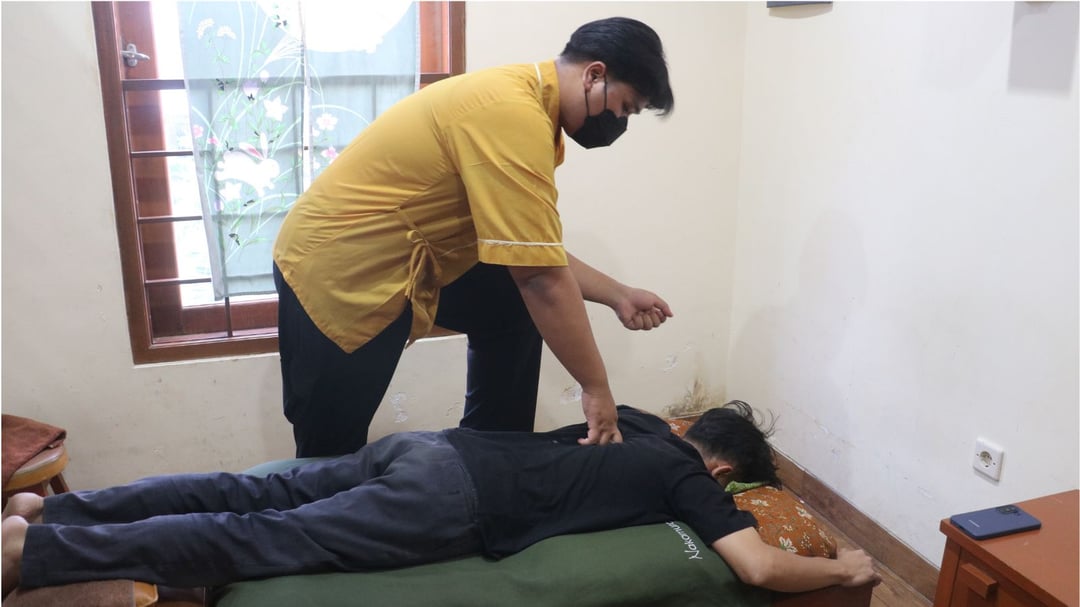
For many, massage is simply a way to unwind after daily activities. For athletes, however, recovery therapy serves a more precise function. It is designed to improve blood circulation, reduce muscle stiffness, accelerate recovery after training or competition, and mitigate the risk of injuries that could disrupt subsequent training programs.
The demand for such recovery services has grown in tandem with the rise of sports championships in Kudus Regency. Many athletes, both local and visiting competitors, seek therapy after matches in the city.
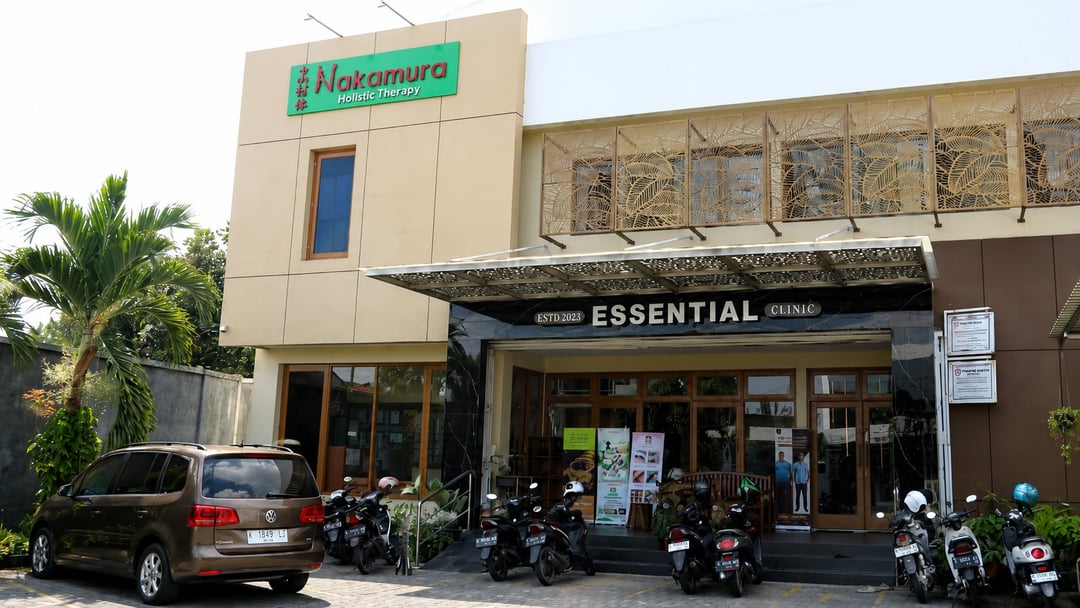
Amidst this evolving sports ecosystem, Nakamura The Healing Touch in Kudus has become a destination for both the general public and athletes seeking physical therapy. Operating since 2018, the clinic, located on Jalan Letkol Tit Sudono in Wergu Kulon, addresses various musculoskeletal complaints through acupressure and physical therapy techniques tailored to each patient's condition.
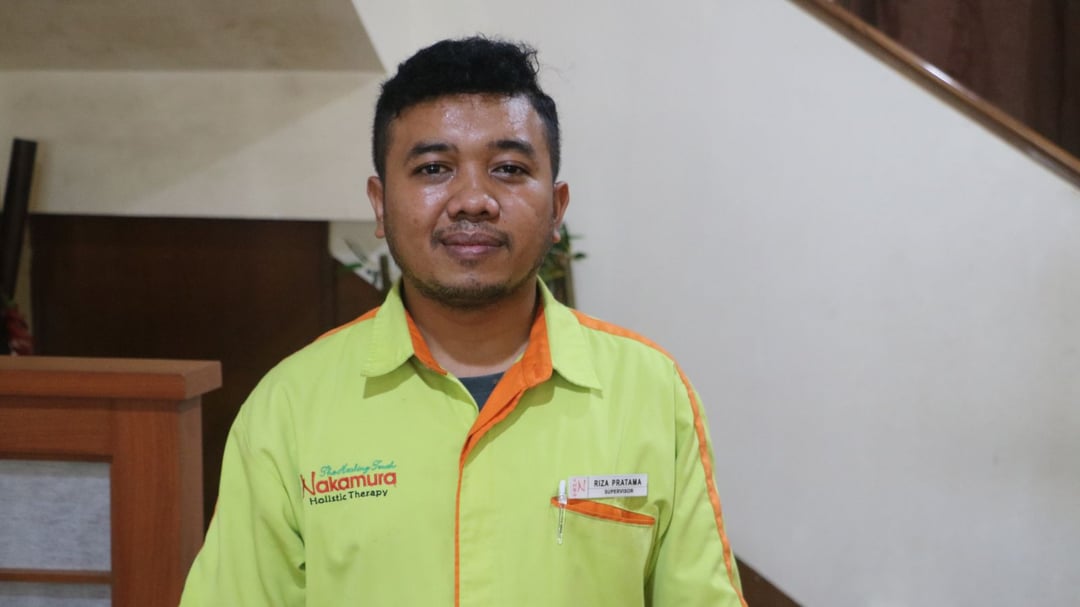
Riza Pratama, a supervisor at Nakamura The Healing Touch Kudus, explained that every therapy method involves distinct goals and approaches. Acupressure techniques rely solely on hands without devices or medication, while sport massage incorporates therapeutic oils and is conducted in specialized treatment rooms. He emphasized that athlete treatment cannot be standardized, as different sports impose unique physical demands on the body.
Different sports require targeted therapeutic intervention for specific muscle groups. For instance, badminton players often experience shoulder strain due to repetitive swinging, while runners typically require lower-limb care as their muscles and joints endure greater impact during training and competition. This specialized approach is the hallmark that distinguishes sport massage from standard relaxation massage.
To ensure consistent service quality, all Nakamura therapists must undergo one to three months of intensive training. During this period, they complete an in-depth study of the body’s meridian points to ensure all treatments meet established operational standards.
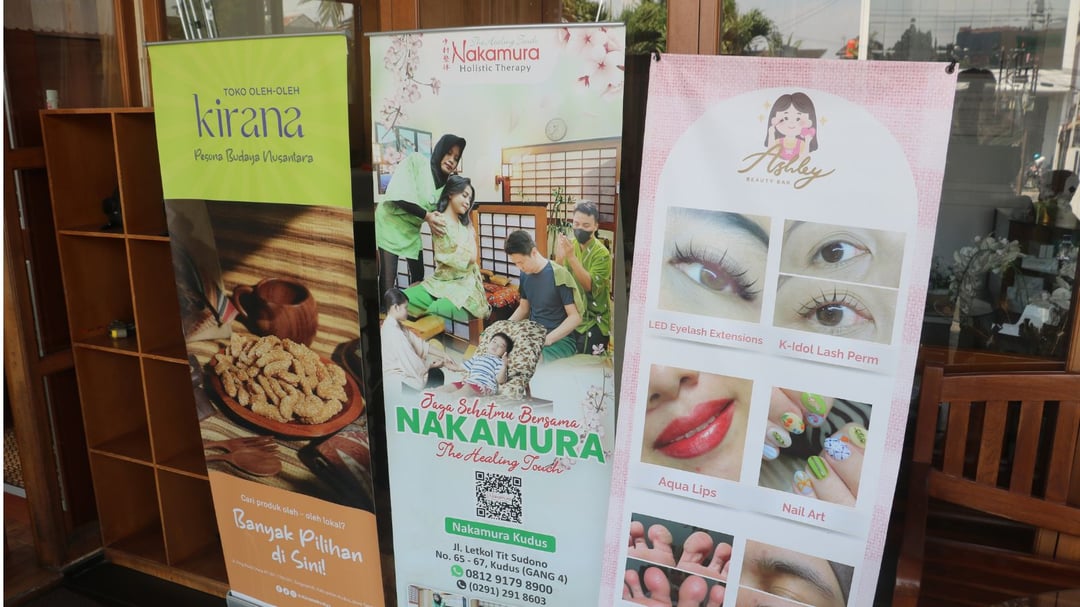
Available services include Japanese Seitai, which targets the shoulders and arms, Bubun Seitai for localized treatment of areas such as the neck, Mixed Treatment that combines various techniques, and Full Body Therapy (TST). Treatment sessions last between 60 and 120 minutes, with options for regular, executive, and VIP rooms based on patient privacy needs. Pricing ranges from IDR 110,000 to IDR 280,000, depending on the treatment type, session duration, and room selection.
Standard room rates range from IDR 110,000 to IDR 200,000, while executive rooms are priced between IDR 185,000 and IDR 240,000. For patients seeking greater privacy, VIP treatment rooms are available at a rate of IDR 220,000 to IDR 280,000. All fees are inclusive of necessary therapy equipment, and every patient is served warm ginger tea following their session.
Full Recovery Requires Consistency
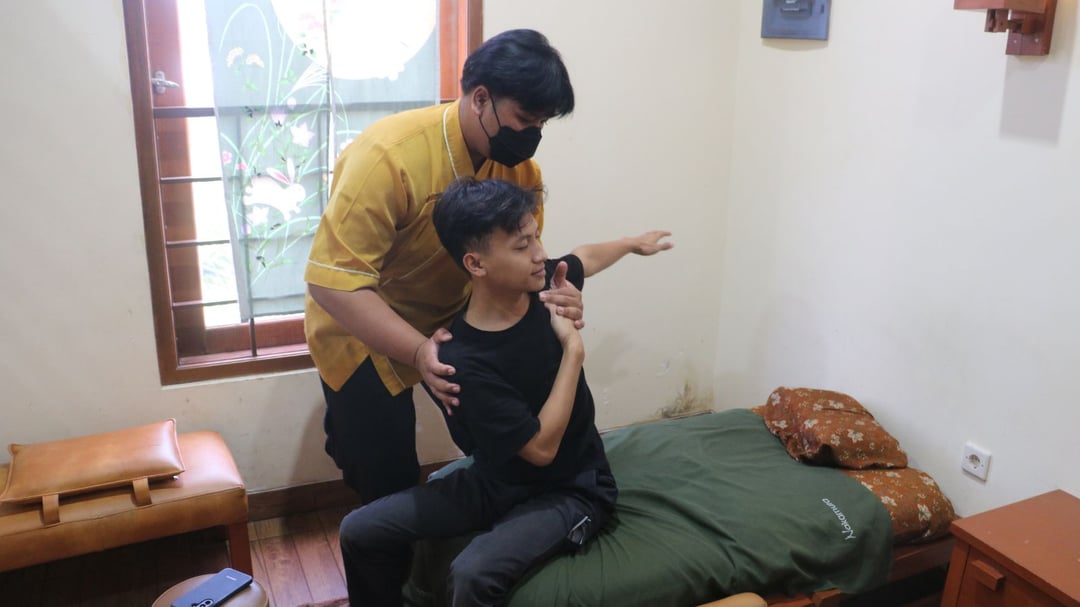
Amid rising demand for recovery services, Riza cautioned that therapy is not an instant solution for every condition.
Recovery from injuries or muscle strain requires a gradual process. The duration of treatment depends on the patient's condition, the severity of symptoms, and adherence to the prescribed therapy. Therefore, athletes are advised against assuming a single session will resolve all issues.
Therapy sessions typically last one to two hours, depending on the chosen method. To maintain peak fitness, athletes are encouraged to undergo regular maintenance therapy to minimize joint and muscle stiffness before they progress into more serious injuries.
Body Recovery Is Vital for Athletes
Kudus has recently hosted a variety of sports competitions, including a series of championships at the Supersoccer Arena. This surge in activity has contributed to increased demand for physical therapy services.
Riza noted that many athletes report similar complaints after competing. For soccer players, for instance, pain frequently occurs in the waist and legs due to the high intensity of running during matches.
This phenomenon highlights that the need for sports support services extends beyond the availability of playing fields. Accessible recovery facilities are crucial for athletes to return to training and competition in optimal condition.
Listening to Complaints, Understanding the Athlete's Body
For Bilal Muhammad Firmansyah, a physiotherapist with four years of experience at Nakamura Kudus, the job entails more than just administering treatment.
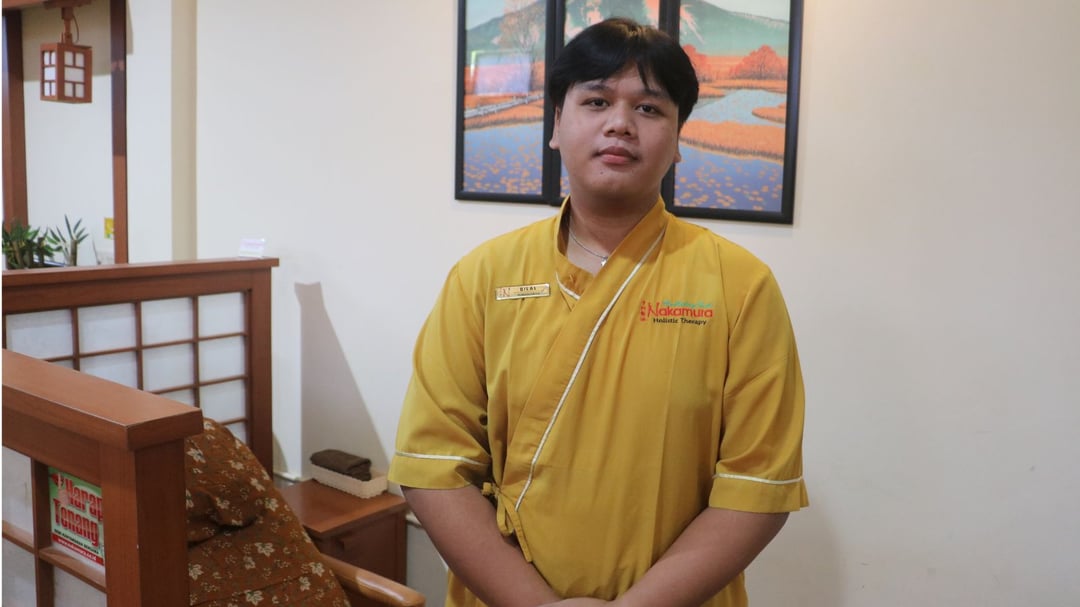
He encounters patients from various backgrounds daily, ranging from athletes post-competition and fitness enthusiasts with training injuries to the general public struggling with musculoskeletal issues.
According to Bilal, recovery is an inseparable part of athletic life. High-intensity training places significant stress on muscles, and without adequate recovery, the risk of injury rises.
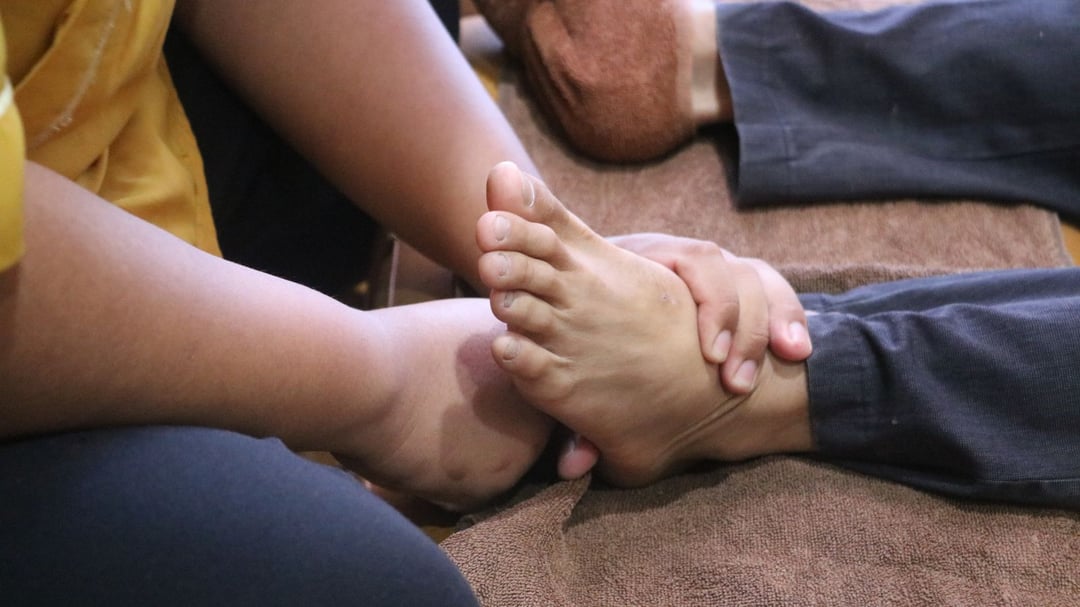
In practice, attention is frequently focused on areas central to an athlete's movement, such as the wrists, feet, calves, knees, shoulders, and lower back. These areas face the most pressure during training and matches. In addition to therapy, he emphasized the importance of warming up and stretching as simple measures to reduce injury risk.
When the Body Is Ready to Compete Again
The benefits of therapy are not only explained by medical professionals but are also felt firsthand by the athletes themselves.
Amateur futsal athlete Mumu Muzayyan says he routinely undergoes therapy after playing to address persistent muscle soreness in his legs. He discovered the service through online reviews and has been receiving regular sessions for several months.
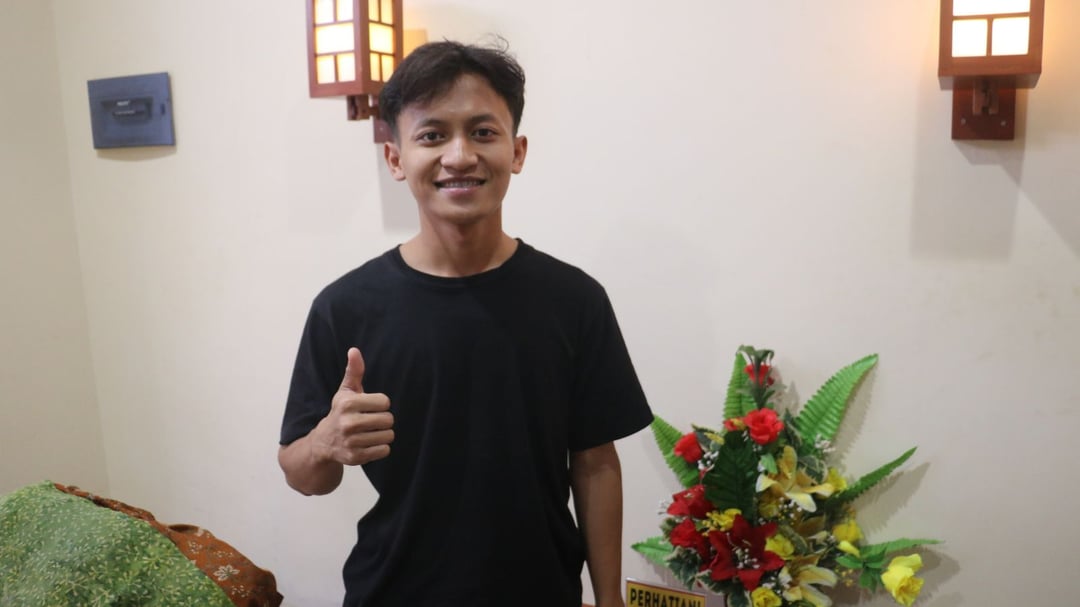
For him, the most significant change is not just reduced soreness, but markedly improved sleep quality following therapy. His body feels more relaxed, allowing him to rest better and perform future activities without significant disruption.
This experience has led him to make recovery a core part of his fitness regimen, rather than a measure taken only after the onset of pain.
Each Sport Requires a Distinct Approach
A similar sentiment was echoed by Fitra Wibowo Kusuma, coach for the Central Java contingent at the 2026 MilkLife Archery Challenge National Junior Archery Championships at the Supersoccer Arena in Kudus.
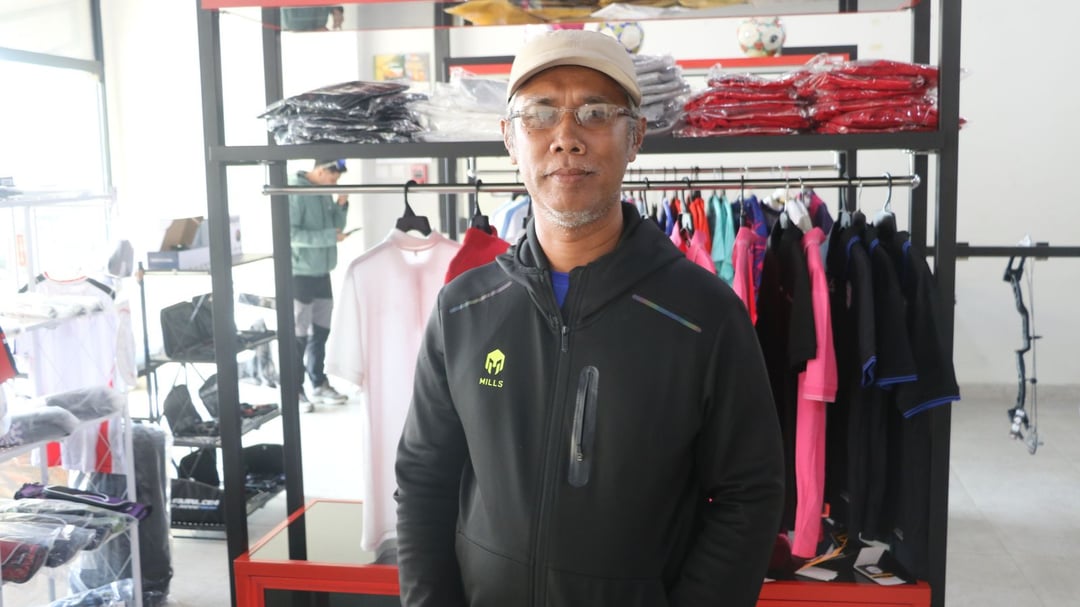
According to Fitra, every coach incorporates recovery into their training plans, whether through cold water therapy, ice baths, swimming, or other methods tailored to the athlete's needs and the sport's nature.
He emphasized that archers cannot be treated the same as athletes involved in contact sports or explosive movements. Muscles in archery require a specialized approach, and recovery methods must be selected based on the specific physical demands of the sport. Fitness regimens must account for the types of activity performed during training and competition.
For Fitra, neglecting the recovery phase invites injury, which ultimately impacts long-term athletic performance.
Sport Massage Therapy Supports Sustainable Athletic Performance
The sporting landscape in Kudus is evolving beyond hosting an increasing number of tournaments. A support ecosystem is steadily growing alongside these events, encompassing everything from training venues and competition facilities to physical recovery services.
Therapy is no longer viewed as a post-match supplement but as an essential component in sustaining high-level performance. When training, competition, and recovery are integrated, athletes are better positioned to return to the field ready for their next challenge.
Amid the evolving landscape of sports, the growing focus on recovery serves as a reminder that athletic achievement is built not only through practice and competition, but also through the body's capacity to heal, adapt, and prepare for the next event. (JMY/DN/HNR/mainkekudus)