
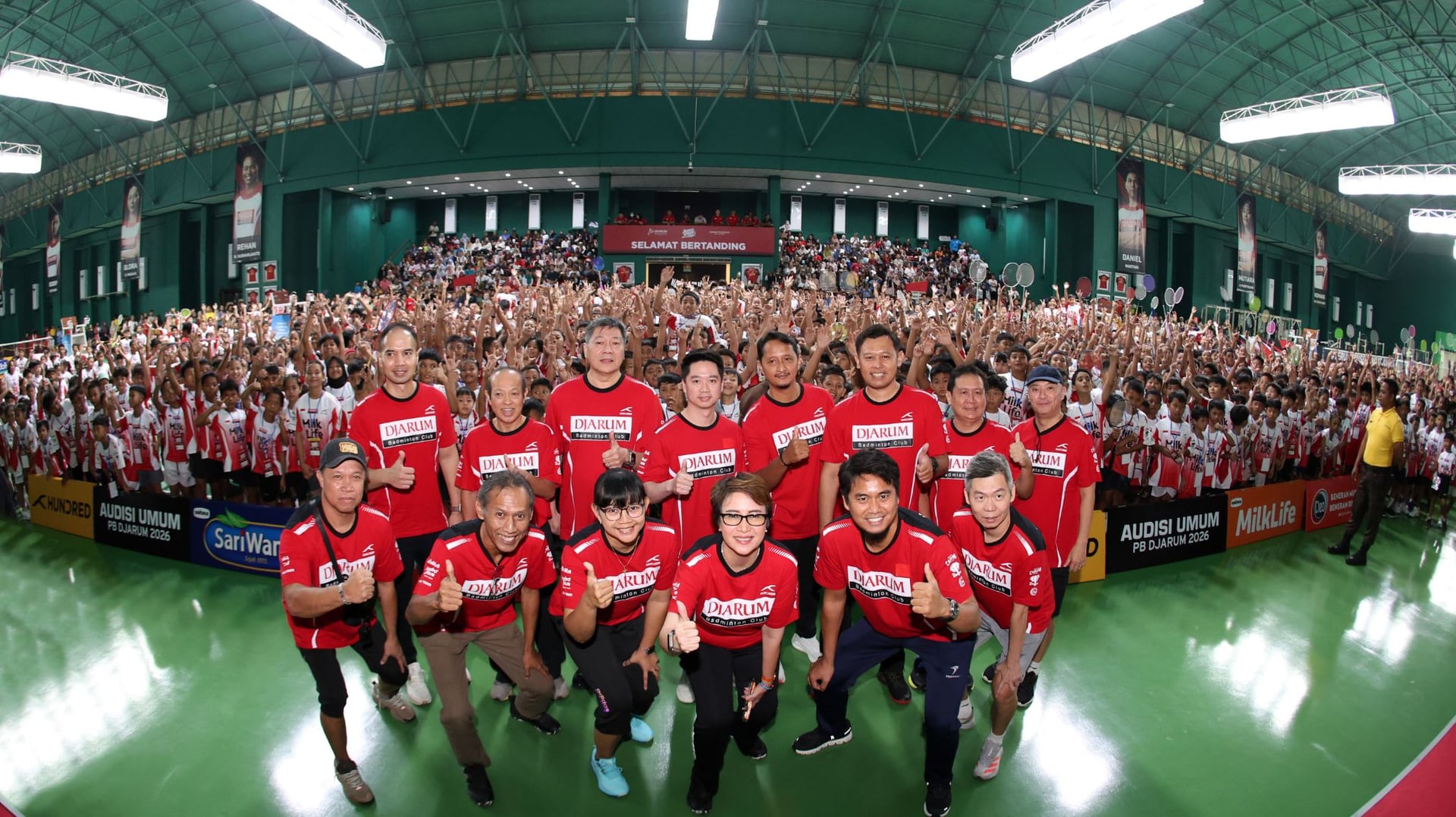
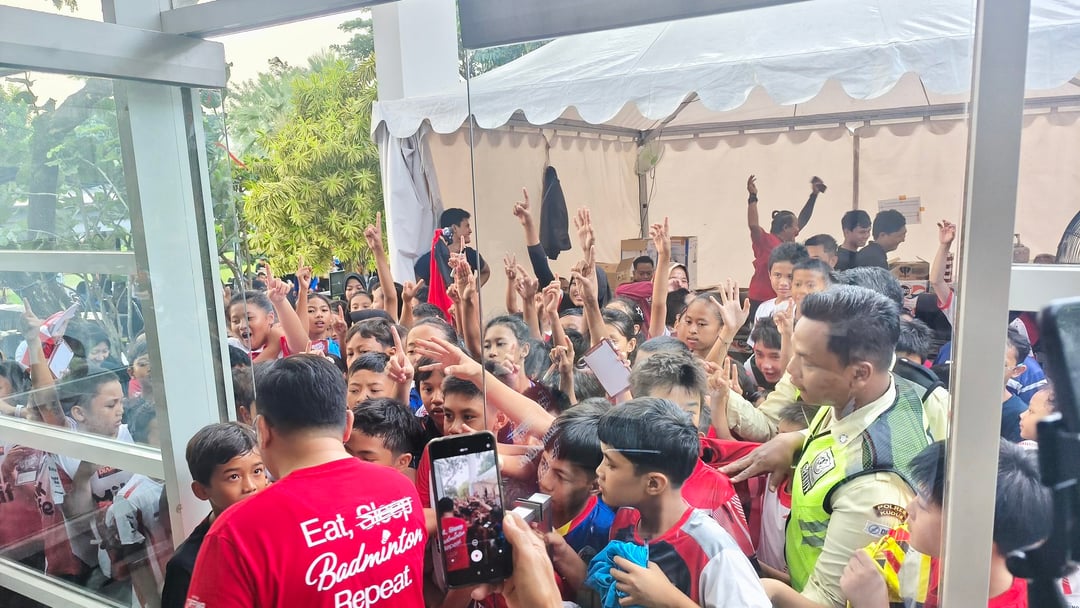
KUDUS – From early morning, the GOR Djarum Jati in Kudus was packed with children carrying rackets and sports gear. They arrived with a common goal: to participate in the 2026 PB Djarum General Auditions and secure an opportunity to pursue professional badminton training.
A total of 1,601 participants from across Indonesia attended the selection process. Traveling from as far as Sumatra and Papua, the athletes competed in three age groups—U-11, KU-11, and KU-12—in both boys' and girls' categories. Kudus marks the third host city for the auditions, following Pekanbaru in July and Makassar in August 2026.
For many, the journey to Kudus represents more than just a competition. Some have been training since primary school, others are seeking experience, and some are returning to try their hand at selection after previous attempts fell short.
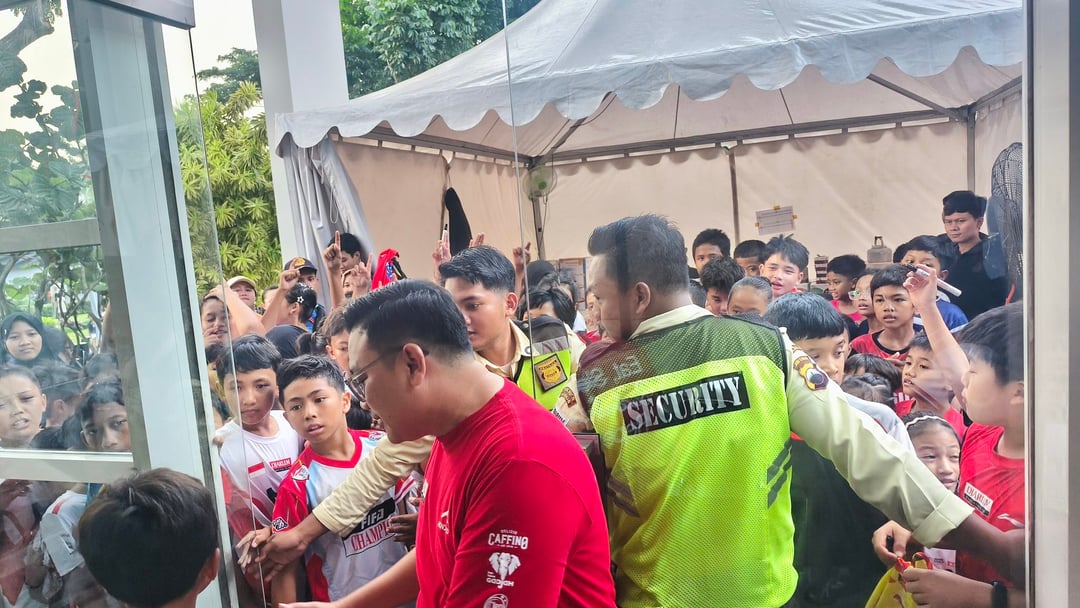
The auditions, held from September 9-13, 2026, are part of a broader effort to identify young athletic talent. Following the competition, successful participants will undergo a quarantine period to determine who will continue their development with PB Djarum.
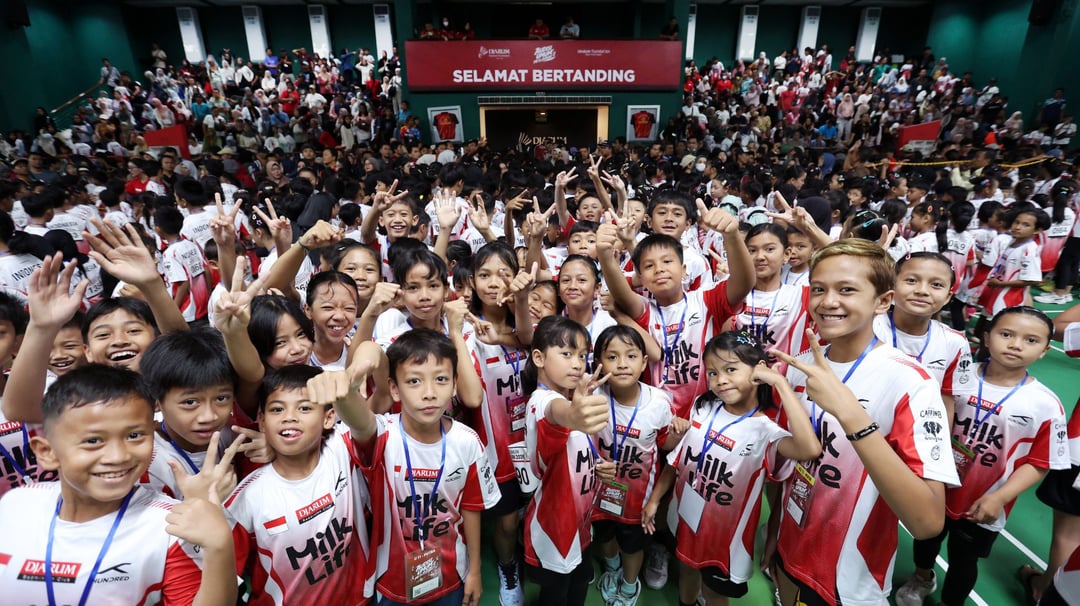
According to Yoppy, this process must be ongoing to ensure talent development is not limited to a single generation. Experience from PB Djarum demonstrates that a consistent focus on succession planning is essential, which is why the PB Djarum General Auditions have been held regularly since 2006.
Kudus hosted one of the tour stops in 2026, with the auditions coinciding with National Sports Day. The recruitment process aims not only to assess match outcomes but also to identify promising athletes from various regions with significant developmental potential.
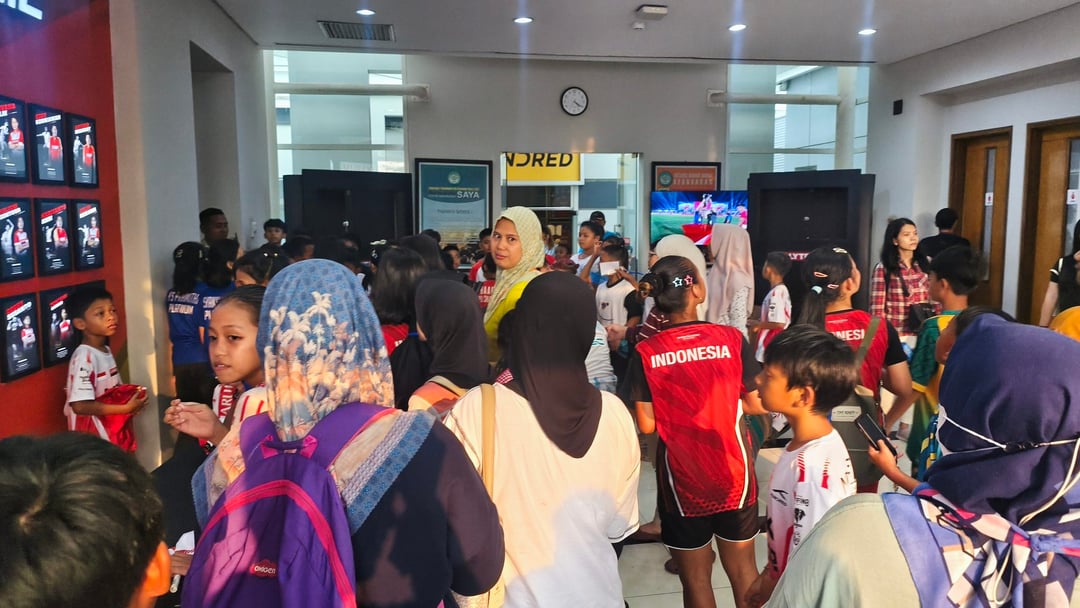
Before competing, participants must complete an administrative process. Online registration for the 2026 PB Djarum General Auditions was open from April 6 through 11:59 p.m. WIB on September 1, 2026, free of charge via the official PB Djarum website.
Registered participants checked in on September 8, 2026, at GOR Djarum Kudus between 9:00 a.m. and 3:00 p.m. WIB. During this stage, organizers verified credentials and issued chest numbers to competitors.
Documentation is a mandatory requirement, including proof of age such as birth certificates and other relevant materials. Participants are also encouraged to present records of their past athletic achievements.
Once all requirements are satisfied, participants proceed to the match stage.
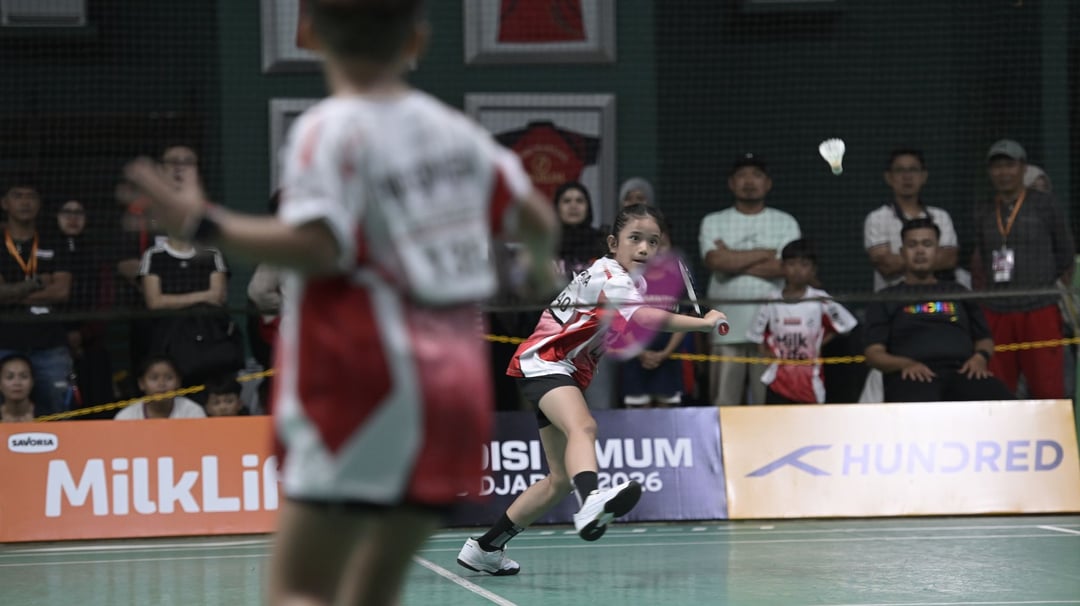
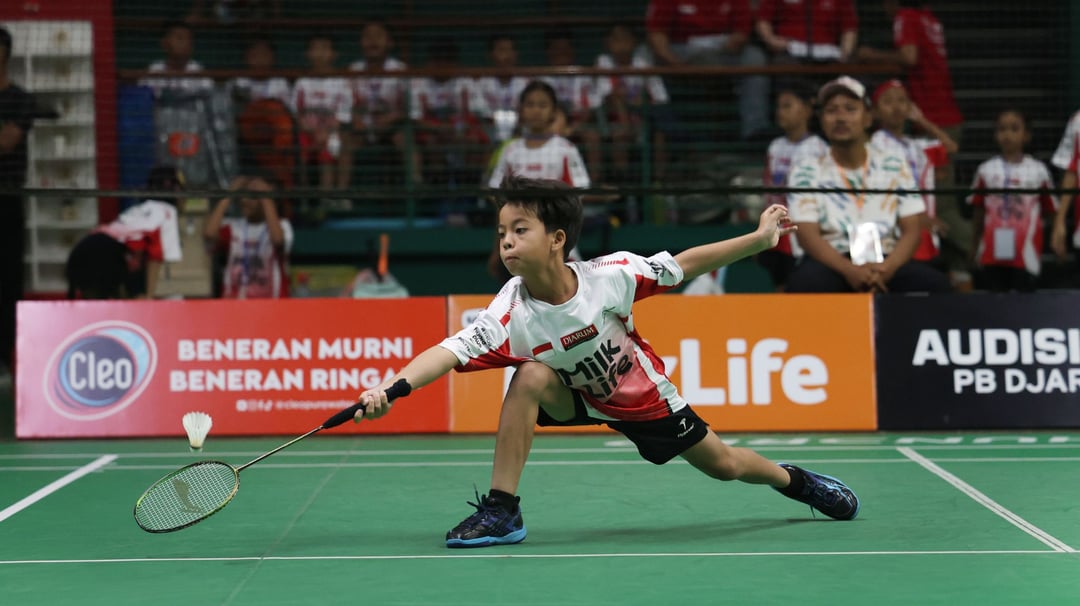
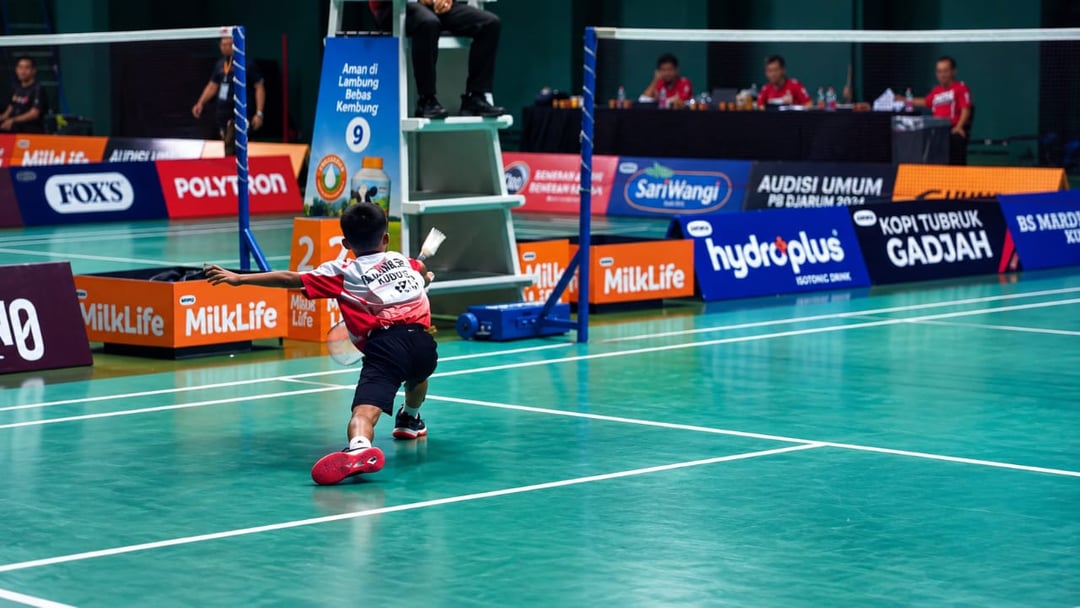
The initial stage consists of a screening process where participants are tested based on age and gender. The matches consist of a single 21-point game without deuce or setting, with a court change occurring when a player reaches 11 points.
Successful participants then advance to a three-day tournament phase held from September 11-13, 2026, where the field of competitors is progressively narrowed.
However, match results are not the only factor for the scouting team. Evaluators also assess court coverage, fundamental techniques, footwork, racquet grip, stroke mechanics, smashing ability, strategy, physical stature, and competitive spirit.
Sigit Budiarto, head of the 2026 PB Djarum General Audition talent scouting team, stated that younger age groups allow the team to assess a child's potential development over the coming years.
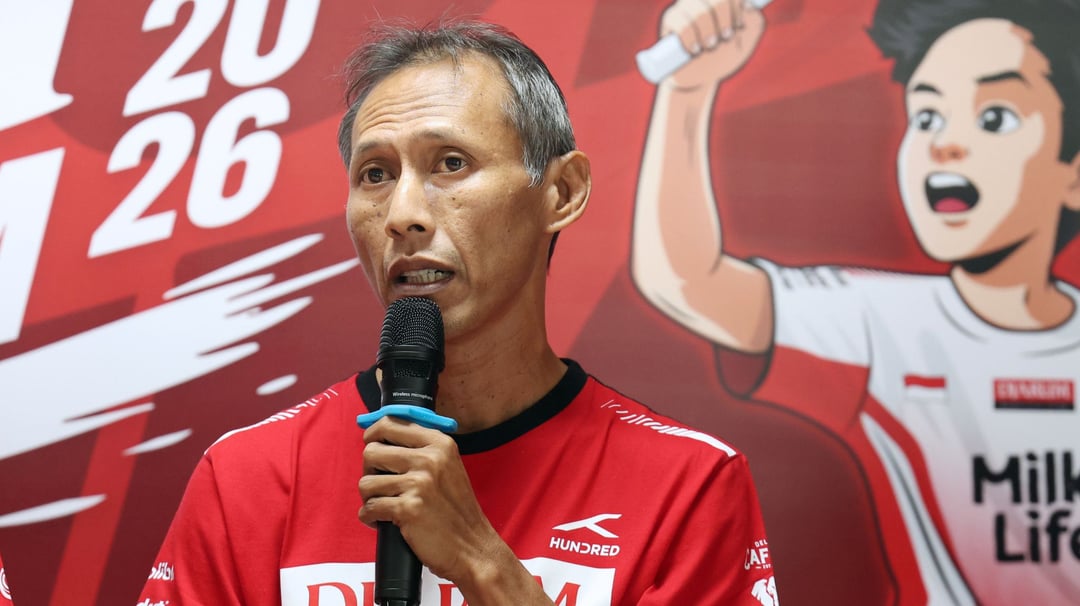
For children aged nine to ten, Sigit noted that evaluations extend beyond current skill levels, incorporating observations of potential future growth.
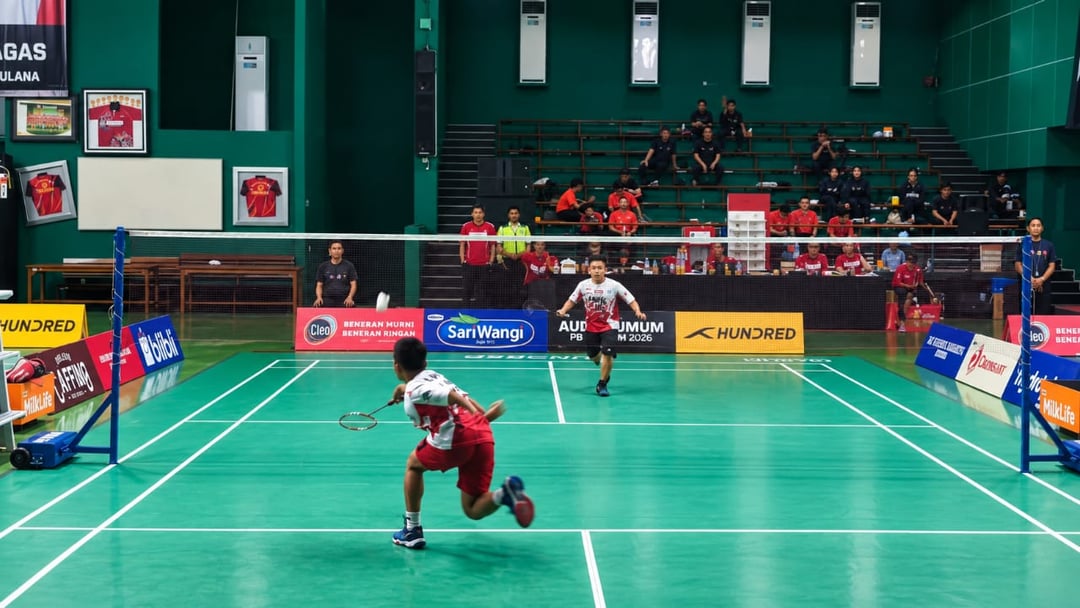
While matches are the primary venue for showcasing skills, participants who lose still have opportunities to attract the attention of talent scouts.
Through the Super Ticket mechanism, certain participants may continue the selection process even without a victory. Talent scouts can grant a discretionary Super Ticket to those who demonstrate significant developmental potential.
This mechanism ensures that the outcome of a match is not the sole factor for success. A child may lack fully polished skills but can still display specific traits that catch the team's eye.
Sigit emphasized that natural talent and refined ability are assessed simultaneously. Motivation is also a key factor, as technical proficiency can be fostered through consistent training.
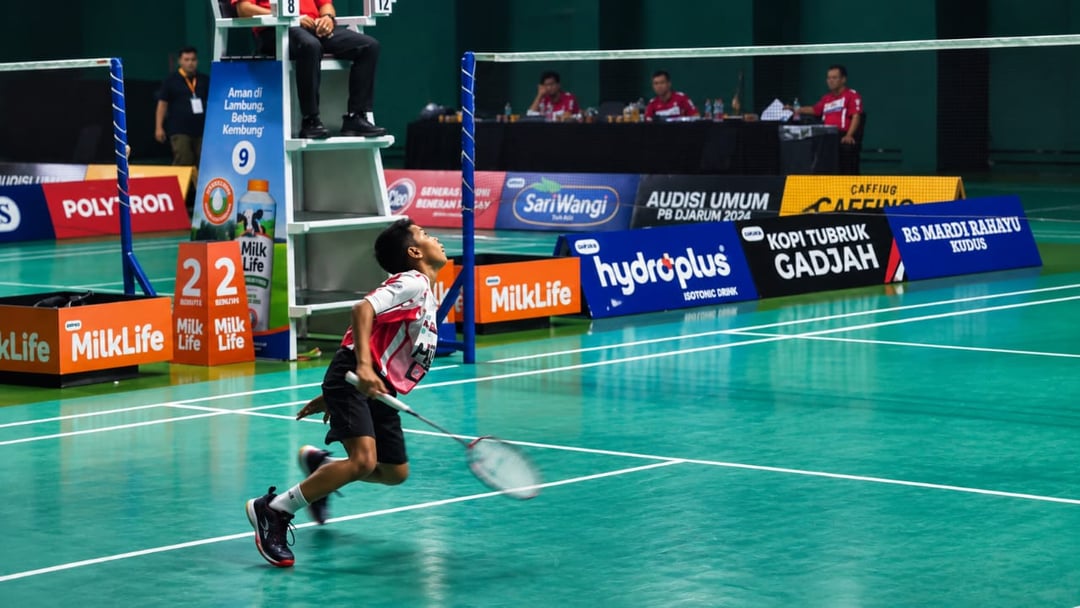
In the men's division, Fung Permadi, coordinator of the talent scouting team and manager of the PB Djarum team, explained that fundamental technique serves as a primary pillar in the selection process.
The team also evaluates participants' physical build, playing style, and tactical awareness. Physical build is not assessed solely on a participant's current stature during the audition; the team uses specific criteria to project an athlete's physical development in the coming years.
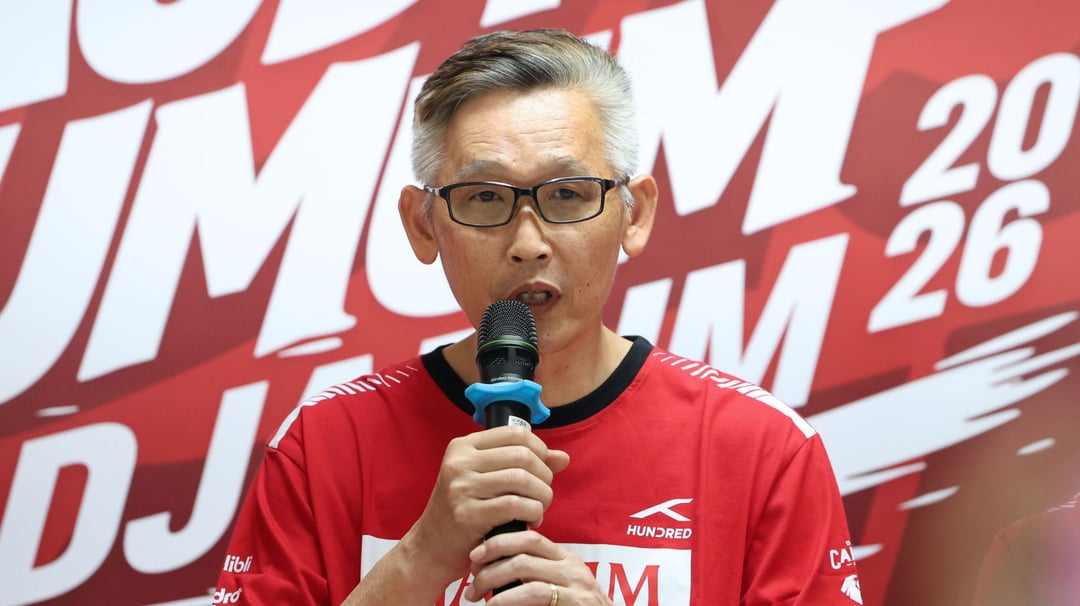
This observational approach is necessary because participants are still in their formative growth years. Their current performance during auditions does not necessarily reflect their full potential at a more mature age.
Fung noted that international junior badminton competition is becoming increasingly intense, making the serious and sustainable identification and development of young players essential.
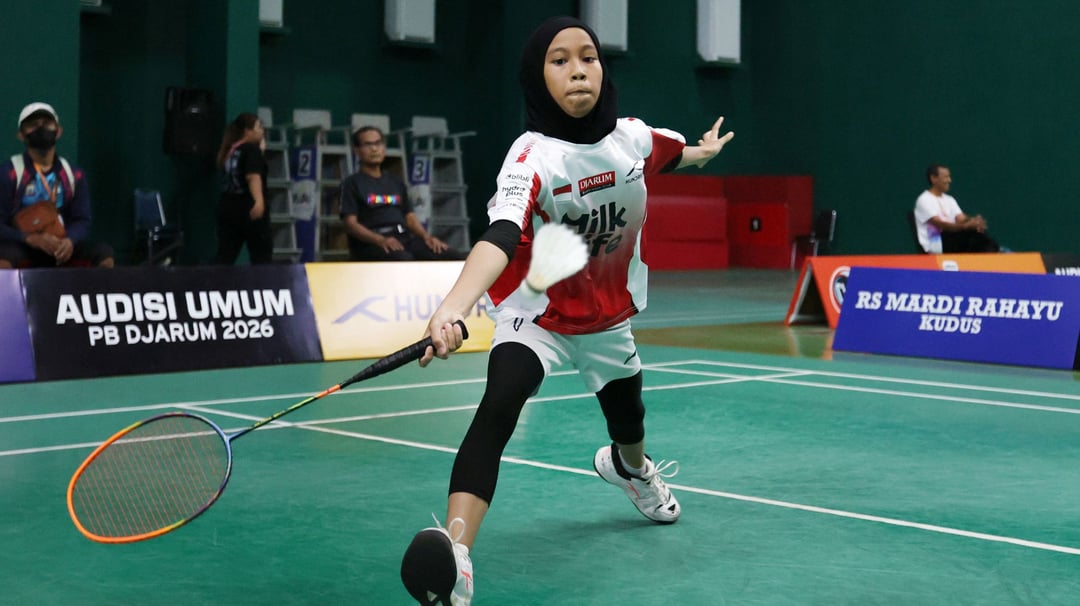
The women's sector faces unique challenges. Hendrawan of the PB Djarum scouting team observed that there are fewer female athletes compared to male athletes, necessitating more rigorous evaluation processes during recruitment.
While technical ability remains vital, the team also focuses on stamina, fighting spirit, focus, determination, and match readiness.
Hendrawan believes that non-technical traits must be nurtured from a young age. While technical skills can be trained, the right mindset for competition must be shaped through experience.
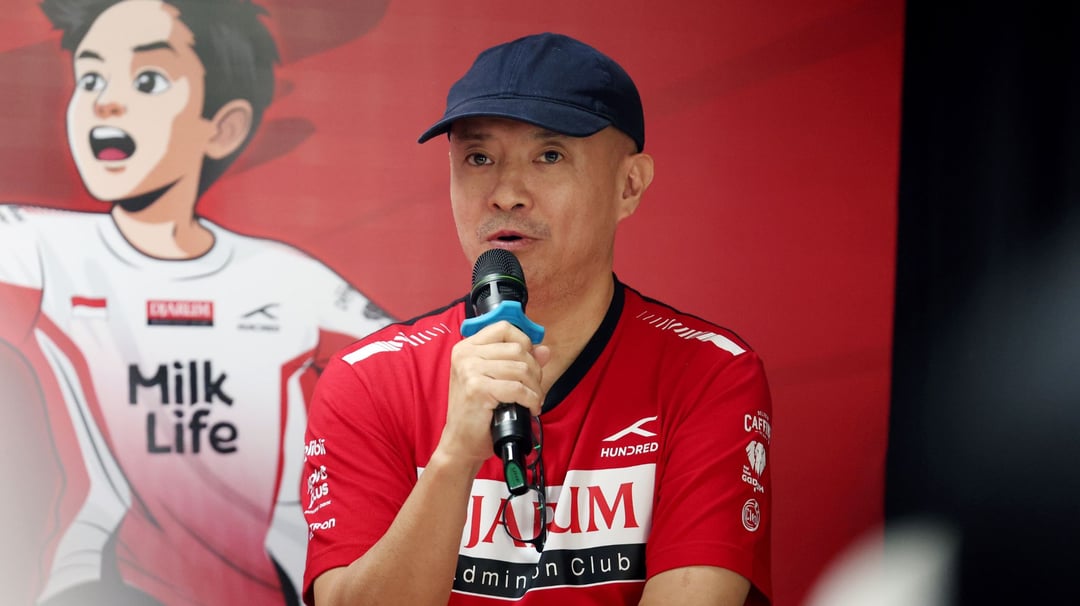
The transition to a 15-point game format for the coming year is also influencing how the team assesses candidates, making physical and mental readiness increasingly critical in the development process.
For participants, the selection process is a personal journey. Austin Christian, a participant from Pekanbaru, traveled to Kudus after initially competing in the PB Djarum General Audition in his home city.
The Kudus audition serves as a second chance for Austin, who is driven by the desire to join PB Djarum and continue honing his skills through rigorous training and competition.
Austin’s father, Bambang Suri Widodo, supports his son’s journey. For him, competing is a vital part of Austin's growth. He encourages his son to focus beyond winning, emphasizing the importance of maintaining composure on the court.
For Austin, a single setback does not deter his resolve. He continues to compete, gaining valuable experience by facing new opponents.
Siti Athiyyah Salsabila shares a similar story. Alongside her father, Hasan Samiun, she traveled from Mimika, Central Papua, to Kudus.
Preparation began early. Hasan brought Siti to the city two weeks before the auditions to allow her to acclimatize. He believes that audition success requires more than just playing skill; it demands mental toughness, physical endurance, and technical preparation.
Siti successfully passed the screening stage and advanced to compete in the U-11 category. Facing peers from across the country has been a unique experience for her.
She arrived with a drive to compete and improve. The legendary Susi Susanti serves as a primary inspiration for her budding badminton career.
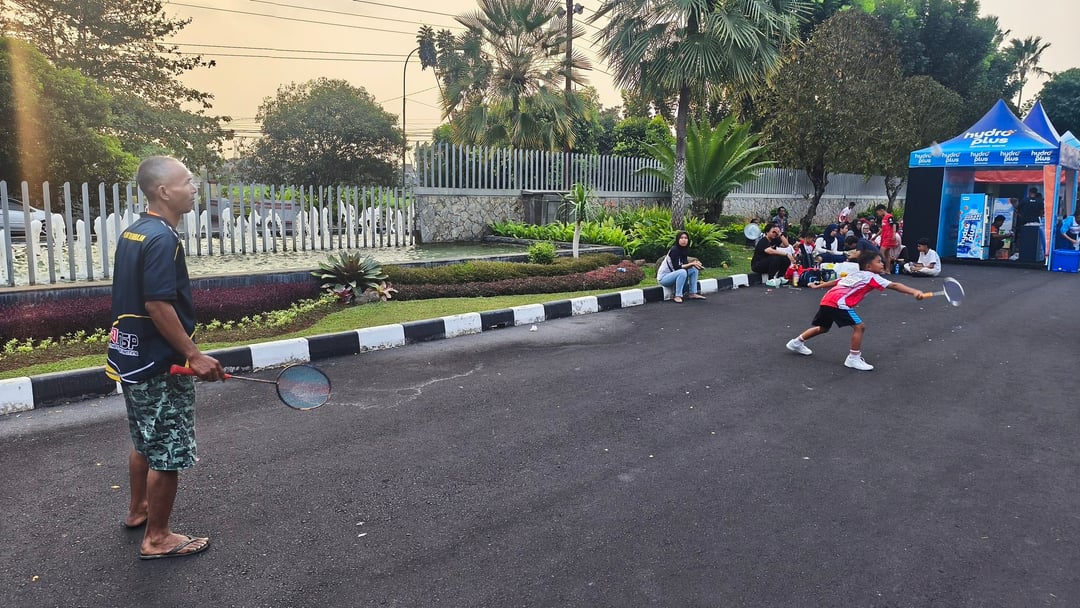
The dedication of parents is evident in the journeys of the participants. Rajiman, father of Boy Azrul Karim, brought his son from Kemranjen District, Banyumas, to Kudus.
Boy began training in badminton in first grade and was a fourth-grader when he entered the auditions. The initiative to compete came from Boy himself, with full support from his parents.
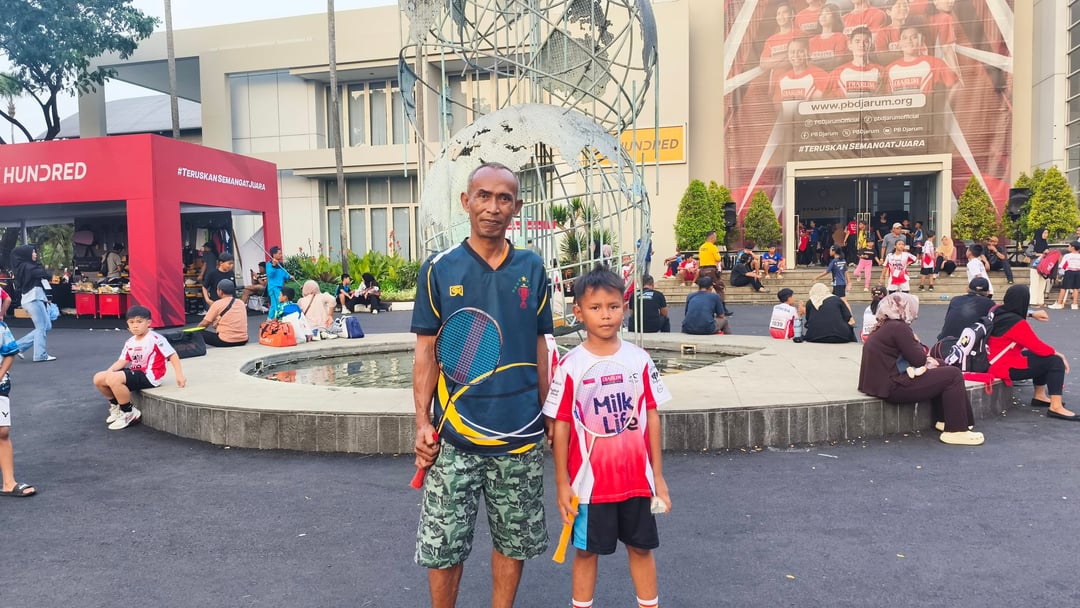
They traveled by train to Semarang, followed by an online motorcycle taxi ride. Upon arriving near their accommodation, they even walked the final stretch when online transport proved difficult to secure.
For Rajiman, the trek was part of the commitment to supporting his son, who has been training for years. He prioritizes helping Boy gain as much match experience as possible.
Participants who earn a Super Ticket are not immediately confirmed as trainees. They must first undergo a quarantine period at the PB Djarum dormitory.
In this phase, participants live the daily routine of a prospective athlete. Evaluations go beyond game techniques, as scouts also monitor discipline, character, fighting spirit, coachability, training consistency, and the ability to adapt to a new environment.
Boys' semifinalists and girls' finalists earn automatic qualification for the quarantine phase. In addition to these paths, the scouting team may award a Super Ticket to participants demonstrating exceptional potential for development.
The quarantine phase allows the team to observe how young athletes handle daily routines outside of competition. For these young participants, living in the dormitory requires adjusting to new training schedules, environments, peers, and lifestyles compared to home life.
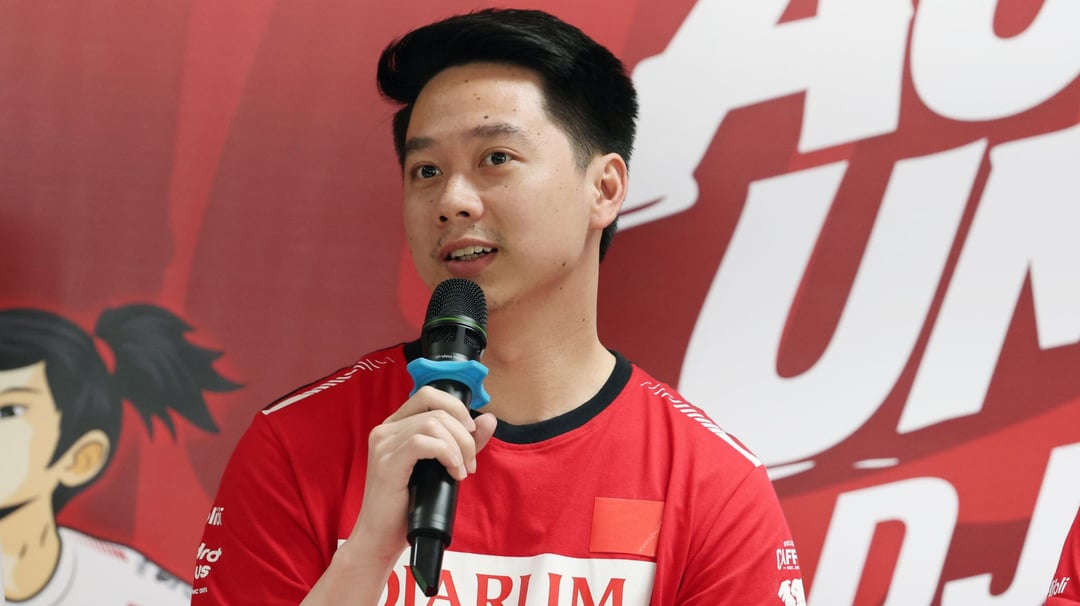
Among the hopefuls stands a figure who once walked the same path. Kevin Sanjaya Sukamuljo participated in the PB Djarum General Auditions at GOR Jati in 2006.
Returning to the venue as part of the PB Djarum Scouting Team, Kevin observed the intense pressure on young players. While some shed tears after defeat, others displayed the resilience to keep fighting.
This experience reinforced Kevin's belief that mental fortitude is vital for an athlete’s career. The drive to win must be balanced with the ability to accept match outcomes.
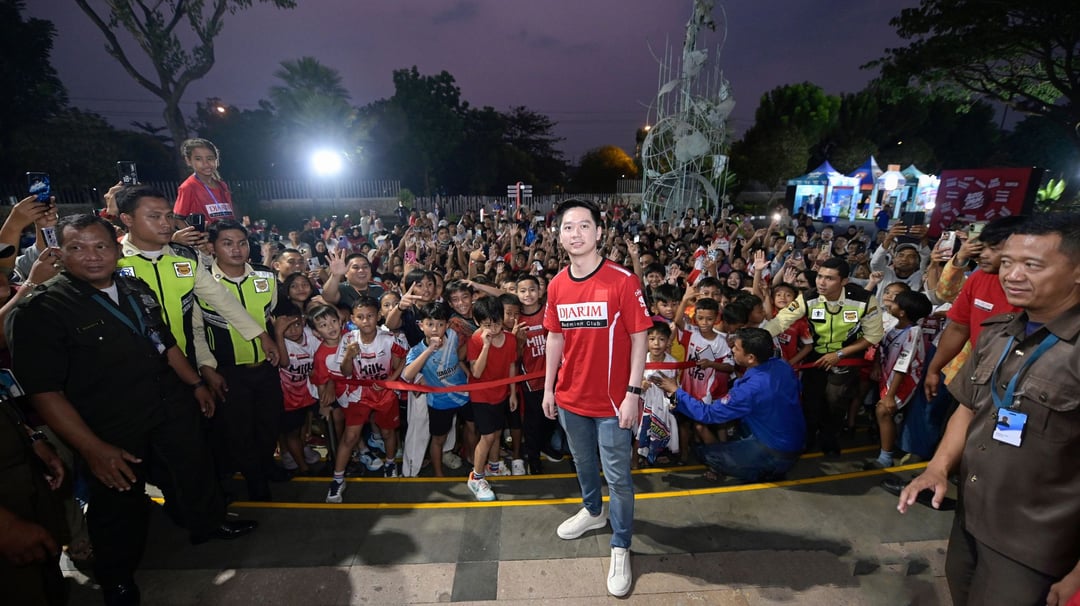
According to Kevin, a single loss is not the end of the road. Players can still learn, improve their skills, and try again.
This message resonates with Kevin’s own history, having failed an initial audition in his youth before returning to ultimately secure his place in PB Djarum.
The 2026 PB Djarum General Auditions in Kudus represent more than just match results. The court serves as a platform to assess a child's technique, competitive ability, motivation, physical posture, character, and potential for future growth.
While some participants conclude their journey after the competition stage, others advance through the Super Ticket and quarantine phases, where further assessments are conducted on their lives as aspiring athletes.
For children traveling from various regions, this represents a unique opportunity to compete against diverse opponents. For parents, the trip to Kudus is a tangible show of support for their children's ambitions.
The process of regeneration remains a long-term endeavor. Young players currently learning to refine their footwork, read the game, and manage nerves are gaining vital experience through training and competition.
At GOR Djarum Jati, the cycle continues. Some participants celebrate victory, some face defeat, while others leave with new life lessons. For the rest, the journey moves forward toward the quarantine phase.
Development continues through this process. Not every participant will become a mentored athlete, but all gain valuable experience from the matches played. For those who advance to the next stage, the path remains long before they officially achieve status as a PB Djarum mentored athlete. (OEB/mainkekudus)
