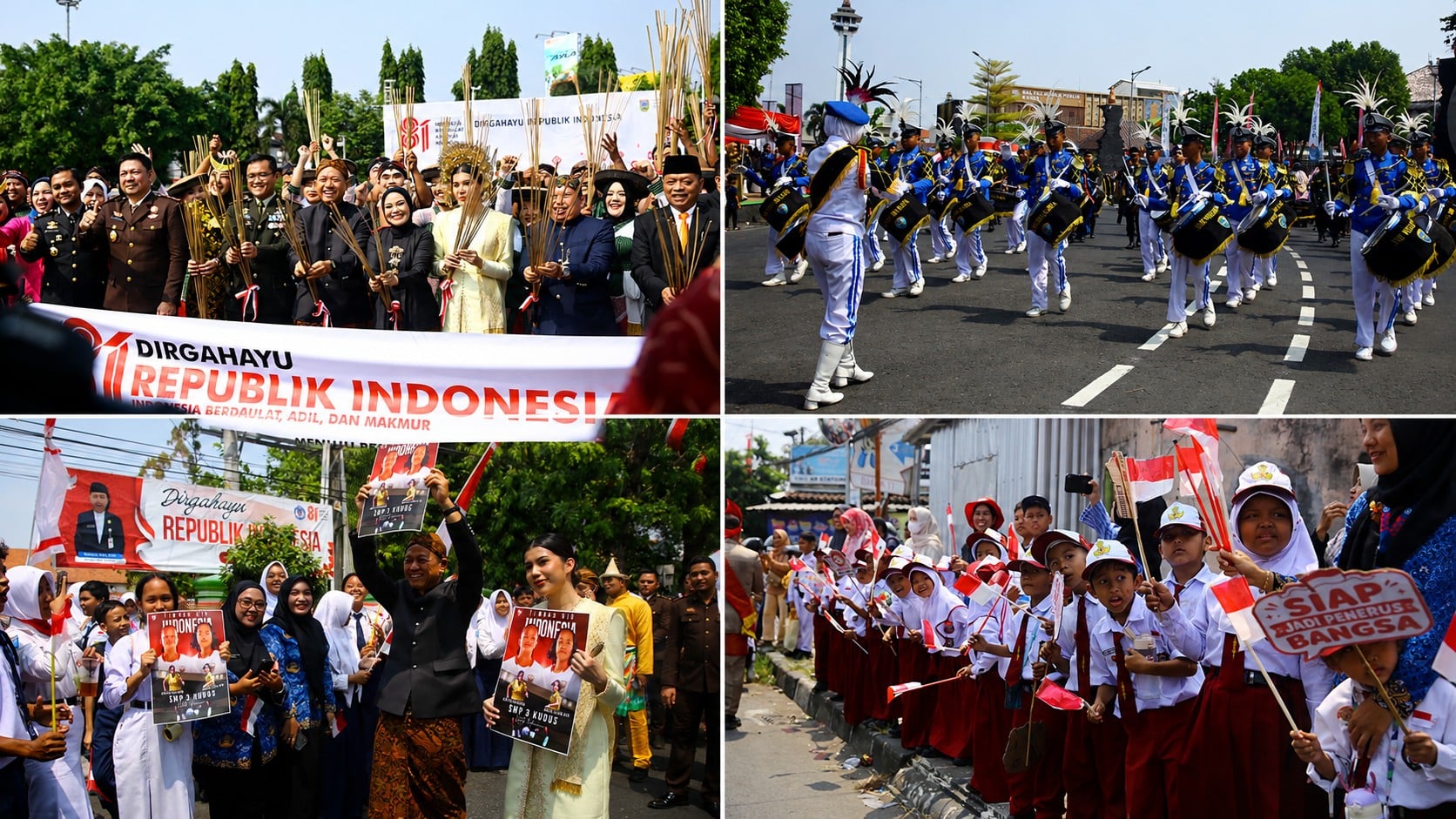
Kudus – The 81st Independence Day of the Republic of Indonesia on August 17, 2026, was marked beyond the local community. In Kudus, the milestone was also experienced by participants of the 2026 Srikandi Merdeka Cup, who traveled from seven different nations.
Indonesia is hosting the youth women's soccer tournament, which features teams from Indonesia, Thailand, Singapore, Malaysia, Hong Kong, Jordan, and Saudi Arabia. Amidst the match schedule, the international participants found themselves in Kudus as the public commemorated August 17 with various festivities and red-and-white displays.
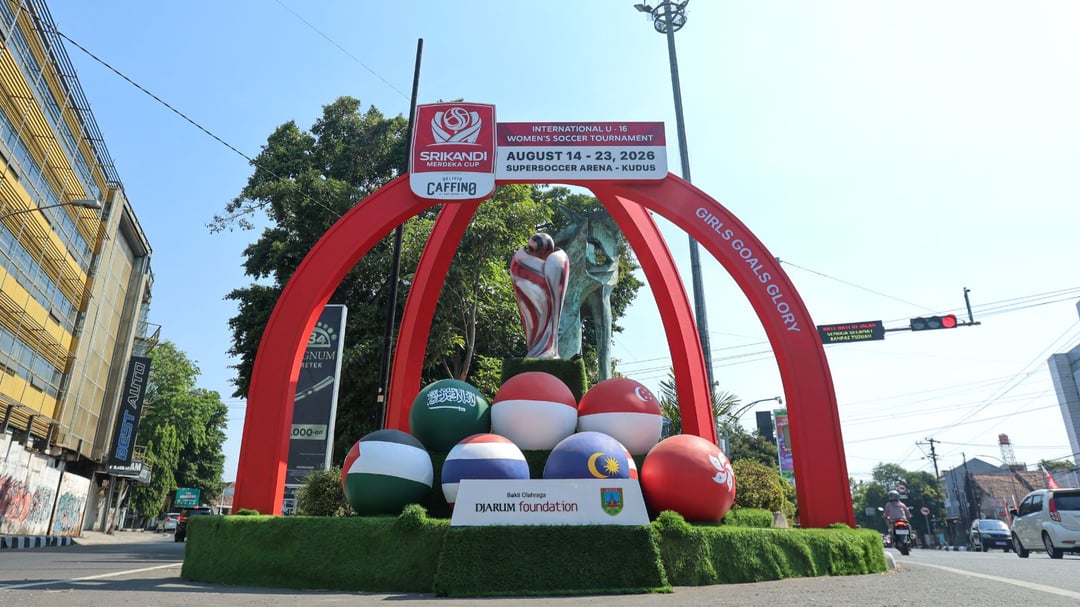
For the international visitors, the atmosphere of Indonesia's independence offered a unique experience beyond their typical tournament routine. For the Indonesian players, however, August 17 held deeper significance; they were not merely observing the celebrations but competing on the field while wearing the national colors and representing the country.
Between the pitch, the stands, and the daily life in Kudus, this moment provided a multi-layered narrative involving international guests, Indonesian athletes, and local hosts.
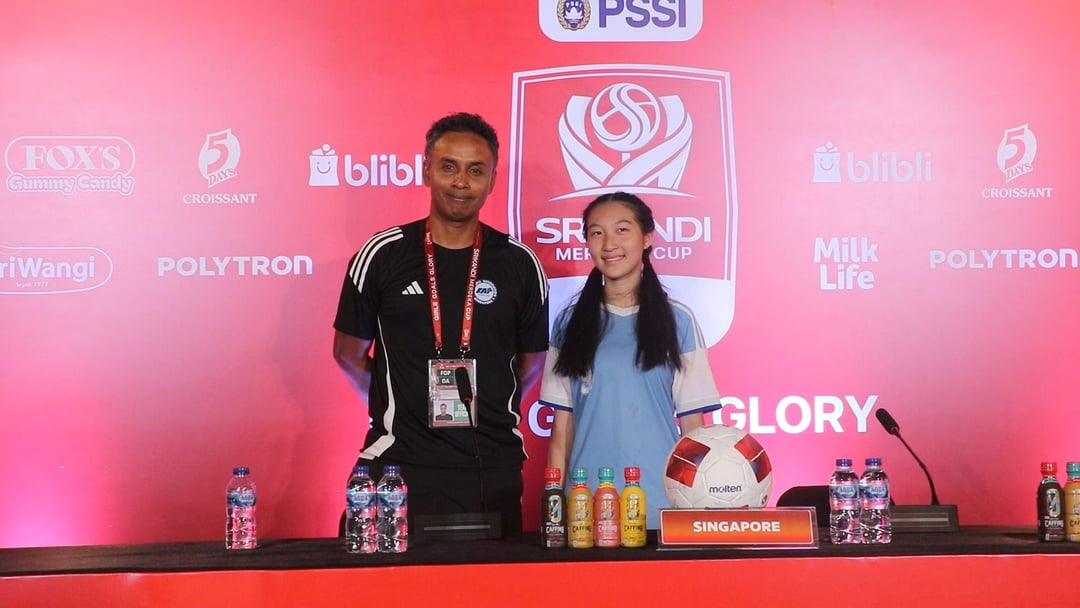
The presence of participants from seven countries ensured the Srikandi Merdeka Cup was more than just a series of matches. Players and officials from various nations immersed themselves in the Kudus community as the independence festivities unfolded.
To the international participants, the sight of red-and-white decorations throughout the city and the various community activities held in August provided a firsthand look at how Indonesia commemorates its national holiday.
For the Singapore U-16 national women's team, the match against Indonesia on August 17, 2026, carried a distinct atmosphere. Beyond the competition on the pitch, they were present in Kudus during the milestone 81st Independence Day celebration.
Singaporean player Amelia Tan described the match against Indonesia as a memorable experience, noting that both teams displayed their best performance on the field.
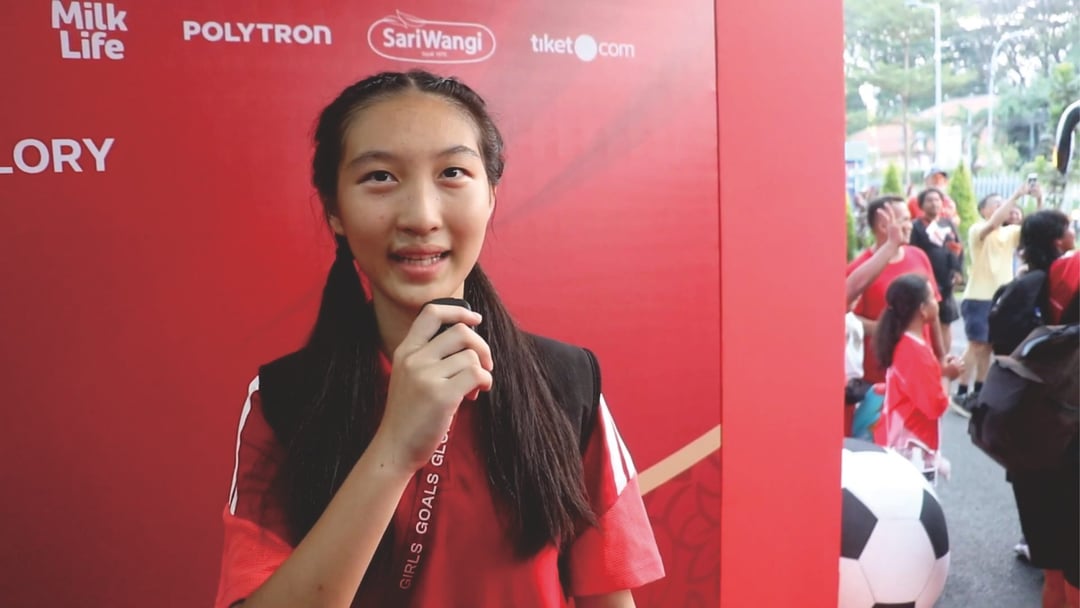
“It is an honor to play against them. Happy Independence Day, Indonesia,” said Amelia.
The remark highlights the Singaporean players' awareness of the national milestone being celebrated by Indonesia. For the team, playing on Independence Day became a memorable part of their experience at the 2026 Srikandi Merdeka Cup in Kudus.
On the field, Singapore ultimately defeated Putri Nusantara 2-0. For both squads, however, the match served as a valuable opportunity to compete and gain international experience.
For Putri Nusantara, the game provided a crucial evaluation and a chance to face international opposition. Meanwhile, for the Singaporean side, competing in Indonesia during Independence Day offered a firsthand glimpse of the host nation's national celebrations.
This experience is among the many stories the participants will carry home from Kudus. They arrived for the competition but also gained insight into how Indonesians celebrate August 17.
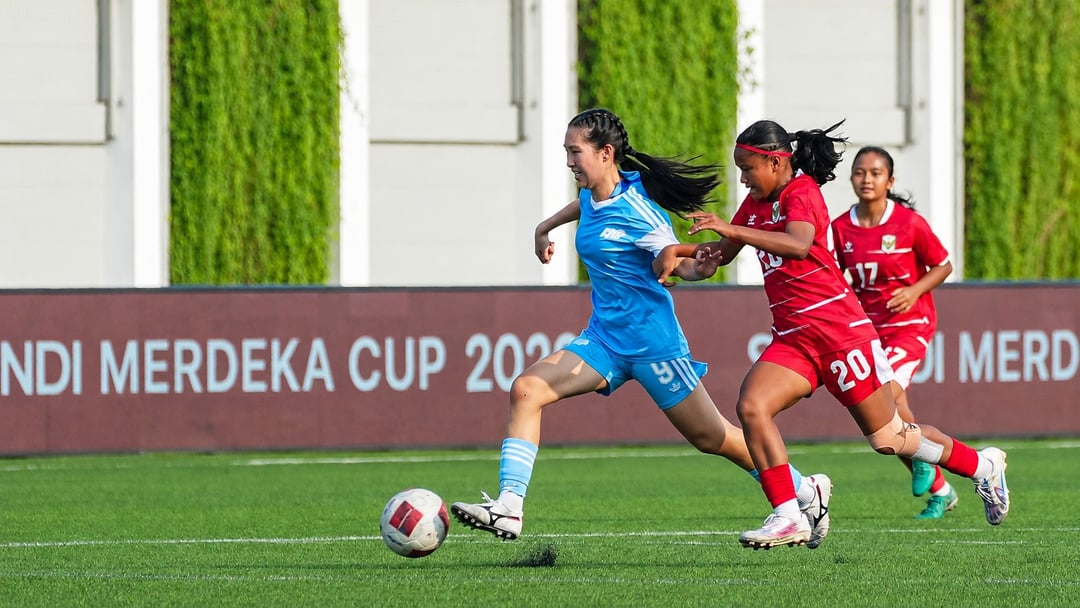
For the Indonesian players, the experience resonated on a deeper level. Beyond celebrating as citizens, they competed while the red-and-white colors were prominently displayed across the city.
On Monday, August 17, 2026, Putri Nusantara faced Singapore at the Supersoccer Arena in Kudus. The match served as a convergence of national celebration and athletic struggle.
Despite a 0-2 loss to Singapore, which left the squad disappointed, player Agisti Qori Rahmadani noted that competing on Independence Day remained a unique experience.
“I feel happy, yet sad because of the loss,” Rahmadani said.
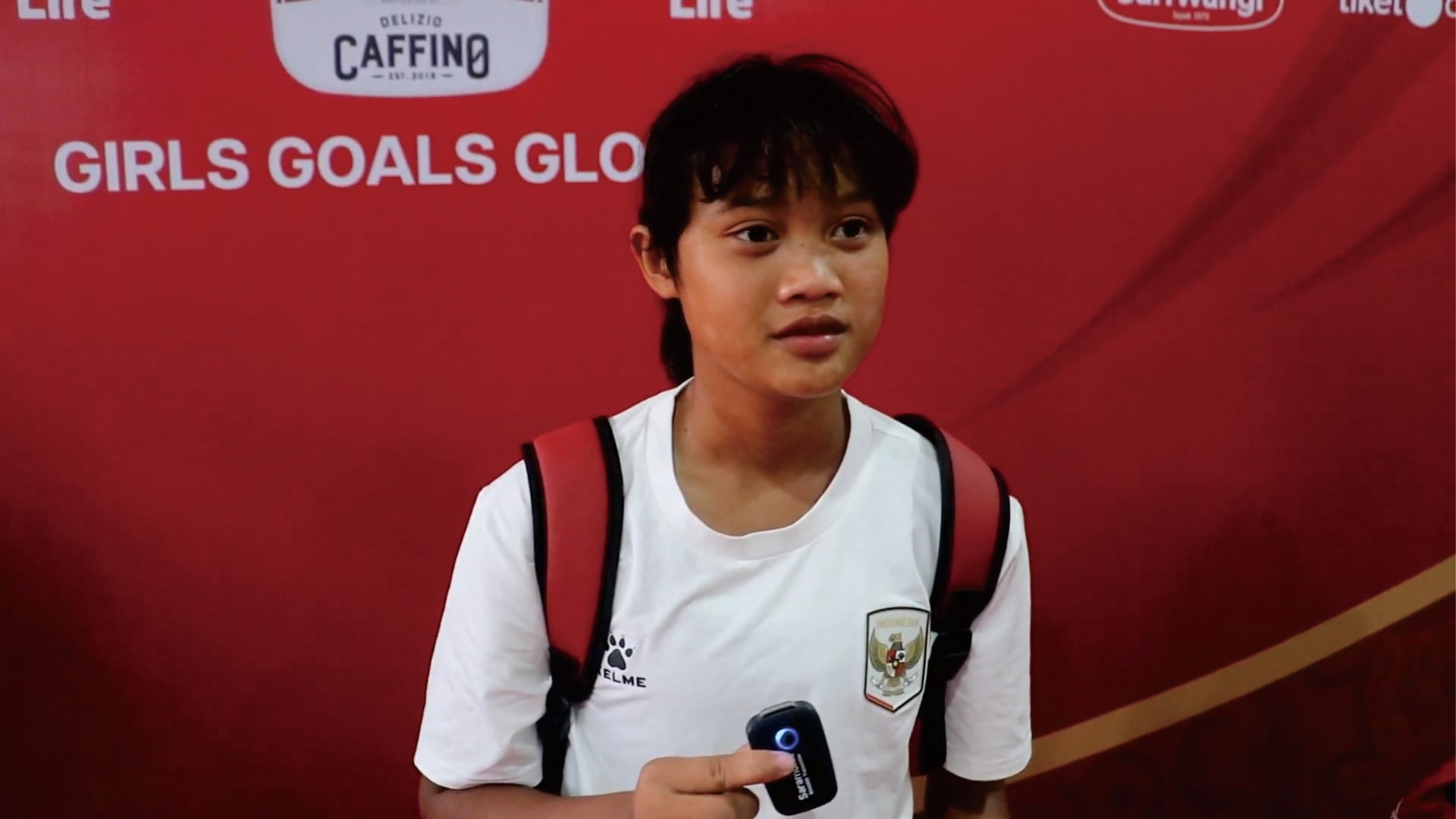
This sentiment stems from the rare opportunity to represent Indonesia on a day of national pride. While the final score fell short of expectations, wearing the Indonesian jersey remained a significant highlight for her.
When asked what wearing the Indonesian jersey means to her, Rahmadani gave a brief reply.
“Pride. Immense pride.”
Her answer reflects the personal connection players feel to the August 17 match. For these young athletes, the red-and-white jersey is more than just a uniform—it carries the weight and pride of Indonesia onto the pitch.
Gaida Mazaya views the opportunity to represent Indonesia as a responsibility she is eager to fulfill. To her, every match is a platform to demonstrate her best performance while upholding the nation's name.
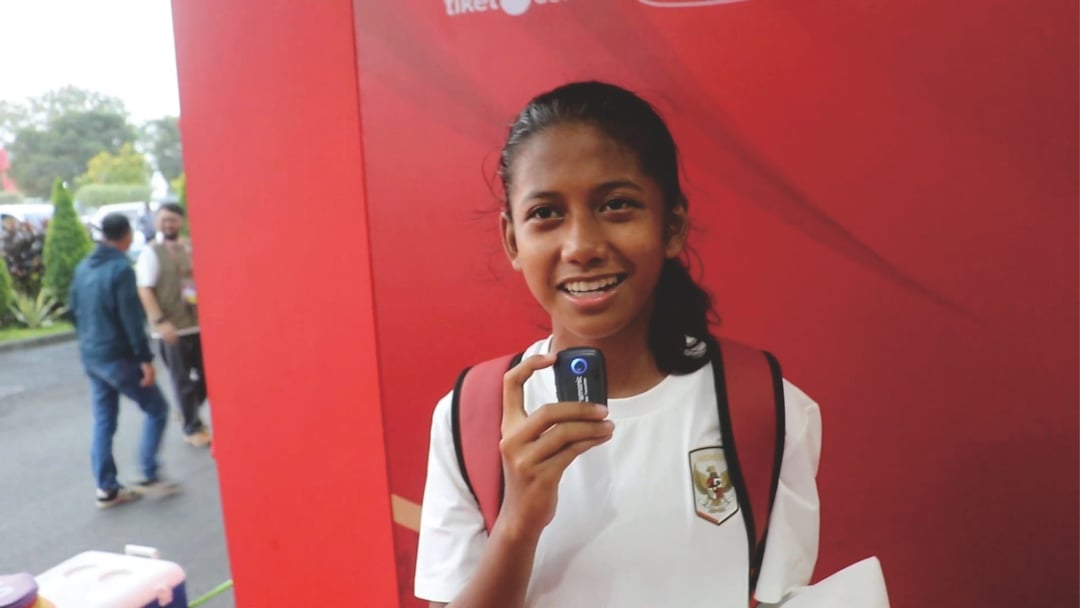
"I want to represent Indonesia as well as I can and uphold its reputation. Above all, I want to win," said Gaida.
The pursuit of victory is inherently linked to the learning process. These young players must face international opponents, accept match outcomes, and reflect on areas that require improvement.
The match against Singapore was one such experience.
While the 2-0 loss was disappointing, it provided the Indonesian players with valuable experience competing against international opposition on a unique occasion.
The Independence Day timing gave the match added significance. As the public celebrated on August 17th, these players were on the field, carrying the weight of the national name.
Support from the stands was also a highlight, as spectators gathered to watch the game and cheer on the Indonesian players.
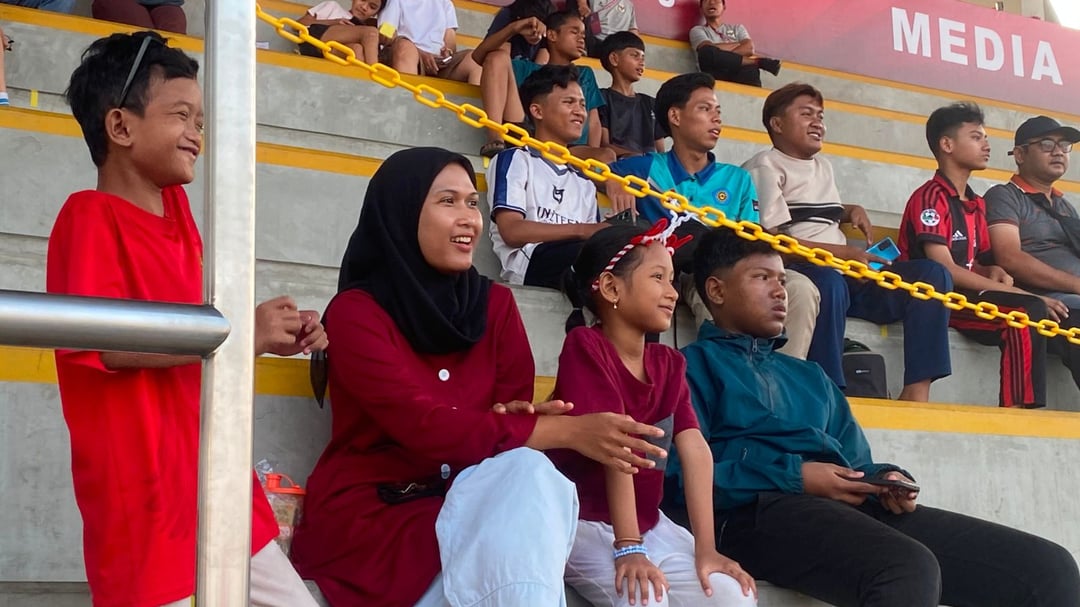
At the Supersoccer Arena in Kudus, Widyastuti watched the match alongside her three children. She purposefully brought them to see the Indonesian women's team in action.
For her, attending the stadium goes beyond simple entertainment. She wants her children to see how athletes compete and fight for their country.
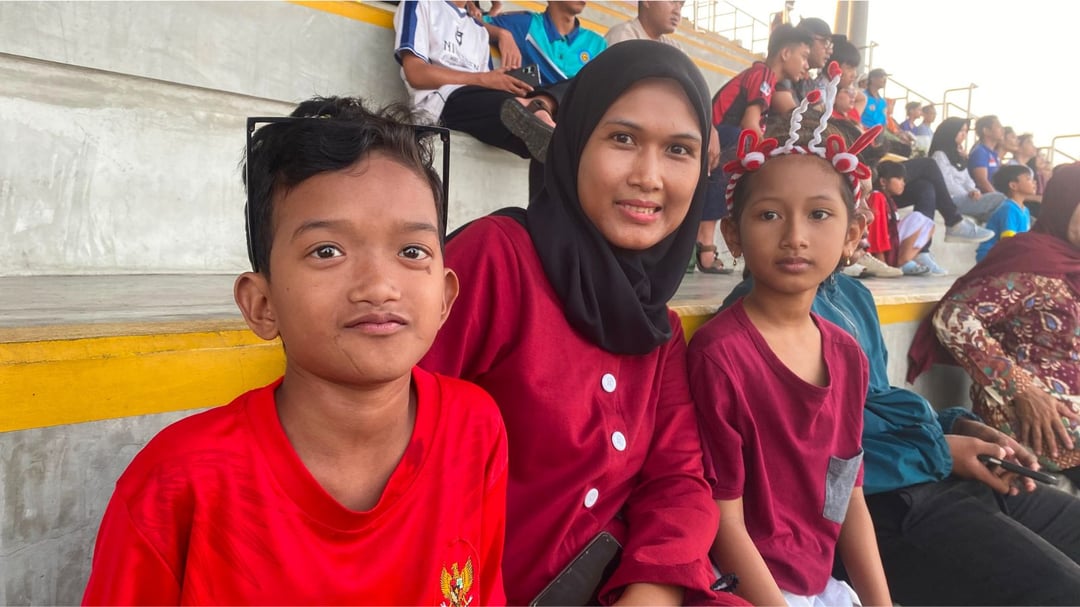
"I brought my children to help foster a sense of nationalism and to see the spirit of the women's national team fighting for the nation," she said.
The match served as an opportunity to instill values she deems important for her children, specifically discipline and nationalism.
"Discipline. Possessing a sense of nationalism," she added.
For Widyastuti, the players on the field serve as examples that becoming an athlete is a journey. While winning is the objective, the effort required to get there is equally worthy of attention.
He expressed hope that young Indonesian players would continue to develop and gain further opportunities to compete on a larger stage.
“I hope they continue to improve and reach the global stage,” he said.
For parents, the match provided a meaningful experience to discuss with their children long after leaving the stands. The children witnessed more than just the final score; they watched their peers wear the national colors and compete before a crowd.
The spirit of Independence Day in Kudus was further highlighted by local residents attending the match. Munadi, a resident of Jati District, visited the Supersoccer Arena Kudus to soak in the atmosphere of the Independence Day celebration.
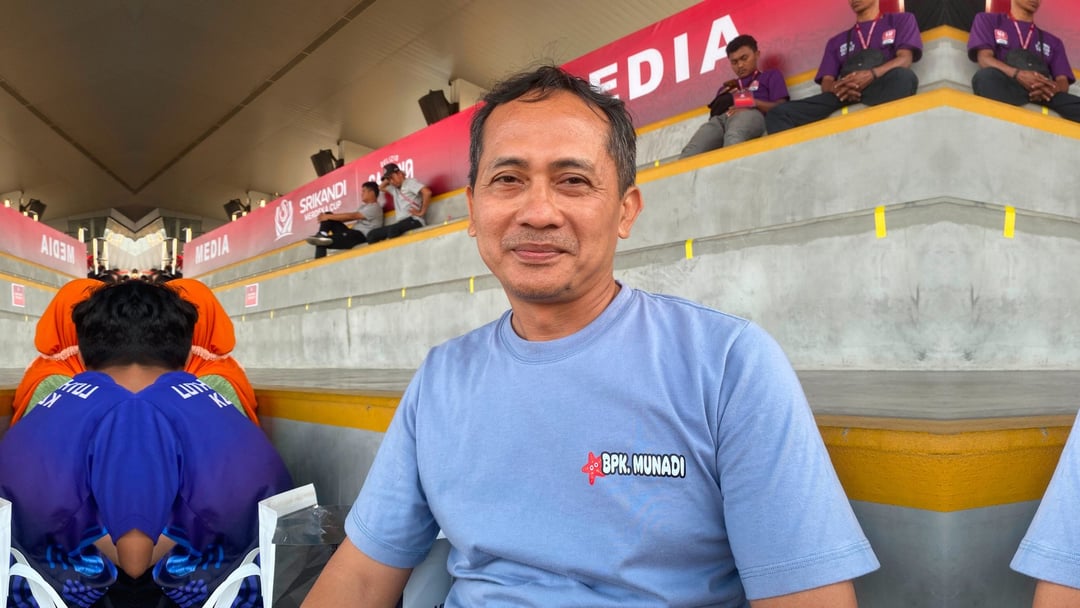
He hopes the inclusion of international matches will provide Indonesian players with the chance to gauge their skills against foreign opponents.
“First, victory is essential. We must secure wins. Second, we must showcase the ability of our young Indonesians to compete both in Asia and on the world stage,” Munadi said.
These sentiments reflect a desire among spectators to see beyond just the final score, emphasizing the need for young Indonesian athletes to gain vital experience through international competition.
For the people of Kudus, the influx of international participants also serves as an opportunity to promote the city to foreign visitors.
Munadi hopes that guests will get to know more than just the match, noting that landmarks like the Menara Kudus, the Kretek Museum, and local customs can enrich their experience while in the city.
Ultimately, the tournament serves as a bridge, bringing athletes from across the globe to Kudus, while the community acts as host and spectator.
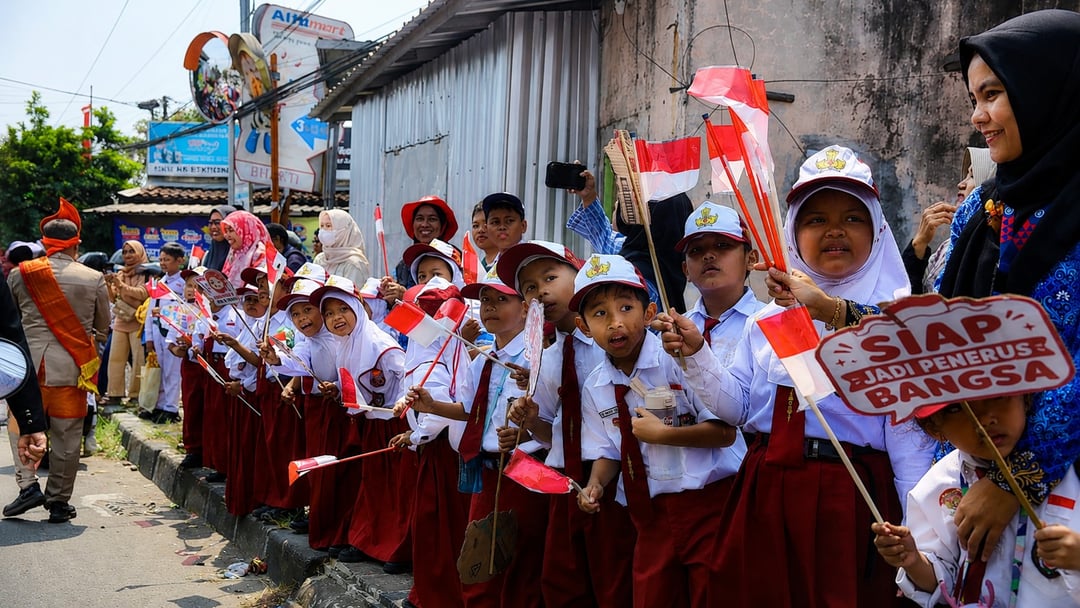
The community of Kudus welcomed participants from seven countries for the Srikandi Merdeka Cup 2026 amidst the nation’s Independence Day festivities. This August 17th event offered three distinct perspectives: an opportunity for international athletes to witness Indonesian independence traditions, the burden of national pride carried by the Merah Putih squad, and the vital role of local residents as hosts.
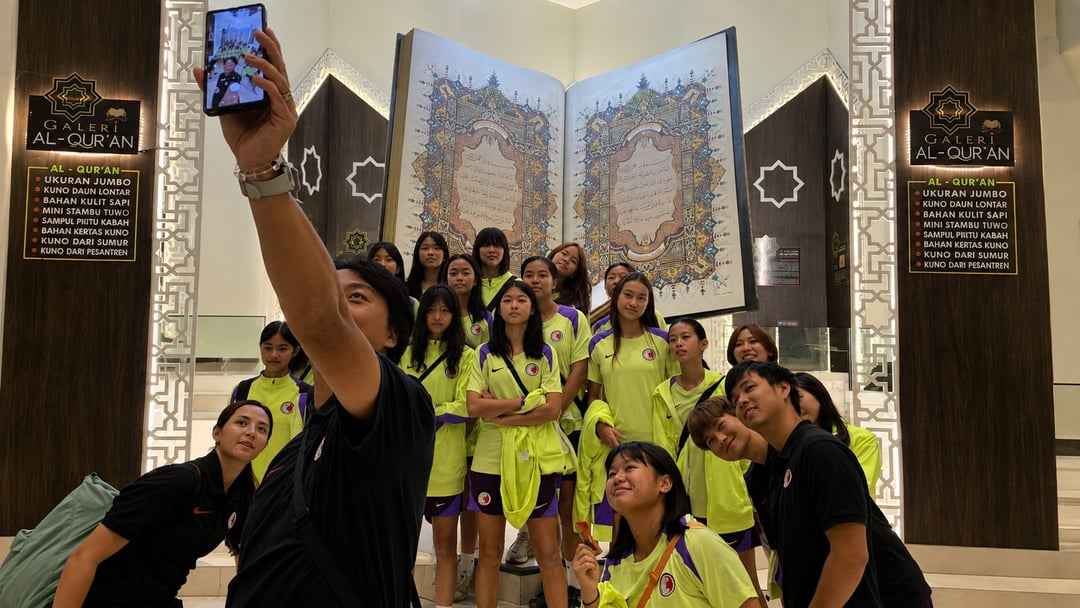
For international teams, including the Hong Kong U-16 women's national team that visited the Jenang Mubarok Museum, the tournament offered fresh insight into how Indonesians commemorate their national holiday. On the field, Indonesian players balanced the pressure of competition with the pride of representing their country. In the stands, spectators such as Widyastuti and Munadi used the opportunity to provide vocal support, promote Kudus culture, and provide sports education to the younger generation.
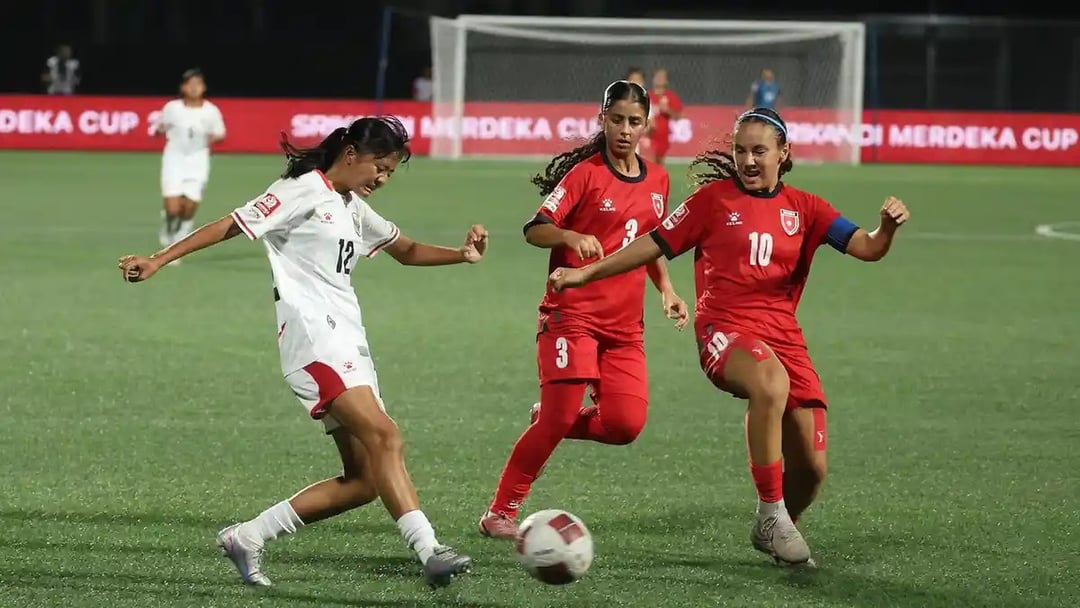
The on-field competition ultimately serves as part of the tournament record. Every win and loss provides technical evaluation for the development of women's soccer, while serving as valuable experience for the young athletes involved.
Beyond the scoreboard, the Srikandi Merdeka Cup offered broader significance. The tournament successfully integrated sports competition, cultural diplomacy, and independence celebrations onto a single stage. (OEB/mainkekudus)