
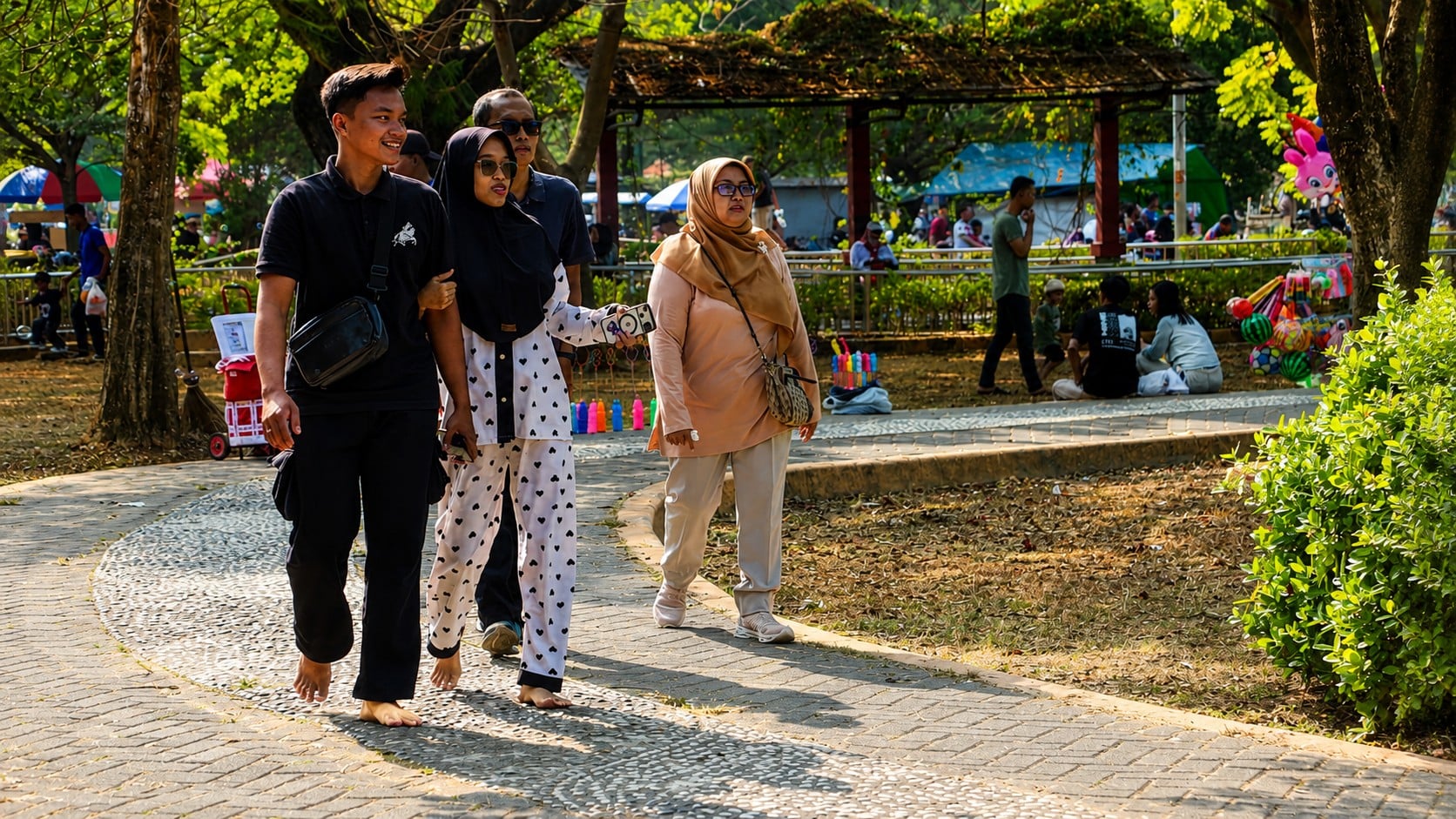
KUDUS – Mornings in Kudus move to a distinctive rhythm. As the sun begins to warm the tracks at Simpang Tujuh Square, Balai Jagong, GOR Wergu, Oasis Djarum Park, and Taman Ganesha, the pace of runners begins to slow. Sweat dries and breathing settles, but the morning routine is not yet complete. A staple tradition follows the exercise: the quest for breakfast.
This tradition gives the city, often known as the City of Clove Cigarettes, a unique morning pulse. Locals arrive to jog, walk, or join group fitness classes, before dispersing to nearby stalls and eateries. Bowls of buffalo soto, plates of nasi pindang, toast, and nasi lemak are essential components of the post-exercise experience.
As sport tourism gains momentum in Kudus, the culinary scene has expanded in tandem. These vendors do more than simply refuel athletes; they provide a reason for residents and visitors alike to linger and enjoy the morning.
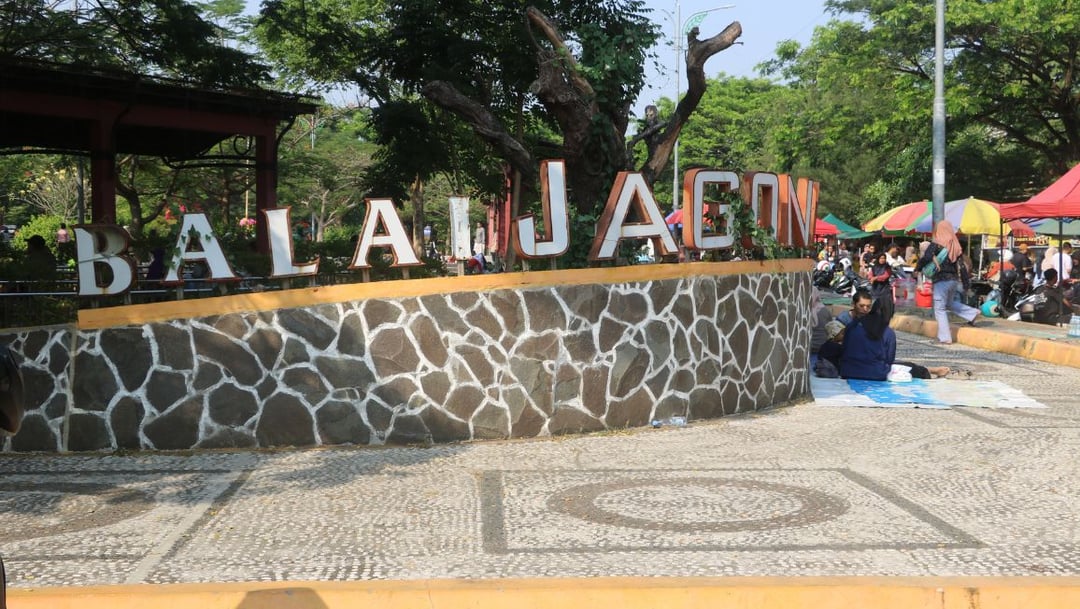
Balai Jagong serves as a prime example of how sports facilities and the culinary sector support one another. From early morning, the jogging track is filled with people of all ages. Shortly after finishing their exercise, many head to the nearby rows of food stalls.
One popular spot is Kedai Papi. Unlike typical breakfast stalls, this venue offers a menu reminiscent of hotel dining, while maintaining affordable prices.
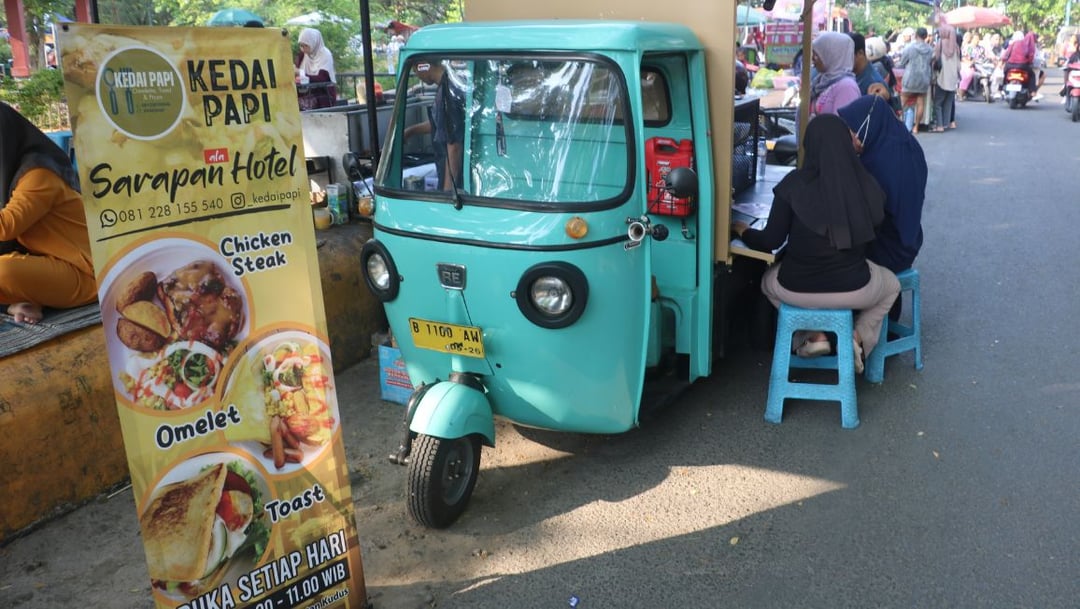
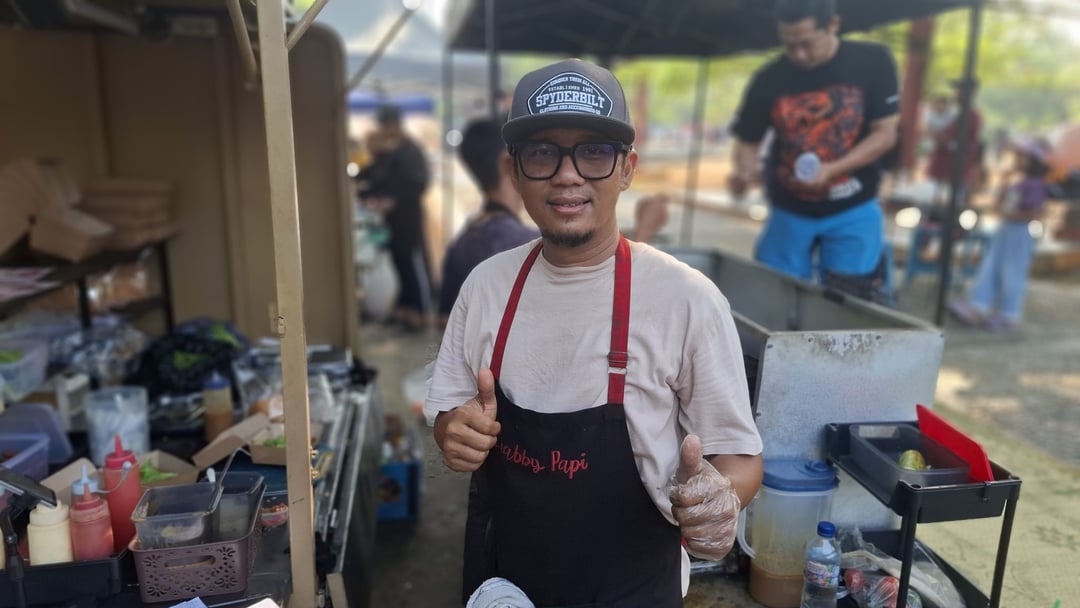
Kedai Papi owner Choironi, affectionately known as Papi, said the business has been operating for about four years. He was inspired to create a hotel-style menu to allow the public to enjoy a premium breakfast experience without having to visit a hotel.
“Our menu includes omelets, potato wedges, toast, salads, chicken steak, and complete hotel-style breakfast sets. The complete sets are the most popular because they are filling and offer great value,” he said.
The shop is open from 6:00 a.m. to around 11:00 a.m. WIB, with menu prices ranging from IDR 13,000 to IDR 24,000.
Papi noted that weekends are his busiest times, as the influx of morning runners, families, and tourists drives significantly higher traffic than on weekdays.
"From Friday to Sunday, visitor numbers increase by up to 50 percent compared to weekdays. Many people have breakfast here immediately after exercising," he said.
For Anna, a regular customer, the habit has become a routine every time she exercises at Balai Jagong.
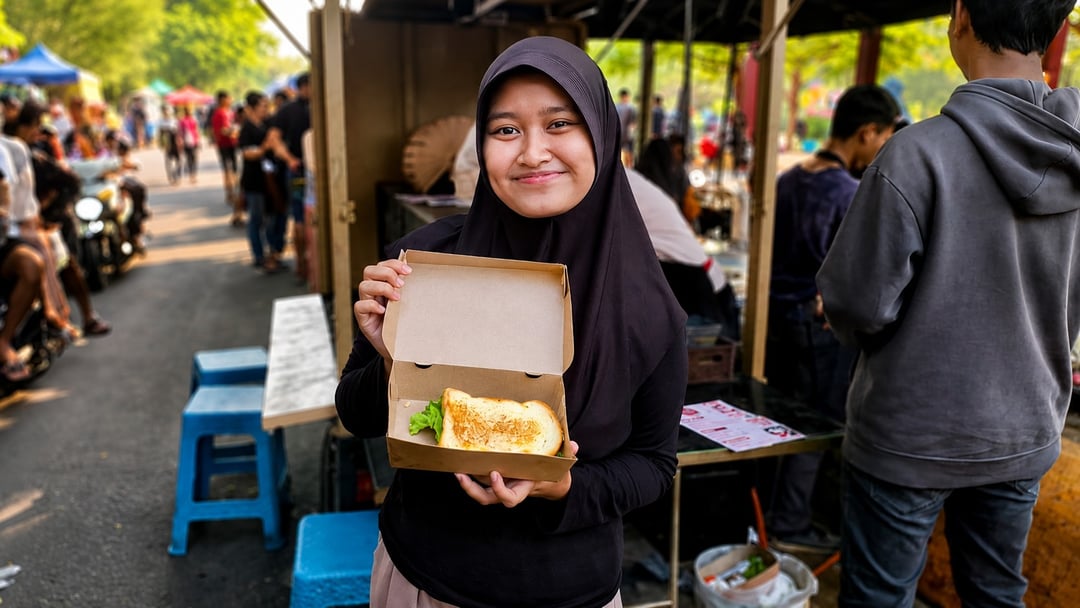
"The prices are affordable, the food is healthy, including salad, toast, and other menu items. This place is also widely recommended on social media. Usually, after a morning walk or jog, I have breakfast here before heading home," she noted.
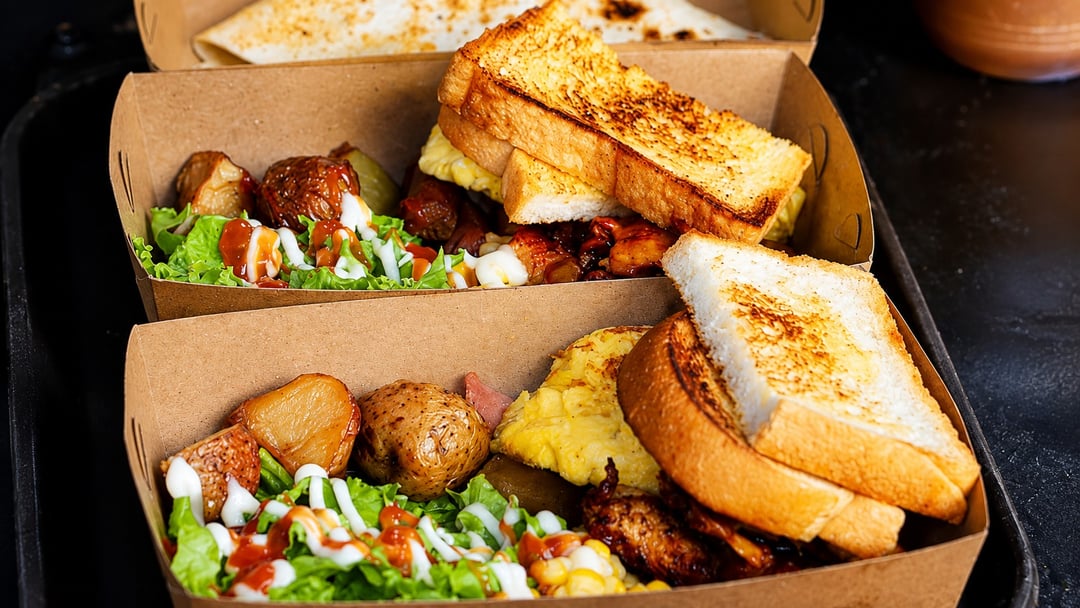
According to her, Balai Jagong offers a complete combination. In addition to a jogging track and aerobic area, the site hosts various culinary options in one location, allowing visitors to easily transition from exercise to breakfast.
Not far from the Simpang Tujuh Town Square, Warung Makan Bu Noor showcases another side of the breakfast tradition in Kudus. Established in the 1960s, the eatery maintains signature dishes passed down through generations.
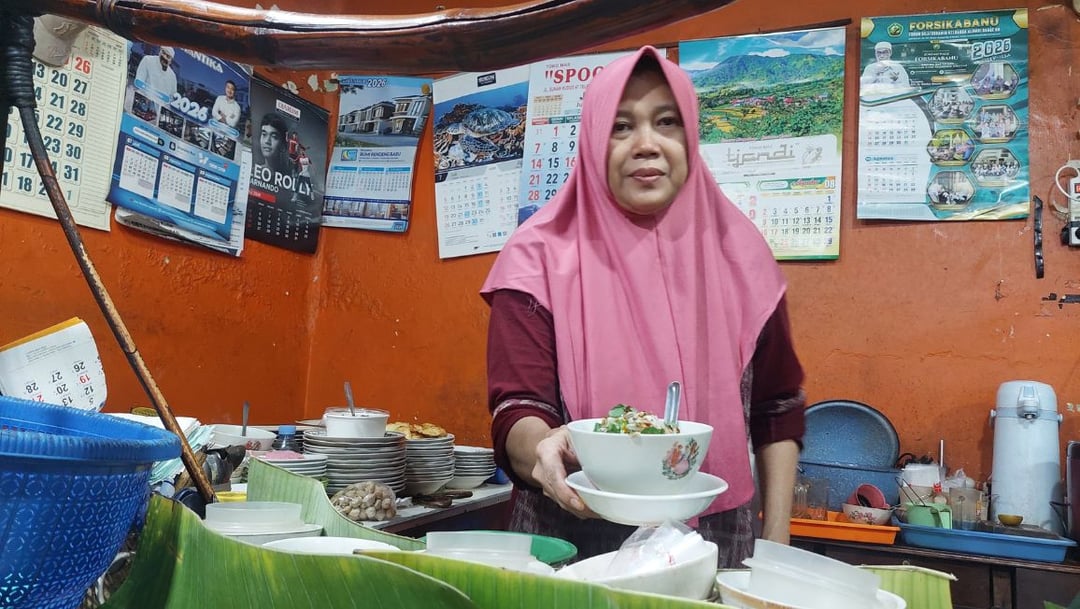
Puji, the next-generation manager of the stall, stated that buffalo soto remains the most sought-after dish. Other offerings include gudeg and nasi pindang kerbau, priced at Rp 20,000 per portion.
"Customers usually arrive after a morning run or the Car Free Day event. We also see many badminton athletes and out-of-town guests who specifically come here for breakfast. It is busiest between 8:00 AM and 9:00 AM, especially on weekends," she said.
The location in the Taman Bojana area makes the stall easily accessible to those who have finished exercising around the Simpang Tujuh Town Square.
Robby, a resident of Pati who works in Kudus, admits he visits the stall almost every Sunday after his run.
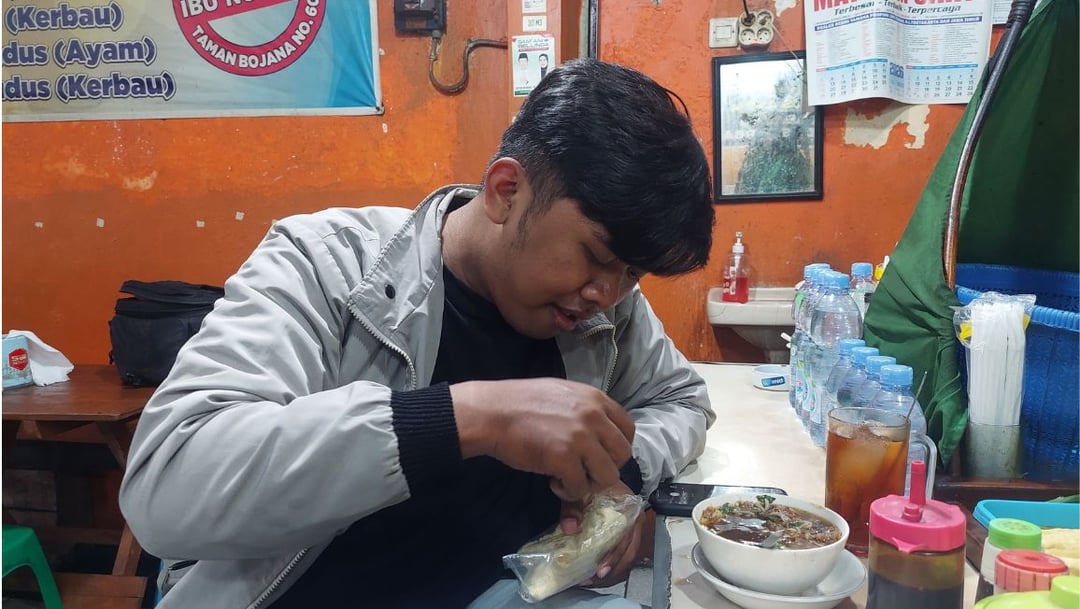
“What I like is the fresh broth and the savory buffalo meat. In Pati, many dishes are made with coconut milk, whereas in Kudus, the flavor is different—lighter but still delicious. The prices are also affordable,” the customer said.
This shop demonstrates that traditional menus still hold a place in modern society. After exercising, many people prefer to enjoy dishes that have long been part of the culinary identity of Kudus.
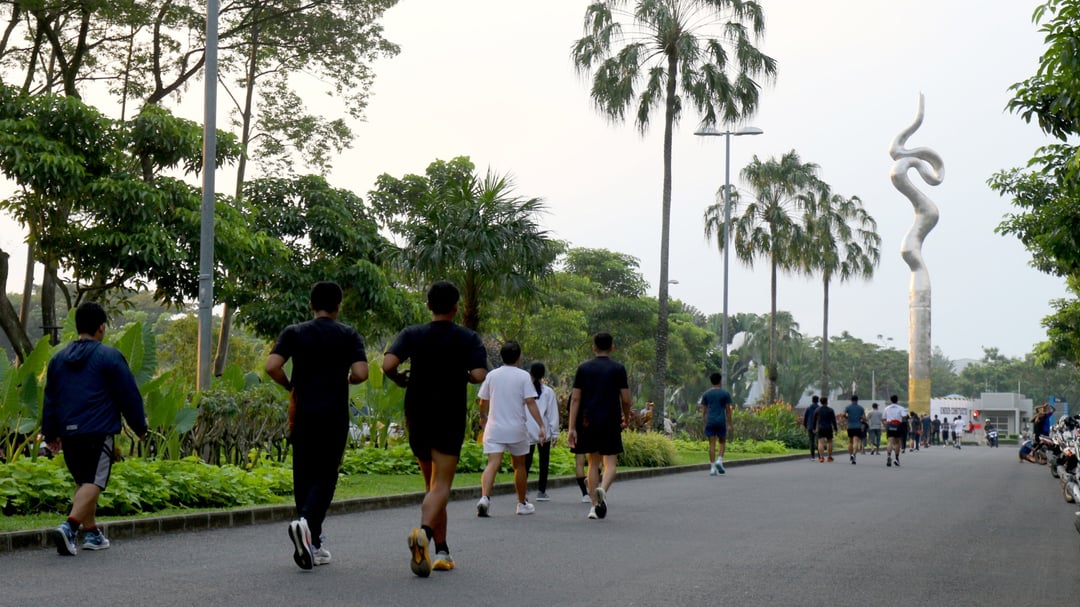
While the Simpang Tujuh Town Square is synonymous with legendary culinary spots, the Oasis Djarum Park area offers a different set of options.
Located three to four minutes from the sports area is Kedai Mba Sekar, situated behind the Purworejo Village Hall in the Bae district. The restaurant features a Malay concept with an open-air atmosphere surrounded by trees.
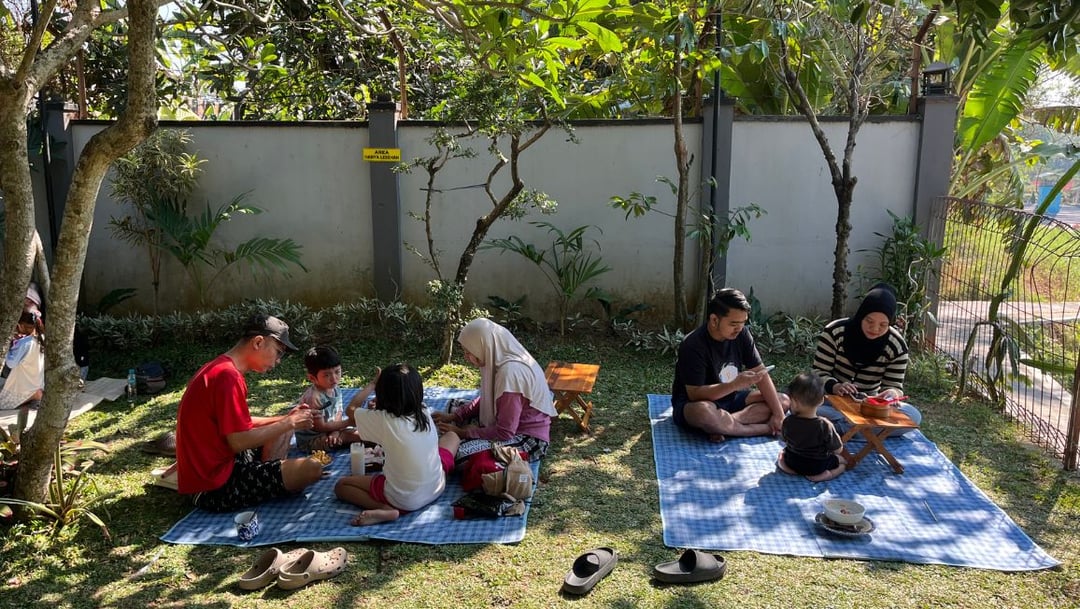
The owner, Elena Sekar Rahayu, also known as Mba Sekar, said the business has been operating since Ramadan this year. Along with her husband, a Kudus native, she aims to offer a menu rarely found in the City of Kretek.
“I live in Jogja, but my husband is from Kudus, so we travel between the two cities to manage this business. We want to introduce Malay cuisine as a fresh alternative. People in Kudus are accustomed to breakfast staples like lentog or vegetable lodeh, so we want to provide something different as a refreshing change,” she said.

On weekdays, the shop opens at 9:00 a.m. WIB. On weekends, it opens at 7:00 a.m. to serve visitors finishing their morning exercises.
Popular menu items include Hainanese chicken rice, Nasi Lemak with 'kipas' chicken, Nasi Lemak with Barendo egg, and Malay-style fried kwetiau. Prices range from Rp 16,000 to Rp 28,000, while various snacks and beverages start at Rp 12,000.
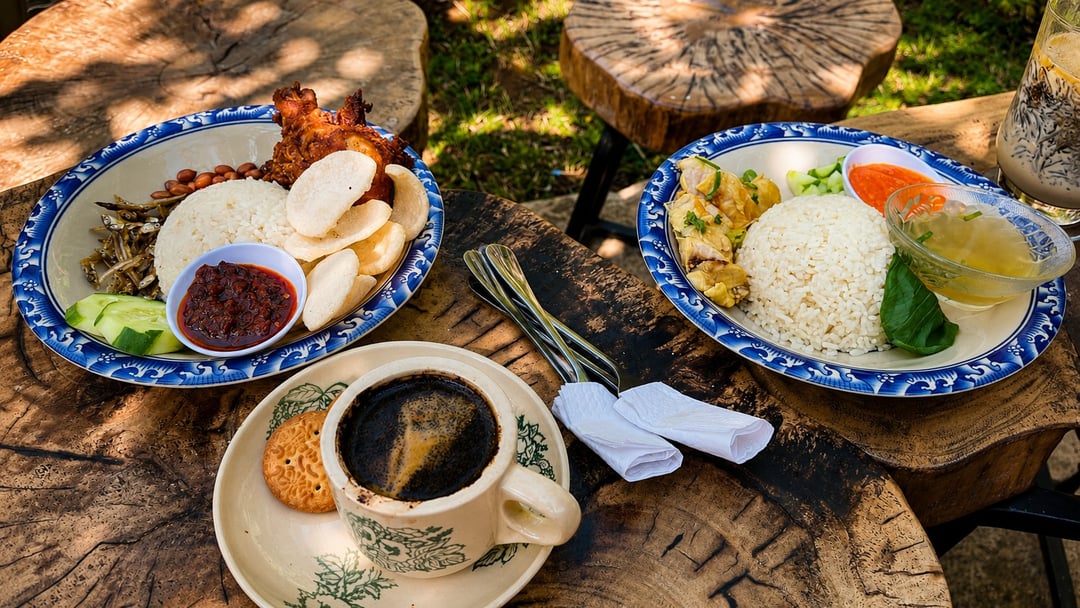
Beyond the menu options, the ambiance is a significant draw. Visitors can enjoy their meals on mats or at small tables tucked under the shade of trees.
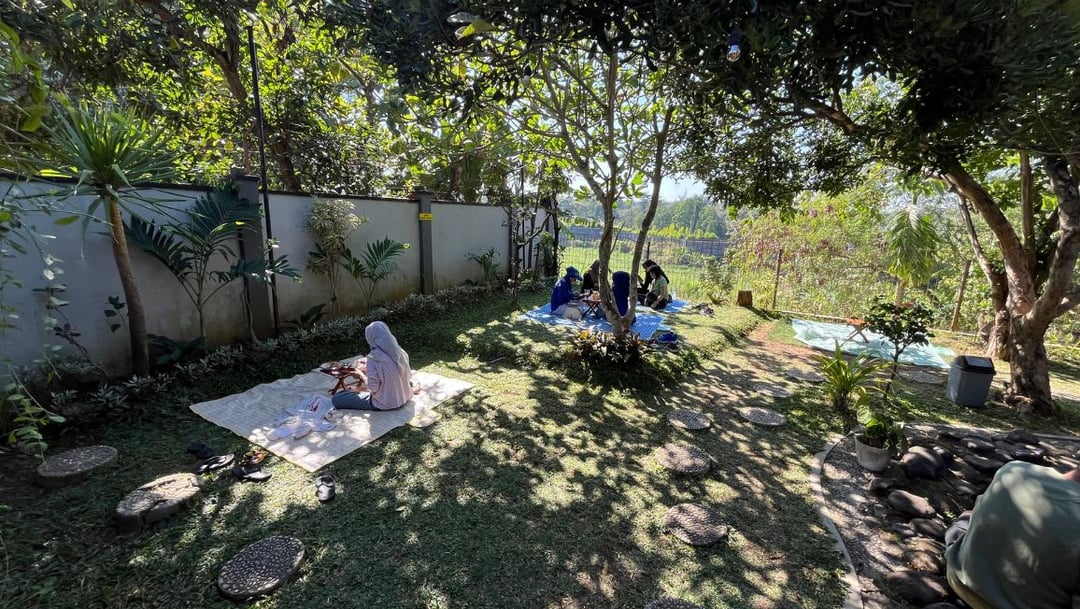
"We wanted to create a comfortable dining spot for families. People can enjoy the natural atmosphere while relaxing and spending quality time together. The weekends are usually the busiest, as many families and community groups stop by after exercising," they explained.
Tika, a local resident, discovered the venue through social media before visiting after a morning jog at Oasis Djarum Park.
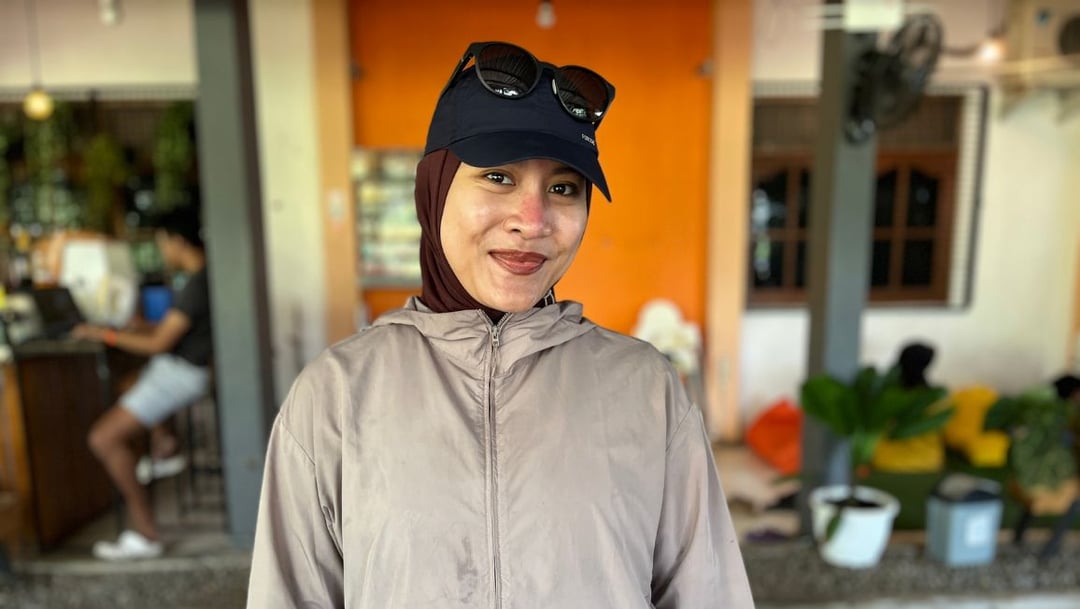
"I had just finished jogging at Oasis and decided to stop by after seeing recommendations on Threads. I ordered the nasi lemak with Barendo eggs and teh tarik. The nasi lemak was savory, well-seasoned, and the eggs were crispy, while the teh tarik was excellent. It is a beautiful, cool spot with plenty of trees," she said.
Zaida Hanifah, a resident of Loram, Kudus, shared similar sentiments. She visited with her cousin to experience a different kind of breakfast atmosphere.

"I often see this place on social media with its nature-themed breakfast concept. What I find interesting is that Malay cuisine like nasi lemak is still rare in Kudus. Aside from the food, the ambiance is perfect for relaxing with family," she said.
Back in the Balai Jagong area, Sutriyono’s soto stall is a popular destination for post-workout visitors. For nearly three decades, he has managed the family business while maintaining the recipe passed down by his father.
Menu options include chicken soto, water buffalo soto, chicken pindang, and buffalo satay. Prices start at IDR 15,000 for standard soto, IDR 21,000 for buffalo soto, and IDR 44,000 per portion for buffalo satay.
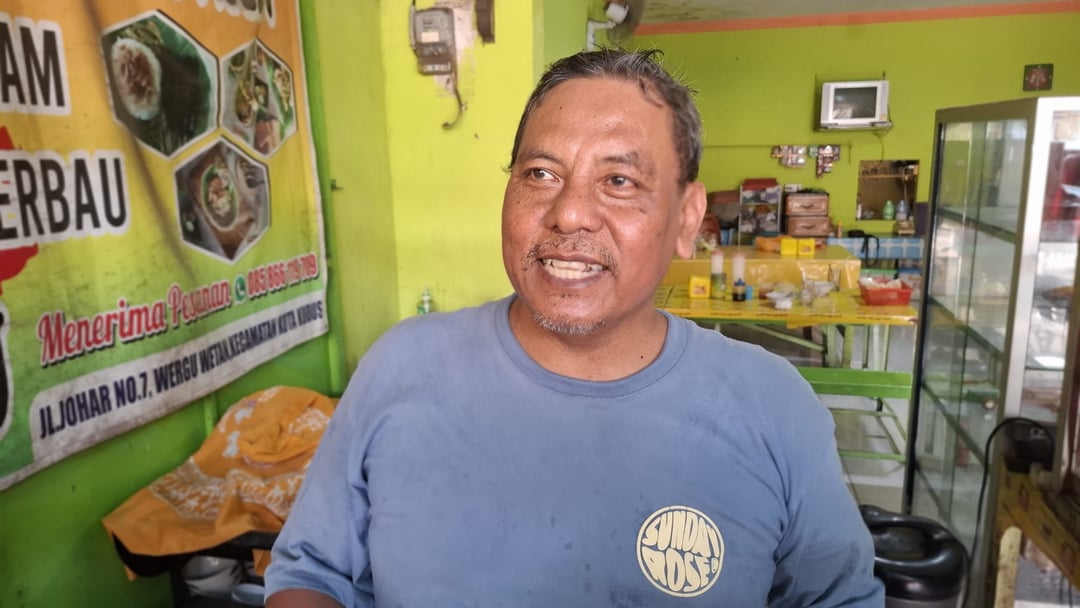
"When there are running activities or sports events, many people stop by. Weekends are usually busiest in the morning for breakfast, while weekdays see a surge during lunch hours," he said.
According to Sutriyono, sports activities at Balai Jagong have a positive impact on surrounding food stalls. Many visitors from outside the region take the time after exercising to sample Kudus' signature culinary offerings.
Across Kudus, sports and culinary culture go hand in hand. Public spaces provide areas for residents to stay active, while nearby stalls and cafes offer spots to rest, socialize, and enjoy a meal.
Each area has a distinct character. Balai Jagong offers a blend of modern and traditional menus in one location. The Simpang Tujuh Square retains the appeal of legendary stalls that have served customers for decades, while the Oasis Djarum Park area offers contemporary menu options set in a tranquil, natural environment.
This diversity ensures that the fitness experience in Kudus does not end when the final step is taken on the track. Physical activity transitions into a culinary journey, bringing together locals, athletes, running communities, tourists, and families alike.
Ultimately, breakfast is more than just a post-workout ritual. In the City of Kretek, a bowl of buffalo soto, a plate of nasi lemak, or a simple breakfast set is part of a recurring morning tradition. From the exercise track to the dining table, the community enjoys a holistic experience of moving, resting, and discovering Kudus through the flavors that thrive around them. (JMY/mainkekudus)