
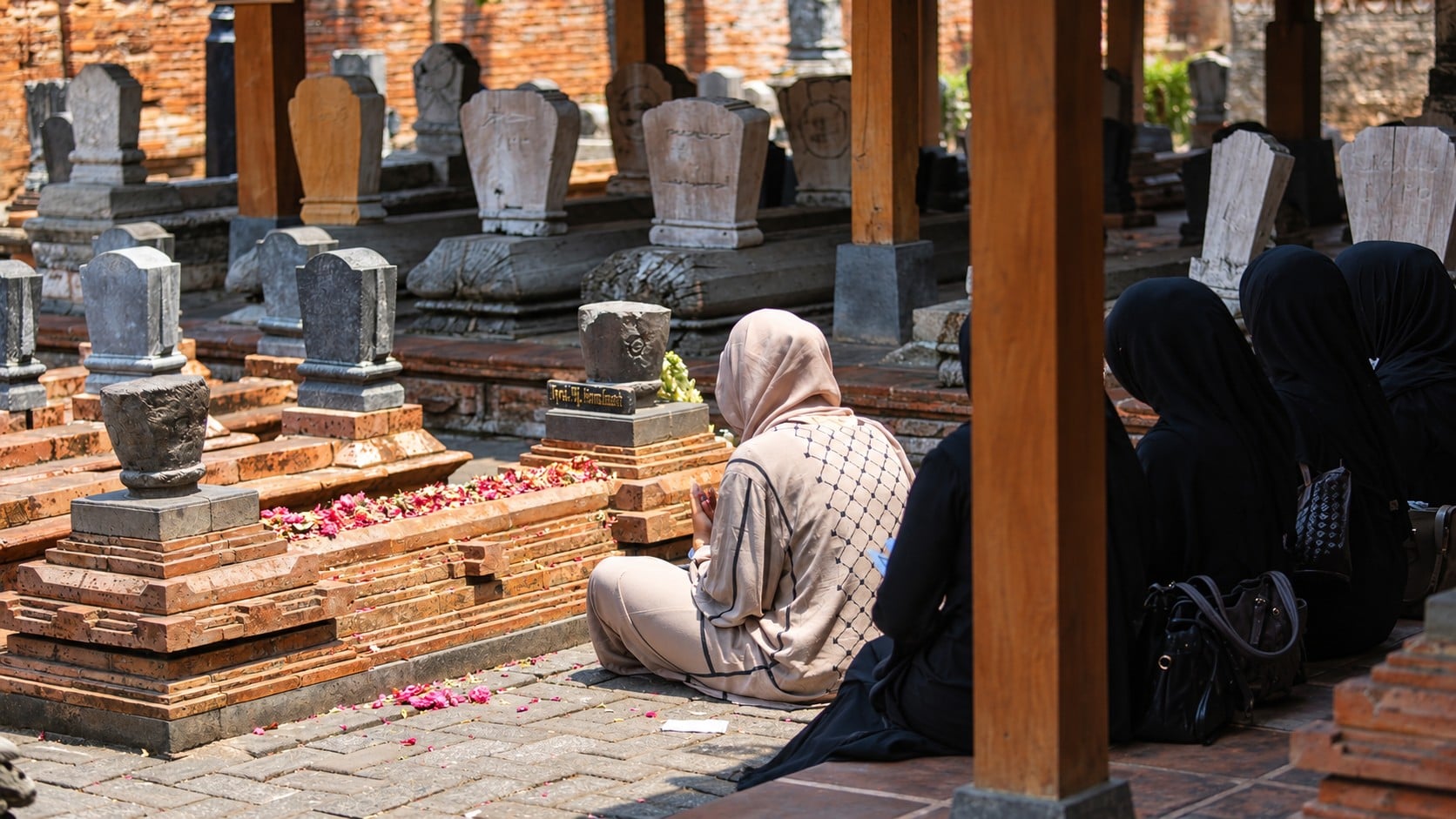
KUDUS — The Sunan Kudus tomb complex serves as more than just a destination for pilgrims to offer prayers. Behind the red brick gates and ancient structures, the site preserves traces of Kudus' past, documenting everything from governance and family lineages to the historical progression of Islamic outreach.
An exploration of the site reveals several relics, each with unique functions and histories. These include the Pendopo Tajuk, formerly used for hosting guests and administrative deliberation, the graves of Sunan Kudus' descendants, and inscribed tombstones, some of which have become weathered and difficult to decipher.
Deni Nurhakim of the Menara Mosque and Sunan Kudus Tomb Foundation (YM3SK) detailed the various sections of the complex. Through his insights, visitors gain an understanding of how the site’s layout is deeply intertwined with the social, religious, and political dynamics of the Kudus Sultanate era.
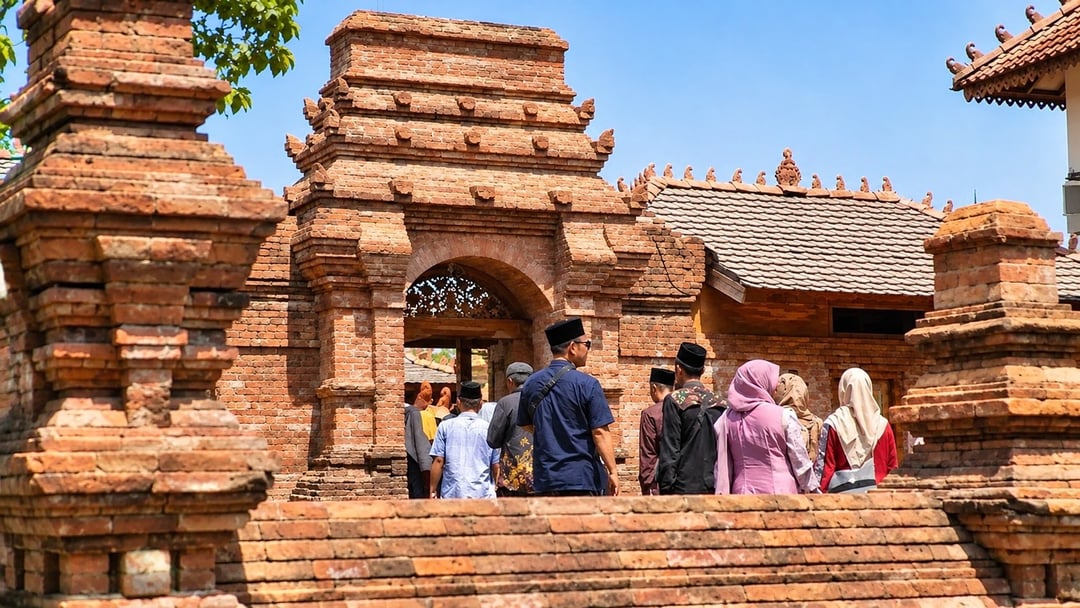
To reach the tomb of Sunan Kudus, visitors must navigate through a series of gates integrated into the cemetery’s spatial design.
The entrance path begins at the outer Candi Bentar gate. The journey continues through walkways and several Paduraksa gates before reaching the portal known as Lawang Kembar.
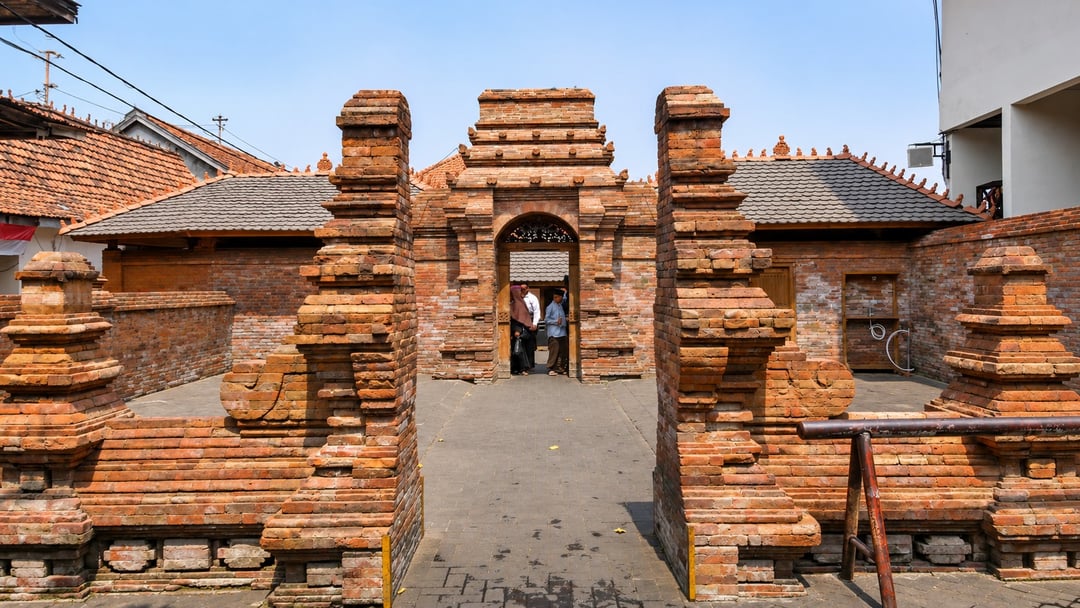
The red brick walls, carved wooden doors, and gate arrangements reflect the Javanese architectural character also found in the Menara Kudus Mosque complex.
According to Deni, the area consists of five courtyards, each serving specific purposes. These include the mosque area, the tomb itself, the courtyard leading to the Pendopo Tajuk, and other designated burial sectors.
This segmentation highlights that the complex functioned as more than a cemetery; it was a hub for religious activity and communal life in bygone eras.
Deni further noted that the surrounding environment is part of Kudus Kulon, the old town district situated west of the Kaligelis River.
The district's character remains evident in its residential settlements, defined by narrow alleyways. Some paths are barely a meter wide, serving solely for local foot traffic.
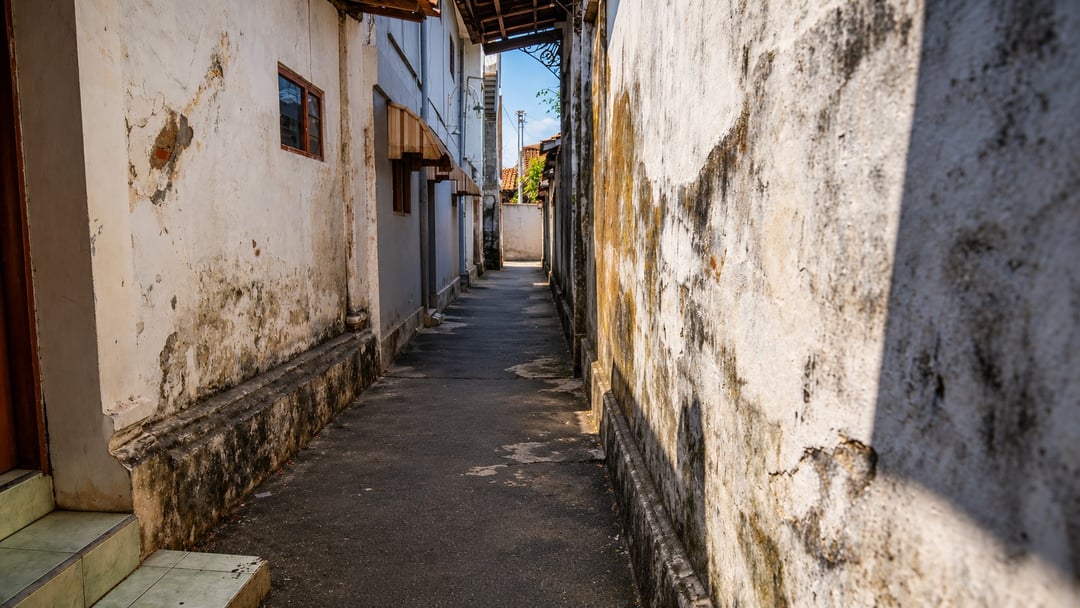
The neighborhood's older houses are characterized by thick brick walls and high fences. Deni attributes this architecture to a local tradition of conducting business from home, which necessitated more private, enclosed spaces.
These environmental conditions offer a glimpse into the lifestyle of past Kudus residents that persists today.
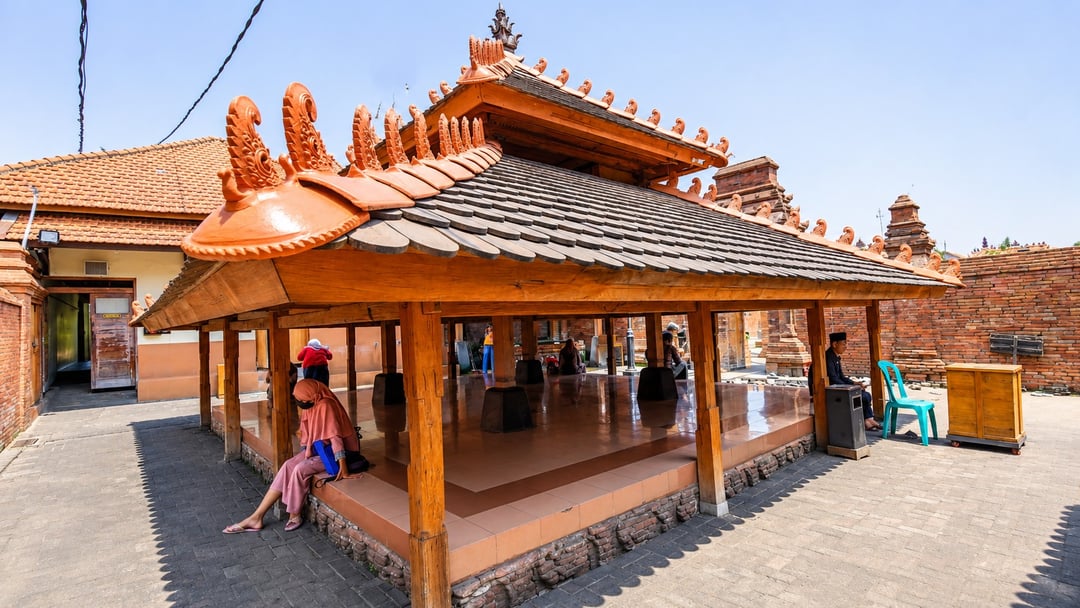
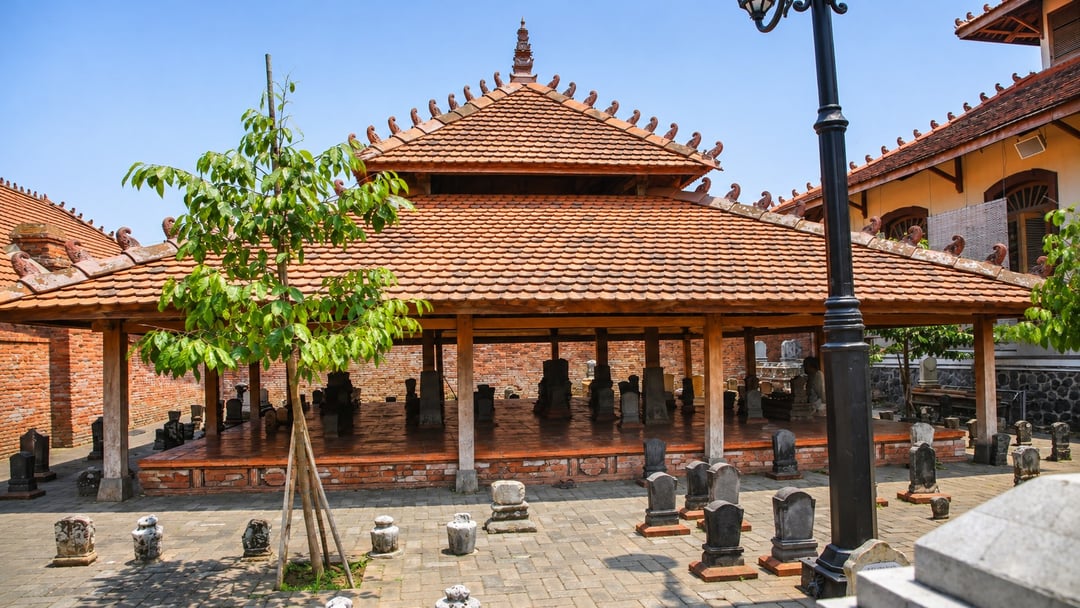
Distinct from the surrounding burial grounds, the Pendopo Tajuk stands as a notable structure.
Deni explained that the pavilion formerly served as a space for hospitality and formal meetings. It is also believed to have played a role in the governance of the Kudus Sultanate.
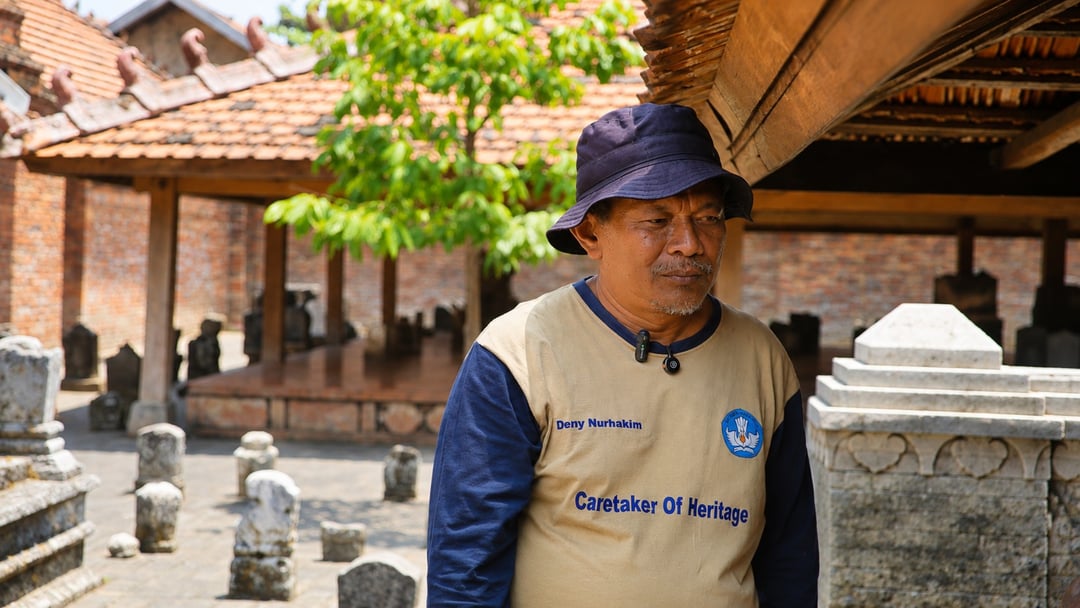
"It originally functioned as a reception hall and a site for deliberation," Deni noted.
He added that the pavilion's existence is linked to the administrative activities of the era, citing historical records that identify Kudus as a region within an Islamic kingdom.
Deni noted several interpretations regarding the name Tajuk; some associate it with the building's roof structure, while others suggest it is a shorthand for "jujukan," meaning a destination or meeting point.
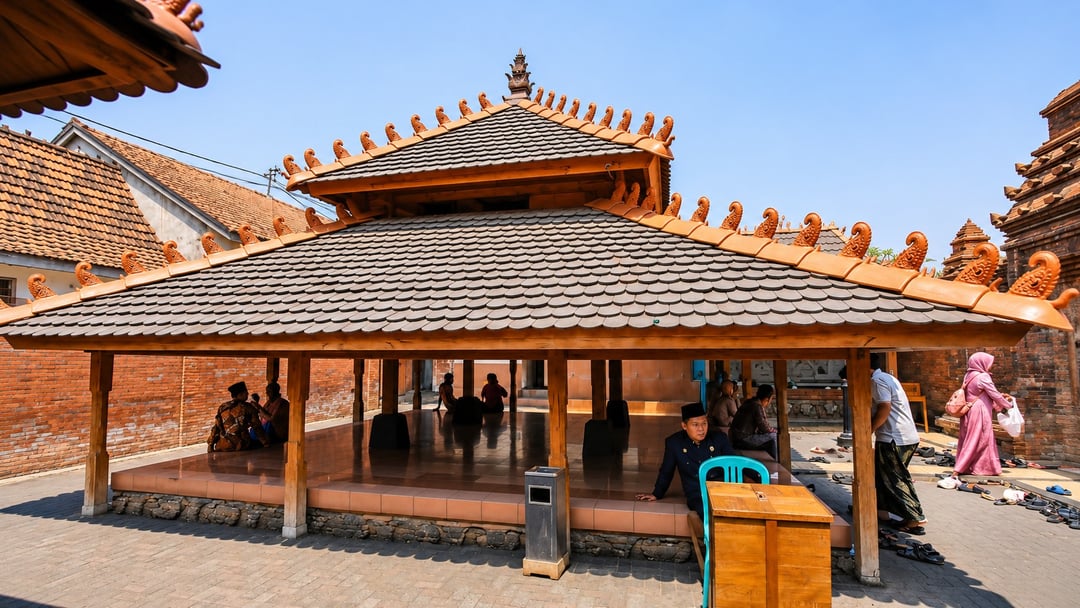
The presence of the Tajuk Pavilion illustrates that the tomb complex served broader purposes. Beyond its role as a site for worship and burial, the area was also a hub for public gatherings and governance.
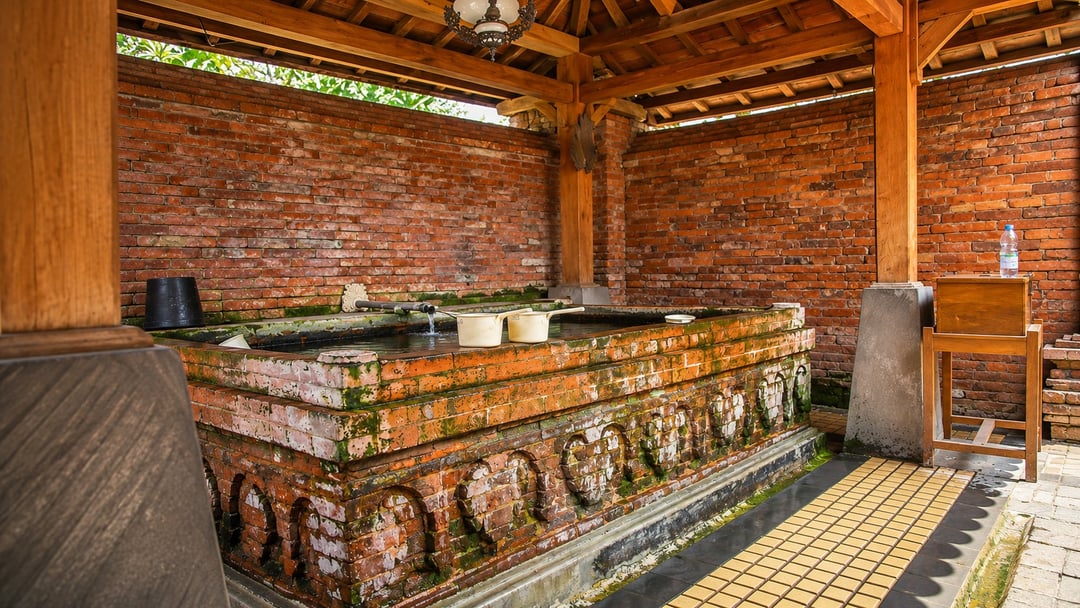
Among the identifiable structures is an ancient area once used for foot washing and performing ablution.
Deni explained that the facility is an original component of the complex. Its existence reflects historical practices for visitors entering the cemetery grounds.
In the past, footwear was not easily accessible to everyone. Consequently, foot hygiene became a priority for those arriving to pay their respects.
Deni noted that visitors were traditionally expected to clean their feet before entering the tomb area, with the facility also serving as a place for ritual ablution.
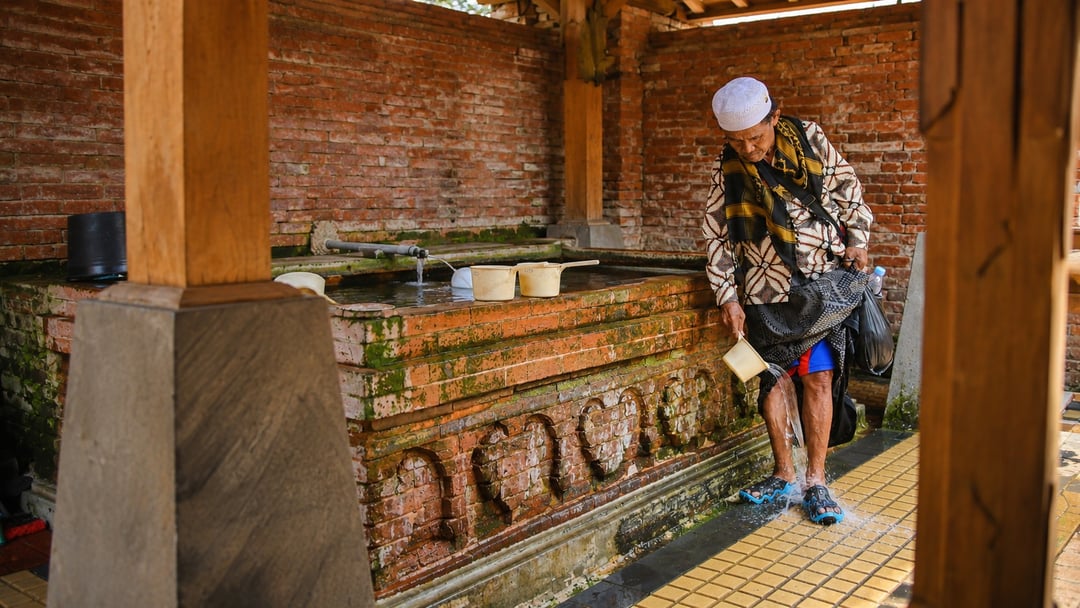
aligning with the needs of pilgrims in that era.
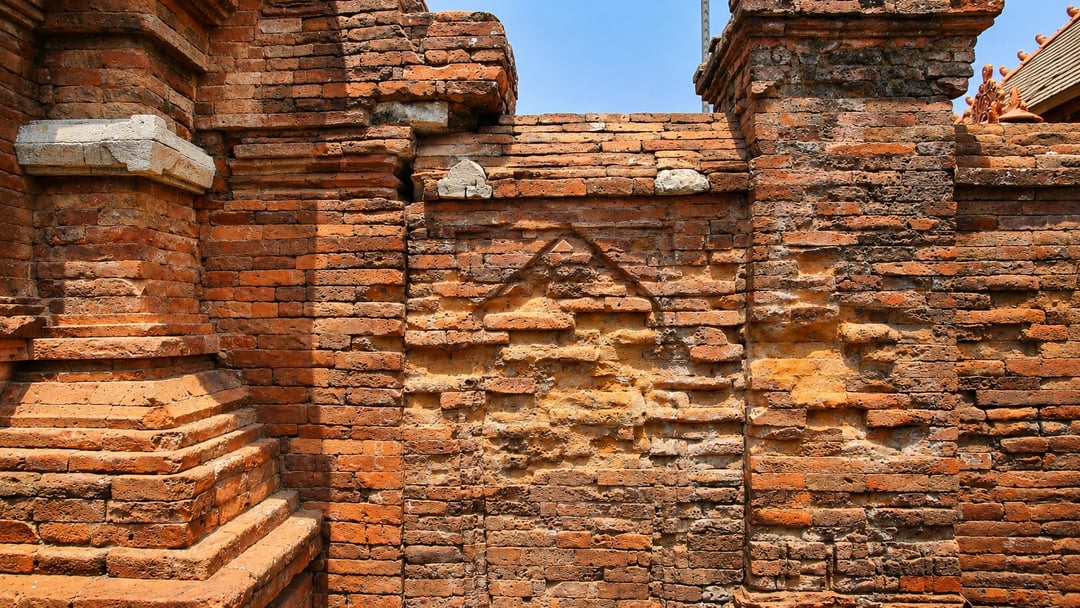
In addition to the facility, Deni pointed out several ancient bricks scattered throughout the complex. They are notably larger than standard modern bricks.
While some sections of the buildings retain original materials, others have undergone restoration. In certain areas, traditional dry-laid brick masonry techniques remain visible.
These variations in material condition reflect the ongoing maintenance and evolution of the burial site over time.
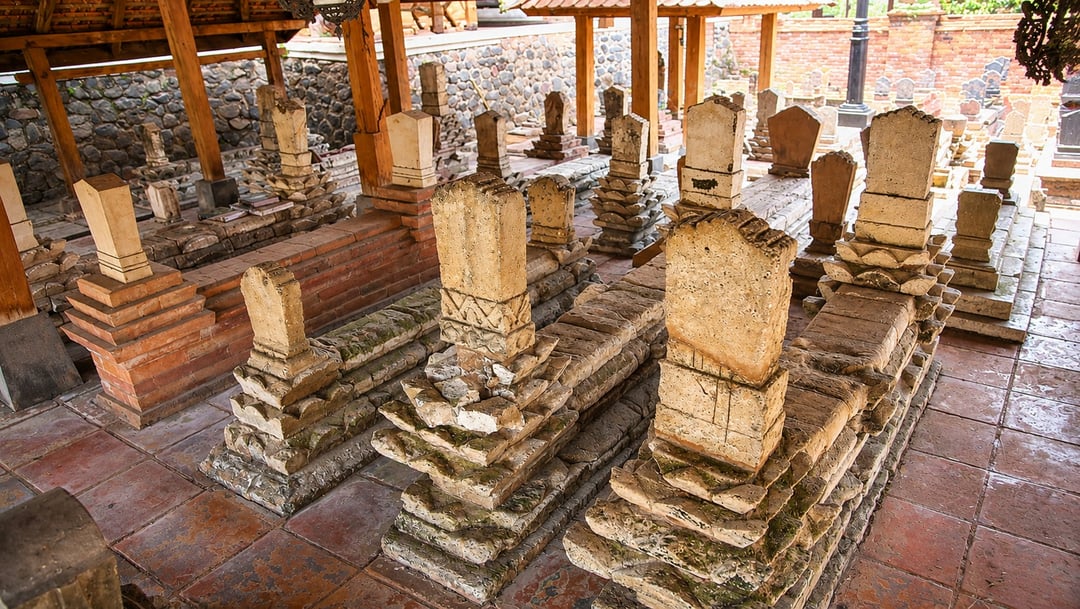
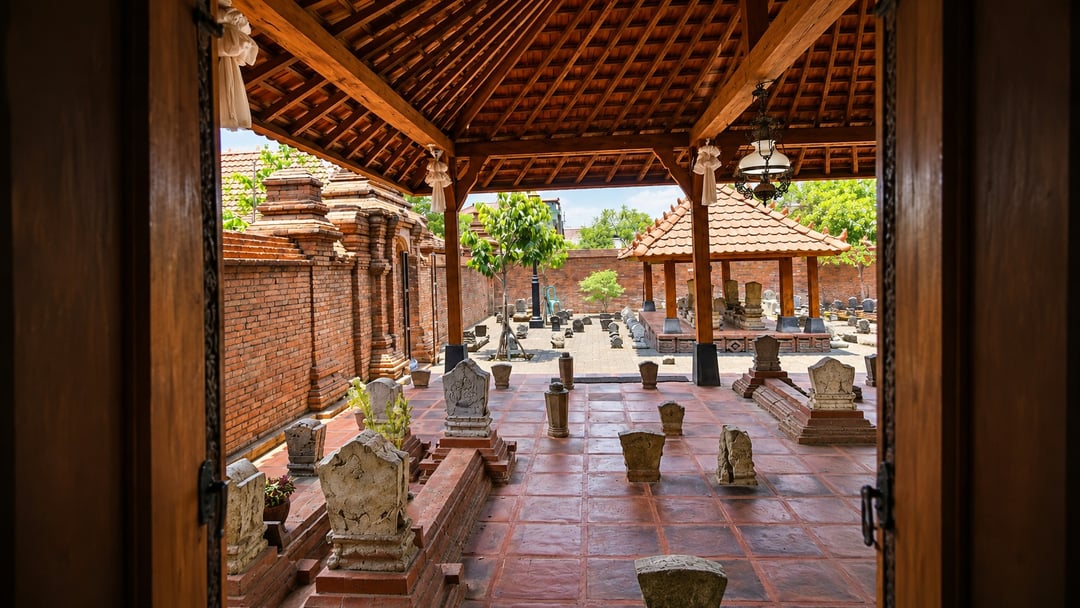
An exploration of the cemetery complex reveals several graves belonging to historical figures linked to Sunan Kudus.
Among them is the tomb of Prince Poncowati. There are two competing local accounts regarding his relationship with Sunan Kudus.
Some believe Poncowati was the son of Sunan Kudus, while others assert he was his son-in-law.
Deni believes Poncowati was the son-in-law of Sunan Kudus and once served as a military commander.
He also recounted the origins of Prince Poncowati based on oral tradition, which suggests Poncowati came from Bali and was tasked with guarding the Kudus region before eventually meeting Sunan Kudus.
These details regarding his origins and familial ties remain part of local folklore and should be distinguished from verified historical facts.
Surrounding the tomb of Poncowati are the graves of several figures whom Deni claims were associated with the administration of that era. The layout of these tombs reflects the placement of prominent figures within royal cemetery complexes.
Deni also identified the tomb of the Penghulu Bedagas, who reportedly held a significant position within the inner circle of Sunan Kudus.
He likens the role of the penghulu to that of a gatekeeper for those seeking an audience with Sunan Kudus.
The burial site features inscriptions in Javanese and Arabic. According to Deni, the Javanese text identifies regional leaders of Kudus during certain periods, while the Arabic text relates to religious figures or leaders.
However, much of the writing on the headstones is now difficult to decipher. Weathering and physical erosion have left many inscriptions incomplete.
The Sunan Kudus tomb complex also serves as the final resting place for descendants and family members who continued his missionary work. Deni Nurhakim of the Sunan Kudus Mosque and Tomb Foundation (YM3SK) explained that several clusters of graves on the western side belong to the descendants of Sunan Kudus, while other groups contain the graves of princes associated with his family and administration.
One of the figures buried there is Haji Raden Asnawi Sepuh. According to Deni, he lived between the 18th and 19th centuries and was a descendant of Sunan Kudus who played a key role in the spread of Islam.
Also interred there is Kiai Turaihan Ajhuri, a 20th-century descendant of Sunan Kudus known as an expert in astronomy. Surrounding the main tomb are the graves of heirs, including family members and descendants of Sunan Kudus across multiple generations.
Meanwhile, the tomb of Sunan Kudus is located within the main, enclosed shrine, which is not open to the general public. Deni explained that access to this area is restricted as part of the site's management policy. Cleaning of the interior is conducted periodically, typically once a year, by authorized personnel appointed by the management.
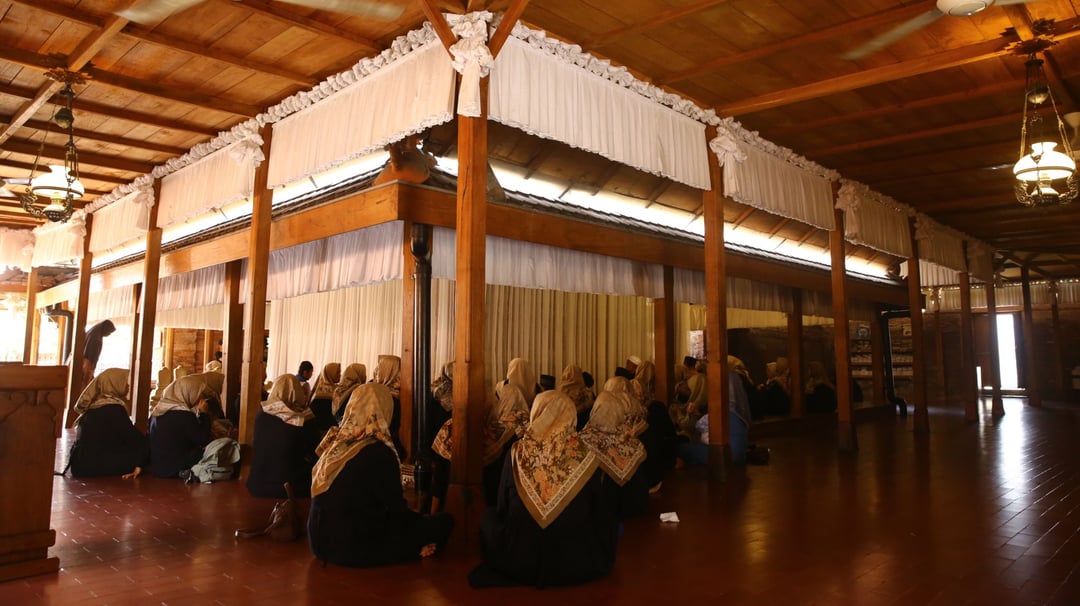
Deni further noted that most graves within the complex lack headstones with names. There is a divergence of opinion regarding the inclusion of identifying markers. Some believe names are necessary for identification, while others oppose the practice, fearing that graves of specific figures might become sites for improper supplications.
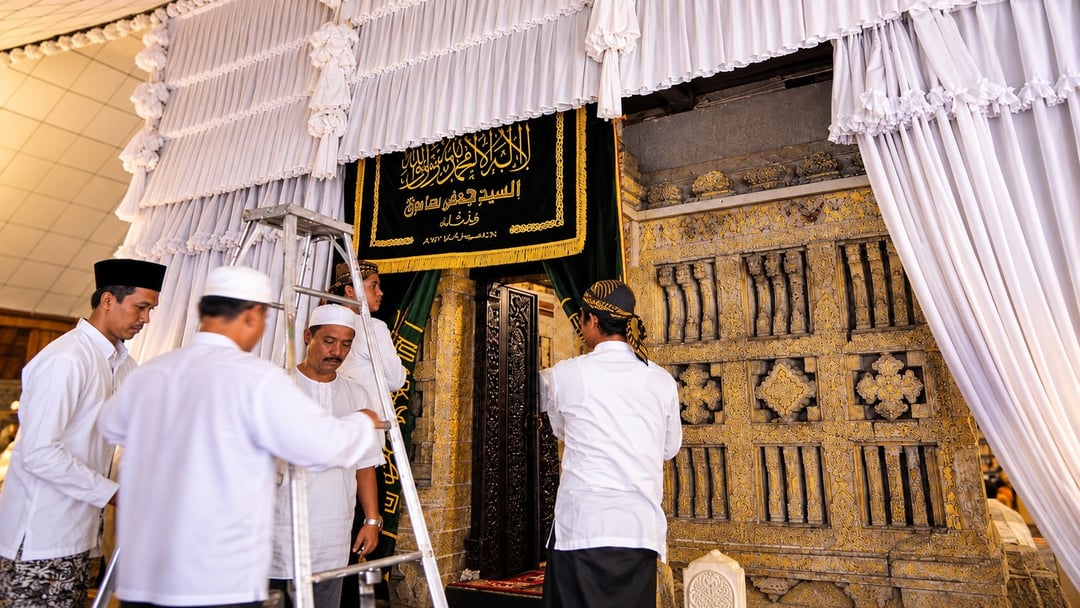
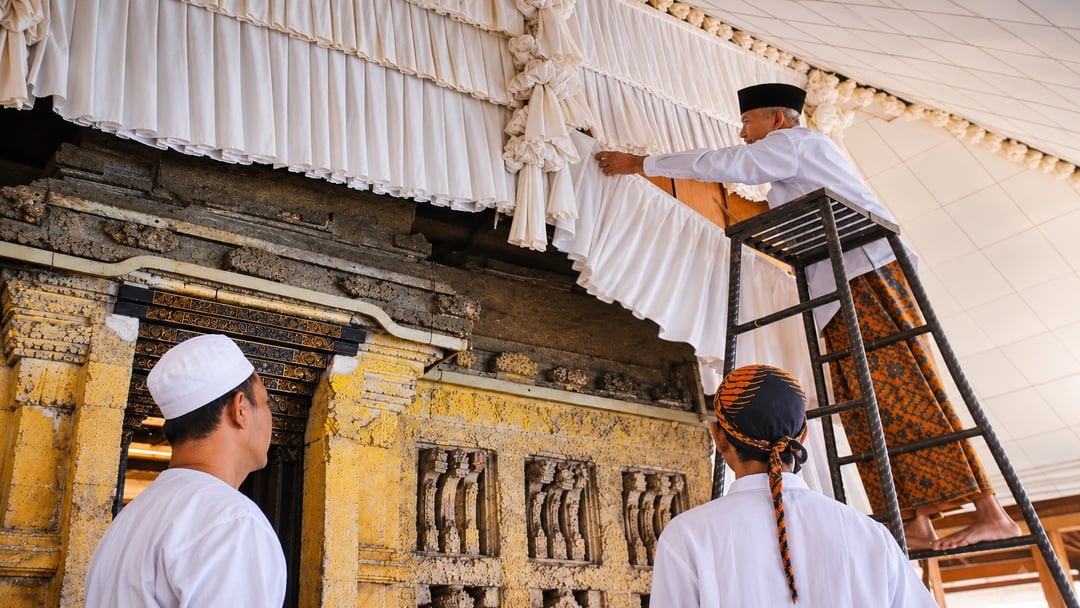
Beyond the graves of family members and descendants, the area is home to a perennial tradition observed by the local community known as Buka Luwur. Held annually in the month of Muharram, this tradition involves removing the old cloth coverings from the tomb of Sunan Kudus and replacing them with new ones.
The discarded fabric is then cut into smaller pieces and distributed to those who seek them as a blessing. The ceremony is an integral part of the tradition of honoring Sunan Kudus, a practice preserved through generations.
Buka Luwur is also recognized by the distribution of 'nasi jangkrik' or blessed rice to the public. The dish consists of rice served with buffalo or goat meat, wrapped in teak leaves and secured with bamboo string.
The distribution of the rice is a highlight of the annual commemorative event. This tradition of sharing food demonstrates deep community involvement in religious activities surrounding the tomb.
The presence of the descendants' tombs, the main mausoleum structure, and the Buka Luwur tradition highlights various facets of life within the Sunan Kudus complex. These structures preserve the legacy of the family and successive generations of preachers, while the annual tradition serves as a vital link between the community and the history of this revered figure.
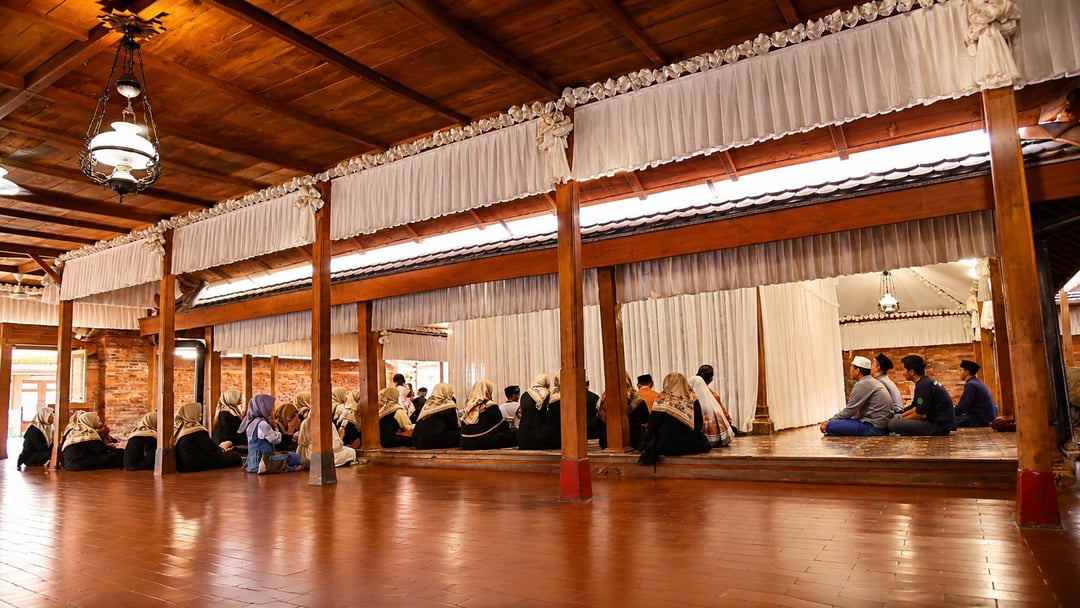
The Sunan Kudus tomb complex remains a primary destination for visitors from across the country. They gather to pray and honor the historical figure who played a pivotal role in the spread of Islam in the region.
Religious activities are a staple of the cemetery environment, with visitors performing pilgrimages, offering prayers, and reciting the Quran.
For many pilgrims, a visit to the Menara and Sunan Kudus tomb area is a meaningful religious journey undertaken with family or organized groups.
Een Juhaeni, a pilgrim from Majalengka, West Java, noted that she has visited the site three times. Her first visit occurred when her child was three and a half years old; now 17, her child has accompanied her once again as part of a pilgrimage tour of the Wali Songo.
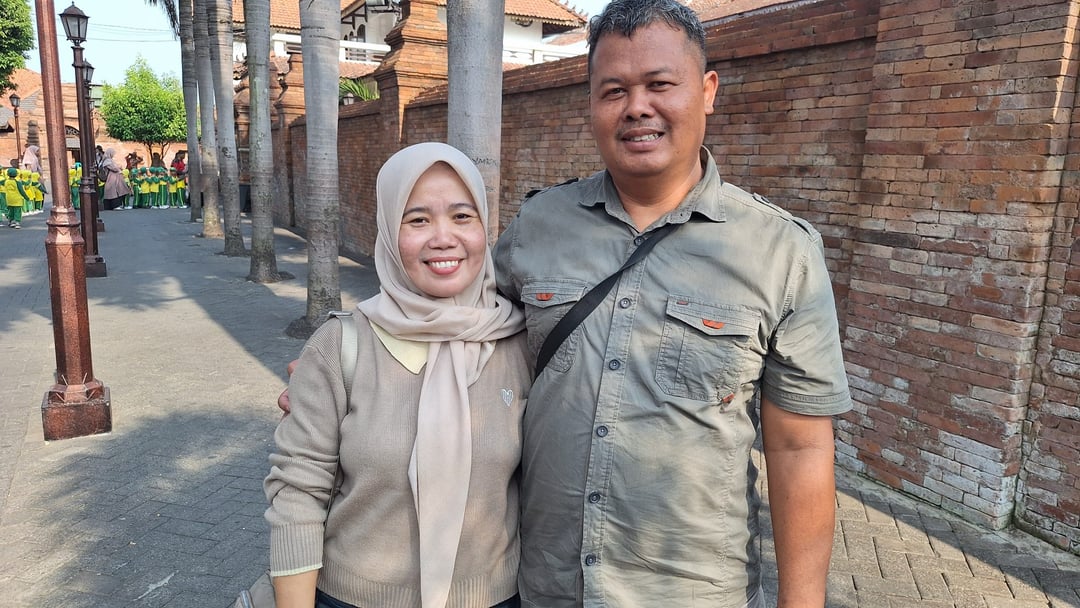
When asked why they decided to return, Een provided a brief answer.
"Just longing for it," she said.
She noted that she enjoys the atmosphere of the Menara Kudus area, which she finds cooling and peaceful, especially within the complex. During this visit, Een and her group visited the tomb of Sunan Kudus before continuing their pilgrimage toward the Sunan Muria area.
Een’s experience is reflective of how the area continues to attract pilgrims from outside the region, including both first-time visitors and those returning after many years.
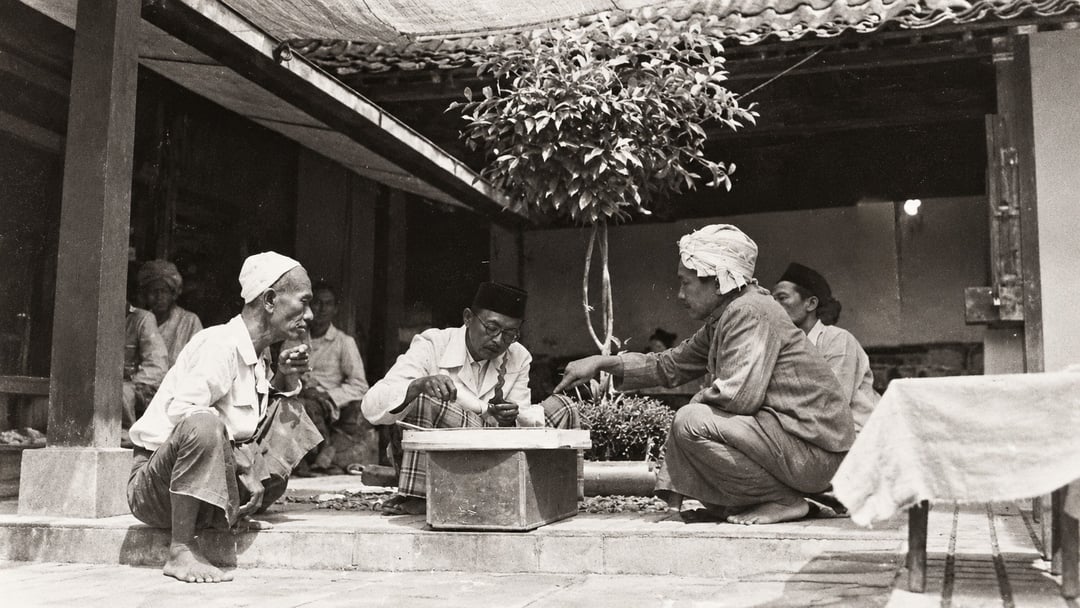
The Sunan Kudus burial complex possesses multiple layers of history that can be traced through its structures, materials, inscriptions, and the graves of the figures interred within.
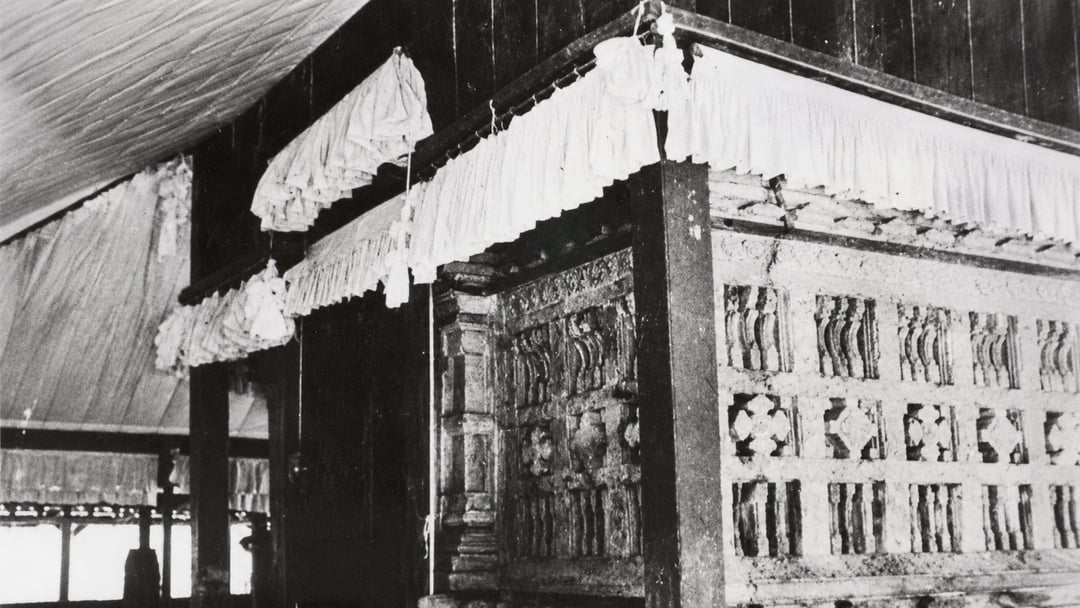
A collection of old photographs from KITLV displays the condition of the tomb area between 1941 and 1953. These documents serve as a visual record to observe the state of the burial complex in the past.
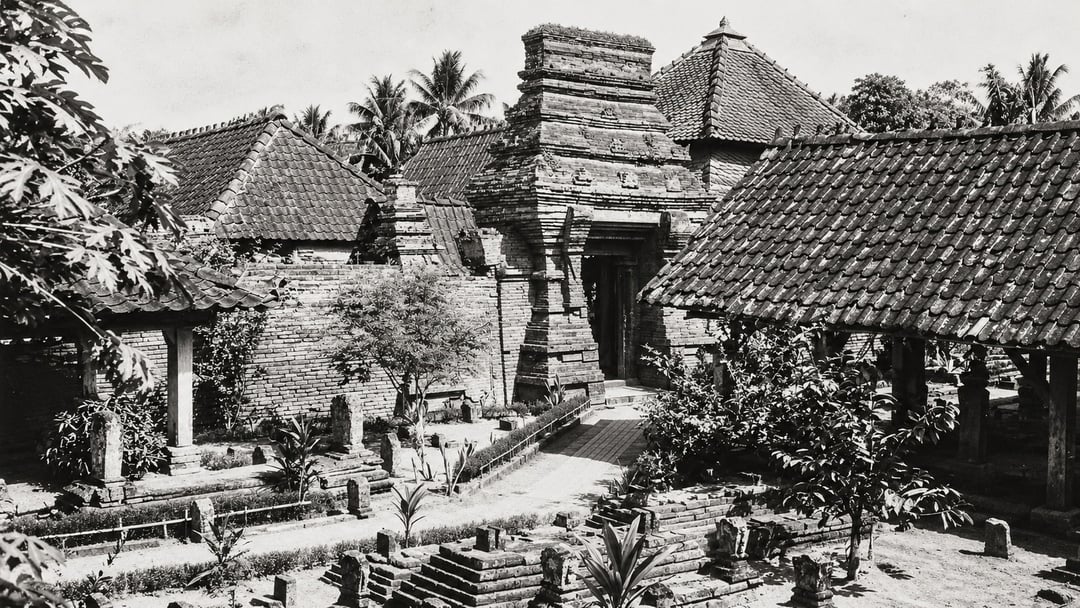
However, not all parts of history can be confirmed solely through prevailing narratives. Deni himself acknowledges that the exact date of the complex's construction remains unknown.
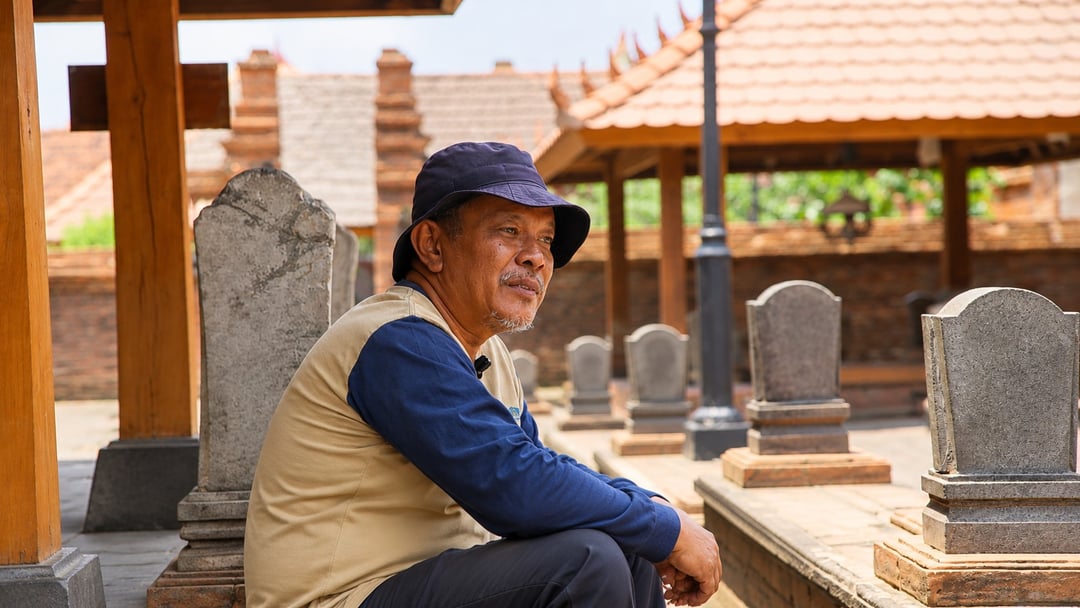
"We honestly do not fully understand when this burial site was established," he stated.
He noted that the construction materials found suggest the site is relatively ancient. The location of the cemetery to the west of the mosque is a common characteristic found in historic mosque complexes.
These observations indicate that further research is required to determine the exact construction period and the evolution of the burial grounds in greater detail.
The area continues to serve as a hub for pilgrimages and local religious activities. The Buka Luwur tradition remains ongoing, while the surrounding structures and graves hold historical significance that warrants preservation.
From the Pendopo Tajuk to the primary mausoleum, every feature tells a distinct story. Some elements are identifiable through their architectural style and materials, while others remain subject to ongoing analysis of inscriptions and oral histories passed down by the community.
The Sunan Kudus burial complex remains a space where historical heritage intersects with contemporary life. (MKK EDITORIAL STAFF)