
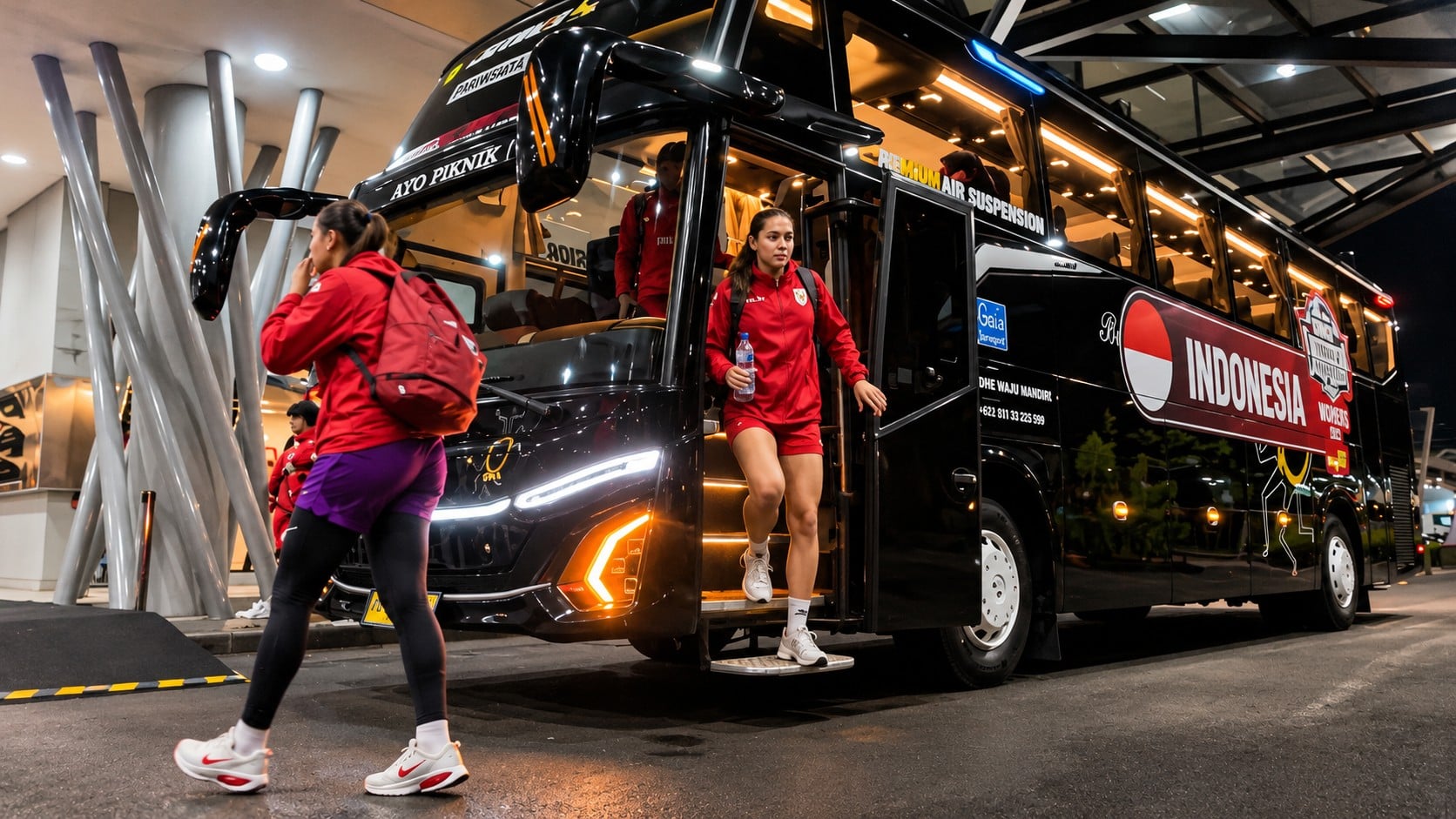
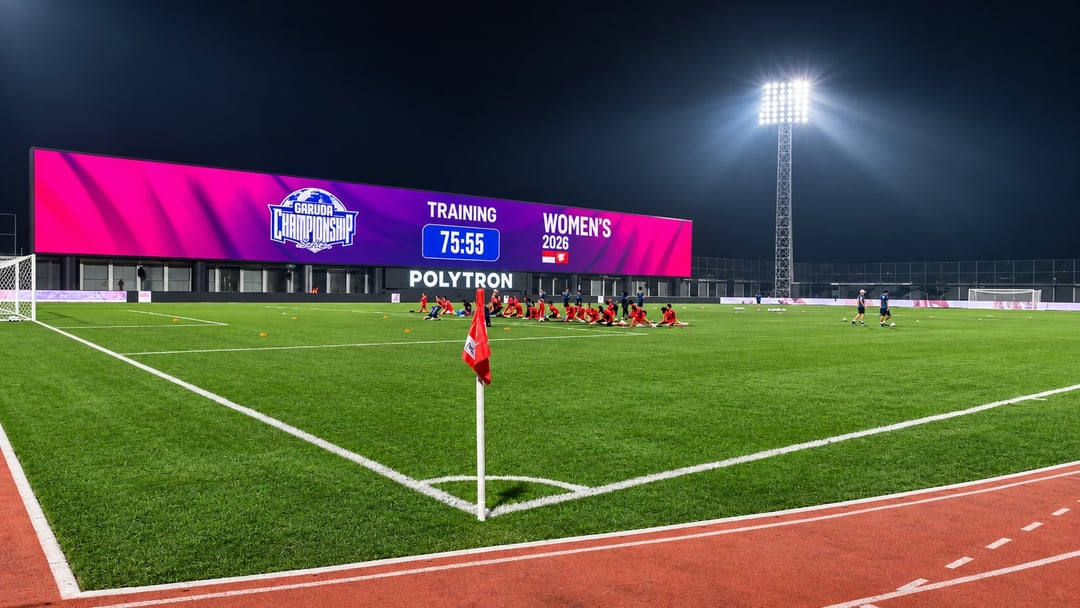
KUDUS – Ahead of the 2026 FIFA Women's Matchday scheduled for Sunday, November 29, and Wednesday, December 2, 2026, against the Bhutan women's national team, Indonesia's Garuda Pertiwi squad is focusing on refining communication and responding to coaching directives. These drills are a core component of the Indonesian Women's National Team training camp at the Supersoccer Arena (SSA) in Kudus.
Under the stadium lights on Friday (11/27/2026), players worked on synchronized movement and team cohesion.
The Garuda Pertiwi squad, comprised of players from diverse club backgrounds, is currently undergoing an adaptation period under new head coach Alen Stajcic. Every training session serves as an opportunity to build chemistry, master new tactical approaches, and strengthen team bonds.
Indonesian midfielder Pauline van de Pol is among those navigating this transition. The player, currently signed with FC Groningen in the Netherlands, stated she is enjoying the training camp environment in Kudus. Despite adjusting to a new setting and coaching staff, she noted the team's progress has been positive.
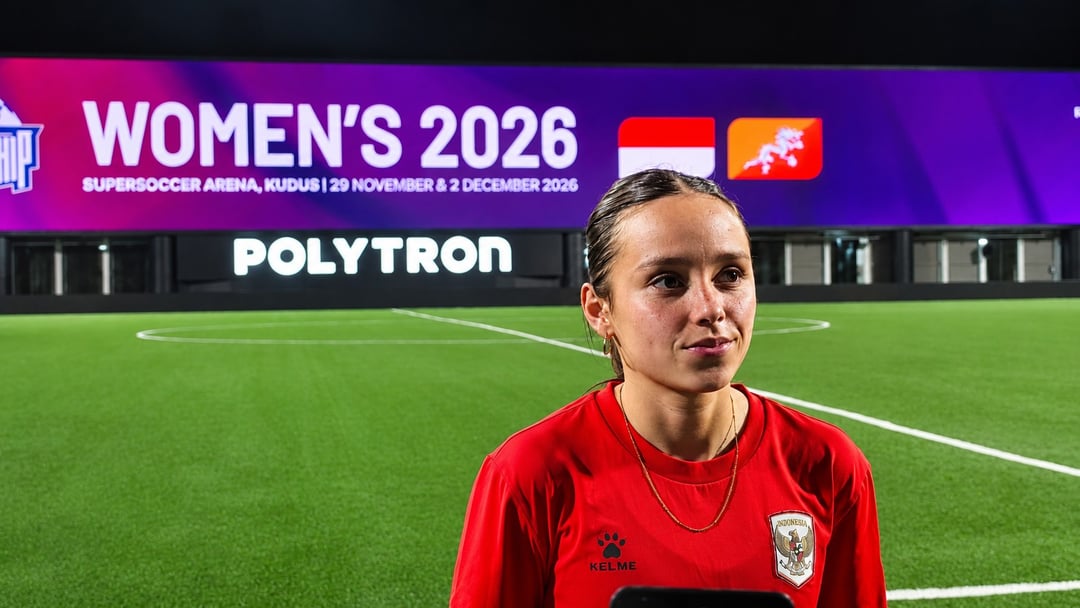
“I arrived on Monday and have been training almost every day. We are pushing ourselves to improve daily. There have been no significant obstacles so far, even though it is a new environment with a new coach,” said Pauline.
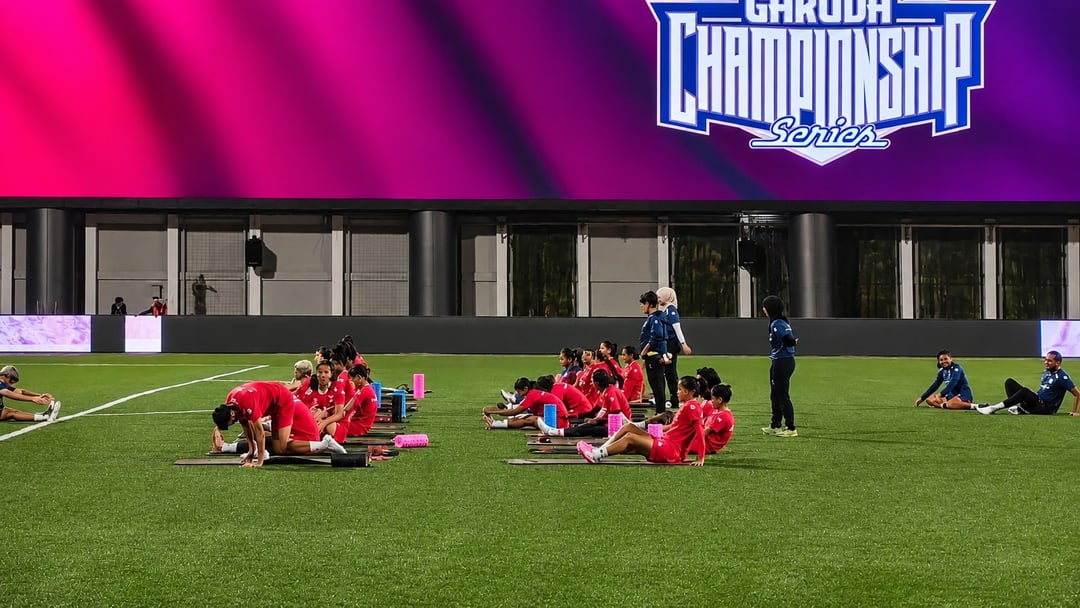
For Pauline, the challenge of blending players from different clubs is a critical aspect of the training process. The team must learn individual player characteristics while simultaneously internalizing the coaching staff's instructions.
Adapting to a new tactical approach remains a primary focus, with the squad refining specific aspects of their attacking build-up and defensive structure.
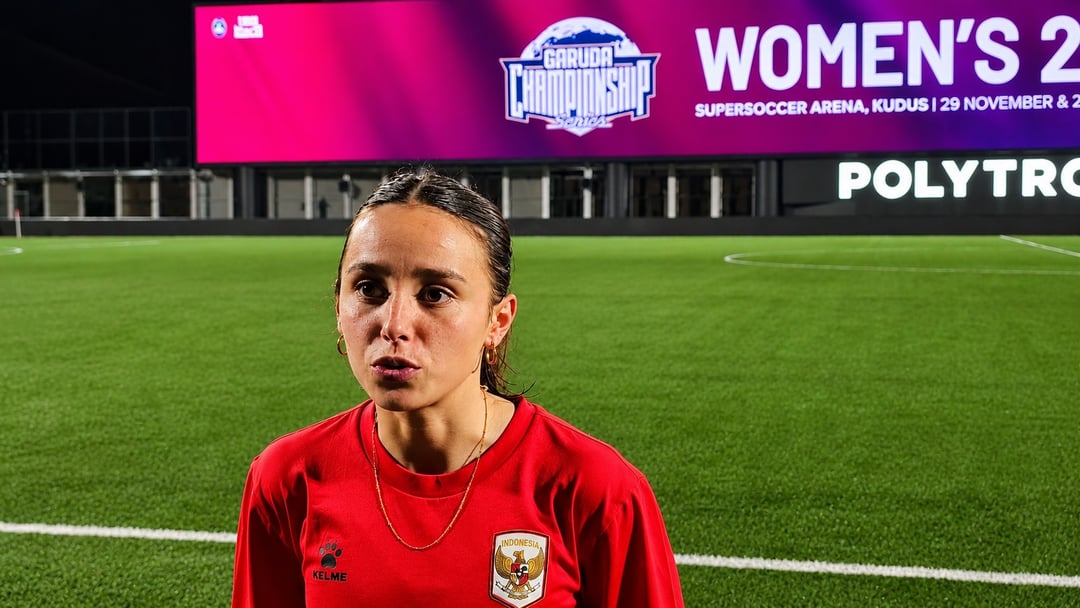
“The progress is quite good. There are minor details we are specifically working on, particularly our offensive and defensive focus. We are consistently getting better,” she added.
The process involves more than just individual ability. Players must also understand their teammates' movements to ensure instructions can be executed collectively on the field.
Pauline noted that the training atmosphere has been supportive of this development. Players are actively following directions while deepening their understanding of the newly implemented tactical system.
Head coach Alen Stajcic echoed these sentiments, noting that the team's first four to five days have been focused on intensive training and absorbing a wealth of new information.
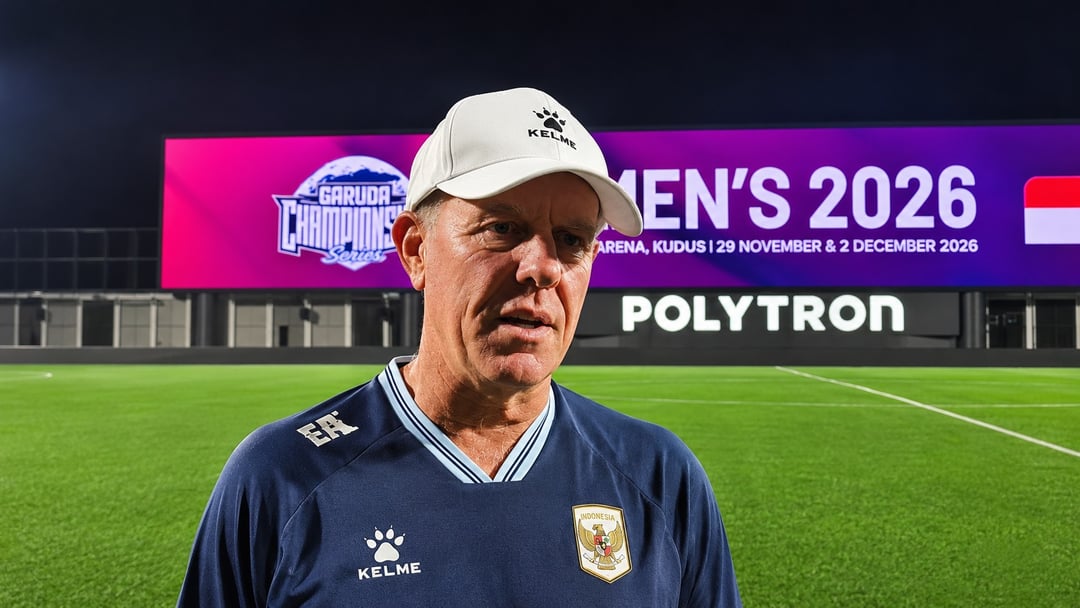
“The training camp has gone very well so far. We have spent the last four to five days working hard together as a team and learning a lot of new information,” Alen said following a training session at SSA.
He added that the players have shown great enthusiasm and a strong desire to learn the new approach, which serves as a foundation for building a more cohesive squad.
“The players are very excited and have a great desire to learn. It is a very positive environment for the team,” he said.
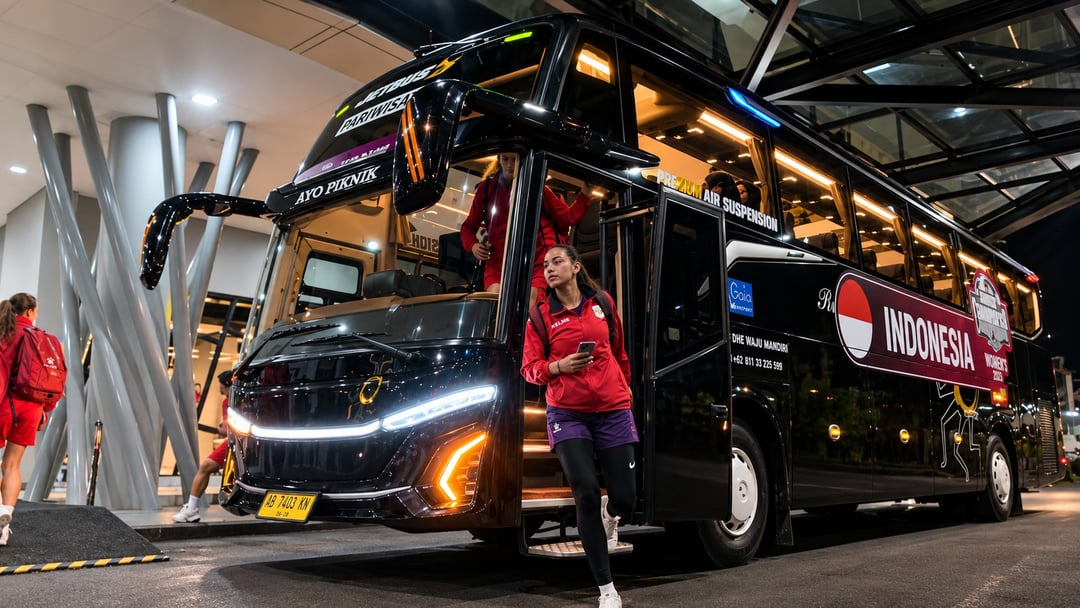
Team chemistry is being built both on and off the training pitch, with activities at the team's hotel being a staple of their stay in Kudus.
Muhammad Hendriansyah Setiyanto, the Liaison Officer (LO) for the Indonesia Women's National Team, explained that internal meetings are a key part of the schedule. The coaching staff holds meetings after breakfast, lunch, and dinner to facilitate team bonding.
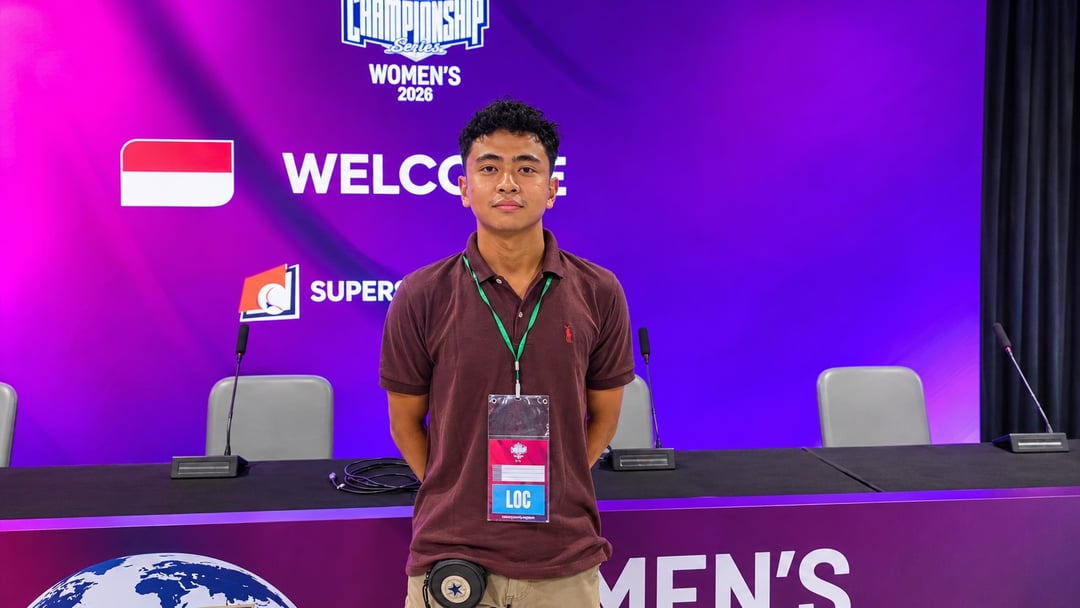
“Activities at the hotel are limited to meetings because the players need time to bond. The coaching staff frequently organizes meetings after breakfast, lunch, and dinner,” Hendriansyah explained.
He noted that the players' transition since arriving in Kudus has been smooth, with newcomers integrating well with the group. Excitement was palpable when the team arrived in the city on Thursday (11/26/2026), particularly among those visiting Kudus for the first time.
“The team's adjustment at the hotel and the integration of new players have been quite positive. They have blended in well. Upon their arrival on the first day, the players showed great enthusiasm, especially those visiting Kudus for the first time,” he said.
Beyond fostering team cohesion, nutritional needs and rest periods have been primary focuses during the training camp, particularly as the Garuda Pertiwi squad includes several diaspora players arriving from abroad.
Hendriansyah noted that differences in climate and humidity are among the key factors requiring special attention during the acclimation process.
“Clearly, we are prioritizing proper nutrition and adequate rest. Some players are from outside Indonesia, so our diaspora athletes may require extra adaptation to local humidity and weather conditions,” he explained.
Between training sessions, players and staff have engaged with the local community through simple activities. Several members of the group have ordered food online from local culinary businesses, including venues serving beef dishes and various coffee shops in Kudus.
The organizers have also arranged cultural visits to several tourist destinations and sports tourism sites in Kudus. These activities provide the group with an opportunity to experience the local environment during their stay in the City of Kretek.
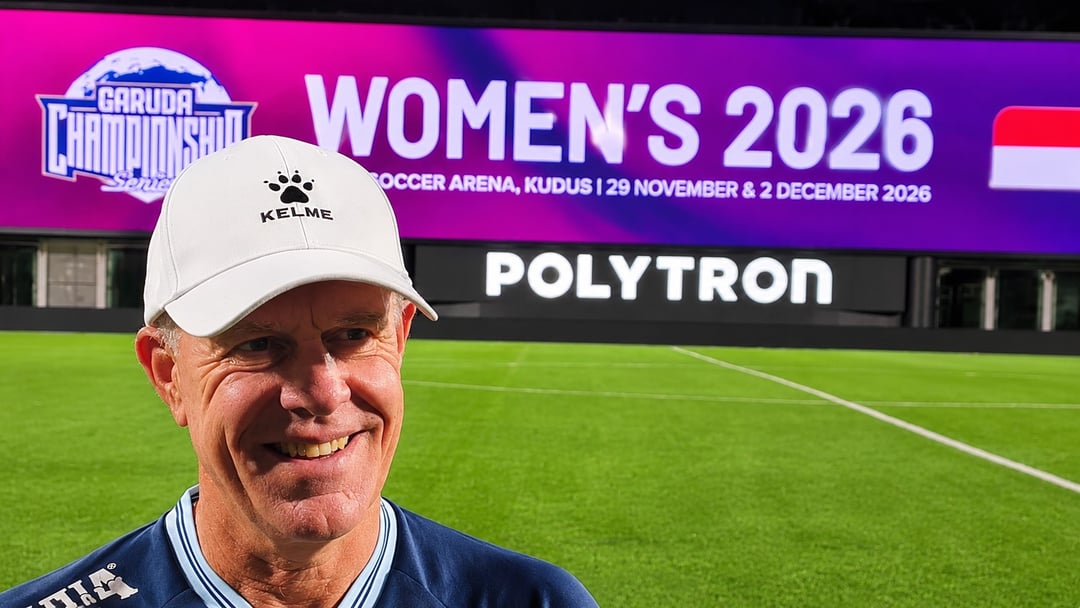
For Alen, the process of integrating the players is a crucial component of the Indonesian Women's National Team's long-term preparation. Beyond building tactical understanding, he is also placing significant emphasis on the development of younger players.
The current training camp features five players aged 16 and 17. Among them are U-17 team members Alleana Ayu, Nafeeza Ayasha Nori, and Jazlyn Kayla, as well as 17-year-old Claudia Scheunemann.
According to Alen, the opportunity to train with the senior squad serves as a vital experience for the development of young players, allowing them to familiarize themselves with higher-level standards and the demands of international competition.
“This is a very important moment for Indonesian women's football. They need to learn, grow, and improve their abilities. I hope these young players can become core members of the team for the next seven, eight, or even ten years,” he explained.
The match against Bhutan offers an opportunity to test the progress made during the training camp. While Alen remains focused on winning, he also wants the players to implement the specific systems they are preparing for the 2029 Asian Cup.
“We always aim to win. However, the most important thing is establishing the foundations we want to build for the 2029 Asian Cup. There is a lot of new information and shifts in playing style that the players need to grasp,” he said.
He also cautioned that Bhutan should not be underestimated. Although ranked below Indonesia, the team is considered to have made significant preparations to develop women's football.
“Bhutan may be ranked below us, but they are a very strong side. They have done an excellent job preparing this team. Consequently, the upcoming match will certainly be a difficult challenge for us,” Alen stated.
Pauline expressed hope that the training and integration process with her teammates would yield positive results. Beyond securing a win, she aims to see Garuda Pertiwi continue to evolve and improve Indonesia's FIFA ranking.
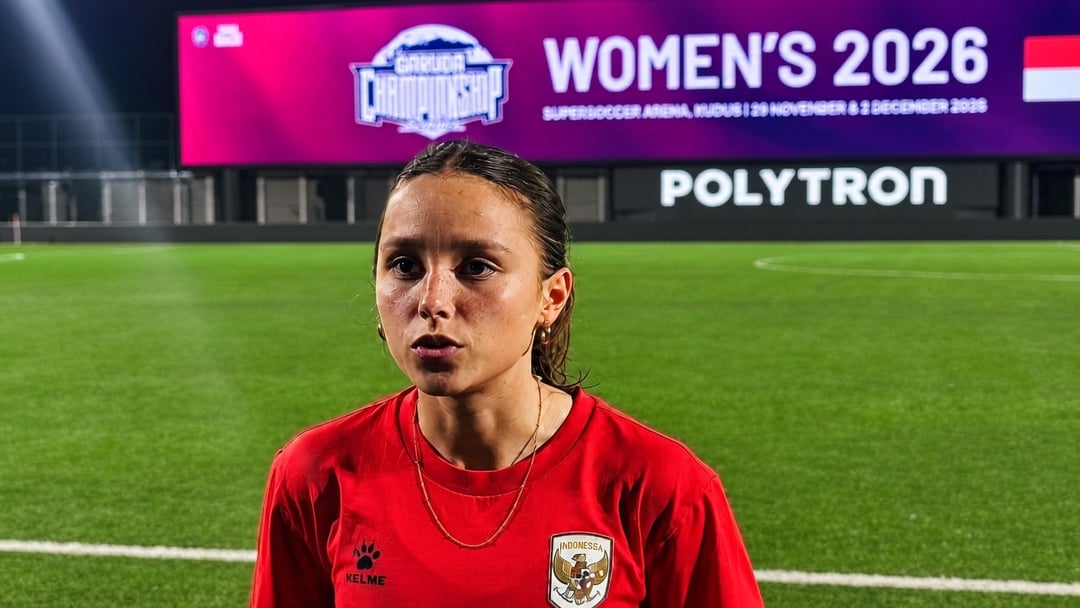
“We want to climb higher in the rankings and, of course, secure a victory against Bhutan. We are continuously working to refine our tactics to improve our performance and boost Indonesia's standing,” she said.
The Indonesian Women's National Team is scheduled to face Bhutan in two FIFA Women's Matchday fixtures at the Supersoccer Arena in Kudus. The first match will take place on Sunday, November 29, 2026, at 19:30 WIB, while the second encounter is set for Wednesday, December 2, 2026, at 15:30 WIB.
For Pauline and her teammates, these two matches provide an opportunity to apply their collective training to the pitch. The communication, tactical understanding, and team cohesion developed during their time in Kudus will now be put to the test against Bhutan. (OEB/MKK)
