
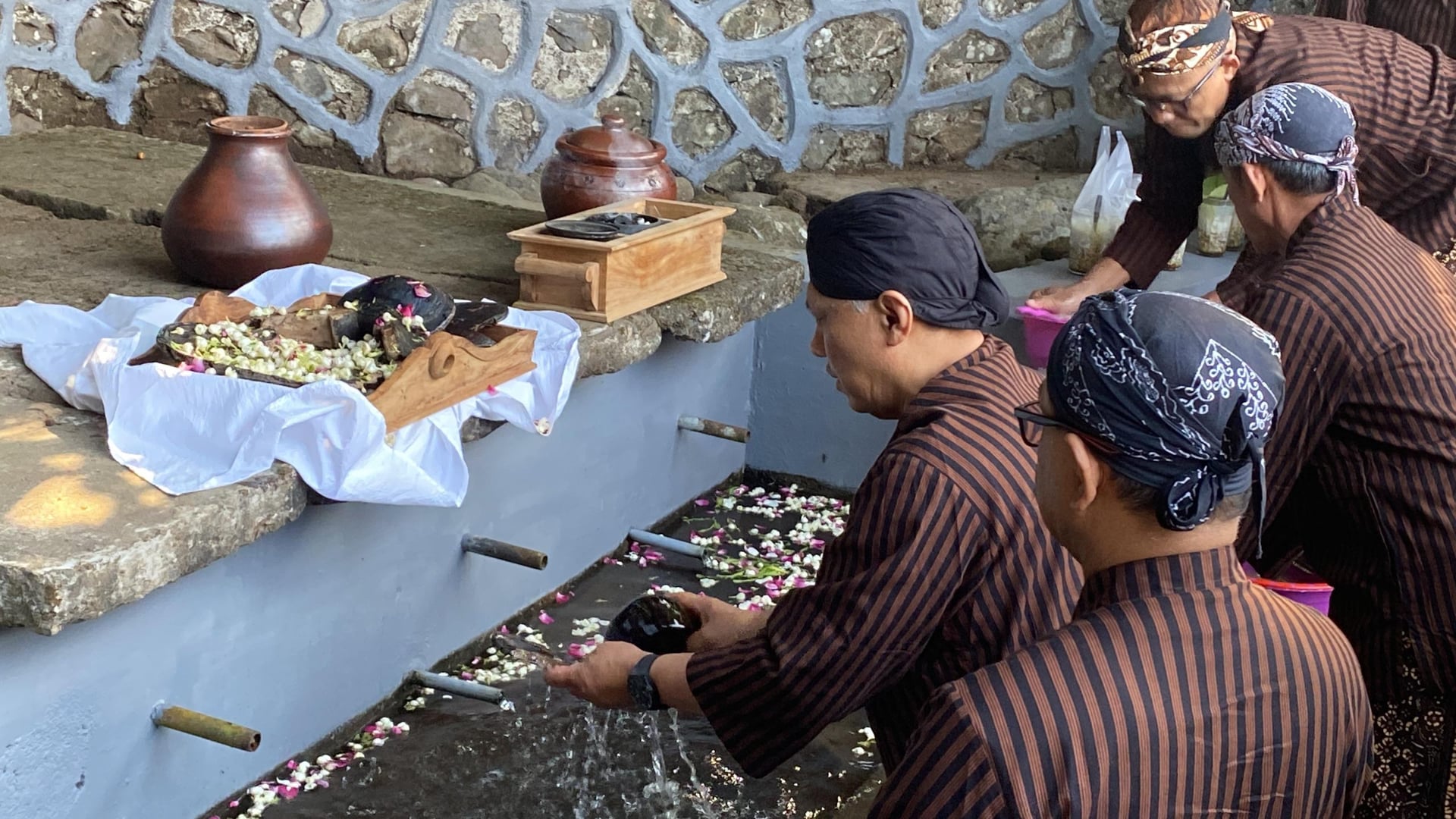
KUDUS – As the dry season arrives, the residents of Colo Village in the Dawe District of Kudus Regency observe a long-standing traditional ritual. Known as Guyang Cekathak, the event involves a series of customs centered on a horse saddle and prayers for rain.
The Guyang Cekathak ceremony is held annually on a Friday Pahing during the dry season. The proceedings begin at the Sunan Muria Mosque, followed by a procession to Sendang Rejoso. There, the cekathak, or horse saddle—believed to be associated with Sunan Muria—is carried in the ceremonial rites.
For the local community, the cekathak is more than just a saddle; it is a tangible piece of local history preserved through tradition. Although the horses that once used the saddle are long gone, residents maintain the ritual of washing it as part of their ancestral heritage.
Mastur, widely known as Mbah Tur, a board member of the Sunan Muria Tomb Foundation, stated that the Guyang Cekathak tradition has been passed down through generations, dating back to the Dutch colonial era.
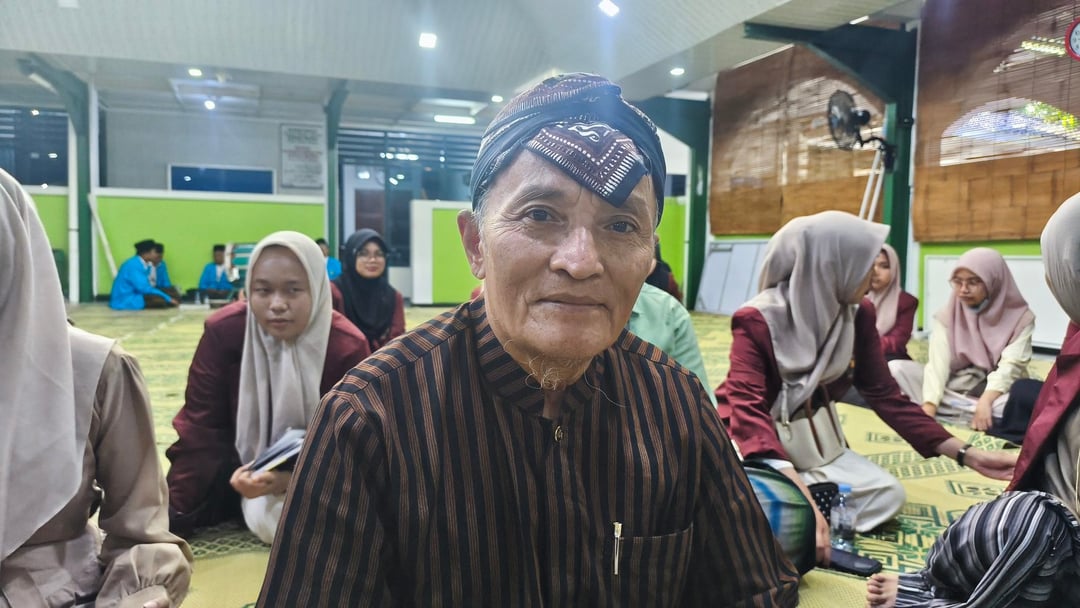
The legend of Guyang Cekathak is linked to Sunan Muria, who historically used a horse for travel, with the animal often bathed at Sendang Rejoso.
While the original horse is no longer present, the cekathak survives in the community’s collective memory as a relic of that era.
The saddle now serves as the centerpiece of the Guyang Cekathak procession. An object once functional for equestrian travel has been transformed into a sacred ritual item for the people of Colo Village.
This shift in purpose has granted the cekathak a unique status in local tradition. Residents no longer view it as mere riding equipment, but as a symbolic bridge connecting their current practice to the stories passed down by their ancestors.
The ritual washing of the cekathak exemplifies how an object can anchor a community's collective memory, ensuring that the legacy of Sunan Muria is preserved not only through oral history but through sites, physical objects, and active participation in tradition.
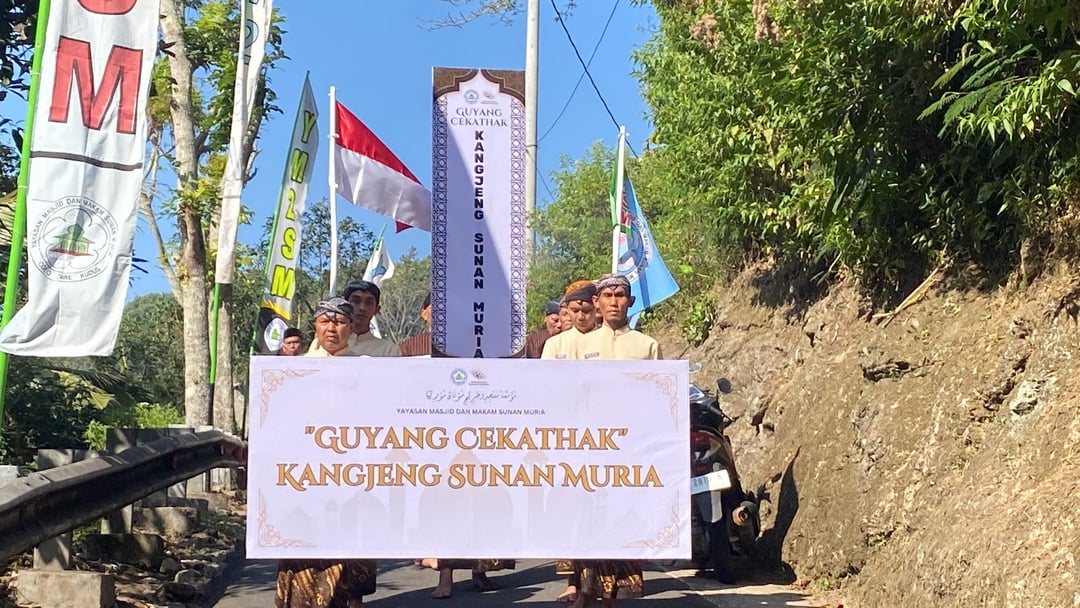
The Guyang Cekathak series of events begins in the vicinity of the Sunan Muria Mosque, where the community gathers for a procession to Sendang Rejoso.
The journey serves as a crucial element because the cekathak is not kept at the spring. The saddle is carried in a procession before reaching the water source where the ritual takes place.
Sendang Rejoso is historically tied to the tradition, as the site was once used to bathe horses associated with Sunan Muria.
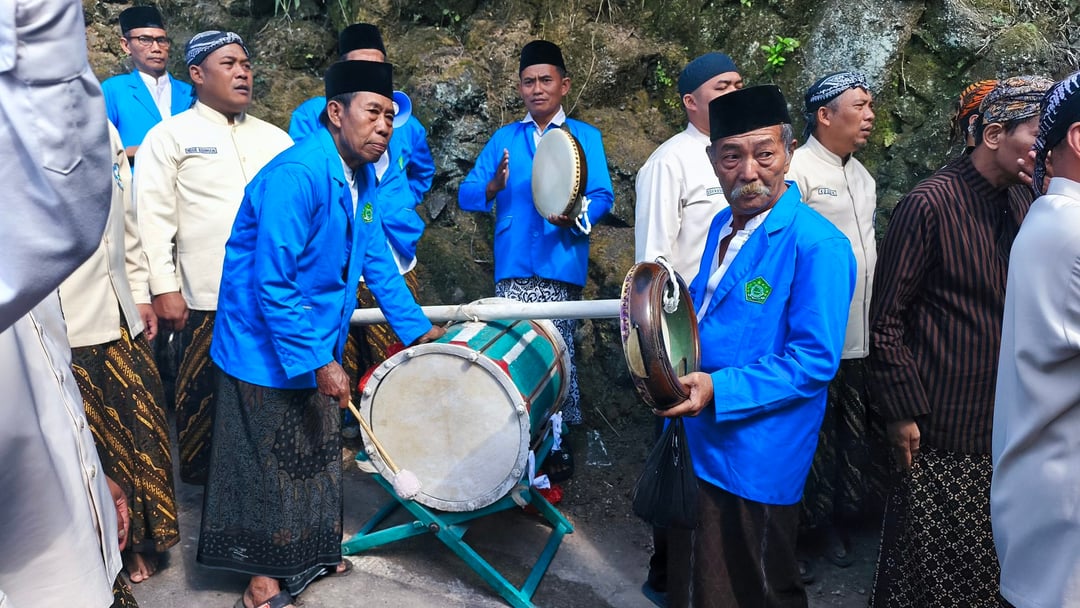
Today, the ritual of bathing horses is no longer performed as the animals are gone. Instead, the cekathak, once part of the riding gear, is used in the ceremony.
The procession turns the tradition into a communal event, with residents participating not only in the main ceremony but throughout the journey to the spring.
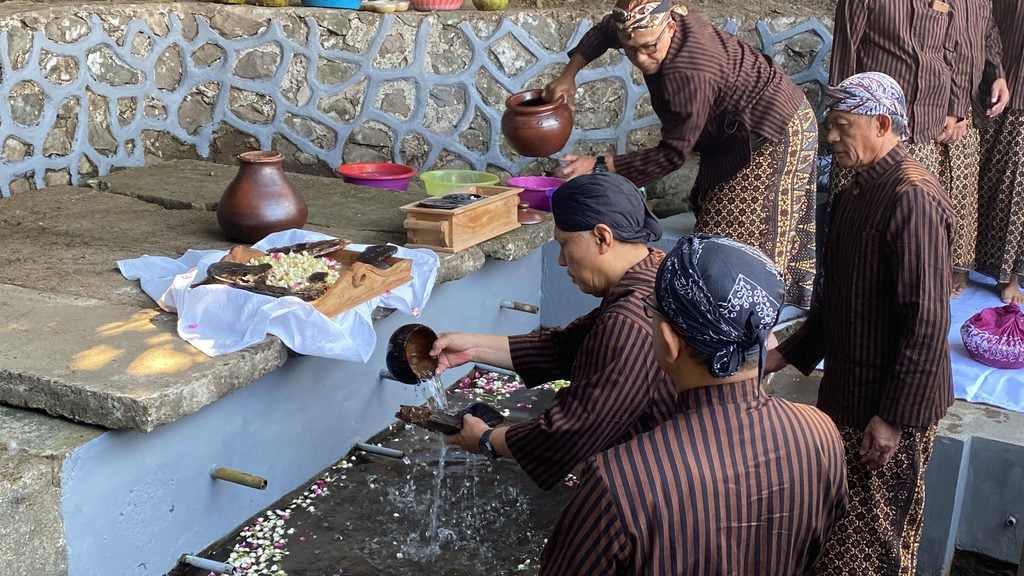
Guyang Cekathak extends beyond the history of the cekathak itself. The series of events includes the Udan Dawet procession, which utilizes cendol.
The cendol is scattered during the ritual, as its appearance and movement as it falls to the ground are said to mimic rainfall.
Mbah Tur explains that the use of cendol is linked to prayers for rain during the dry season, when water is essential for daily life.
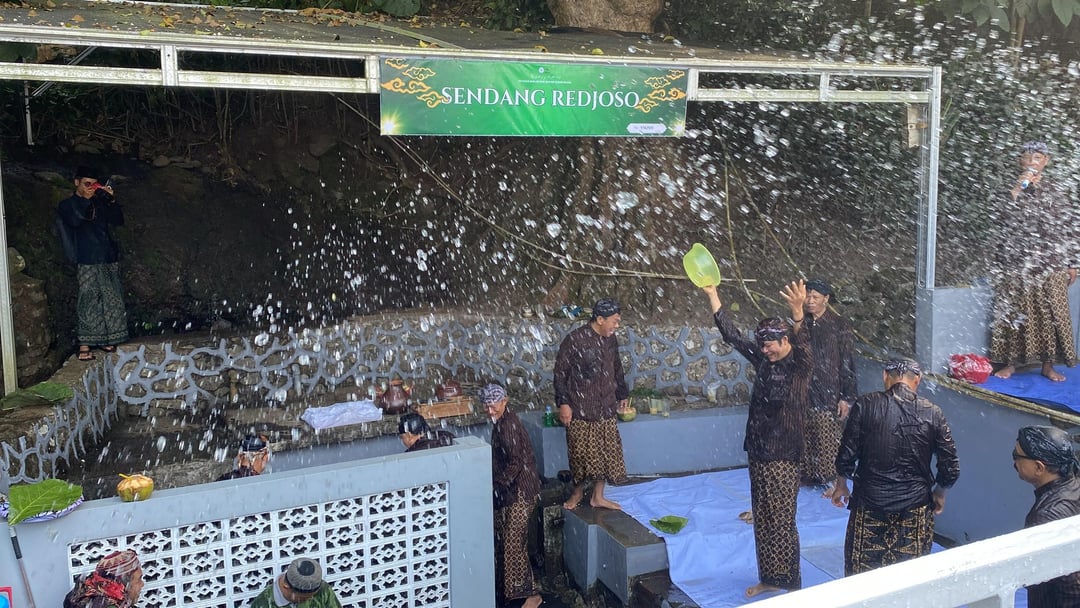
The tradition is grounded in the belief that prayers are directed to Allah SWT, with Sunan Muria and Nyai Ageng Ratu serving as spiritual intermediaries for the community.
Rain is not viewed as something forced by the ritual alone, but rather as part of the community’s collective supplication to Allah SWT.
Despite modern changes, the need for water remains a constant in the community. While scientific weather knowledge and technology help predict seasons, the arrival of rain remains beyond human control.
Consequently, Guyang Cekathak continues to serve as a meaningful way for the people of Colo to express their hopes during the dry season.
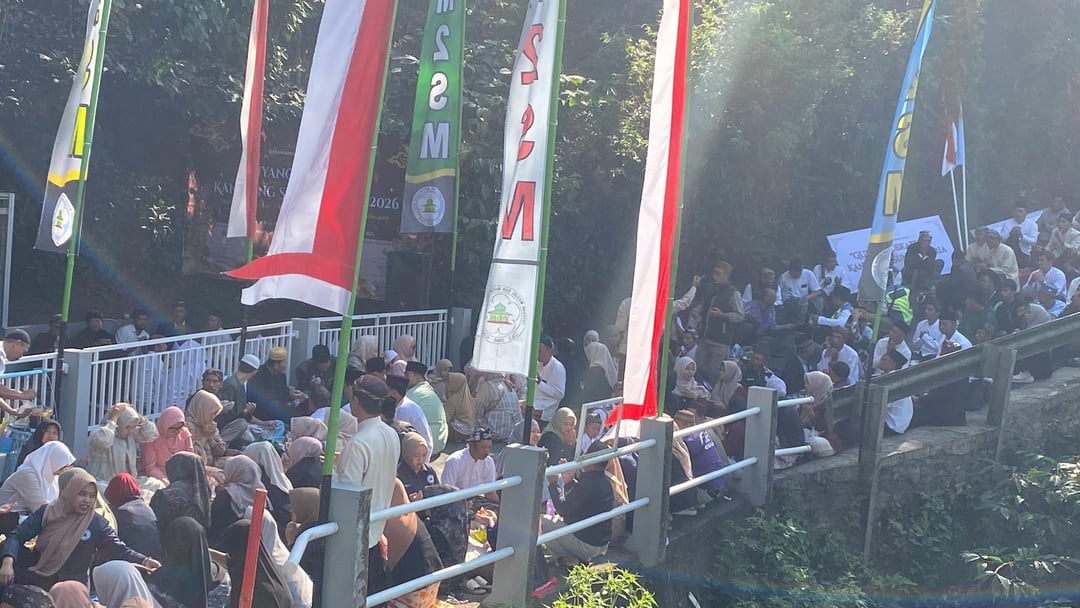
The community's sense of togetherness did not fade once the proceedings at Sendang Rejoso concluded. A communal meal served as the final chapter of the event.
Rice accompanied by various side dishes—including chicken pindang, tofu, tempeh, and dawet—was prepared and shared among the participants.
This communal dining transforms the tradition into more than just a ritual, providing residents with an opportunity to bond through a shared experience.
Public involvement manifests in various ways: some residents participate in the parade and procession, others assist in food preparation, and many arrive to sell goods or simply observe the proceedings.
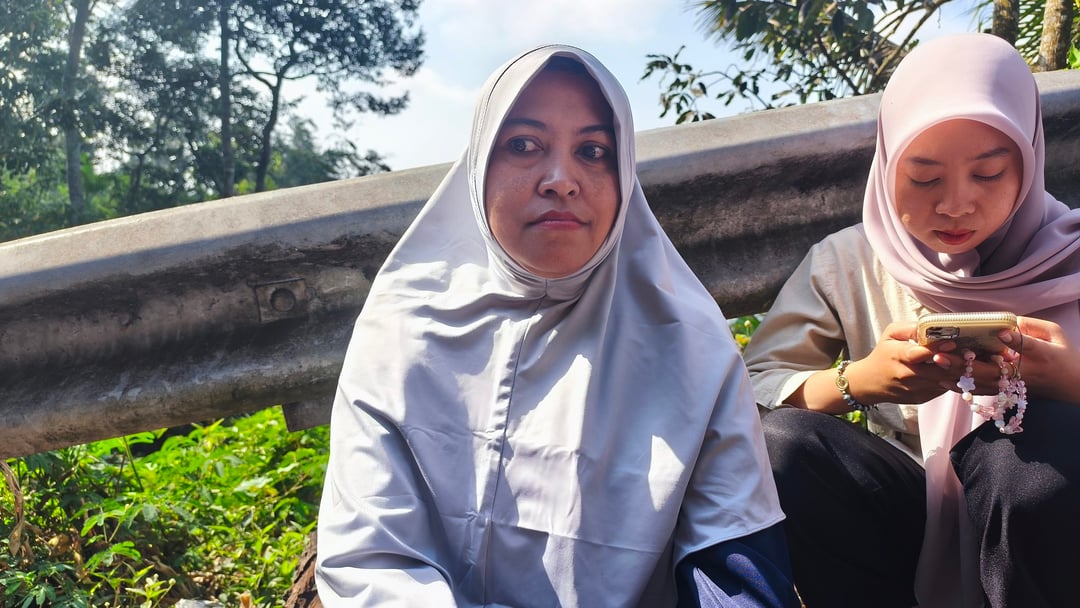
Lestari, a native of Colo Village, attended the Guyang Cekathak in person for the second time, having previously only viewed the tradition from afar.
While her presence was linked to her vending business, Lestari shares the collective hope of her neighbors: that rain will soon break the ongoing drought.
The request is modest: the community is in dire need of water and hopes that the dry season does not become an insurmountable burden.
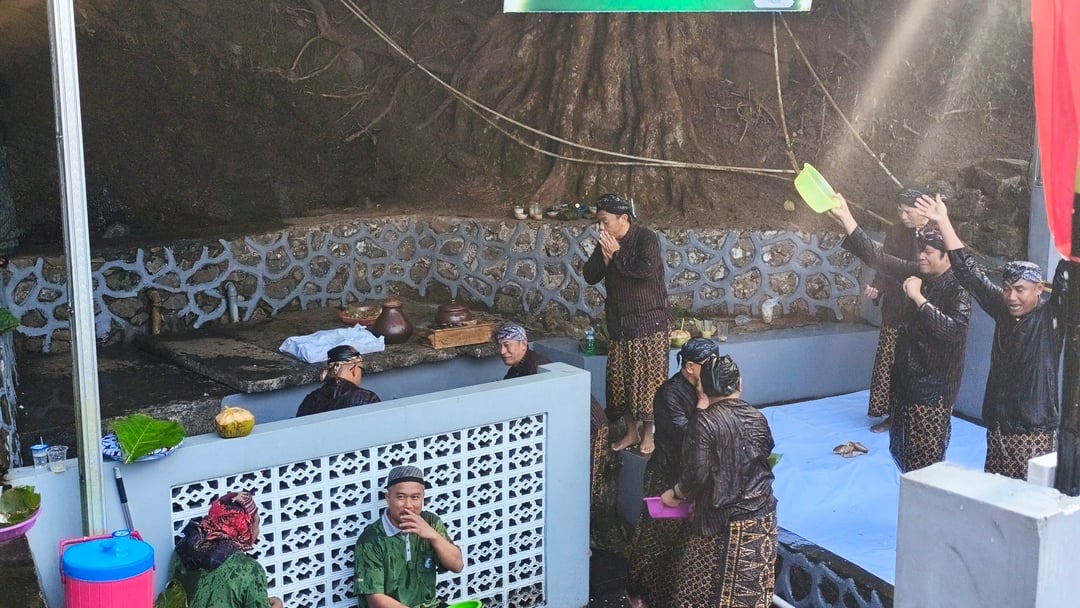
Beyond the ritual bathing of the cekathak, Guyang Cekathak carries a significant environmental component. Mbah Tur explained that traditionally, the event also involves the cleaning of the Sendang Rejoso spring.
Mud, leaves, and other debris are cleared from the area surrounding the spring. This practice underscores that the tradition serves not only as a plea for rain but also as a testament to the community's stewardship of water resources.
Colo Village Head Suwanto views this environmental message as a cornerstone of the Guyang Cekathak. He emphasizes that the event serves as a vital reminder for the community to safeguard the environment, particularly the water sources located on the slopes of Mount Muria.
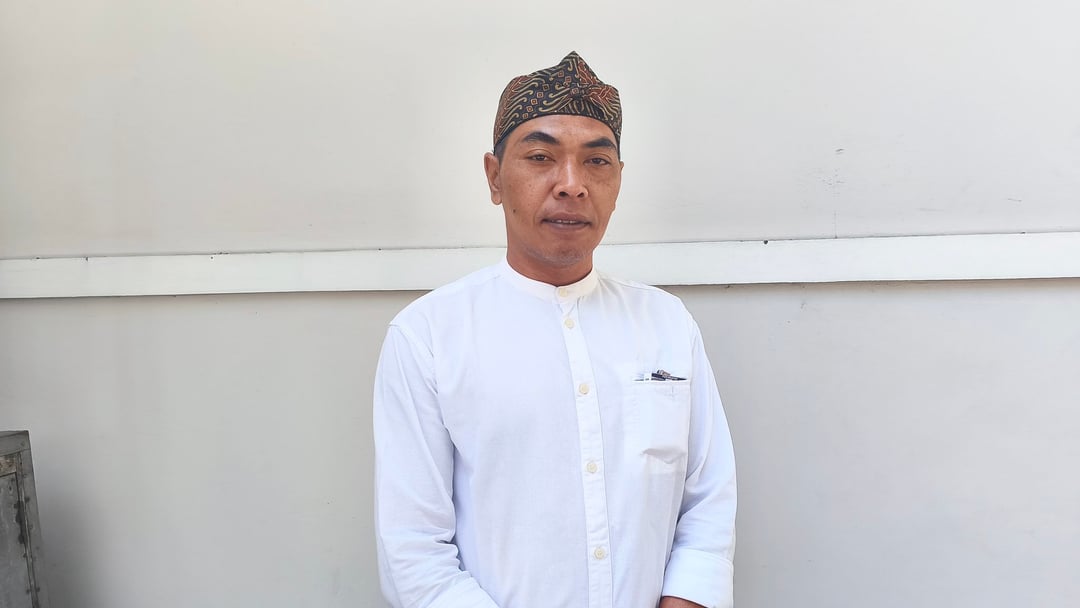
Colo Village has avoided a water crisis despite a two-month-long dry spell. However, this stability does not mean residents can overlook the preservation of their water sources.
Springs are vital to the community's survival. Consequently, protecting the surrounding environment is inseparable from meeting local water needs.
In this context, the ritual of cleaning the natural spring, known as a sendang, carries practical significance. Residents do not merely pray for rain; they also fulfill their duty to maintain the site that sustains them.
Tradition thus aligns with daily necessities. Prayers continue, while the environmental stewardship required for community life remains a priority.
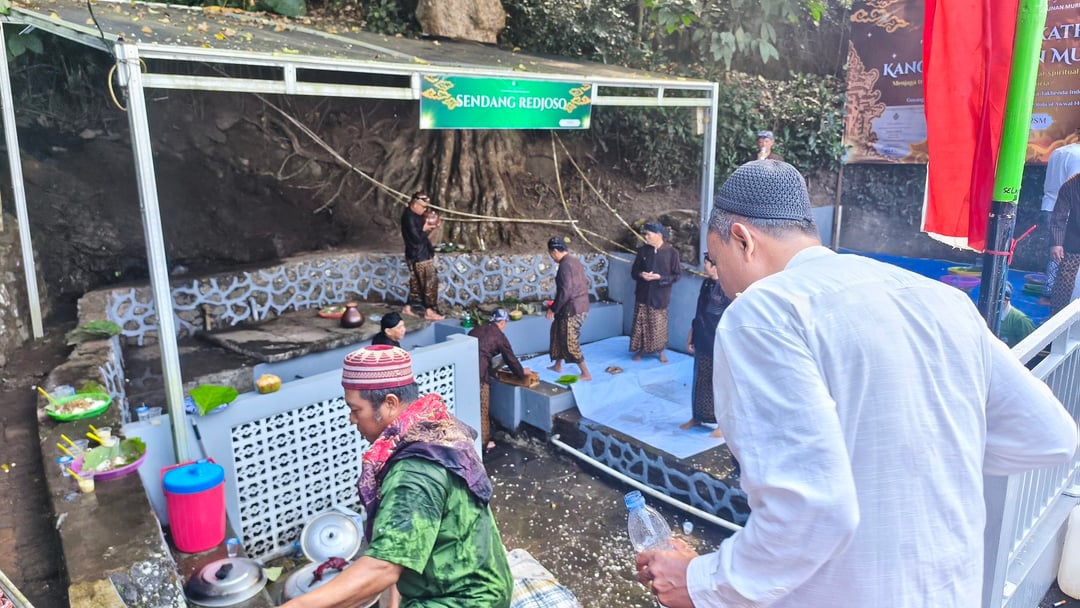
The Guyang Cekathak tradition survives through intergenerational transmission. The community continues to perform the same sequence of events, from the parade and carrying the cekathak (saddle), to the procession at Sendang Rejoso, the Udan Dawet ritual, and a communal feast.
The ritual contains several interconnected elements. The cekathak serves as a reminder of the Sunan Muria folklore, while Sendang Rejoso remains both a historical site and a crucial water source. The cendol used in the Udan Dawet symbolizes the plea for rain, and the communal meal fosters village unity.
For the residents of Colo Village, this tradition ensures history remains a part of daily life. The stories of the past are not merely memories but are actively expressed through these ongoing activities.
At the same time, Guyang Cekathak highlights the recurring challenges of communal life, specifically the essential need for water during the dry season.
While modernization has provided new tools for water management and meteorological forecasting, the community still faces limits in predicting rainfall. Therefore, Guyang Cekathak persists not as a substitute for human effort, but as a practice of faith, tradition, and communal solidarity.
Ultimately, the ceremonial horse saddle is still carried to Sendang Rejoso, cendol is still scattered during Udan Dawet, prayers are offered, food is shared, and the community gathers.
These elements keep the Guyang Cekathak tradition alive in Colo. It serves as a method to honor ancestral legacies while emphasizing the importance of water and environmental conservation.
As long as the community upholds these traditions, the cekathak remains more than just an artifact. It continues to be part of a narrative that connects the people of Colo to their history, their environment, their sense of community, and their hopes during the dry season. (OEB/YSR/ITN/mainkekudus)