
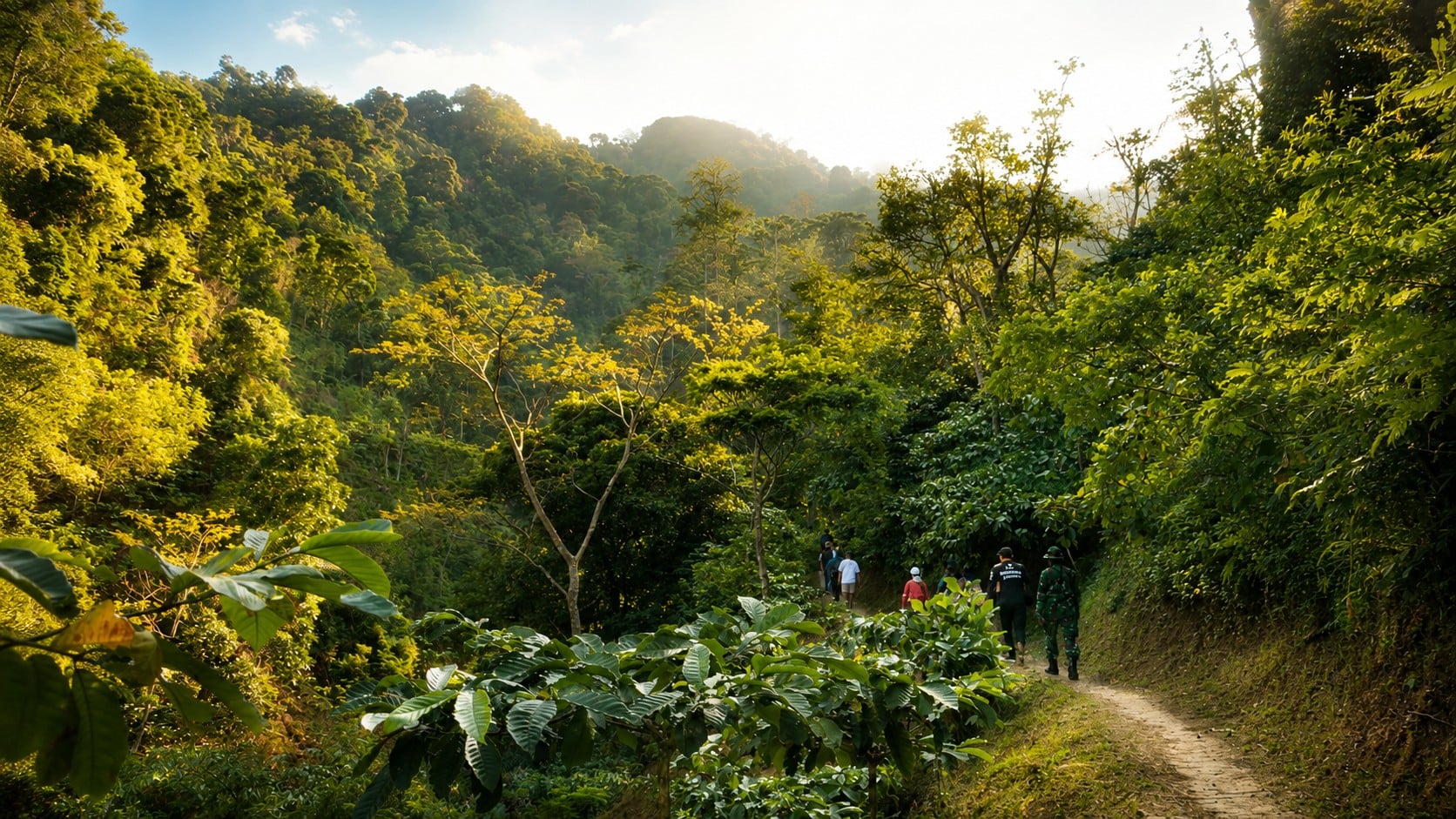
KUDUS – The Muria Mountains are known for more than just their lush landscapes. In recent years, the region has seen a surge in visitors seeking to exercise while taking in the mountain atmosphere. Trekking has become a popular way to spend leisure time while maintaining physical fitness.
In Kudus, the two most popular trails among hikers are Puncak 29, or Songolikur, and Puncak Natas Angin. Both offer unique mountain trekking experiences, each with distinct terrain. For many, the journey to the summit is not merely about the panoramic views, but also a method for building endurance, relieving stress, and connecting directly with nature.
Trekking is a full-body outdoor activity. As the body ascends, it works harder to maintain balance, strengthening leg muscles, improving cardiovascular health, and building physical resilience. This activity serves as an alternative exercise that combines the challenges of nature with health benefits.
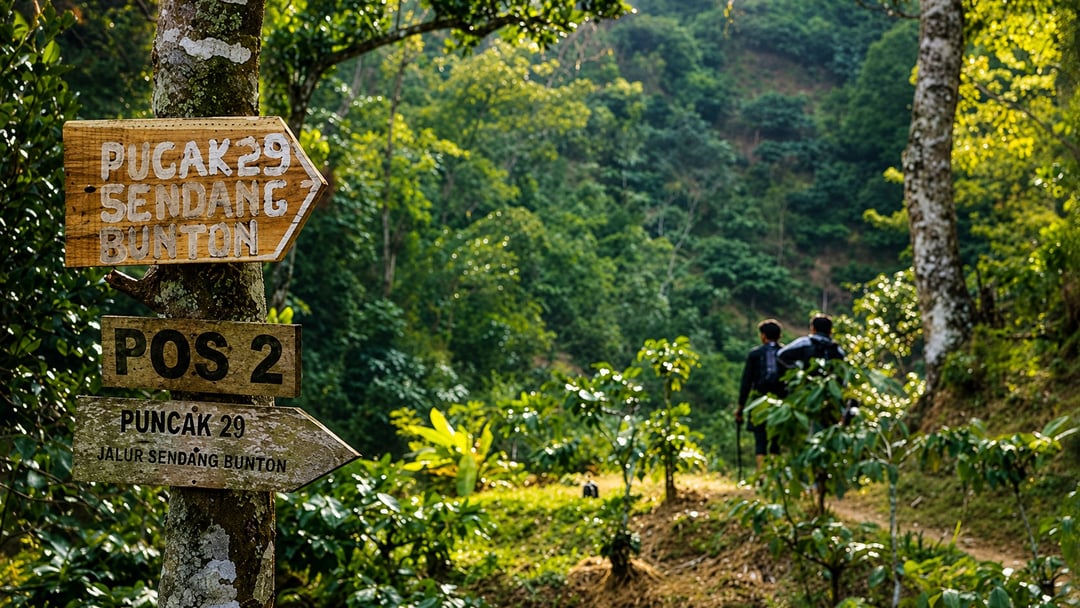
For those attempting to hike for the first time, Puncak 29 in Rahtawu Village is frequently recommended. The trail is considered accessible for beginners, though it still requires adequate physical preparation.
Puncak 29 trail official Agus Setyawan explains that much of the route traverses local coffee plantations. The trail consists of narrow paths with significant inclines before transitioning into a rocky area near the summit.
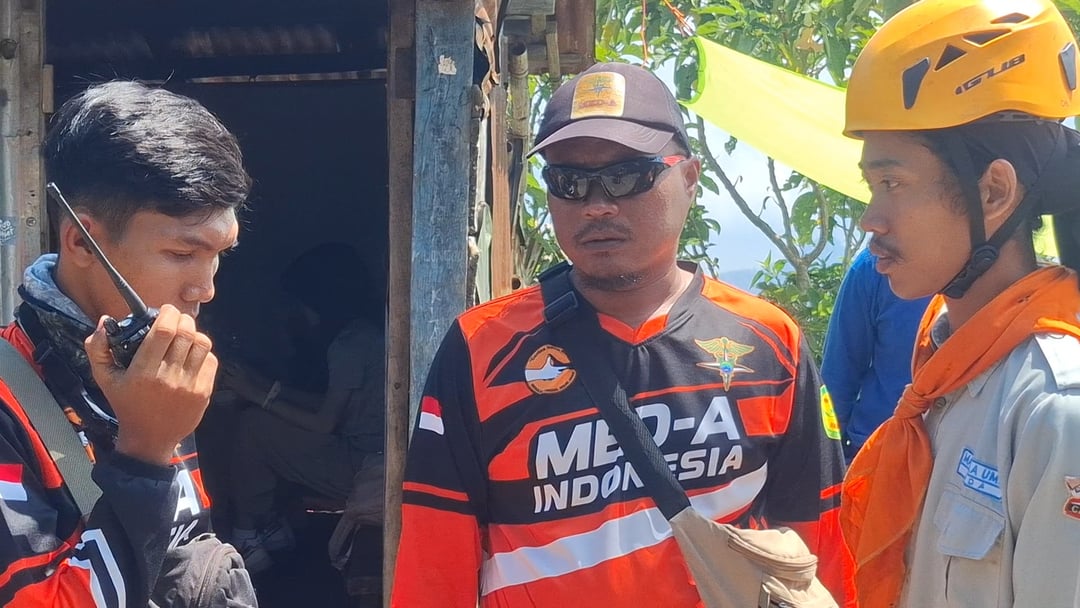
“The trekking route mostly follows paths through community coffee plantations, involving steep uphill climbs. As you near the summit, the terrain becomes extremely steep and rocky. The journey from Rahtawu Village takes about four to five hours, depending on the hiker's physical condition,” he said.
The path to Puncak 29 spans approximately five kilometers from the basecamp, totaling about 10 kilometers for a round trip. Although the distance is longer than that of Natas Angin, the gradual nature of the trail makes it a popular training ground for those new to trekking. The estimated round-trip time is generally five to six hours, contingent on physical fitness, weather, and rest intervals at each checkpoint.
Before beginning the ascent, Setyawan reminds hikers that physical fitness and proper gear are essential requirements that should not be overlooked. He noted that the drive to reach the summit often leads some hikers, especially novices, to neglect basic preparations.
“We strongly advise climbers to verify their physical condition and supplies before ascending. The trail to the summit is extreme, so caution and proper gear are essential. We recommend against hiking alone,” he stated.
For those visiting Puncak 29 or Puncak Natas Angin for the first time, preparation begins long before stepping onto the trail. Hikers should focus on physical conditioning days in advance, ensuring adequate rest and light exercise to maintain stamina for the demanding inclines and elevation changes encountered along the route.
Timing is also a critical factor. Morning departures are ideal for those attempting a round trip (tektok), while starting between 1:00 p.m. and 2:00 p.m. is often preferred by those aiming to witness the sunset from the summit.
Proper equipment is as vital as physical readiness. Essential gear includes sturdy hiking boots with good traction, layered clothing, a raincoat, a headlamp, and a first-aid kit to address sudden weather shifts or emergencies on the trail.
Logistics planning is equally important. Hikers are advised to carry at least two to three liters of water per person and high-calorie food. Water supplies can be replenished at Pos 5, the final water source before the climb toward Puncak 29 or Puncak Natas Angin.
Safety remains the top priority on the trail. Group hiking is safer and facilitates coordination in the event of an emergency. Hikers are encouraged to stay on established trails, maintain a pace that suits their physical ability, and rest at each post rather than pushing through when exhausted.
Weather conditions should be evaluated prior to the climb. The dry season, particularly from May through September, typically offers drier, more comfortable trails compared to the rainy season, which can make the path slippery. Hikers are also advised to bring sufficient cash, as fees for permits, parking, and purchases at small stalls along the route must still be paid in cash.
Above all, every hiker bears the responsibility of environmental stewardship. Carrying out all trash, protecting vegetation, avoiding open fires, and respecting the local community and culture in the Rahtawu Tourism Village are essential elements of hiking etiquette required to ensure the beauty of the Muria Mountains remains for future generations.
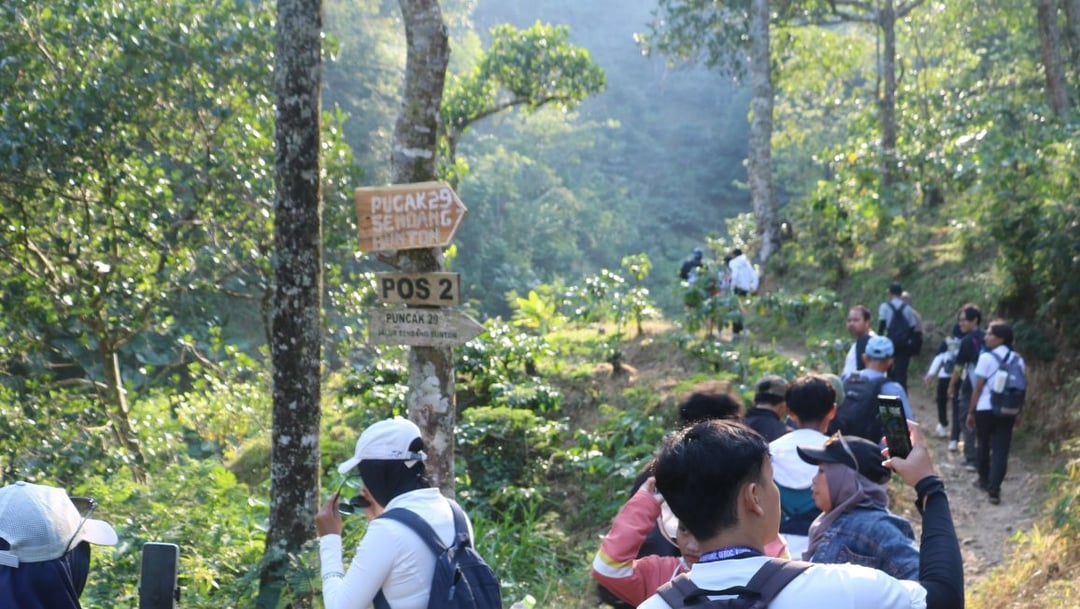
Public interest in the trails of the Muria Mountains remains high, particularly during weekends and holiday periods. Climbers visit not only from Kudus but also from across Central Java and neighboring provinces to experience the region's trekking.
Agus Setyawan, a Puncak 29 trail official, noted that the number of hikers typically exceeds 100 on holidays, with numbers reaching up to 400 per day during peak season.
The ascent offers not only physical challenges but also stunning mountain vistas. From Puncak 29, hikers can view other prominent peaks in the Muria range, including Palu Ombo, Abiyoso, Tunggangan, and Natas Angin. This scenery remains the primary motivation for many to return to the trail for future adventures.
Beyond its natural beauty, hikers must consider communication connectivity during their trek. Mobile phone signals generally remain stable from Rahtawu Tourism Village to Post 1. Upon reaching Post 2, network quality diminishes, accessible only in select open areas. As the trail enters the denser forest leading to Post 3 and Post 4, signals from most mobile operators are typically lost. At the 29 Peak and Natas Angin areas, a signal may occasionally be available in certain clearings, but it is too unstable to serve as a primary means of communication. Hikers are advised to notify family or associates before departing and not to rely entirely on mobile networks while on the trail.
The dry season, particularly between May and September, is generally recommended for trekking in the Muria Mountains. During this period, trail conditions are drier, reducing the risk of slips. Conversely, during the rainy season, ground surfaces become slippery, fog descends rapidly, and visibility decreases, requiring hikers to exercise heightened caution.
Beyond weather awareness, hikers are encouraged to prioritize safety by avoiding solo treks. Hiking in groups, staying on established trails, packing out all trash, and respecting the customs and community of Rahtawu Tourism Village are essential hiking ethics promoted by regional authorities to maintain security and environmental preservation.
Before starting their climb, prospective hikers must prepare for registration and parking fees. Trekking to 29 Peak or Natas Angin Peak via Rahtawu Tourism Village incurs a village entry fee of Rp3,000 per person and a hiking registration fee (SIMAKSI) of Rp5,000 per person. Parking fees range from Rp10,000 for motorcycles to Rp20,000 for cars for overnight visitors, while day-trippers are typically charged a lower rate. Consequently, total registration and parking costs range from Rp11,000 to Rp28,000, depending on the chosen route and vehicle type. All fees are managed by the Rahtawu Tourism Village administration for the maintenance of the hiking area.
Hikers are advised to carry sufficient cash before entering the area. Village entry, registration, parking, and transactions at trail-side stalls are conducted in cash; having adequate funds will facilitate needs during the trip.
Saka Rizki, a member of the Universitas Natas Angin (Untas) Community and the Indonesian Trail Running Association (ALTI), believes the trails in Muria offer a learning ground for those interested in trekking.
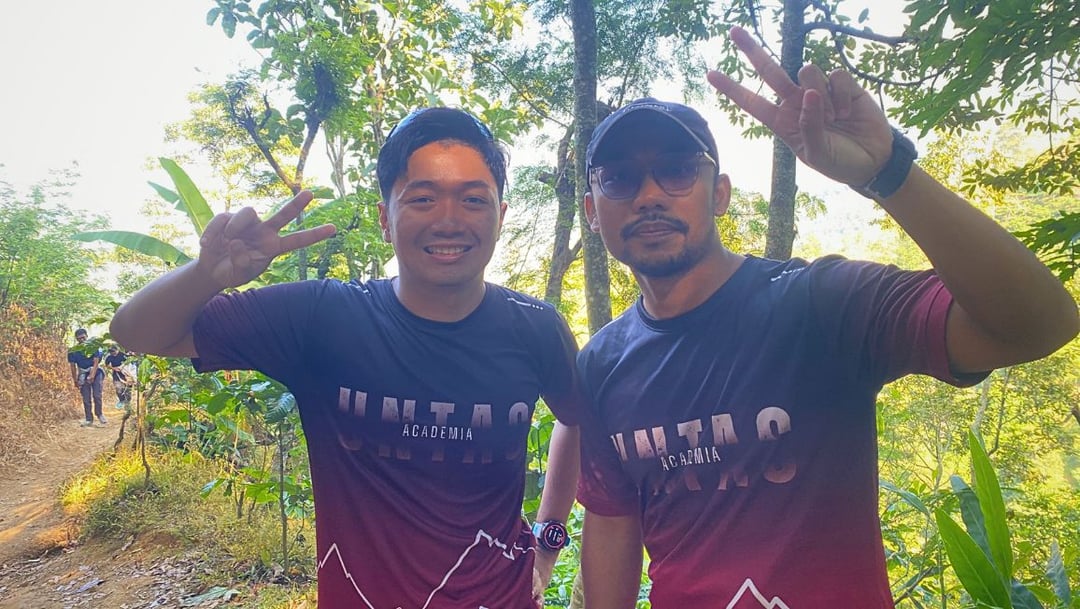
"The tip is, do not underestimate the mountain. For beginners, the sandy or soil terrain at 29 Peak or Natas Angin is highly suitable for initial training. Hiking is a sport that builds cardio and leg strength. Prepare a medical kit for emergencies and study safe hiking tutorials," he said.
According to Saka, physical readiness must be balanced with mental preparation. Besides understanding one’s personal limits, every hiker is responsible for maintaining trail cleanliness by carrying all personal waste back down.
For outdoor enthusiasts, the Muria Mountains offer several trail options with distinct characteristics. The two most well-known routes are 29 Peak (Songolikur) and Natas Angin Peak, both of which are accessible through Rahtawu Tourism Village.
The Puncak 29 trail spans approximately five kilometers one way, totaling ten kilometers for a round trip. The average ascent takes three to four hours, while the descent takes about two hours, meaning the total hike lasts five to six hours, depending on physical fitness, weather conditions, and time spent at each station.
The Puncak 29 trail features a relatively gentle gradient in the initial stages, allowing for a steady pace. The terrain shifts to more challenging inclines as hikers approach the summit. Densely shaded by vegetation, the path is well-suited for those looking to build physical endurance gradually.
In contrast, the route to Puncak Natas Angin is approximately 3.7 kilometers long. Despite being shorter, this trail is dominated by steep ascents, including the notorious Dragon Path (Jalur Naga), known for its sharp incline, narrow ridges, and rocky terrain. The ascent to Natas Angin generally takes three to four hours, with a total round-trip time of five and a half to six and a half hours.
These distinct characteristics provide unique appeal; Puncak 29 is better for hikers who prefer a steady rhythm, while Natas Angin attracts those seeking technical challenges.
Local Muria guide Jaelani explains that Puncak 29 and Natas Angin offer varying levels of difficulty, requiring hikers to match their choice of route with their personal skill levels.
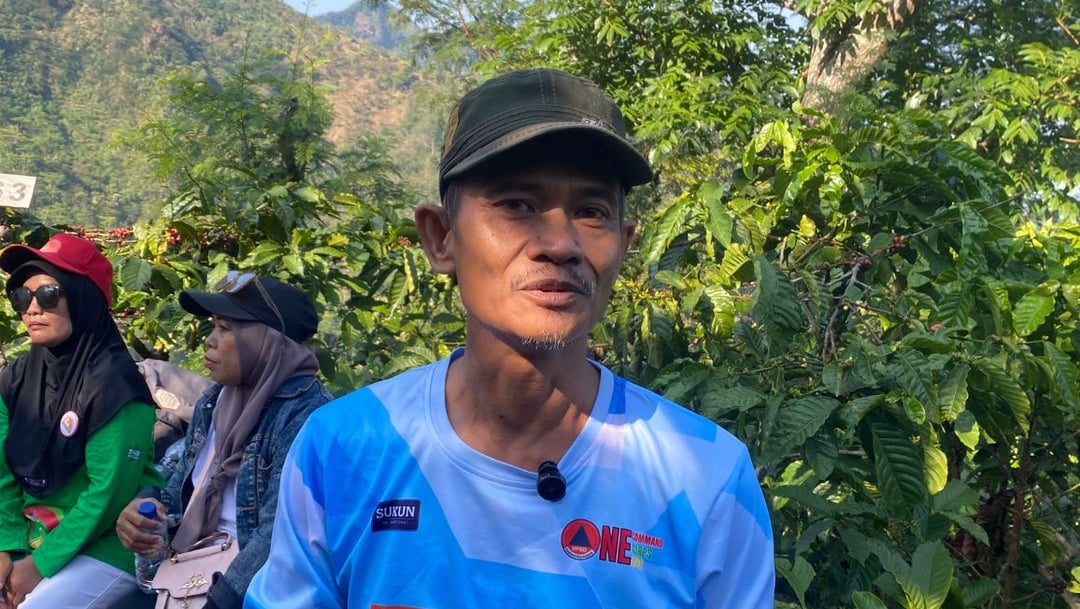
“The terrain at Natas Angin is steeper, with inclines reaching nearly 45 degrees, whereas Puncak 29 offers a mix of flat stretches and climbs. Regarding weather, we maintain constant communication with locals at every station to monitor the situation,” Jaelani explained.
Weather monitoring is crucial before beginning the ascent. Rain can make the ground slippery, requiring extra caution, especially when navigating rocky paths or exposed ridges.
Muhamad Dafin Setiawan, a student at Universitas Muria Kudus (UMK), was also inspired to try hiking after seeing his peers explore the Muria mountain trails.
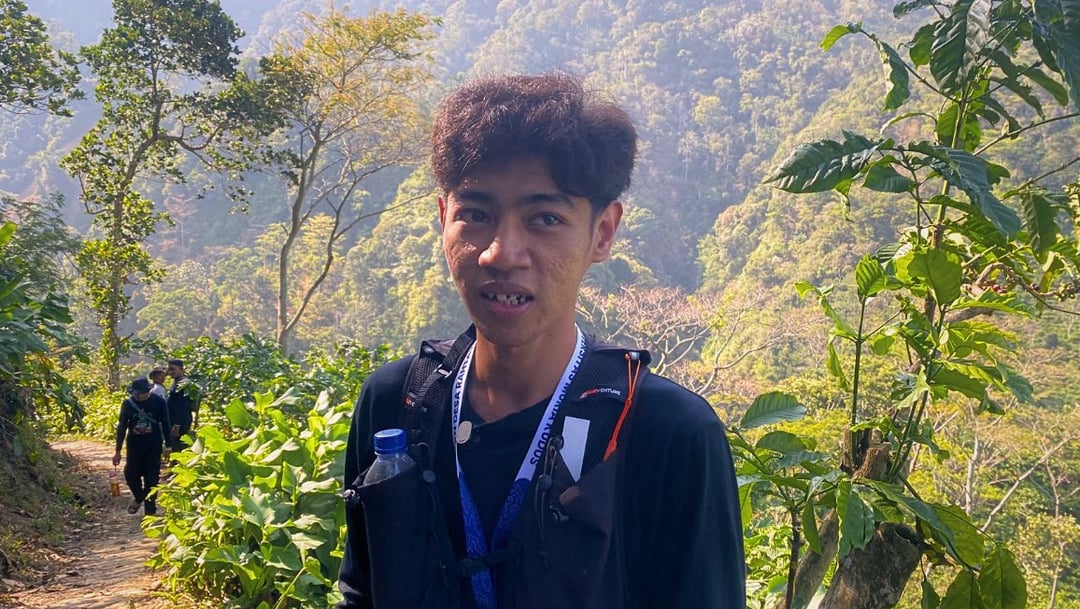
His first trek provided challenges he had never faced before. The steep climb toward Post 3 was physically draining, yet it became the most memorable part of his journey.
“This was my first hike. I was interested because I saw how enthusiastic my friends were. It was tiring, but exciting. The trail was quite extreme for a beginner like me, especially on the way to Post 3,” said Dafin.
Experiences like Dafin's underscore that hiking is not merely about reaching the summit. Each journey serves as a process of understanding one's own limitations while building the confidence to navigate difficult terrain.
The rising number of hikers on Mount Muria has prompted management to prioritize safety and environmental conservation. Head of the Ternadi Forest Management Resort (KRPH), within the Muria Pati Ayam Forest Management Section (BKPH) and the Pati Forest Management Unit (KPH), Teguh Jumadi Yanto, stated that climbing regulations are strictly enforced to ensure tourism activities remain sustainable.
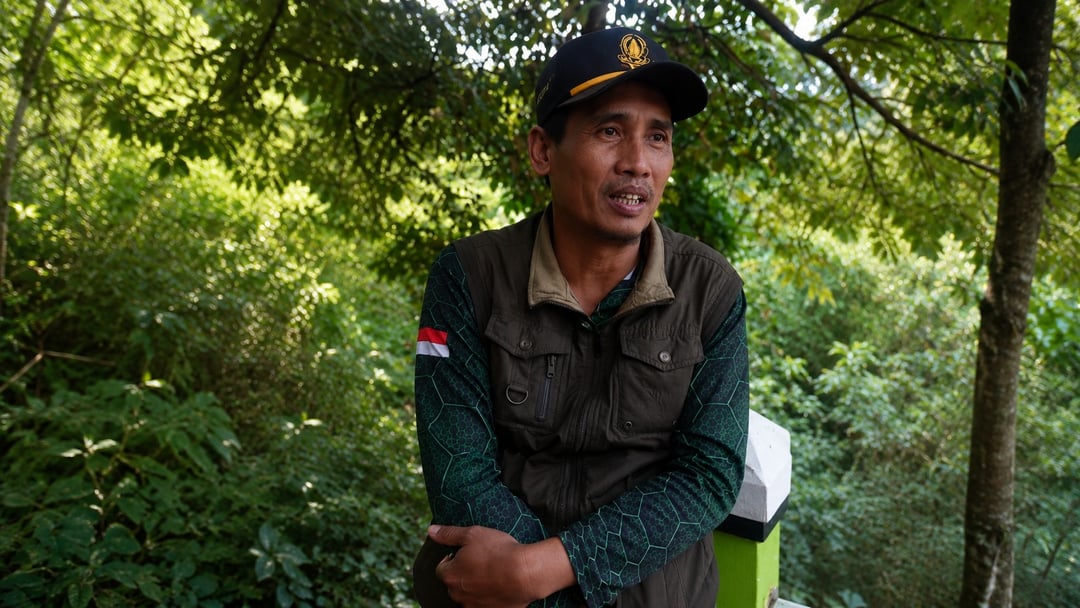
"Our rules are clear: littering is prohibited, we discourage inappropriate language, and damaging the natural environment is forbidden. Together with our management team, we are continuously improving routes to ensure the trails are safe for everyone," he said.
Beyond prohibiting solo hiking, officials emphasize the importance of logistical planning. Local stalls are available up to Post 5 or the Petilasan Abiyoso area, where hikers can refill their water supplies. Beyond Post 5, leading toward Puncak 29 or Natas Angin, there are no natural water sources, and hikers are advised to secure adequate supplies before proceeding.
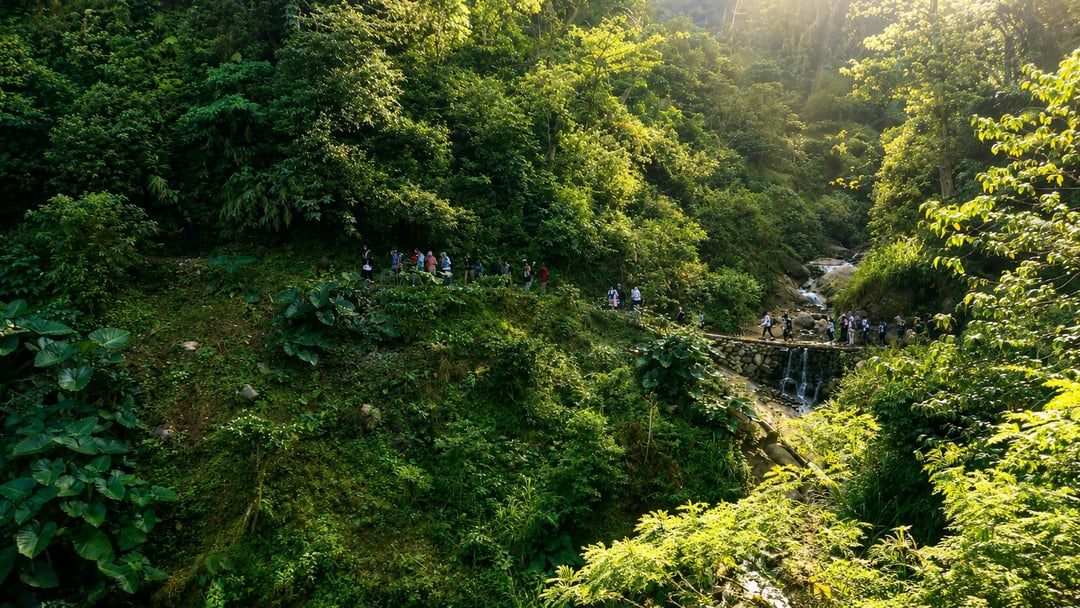
Trekking on Mount Muria illustrates how sports and nature tourism can coexist. The accessible trails allow beginners to engage with outdoor activities, while the terrain remains challenging for those testing their physical limits.
Choosing the right time to hike is also essential for safety. The dry season typically offers firmer, more comfortable trails compared to the rainy season, when paths become slippery. However, mountain weather can shift rapidly, and hikers are urged to monitor weather conditions before starting their journey.
Ultimately, the growth of sports tourism depends on more than just natural beauty or trail quality. Every hiker’s commitment to following regulations, maintaining cleanliness, respecting the environment, and prioritizing safety is crucial for the long-term preservation of the area.
When every trip ends by carrying out trash, following guide instructions, and respecting the landscape, the trails of Mount Muria become more than just a place to exercise—they become a space for learning about responsibility. From the first step toward Puncak 29 to the ascent of Natas Angin, the experience gained is not merely a summit photo, but the realization that nature thrives when every visitor helps protect it. (JMY/ITN/mainkekudus)