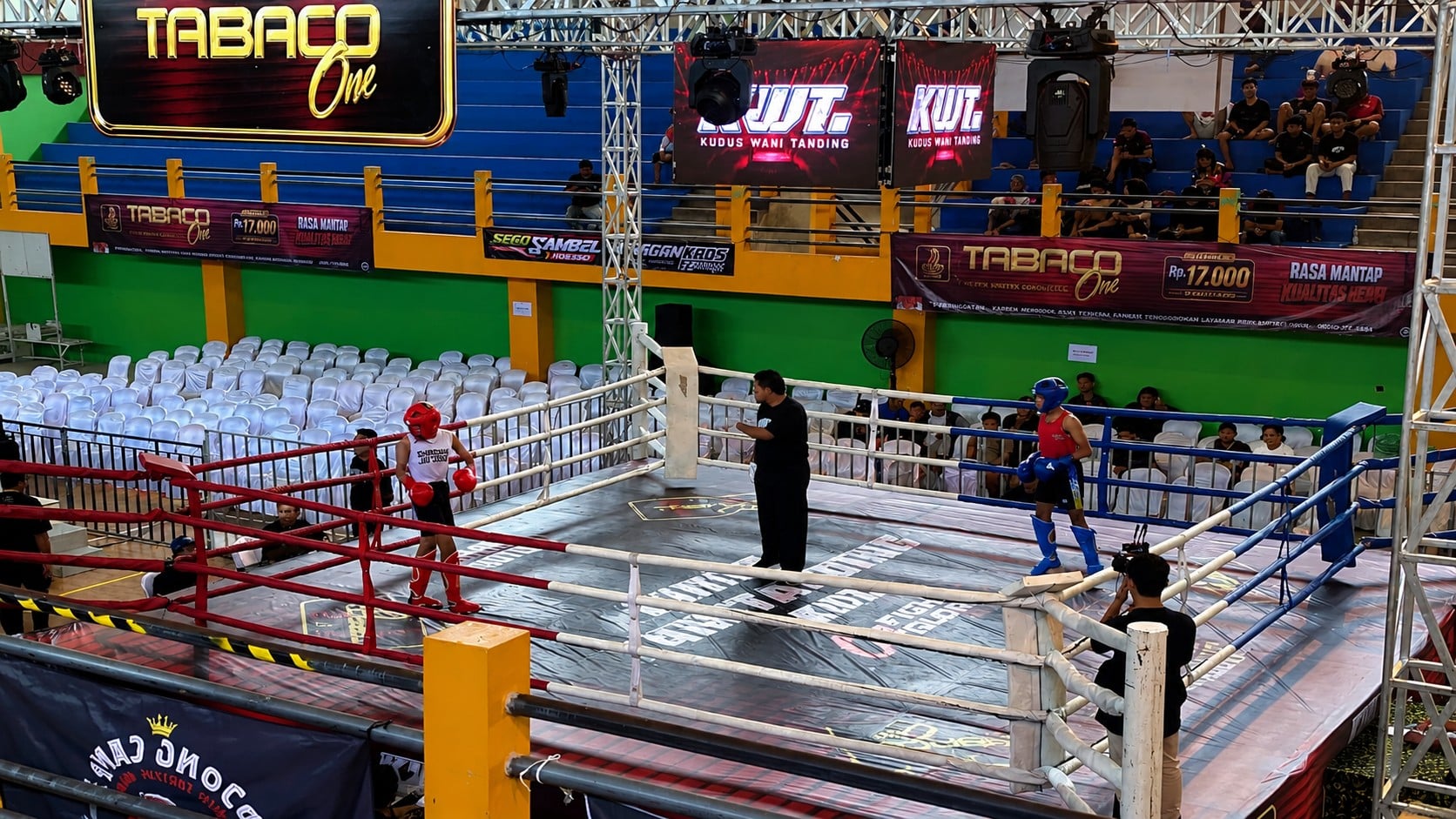
KUDUS – Inside a modest training ring, the rhythmic thud of strikes against punching pads echoes through the air. Athletes trade kicks, their breathing heavy, as coaches and officials monitor every movement with precision. Such scenes are becoming increasingly common in Kudus Regency. Amidst the growth of various sports, kickboxing is steadily carving out its own space within the local athletic landscape.
While its journey is still in its infancy, the presence of the Kick Boxing Indonesia (KBI) Kudus Regency chapter demonstrates that this martial art is evolving not just as a competitive arena, but as a platform for youth development.
Before stepping into the ring, every athlete undergoes a rigorous, often unseen process. On the practice floor, they hone their technique, build mental fortitude, learn to accept defeat, and prepare to face their next opponent.
The KBI Kudus chapter was officially established in 2023 with the goal of creating a structured kickboxing training system under the auspices of the Kudus Regency National Sports Committee (KONI) and the KBI Central Java Provincial Board. Its establishment provides a hub for residents interested in modern martial arts while creating a pathway to official championship competition.
This move addresses the need for local athlete development, which previously lacked an official county-level organization. With an organized structure, the athlete development process—from talent scouting and training to preparation for events like the Provincial Sports Week and national-level championships—can now proceed more effectively.
Notably, the growth of kickboxing in Kudus is not limited to urban areas. Training sites are emerging in rural villages, including Kutuk Village in Undaan District and Pasuruhan Lor Village in Jati District. This decentralized approach creates broader opportunities for people from diverse backgrounds to engage with the sport.
The presence of training facilities in rural areas also shows that athletic potential is not restricted to city centers. Many young people who once treated martial arts merely as a hobby now have access to structured professional coaching.
For the KBI Kudus leadership, athlete development is not solely focused on winning in the ring. Every training session is viewed as an opportunity to build character, instill discipline, and help athletes grow according to their individual abilities.
Barix Ilma Wafa, a member of the KBI Kudus management board, stated that the regeneration of athletes is the organization's primary focus. According to Wafa, the program aims not only to produce new talent but also to provide a positive outlet for young people to channel their interest in martial arts.
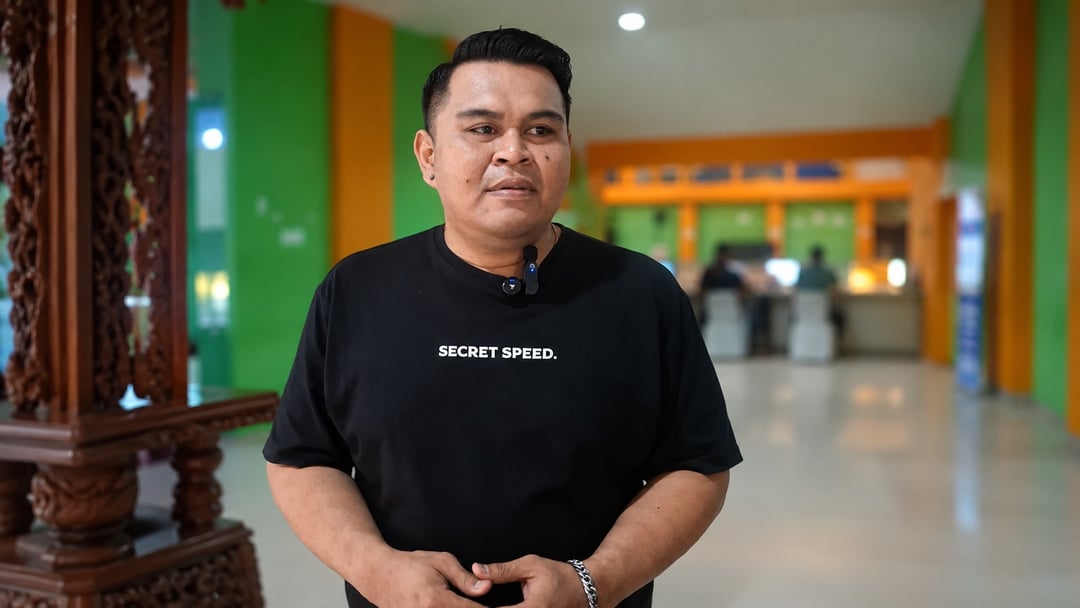
New members are first equipped with physical conditioning, basic techniques, and mental preparation before moving on to complex combinations. Mastering punches, kicks, body balance, and emotional control serves as the essential foundation before any athlete is deemed ready for competition.
These stages are also reflected in the use of training facilities. Youth and beginner-level athletes train primarily on floor mats to safely master fundamental skills. Once they have demonstrated sufficient physical, technical, and mental readiness, they are introduced to ring-based training through various simulation matches.
According to Barix, safety remains a priority at every stage of training. As a contact sport, kickboxing carries inherent risks of injury, necessitating systematic training methods, the use of protective gear, and constant coaching supervision throughout sessions.
Growing public interest in kickboxing has led to an increase in training facilities in Kudus Regency. For those interested in the sport, Sasana Evolution Lentera Hati in Kaliwungu offers Muay Thai and kickboxing classes held regularly on Tuesdays, Thursdays, and Saturdays at 7:30 p.m. WIB. Meanwhile, Dojo Gajahmada in Jati District provides martial arts training focusing on stand-up fighting techniques, kick strengthening, stances, and full contact drills, which form the foundation of kickboxing.
Joining as a member is straightforward. Prospective participants can visit the training locations to consult with instructors regarding classes that match their skill level. Most gyms offer both drop-in rates and monthly packages, allowing participants to choose based on their goals, whether for fitness, self-defense, or competitive development.
Beyond gym training, many local kickboxers utilize fitness centers to supplement their programs. Athletes frequent Bee One Studio in Jati to improve agility and coordination, Abdominal Gym in Burikan to build striking power and explosiveness, and Synergy Fitness in Rendeng to maintain physical fitness and endurance ahead of competitions.
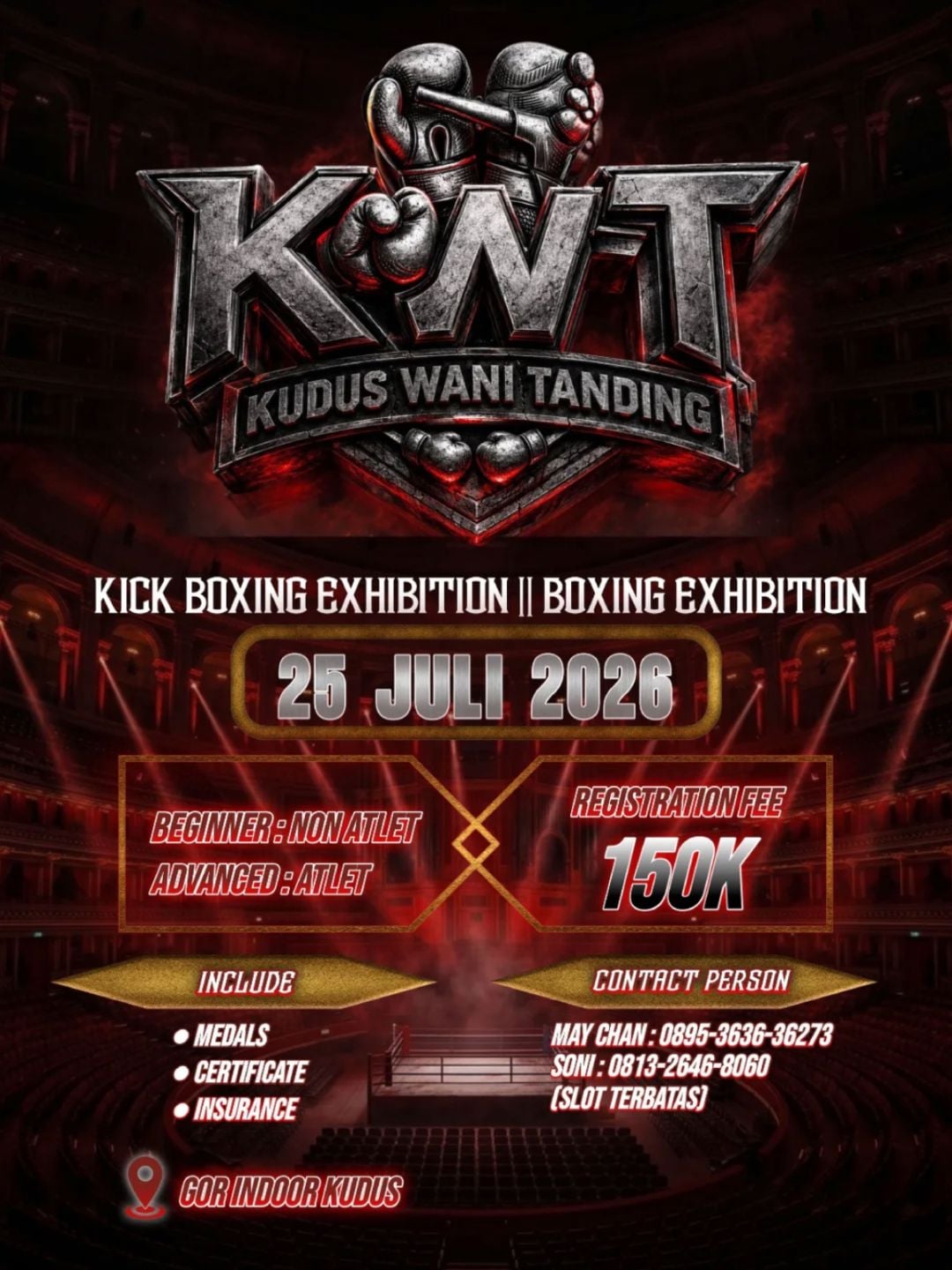
Athletes hone their skills not only through routine training but also by testing their abilities in regional championships. One such event, Kudus Wani Tanding (KWT), periodically brings together hundreds of fighters from various gyms, serving as a platform for athletes to gain experience and evaluate their progress before competing at the provincial or national level.
Despite its relatively young organization, the Kick Boxing Indonesia (KBI) branch in Kudus Regency has quickly produced results. A significant milestone occurred when kickboxing was included in the 16th Central Java Provincial Sports Week (PORPROV) 2023, held at the Muria Kudus University Auditorium.
Over the three-day event, 132 athletes from 24 regencies and cities competed for 19 gold medals. The competition highlighted the intensifying rivalry in Central Java's kickboxing scene and served as a showcase for the host athletes.
Kudus Regency's contingent successfully secured two silver medals and seven bronze medals. The two silver medals were earned in the Men's 63.5-kilogram Low Kick and Men's 60-kilogram Low Kick categories. Meanwhile, seven bronze medals were claimed in the Men's 60-kilogram Full Contact, Men's 51-kilogram Full Contact, Women's 48-kilogram Low Kick, Women's 52-kilogram Full Contact, Women's 48-kilogram Full Contact, Men's 54-kilogram Full Contact, and Men's 51-kilogram Low Kick divisions. Among the medalists was Akbar Dzaky Naufal Daffa, who secured bronze in the Men's 51-kilogram Full Contact category.
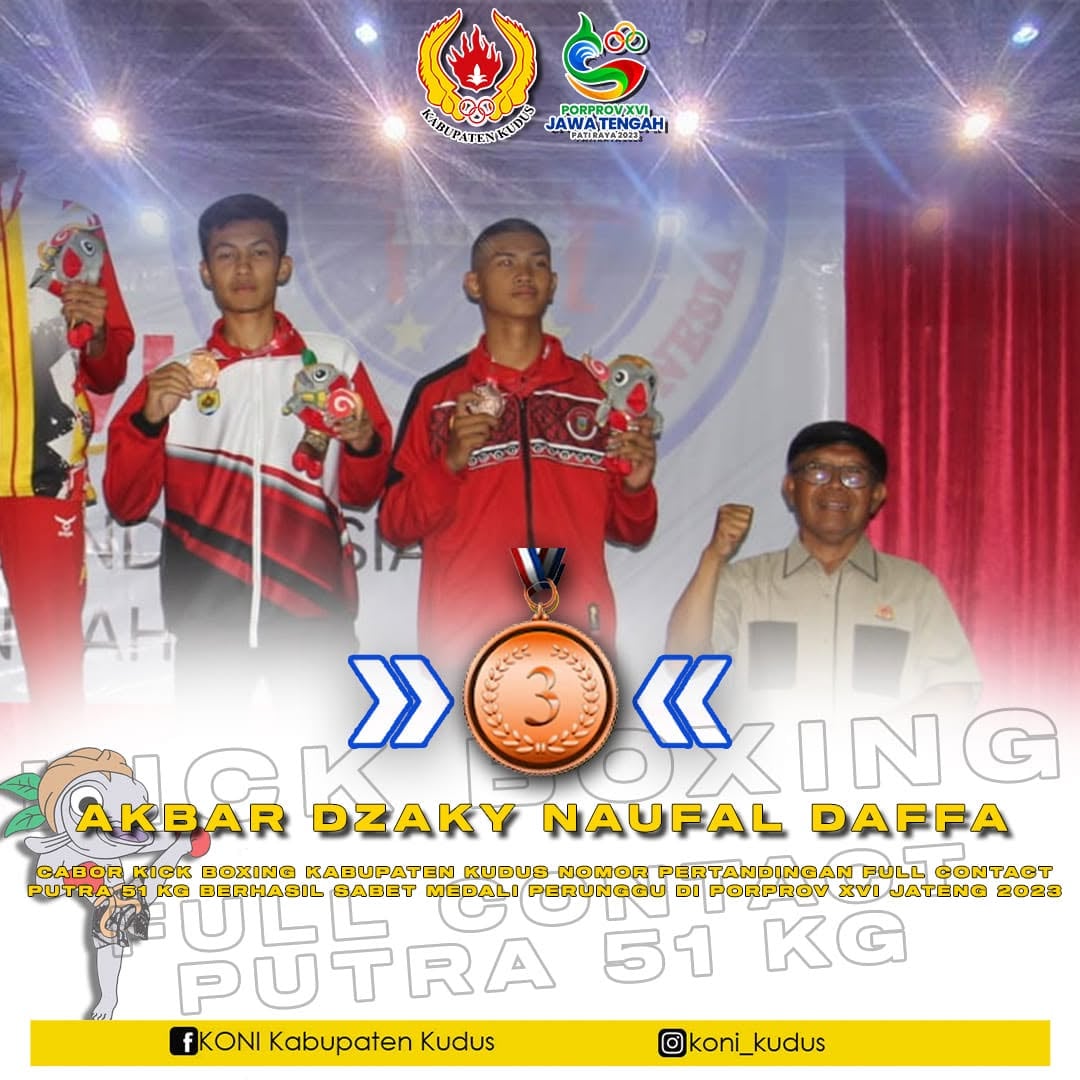
This achievement marks a milestone in the development of kickboxing in Kudus Regency. The presence of Kudus athletes across various weight classes, in both low kick and full contact categories, demonstrates that the training system is reaching a broader range of specialized athletes. These results also provide a foundation for the KBI of Kudus Regency to continue strengthening athlete development and improving performance in future championships.
The chairman of KBI Kudus Regency, Barix Ilma Wafa, noted that consistent training has consistently yielded results in provincial-level competitions. These achievements serve as motivation for young athletes, proving that opportunities to compete and succeed remain open to those willing to commit to the process.
Among the athletes who train regularly, Hanifah Nur Hayati has her own reasons for sticking with a sport often defined by physical impact.
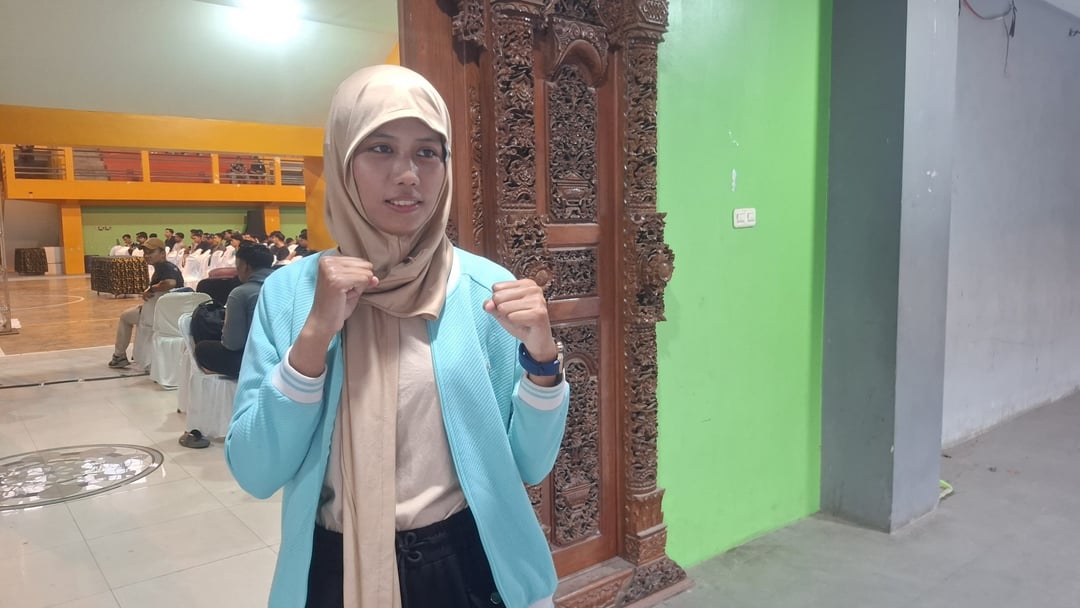
For the 22-year-old, kickboxing is more than just a sport. She views training as a way to build resilience and self-defense skills. The benefits she experiences go beyond physical fitness, extending to an increased sense of self-confidence in her daily life.
Balancing her responsibilities as a student and a working professional makes time her greatest challenge. Nevertheless, Hanifah manages to train three to four times a week. Her running routine, which starts at 4 a.m., has become a cornerstone of her physical preparation.
Her tight schedule has not deterred her from training. Instead, time constraints have fostered discipline, as she makes the most of every session knowing that opportunities to repeat exercises are limited.
Injuries and bruises are no stranger to her. Since committing to kickboxing, she has accepted that the sport carries risks, viewing them as part of a process that must be approached with responsibility.
Competitive experience has become a classroom for self-evaluation. While she admits that the desire for revenge after a defeat has crossed her mind, she channels that drive into motivation to train harder and achieve better results.
A different story comes from Safrianto, a 12th-grade student at SMK PGRI 2 Kaliwungu, Kudus.
Before discovering kickboxing, Safrianto initially focused on calisthenics—a strength training discipline utilizing body weight for exercises such as push-ups, pull-ups, and squats. After a long period of consistent training, he sought a new challenge to test both his physical and mental limits. His potential was eventually recognized by scouts, leading him to join the Kick Boxing Indonesia (KBI) Kudus Regency chapter.
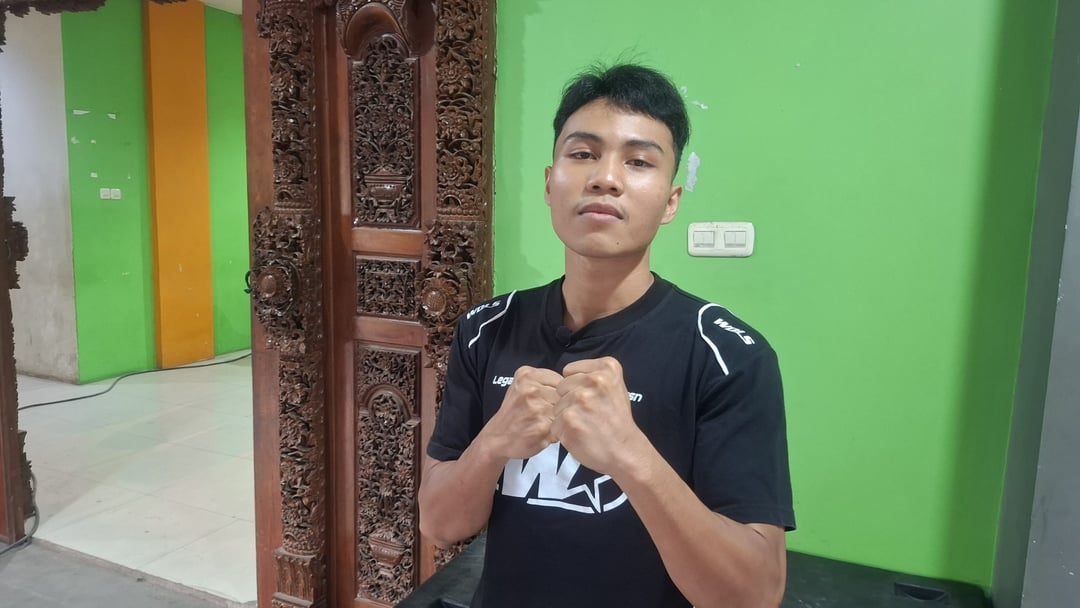
The transition from bodyweight training to martial arts proved seamless for Safrianto. He believes that any technique can be mastered with consistent dedication. This commitment not only improved his physical fitness but also bolstered his confidence and daily discipline.
Within about a year, Safrianto began seeing tangible results, securing first place at the 2025 Semarang Fight Night and finishing third at the 2025 Central Java Provincial Sports Week (Porprov) qualifying round.
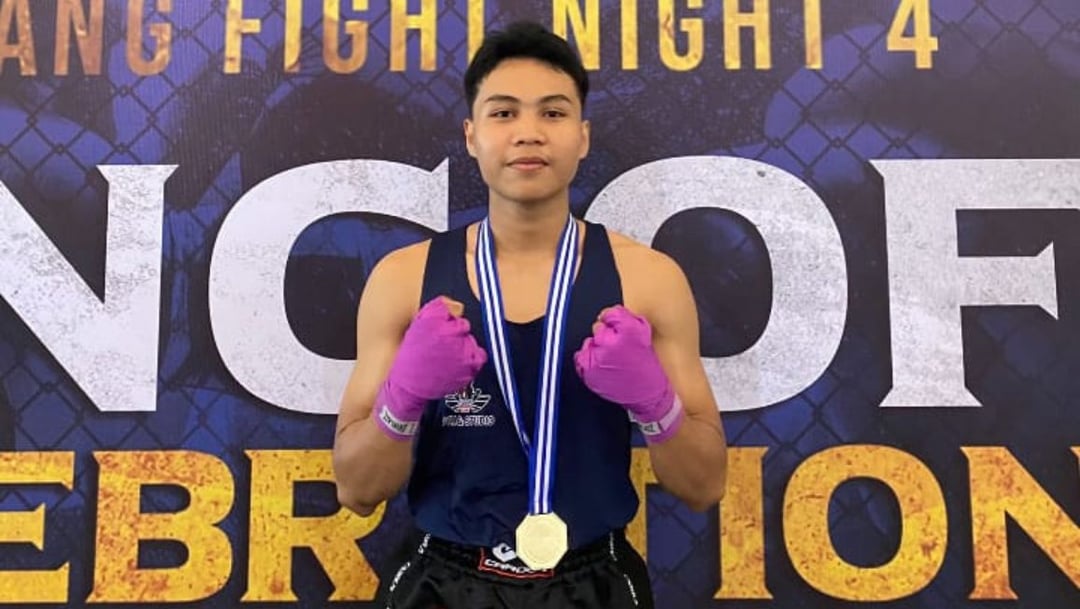
These achievements mark only the beginning of a long journey. He hopes to continue refining his skills to compete at higher levels of the sport.
The development of kickboxing in Kudus Regency demonstrates that the advancement of a sport relies not just on the number of championships held, but on sustainable development and athlete cultivation.
From village training facilities to the competitive ring, every athlete has a unique story. Whether it is officials developing talent pipelines, women balancing education and work with training, or students finding new purpose through sports, these narratives highlight how kickboxing has become a training ground for discipline, courage, and responsibility.
KBI Kudus Regency continues to serve as an integral part of the local sports ecosystem. As long as training remains active, talent continues to emerge, and the drive for improvement persists, the sounds of punches and kicks in Kudus rings will signify that the sport is steadily growing alongside the community it serves. (JMY/mainkekudus)