
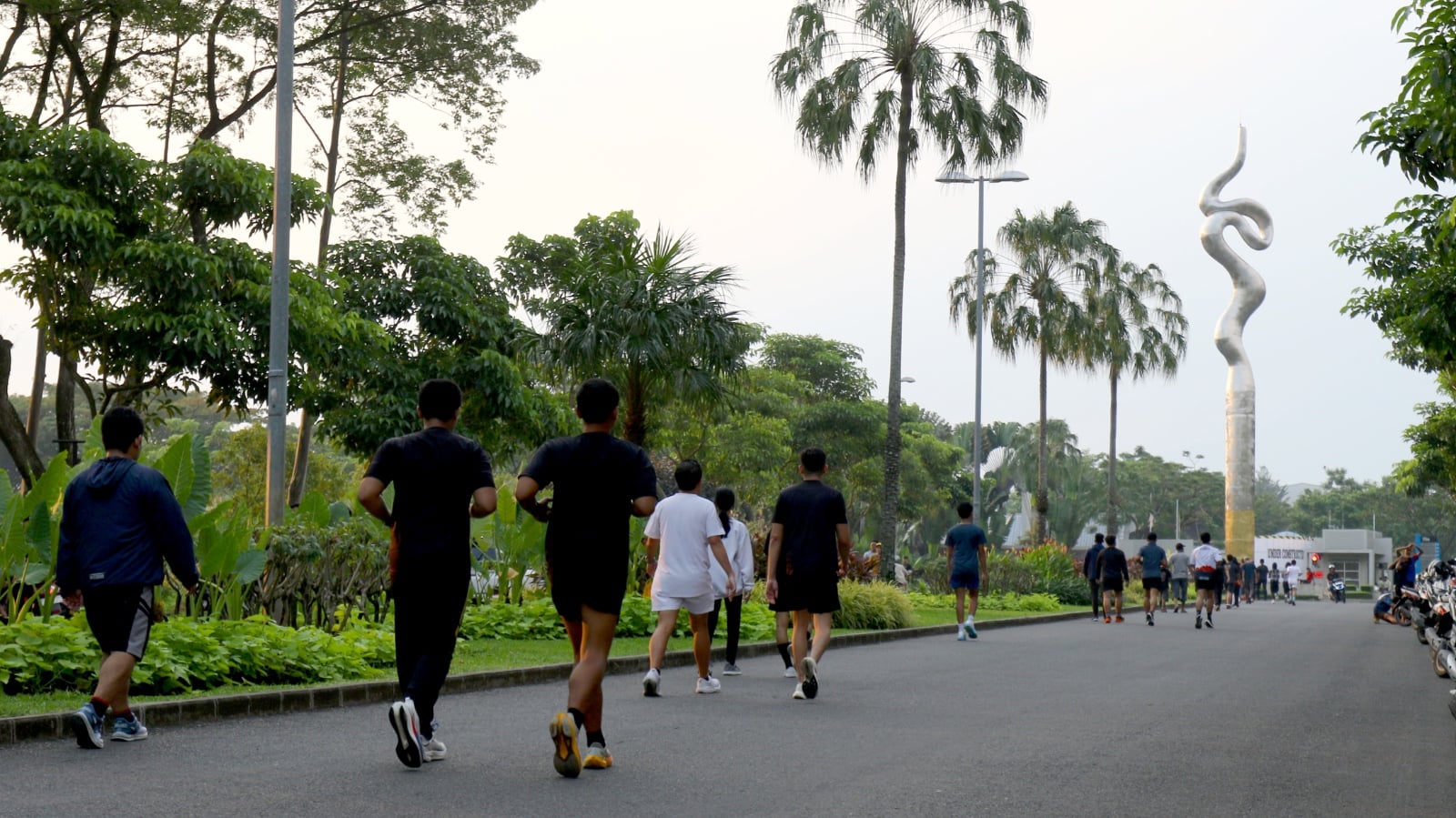
KUDUS – Dawn had barely broken when the pulse of life began to stir in various corners of Kudus Regency. Empty streets became paths for morning runners, each finding their own rhythm. Some jogged alone to embrace the cool morning air, while others arrived with family or joined local communities before setting out on their routes.
In Kudus, morning running is evolving into a lifestyle. The activity has moved beyond mere fitness, offering a chance to experience the city at a slower pace. With every step, runners witness a unique side of Kudus—from the quiet streets and sun-drenched trees to the early stirrings of the local community as the day begins.
This atmosphere was on full display on Sunday morning, July 19, 2026. Before the sun rose high, the city's three primary public spaces were bustling with residents taking advantage of the weekend. The Simpang Tujuh Town Square served as a central hub: children played, families strolled, running groups prepared for their routes, and vendors set up stalls to serve visitors finishing their morning exercises.
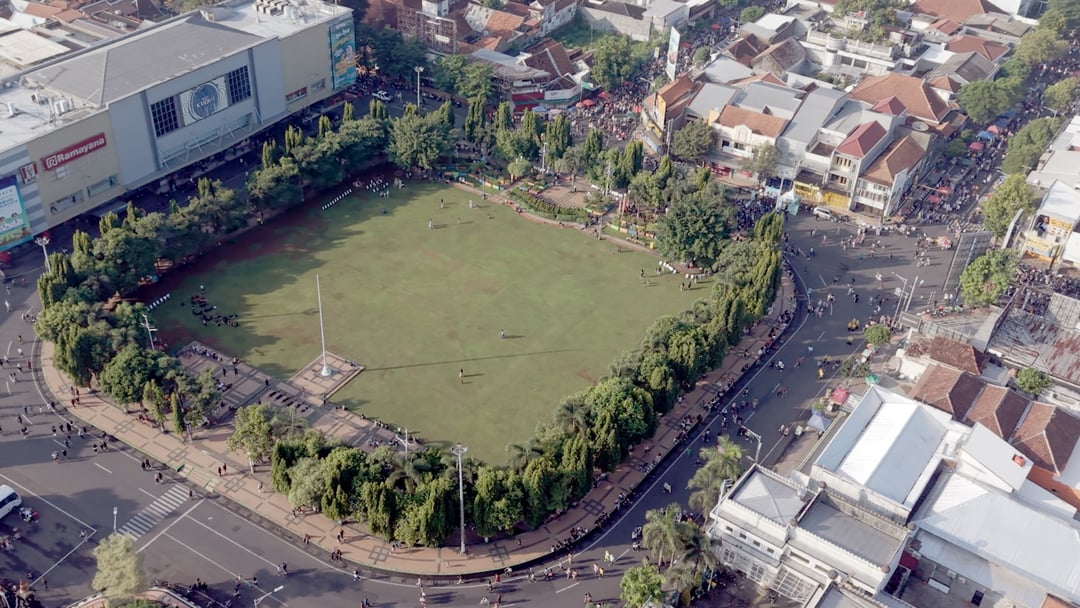
Not far from the city center, the Wergu Wetan Sports Complex and Balai Jagong offer a different vibe. Their tracks are favored by those seeking structured training or casual family walks. Meanwhile, Oasis Djarum Park provides a serene alternative, where lush greenery and shaded gardens appeal to those looking to exercise in a tranquil environment.
This growing trend is observed by Petrus Naraliawan, an active runner who navigates various parts of Kudus. As a member of the Kudus Runners community, Petrus varies his locations to keep his routine engaging, ranging from the Simpang Tujuh Town Square and Balai Jagong to the Oasis Djarum Park and the Jati Wetan Retention Basin near his home.
He is active in two groups: Kudus Runners and Sunday Social Running (SSR). Each has a distinct character; Kudus Runners is known for its Lajunda (Lari Jumat Ndalu), a routine night run held every Friday. The group also organizes Mlayu Minggu Enjing, while SSR hosts casual Sunday morning runs covering roughly five kilometers (5K). Activities rotate between locations like the Simpang Tujuh Town Square and Oasis Djarum Park, allowing participants to experience the diverse running routes of the City of Kretek.
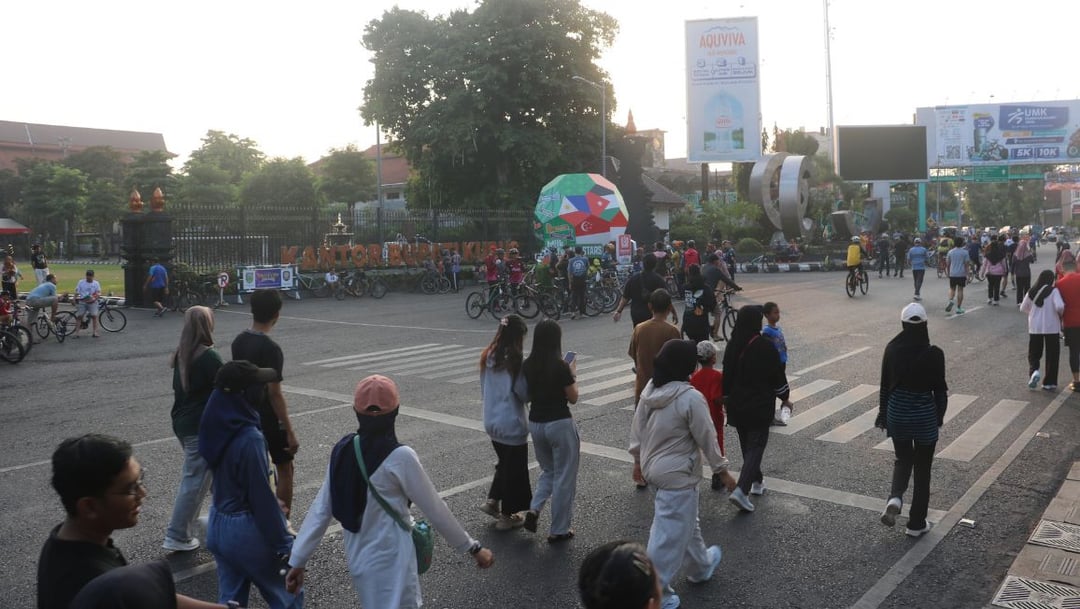
These activities are open to the public and free of charge. Both novice and experienced runners can join immediately without any selection process or requirements to belong to a specific group. Participants simply need to arrive at the meeting point announced on the community's social media, usually gathering between 05:30–05:45 WIB. The run typically begins around 06:00 WIB and concludes between 07:30–08:00 WIB. This timing allows participants to enjoy the cool morning air and complete their workout before city traffic intensifies.
According to Petrus, the rising popularity of running is driven by social media influence and the fear of missing out (FOMO) phenomenon. Many individuals initially take up running after seeing posts from friends or invitations from community groups. Over time, however, many discover the health benefits and adopt it as a permanent lifestyle.
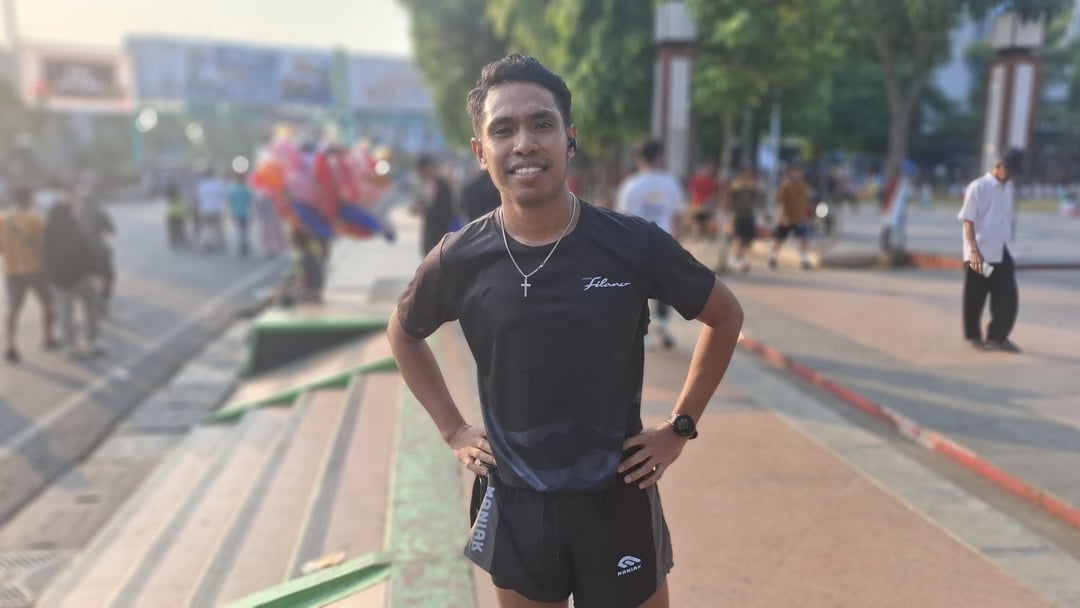
“I believe morning running is becoming more popular because of FOMO; people are just following the trend. Joining a morning running community is beneficial because it allows you to exercise together. Running makes you healthy. We usually meet here, then run around the area. The effect is definitely positive for your health,” said Petrus.
For Petrus, joining a community is about more than just hitting distance goals; it is also a space to build new friendships. It is not uncommon for him to bump into old friends while running in public spaces. A brief greeting on the track often turns into a conversation that adds warmth to the morning.
“The best part of being in a community is meeting people with the same hobby. If you connect, you can laugh together. I think the best time to run is in the morning because there is less pollution, the air is cool, and the streets are not too busy, making it more comfortable to run along the roadside,” he added.
The camaraderie among runners continues even after the route is completed. After running, the community typically concludes the session with a cooling-down period, takes group photos, and then heads out to enjoy local Kudus culinary specialties. Lentog Tanjung in the Tanjung Karang area is a favorite destination, alongside Soto Kudus and buffalo satay near the Simpang Tujuh Town Square. This simple tradition ensures that morning runs are not only for fitness and social bonding, but also contribute to the local economy by supporting food vendors along the running paths.
While they share common post-run habits, every runner enjoys their morning in Kudus in their own way. Some prefer the lively atmosphere to meet new people, while others choose quieter times when public spaces are less crowded to maintain a more comfortable running pace.
Rayyan Ardiansyah, for instance, prefers to exercise on weekdays when public areas are less congested. As a professional, he uses his weekends to maintain fitness, though he notes that large crowds can restrict a runner's movement during those times.
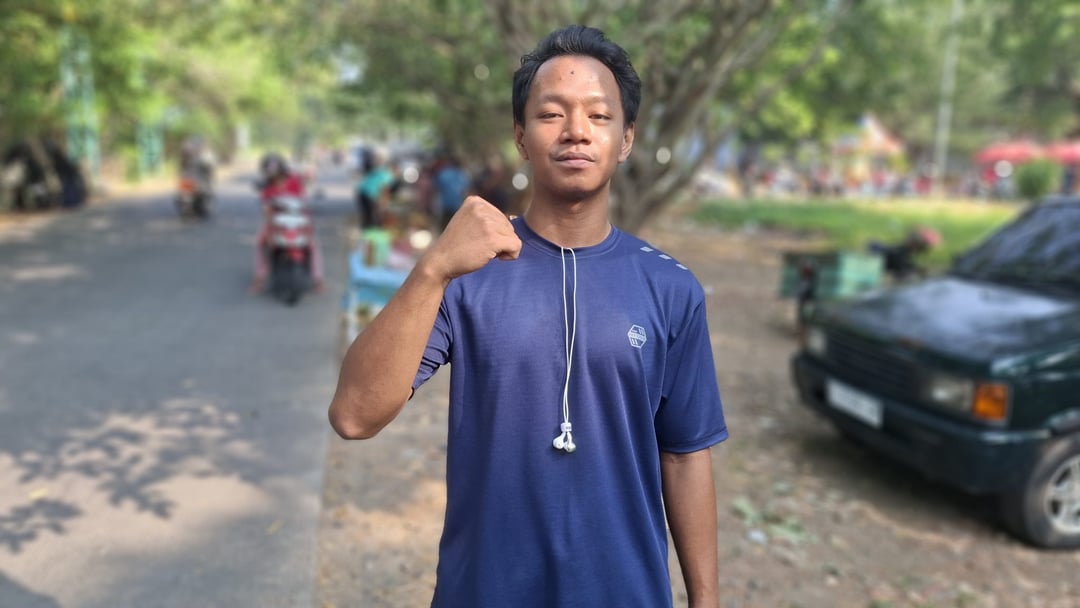
On the same track, runners must share space with families out for leisure walks, children playing, and residents enjoying the morning atmosphere. These conditions make it difficult to maintain a consistent running rhythm.
“I go running every time I have a day off from work. It is less ideal on holidays like this because of the large number of visitors. I recommend that my friends who exercise here come on weekdays instead; it is quieter and more pleasant for a morning workout,” he said at Balai Jagong.
Despite having to adapt to the field conditions, Rayyan remains committed to his exercise routine. For him, the duration is less important than staying physically active.
“I usually run for at least 10 to 15 minutes.”
A similar perspective is shared by Diah Arum, a resident of Karangbeber, Bae District. She selects Oasis Djarum Park as her preferred running location due to its shaded and comfortable environment.
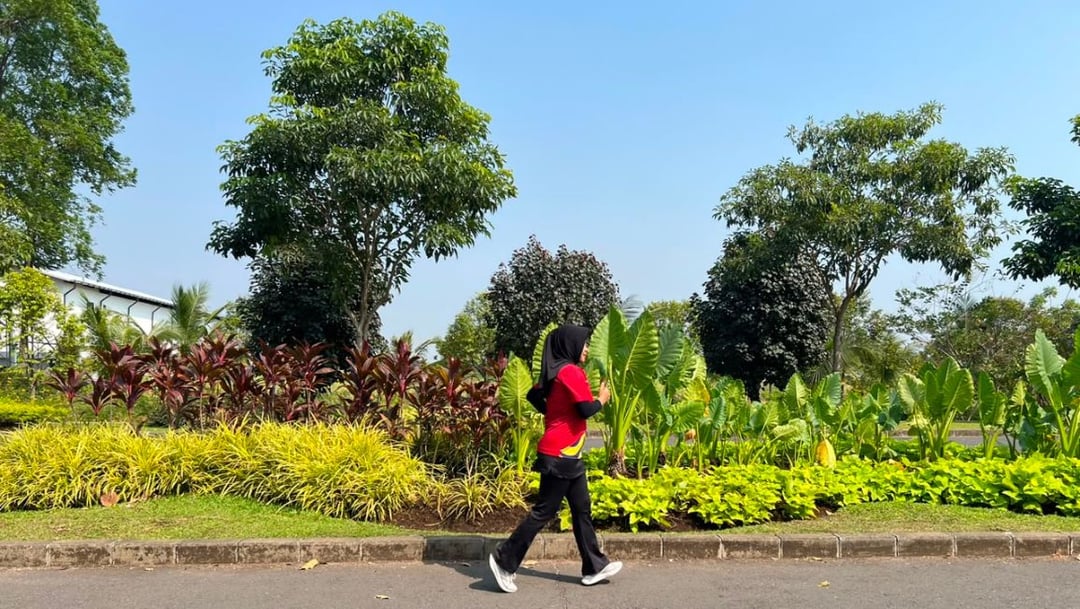
After completing a circuit of approximately three kilometers, Diah usually continues her morning with a group aerobics session held in the park. For her, the weekend is a time to enjoy several physical activities in one location.
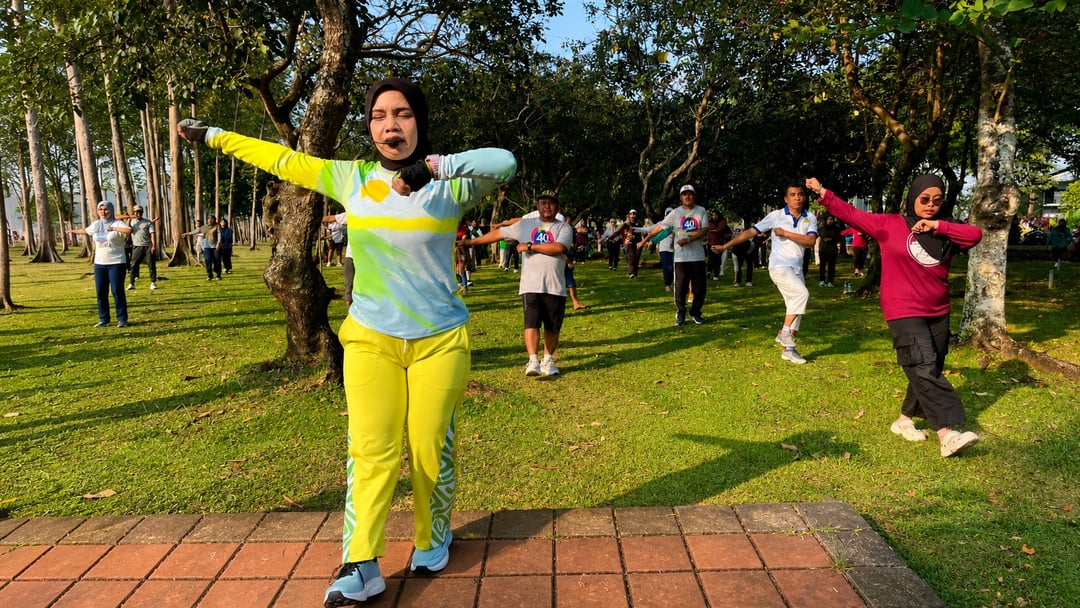
Diah noted that she began running regularly about a year ago. She does not focus on specific distances or speed, prioritizing consistency in her movement above all else.
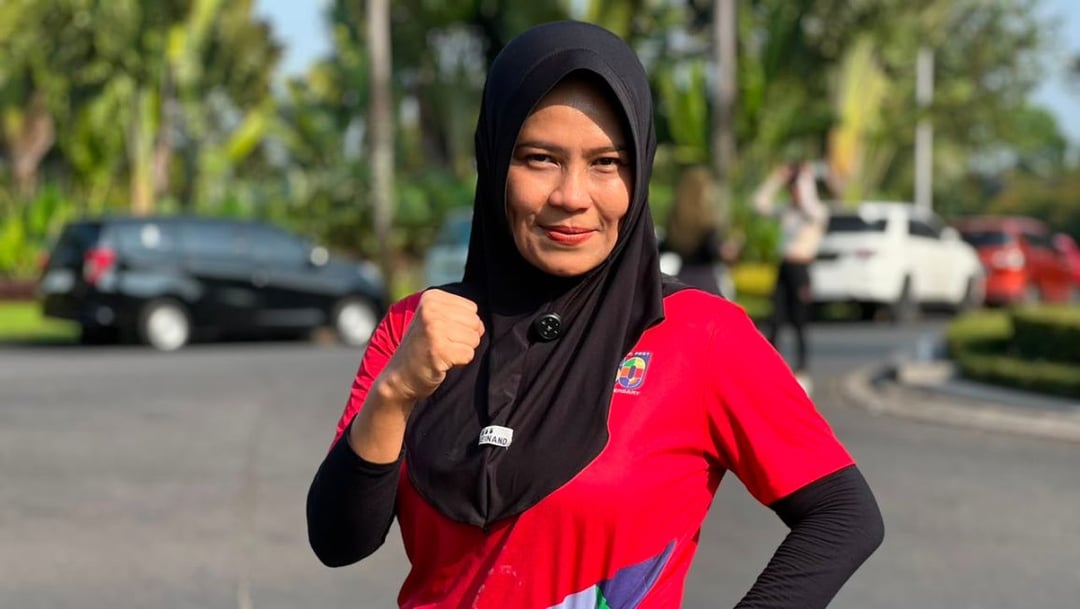
“I just finished a three-kilometer run around the Oasis and joined the aerobics session. I am actually a beginner; I started about a year ago, and I have remained consistent since then, even if the sessions are short. The morning run is refreshing because the air is cool.”
The appeal of the running tracks in Kudus extends well beyond the local community. Hendi Prasetya, a runner from Nalumsari, Jepara Regency, makes a regular trip to Kudus almost every Sunday just to enjoy the jogging atmosphere in the City of Kretek.
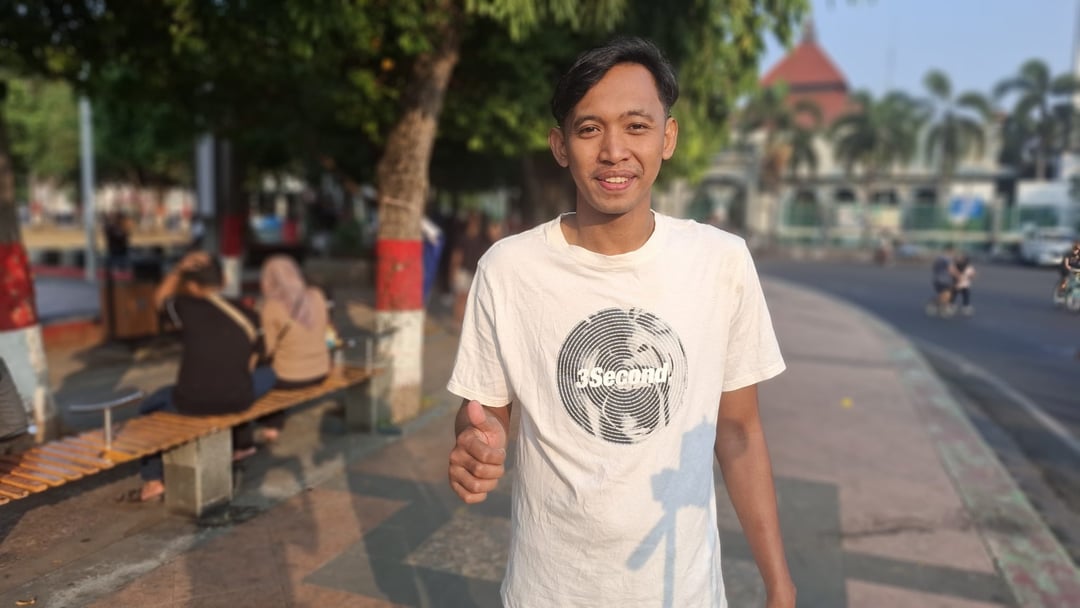
For him, the city center and Oasis Djarum Park offer comfortable public spaces for exercise. Beyond the pleasant track, he also appreciates the vibrant atmosphere that remains in the area after his run concludes.
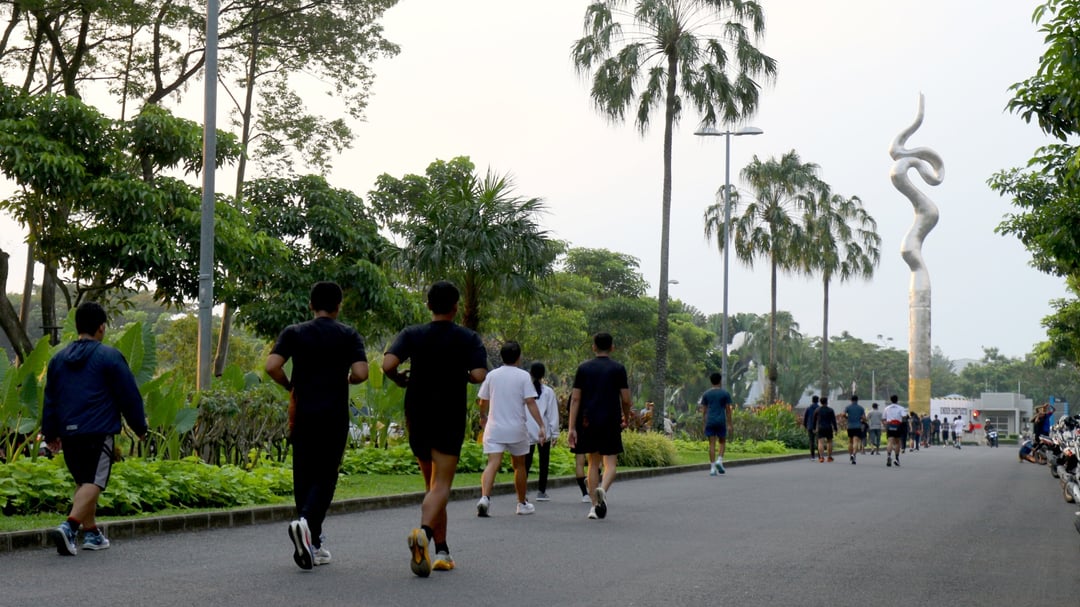
"I choose to run here because it's a great spot. After running, there are plenty of food vendors if I want to eat. It's just perfect for jogging," said Hendi.
This simple routine provides a more fulfilling experience. After working up a sweat, runners can enjoy a variety of culinary options located around the sports area. For Hendi, his reason for choosing morning runs is straightforward: the fresh air helps him feel energized and better prepared for the day ahead.
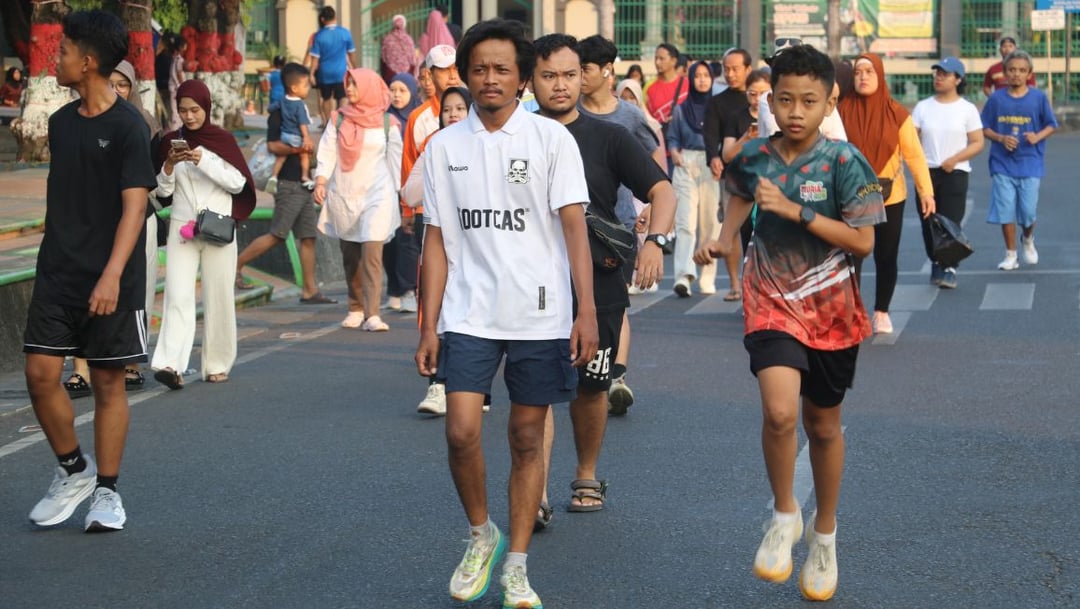
These stories illustrate that everyone has a unique motivation for running. Some pursue health, others seek new connections or enjoy the city atmosphere, while some travel from outside the region to experience the environment firsthand.
What connects them is the public space, which brings people together without barriers. The running track serves as more than just an exercise venue; it acts as a social space that unites individuals of various ages, professions, and backgrounds toward the common goal of starting the day with better fitness.
This phenomenon demonstrates how public spaces can provide benefits that transcend their primary function. When the community feels comfortable participating in these activities, it fosters secondary growth, from local clubs and family outings to the expansion of culinary businesses near the sports area.
Given the public enthusiasm and the influx of visitors from outside the area, the running tracks in Kudus present a growing opportunity for sports tourism. Well-maintained public spaces, comfortable pedestrian paths, and continuously improved facilities will further bolster this appeal.
Ultimately, morning jogs in Kudus are about more than just tracking mileage or chasing personal records. Each stride tells a story of healthy living, fosters community connection, and offers an intimate way to experience the city. Through mornings spent on the track, a perspective emerges that allows Kudus to be not only seen, but truly felt—one step at a time. (JMY/mainkekudus)