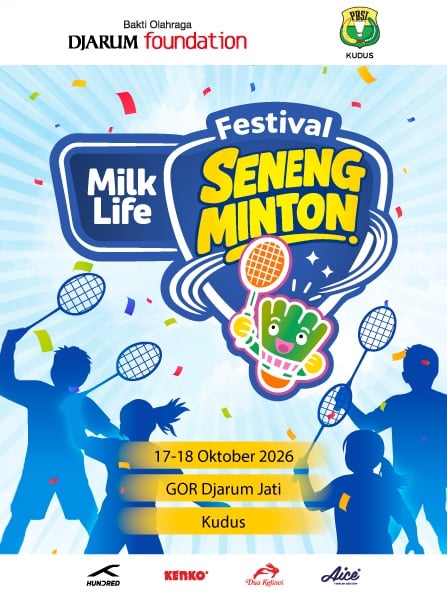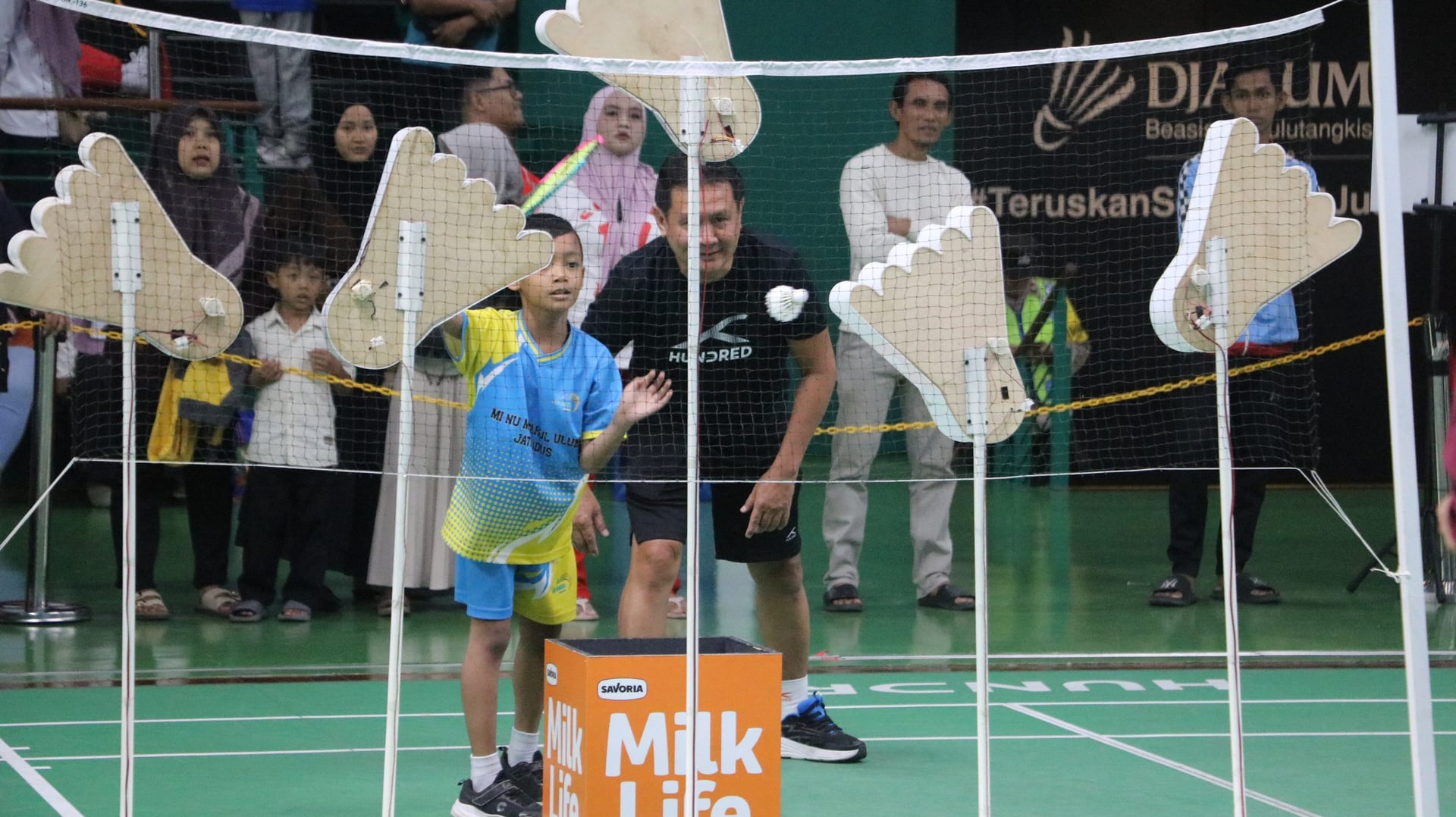
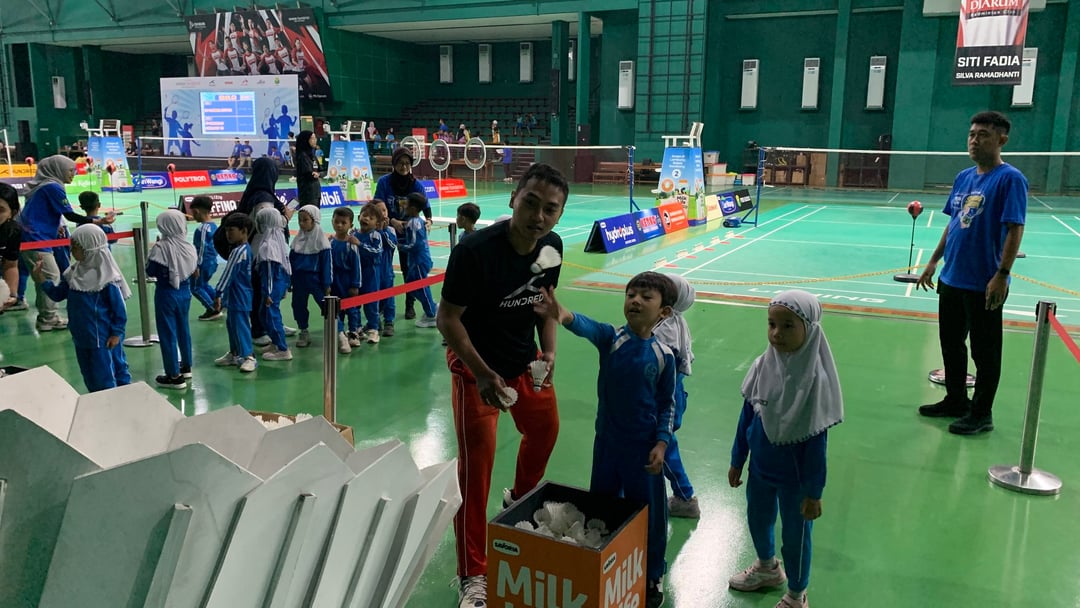
KUDUS — A total of 360 first, second, and third-grade elementary school students from 24 schools in Kudus Regency participated in the 2026 MilkLife SenengMinton Festival at the PB Djarum Jati Sports Hall, held Saturday and Sunday (Oct. 17–18, 2026). The participants learned the fundamentals of badminton through various skill-based challenges, ranging from serving to hitting the shuttlecock at targets, without the pressure of full-court competitive matches.
The students took part in several activities designed to test their speed, precision, strength, and coordination. This approach introduces children to core badminton training elements through exercises tailored to their developmental stages.
Initiated by the Bakti Olahraga Djarum Foundation in collaboration with the Kudus Regency chapter of the All Indonesia Badminton Association (PBSI), the festival serves as a foundational step in the talent development pipeline. Following this introduction to the sport through play, participants have the opportunity to pursue further training at clubs and participate in formal championships.
PB Djarum Chairman Yoppy Rosimin explained that the SenengMinton concept was born from an evaluation of conventional youth training methods, which often focus on rigorous physical conditioning that can discourage young newcomers.
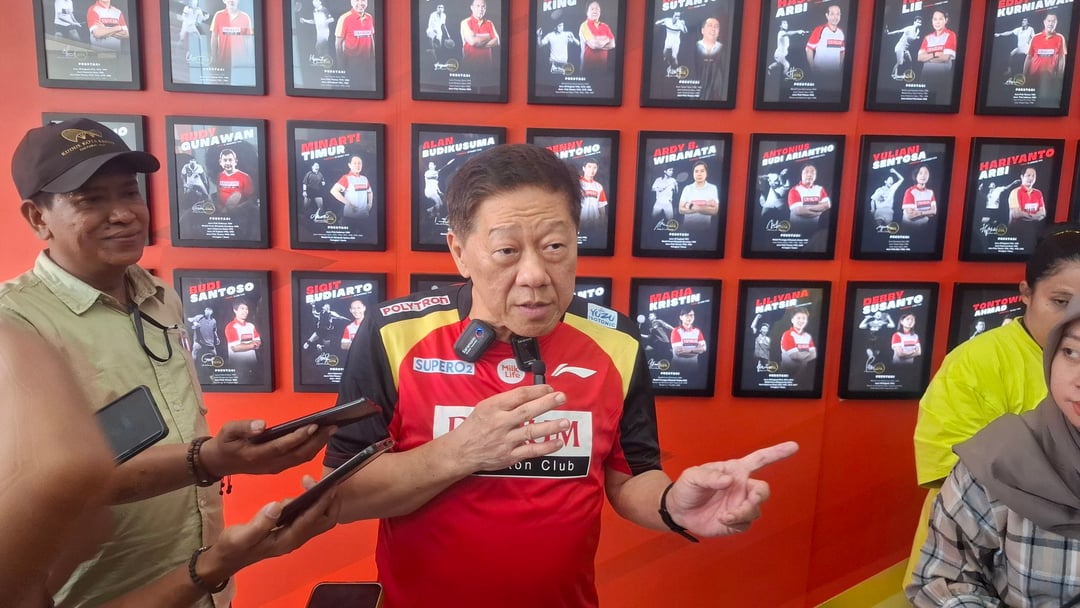
"Previously, children starting training were often forced to run first. It was an unpleasant experience that sometimes made them reluctant to continue with badminton," Yoppy said.
This experience prompted PB Djarum and stakeholders to adopt a different approach, encouraging children to play first while still incorporating technical and physical training elements.
"We now have a new concept: let them enjoy it first. Let them play—that is why it is called the SenengMinton festival. If they enjoy it, they will eventually become active and move toward more advanced training," he added.
During the festival, participants earned points through various challenges, including ring serves, shuttlecock pyramids, wall volleying, shuttle runs, target accuracy tests, as well as shadow and drive drills. Each game is designed to teach basic badminton skills without placing children directly into a competitive match setting.
Yoppy noted that Central Java is a primary region for developing this concept due to its strong badminton foundation. The SenengMinton festival is being held in several areas, including Kudus, as part of an effort to broaden exposure to the sport at an early age.
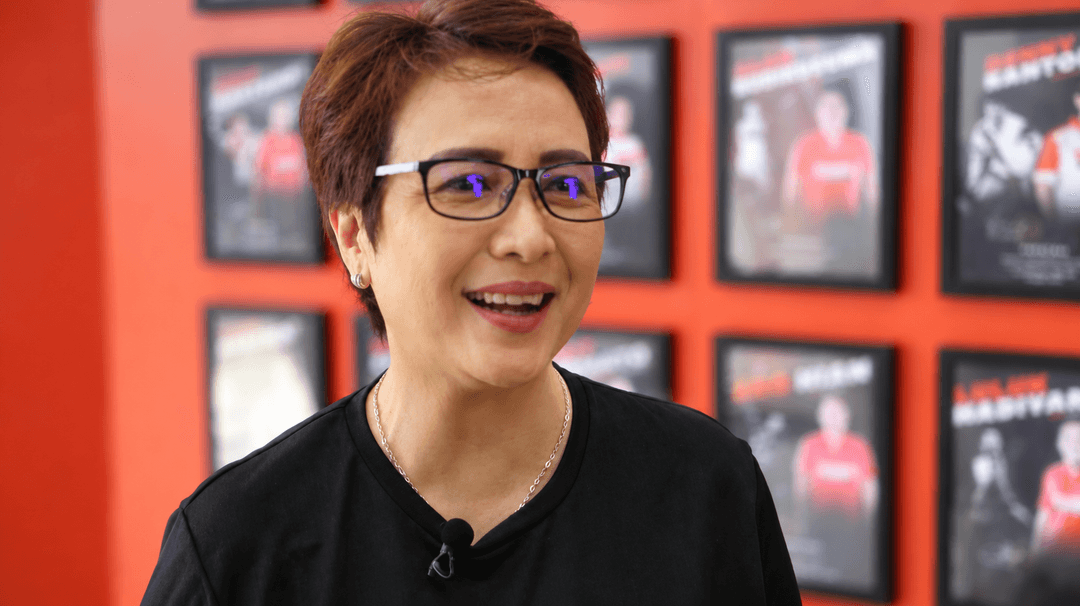
Kudus PBSI Chapter Chairperson and Indonesian badminton legend Yuni Kartika emphasized the importance of engaging elementary schools to expand the reach of talent development. She noted that first, second, and third-graders must first enjoy the sport before they are directed toward competition.
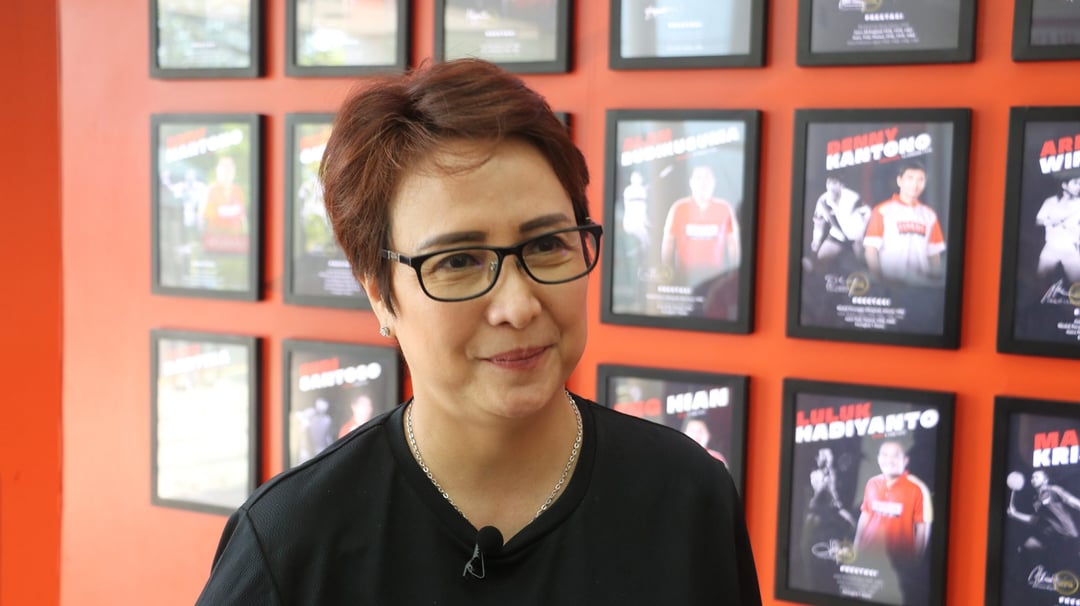
"At the grassroots level, we need to approach schools, specifically for grades 1, 2, and 3, to help them start liking badminton. It is not about immediate competition, but rather prioritizing the sport itself," Yuni said.
According to Yuni, the SenengMinton program has reached several cities in Central Java, including Magelang, Purwokerto, Solo, Semarang, and Kudus. School involvement serves as a key strategy to provide more students with early exposure to badminton.
Evaluation during the festival extends beyond basic shuttlecock hitting skills. Children are assessed on their ability to maintain composure under pressure, agility, controlled power, and shot accuracy.
“Most importantly, they need to maintain composure during competition. Speed, strength, and precision in striking the shuttlecock are also essential,” Yuni said.
These assessments provide organizers with an initial overview of a participant's aptitude. At this stage, children are not expected to master every technique immediately, but are encouraged to explore and develop their skills incrementally.
These introductory festivals serve as a precursor to more formal development. In Kudus, the local branch of PBSI has also organized the SenengMinton Championship, offering children an immersive competitive experience.
In these championships, participants compete on half-courts. This format helps children adapt to game structures and competitive play before transitioning to full-sized courts.
Participants in the championship are recruited from the SenengMinton Festival. According to Yuni, the response to these advanced stages has been positive, with several participants even joining formal badminton clubs.
Beyond festivals and championships, elementary school badminton extracurriculars are integral to introducing the sport to students, offering them opportunities for consistent practice.
Yuni emphasized that program sustainability requires synergy between organizers, schools, and PBSI officials. By creating a connected pathway, children interested in badminton can continue their training and refine their skills according to their potential.
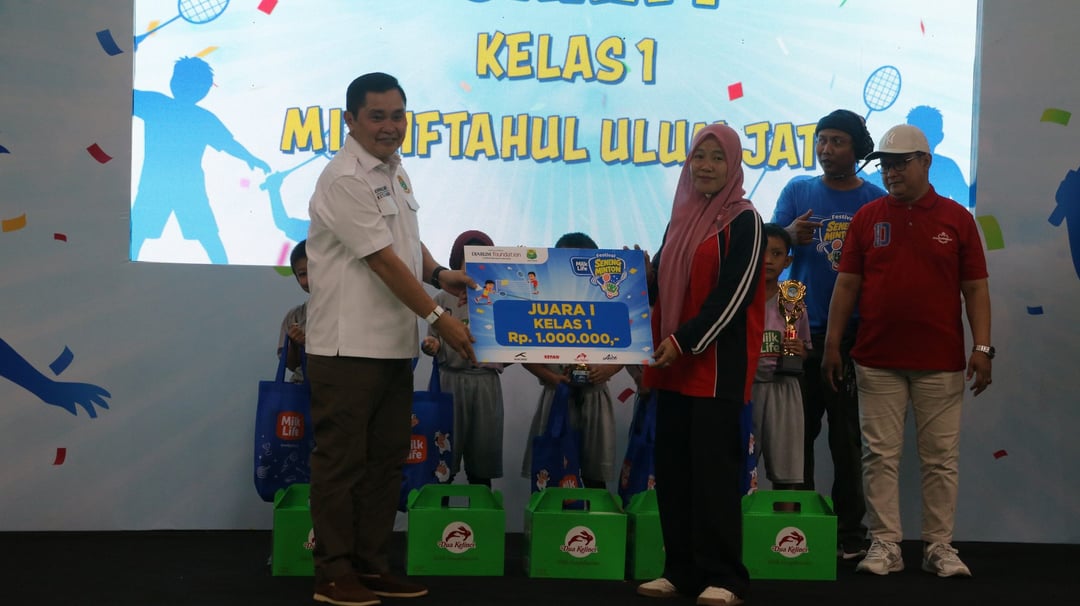
Early childhood development is a priority for Muhammad Fadil Imran, General Chairman of the All Indonesia Badminton Association (PBSI), who attended the festival's closing ceremony.
Fadil expressed his appreciation for PB Djarum and local badminton clubs for their role in building the foundation for national athletes. He stated that PBSI aims to maintain inclusive communication with all clubs without favoring any specific entity.
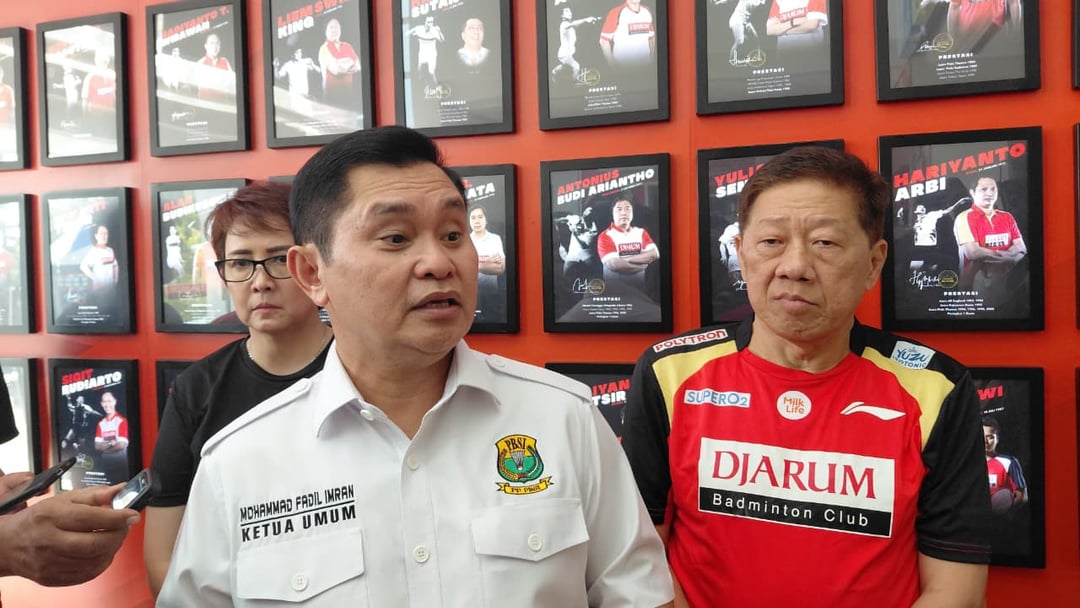
"PBSI is our collective home. I do not wish to favor any particular club; all play a role in building Indonesian badminton's achievements," said Fadil.
He emphasized that international athlete achievements are the result of collaborative efforts, involving athletes, coaches, clubs, and governing bodies. Such success must be sustained by maintaining consistency and preparing a pipeline for development, ensuring athletes can progress from junior to senior levels.
For Kudus, the sustainability of training programs remains a challenge to paving the way for future elite athletes. Yuni expressed hope that school introductions, tournaments, and club training will establish a clear pathway for children interested in pursuing badminton.
"The goal is to create a pathway for Kudus children to become world champions. We are preparing them from the ground up, moving from the grassroots level to larger clubs and eventually to the national training center," Yuni said.
She acknowledged that the journey to the world stage is a long process. The festival serves as an introductory phase, while routine practice, tournaments, and club coaching form the next stages of development. Organizers are currently exploring additional competition variations to provide new challenges and sustain interest in similar events.
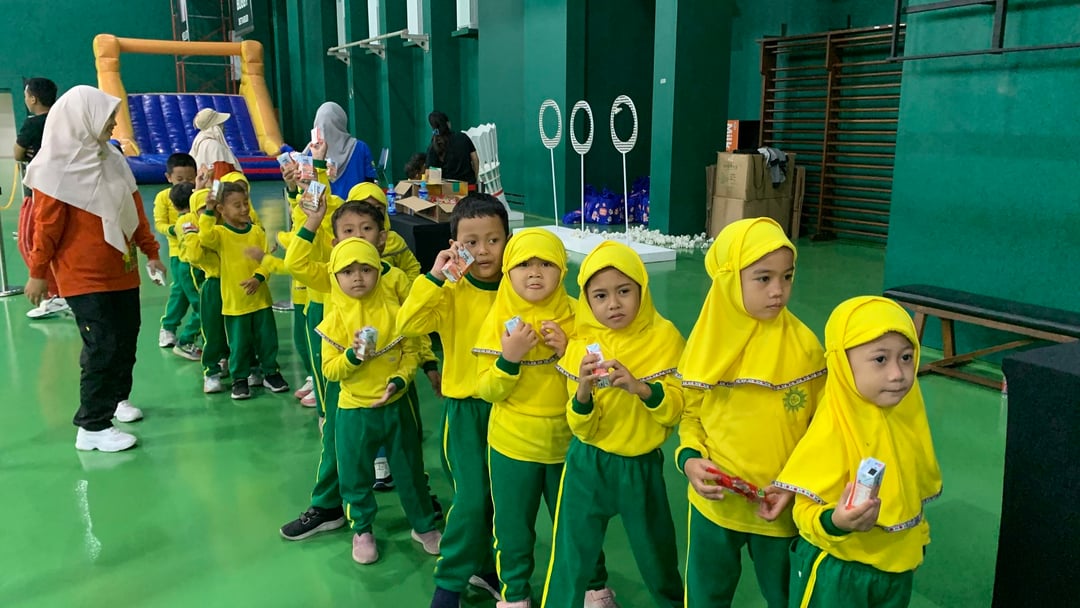
Through the 2026 MilkLife Festival SenengMinton Kudus, children have the opportunity to explore various fundamental skills before deciding their next steps. For those interested in pursuing formal training, the experience serves as a starting point to learn more about the sport, while others can simply enjoy badminton as a part of their daily activities. (JMY/mainkekudus)