
KUDUS — A hexagonal stone relief on the steps leading to the Langgar Dalem Mosque veranda holds clues to the site's history. The carving, which depicts two dragons entwining a trident, is known as the Sengkalan Memet Trisula Pinulet Naga.
For Sumarno, a cultural observer and researcher of the Langgar Dalem Mosque, the symbol serves as a vital clue in determining the age of the structure, which is believed to date back to the early days of Sunan Kudus's activities in the region.
However, the exact date of the Langgar Dalem Mosque's establishment remains a subject of debate. Various references suggest conflicting dates, necessitating further historical study.
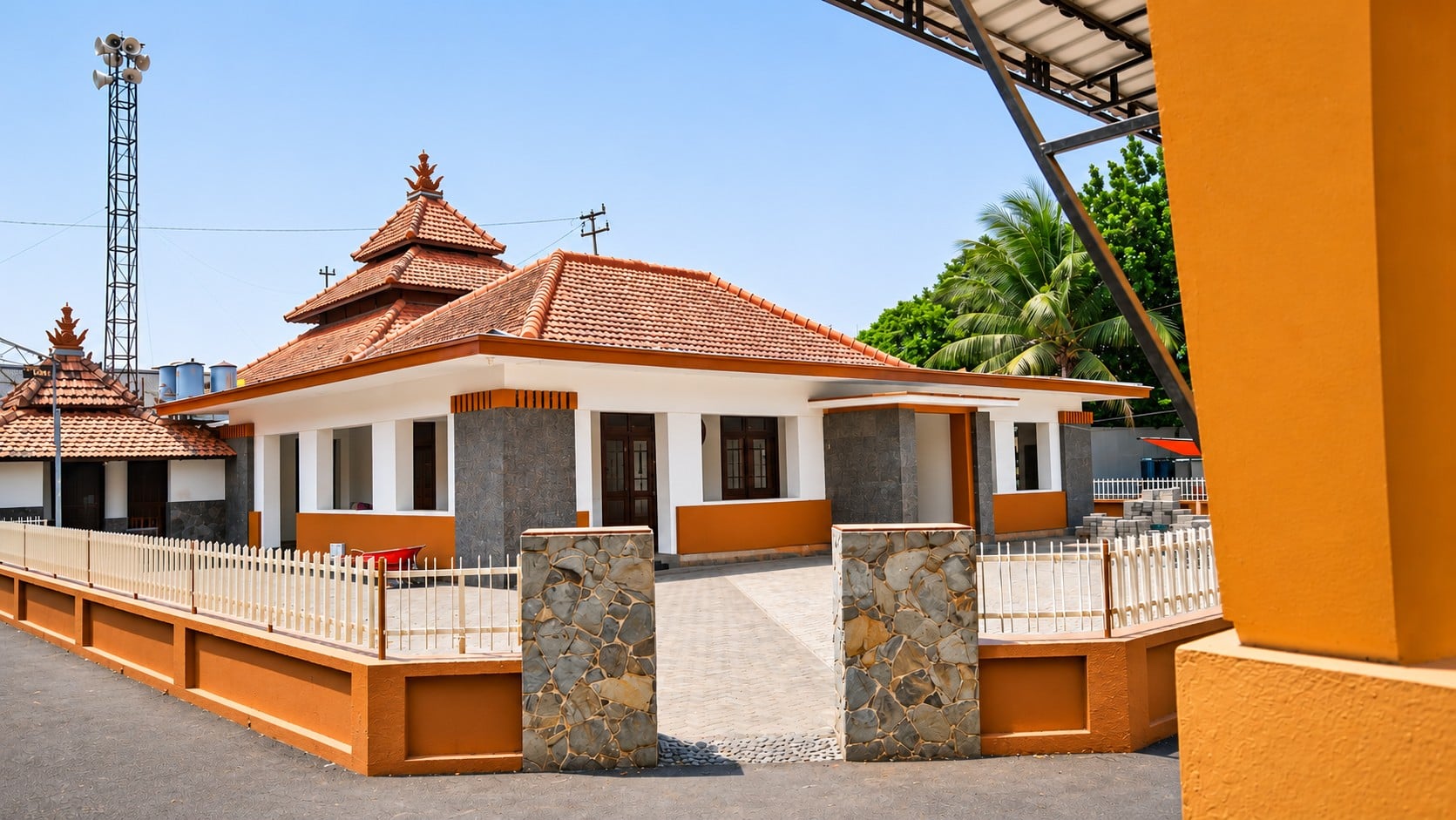
Located roughly 100 to 200 meters east of the Menara Kudus Mosque, this site preserves a history of religious activity that is often overshadowed by more monumental buildings in the city center.
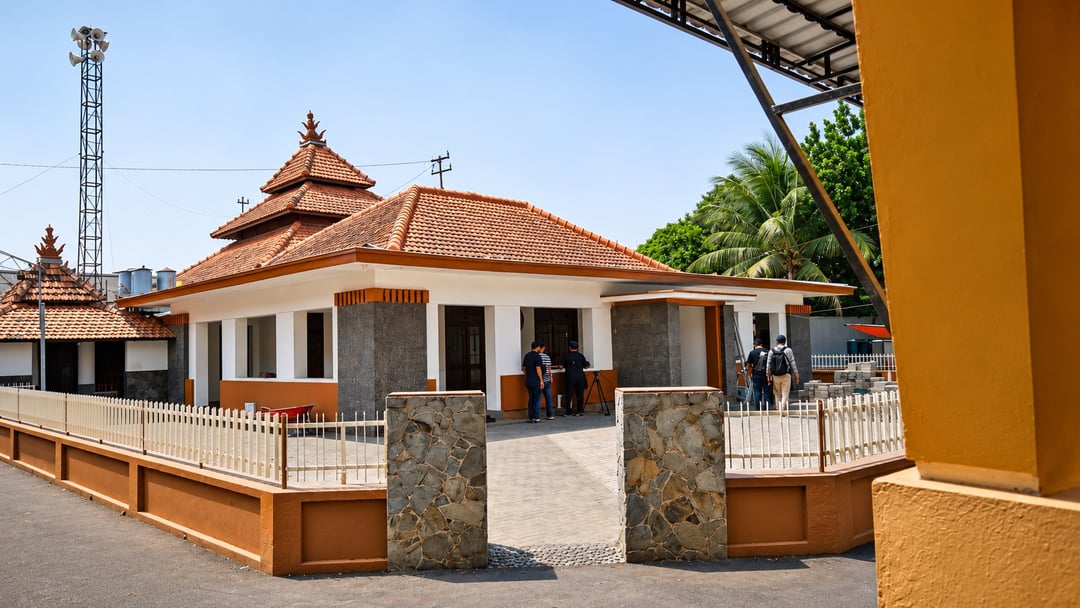
Natal Izza Jumpel, a Langgar Dalem Mosque administrator, explained that the structure likely began as a space for prayer and religious study.
As the local population and the number of congregants grew, the site evolved from a small prayer house, or langgar, into a mosque.
Sumarno noted that the Langgar Dalem likely predates the construction of the Menara Kudus Mosque. His research links the site to Sunan Kudus's personal residence and his early religious teaching activities.

Meanwhile, the Menara Kudus Mosque eventually expanded into a larger hub for worship and religious outreach.
The link between Langgar Dalem and the Sunan Kudus precinct gives the building a unique significance in understanding the spread of Islam in Kudus.
Nevertheless, the precise date of its founding remains a mystery, with the ancient relief on the front staircase serving as one of the few investigative leads.
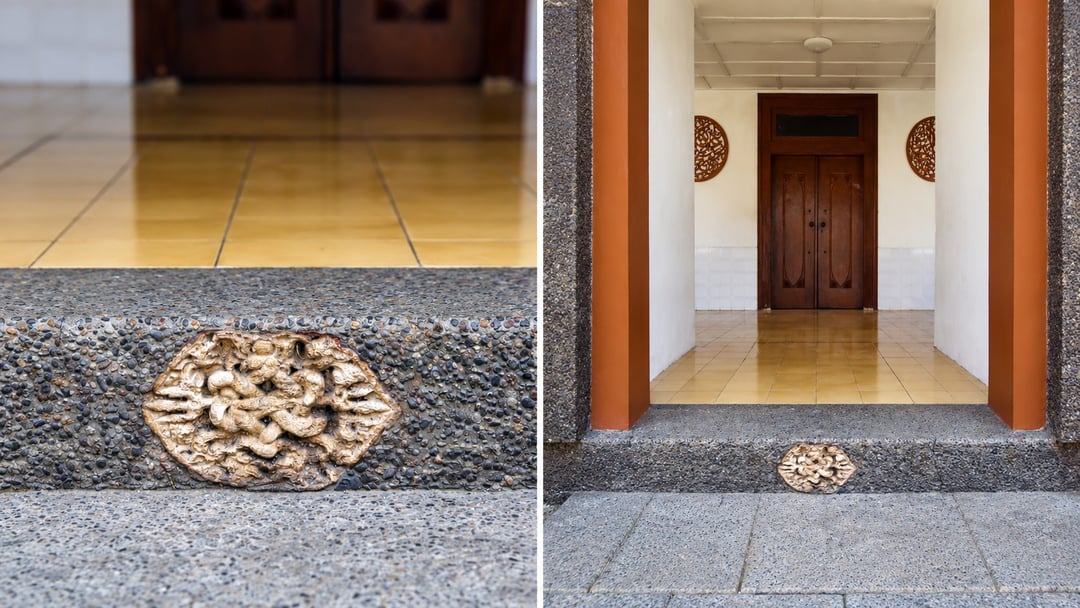
The hexagonal relief is crafted from yellow stone and depicts two dragons entwined around a trident, a three-pronged spear weapon.
Known as the "Sengkalan Memet Trisula Pinulet Naga," the ornament follows the Javanese tradition of using visual symbolism to denote a year rather than direct numerical notation.
Sumarno explained that interpreting the "sengkalan" requires mapping each symbol to its corresponding numerical value in Javanese tradition.
In the "Trisula Pinulet Naga," the trident represents the number 3, the entwining action (pinulet) signifies 6, and the dragon stands for 8.
When read in reverse, these figures yield 863, which is interpreted as the year 863 Hijri, or approximately 1458 AD.
However, some references cite the year 885 Hijri, or 1480 AD, as the founding date of Langgar Dalem.
These discrepancies suggest the building's date cannot be confirmed based on a single source alone.
Sumarno also noted that the trident symbol is linked to Hindu-Javanese traditions. Consequently, the relief cannot be used as the sole basis for verifying the mosque's founding date without considering broader cultural context, architectural evolution, and other historical evidence.
Despite these differing interpretations, the "Trisula Pinulet Naga" relief illustrates how artistic symbols and elements from previous traditions persisted within communities undergoing Islamic development.
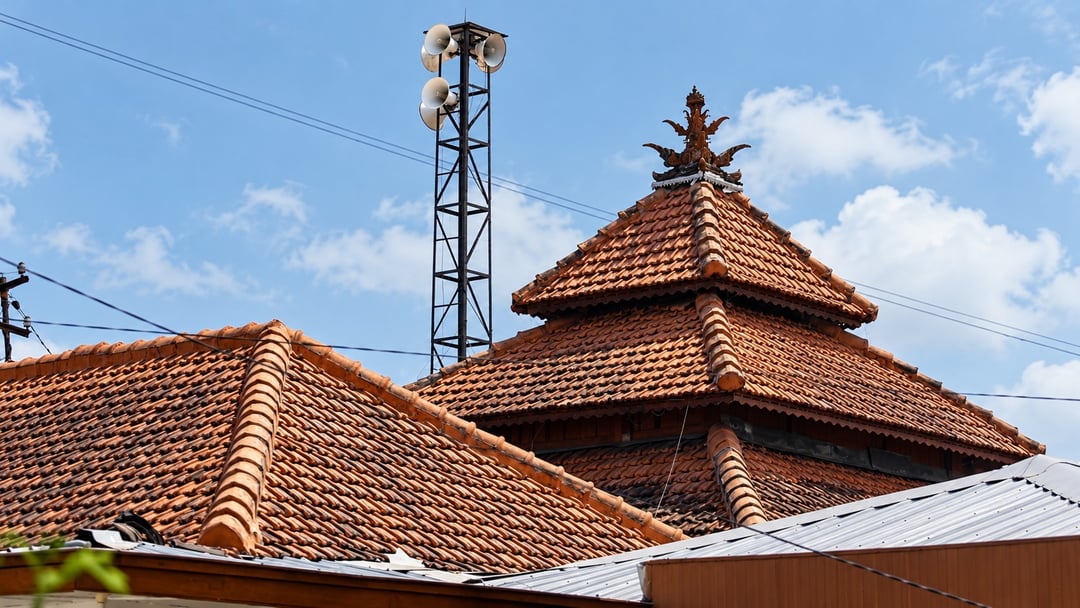
The Langgar Dalem Mosque features traditional Javanese architecture, with a three-tiered roof and a "mustaka" peak sheltering the main hall, which is supported by four wooden pillars known as "saka guru."
Several original architectural elements remain identifiable, ranging from the doors and walls to the stone plinths serving as column bases.
However, its current appearance does not entirely reflect the building's original state.
According to Sumarno, the Langgar Dalem Mosque has undergone more than five restorations, with changes recorded up to 1958 reflecting the mosque’s long history of maintenance.
During various preservation efforts, administrators have rediscovered original building components previously concealed by later materials.
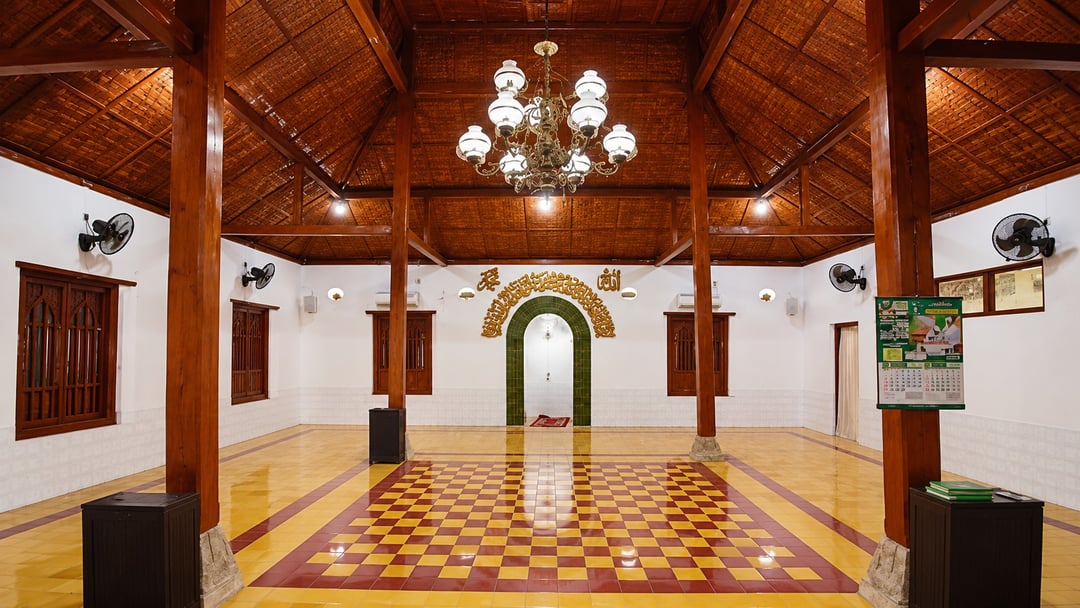
Natal explained that some sections of the pillar bases were previously covered by wooden cladding, while other parts of the building were obscured by ceramic tiles. Once these layers were removed, the original sections were rediscovered.
Maintenance work conducted following the Covid-19 pandemic also revealed bamboo weaving on the ceiling that had previously been hidden behind plasterwork.
These findings demonstrate that structural modifications do not necessarily destroy all original elements. Many remain intact and can be recovered when additional materials are removed during restoration.
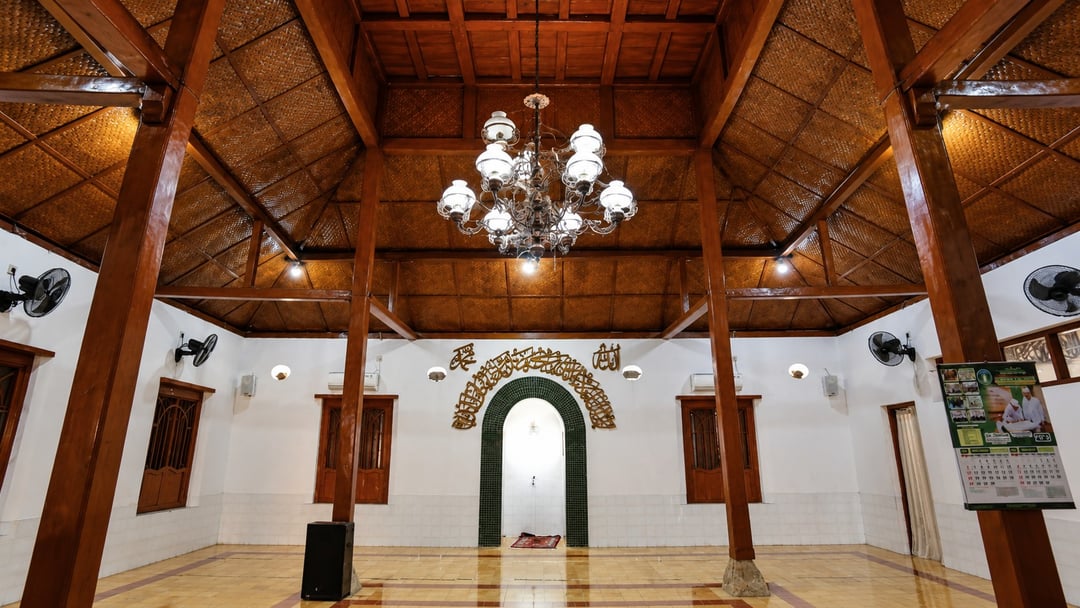
However, the physical condition of the materials cannot be used as a sole indicator of the building's overall age. Further research remains necessary to distinguish original structural components from subsequent renovations.
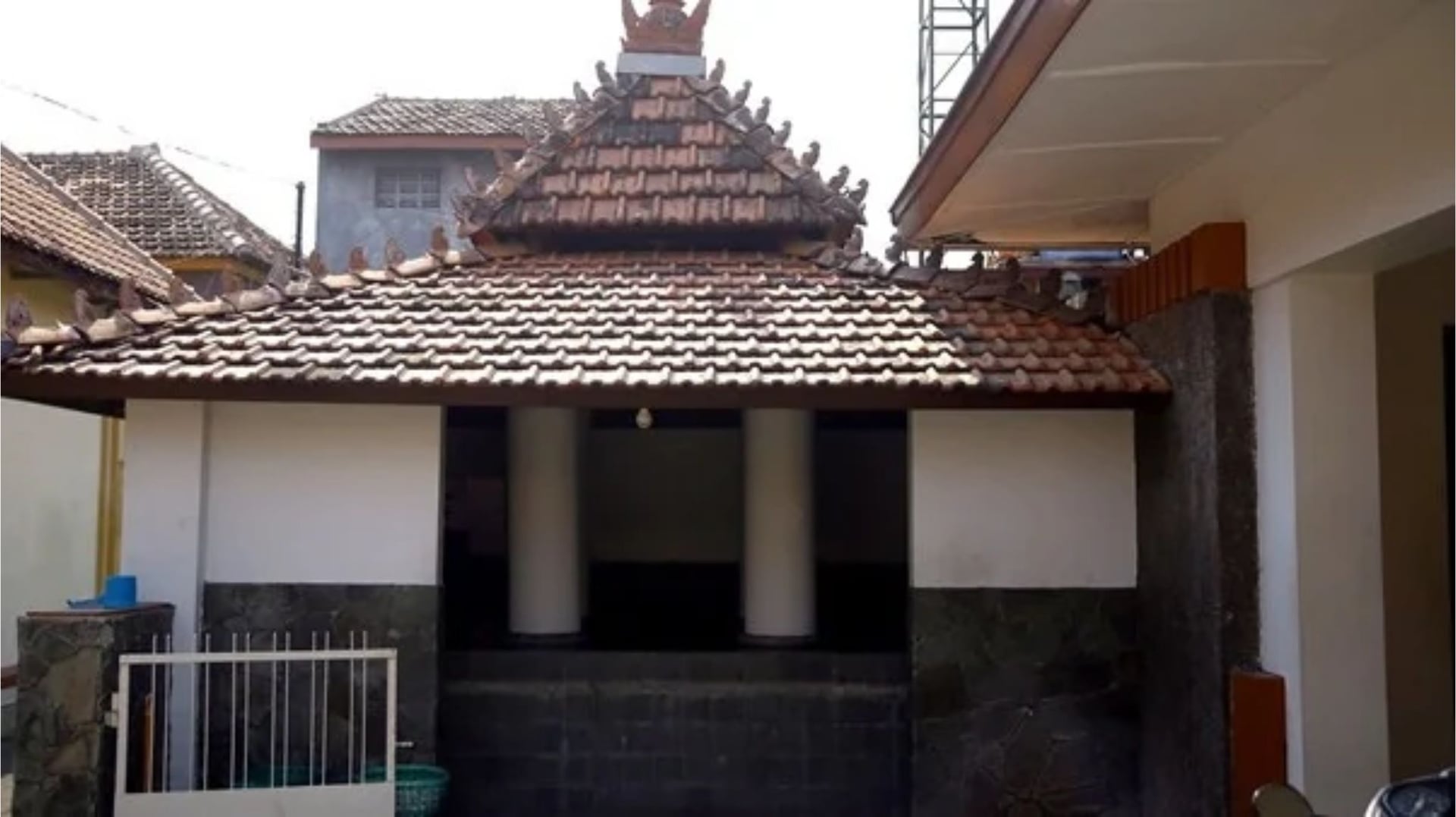
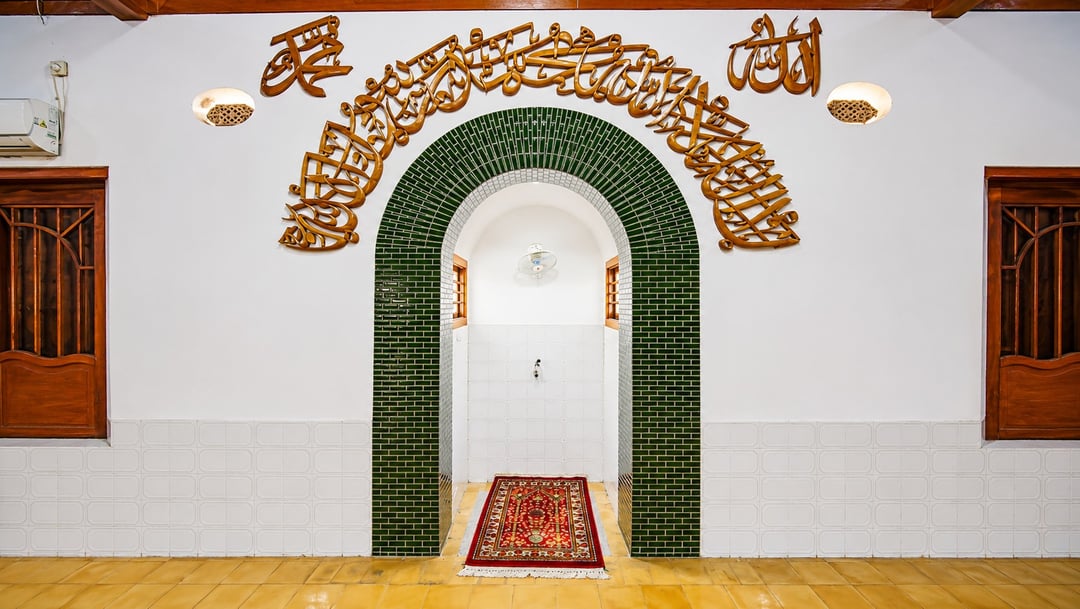
Beyond the main hall and ancient reliefs, Langgar Dalem Mosque features a wudu area distinct from modern facilities.
The area retains a traditional water basin, or kulah. Four wooden pillars are integrated into the wudu structure, with their bases submerged directly within the water tank.
Unlike contemporary wudu stations that utilize rows of faucets, this traditional design showcases a construction that combines wood and water basin elements within a single structure.
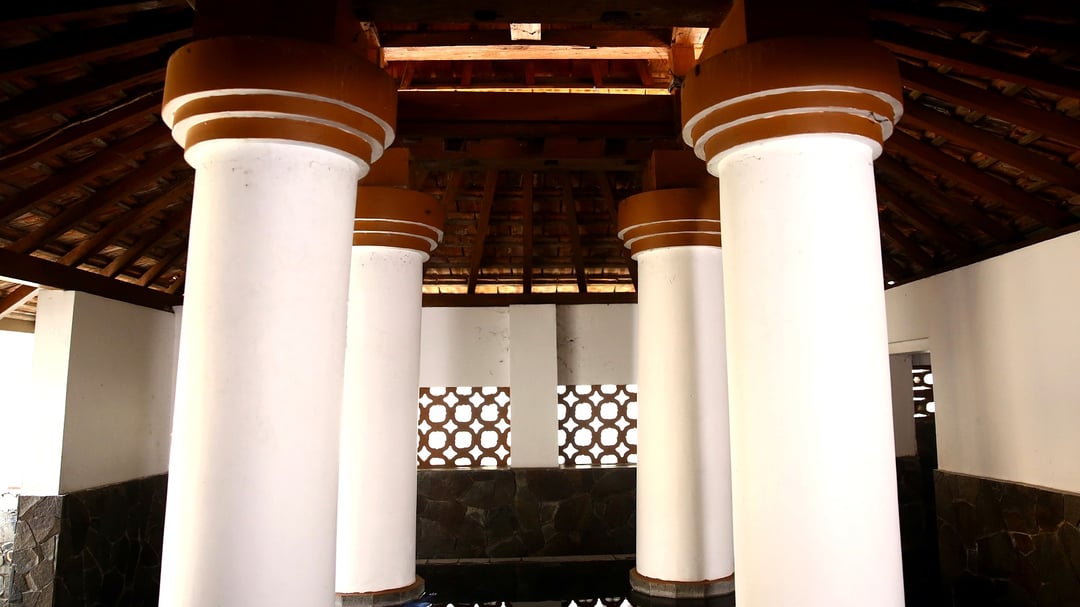
Natal identified the area as a preserved feature of the mosque's ongoing maintenance.
The presence of these four pillars demonstrates the traditional use of timber in constructing religious facilities.
Alongside the central columns in the main chamber, these wooden elements remain a defining characteristic of the mosque's architectural landscape.
Amid ongoing restoration and historical research, the Langgar Dalem Mosque continues to serve as an active place of worship.
To this day, the mosque is regularly used for congregational prayers and religious study sessions.
Friday prayers are centered at the Menara Kudus Mosque. According to Sumarno, this arrangement is intended to consolidate the congregation.
The Langgar Dalem provides a unique perspective on the spread of Islam in Kudus. Its history is evidenced through reliefs, architectural composition, building materials, and active religious traditions.
Among these elements, the Trisula Pinulet Naga relief remains a key focus for further study. Discrepancies in dating suggest that a building's history cannot always be determined through a single symbol or source.
Located within a residential neighborhood, the mosque preserves a chapter of the city's long history. Conservation efforts offer a continuous opportunity to explore the historical traces embedded within its structure. (EDITORIAL MKK)