
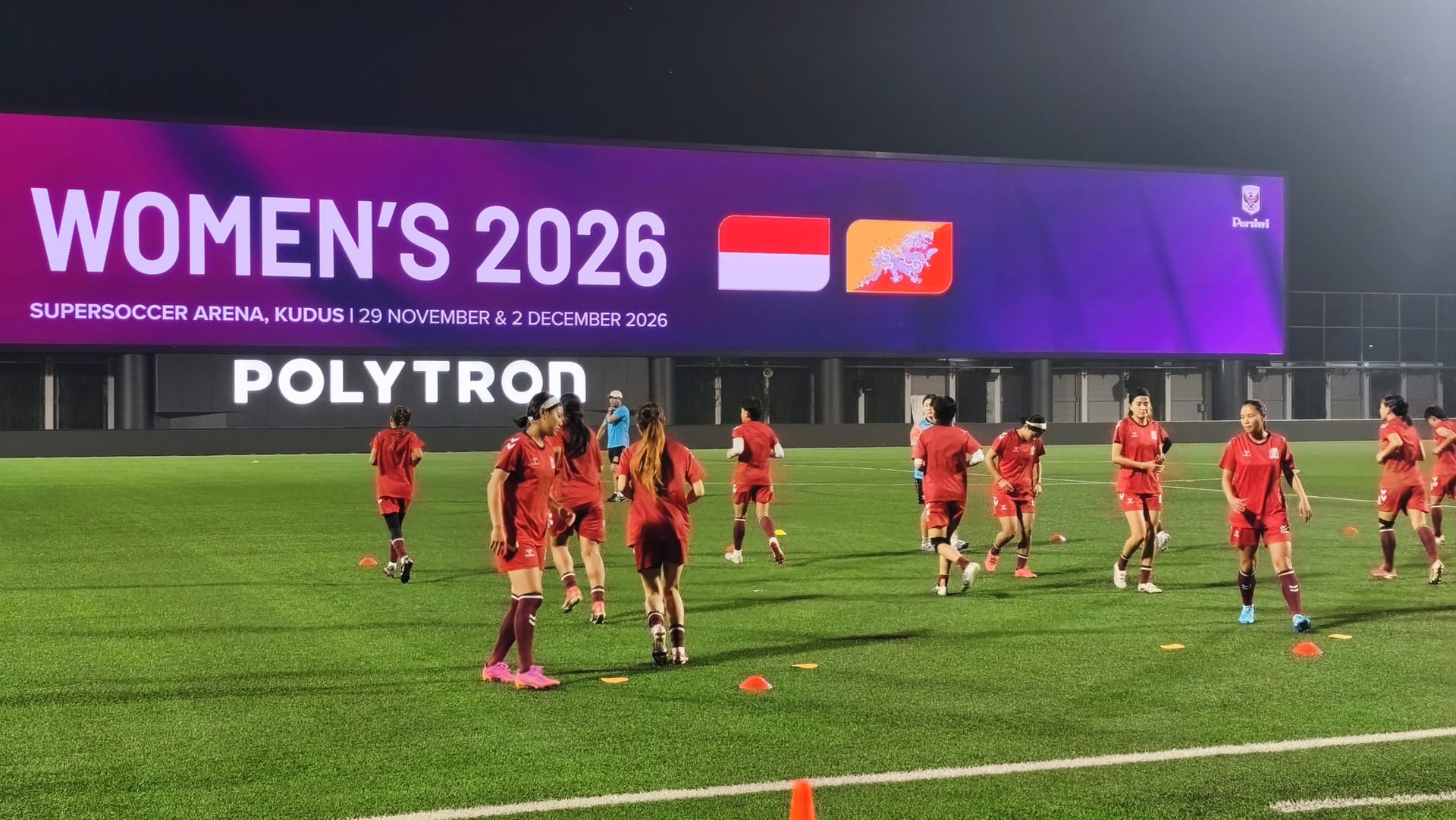
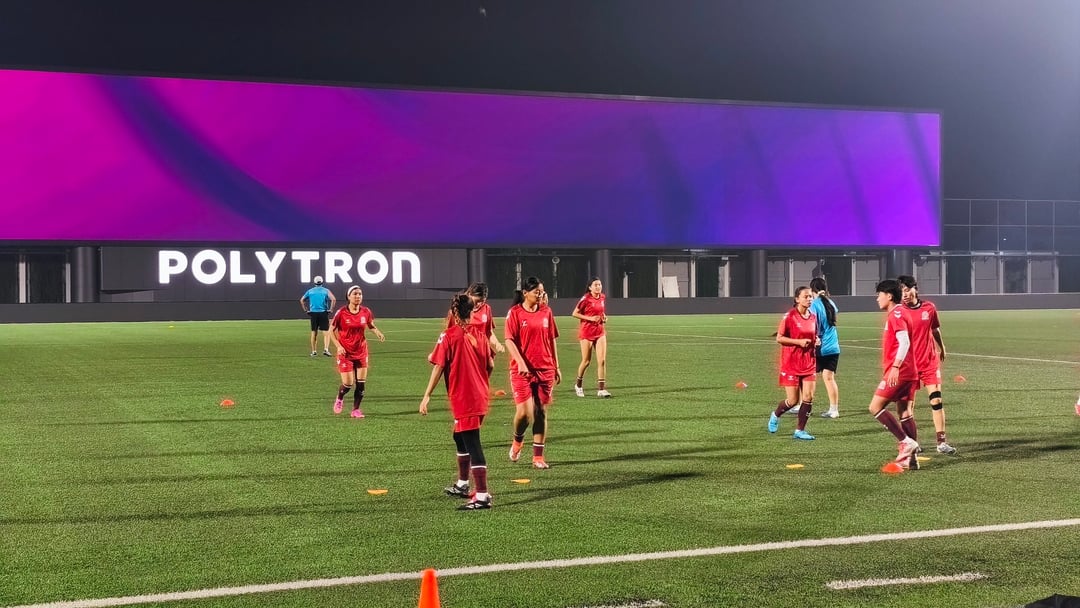
KUDUS — Players from the Bhutan Women's National Team arrived one by one at the Supersoccer Arena (SSA) in Rendeng, Kudus, to familiarize themselves with the venue ahead of their upcoming matches. The training session served as the team's first opportunity to test the field and adjust to their new environment.
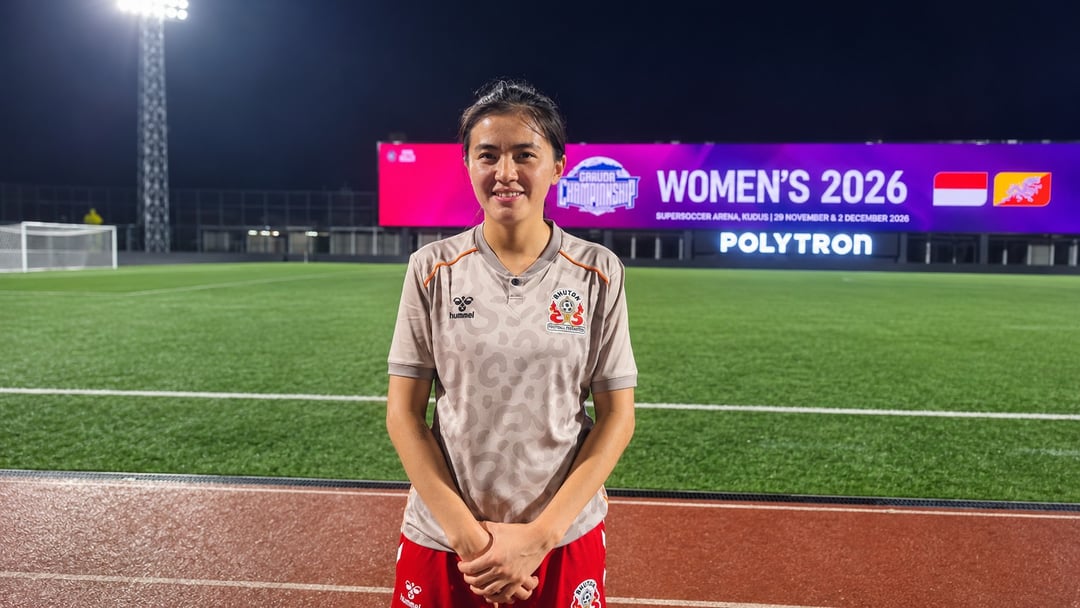
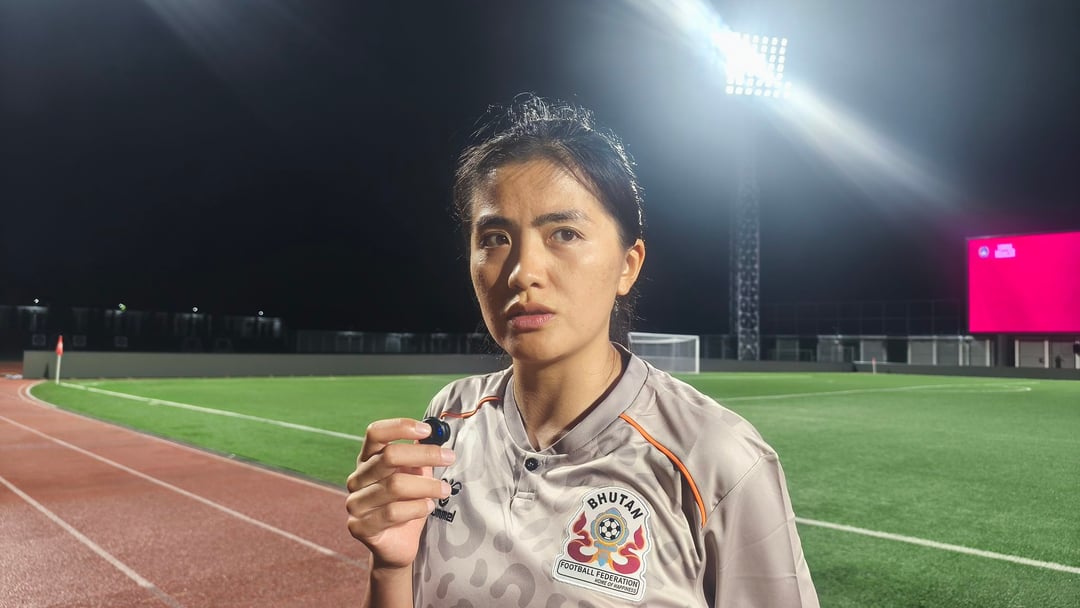
Bhutan captain Pema Choden Tshering noted the facility's impression, specifically pointing to the large screen behind the goalpost.
Pema recalled her teammates' collective admiration for the stadium's amenities before beginning their drills.
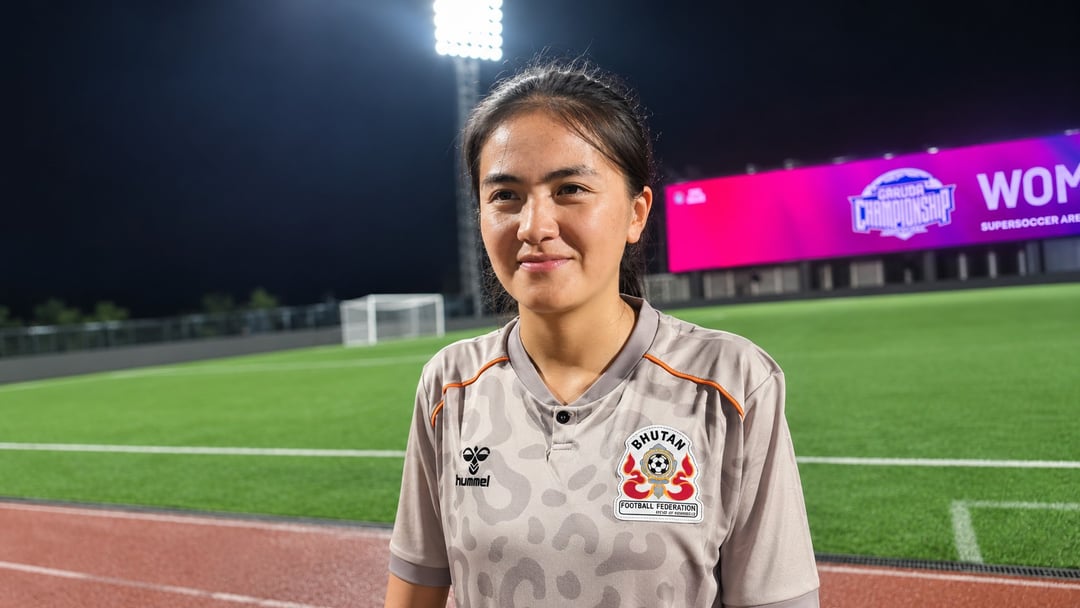
“When we first walked into the stadium, we were all like, 'wow.' We really like it, especially the big screen at the back. It looks amazing,” she said after training on Thursday (11/26/2026).
The players also found the field conditions comfortable. The synthetic turf is familiar territory, as the Bhutanese players regularly train on similar surfaces.
“We are happy to play on synthetic grass because we train on these fields in Bhutan, so we feel quite comfortable,” Pema added.
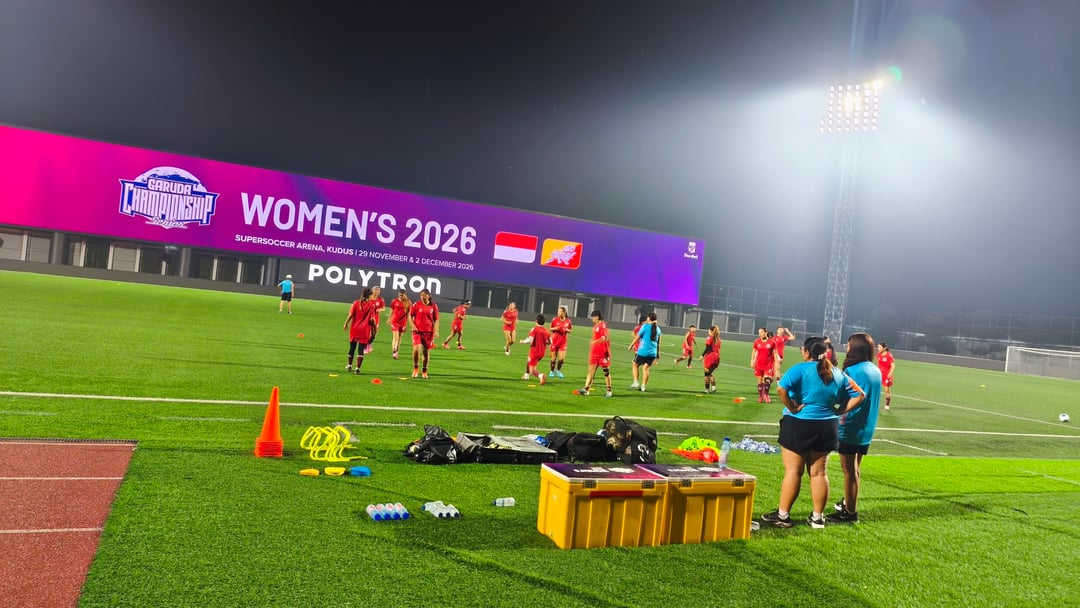
Despite the familiar playing surface, the team faces weather-related adjustments. Having arrived from Bhutan during its winter season, the squad is accustomed to much cooler temperatures.
The humid heat of Kudus presents a challenge, particularly during outdoor practice sessions, requiring the players' bodies to acclimate.
“The first training session here was quite hot for us. It’s currently winter in Bhutan, so we are used to practicing in jackets. Here, we sweat a lot and need time to adjust,” she said.
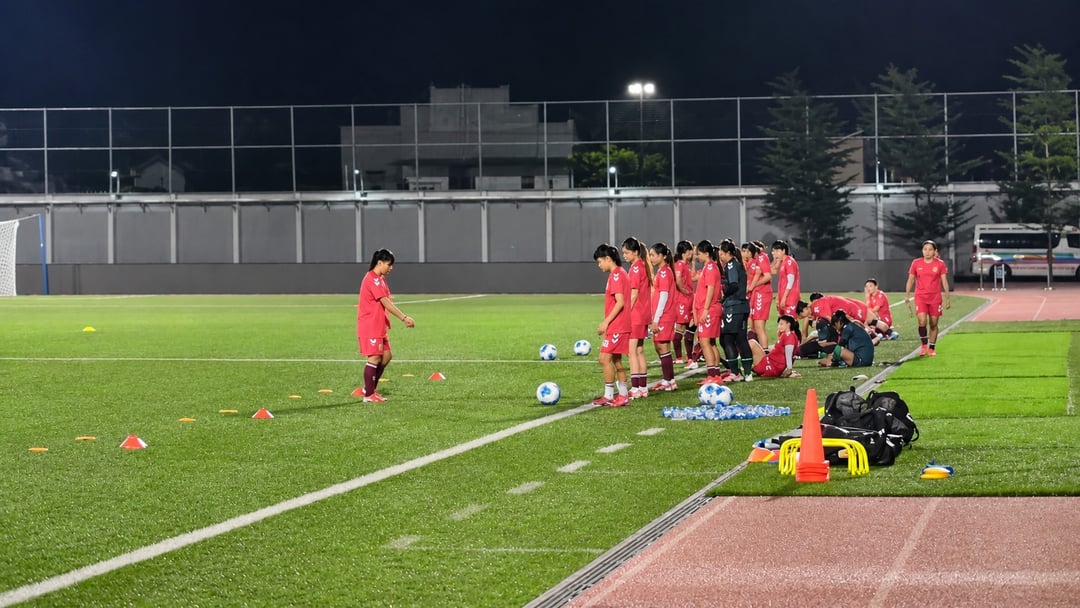
Beyond adapting to the weather, the players have encountered differences in local culinary habits. Pema recounted trying a sweet, honey-flavored chicken dish during dinner, noting how distinct it was from the food they typically consume in Bhutan.
Bhutanese players are accustomed to spicy fare frequently seasoned with chili. However, these differing local flavor profiles have not hindered their ability to enjoy the food during their stay in Kudus.
“In Bhutan, we love spicy food and often require chili. The food here tastes different, but we are still enjoying it,” she said.
Amidst the changes in their daily environment and routines, Pema and her teammates maintain one vital ritual: they always make time to pray before training sessions or away matches.
This practice remains an essential part of the Bhutanese squad's activities abroad, serving as a gesture of hope for the health and well-being of all players.
“We always pray before training or away games. It is important to us to ensure that everyone stays well and healthy,” she explained.
Their experience in Kudus extends beyond the stadium. The players have begun exploring the local surroundings through their daily activities, although opportunities to venture out remain limited by the team's schedule.
Pema noted that this is the team’s first visit to Kudus. The players are still familiarizing themselves with the city and hope to have more time for sightseeing once their competitive agenda concludes.
Surya Bayu Maulana, the Liaison Officer (LO) for the Bhutan Senior National Team, has been assisting the delegation throughout their stay. He noted the players' enthusiasm during their transit to the SSA stadium, observing that even from the bus, the team showed keen interest as they caught their first glimpse of the venue.
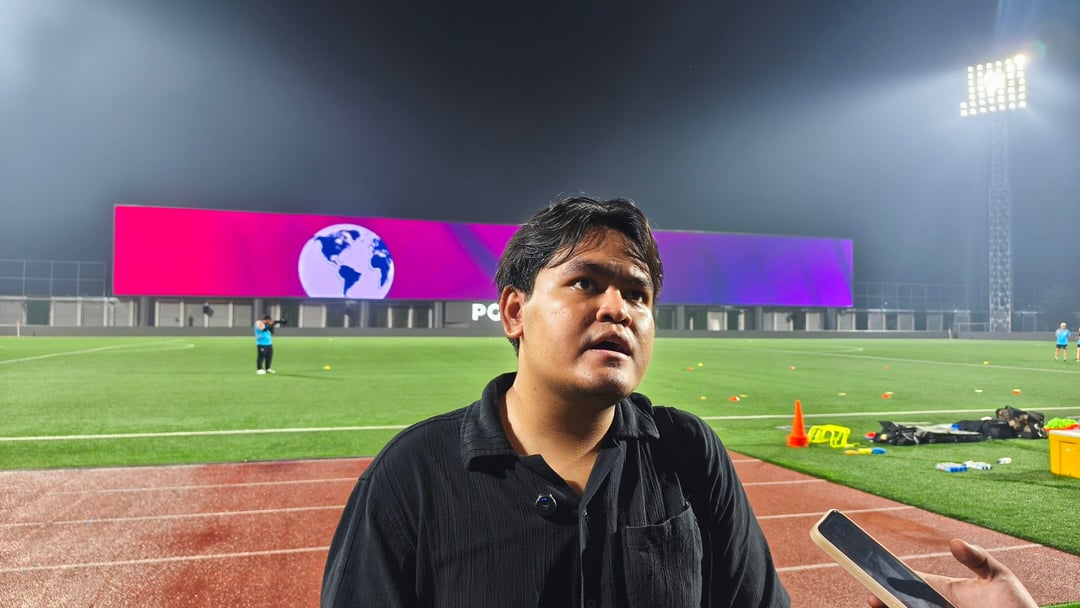
“They were visibly excited while on the bus and seeing the stadium from the outside. Once inside, they were impressed with the dressing rooms and the condition of the pitch,” said Surya.
According to Surya, the team's agenda in Kudus has proceeded smoothly, with all player and staff requirements facilitated by the federation and organizers. He is currently accompanying a delegation of 27 members, including 21 players and six staff.

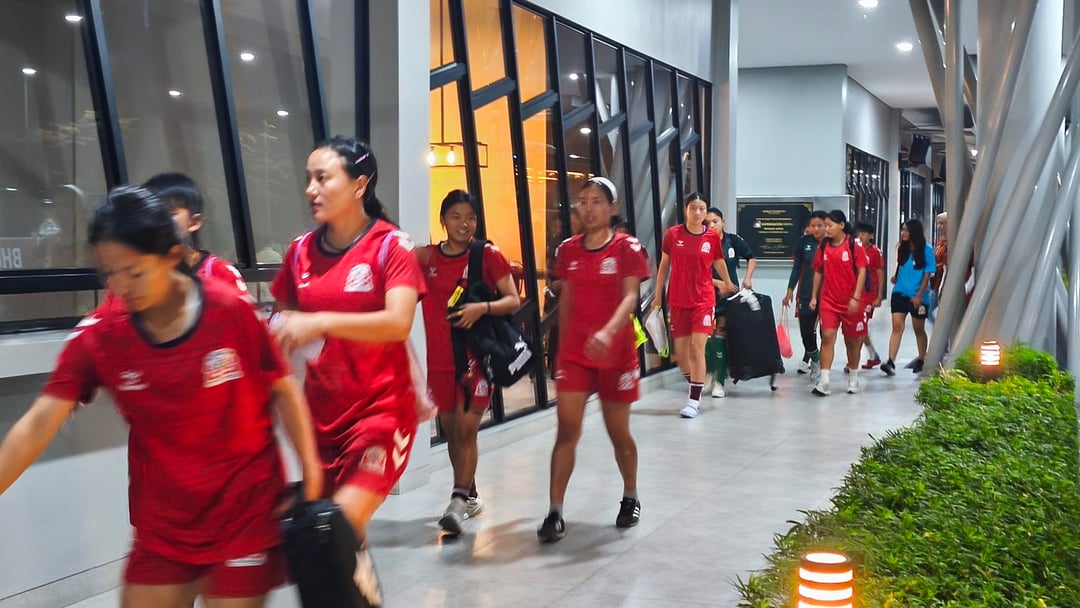
The team has also begun engaging with the local community through daily activities, with players learning simple Indonesian greetings like “hai” and “halo.”
They have also communicated with locals while handling logistics, such as visiting banks for currency exchange and purchasing SIM cards.
“The players are trying to learn how to greet people in Indonesian. They also interacted with people they encountered while taking care of their needs in Kudus,” Surya said.
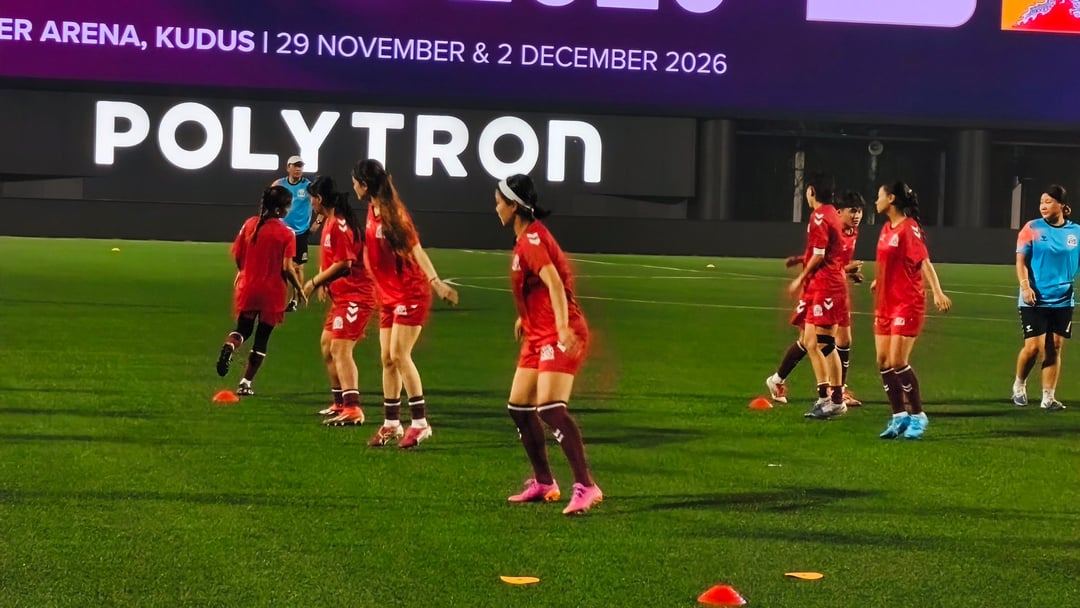
Beyond the initial experiences and the adaptation process, the Bhutan squad’s primary objective in visiting Kudus remains the upcoming friendly matches against the Indonesian Women’s National Team. The two sides are scheduled to play twice during their stay at SSA.
Pema views Indonesia as a formidable opponent, noting that the Garuda Pertiwi squad possesses significant international experience gained through various test matches and extensive preparations.
The existence of a domestic league is also seen as a factor contributing to Indonesia's competitive experience, a point Pema highlighted when assessing her opponent’s strengths.
“I think Indonesia is a strong team with more experience. They have already played several friendly matches and have players competing in a league,” she said.
Meanwhile, women’s football in Bhutan continues to grow through its domestic competition. Pema noted that the top-tier league features 10 teams, with the top six advancing to the league phase, a competition that also includes a number of foreign players.
While most national team players currently compete in the domestic league, some Bhutanese players have had opportunities to play abroad.
Pema hopes that more players from her country will have the chance to pursue careers at international clubs, including in Indonesia, as she believes such opportunities could provide invaluable experience for Bhutanese athletes.
“Most of our players currently play in our own league. There are also some Bhutanese players who have competed abroad. We hope Indonesian clubs can see the potential of our players and provide them with opportunities next season,” she stated.
Support for the development of women's football also comes from the King of Bhutan. Pema revealed that national team players receive a monthly salary, a gesture she considers vital for athletes striving to elevate women’s football in their country.
“I feel fortunate because the King is very generous to us. The players receive an equal monthly salary. Support like this means a lot to women’s football in Bhutan,” she said.
The two matches against Indonesia serve as Bhutan's main agenda while in Kudus. The first match is scheduled for Sunday, November 29, 2026, at 7:30 p.m. WIB, while the second match will take place on Wednesday, December 2, 2026, at 3:30 p.m. WIB.
Pema acknowledged that facing Indonesia will be a difficult challenge, but she emphasized that the Bhutan squad is determined to secure a victory. She also expressed hope that the public will attend the games at the SSA to show their support.
“We always play to win. We encourage the public to attend and watch the match. We greatly appreciate the support for women’s football in Indonesia since day one,” she stated. (OEB/MKK)
