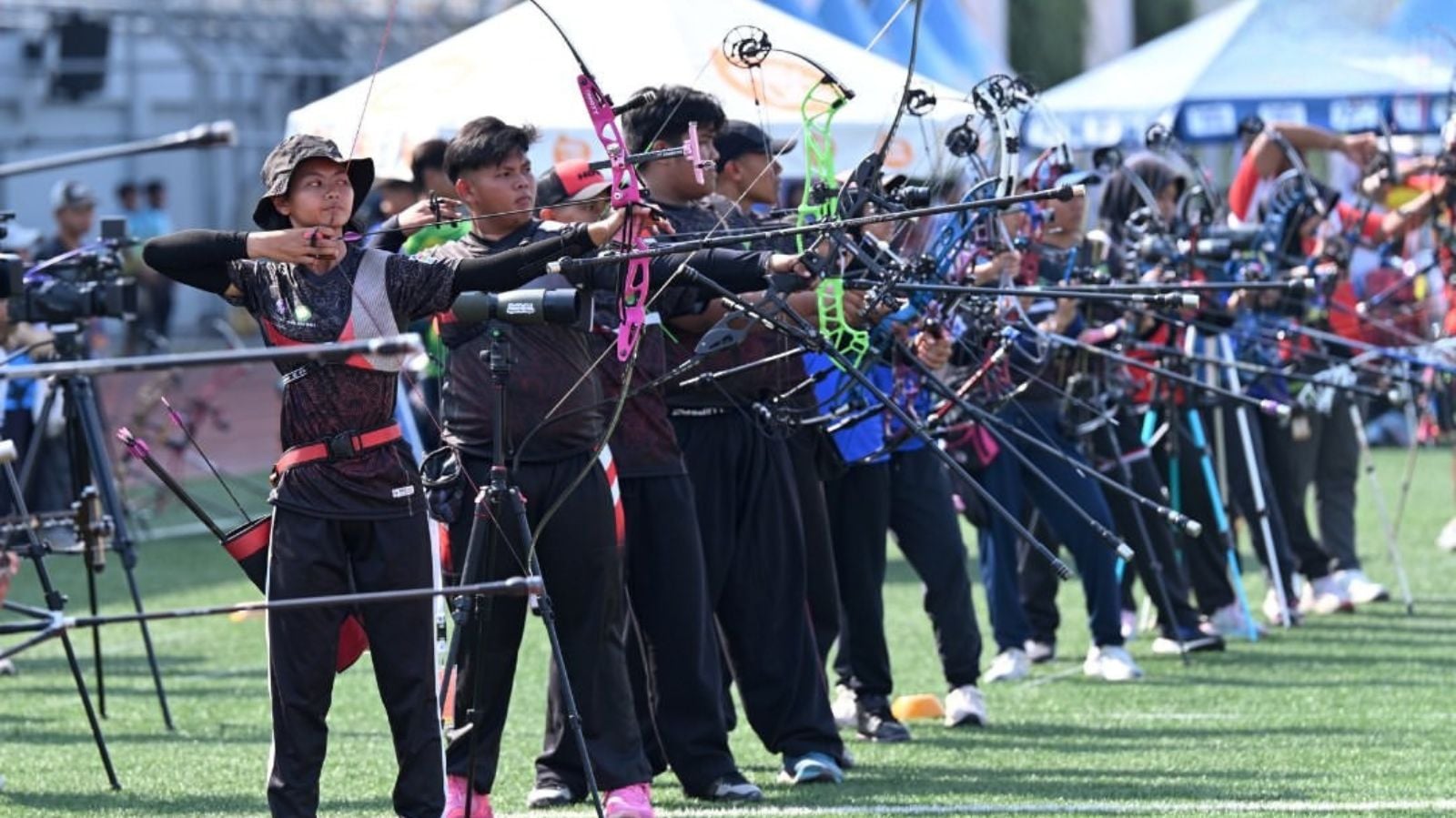
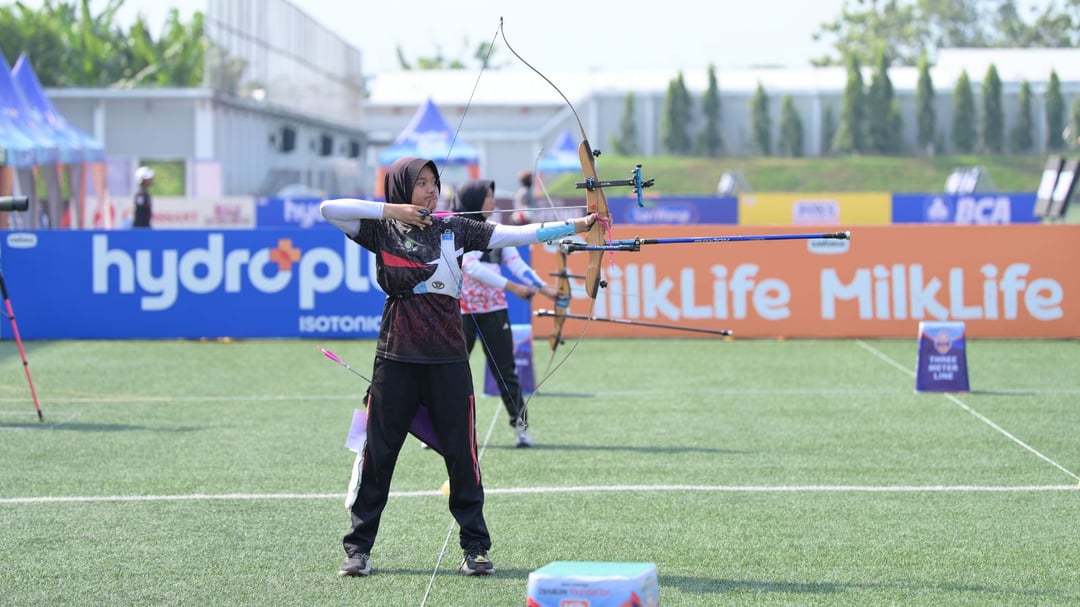
KUDUS – Cheers erupted every time an arrow hit the target at the Supersoccer Arena in Kudus, where hundreds of young athletes drew their bows with intense concentration. While some have only taken up archery in recent years, others brought experience from various competitions. Their goal, however, remains the same: to measure their progress and open doors to higher-level development.
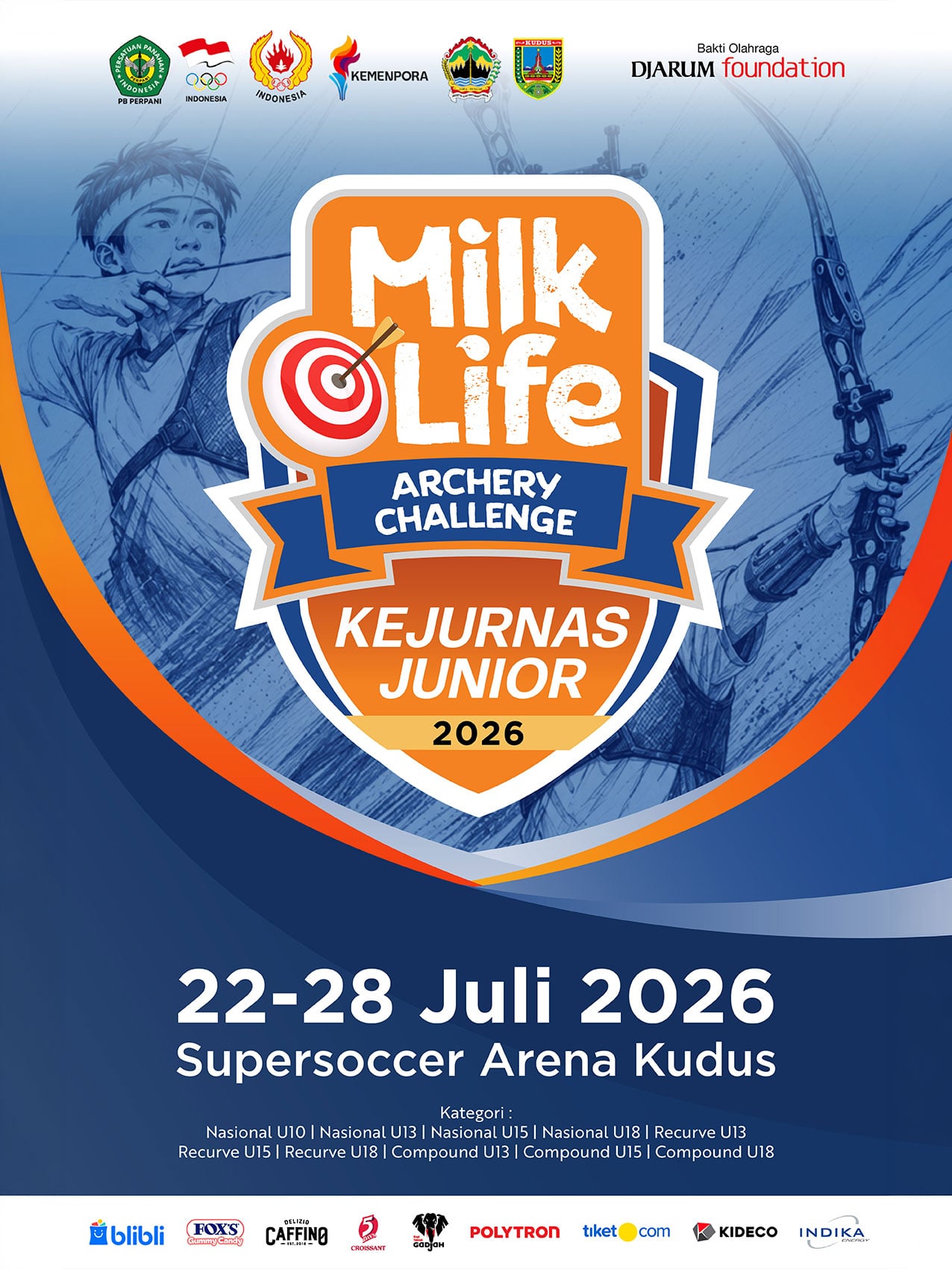
The 2026 MilkLife Archery Challenge National Junior Championship, held from July 22 to 29, 2026, brought together 906 athletes from 29 provinces. Competitors faced off in the National, Recurve, and Compound divisions across the U-10, U-13, U-15, and U-18 age groups. Over eight days, the tournament served as both a showcase for regional development programs and an opportunity for young athletes to demonstrate their skill growth.
The championship was about more than just medals. For the Indonesian Archery Association (PB PERPANI), the junior nationals represent a critical milestone in tracking the development of young talent and assessing the quality of archery programs nationwide.
Each province sent its top athletes, providing PB PERPANI with a clear view of how different age groups are progressing and how evenly archery programs are distributed across the country.
The three divisions showcased different aspects of the sport. The National Division focuses on standard bows, serving as the foundation for technique and consistency among young athletes. The Recurve division aligns with Olympic standards, providing a pathway to international competition, while the Compound division uses bows equipped with pulley systems (cams) to enhance stability and accuracy, competing in various world championships despite not currently being an Olympic event.
Abdul Razak, Deputy Chairman II of Performance Development for PB PERPANI and head of the 2026 Junior National Championship organizing committee, noted that participating athletes—particularly those in the U-18 category—are under the watchful eye of the national development team.
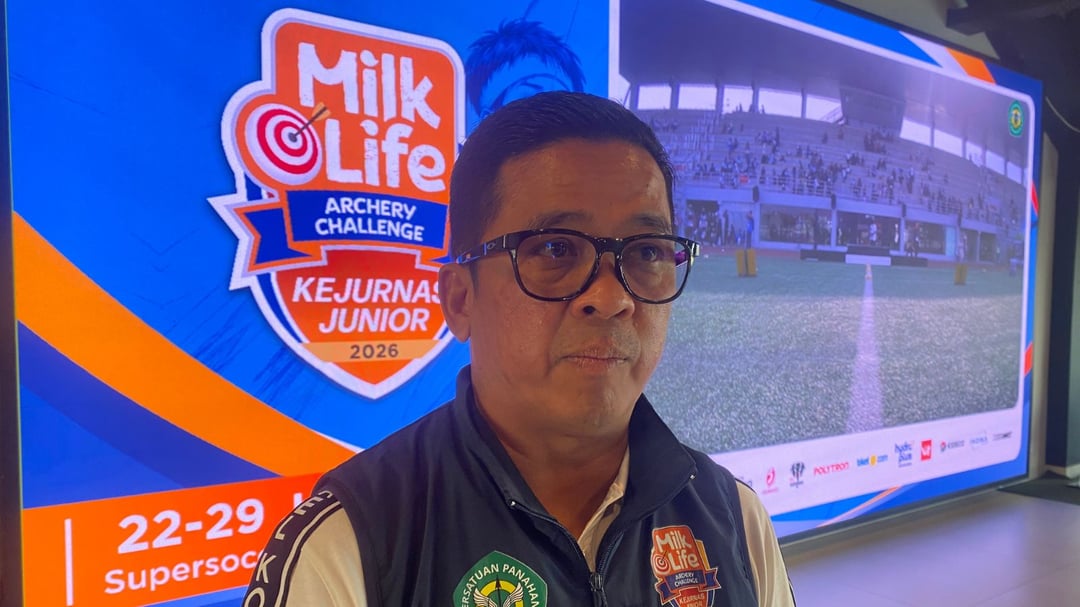
“We will monitor the medalists, particularly those in the U-18 group. They have the opportunity to be called up for the national selection process when it opens. Specifically for the U-18 compound division, the shooting distance is the same as the senior level, allowing them to compete at a national standard,” he said.
According to Razak, the junior nationals serve as a benchmark for the development of the sport, as provinces bring their best talent in every age group.
“We want to see how each province utilizes their best athletes across every age category. Development is steadily improving, as evidenced by the rise in participants from 860 to 906, and the number of participating provinces increasing from 28 to 29. Even with high airfare costs, enthusiasm continues to grow,” he added.
He explained that athlete development is a staged process. Athletes progress from U-10 to U-13, U-15, and finally U-18, which serves as a gateway to senior championships, the National Sports Week (PON), and national training camps. The next hurdle, he noted, is maintaining training consistency after junior competition ends.
“Our biggest concern is what happens after the U-18 level. Many athletes quit to focus on university. We hope they continue training so that they can perform at their best when they enter senior competition,” he said.
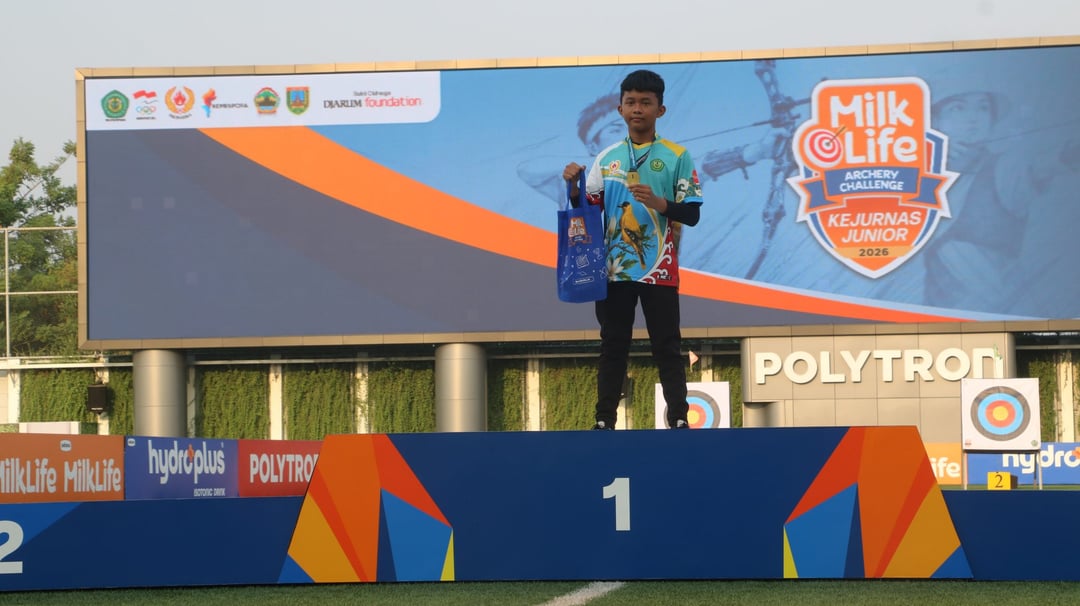
Among the hundreds of participating athletes, Jabr Rajaa’ Challe emerged as a standout performer. The Mas Jawa Tengah B archer from Jepara secured gold in both the U-15 Boys' National Individual and U-15 Boys' National Team events.
His journey began when his family encouraged him to try archery. Shortly after starting his training, he began competing in various regional-level championships.
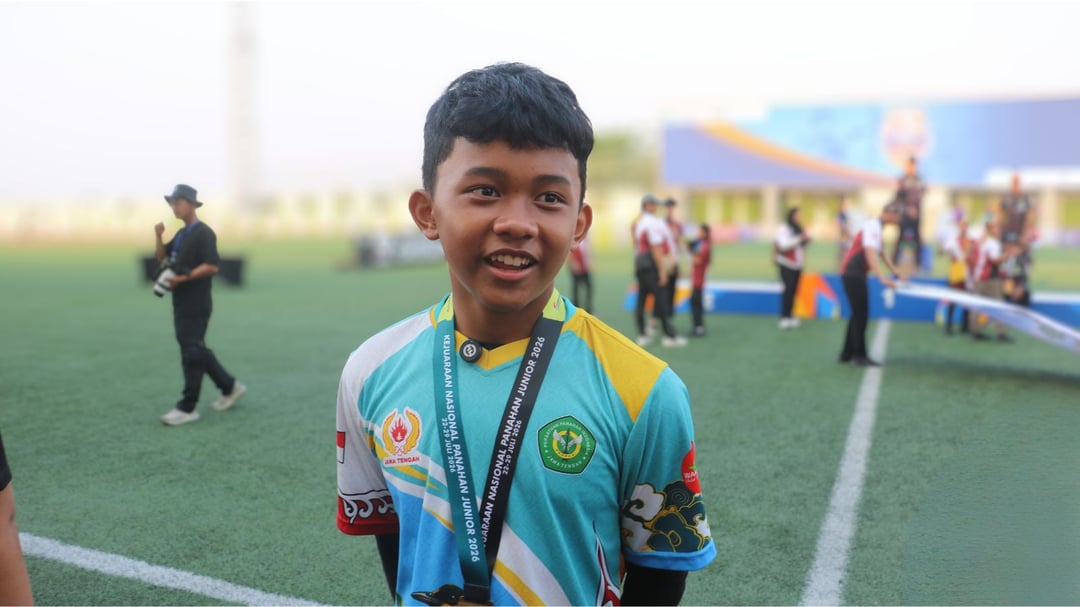
“My family offered me the chance to try archery. After just one month of training, I participated in several championships like Popda and the Kendal Regency Championship. I placed second at MilkLife last year, and now I have finally won gold,” he said.
According to Jabr, his greatest challenge was not just facing opponents on the field, but maintaining the discipline required for consistent training.
“Training can be tiring, but I remain motivated. The final victory was especially memorable because it was against a very tough opponent. This achievement is the result of my hard work.”
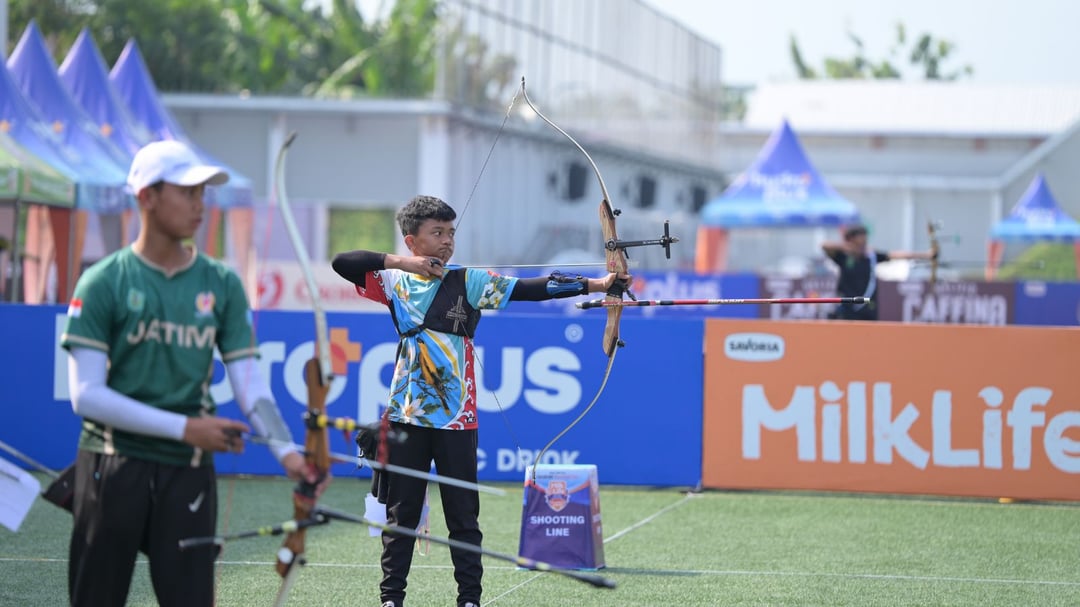
This achievement represents just one milestone in a long career he hopes to pursue.
“I want to compete in the Olympics someday. The support from my parents and my drive to be a champion are what keep me training,” he added.
Jabr’s story illustrates that athletic development is not an overnight process. Success is built through continuous training, consistent competition, and the support of family and professional coaching.
Welly Arisanto, a member of the organizing committee from the Bakti Olahraga Djarum Foundation, noted that Indonesia has a rich history in archery. Therefore, he emphasized the importance of ensuring the next generation of athletes is nurtured through sustainable competitions.
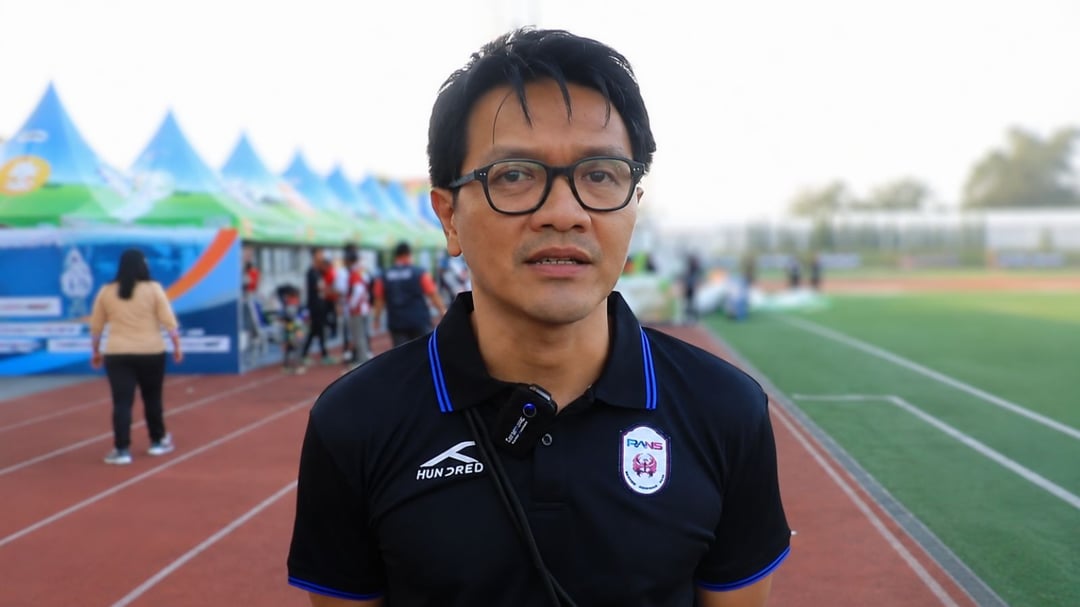
"We have a strong international track record. It is now a matter of maintaining and developing that presence so that new talents emerge who can eventually bring glory to Indonesia in the Olympics or at world championships," he said.
According to Welly, training and competition are two complementary elements in the athlete development process.
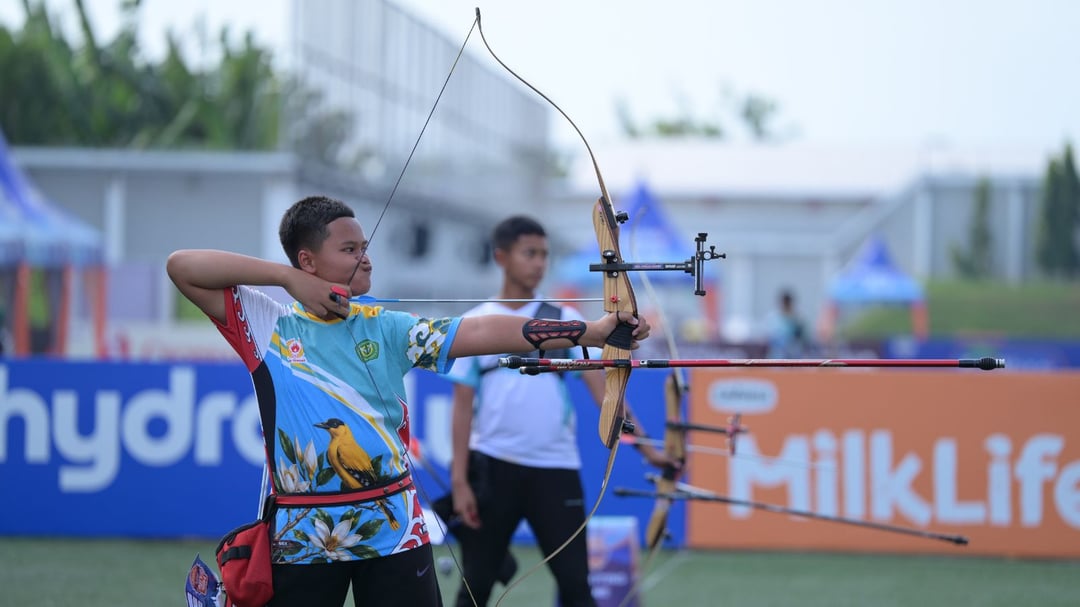
"If athletes only train without competing, they miss out on critical experience. Competitive mindset, consistency, and the ability to face stronger opponents are all forged through competition. That is why such championships must be held on a continuous basis."
A similar view was expressed by national coach and Special Region of Yogyakarta (DIY) team manager Danang Dwi Asmoro. He emphasized the need to strengthen youth athlete development through clubs and school extracurricular activities.
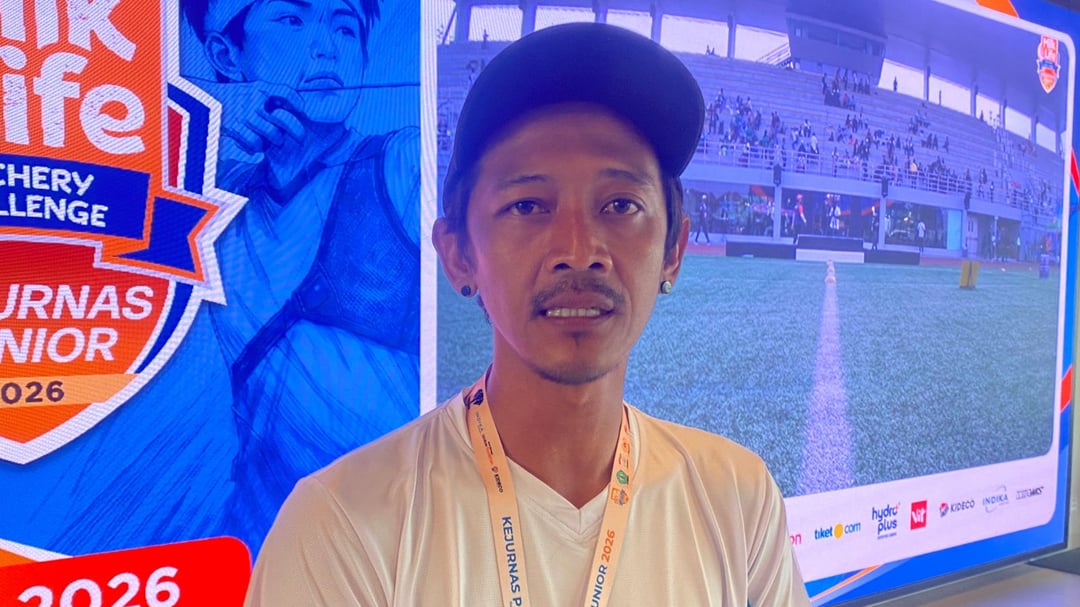
"Competitions are the result of the training process. These National Junior Championships allow us to gauge how effective our training programs are. This championship serves as a benchmark for Indonesian archery achievement."
According to Danang, the success of development programs is not determined solely by the athlete's ability, but also by the quality of training, coaches, and a well-executed selection process.
"Sound training programs, coach quality, and a transparent selection process are all vital components in reaching Indonesia's goal of achieving success at the 2028 Olympics."
The presence of athletes from 29 provinces has created an impact well beyond the arena. They have arrived alongside coaches, officials, and family members who are staying in Kudus throughout the event.
Welly noted that the hosting of the National Junior Championships demonstrates how sports can stimulate local economic activity.
"Just imagine, 29 provinces have arrived in Kudus. Hotels are full, restaurants are busy, and local MSMEs are thriving. Sports tourism is truly in motion, driving the local economy forward."
He noted that the collaboration between PB PERPANI, the Djarum Foundation, and the Kudus Regency Government serves as a critical component in ensuring the sustainability of sports championships.
“We hope these young athletes will one day represent Indonesia. We want to see athletes emerge from Kudus or compete here who go on to bring glory to the nation on the world stage,” he added.
Widhoro Heriyanto, Head of the Sports Division at the Kudus Youth, Sports, and Education Agency (Disdikpora), stated that the Junior National Championship provides local archery athletes with the opportunity to observe national-level competition standards firsthand.
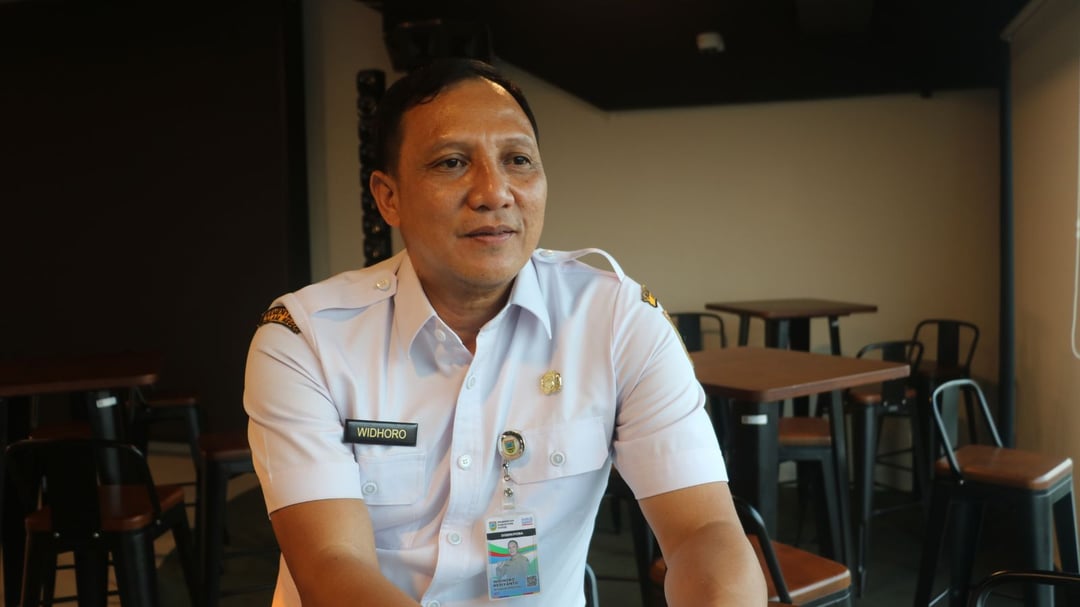
Widhoro expressed hope that the experience of watching Indonesia’s top athletes in person would motivate young Kudus athletes to continue honing their skills.
“They are witnessing the quality of national athletes, which encourages them to train harder. The competition is becoming tougher, but that only fuels their desire to improve.”
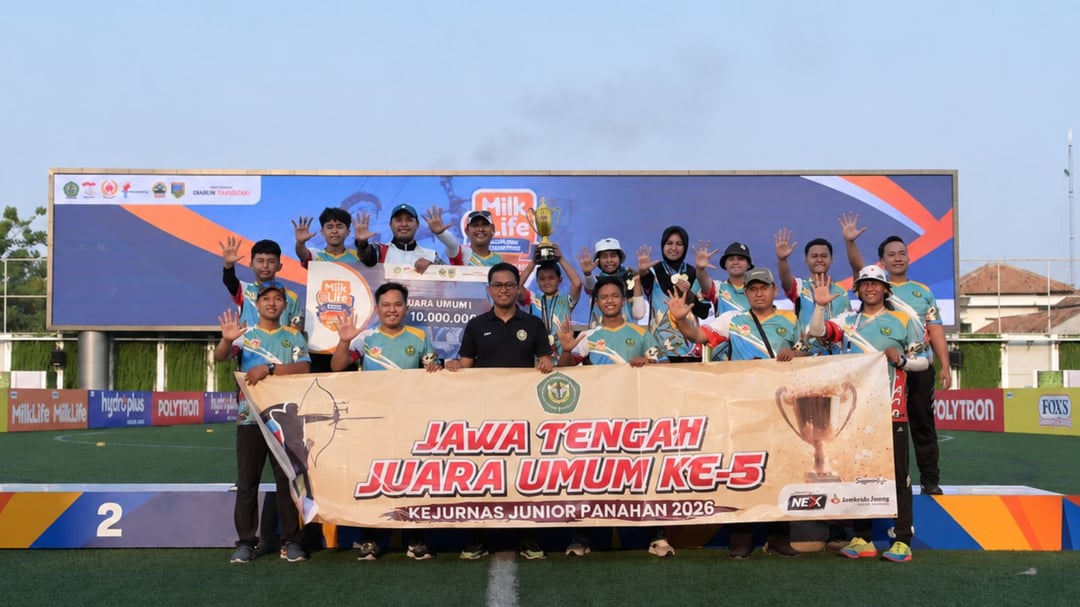
The 2026 Junior National Championship has concluded. Central Java has reclaimed the overall title, finishing with a total of 78 medals—26 gold, 22 silver, and 30 bronze. West Java placed second with 20 gold, 18 silver, and 18 bronze, while Jakarta took third with 18 gold, 11 silver, and 20 bronze.
Beyond Jabr Rajaa' Challe, several other athletes also recorded notable achievements. Khairunnisa from East Kalimantan won three gold medals and one bronze in the Girls' U-15 Compound Division. Meanwhile, Habibima A. Setyawan from Central Java was crowned champion in the Boys' U-15 Individual Recurve event.
However, that achievement was not the sole legacy of the Junior National Championship. Throughout the eight-day event, the tournament served as a vital platform for young athletes to gauge their skills, gain competitive experience, and advance to the next stage of their development.
From the archery range in Kudus, the process of regeneration continues. While some athletes return to training for upcoming tournaments, others are preparing to transition to the senior level. Behind every arrow released lies a long-term commitment aimed at cultivating the next generation of Indonesian archery talent. (ITN/mainkekdus)