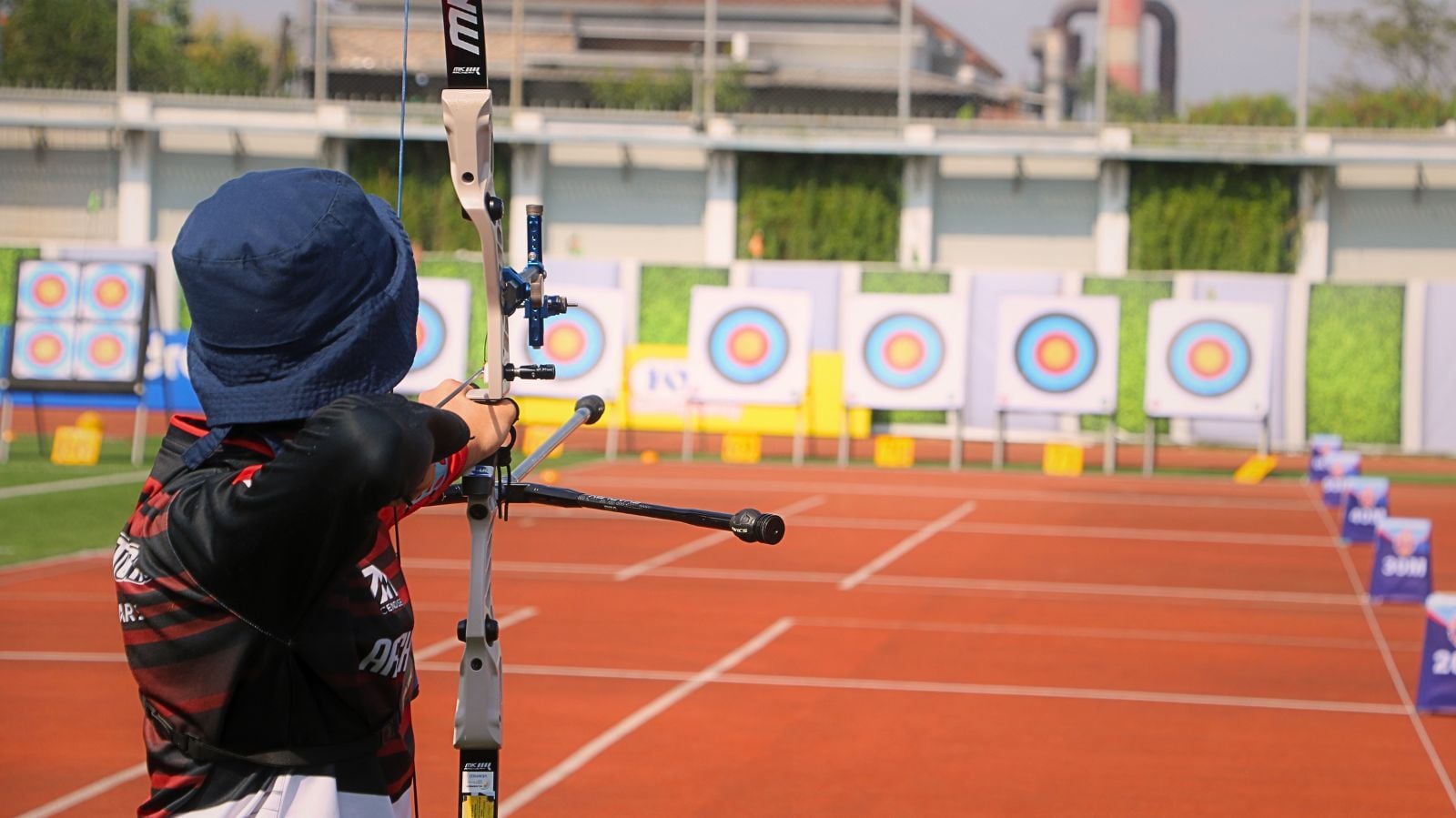
KUDUS – On the archery field, there are no shrill whistles or constant cheering to accompany the competition. Instead, one hears only the rustle of the wind, the drawing of bowstrings, the whir of arrows in flight, and the thud as they strike the targets. Amidst this stillness, hundreds of young athletes stand in intense focus, steadying their breath before releasing each arrow. Every shot is the culmination of years of training and a test of their ability to maintain composure as field conditions shift.
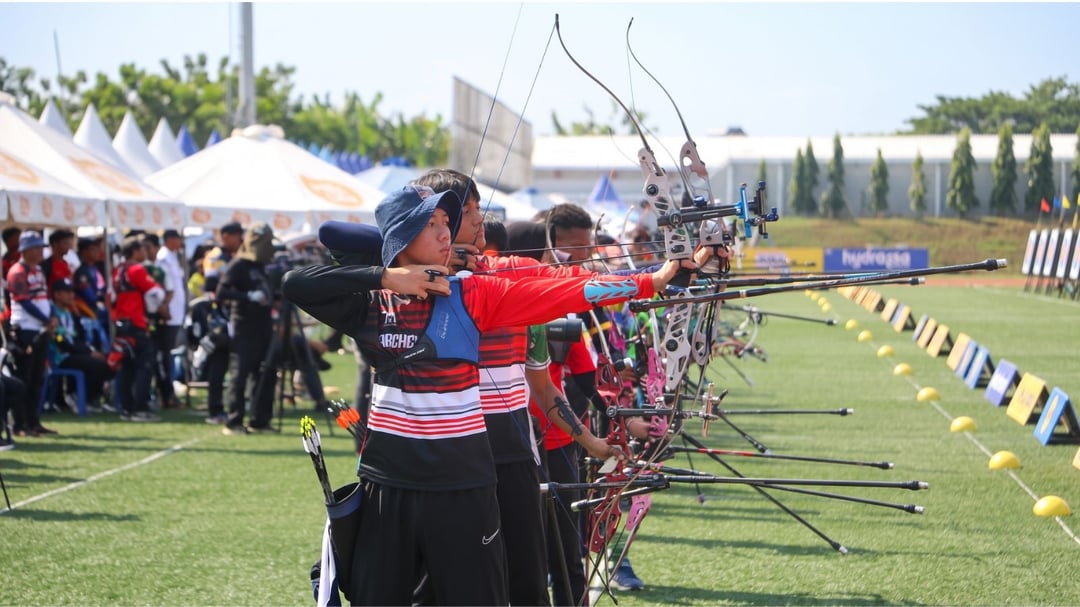
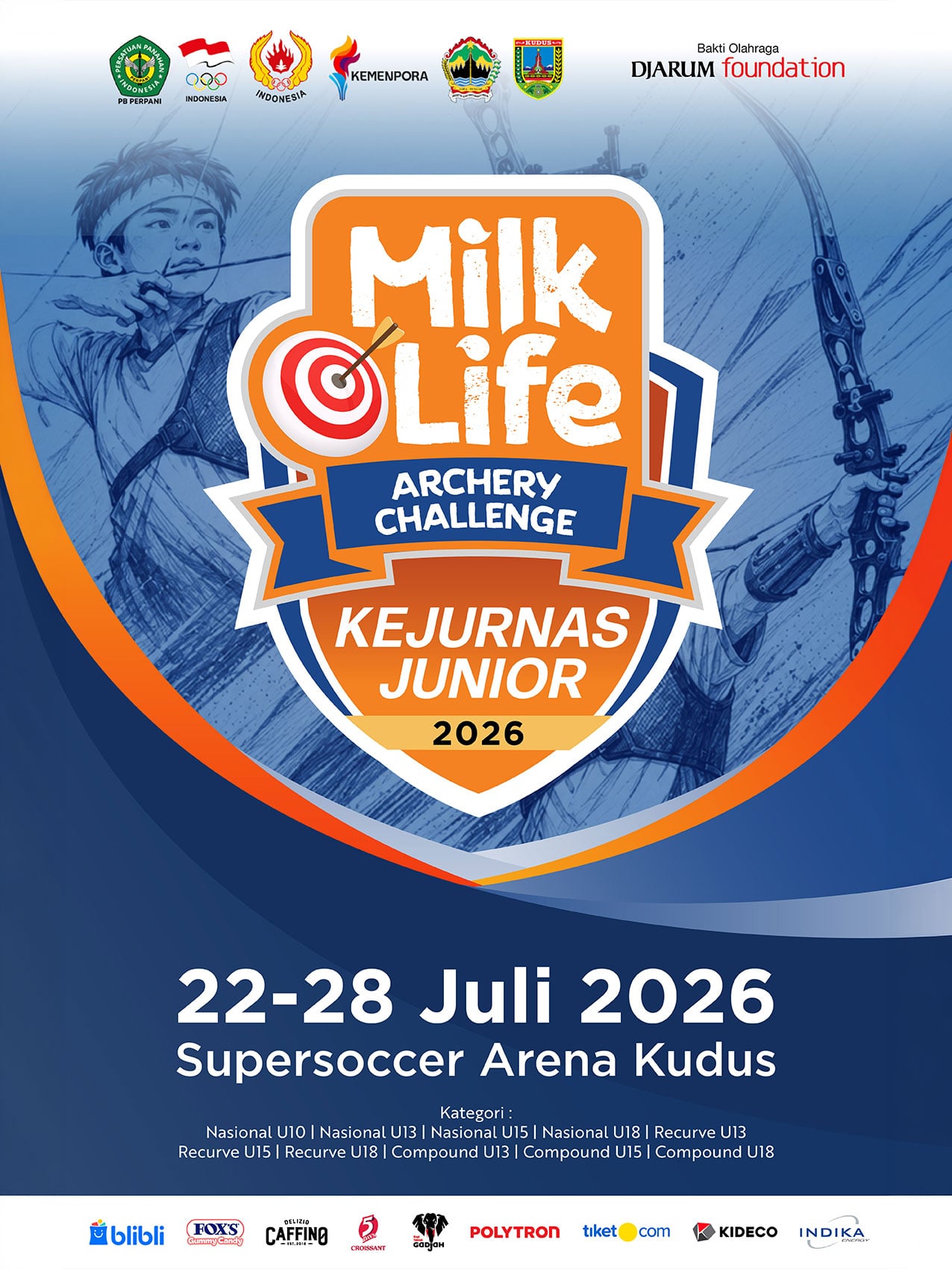
This scene defines the 2026 MilkLife Archery National Junior Championship held at the Supersoccer Arena in Kudus. From July 22–29, 2026, approximately 900 athletes from 30 provinces gathered for this national event, a key pillar in Indonesia's archery development pipeline. Prior to the competition, participants took part in official training to familiarize themselves with the field, gauge wind patterns, and prepare for the rigors of national-level play.
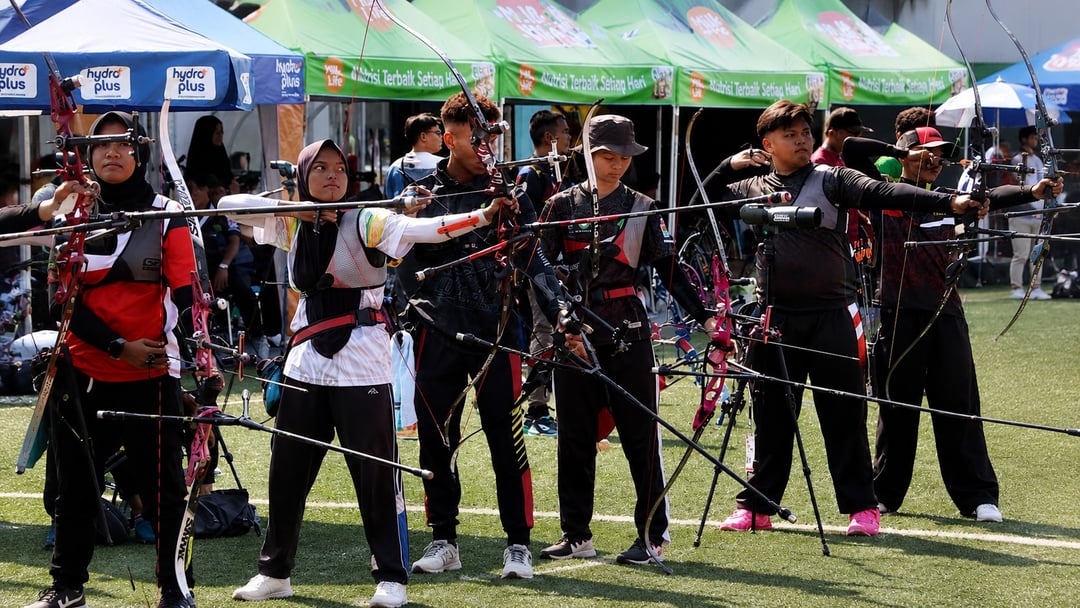
The national championship is not a starting point for these participants. They arrived in Kudus after a rigorous selection process in their respective regions, moving through district and provincial levels to earn their place on their regional teams. Each athlete brings a unique journey, united by a shared goal of growth through competition.
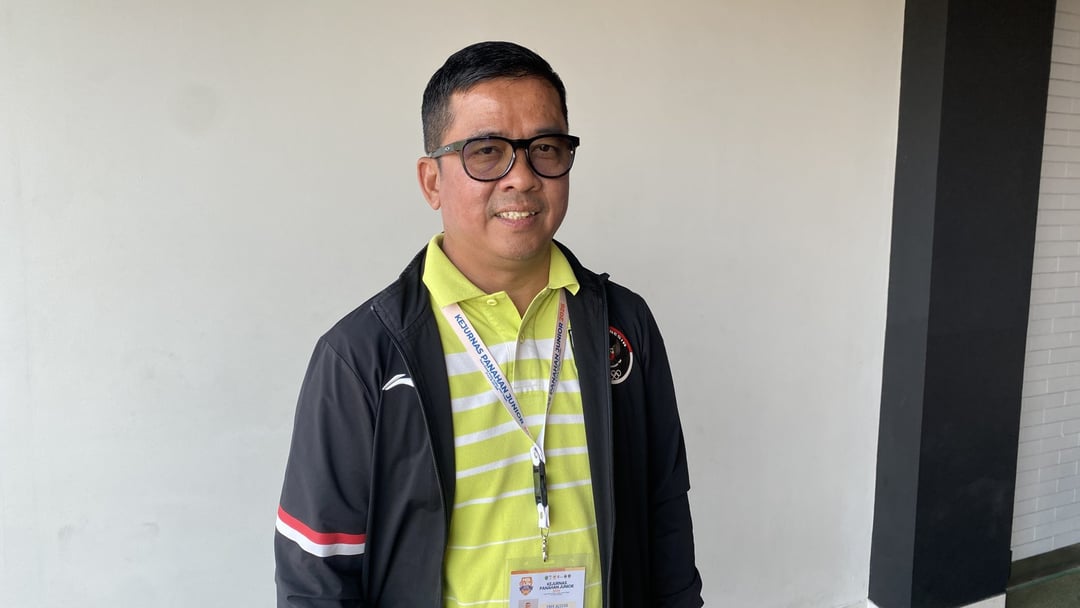
Abdul Razak, Second Deputy Chairman of Coaching and Achievement for PB Perpani (Indonesian Archery Association) and chairman of the 2026 MilkLife Archery National Junior Championship organizing committee, stated that hosting the event in Kudus is vital for maintaining a tiered athlete development system. He noted that archery is a sport defined by age-group specialization, with categories divided into U-10, U-13, U-15, and U-18 to ensure balanced competition. This system aims to foster a sustainable talent pipeline and provide a platform for emerging prospects to advance to the senior level and, eventually, the national team.
This development is reflected in the youthful faces filling the training arena. Regardless of their specific competition categories, nearly all these athletes began their journey during their elementary school years, whether introduced through school programs or encouraged by their parents. What began as simple curiosity has gradually evolved into a steadfast commitment to regular training.
Muhammad Hasya Abdillah, an athlete representing Central Java, is one such example. His interest in archery began when he was in the fifth grade. Beyond a desire to engage in a sport known as a sunnah of the Prophet Muhammad SAW, his innate curiosity kept him coming back to the practice field.
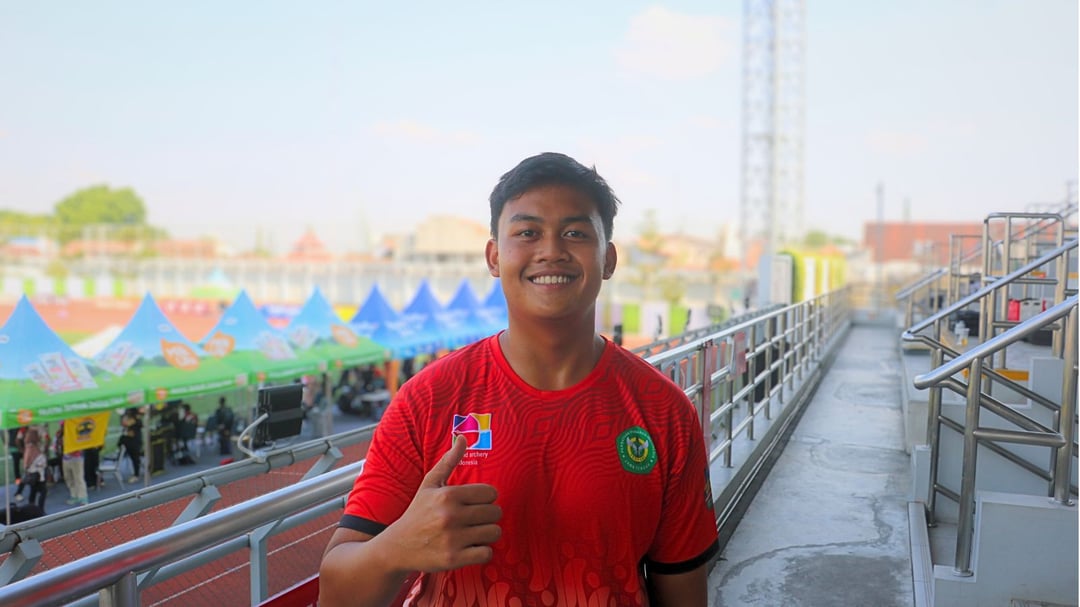
Hasya said he most enjoys the scoring sessions, as they provide an opportunity to gauge the results of his training. For him, the numbers are not merely about winning, but serve as a benchmark for his progress. Off the field, his greatest challenge is balancing a demanding training schedule with his academic responsibilities. Despite the busy schedule, his parents' support remains the driving force behind his consistency. In addition to aspiring to become an engineer, Hasya hopes to one day represent the Indonesian national archery team.
A similar story comes from South Kalimantan, where Dzakia Citra Ayu Ning Tyas began archery after finishing elementary school, encouraged by her father to engage in positive extracurricular activities. Her interest in the sport actually dated back to the second grade, when she first encountered it through a school extracurricular program, though that initiative ended due to low participation.
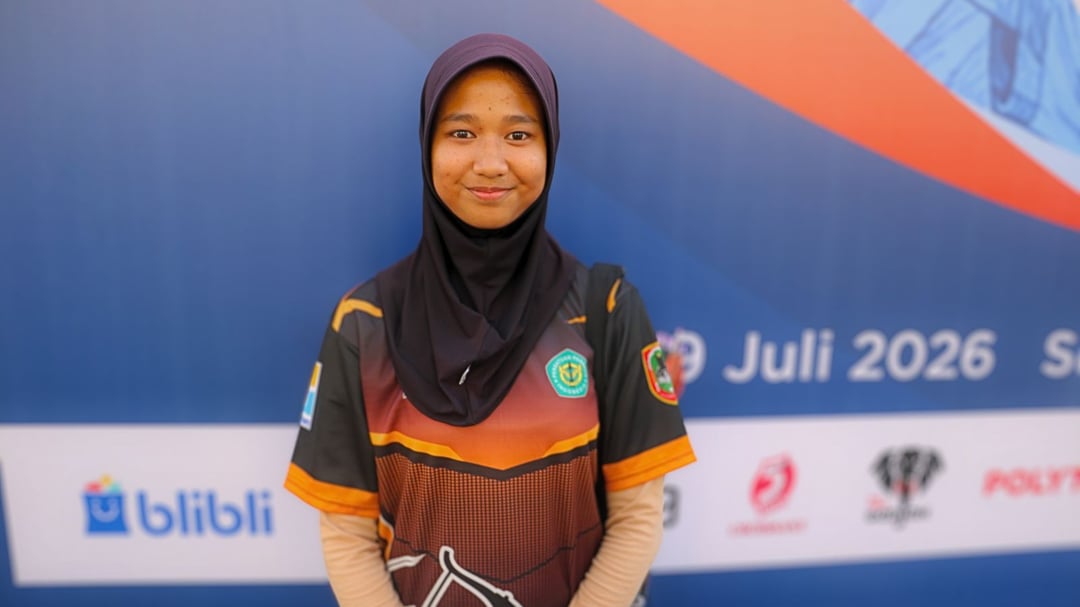
Physical training has now become an inseparable part of her daily routine. However, the greatest challenge emerges when competing in open fields, where wind gusts often alter the arrow's trajectory, forcing athletes to quickly adjust their aiming technique. Despite these challenges, Dzakia credits the unwavering support of her parents and coaches for sustaining her training. She hopes to secure a medal and bring honor to her region, school, and family.
Meanwhile, Valda Shafira Kurniatmaja from West Papua has a different story. Her interest in archery was sparked by watching cartoon characters using bows. That curiosity led her to try the sport, which she eventually chose to pursue seriously.
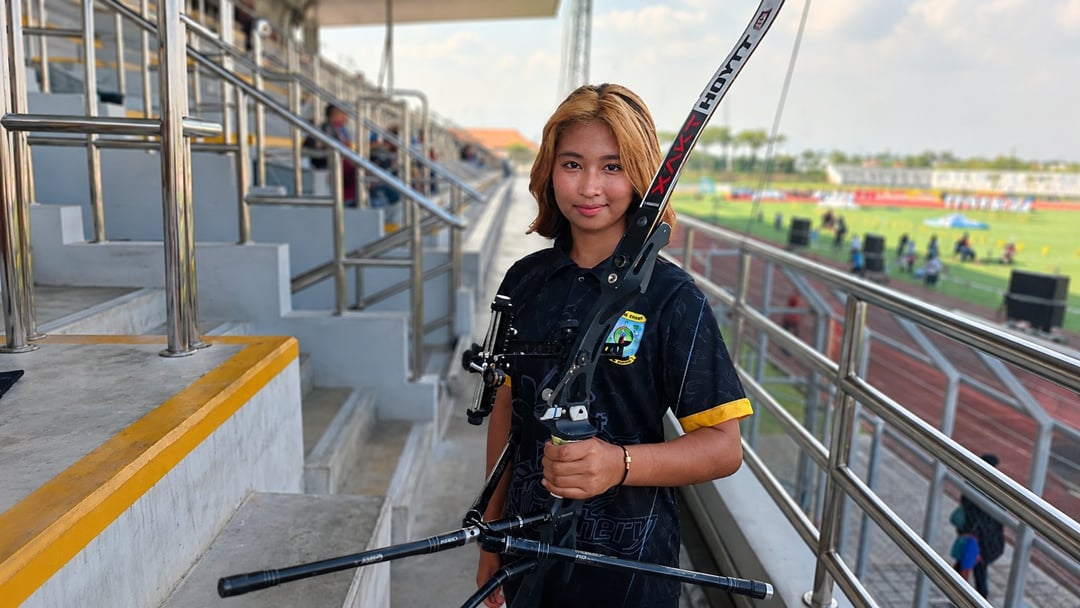
For Valda, the biggest challenge lies not in archery technique but in maintaining mental composure during competition. Moments of self-doubt can affect her focus while aiming. In such situations, her parents serve as a vital source of encouragement. Family support—ranging from motivation to providing equipment—has played a crucial role in her journey to the national championship.
Behind every young athlete lies a developmental process that occurs far from the spotlight. Central Java contingent coach Yudhi Arief Fianto explained that youth archery training does not immediately prioritize scoring. Instead, children are first introduced to equipment, the nine fundamental archery techniques, and the use of bows suited to their physical capabilities.
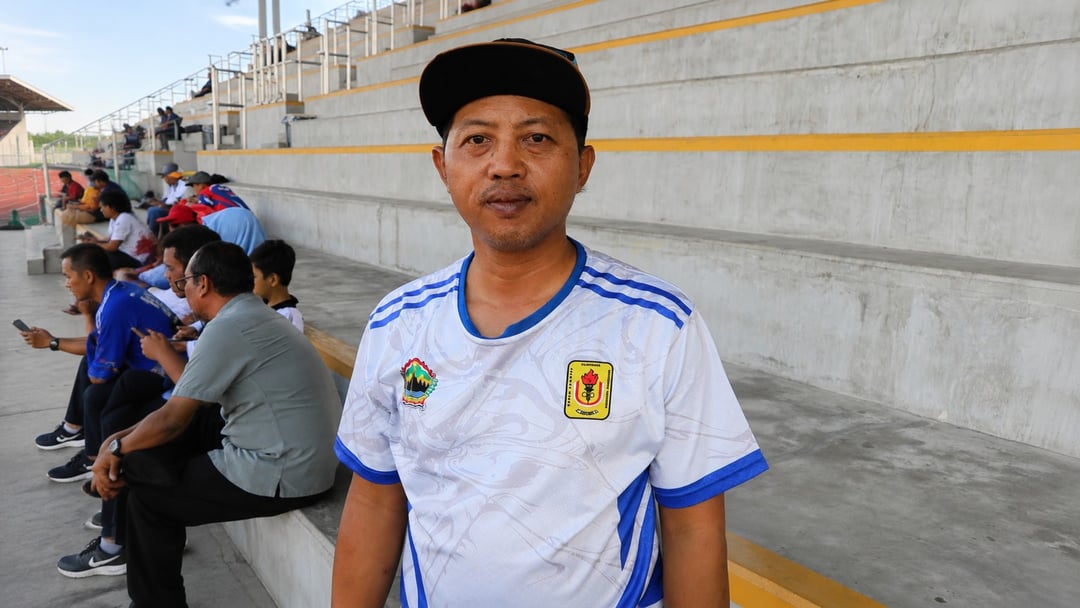
According to Yudhi, each child possesses a unique temperament, requiring tailored training approaches. While some athletes grasp instructions quickly, others need more time to build discipline, making patience an essential component of coaching. He emphasized that archery teaches more than just accuracy; it fosters emotional regulation, focus, and a sense of responsibility toward the daily training process.
The character-building aspect of the sport is also evident to parents. Isrokal, father of athlete Dzakia, has observed positive behavioral changes in his daughter since she began archery. For him, the sport teaches children to accept both victory and defeat with grace. Through competition, athletes learn that success is not always immediate but must be earned through consistent practice.
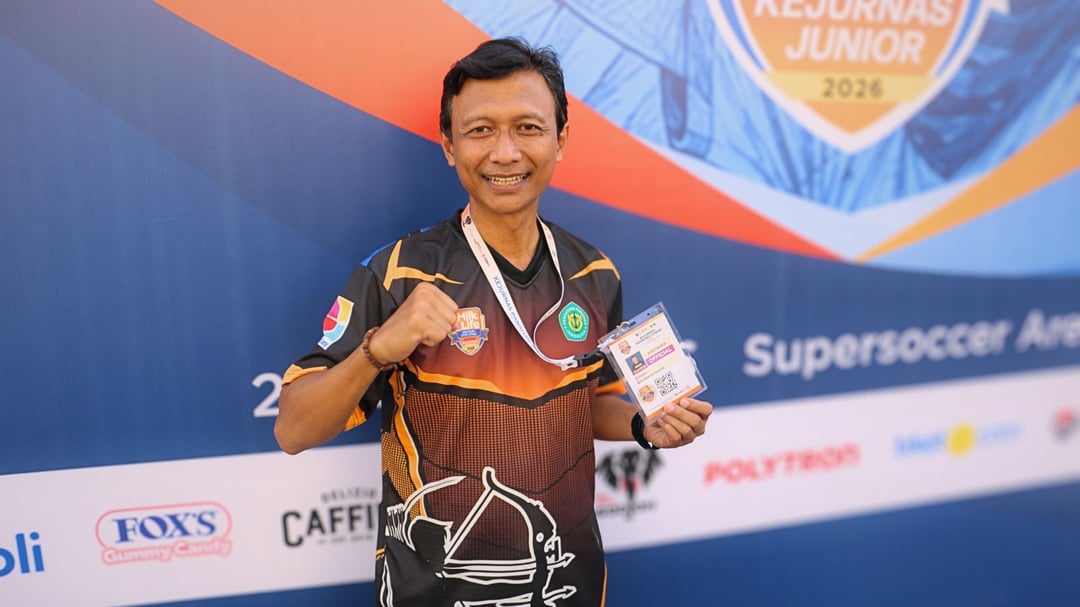
As a parent, he supports her journey by providing the necessary training equipment and offering moral encouragement. He believes that tiered tournaments like the 2026 MilkLife Junior National Archery Championship provide a vital platform for young athletes to measure their abilities and gain competitive experience. Frequent competition serves as a valuable learning experience for future development.
During the week-long event in Kudus, the archery arena served as more than just a competition site; it became a gathering point for stories from across Indonesia. Participants included athletes competing at the national level for the first time, veterans of previous tournaments, and families who traveled long distances to support their children.
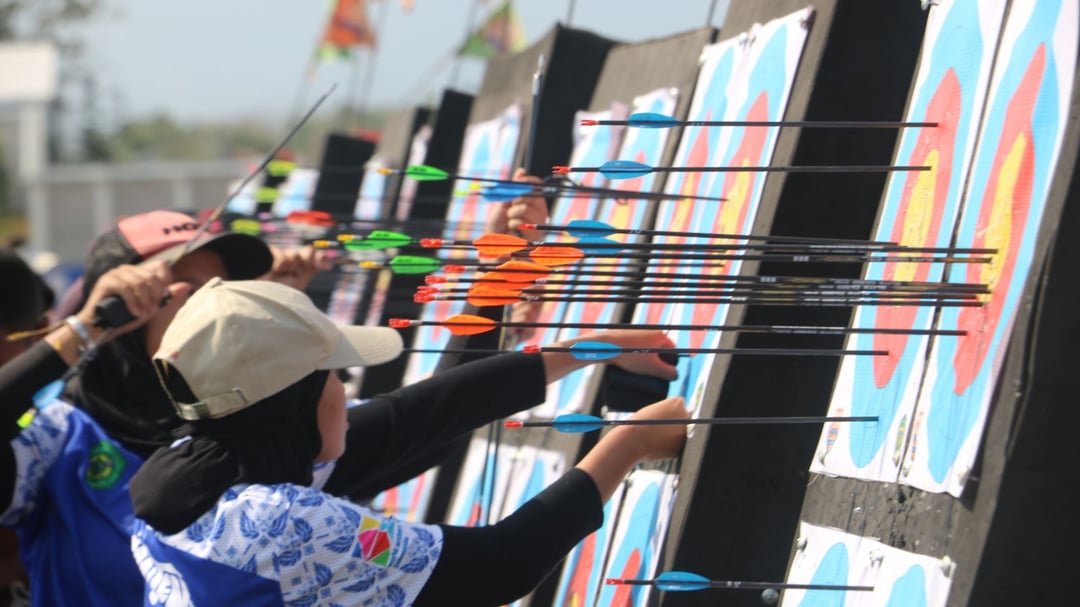
These experiences demonstrate that athletic development extends far beyond the scoreboard. Each arrow released represents daily learning, the patience of coaches in refining technique and character, and the steadfast support of families. Ultimately, the 2026 MilkLife Junior National Archery Championship serves as more than a medal chase; it highlights the regenerative process of sport through structured coaching, regular competition, and opportunities for growth. From the Supersoccer Arena in Kudus, the journey continues, with every arrow representing the promise of a new generation of Indonesian archers defined by discipline, process, and experience. (ITN/mainkekudus)