
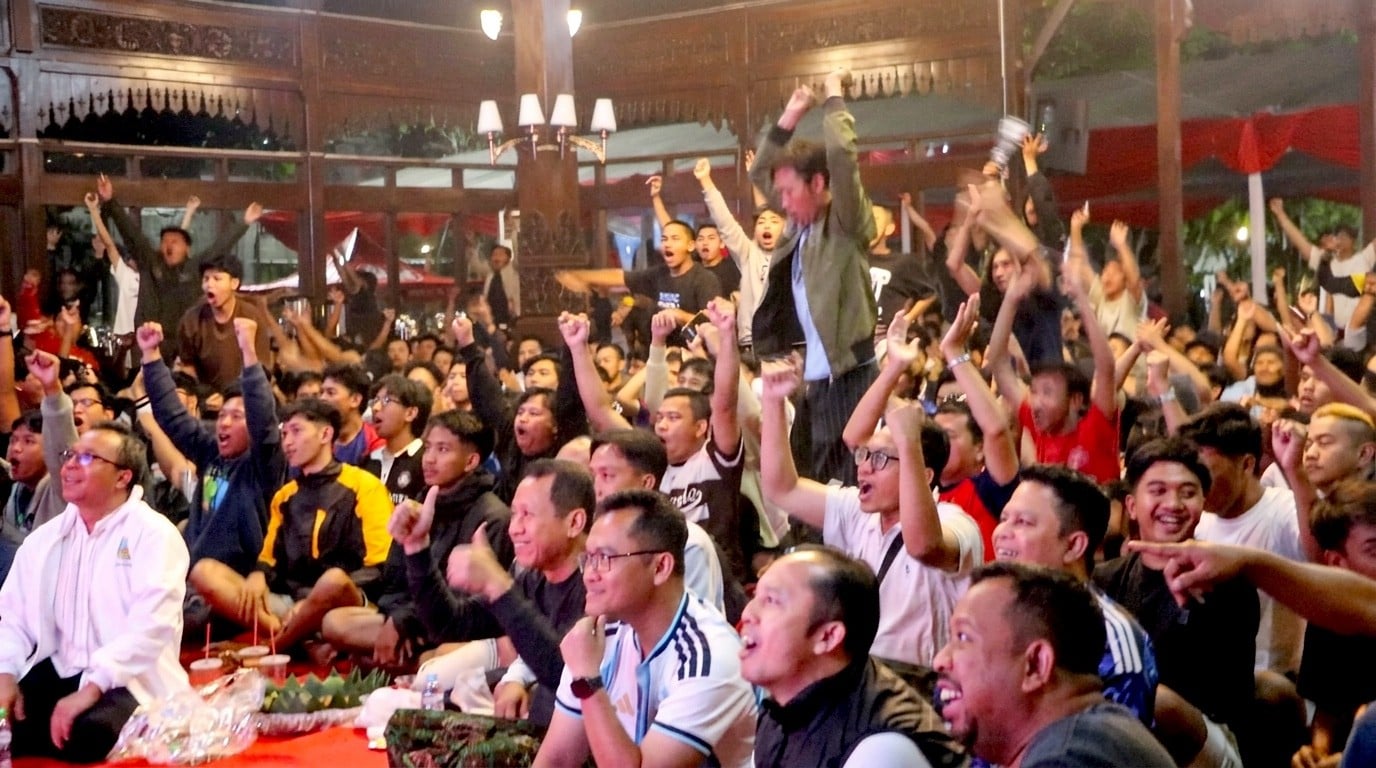
KUDUS – A collective roar erupted as the opening whistle sounded. Thousands of eyes were fixed on the large screen erected at the Kudus Regency Pavilion early Monday morning, July 20, 2026. Regardless of age, profession, or background, the crowd was united by a single purpose: to witness the World Cup final between Spain and Argentina.
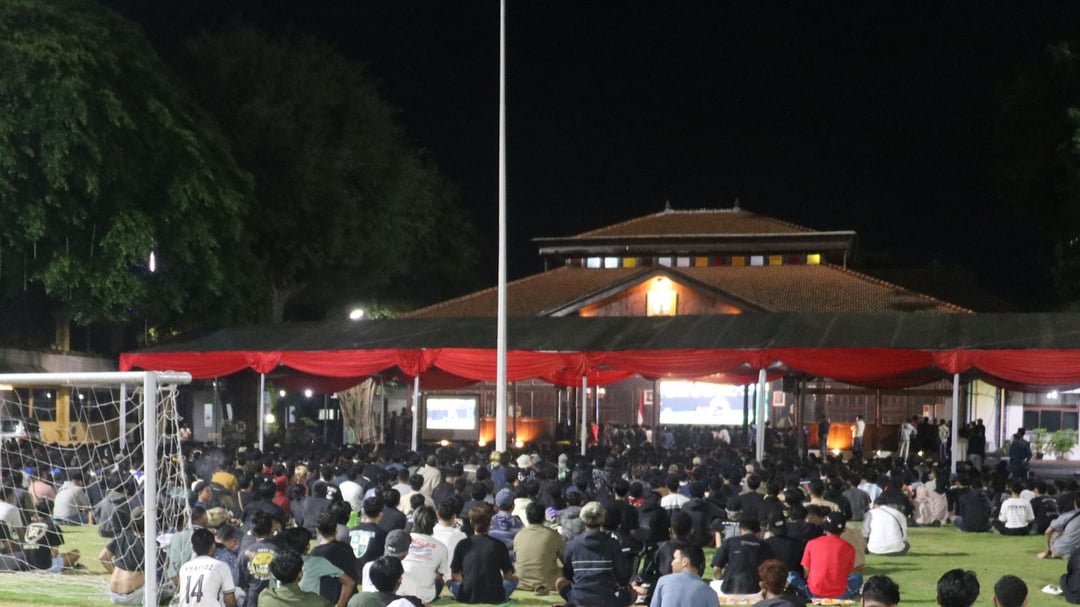
That night, football was more than just a match taking place thousands of kilometers from Kudus. It provided a reason for residents to gather, share emotions, connect, and celebrate in a public space. The Kudus Regency Pavilion transformed into an energetic arena where every opportunity, goal, and crucial save was met with resounding cheers.
As the sun set, crowds began streaming toward the pavilion area. The Kudus Regency Government set up a large screen inside the pavilion grounds and additional projectors in the front yard to ensure more residents could watch the game. Within minutes, every corner was packed with families, friends, and community groups.
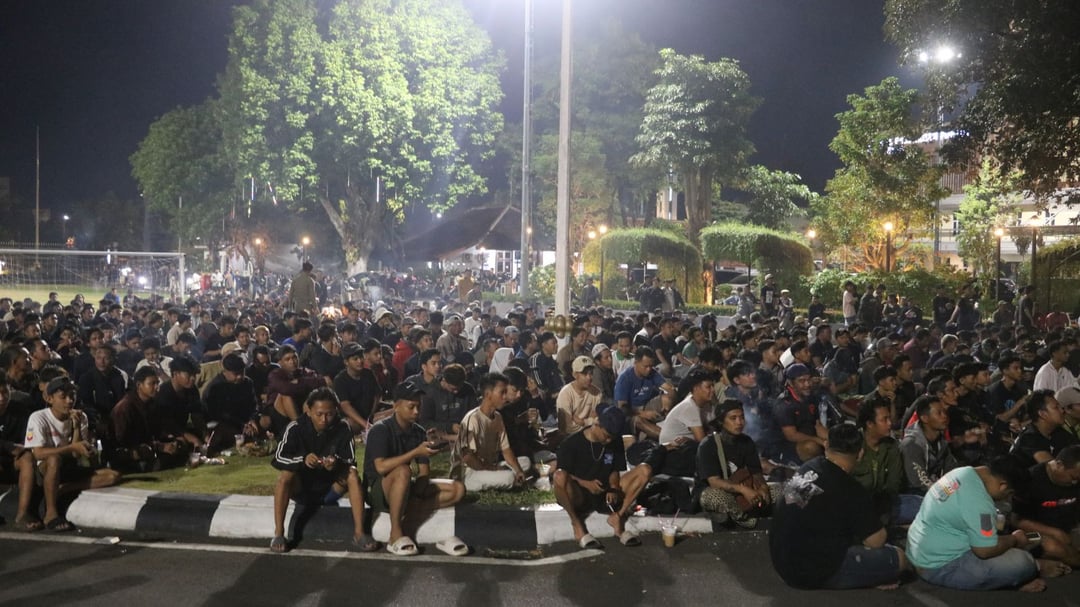
The scene offered a rare atmosphere for a typical night. Children wore their favorite team jerseys, teenagers captured moments before kickoff, and parents chatted while waiting for the match to begin. When the national anthems played, the chatter died down, and all eyes turned toward the screen.
As the match unfolded, the mood shifted with every play. Applause broke out during successful attacks, while cries of disappointment rang out when golden opportunities were missed. Some spectators rose to their feet in excitement, while others remained seated, engrossed in the tension of the game.
Among the crowd was Muhammad Saifullah, a resident of Jurang Village, Gebog District. Together with friends, he came to the pavilion seeking a shared experience rather than watching from home.
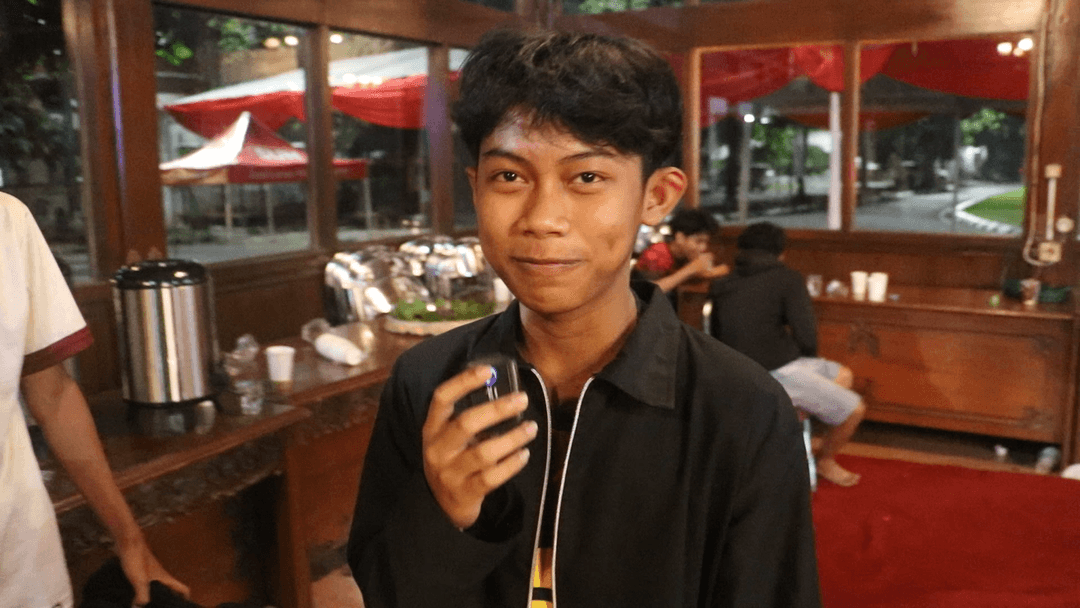
For him, the atmosphere of a public viewing event offers an irreplaceable thrill. The cheers of thousands make every moment of the match feel more vibrant. "I wanted to experience the euphoria of the public viewing; it is so exciting to be here with many friends," he said.
Saifullah supported Spain throughout the tournament, largely due to his admiration for the young squad, including his favorite player, Pedro Gonzales. He expressed hope that similar events would be held again, noting that public viewings are a simple way for the community to enjoy major matches together.
A similar sentiment was shared by Muhammad Satrio Wibowo, a resident of Kaliwungu Village. He chose to come to the hall with his friends to enjoy the match in a more lively and uninhibited atmosphere.
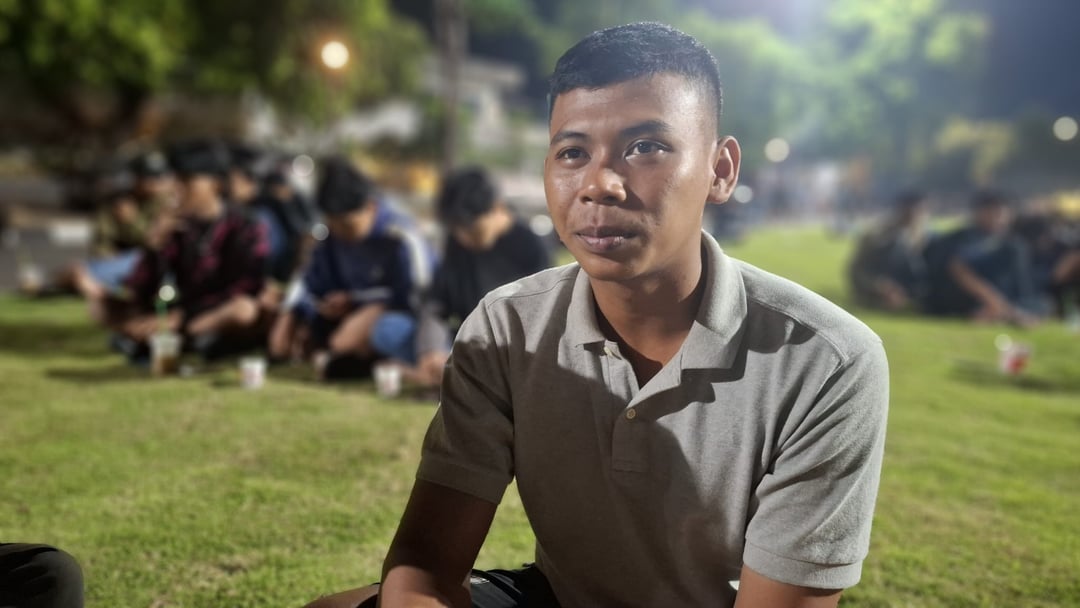
"The reason is just to have fun here; when it's crowded, we can shout and cheer together with friends," he explained.
Satrio praised Spain's consistent performance throughout the tournament. He recalled a tense moment mid-match when a golden opportunity was missed, prompting a collective reaction from the crowd—some covering their faces and others laughing at the sudden surge of tension.
While he enjoyed the event, Satrio suggested that future public screenings be held in larger venues to accommodate more people.
"I would suggest to the Regent that for next time, it should be held at the town square so it can be even more exciting," he said.
The warm atmosphere was also enjoyed by Melani Fatim. Along with her friend, Shifa Aulia, the Kudus local decided to join the public viewing after her home television failed to work.
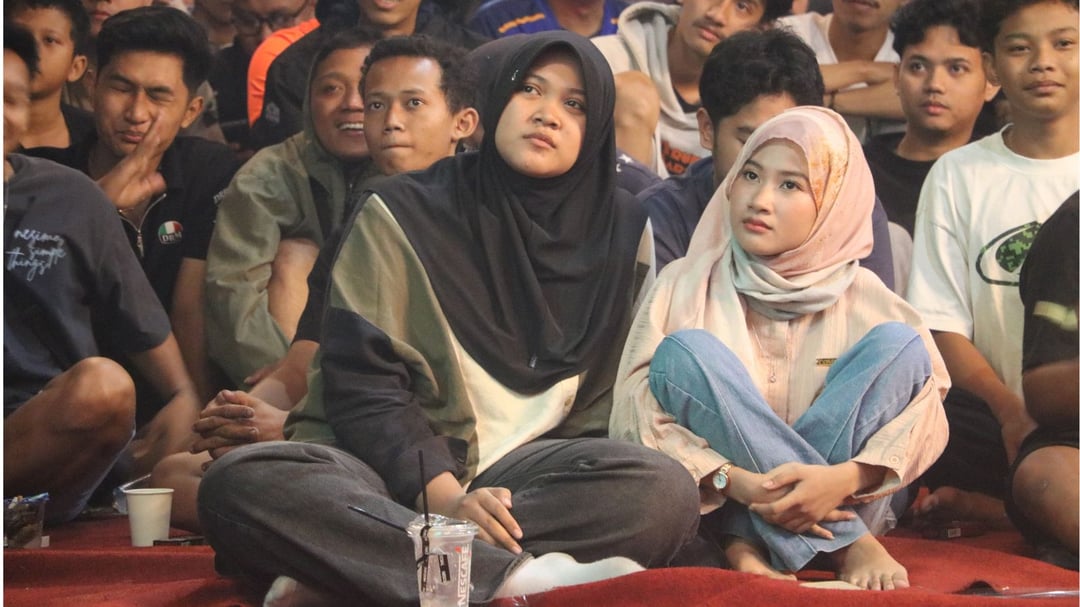
Once at the hall, however, her practical need turned into a memorable experience. She noted that the crowd made the match feel significantly more engaging than watching it alone.
"I came here because my TV at home wasn't working. Since it's crowded here, it feels much more fun, especially with friends," Melani said.
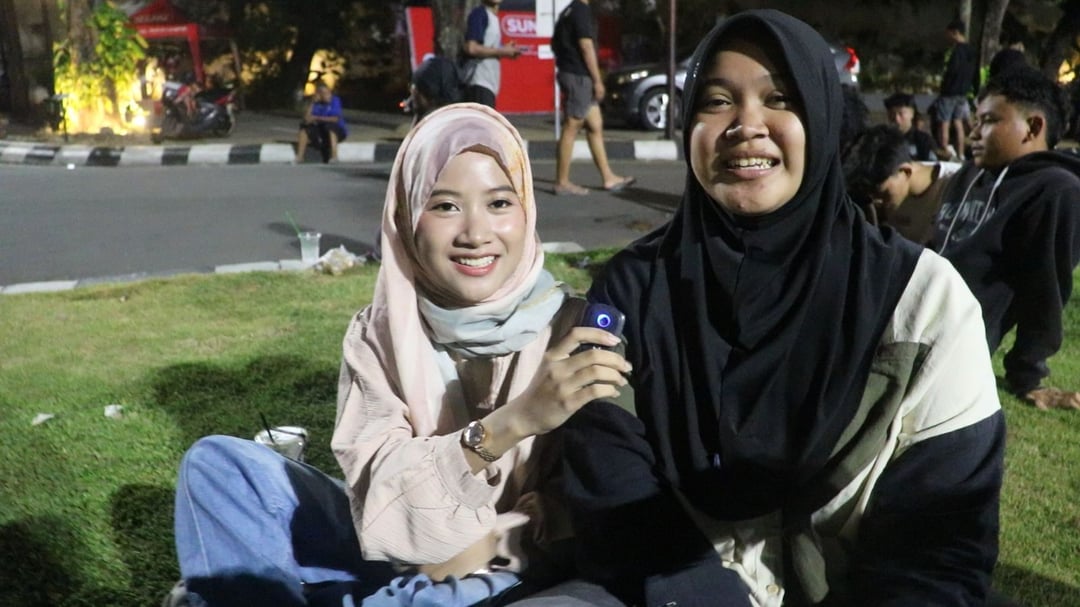
As a dedicated soccer fan, she followed the World Cup throughout the tournament. She noted that Spain’s performance throughout the event made them worthy of support, adding that she would gladly attend if the local government hosts future international match screenings.
“I would definitely come back for another public screening,” she said.
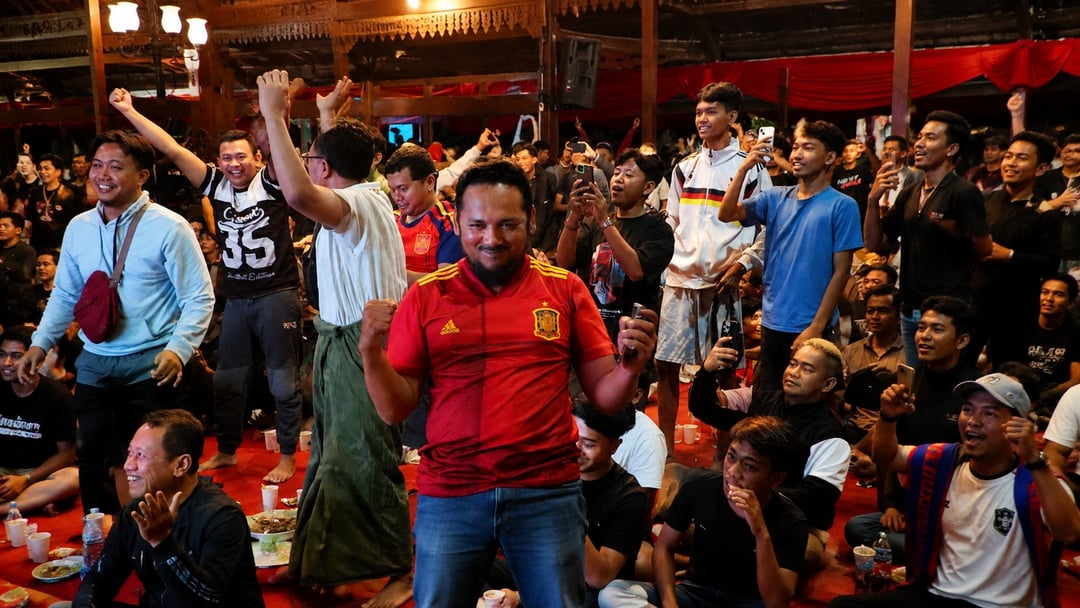
Beyond the excitement of the match, the Kudus Regency Government viewed the public screening as more than just entertainment. The event served as a communal space that brought residents together in a safe, orderly, and sportsmanlike environment.
Kudus Regent Sam’ani Intakoris praised the enthusiasm of the crowd that filled the hall throughout the night, emphasizing that the final result was secondary to the spirit of mutual respect between competitors.
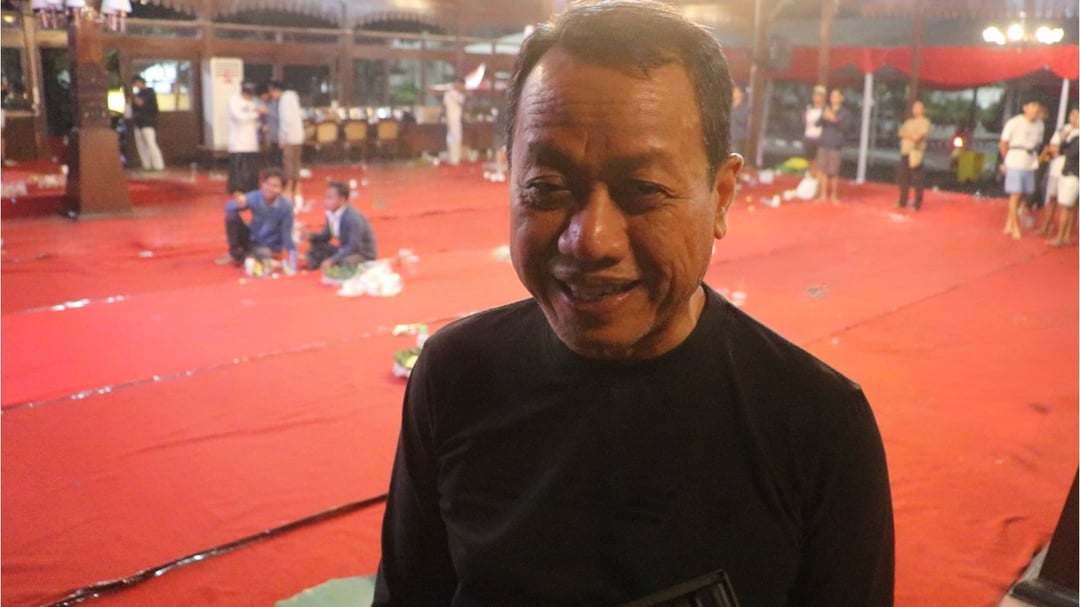
“We respect whoever wins and whoever loses. Today, by holding this public screening at the Kudus Regency Pendopo, we provided a space for the regional leadership forum and the community to watch together,” he stated.
He expressed hope that the spirit shown during the World Cup final would inspire the development of Indonesian soccer, noting that the cultivation of young talent must be prioritized through discipline, teamwork, and good sportsmanship.
The event also provided a boost to the local economy. Small and medium-sized enterprises set up stalls around the venue, offering food and beverages to the thousands in attendance as the match drew fans to the area.
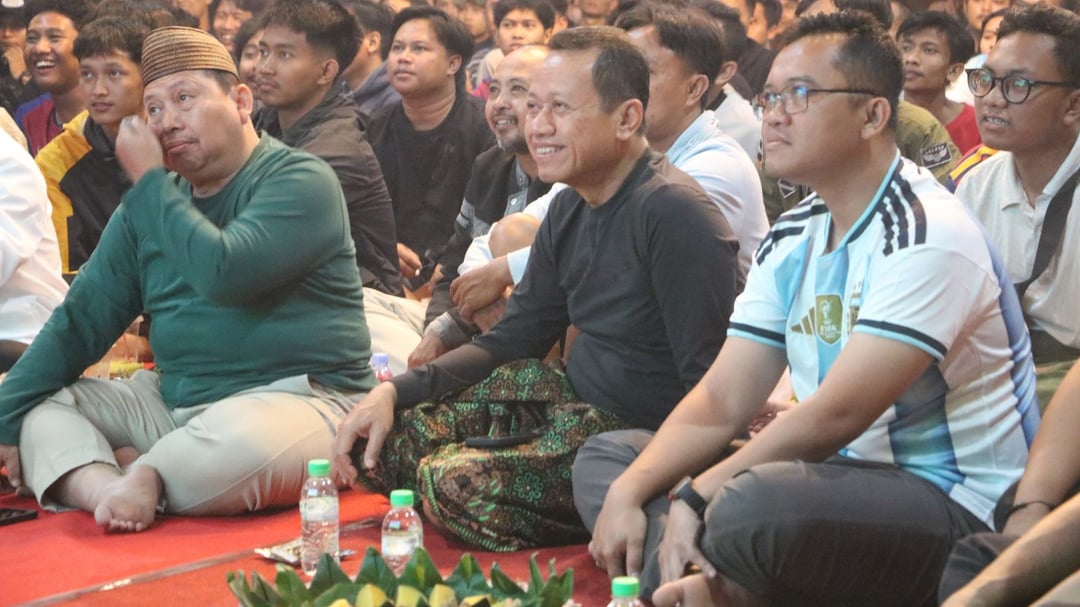
For Sam’ani, the event demonstrates that public entertainment initiatives can yield broader benefits when managed effectively.
“Public screenings stimulate the economy, particularly for our micro, small, and medium enterprises (MSMEs). And let us not forget to maintain cleanliness afterward. Once the match ends, we return to work to boost the economy and improve the welfare of the Kudus community,” he said.
Beyond stimulating the local economy, the high level of public enthusiasm provides the local government with insight for future events. Sam’ani indicated a willingness to organize similar public viewings for international matches if there is sufficient public demand.
This momentum aligns with upcoming sporting events in Kudus. Soon, the regency will host the Women’s Soccer Trilogy 2026, featuring the Srikandi Merdeka Cup 2026 from August 14-23, 2026, with participants from seven nations: Indonesia, Hong Kong, Thailand, Saudi Arabia, Singapore, Malaysia, and Jordan.
“If the public requests it, we will organize it. We welcome events like the Women’s Soccer Trilogy, especially with seven countries participating in the Srikandi (Merdeka Cup) competition in Kudus,” he said.
He urged residents to be hospitable hosts to international guests. Simultaneously, he encouraged MSME operators to prioritize product quality, cleanliness, and hygiene to leave a positive impression on visitors.
As the final whistle blew, cheers filled the pavilion. Spain secured victory over Argentina in the 2026 World Cup final following a tightly contested match. Some spectators embraced, others captured the moment on their phones, while many lingered to discuss the match before departing.
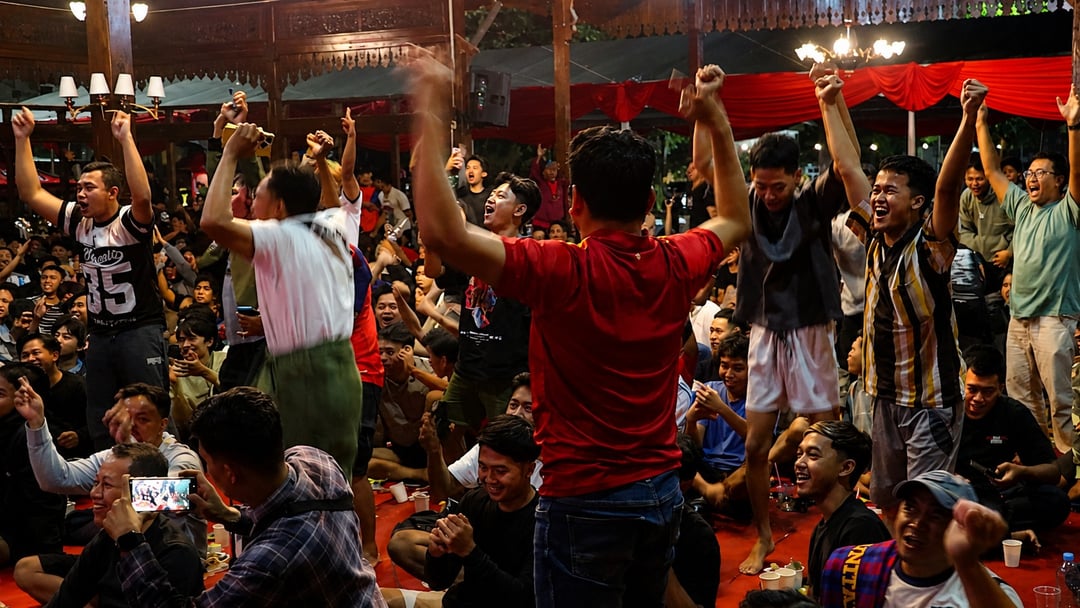
The evening left an impact beyond the match results. The public screening at the Kudus Regency Pavilion highlighted football’s ability to provide a shared space for the community to celebrate, respect differing allegiances, and strengthen social bonds.
As the screen went dark and the pavilion emptied, the event left more than just the memory of Spain’s World Cup win. Residents departed with the experience of a public space serving as a hub for thousands united by a common spirit. For one night, football successfully unified cheers, laughter, and hope in a communal experience that will be remembered long after the final whistle. (JMY/mainkekudus)