KUDUS – The development of futsal in Kudus Regency goes beyond seasonal tournaments. The sport is actively growing across schools, clubs, academies, and community groups. This momentum necessitates a solid development ecosystem to ensure the progress of young players does not stall after the conclusion of a competition season.
The Amateur Futsal Association (AFA) of Kudus Regency has emerged as a key player in fostering this environment. Responding to the dynamics on the ground, stakeholders have initiated efforts to unite the community. Coaches, referees, and futsal enthusiasts have officially gathered under the banner of the Kudus Futsal Lovers (PFK).
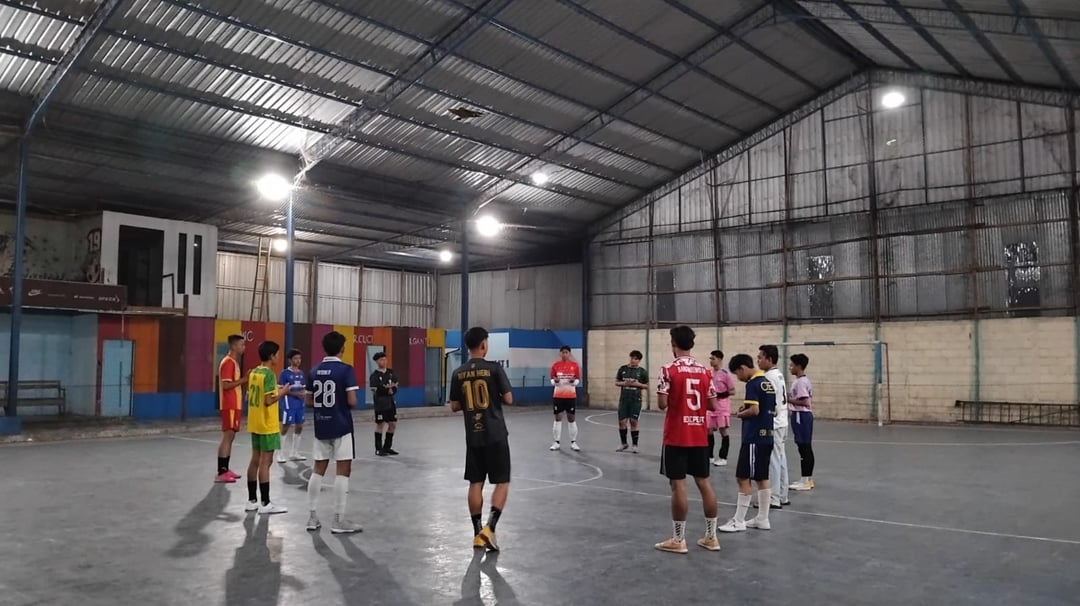
Founder of the Kudus Regency AFA, Dwi Maylani, explained that the PFK was born from a collective commitment to advance local futsal inclusively. The organization serves not only athletes but all pillars of the futsal community in Kudus.
“Kudus Futsal Lovers represents the commitment of those who want to see futsal in Kudus continue to progress. It brings together coaches, referees, and community members dedicated to talent development,” said Dwi.
The initiative to establish PFK is rooted in the long-standing futsal culture in Kudus. While the passion has existed for some time, the formal consolidation of stakeholders was only realized this year.
Each element within PFK holds a strategic role. Coaches are directly involved in technical training, referees ensure fair play, and the community provides moral and logistical support in their respective areas.
The commitment of PFK accelerated following the 2026 Provincial Championship (Kejurprov). Since then, the community has been actively facilitating the participation of young players in various competitive events.
For Dwi, the progress of futsal should not be measured solely by the number of players or the volume of tournaments. Student-age athletes require structured development to ensure their potential is nurtured optimally and consistently.
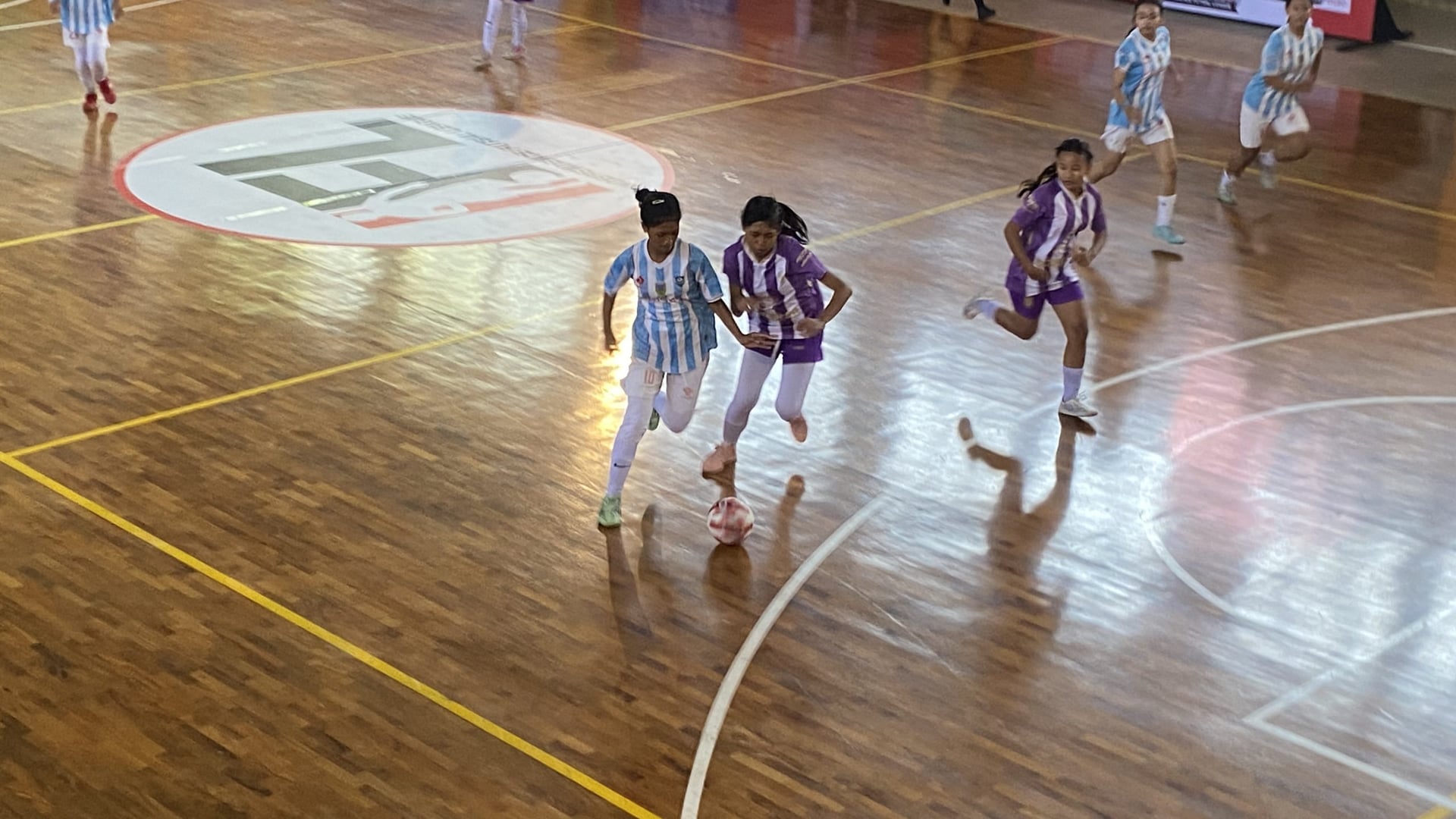
To achieve this, PFK facilitates competition experience for young athletes. The community sent girls' U-15, U-17, and U-19 teams, as well as boys' U-15 and U-19 teams, to compete in the 2026 Provincial Championship (Kejurprov) in Batang. Additionally, PFK participated in the K League in Pati and conducted the IFL Goes to School program in collaboration with the organizers of the 2026 Independence Futsal League (IFL) in Kudus.
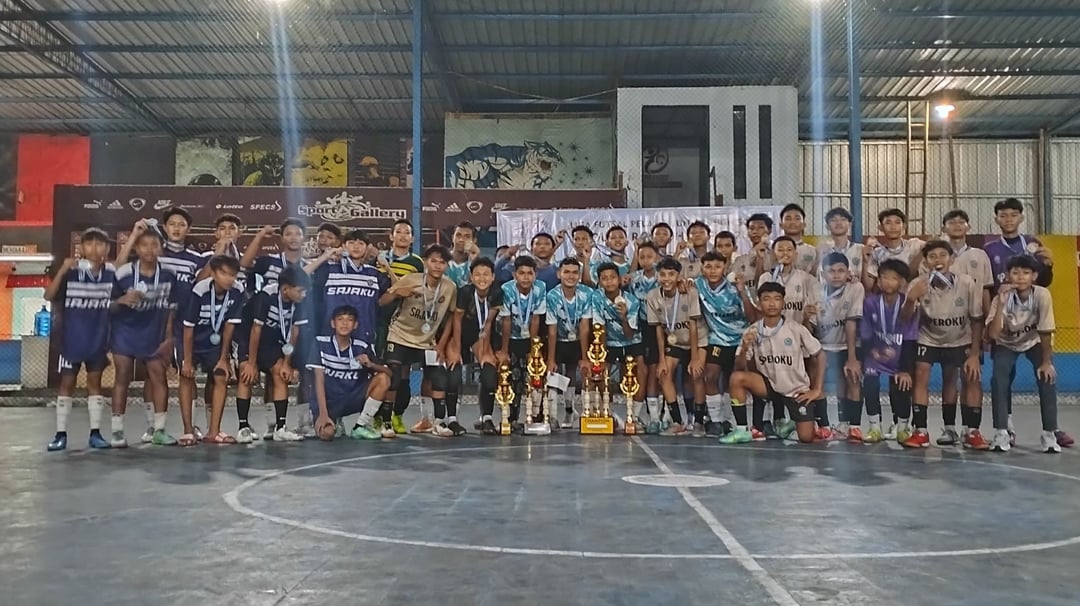
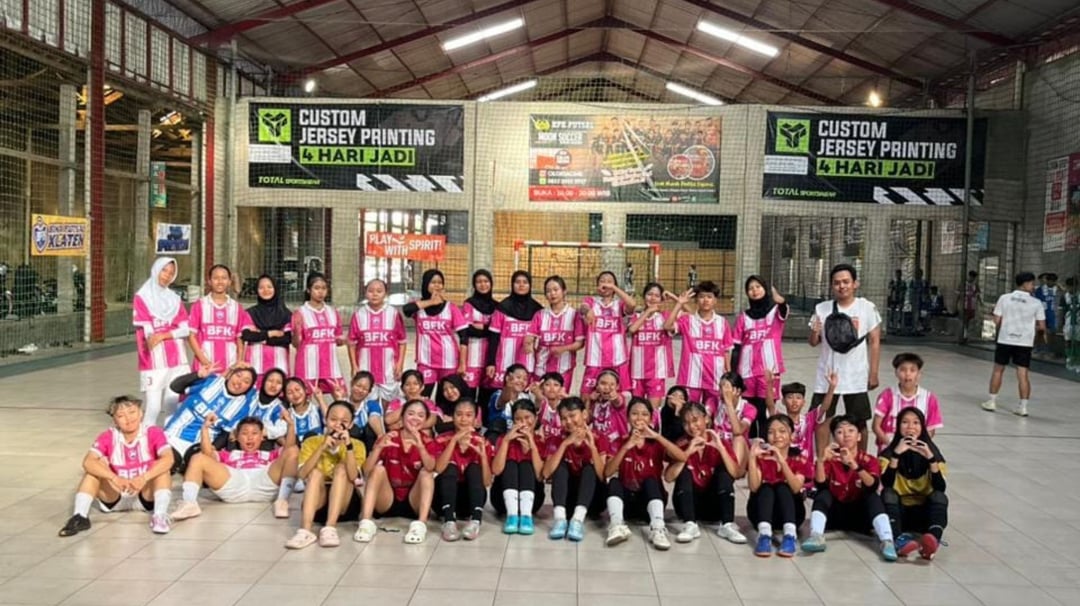
These events are designed to broaden the athletes' competitive horizons. Beyond internal training, they gain vital experience testing their mental resilience against opponents from other regions.
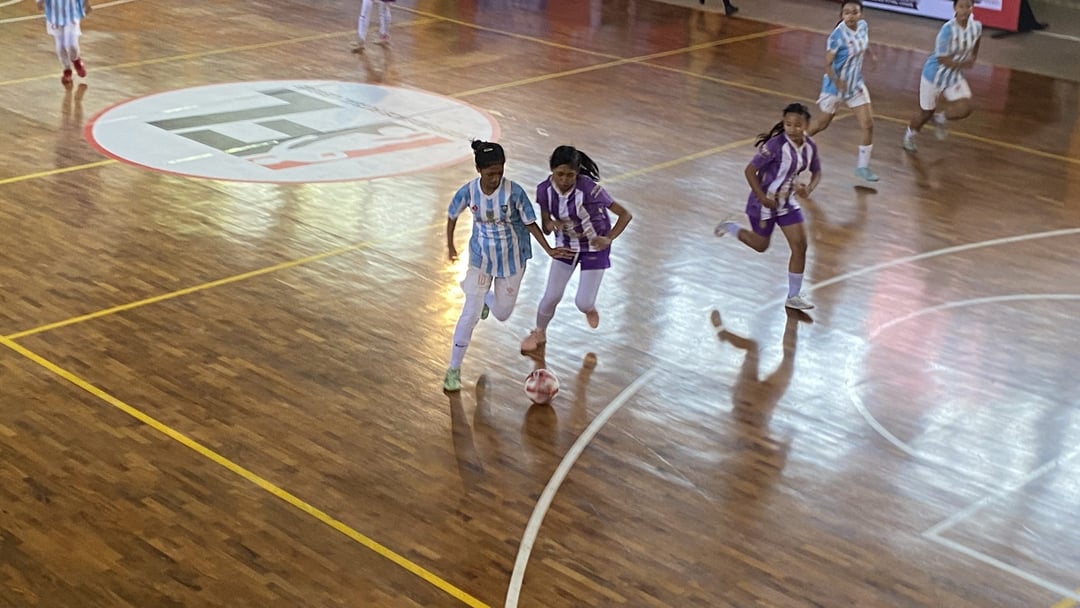
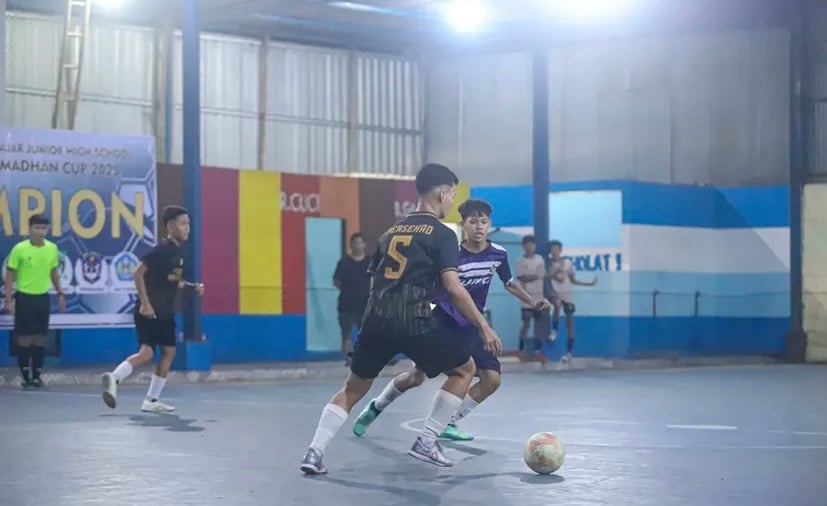
For school-aged athletes, match-day atmosphere is crucial to the learning process. While routine practice builds the technical foundation, competition tests mental durability and tactical acumen.
Dwi emphasized that players with strong individual technique and tactical vision still require a stage to prove themselves, noting that this experience can only be gained by making decisions under the pressure of live matches.
"Talented players with strong vision still need competitive game time. Such experience cannot be replicated in standard training; it must be earned through official competition," he explained.
He suggested that the frequency of student futsal tournaments in Kudus needs to be increased, ideally to a rotation of at least once per month.
The need for recurring competition is urgent, given the relatively short duration of school-level development. High school students, for example, have an active window of only about three years. If tournaments are held only once a year, their opportunities to gain experience are extremely limited.
Consequently, Dwi is urging organizers to expand tournament categories to include elementary, junior high, and high school levels.
"I hope event organizers will open categories for girls, as well as for junior high and even elementary school levels. By doing so, we can begin scouting talent from a younger age," he added.
The 2026 Independence Futsal League serves as proof that the student futsal scene in Kudus remains vibrant. For the local ecosystem, the event acts as a platform to evaluate the effectiveness of training programs implemented by schools and clubs.
However, tournaments remain only one pillar of the development cycle. Post-match, players require in-depth evaluation, follow-up training programs, and ongoing guidance from coaches.
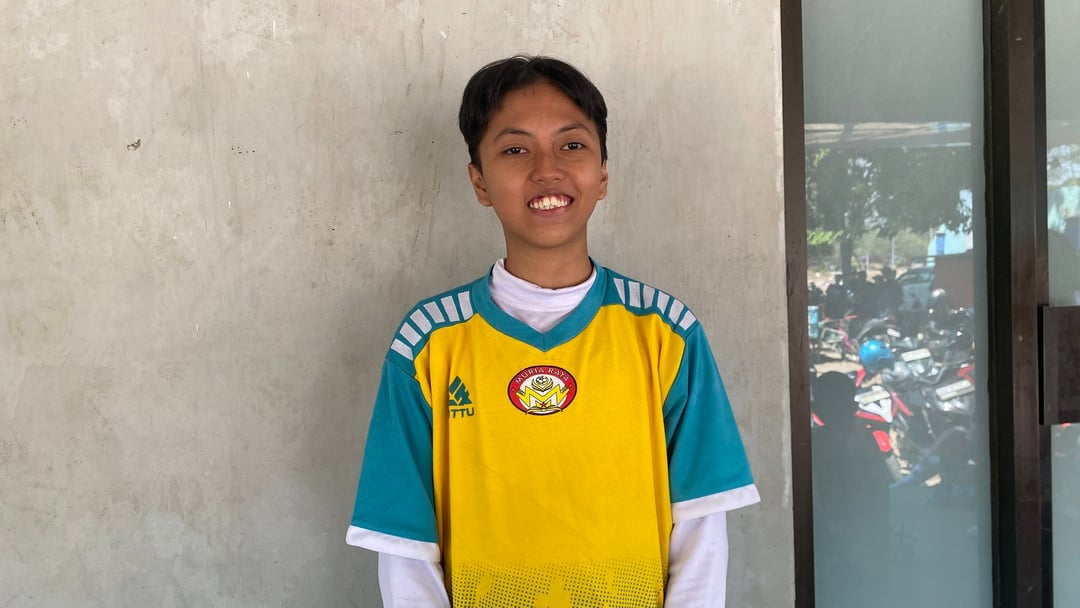
The tangible benefits of this development pathway are evident in the journey of Carissa Leylani, whose career began as a simple school extracurricular activity.
Now an 11th-grade student at SMAN 2 Kudus playing for the Garuda Teratai club, Carissa first discovered futsal while in the eighth grade at SMPN 1 Kaliwungu. Her interest was sparked by Dwi Maylani, her extracurricular coach at the time.
Carissa admits she initially had little interest in sports, viewing futsal only as a way to fill her spare time. However, consistent training eventually shifted her perspective, leading her to embrace every step of the development process.
Her commitment deepened as she entered competitive play. In January 2025, she made her debut in a women's student futsal league organized by the AFA.
During those opening matches, Carissa was still adapting, noting that her passing accuracy and physical conditioning had yet to fully develop. Despite this, she was given significant playing time to gain experience.
That experience taught her the stark difference between practice and competitive pressure, where she learned to control the ball while managing crowd noise and making split-second tactical decisions.
"Beyond the technical aspects, the most important thing on the court is mentality. The match atmosphere is vastly different from a regular training session," the 11th-grade student said.
The experience pushed her to train harder. She realized that futsal is not just a test of ball handling but a way to build confidence—a positive trait that has since helped her social interactions outside of sports.
Futsal is now Carissa’s primary focus as she sets her sights on a lofty career goal: earning a spot on the Indonesian Women's National Futsal Team.
The growth of young athletes like Carissa has not gone unnoticed by local coaches. Tri Damar, a coach at the Privat Futsal Club Academy who also instructs at SMPN 1 Bae, SMKN PGRI 1, and SMPN 1 Kudus, noted a positive shift in student interest toward the sport.
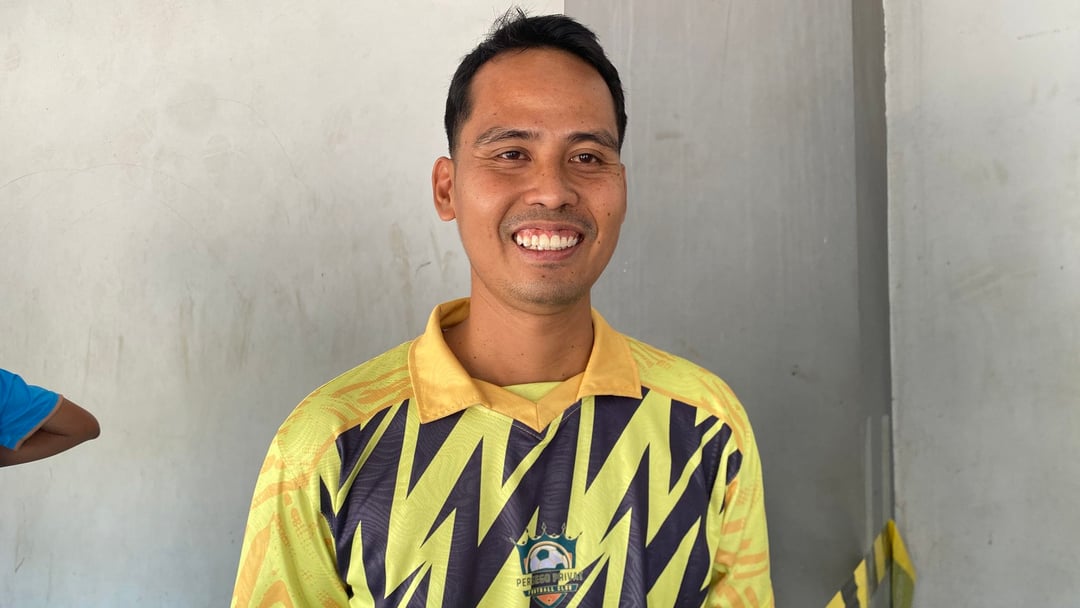
According to Tri, children now tend to choose futsal as their primary sport from an early age, rather than viewing it as a secondary alternative to traditional field soccer. This shift in interest allows coaches to introduce specific fundamental futsal techniques much earlier.
However, challenges remain. A significant skill gap persists among junior high school students, often forcing coaches to revisit basic concepts to ensure all players maintain a consistent level of understanding.
“At the junior high level, players should ideally be in a development phase. In reality, we frequently have to start back at the fundamentals,” said Tri.
Given these challenges, Tri emphasizes the importance of balancing technical proficiency, discipline, and mental toughness. Competitions serve as an objective benchmark to measure how effectively players are absorbing training.
The results of matches also impact a player’s psychology. While victories can boost confidence, losses may diminish motivation if not handled with proper guidance.
“Wins can spark curiosity and a drive to compete at higher levels. Conversely, if a loss is not managed well, it can have a negative impact on a child's mental state,” he explained.
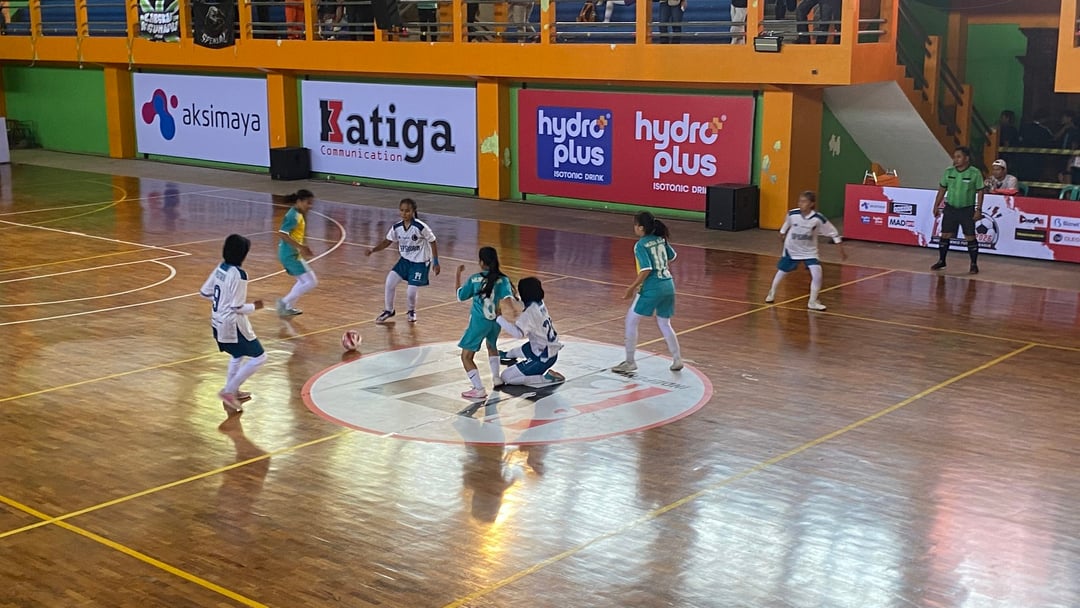
At SMPN 1 Kudus, students attend extracurricular sessions once a week, supplemented by up to three additional training sessions at the academy. For Tri, the success of youth development is not measured solely by trophies, but by the progressive improvement shown by students over time.
“At the junior high level, our primary focus is to observe consistent improvements in the quality of play each week or throughout the tournaments we participate in,” he said.
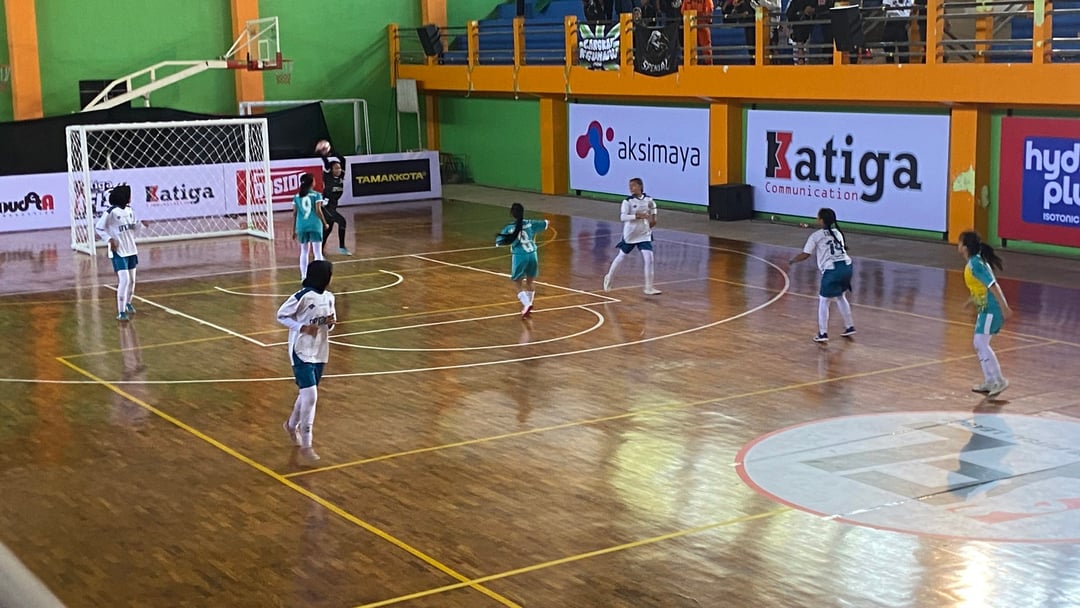
The resilience of the futsal ecosystem in Kudus ultimately relies on the continuity of development programs. Schools serve as the entry point for introduction, clubs and academies act as hubs for talent refinement, competitions provide a stage for testing skills, and the community unites all supporting elements.
PFK plays a strategic role within this chain by consistently promoting the involvement of young players at various levels. This initiative serves as a crucial foundation for building an inclusive and sustainable sports ecosystem.
For beginners, even modest opportunities to compete offer invaluable experience. They learn the importance of training discipline, mental readiness, and how to process match outcomes.
Carissa’s journey serves as a tangible testament to this process. Transitioning from a student unfamiliar with the sport, she developed through extracurricular activities, gained a platform to compete, and is now firmly pursuing her dream of representing the national team.
Naturally, not every player will choose the same professional path. However, access to these opportunities allows young athletes to develop a deeper appreciation for the sport.
Young players require more than just access to fields; they need consistent competitions, proper coaching, support from schools and clubs, and a conducive environment. When these resources are provided sustainably, players remain motivated to return to training and sharpen their skills from one match to the next. (OEB/mainkekudus)