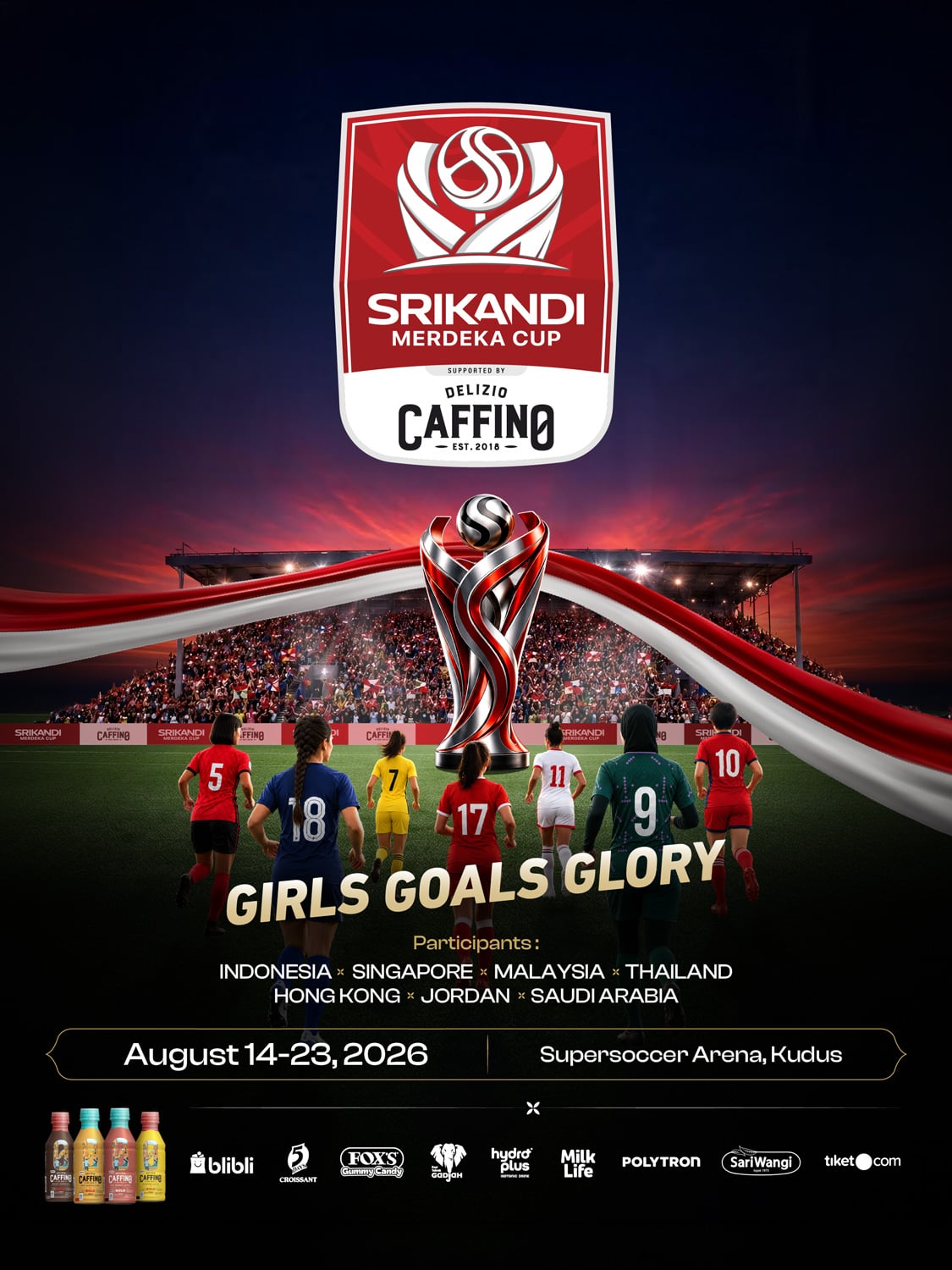
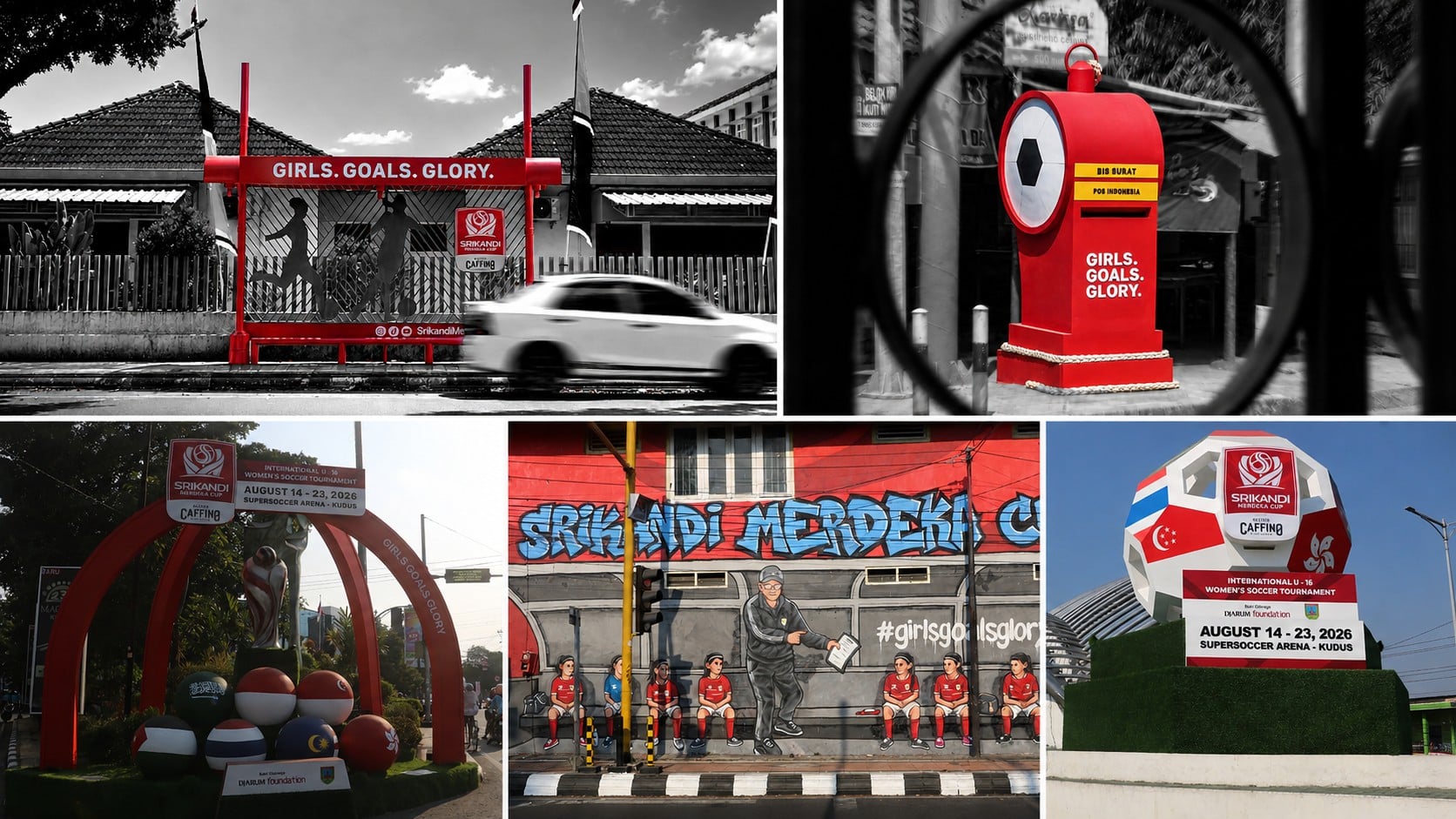
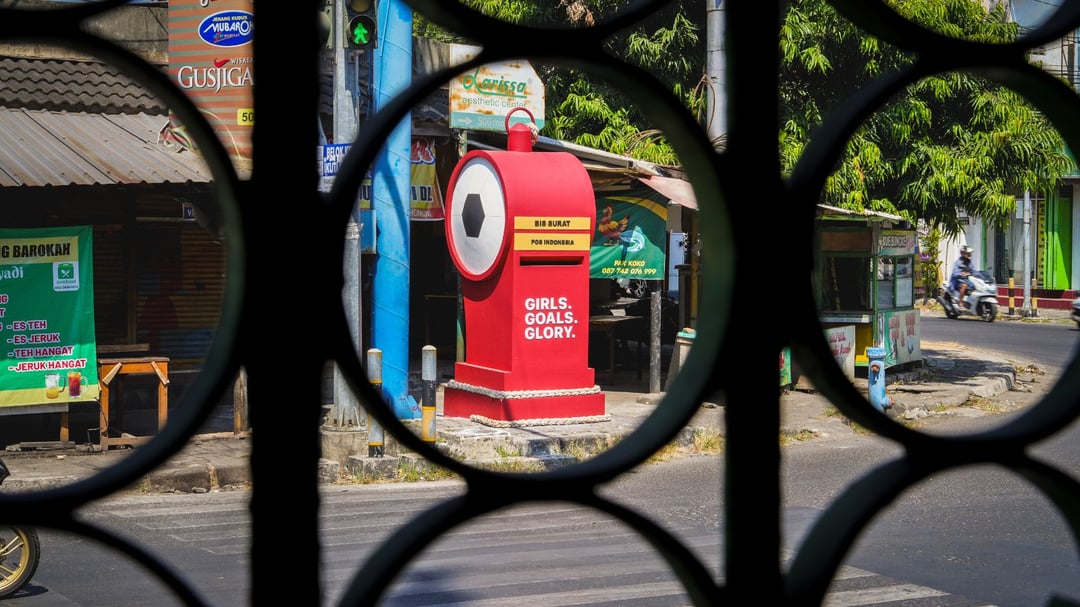
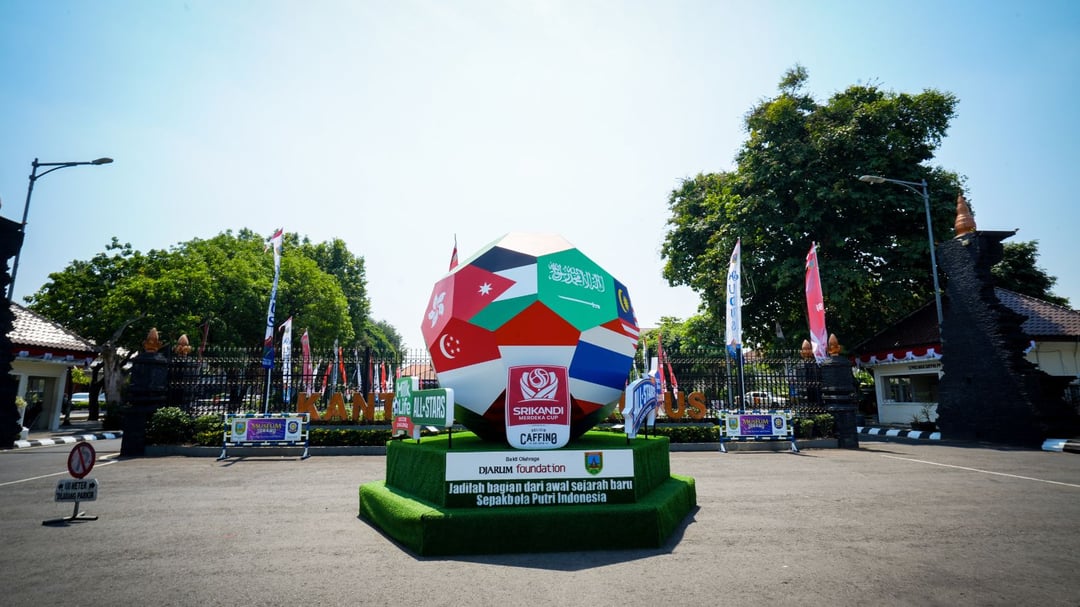
KUDUS – To celebrate the 2026 Caffino Srikandi Merdeka Cup, the spirit of the international women's football tournament has taken over several public spaces in Kudus. Giant soccer ball installations, thematic murals, and tournament ornaments now decorate various city landmarks, ranging from the Simpang Tujuh Square and Taman Pentol to the town square walls and the Sosrokartono Post Office.
These displays are part of the broader atmosphere surrounding the Caffino Srikandi Merdeka Cup in Kudus, integrating the tournament's identity into the heart of daily civic life. Throughout the ten-day event, from August 14–23, 2026, these visual elements serve as a backdrop for both local residents and the many international guests visiting the city.
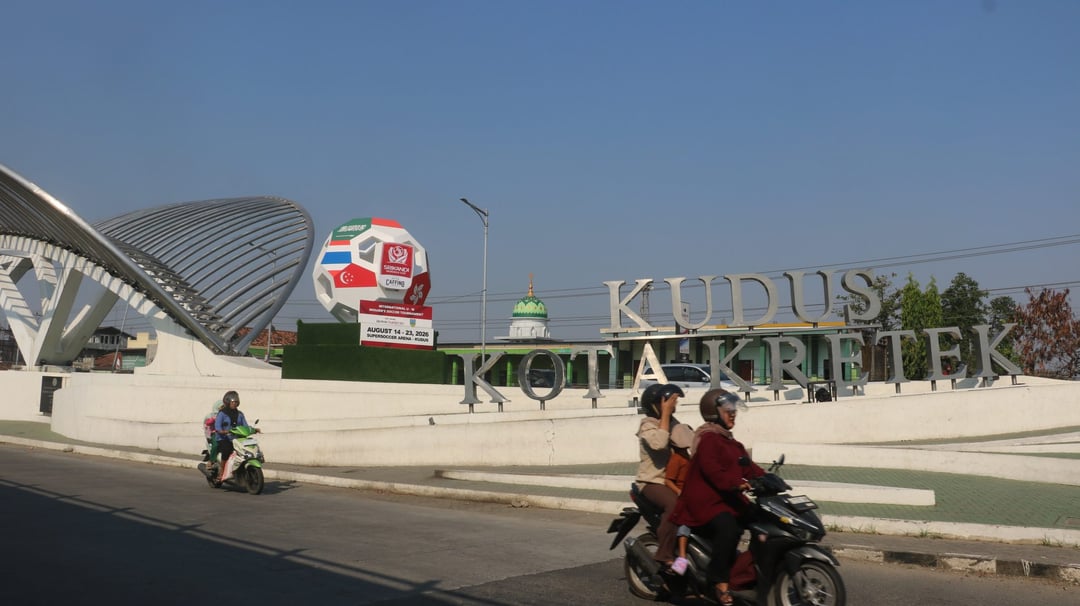
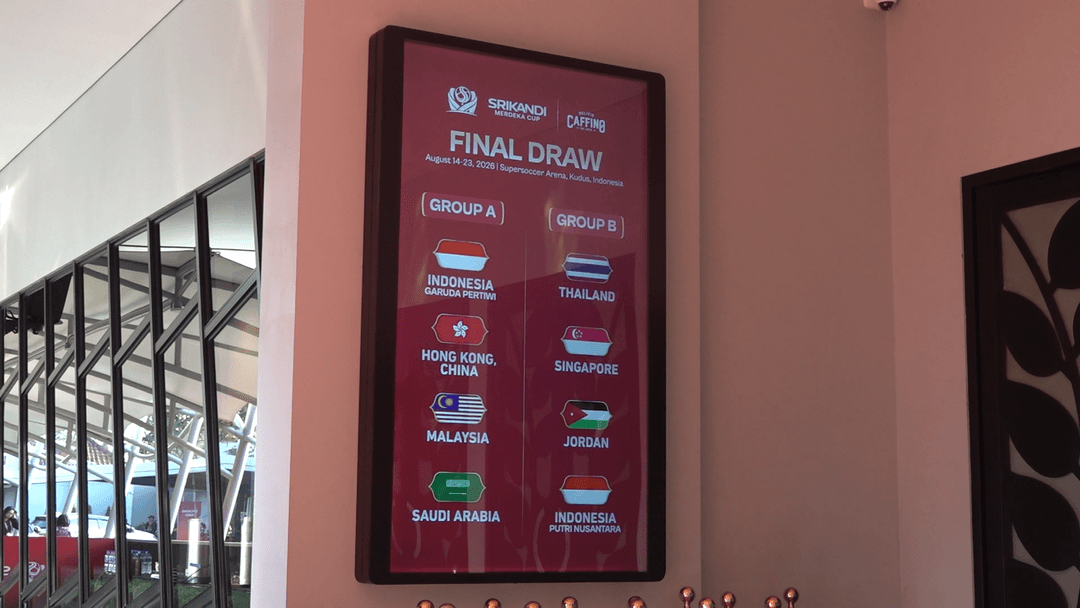
Hong Kong, Malaysia, Saudi Arabia, Thailand, Singapore, and Jordan are among the seven nations participating in the 2026 Caffino Srikandi Merdeka Cup, which is being held at the Supersoccer Arena in Kudus as part of the international women's football competition.
The arrival of international participants has brought a unique energy to Kudus. Athletes, team officials, families, and spectators from across the globe have become central to the tournament's vibrant atmosphere, while the identity of the Caffino Srikandi Merdeka Cup remains visible through the various installations placed throughout the city.
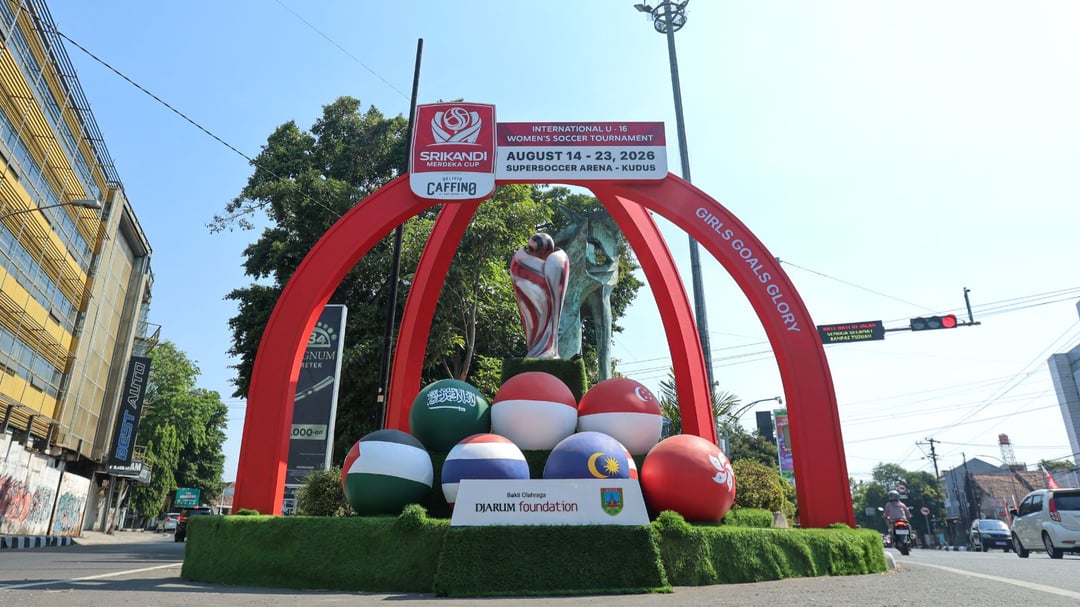
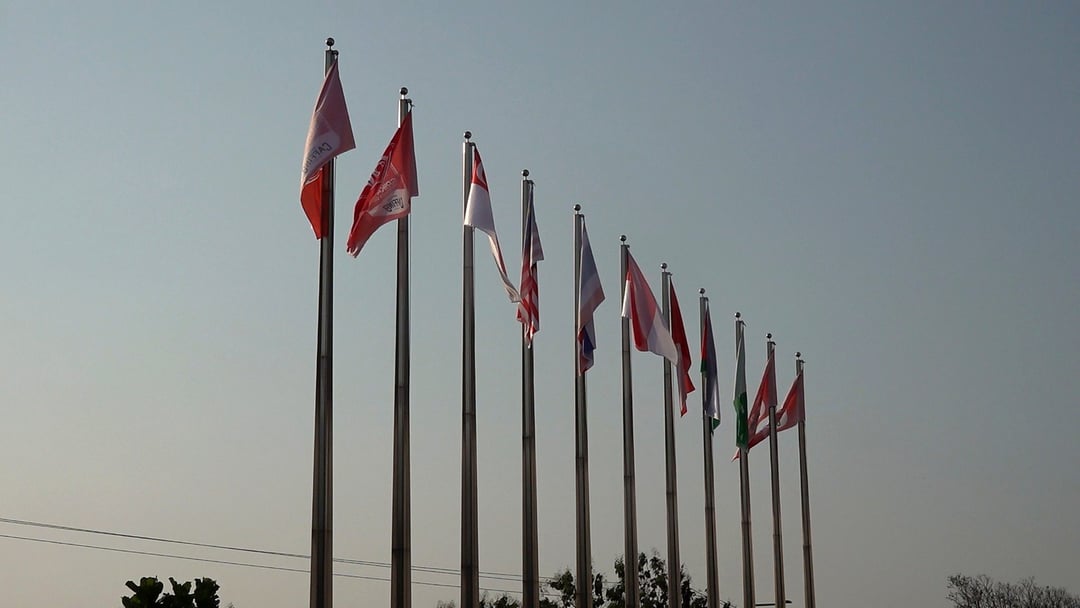
Installations themed around the 2026 Caffino Srikandi Merdeka Cup have been positioned at various strategic locations throughout Kudus. These include large-scale soccer balls featuring the tournament logo and the flags of participating nations, helping to raise public awareness of the international competition.
Tournament-themed murals have also been unveiled on Jalan Ramelan, Kudus. Additional ornaments have been placed at key sites, including the Simpang Pentol and Proliman intersections, the town square, and the area surrounding the Kudus Regency Hall, ensuring a diverse and visible presence for the event across the community.
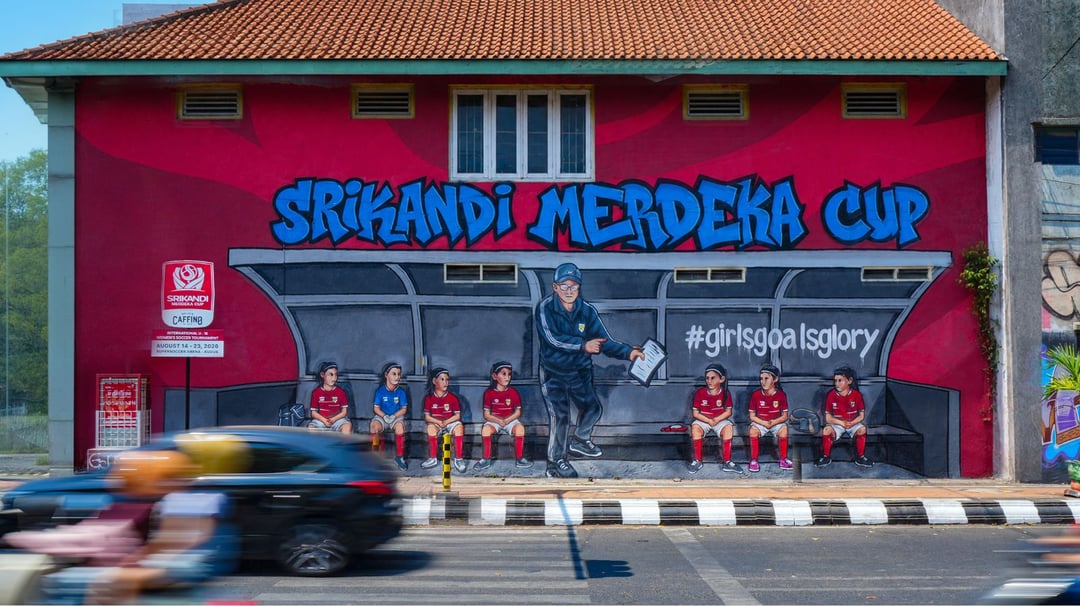
For local residents, the decorations have become a fixture of the cityscape throughout the tournament. The public can identify the Caffino Srikandi Merdeka Cup without having to visit the Supersoccer Arena in person to watch the matches.
For participants and delegations visiting from other regions or abroad, these decorations enhance their experience while in Kudus. The tournament's branding is visible throughout the city, integrating public spaces into the broader competition experience.
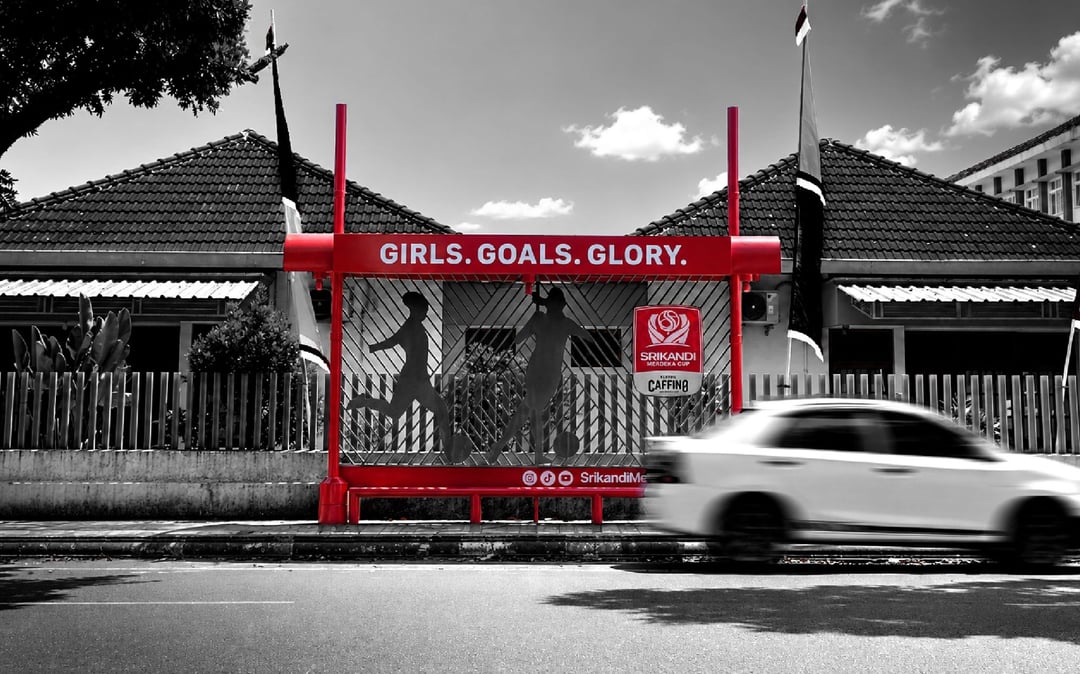
This display highlights how an international event can leave a visual footprint within its host environment. Giant spheres, murals, and tournament-themed ornaments not only embellish parts of the city but also bring the spirit of competition into spaces used by residents for their daily routines.
Over its ten-day duration, the Caffino Srikandi Merdeka Cup has drawn a crowd far larger than the athletes competing on the pitch. Indonesia is represented by two teams, Garuda Pertiwi and Putri Nusantara, competing against squads from six other nations at the Supersoccer Arena in Kudus.
The arrival of international participants includes team officials, staff, family members, and spectators. Many traveled to support their teams, follow the tournament schedule, or accompany players during their stay in Kudus, creating a surge in demand for local services.
Accommodations have become a primary necessity for those staying in Kudus for the tournament. Daily needs such as food, beverages, and transportation services have also seen increased demand to support the mobility of participants and guests throughout the event.
This influx has fostered an intersection between the sporting event and daily city life. Attendees are utilizing local services, while engaging with local business owners and residents.
For local businesses, the event provides an opportunity to serve visitors from various regions and countries. Food products, lodging, and transportation have become integral parts of the experience for those attending the tournament.
Ultimately, the tournament has spurred activity across multiple sectors. The movement of participants and their entourages over the ten-day period offers local residents and businesses the chance to participate by providing essential services.
The trade sector surrounding the Supersoccer Arena is experiencing a direct impact from the tournament. The presence of players, officials, families, and fans has led to a rise in demand for food, beverages, and other services near the venue.
M. Faiz Anwari, Head of the Cooperatives and SMEs Division at the Kudus Manpower, Industry, and Cooperative Office, noted that approximately 51 street vendors near the stadium are well-positioned to benefit from increased economic activity during the competition.
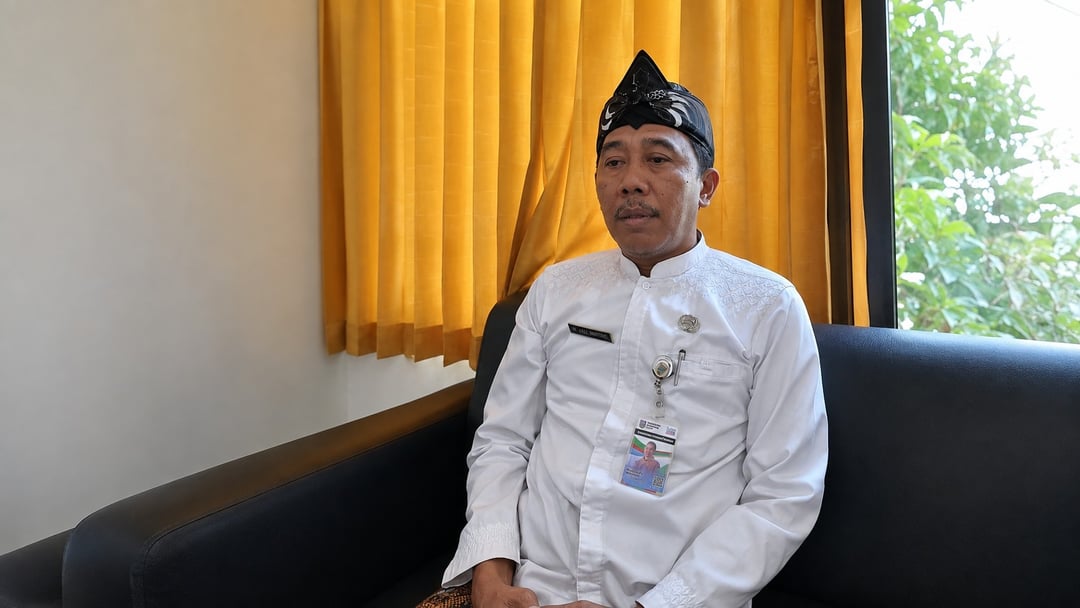
Vendors are being managed and organized to support the event. Stall arrangements may be rotated as needed to ensure orderly operations while maintaining consistent service for visitors throughout the match schedule.
Most local businesses operate within the culinary sector. The influx of visitors makes food and beverage services essential. This presents an opportunity for vendors to serve a diverse consumer base, including international participants and guests.
This opportunity carries a responsibility to maintain high standards of service and quality. Vendors are urged to prioritize food safety, equipment hygiene, and cleanliness of the surrounding environment to ensure guest comfort.
Key areas of focus include the use of gloves, clean utensils, and potable water for dishwashing. These measures are necessary to accommodate visitors from various regions, including international guests with differing needs and standards.
Pricing is also a critical component of service. Welcoming guests from seven countries involves providing a positive experience beyond the arena. Business owners are strongly advised against raising prices during the tournament. Fair pricing and quality service contribute to the overall impression of the host city.
Faiz noted that international events offer MSMEs a platform to introduce local products to a broader audience. Local cuisine can play a significant role in enhancing the experience for guests visiting Kudus.
“We hope that international spectators will leave with a positive impression of our culinary offerings and hospitality,” he stated.
Similar expectations apply to the lodging sector. Hotels and guesthouses are urged not to hike prices during the event. Instead, they are encouraged to improve service quality to meet the needs of participants and guests staying in Kudus for the Caffino Srikandi Merdeka Cup.
The increased economic activity is expected to boost income for MSMEs, particularly in the food and beverage industry. On a broader scale, the tournament is anticipated to contribute to the local government’s revenue.
From a sporting perspective, the Caffino Srikandi Merdeka Cup provides an additional platform to promote women's football in Kudus. The international competition demonstrates that women's football has a global stage and can become a staple of the community's sporting experience.
Kudus Youth and Sports Agency Sports Division Head Widhoro Heriyanto noted that women's football still requires broader promotion. He acknowledged that the sport has previously been underestimated by some segments of the local community.

Consequently, introductions are being made gradually, including through schools. The Disdikpora is also providing training for physical education teachers on girls' soccer coaching. These efforts are part of a process to broaden awareness while building an environment that supports the development of girls' soccer.
The presence of international matches provides additional room for this process. Children and female athletes who have been undergoing training can now see firsthand female players from various countries competing in an international tournament.
This experience demonstrates that girls' soccer offers a broader competitive landscape. They can observe players in their same age group representing their countries in an international tournament, while also recognizing that the sport can be a pathway to develop skills and achieve success.
Widhoro hopes this experience will motivate female athletes to continue training and embrace soccer as a route to achievement.
“These events motivate them to become soccer athletes, which might have been previously overlooked or considered somewhat taboo,” he said.
Witnessing an international competition also bridges the gap between local training processes and the broader competitive horizon. Young athletes gain more than just spectator experience; they see players integrated into the international women's soccer environment.
For Kudus, it is hoped that this experience will not end with the conclusion of the Caffino Srikandi Merdeka Cup. Widhoro hopes this tournament serves as a precursor to future girls' soccer events in the Kudus Regency.
“This serves as a starting point for future events of a similar nature that could be hosted in Kudus Regency,” he added.
This aspiration opens the possibility for the experience gained through the Caffino Srikandi Merdeka Cup to be continued in subsequent activities. Support for female athletes can remain consistent, while the hosting of competitions provides space for the community to engage with and follow the progress of girls' soccer.
The Caffino Srikandi Merdeka Cup series highlights the connection between sporting events and the broader activities within Kudus. Decorations introduce the tournament’s identity to public spaces, participants and guests engage with city services, and local businesses are given opportunities to serve visitors throughout the competition.
Conversely, international matches provide a unique experience for children and female athletes involved in development programs. By watching players from diverse nations compete, they gain insights into the competitive landscape, which serves as a vital step in their athletic growth.
The interplay between sports, the community, business stakeholders, and developmental programs forms the backbone of Kudus's sports tourism ecosystem. A tournament transcends mere on-field action, generating human traffic, service demands, economic opportunities, and sporting experiences for the public.
Over its ten-day duration, the Caffino Srikandi Merdeka Cup became deeply integrated into city life, impacting public spaces, commerce, lodging, dining, and women's football development. Each facet provided distinct experiences for participants, visitors, entrepreneurs, young athletes, and the local community.
These experiences offer a foundation for Kudus to continue cultivating sports events that are intrinsically linked to urban life. Anticipation for future women's football events highlights how the legacy of such a competition can be sustained through ongoing training, economic activity, and the potential to host international sporting events locally.
Ultimately, the Caffino Srikandi Merdeka Cup leaves behind more than just the results of a ten-day tournament. It has provided invaluable experience for young athletes, opportunities for businesses, community interaction, and a platform for Kudus to strengthen its sports tourism ecosystem by integrating sports more deeply into the life of the city. (OEB/mainkekudus)