
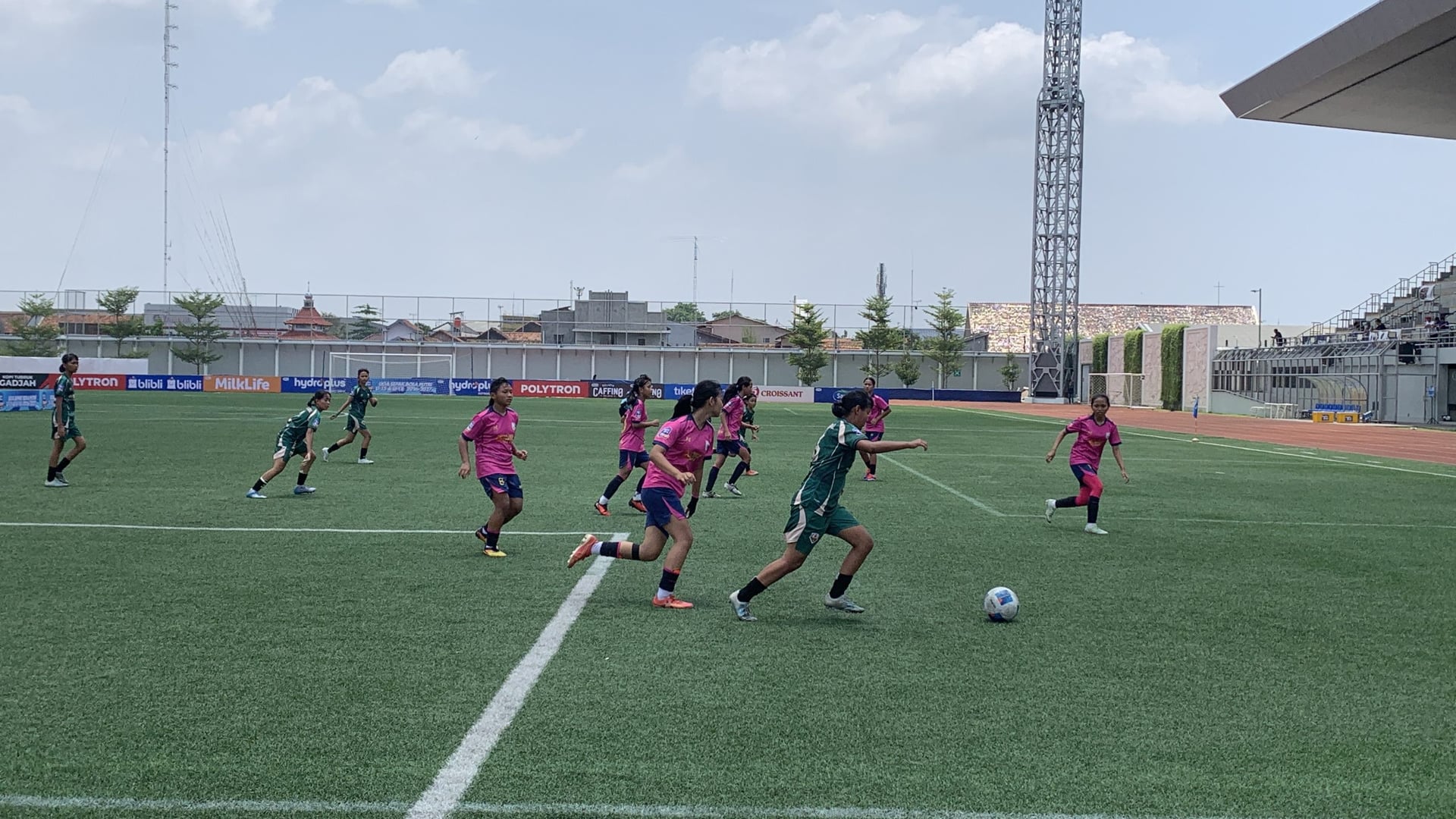
KUDUS – Entering its third year in Kudus, the HYDROPLUS Soccer League is further strengthening its commitment to fostering the women's football ecosystem. The number of participating teams has steadily risen, growing from 11 in the 2024 inaugural season to 21 in the 2025/2026 season, and reaching 23 teams for the 2026/2027 season. This expansion highlights the growing involvement of clubs and football academies (SSB) in providing sustained competitive opportunities for female talent.
In the inaugural season, Scorpions FC Kudus claimed the title, accumulating 53 points from 17 wins, two draws, and one loss. Meanwhile, the 2025/2026 Kudus regional titles were secured by Scorpion FC in the U-15 category and Samba Persada Women in the U-18 category. The league's continuity into its third season provides players with ongoing opportunities to refine their skills and progress through the development pipeline.
Young female footballers require a consistent competitive platform to ensure their development does not stall after early childhood. Regular match experience, opportunities for performance evaluation, and support from clubs and families are vital to their ongoing growth.
The HYDROPLUS Soccer League 2026/2027 addresses this need through its U-15 and U-18 age-group competitions. The league serves as a bridge for players who have graduated from the foundational training phases of the MilkLife Soccer Challenge at the U-8, U-10, and U-12 levels.
Rijki Kurniawan, Program Manager of the Bakti Olahraga Djarum Foundation's HYDROPLUS Soccer League, emphasized that the league is a concrete step toward completing the development pathway for women's football.
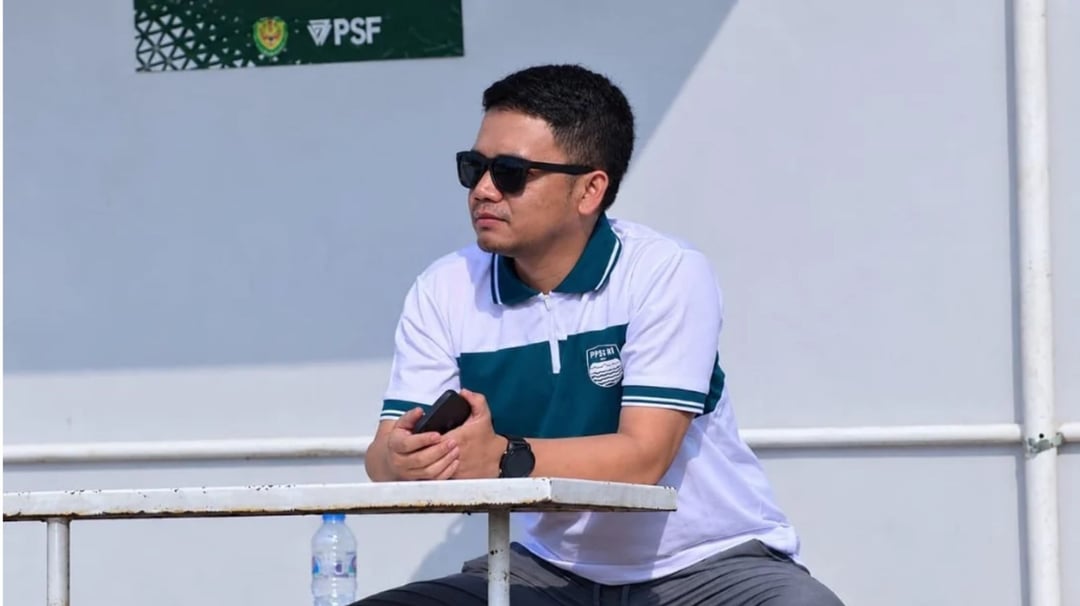
“This competition completes the women's football development pyramid. Following the MilkLife Soccer Challenge for U-8, U-10, and U-12, the HYDROPLUS Soccer League is here for the U-15 and U-18 age groups,” Rijki explained.
For the 2026/2027 season, the competition is taking place in five cities: Kudus, Jakarta, Bandung, Solo, and Surabaya. In the Kudus region, matches are held at the Supersoccer Arena from October 25, 2026, to May 30, 2027.
Participants also travel from outside the host cities. The Kudus region features teams from surrounding areas, including Jepara, Pati, Demak, Semarang, and Yogyakarta.
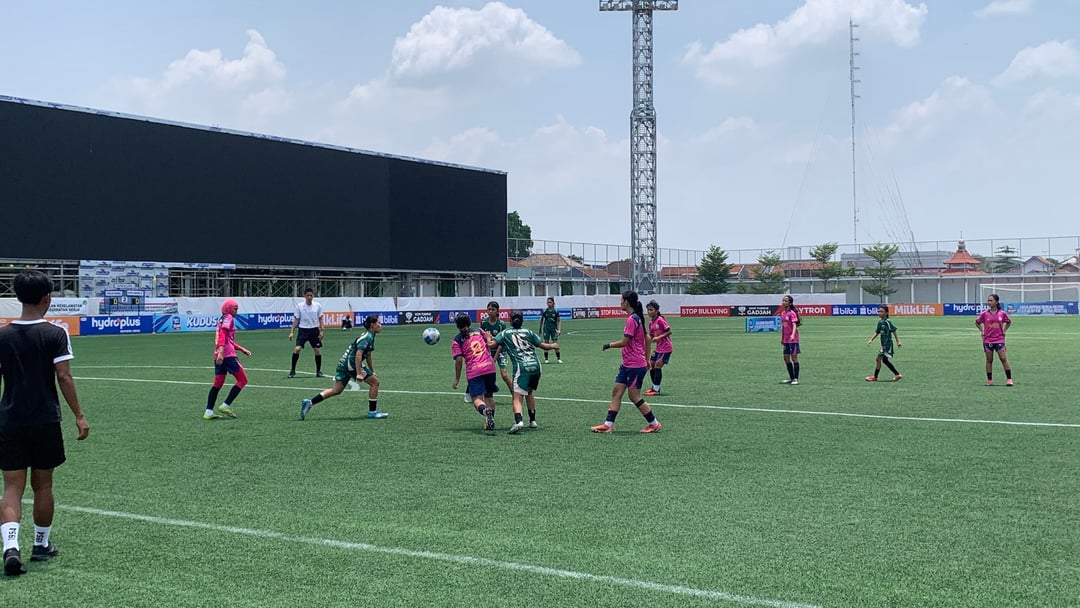
The HYDROPLUS Soccer League sets itself apart from standard weekend tournaments. By utilizing a double round-robin format, every team plays each other twice over the course of eight months. These nearly weekly matches allow players to develop steadily without feeling rushed.
For Rijki Kurniawan, this extended rhythm provides a meaningful space for evaluation. The field acts as a mirror, allowing these young players to identify their weaknesses and address them in subsequent training sessions.
“With weekly matches, players can identify areas that still need improvement. After playing, they can evaluate their performance and return to training to hone their skills,” said Rijki.
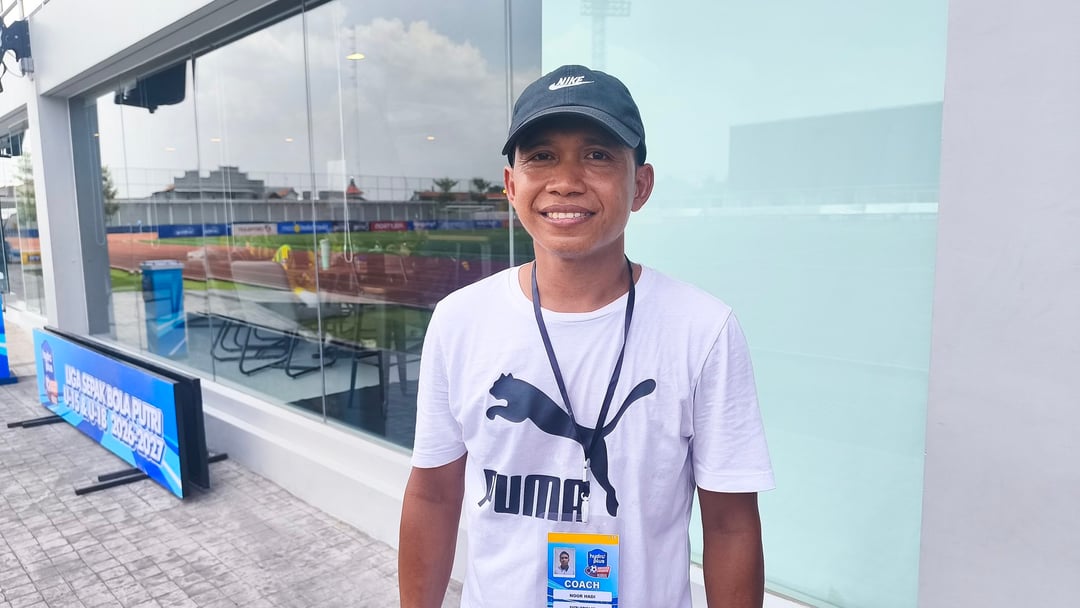
The benefits of this consistency are felt directly on the sidelines by the coaching staff. Head Coach of Putri Jepara FC, Noor Hadi, has observed firsthand how the extended competition schedule has comprehensively shaped his players.
“Regular matches are instrumental in player development, improving everything from mentality and physicality to technique,” Noor stated.
The pressure of a live match provides lessons that cannot be fully replicated in standard training sessions. In these settings, players learn to read game situations, adapt to an opponent's rhythm, and test their mental resilience when the game does not go according to plan.
However, this eight-month journey has not been without its compromises. For young athletes, the greatest challenge often arises outside the pitch: balancing school schedules with training hours. According to Noor, this balance must be continuously managed so that both education and football ambitions can progress in tandem.
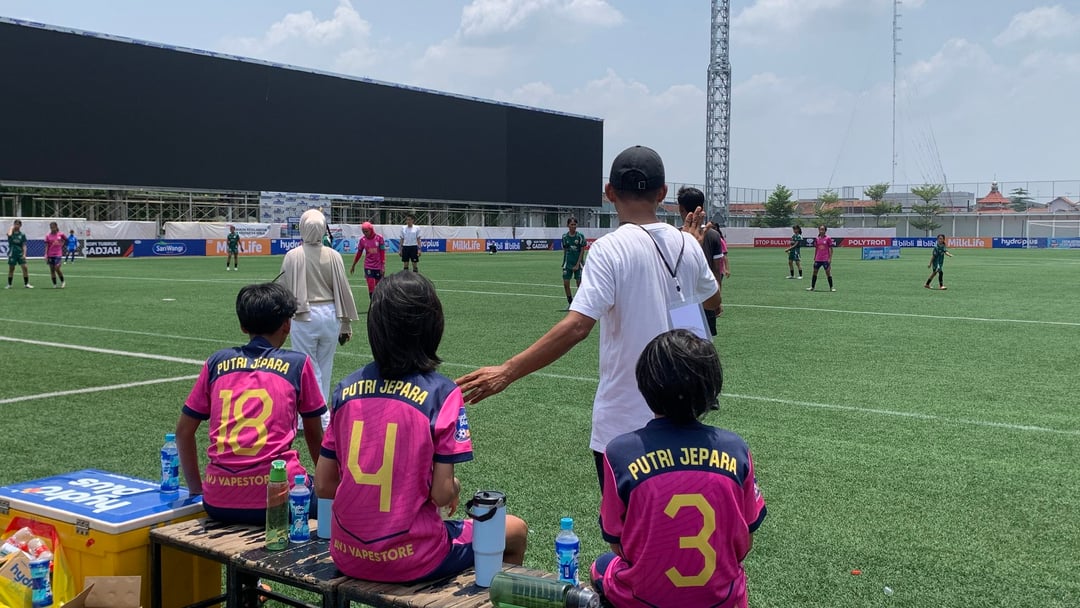
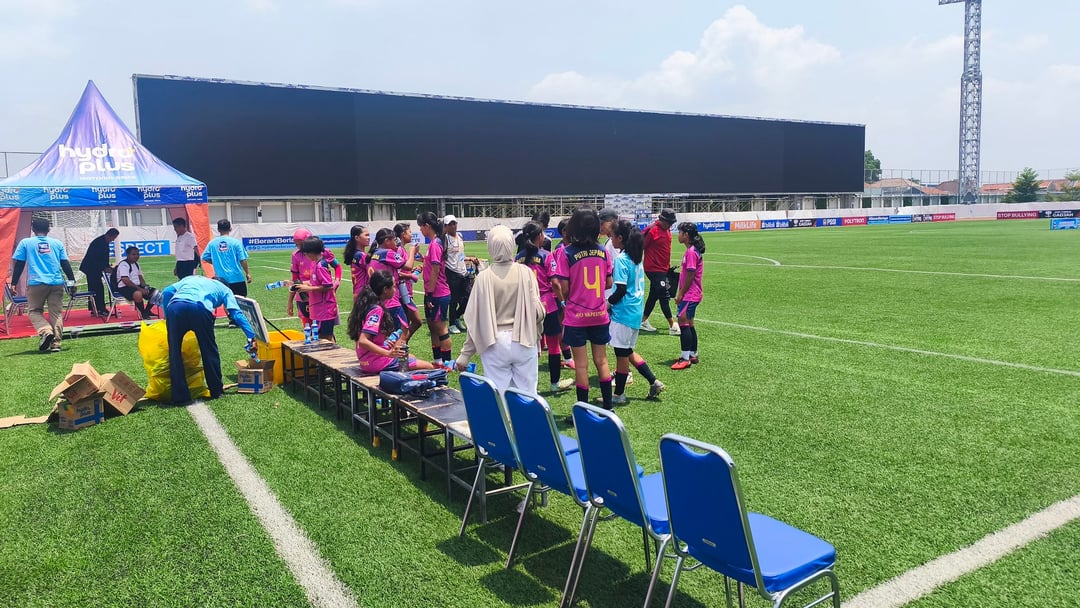
A long competition brings its own dynamics to every club. Maintaining consistent performance throughout the season is no easy task, especially when unforeseen circumstances test the depth of the squad.
Putri Jepara FC faced this test firsthand. During the current season, they were forced to play without four of their key starters, who were away representing the team at the 2026 Singa Cup. The situation became increasingly difficult as the team lacked a specialized goalkeeper available for the match.
In this emergency, there was no room for complaints. Coach Noor Hadi improvised by maximizing the remaining personnel. He made the bold decision to assign a field player to take the position between the goalposts.
Despite being shorthanded and lacking their primary goalkeeper, the team's fighting spirit produced a valuable result. Putri Jepara successfully secured a crucial point from the match. Noor expressed his gratitude for the team's hard work in the face of these limitations.
However, that result does not lead to complacency. For the coach, every aspect of the match remains a crucial evaluation point heading into upcoming games, particularly regarding strengthening teamwork and clinical finishing in the final third.
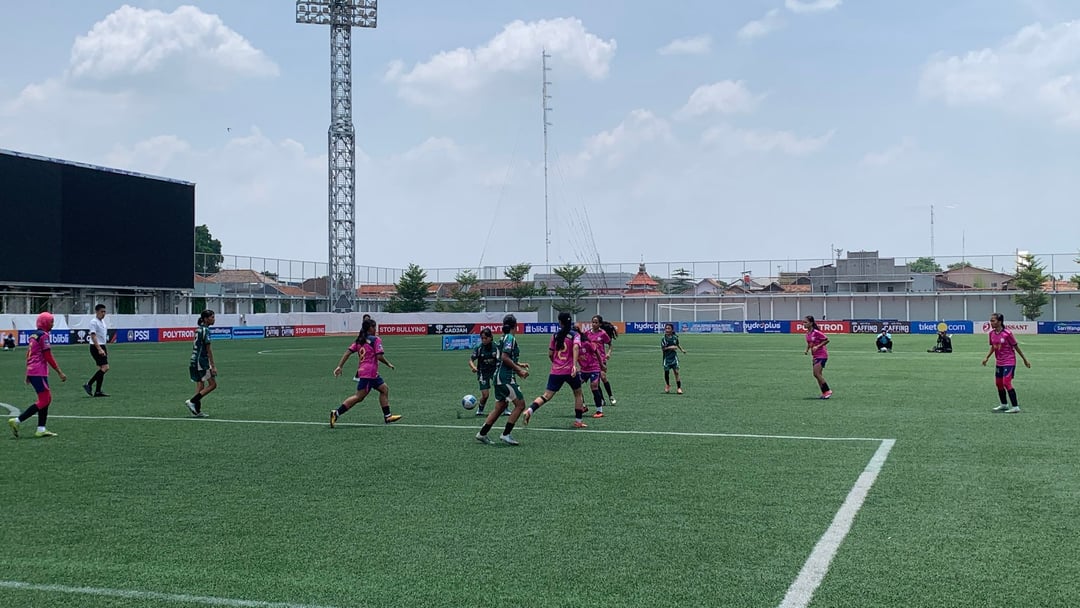
A long-running competition is not merely about devising team strategies, but also about providing a stage for players to pursue personal goals. It is in this space that opportunities for growth open up for young talents.
One such player is Prisilia Dwi Adisti. The Putri Jepara defensive midfielder has set ambitious goals to secure individual honors while cementing her spot in the starting lineup.
“God willing, my target is to become the best player and stay a starter, playing full matches,” a determined Prisilia said.
Prisilia’s long journey in football began in 2023, while she was in the fourth grade. She took her first steps at SSB Putra Gelar, a football school located in her village.
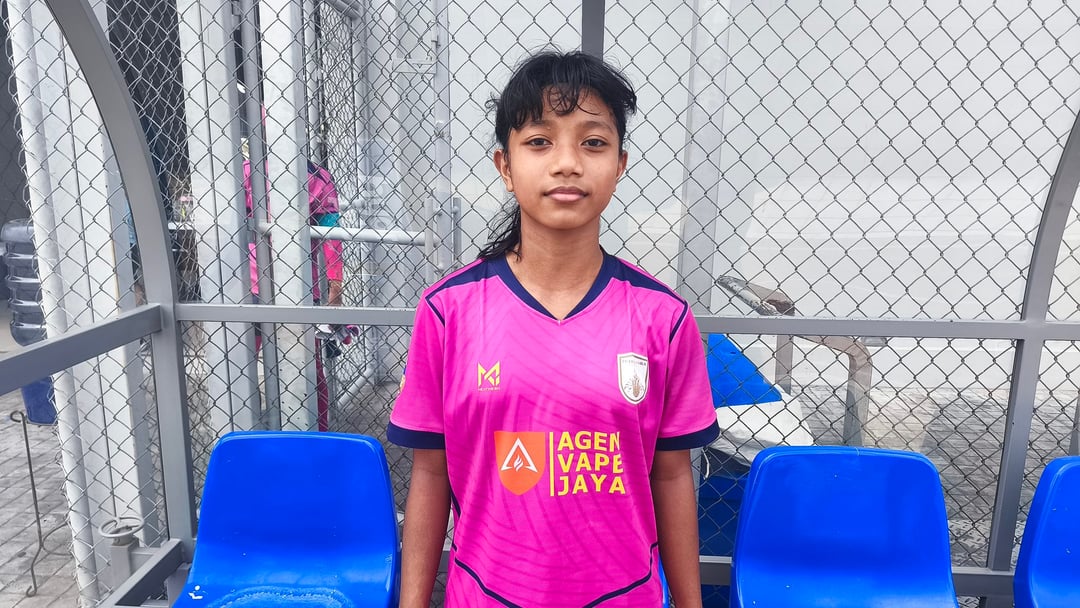
In her early days, Prisilia spent her time on the pitch playing alongside boys. She participated in various boys' youth tournaments before eventually being invited to join a women’s football team, which has since transformed into Putri Jepara.
“I started in 2023 when I was in the fourth grade. I trained in the village at SSB Putra Gelar. Then I played in tournaments with the boys, was invited by friends to play on a boys' team, and eventually joined the women’s team,” she recalled.
For Prisilia, every minute on the pitch offers unique satisfaction, especially when she secures a rare opportunity to fire a direct shot at the opponent’s goal.
“I feel happy and joyful, because it’s very rare to get a chance like that,” she said with sparkling eyes.
That enthusiasm carries over into her personal training regimen. Every morning from 5:00 to 5:30, Prisilia diligently practices solo sprints at home. In the evenings, if there are no club obligations, she continues to refine her skills with her father’s guidance.
Behind the hard work and discipline, the full support of her parents remains her primary motivation. Fueled by determination on the pitch, Prisilia carries one simple yet meaningful dream: to make her family proud.
“My goal in football is to make my parents proud,” she said.
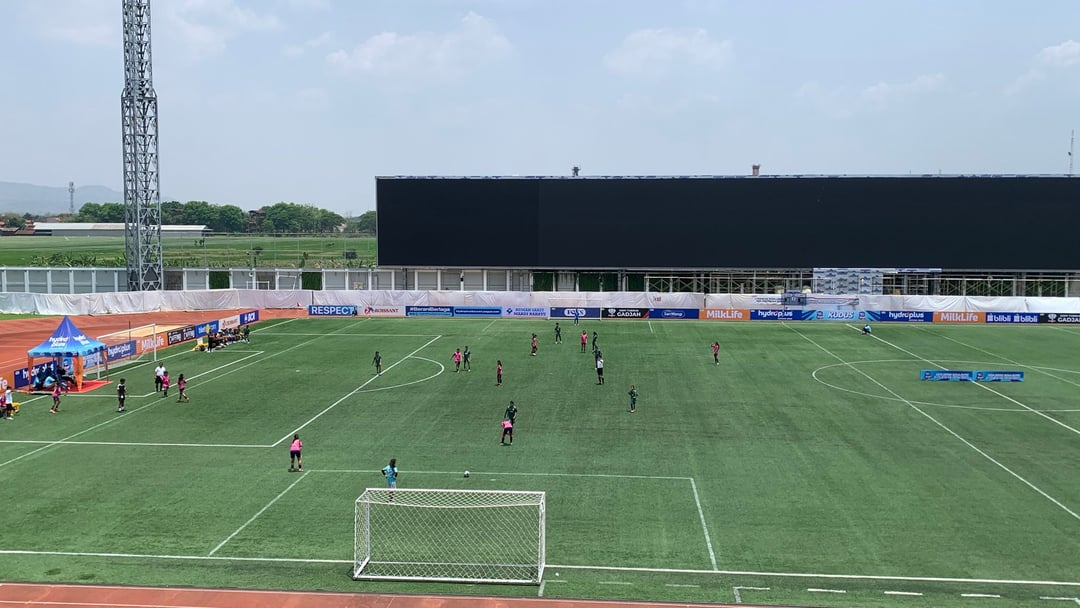
The impact of the HYDROPLUS Soccer League extends well beyond the final whistle. More than just a platform for nurturing young talent, this long-term competition serves as a catalyst for growth across the entire supporting ecosystem.
With matches held nearly every week, the league drives a chain of football operations, including referees, match commissioners, officiating crews, and the organizing committee.
“It is not just the players who are developing. The referees, clubs, management teams, match commissioners, officiating staff, and other organizational elements are all growing,” explained Rijki.
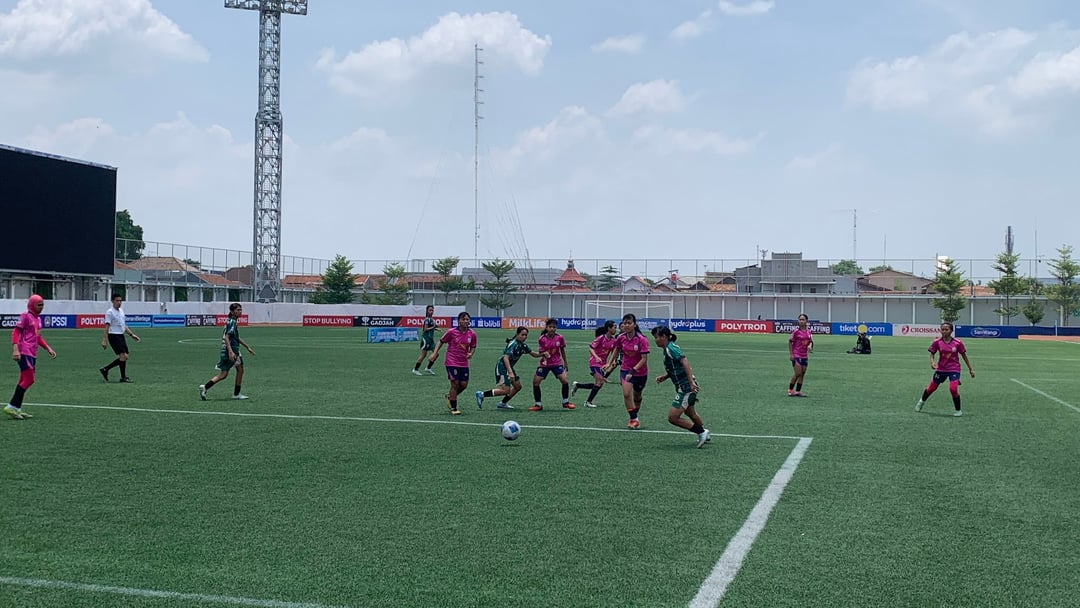
The demand for consistent, high-level performance throughout the season has also pushed participating clubs to improve. Club management is now encouraged to handle operations more professionally and systematically, moving beyond just recruiting players on paper.
“Because matches are held regularly, clubs must have organized management. Consequently, the entire ecosystem evolves alongside the competition,” he added.
Additionally, the league is accessible to the public free of charge. Open stands welcome families, local residents, and football enthusiasts to attend in person and show support for the young players on the pitch.
Staged across five cities over several months, the league provides players with an opportunity to test their abilities while serving as a learning environment for clubs and stakeholders dedicated to building a more resilient future for women’s football. (OEB/mainkekudus)
