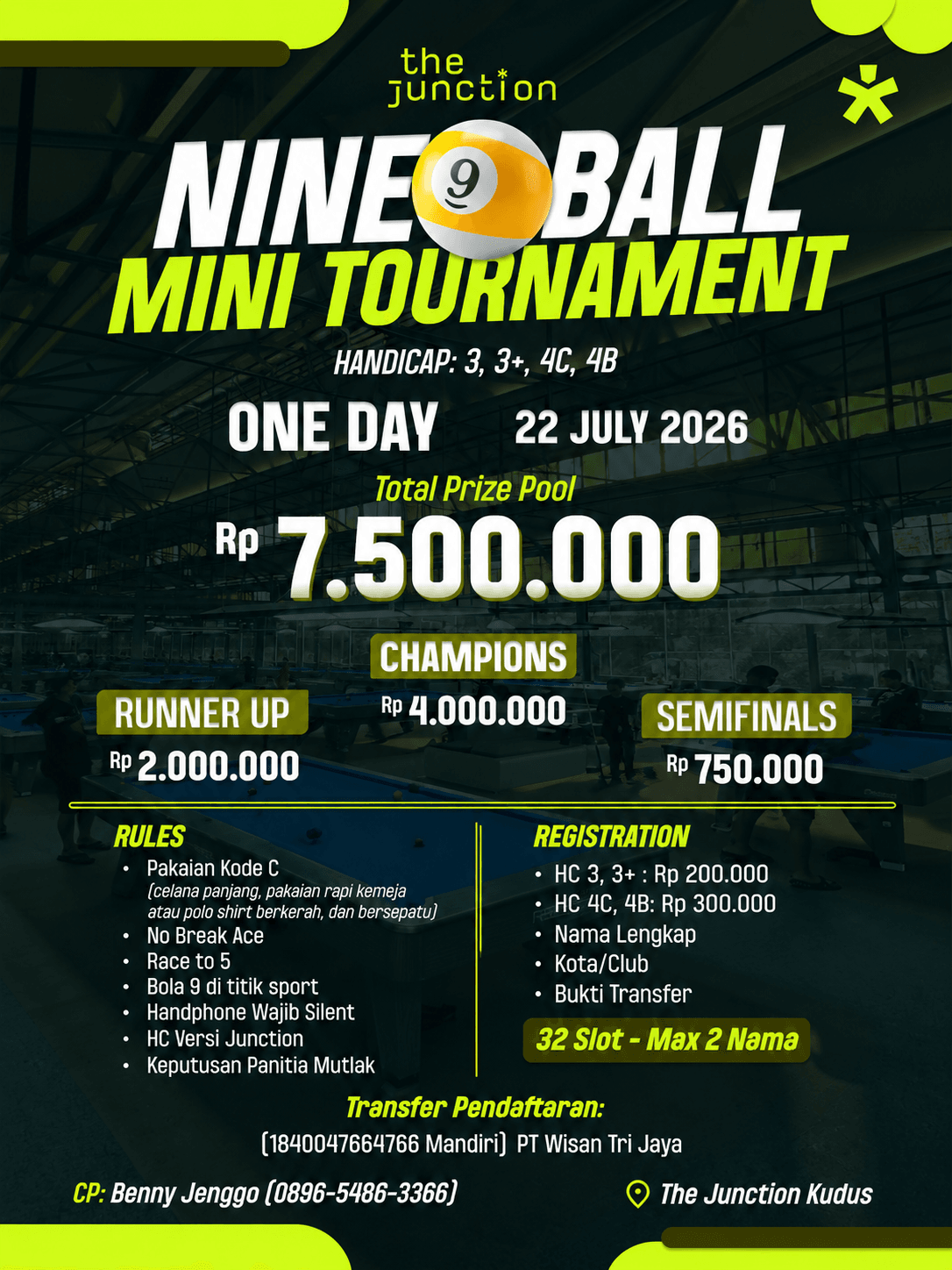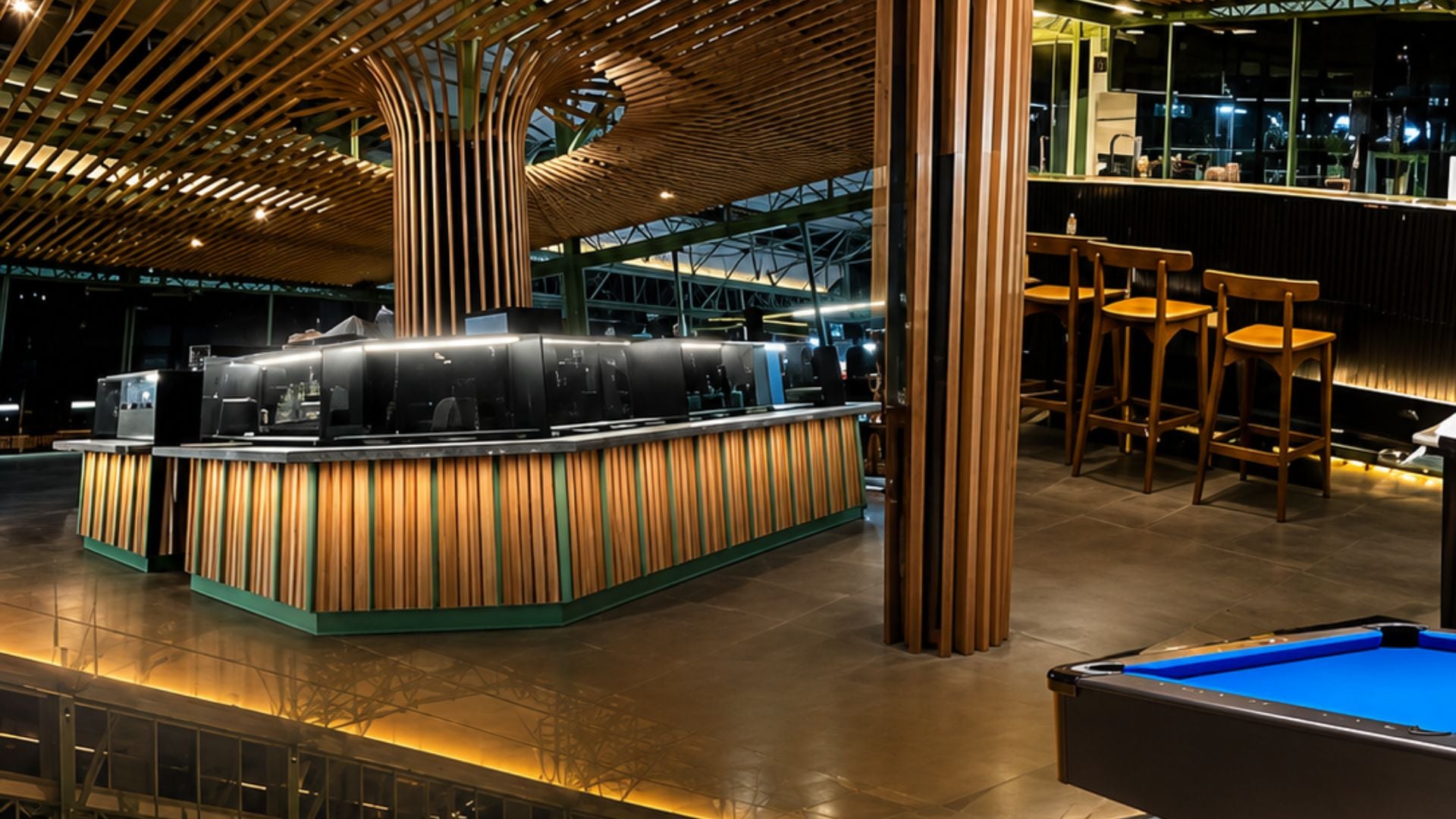
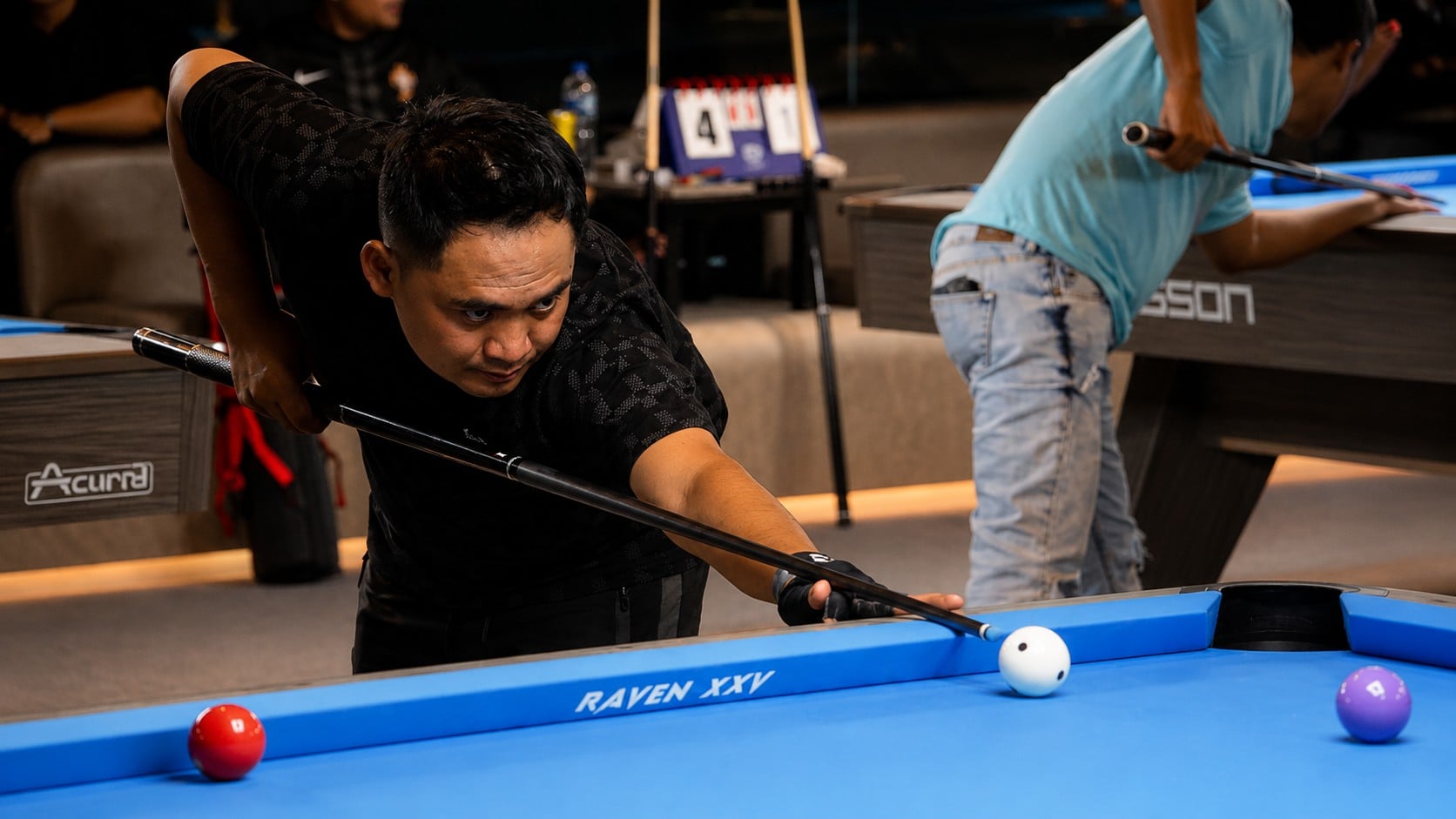
KUDUS – The rhythmic sound of billiard balls colliding echoed through The Junction arena, located in the Eks Stasiun Wergu area, Kudus, on Wednesday (7/22/2026). Amidst the clicking of balls rolling toward the pockets, the atmosphere was filled with applause, cheers, and lively conversation among players and spectators. For one day, the venue served as a gathering point for enthusiasts from various regions to enjoy a competition that was both competitive and friendly.
A total of 32 participants from the Handicap 3, 3+, 4C, and 4B categories competed in The Junction Nine Ball Mini Tournament. They arrived with diverse skill levels but a shared goal: to test their abilities, connect with fellow enthusiasts, and enjoy a competitive atmosphere not often encountered in daily practice.
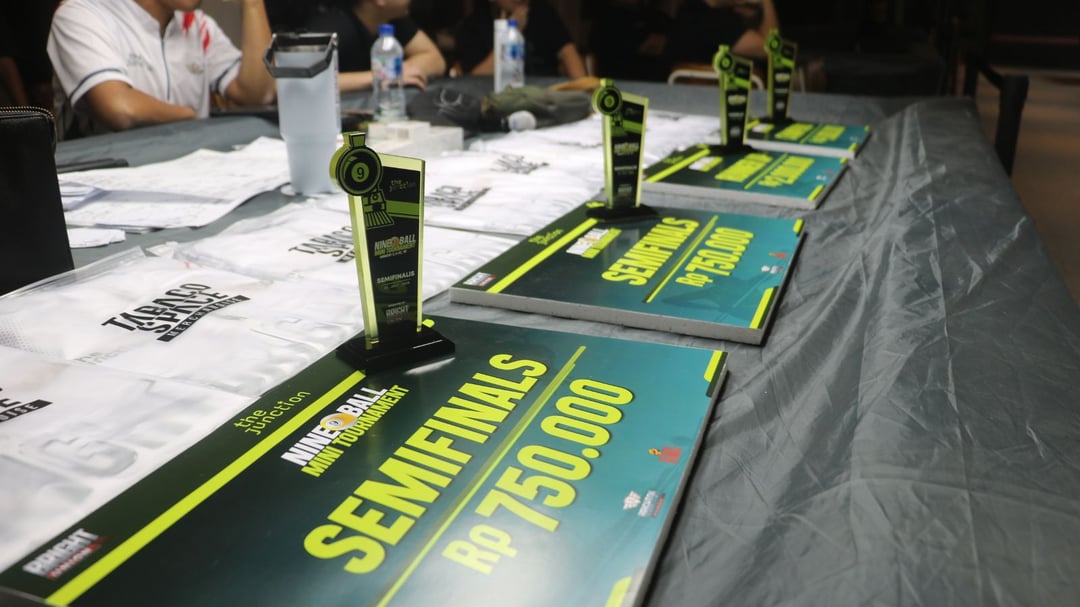
Beyond the IDR 7.5 million total prize, the tournament highlighted how community events can cultivate vibrant sports spaces. The billiard arena functioned not just as a venue for competition, but as a meeting ground for communities to exchange experiences and expand their regional networks.
The Junction President Director, Leon Rudy Wisanto, stated that the tournament was initiated by management to show appreciation for the billiard community, which has been instrumental in the development of the arena.
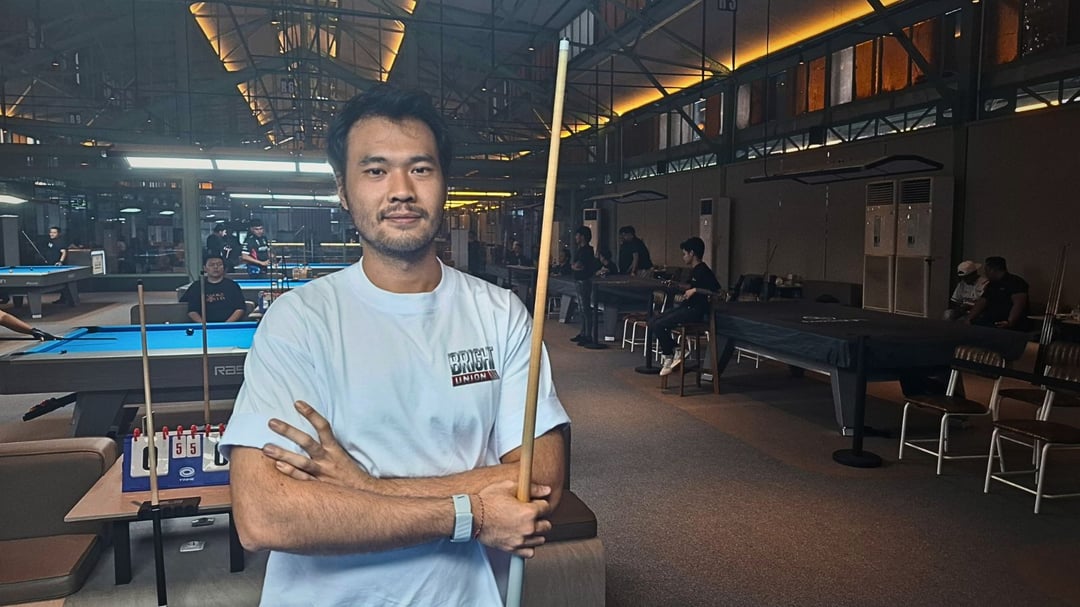
The nine-ball format was chosen as it is one of the most recognizable disciplines in the sport. In this game, players must pocket balls in numerical order from one to nine. Beyond requiring accuracy, the game demands the ability to read ball positioning, execute strategies, and maintain focus until the final stroke.
According to Leon, while the inaugural tournament was dominated by players from Kudus and the surrounding areas, he sees significant potential for growth. Looking ahead, The Junction aims to provide broader opportunities for players from various regions to congregate and compete in regularly scheduled events.
Encouraged by the enthusiasm shown during the first tournament, management plans to host mini-tournaments monthly, while also preparing larger-scale championships every three months to further bring together billiard communities from diverse regions.
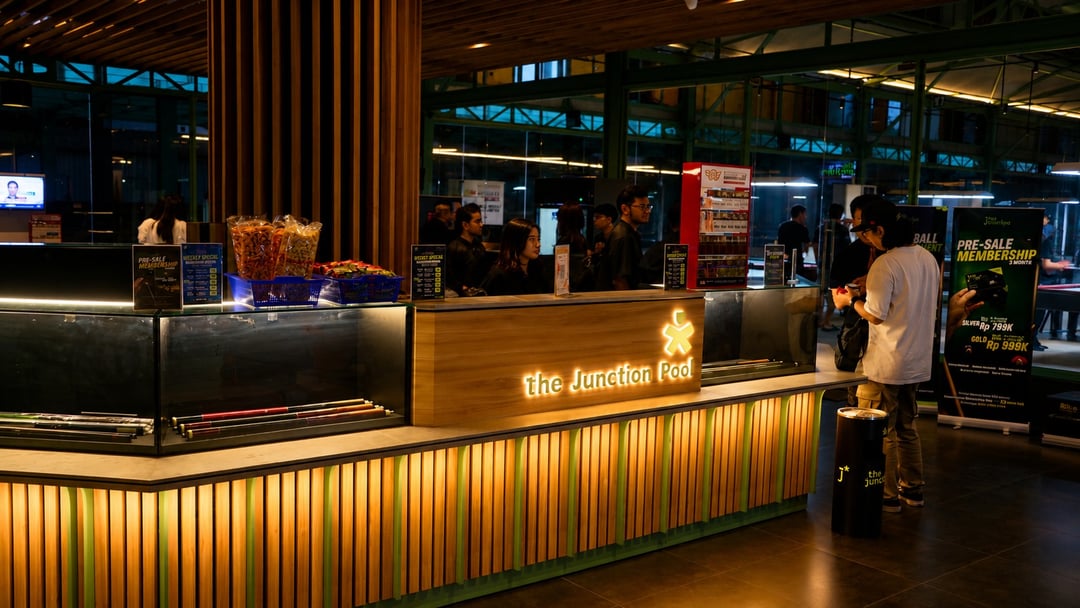
For Leon, the sustainability of an agenda is far more important than hosting a single competition. Regular tournaments establish a consistent training rhythm, introduce players to new opponents, and help foster the community's continued growth.
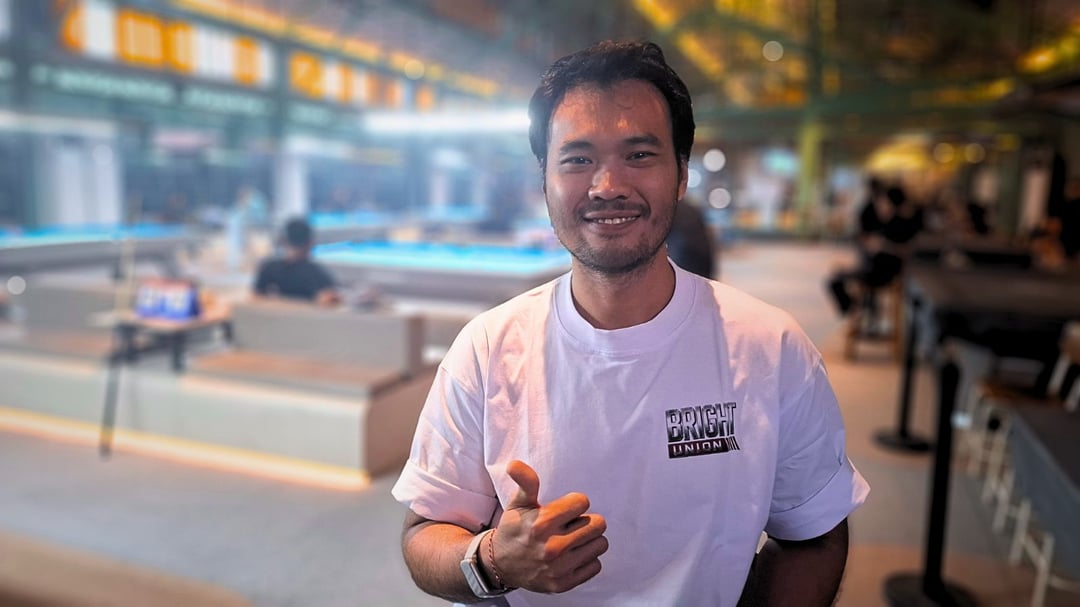
He also holds long-term aspirations for the sport. In addition to establishing a professional club, The Junction plans to host coaching clinics for youth interested in learning proper billiards technique. He believes that by creating more learning opportunities, the chances of developing new talent in Kudus will increase.
"This is one of our initiatives to give back to the community. We aim to create a healthy ecosystem, shift public perception to view billiards as a positive sport, and cultivate athletes who can bring pride to Kudus," said Leon.
For participants, the value of a tournament is not always measured by the final result. Many come to gain experience that cannot be replicated during casual play with friends.
This is a sentiment shared by Surya Aquinaga, a Kudus-based participant in the Handicap 3 category. He discovered billiards in junior high school, not in a billiards hall or dedicated training facility, but at home.
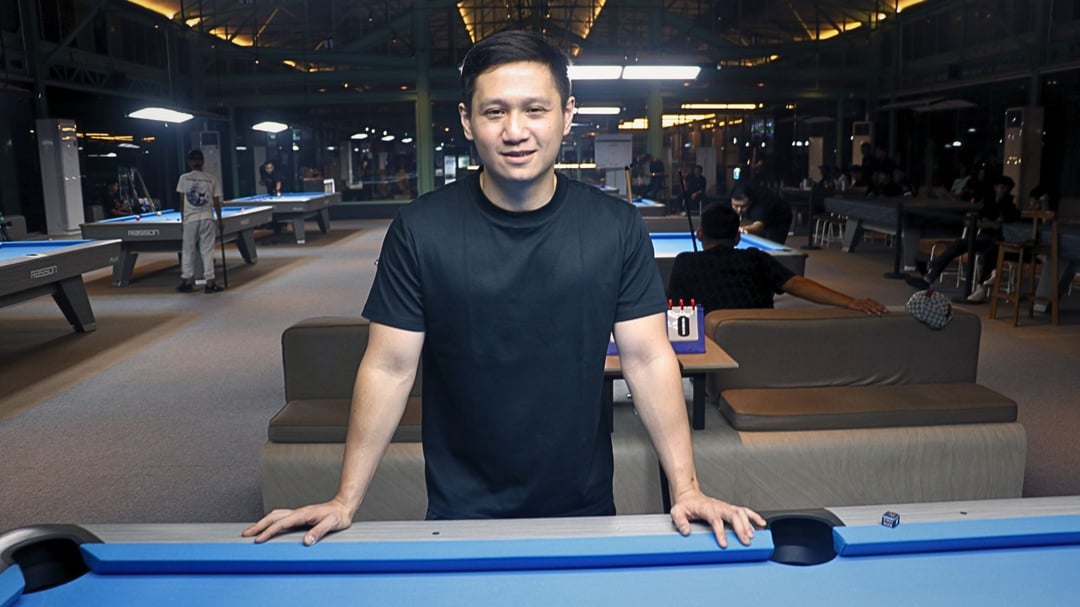
His father owned a billiards table often used for family gatherings, particularly during Lunar New Year celebrations. From that simple habit, his interest in the sport grew steadily, sustaining him for over five years.
For Surya, entering tournaments is a way to measure his personal progress. He notes that official matches present a different kind of pressure than routine practice. Every shot requires composure, as even the slightest mistake can shift the match’s momentum.
Although he has yet to advance further, Surya said he enjoyed the entire experience. He described the competition as warm and friendly, with participants greeting one another, sharing experiences, and discussing techniques even after the matches concluded.
Surya noted that competitions of this nature remain rare in Kudus. He hopes to see an increase in the frequency of such events, providing local players more opportunities to refine their skills and strengthen their competitive mindset.
“Playing only with friends lacks intensity. This tournament is primarily a test of mental fortitude. It has been incredibly exciting, and I hope events like this are held more often in Kudus,” he said.
The tournament has also served as a draw for players from outside the region to return to Kudus.
Among them is Dedi Risdyanto from Juwana, Pati Regency. Kudus is familiar territory for Dedi, who spent seven years studying in the city. The tournament offered him a chance to reminisce and reconnect with peers who share his interests.
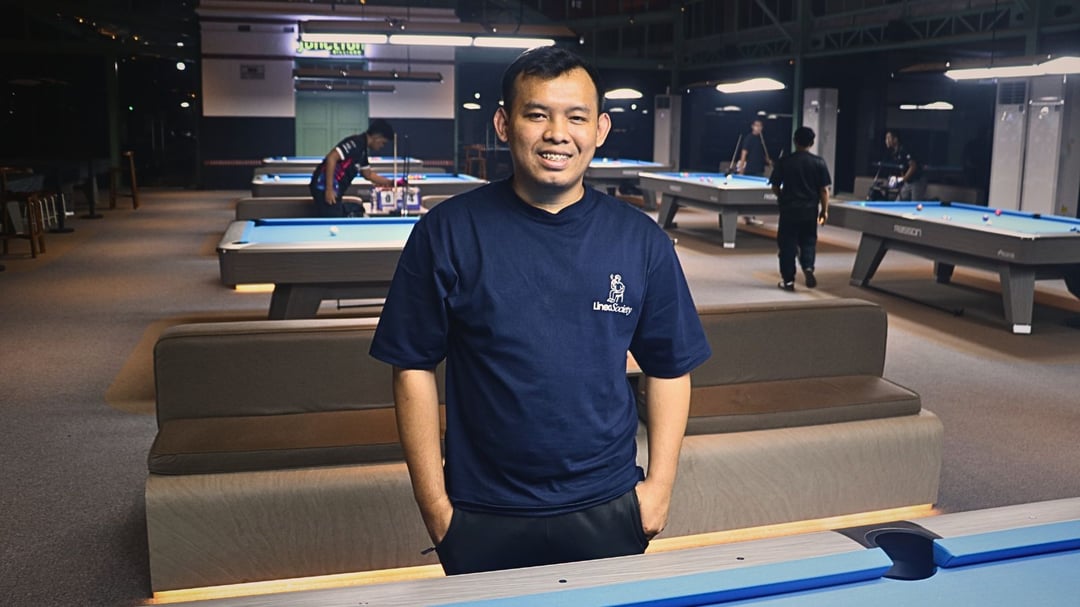
His extensive experience competing in events ranging from cafe-level tournaments to the Open Bupati Cup Handicap 5+ gives him a clear standard for high-quality event management.
According to Dedi, the venue at The Junction provides a comfortable playing environment. Adequate lighting, air conditioning, and a spacious layout allow matches to proceed smoothly. He also praised the orderly conduct and the spirit of sportsmanship displayed during the competition.
Meeting new players added significant value to the experience, with every match presenting unique playstyles that enriched the competition.
“The organization was highly professional, and the facility was truly luxurious and comfortable. As an out-of-towner, I would definitely return if events like this were held regularly, perhaps every month or two,” said Dedi.
The growth of community-based sporting activities has also garnered attention from the Kudus Regency Government.
Acting Head of the Sports Division at the Kudus Education, Youth, and Sports Agency, Widhoro Heriyanto, noted the growing public enthusiasm for recreational sports. He believes that community-driven events effectively combine physical activity, entertainment, and social engagement in a single space.
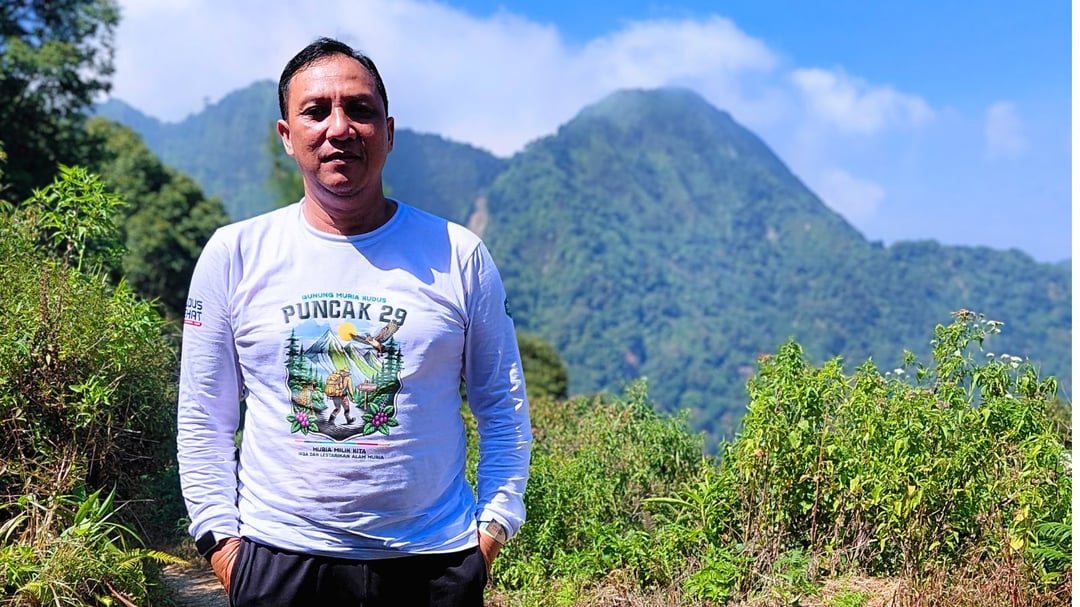
He observed that modern sports are no longer just about achievement or fitness. Many community activities now have a broader impact by engaging the public, stimulating local business activity around the venue, and promoting the region to visitors from outside the area.
Widhoro stated that the local government remains committed to supporting sports development through the provision and maintenance of facilities for both the public and athletes. Despite constraints in regional infrastructure, ongoing efforts to improve quality are being made to ensure sustainable access to sports venues.
“Community tournaments like this are essential. Beyond the physical and mental health benefits for residents, they create a positive ripple effect for local small businesses and bolster sports tourism in Kudus Regency,” Widhoro explained.
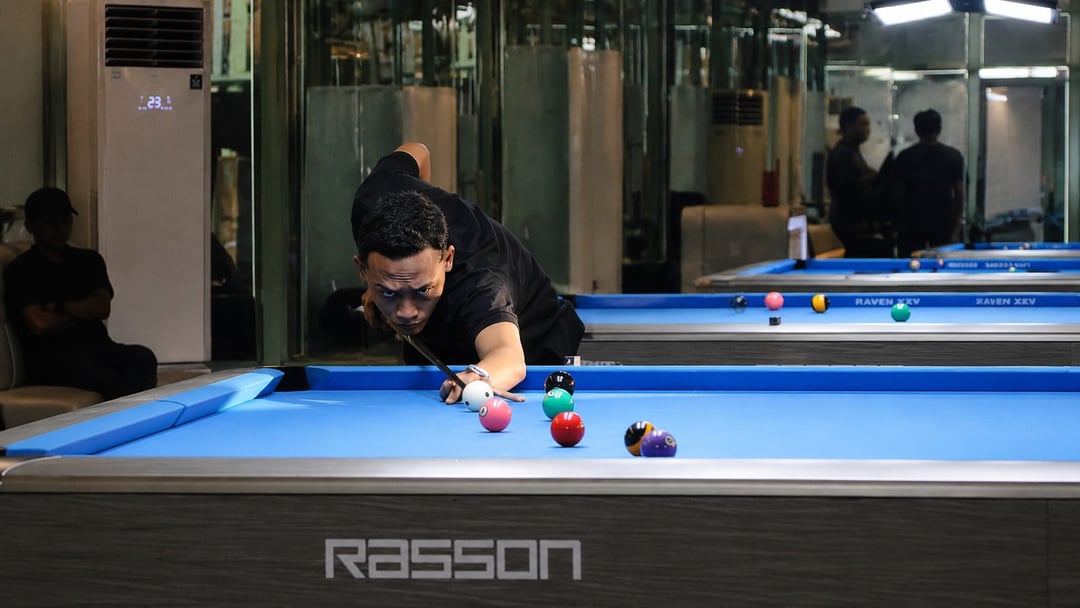
While a tournament may last only a single day, its impact can endure by fostering ongoing interactions between communities.
The Junction Nineball Mini Tournament demonstrates that recreational sports can thrive through consistent efforts. The arena serves as more than a competition venue; it is a space for dialogue, learning, networking among players, and sparking interest in future events.
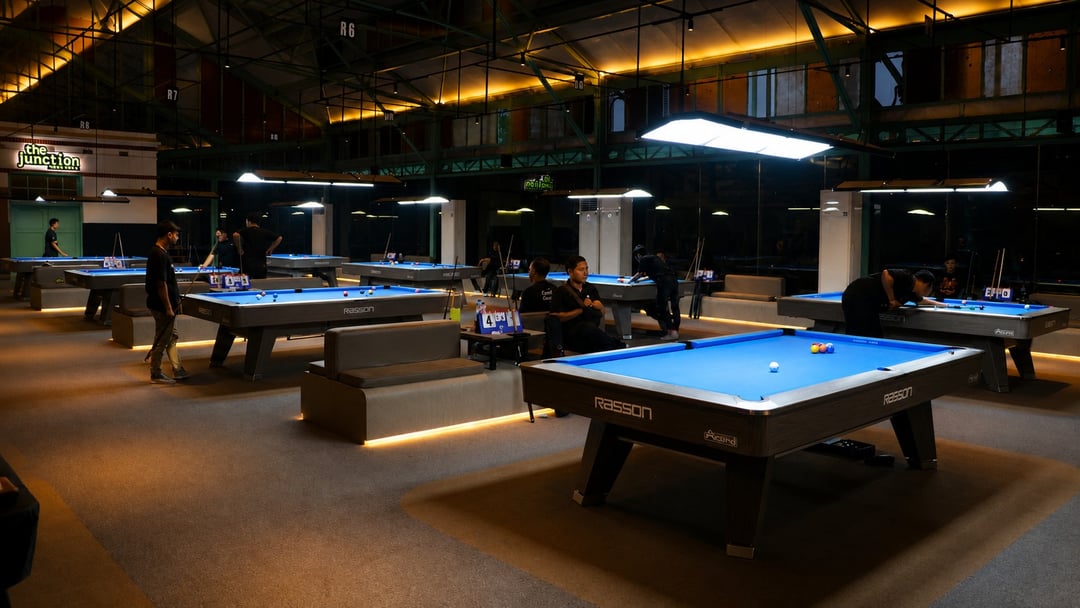
Managing sports facilities as open hubs allows billiards to be viewed from a new perspective. It is recognized as a sport requiring concentration, strategy, precision, and sportsmanship, while simultaneously serving as a recreational activity that connects people with shared interests.
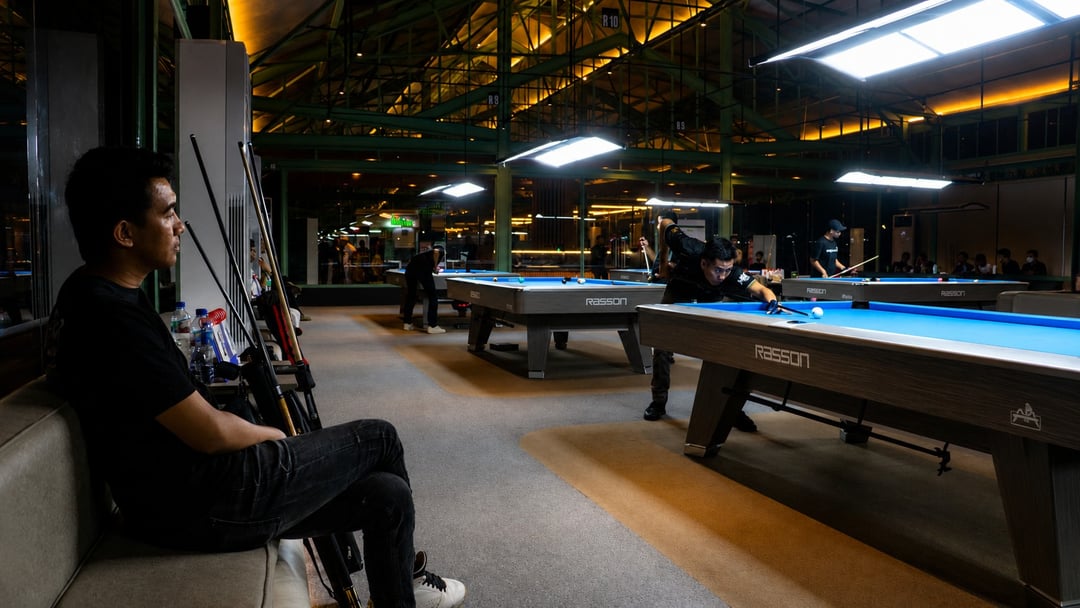
Collaboration between private businesses, communities, and the government is essential for fostering this ecosystem. Increasing the number of available competition venues provides local players with greater opportunities to develop their skills without needing to consistently seek tournaments outside the region.
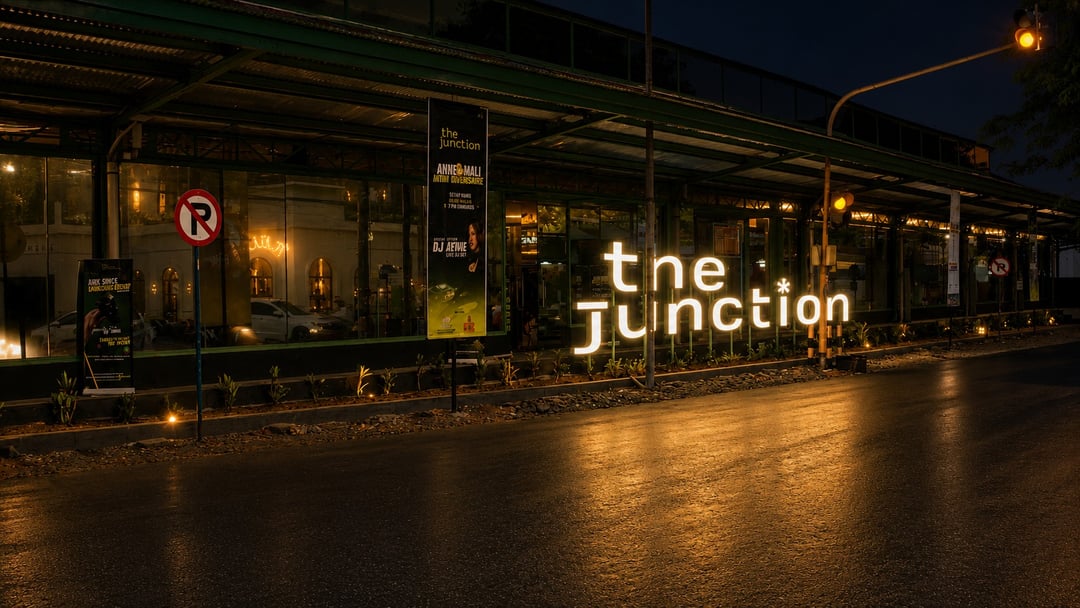
From an arena in the former Wergu Station area, the pulse is unmistakable. The rhythmic sound of colliding billiard balls signifies more than just a match; it highlights the persistent growth of the Kudus billiards community, which continues to foster new social hubs and sustain the sport through consistent, grassroots efforts. (JMY/mainkekudus)