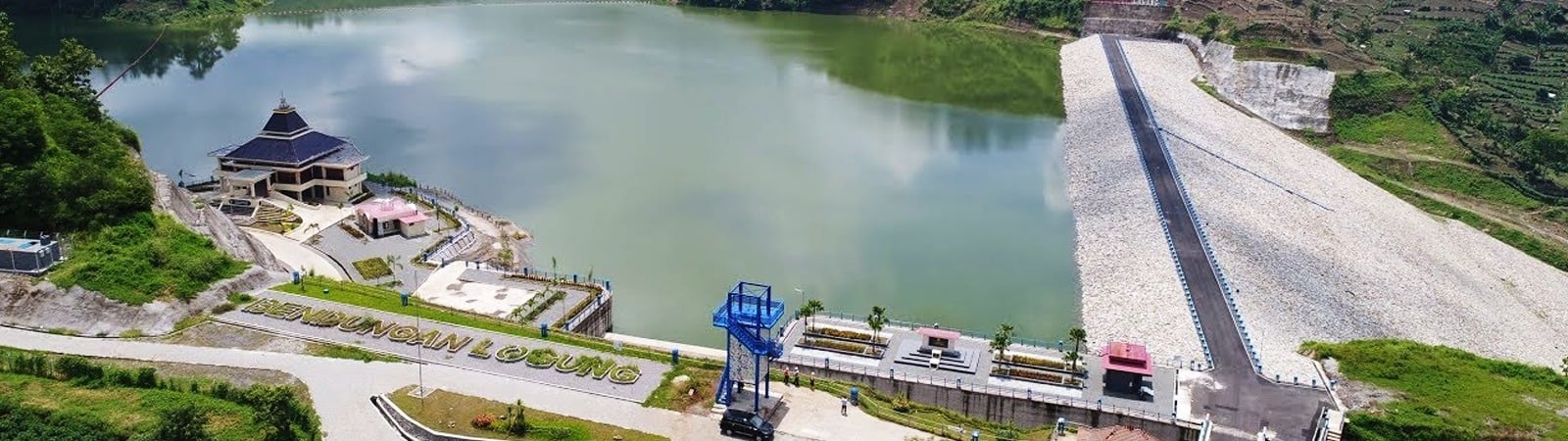
KUDUS – Logung Dam in Kandangmas Village, Kudus Regency, serves as both a critical water resource infrastructure and a popular tourism destination. Located at the foot of Mount Muria, the reservoir continues to play a vital role in flood control and agricultural irrigation, while its scenic surroundings attract visitors looking to enjoy the landscape, recreational activities, and leisure time with family and friends.
The reservoir's tourist areas are generally accessible 24 hours a day; however, activity at public facilities and waterfront spots, including the reservoir banks and dock areas, is most frequent from morning to late afternoon. Current visitor information lists admission at approximately Rp 5,000 per person, with parking fees of Rp 3,000 for motorcycles and Rp 5,000 for cars.
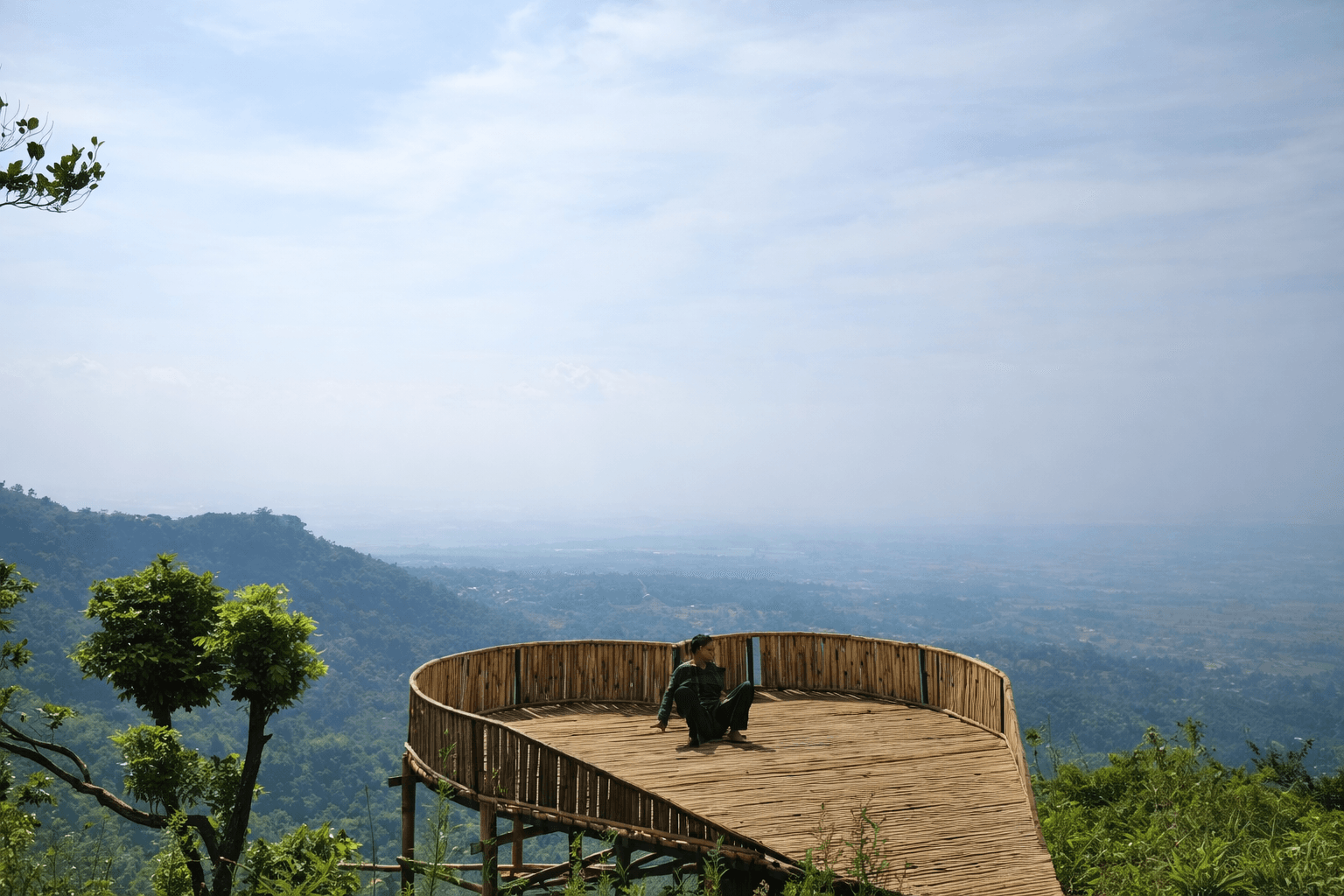
The expanse of water surrounded by rolling hills is the area's primary attraction. Visitors can take in the panoramic views from designated vantage points, sample local culinary offerings, or participate in various recreational activities managed by the local community.
Logung Dam is situated 12–15 kilometers from Kudus city center, a drive of approximately 25–30 minutes. Access is via the Kudus–Pati Pantura route, leading into Jekulo District and onwards to Kandangmas Village.
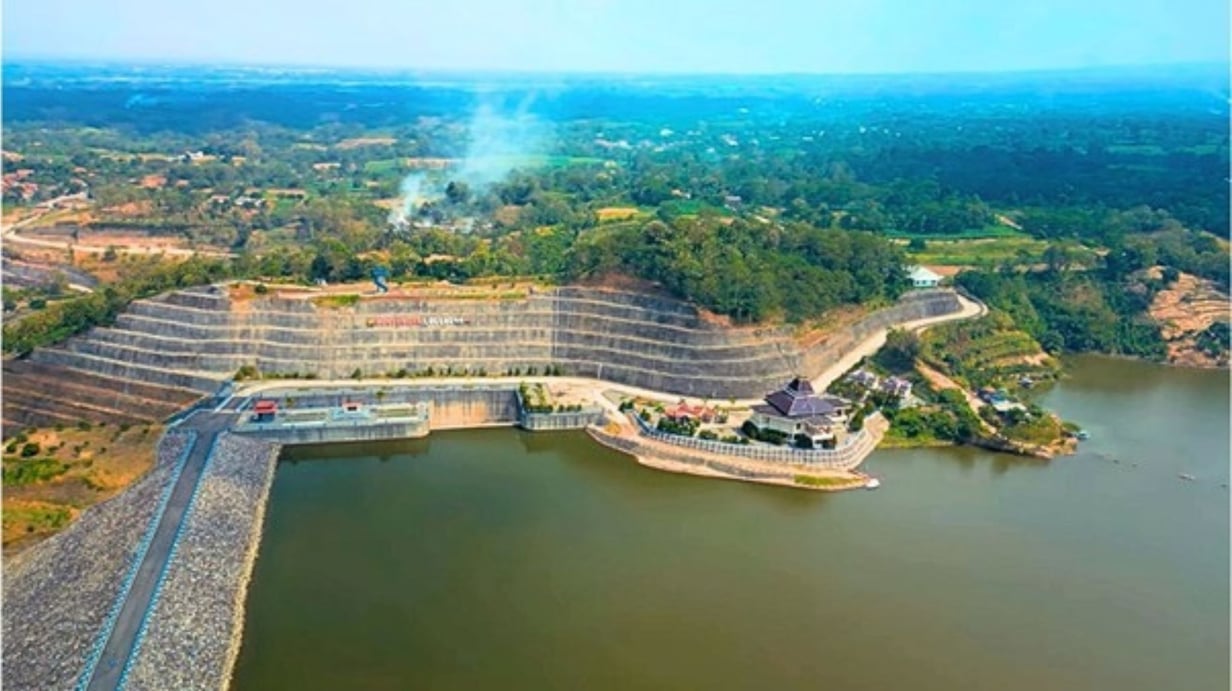
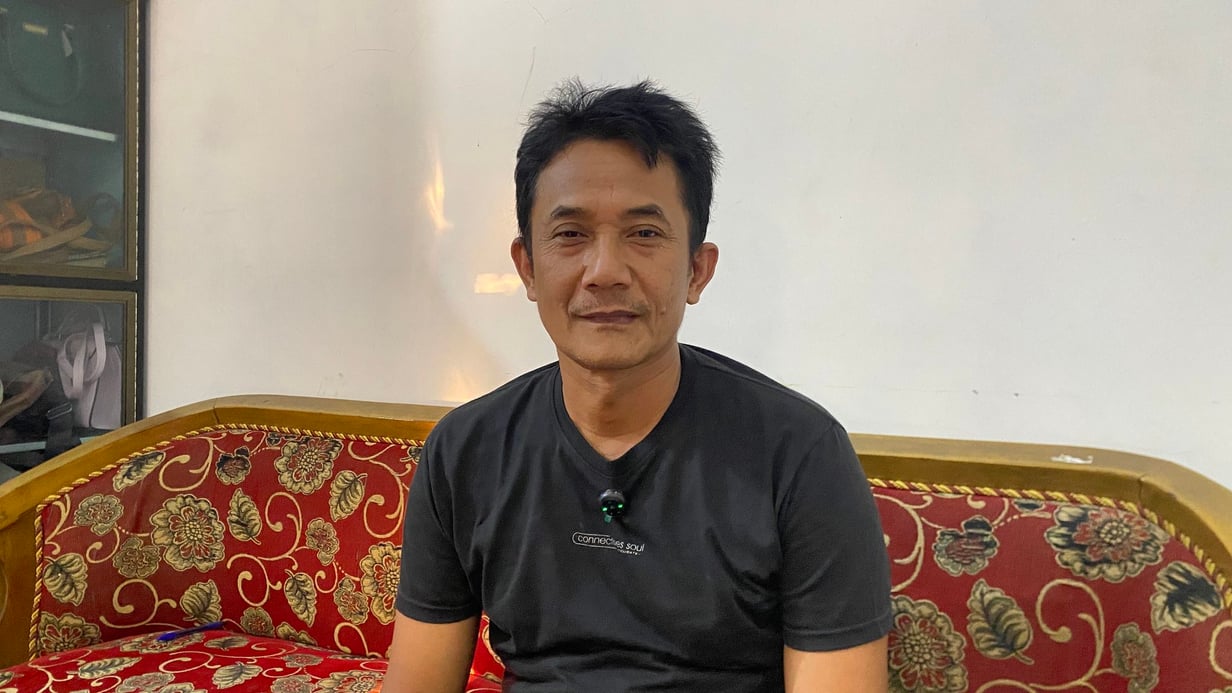
For local residents, the primary function of Logung Dam remains water management. Kandangmas Village Head, Sofwan, highlights flood mitigation and irrigation as the dam's two essential purposes.
According to Sofwan, the reservoir has stabilized water supplies for downstream farmlands, including those in the Jekulo and Mejobo districts. This increased water security has allowed some fields to increase from two annual harvests to three. In some cases, farmers report the potential for up to four harvests a year, with significantly improved flood protection.
Technical management of the dam and its water resources falls under the jurisdiction of the Pemali Juana River Basin Authority (BBWS Pemali Juana). Beyond flood control and irrigation, Logung Dam is also designated as a raw water source and features basic infrastructure for a future hydroelectric power plant.
Jl. Proyek Bendung Logung, Area Sawah, Kandangmas, Kec. Dawe, Kabupaten Kudus, Jawa Tengah 59353, Indonesia
Due to these operational requirements, visitor access is restricted in certain areas. The dam’s core infrastructure and spillway are off-limits, with visitors permitted to explore only designated vantage points and sections of the shoreline.
Angling with rods is permitted along the reservoir banks, though the use of nets is prohibited. For safety reasons, swimming in the reservoir is strictly forbidden.
Given these functions, visitation activities around the Logung Dam must continue to adhere to designated area boundaries and safety regulations. The reservoir serves not only as a scenic attraction but also as a critical component of the water management system supporting downstream communities.
The establishment of the Logung Dam has created new economic avenues for the residents of Kandangmas Village. Many who previously relied solely on agriculture are now involved in local activities, ranging from parking management and sanitation to food services and recreational offerings.
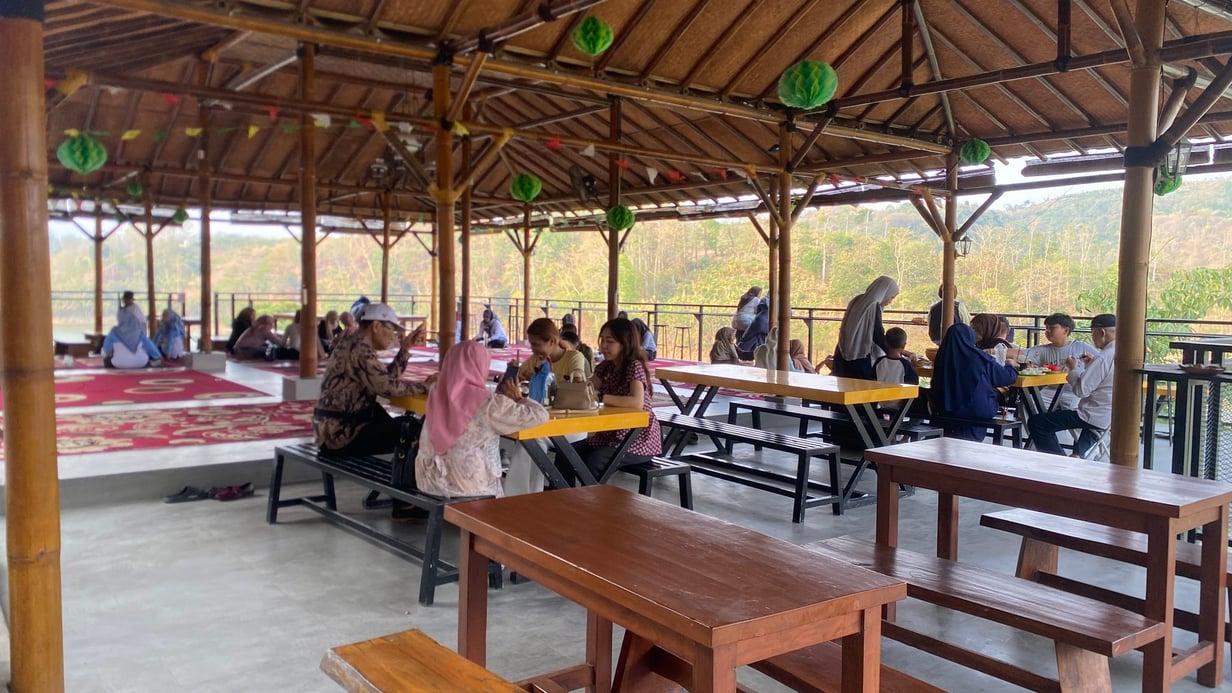
The Kandangmas Village government manages tourism activities through the Village-Owned Enterprise (BUMDes), which also oversees sanitation. Waste is collected regularly each afternoon, and waste-sorting facilities are being prepared.
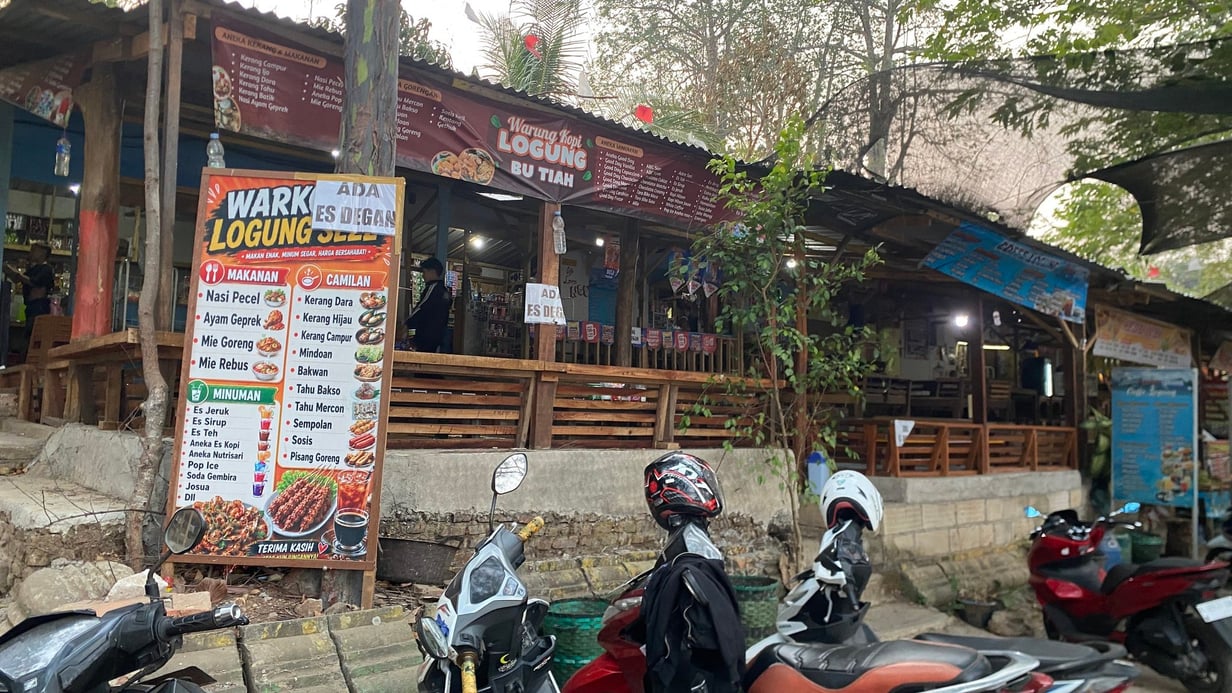
Local stalls and eateries have become a staple along the reservoir banks. Satria Wibowo, an administrative staff member at the De Garank Filandra destination, noted that the construction of the Logung Dam has significantly influenced business growth in Kandangmas Village.
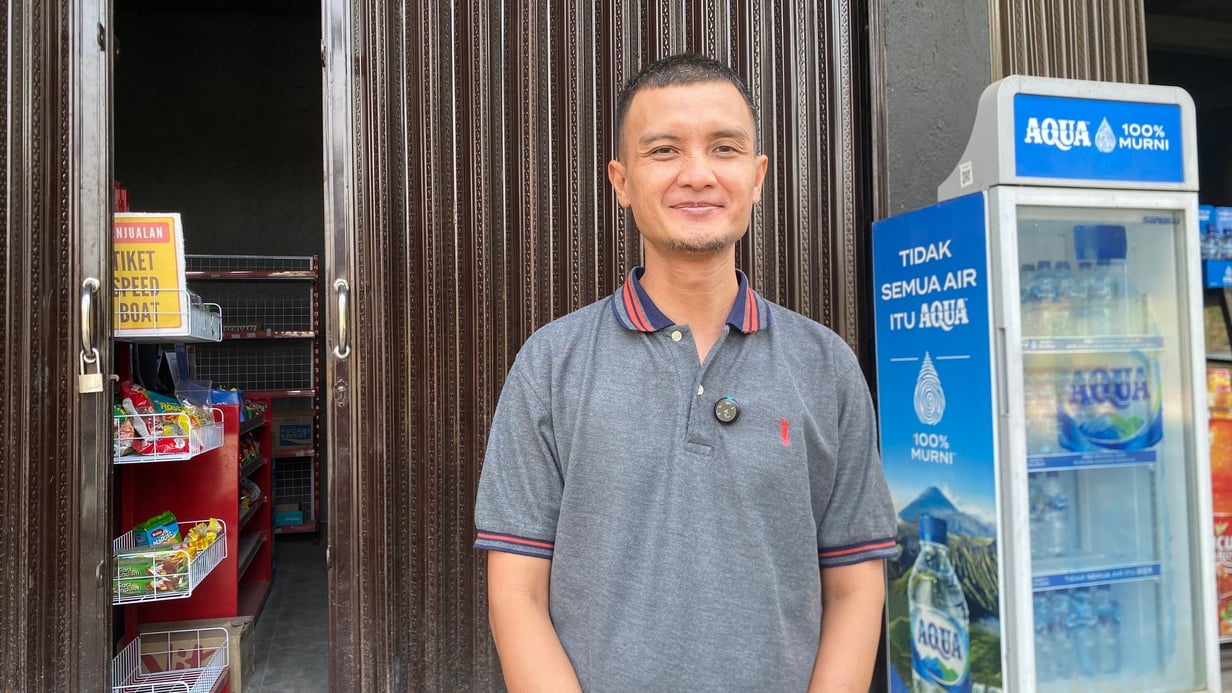
“Since the Logung Dam was built, it has clearly impacted the economy of Kandangmas Village, particularly by boosting local businesses such as stalls and venues serving Logung Dam-style fried or grilled fish,” Satria said.
The culinary offerings extend beyond fish. Kandangmas Village is also known for local delicacies such as kolak gondheng, kolak telo, and kolak celup—dishes made from cassava boiled in a palm sugar sauce. Other local specialties include entog lalah (spicy duck) and various corn-based foods.
Tourism activity has spurred job creation for local residents. Villagers are employed in roles ranging from parking management and site maintenance to ride operations. Management is currently working to improve road access to accommodate large buses, alongside plans to expand parking capacity and restroom facilities.
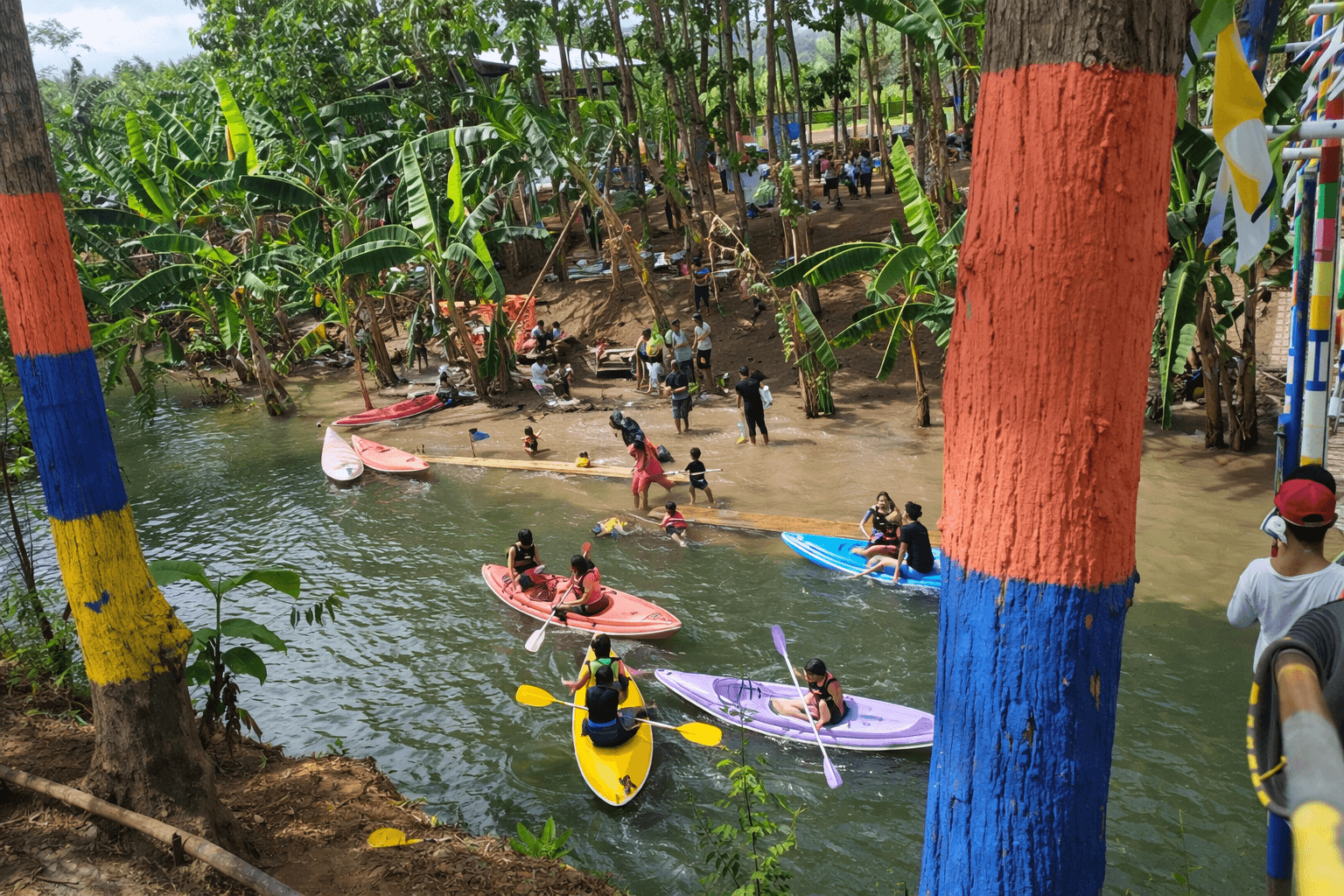
A variety of attractions enhance the reservoir experience. Speedboats are operated by a local community association, while Jeep Adventure tours, outbound areas, glamping facilities, and horseback riding are available at select times.
Beyond their roles in the tourism sector, residents are also building small businesses that have emerged due to the reservoir's presence.
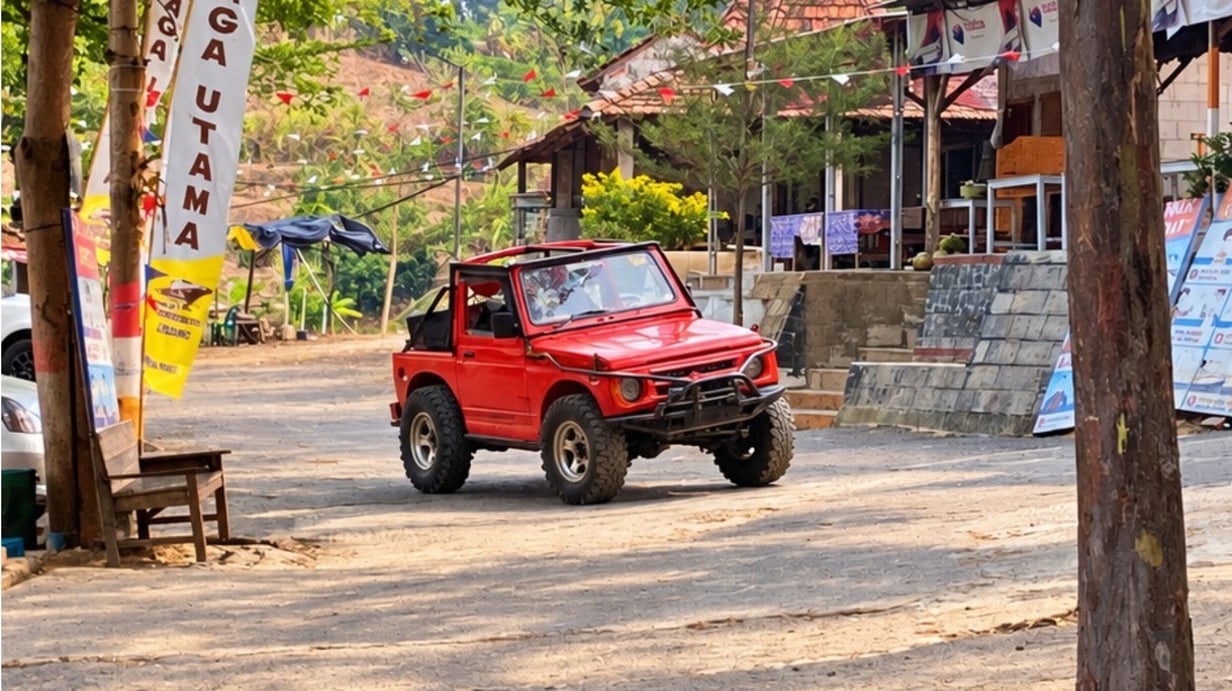
For visitors seeking a unique way to enjoy Logung Reservoir, Jeep Adventure offers tours through the surrounding trails. This activity goes beyond sightseeing, taking passengers across challenging off-road terrain.
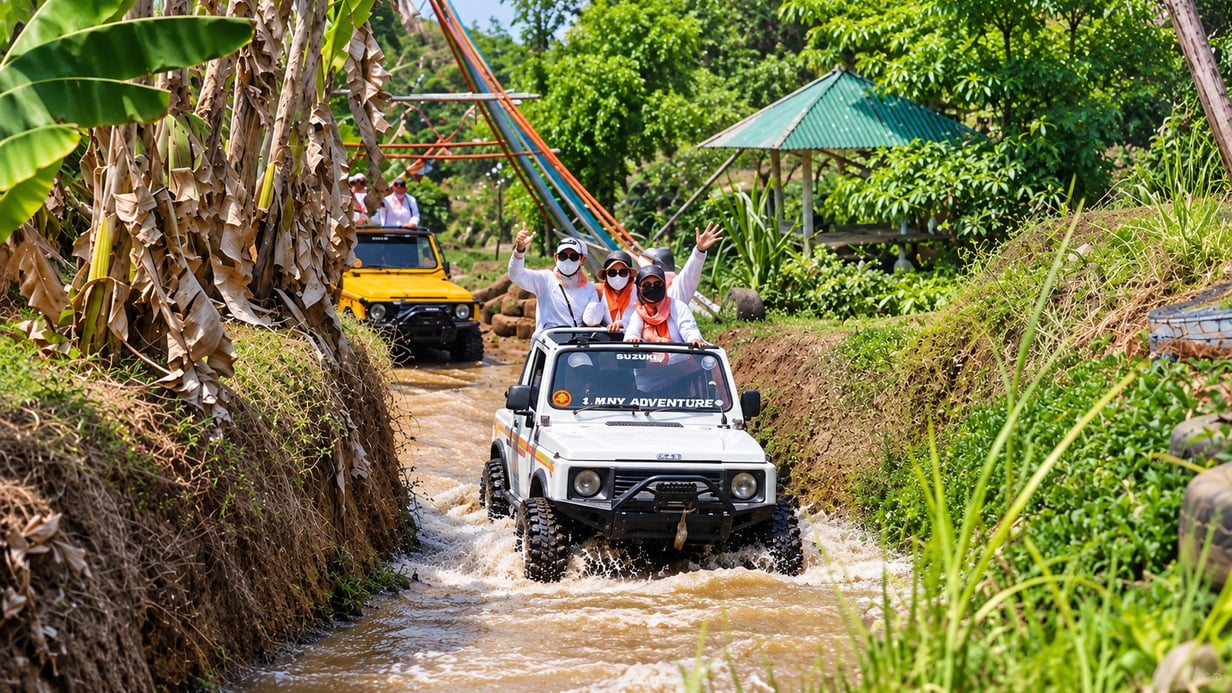
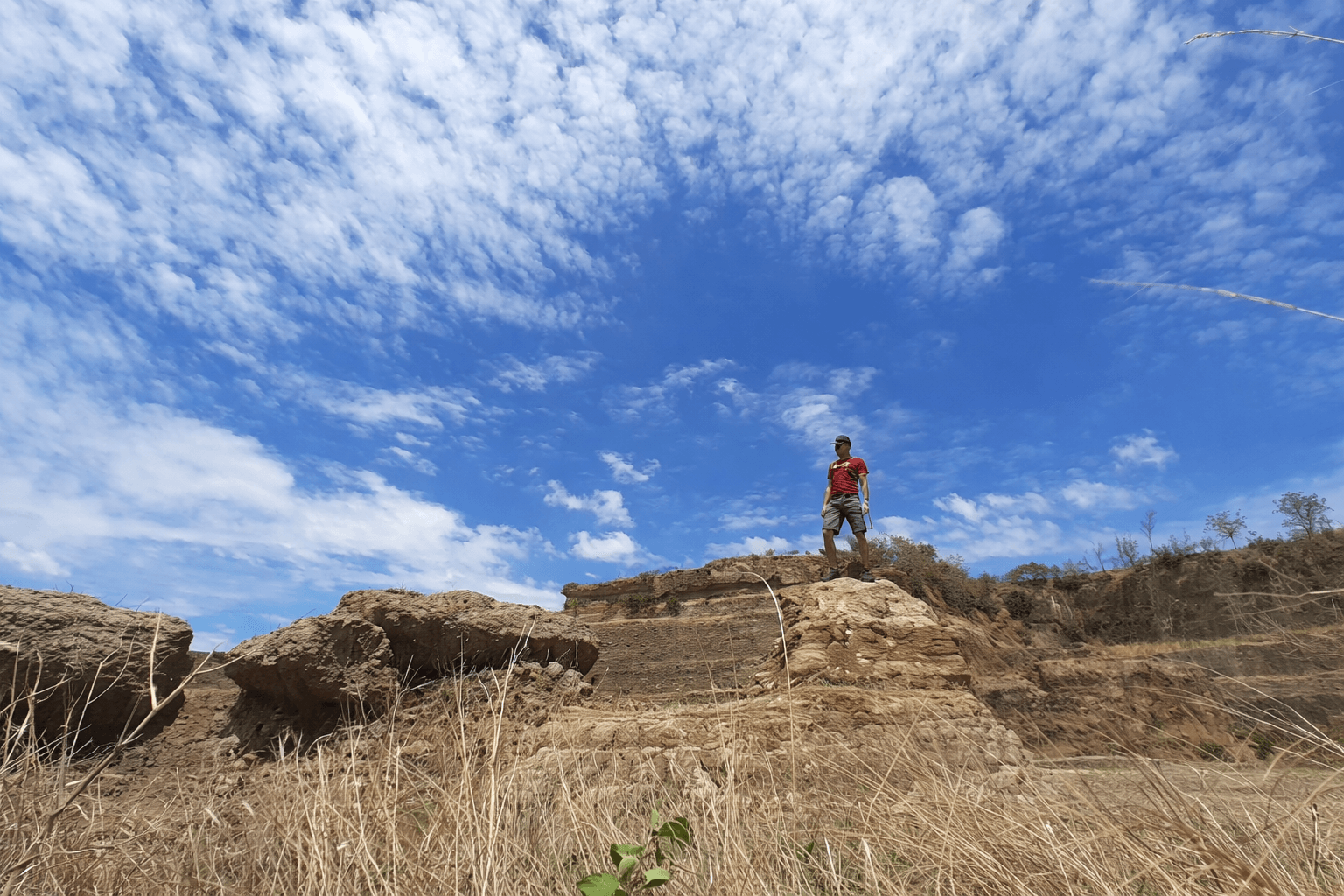
One such jeep route in the Logung area begins in Kandangmas Village. Groups then travel toward Logung Reservoir, navigating through water puddles and river crossings that lead into the reservoir zone. This rugged landscape is an integral part of the adventure, offering a fresh perspective on the Logung region.
Development of the jeep trail in the Logung area is focused on creating a dedicated off-road path. According to plans outlined by the local government, the route will begin at Logung Dam and conclude at the Cengkir Manis tourist area, traversing the Patiayam trail. This route is designed to bypass village and regional roads.
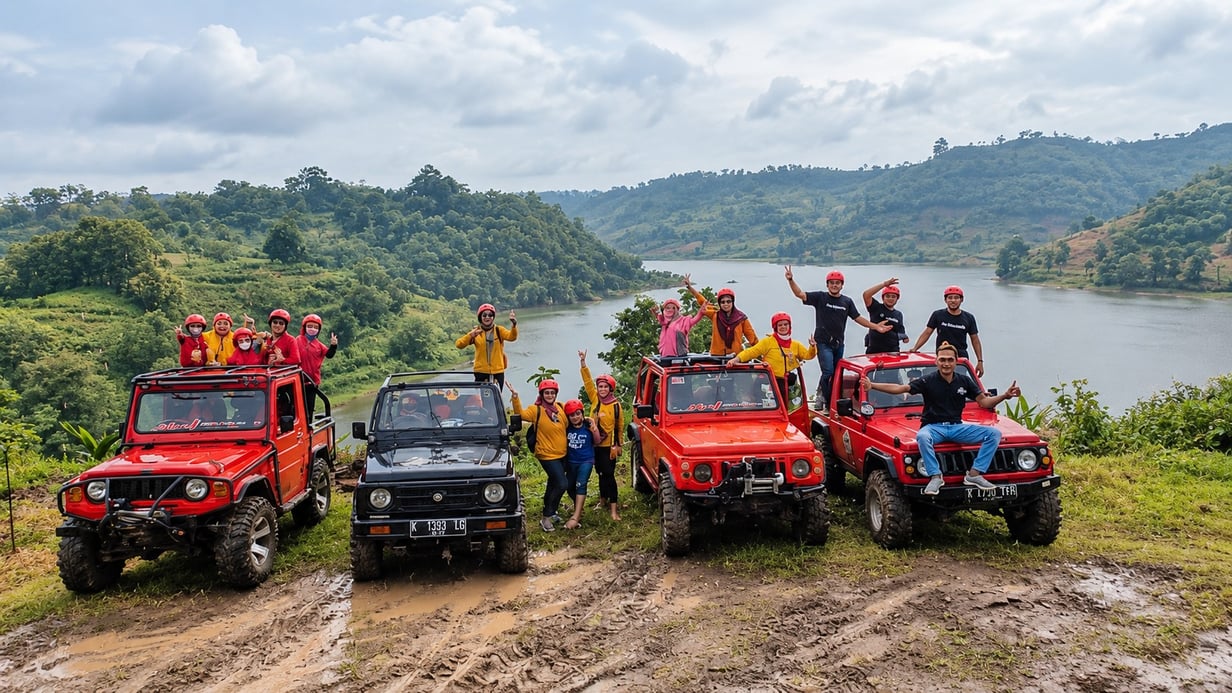
Given the nature of the route, Jeep Adventure offers an active experience for visitors wishing to explore the Logung area. The journey includes dirt tracks, mud puddles, and river crossings, providing a more rugged alternative to simply viewing the reservoir from the banks.
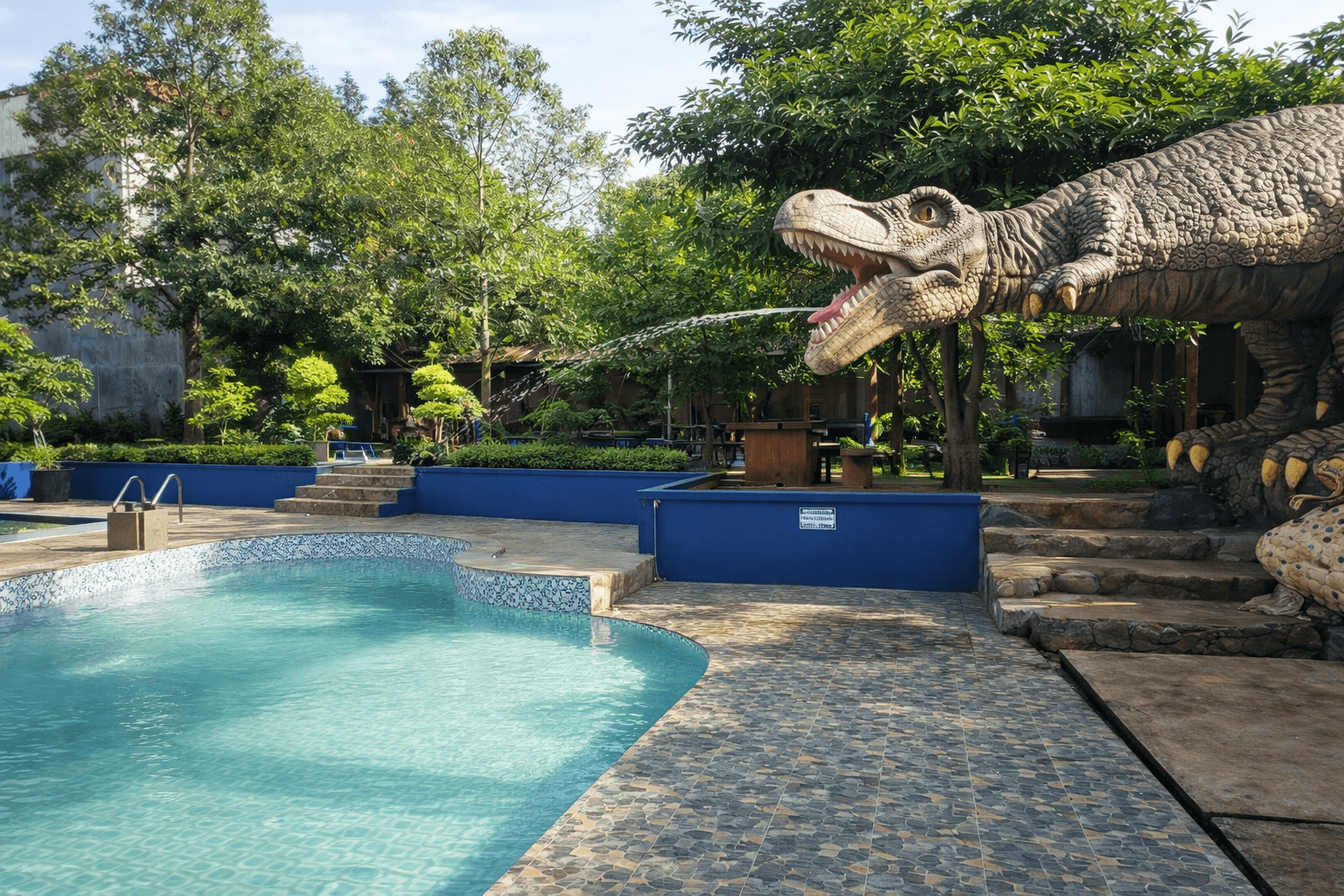
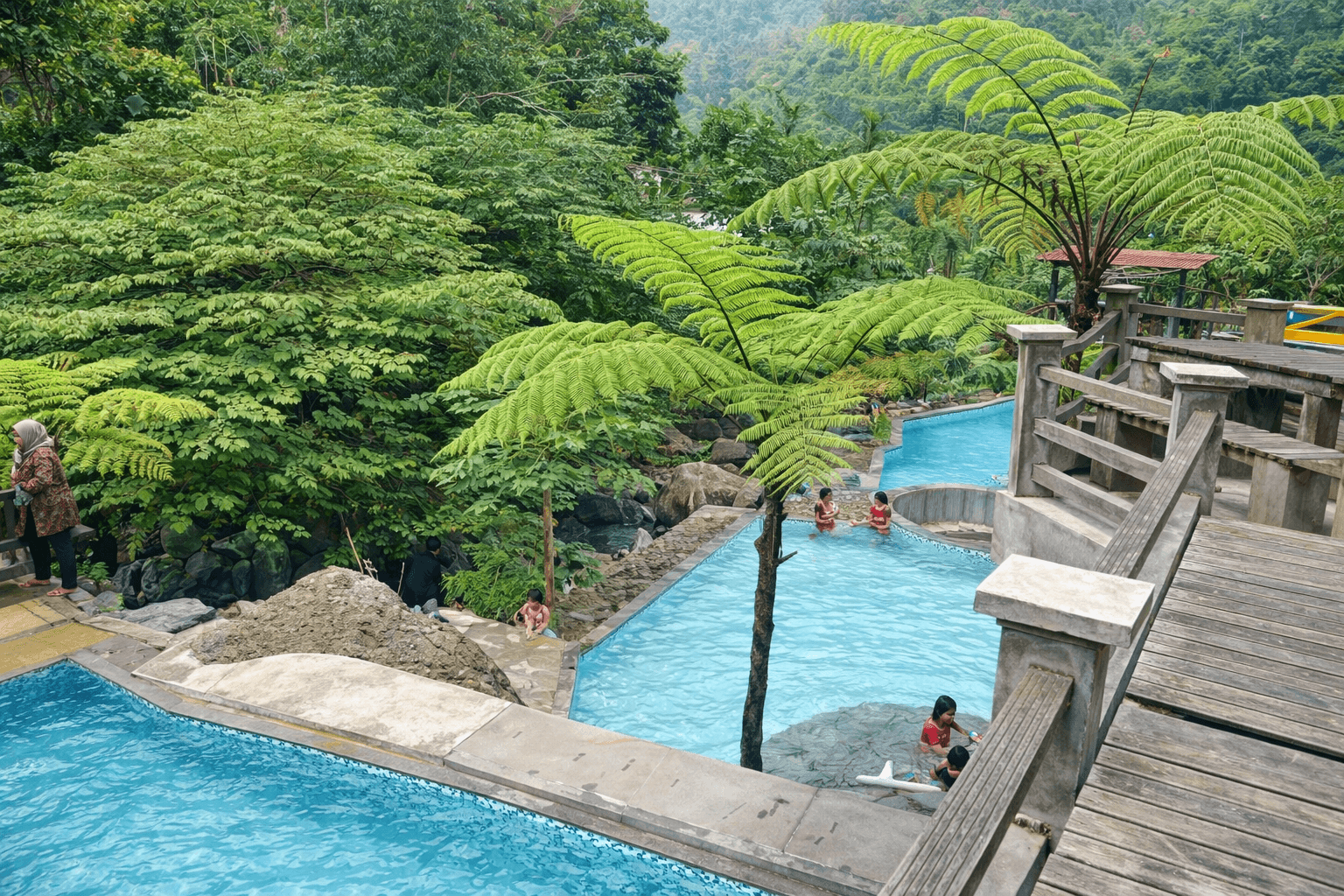
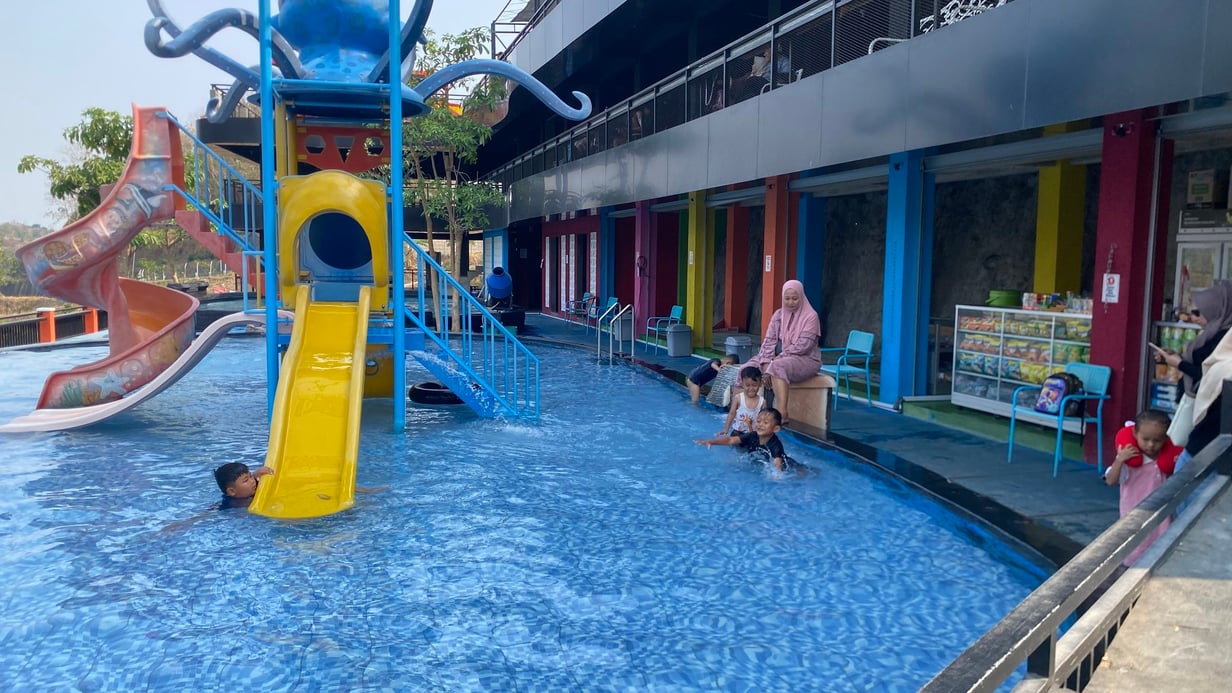
For families seeking a more relaxed pace, swimming pools are available at Garank Fillandra Resort, also known as The Garank, situated on the edge of the Logung Reservoir. The facility offers pools for both children and adults, with direct views of the reservoir.
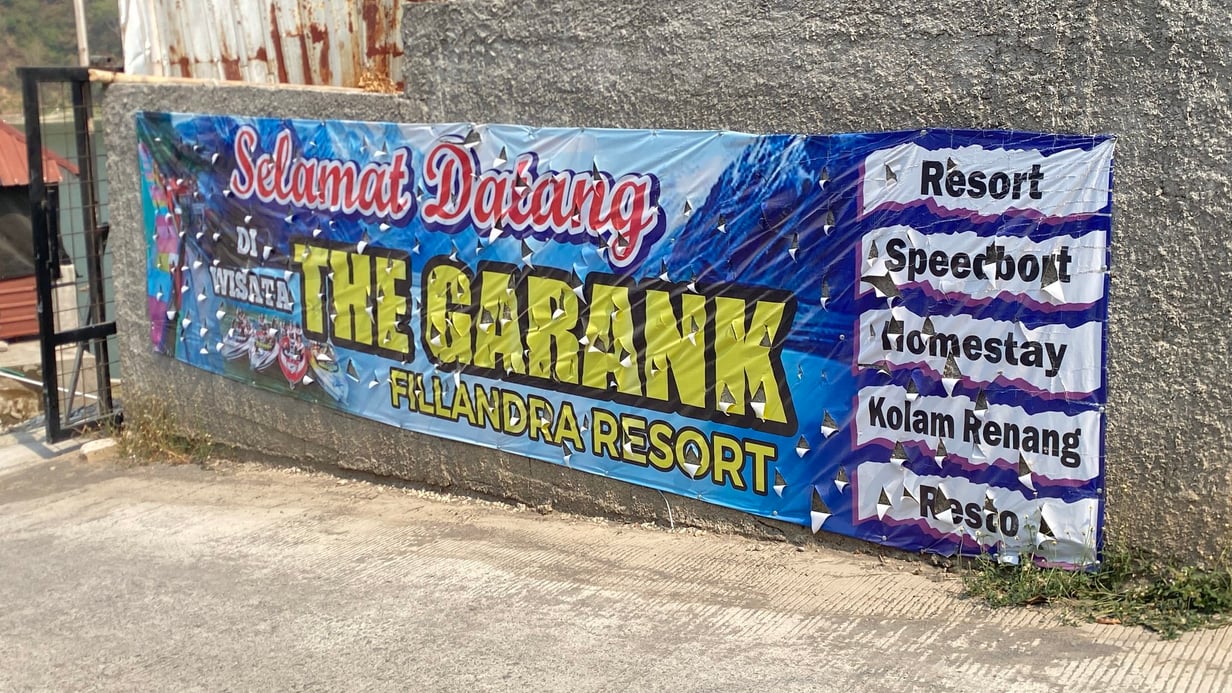
The swimming pools operate from 8:00 a.m. to 6:00 p.m. WIB. Admission is Rp 10,000 for children and Rp 4,000 for teenagers and adults. The site also features dining areas and speedboat services.
Speedboats are a popular attraction at the reservoir. Management and visitor reports indicate a rate of Rp 100,000 per boat, with a capacity of up to four passengers. Each trip lasts approximately 15 minutes.
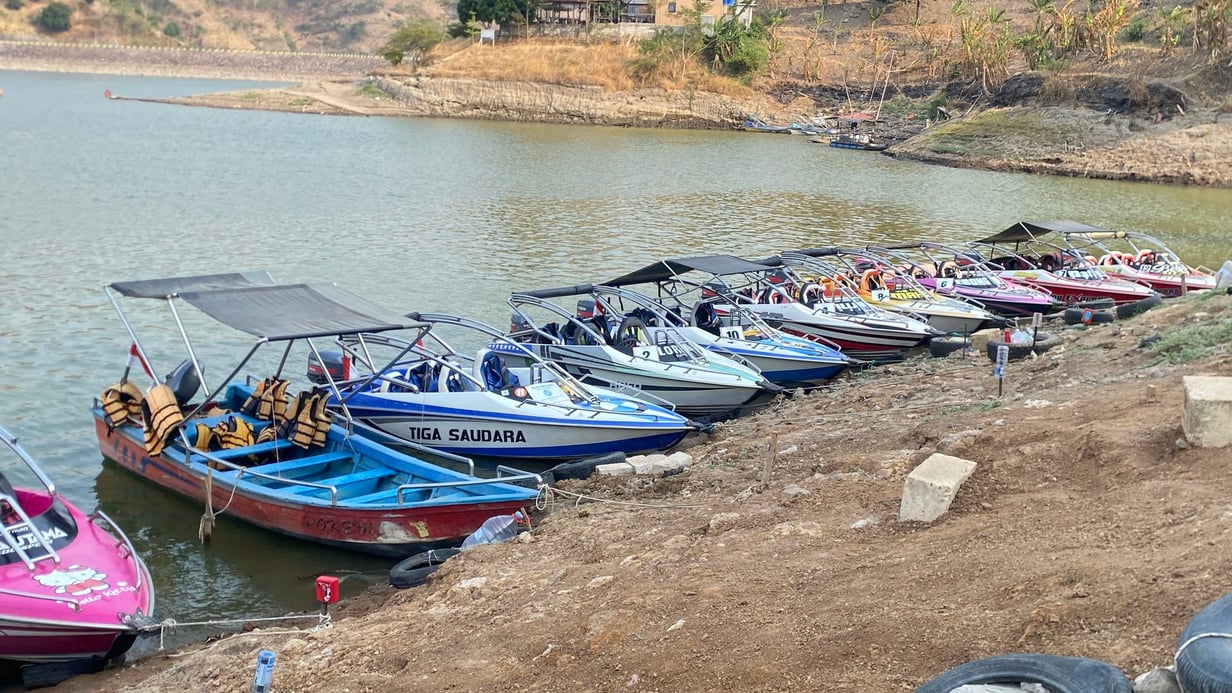
For younger visitors, activities at Logung extend beyond just the rides. The reservoir area has become a popular spot for taking photos, relaxing, and socializing with friends.
Syihab from Gubug, Grobogan, and Cinta from Pati learned about Logung Dam through TikTok. Both visited to enjoy the atmosphere of the area.
For Cinta, the location offers a variety of activities in a single visit.
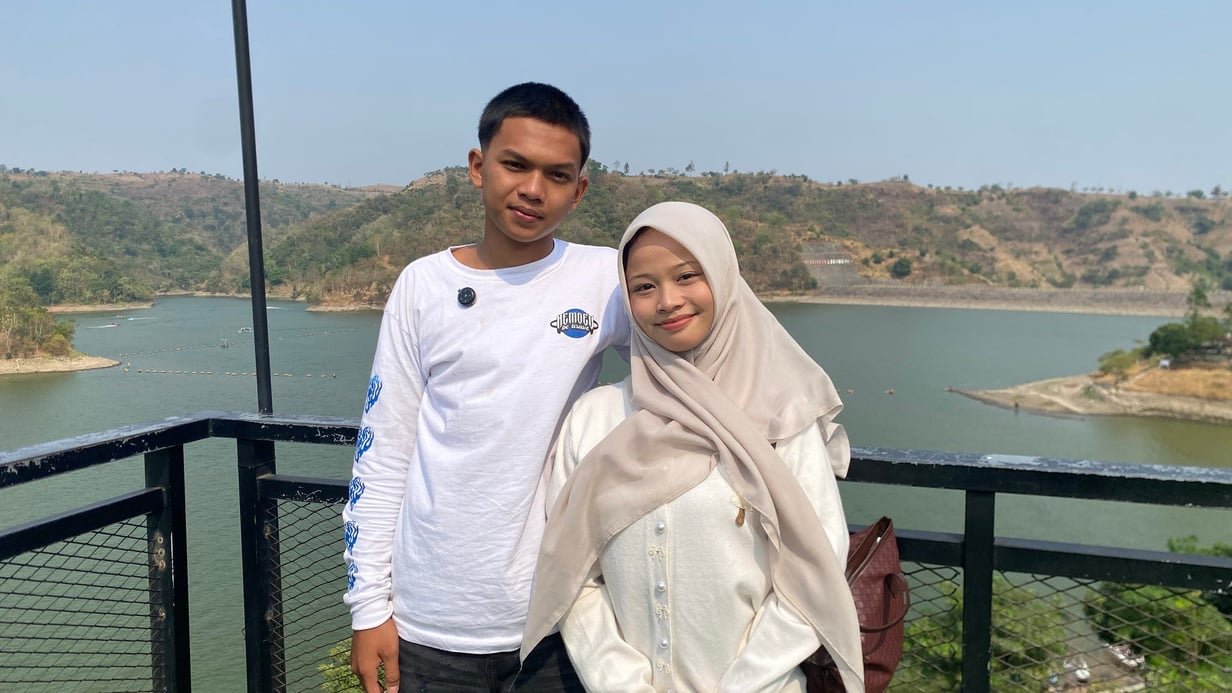
"I was shocked when I first arrived; it is truly beautiful. It is perfect for photography, relaxing, and hanging out with friends," Cinta said.
Syihab noted that access to the tourist area is well-maintained and that cleanliness is prioritized. With estimated expenses of Rp 20,000–Rp 30,000 per person, a trip to Logung is an affordable recreational option for them.
Tourism activities continue despite regulations restricting access to specific areas. Visitors can enjoy rides and scenery from designated points, while the dam's core remains off-limits.
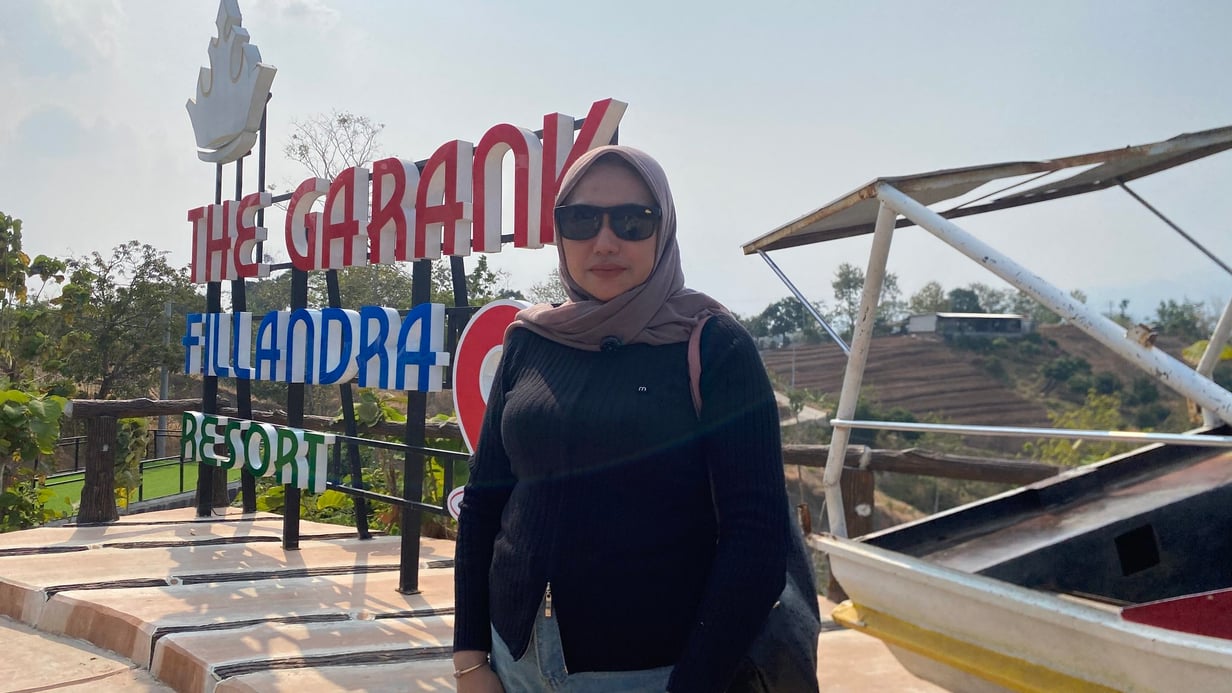
Bunda Lila, a visitor from Kepoh Village, Bangsri District, Jepara Regency, also discovered Logung Dam through social media. This was her first visit with her group, and she opted to try the speedboat after taking in the scenery.
"It is so much fun! We rode from the east end to the west end," she said.
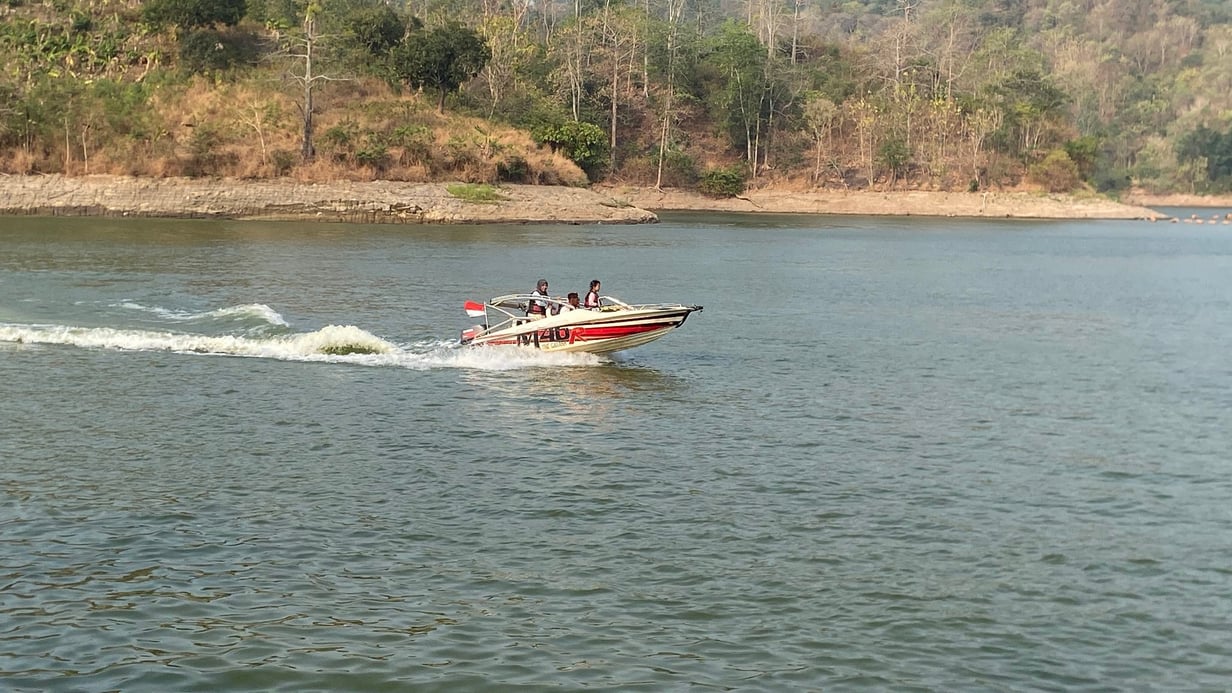
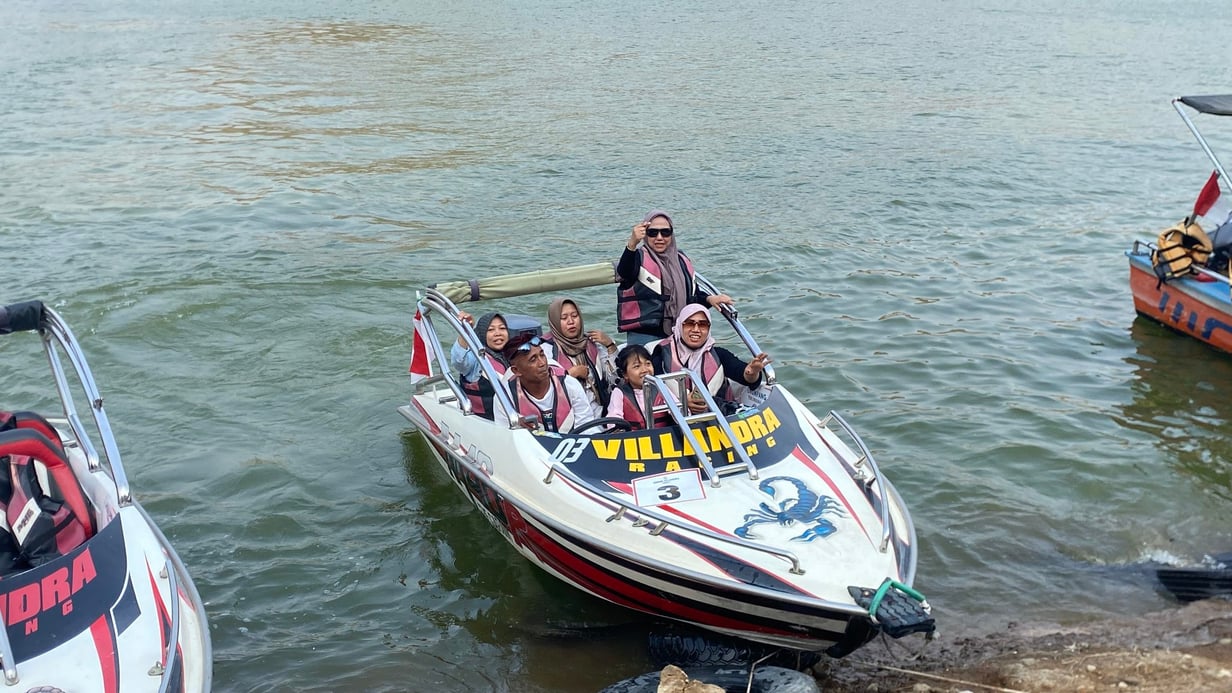
Beyond the attractions, the reservoir's scenic views are a highlight for visitors. The expansive water and surrounding hills allow guests to enjoy the area without needing to participate in all available activities.
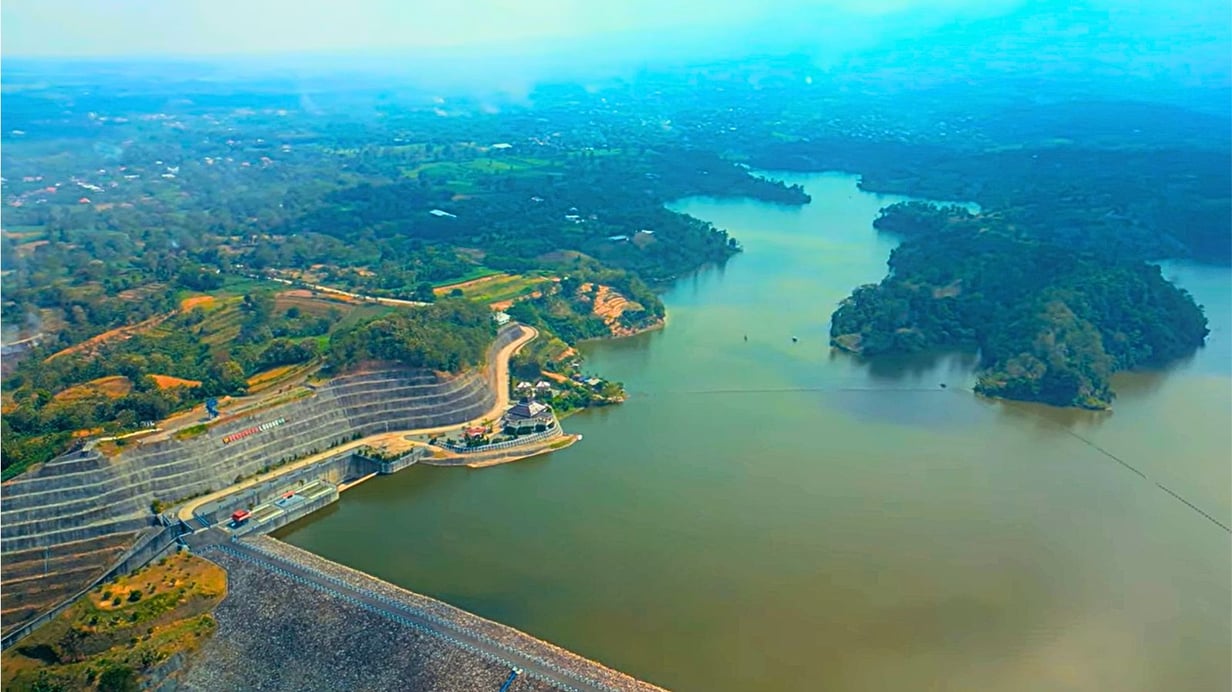
Amid rising tourist activity, the Logung Dam maintains its primary role as water resource management infrastructure. Flood control and water supply for agriculture remain vital to the reservoir's function for downstream communities.
Consequently, activities surrounding the area prioritize safety and environmental protection. Kandangmas Village has established a specialized water-rescue team (SAR) that receives training from the Kudus Regency Disaster Management Agency (BPBD) and operates in coordination with local police.
Environmental efforts also include regular tree-planting initiatives, organized by village officials, residents, and students two to three times annually to curb erosion and sediment buildup in the reservoir.
As residents operate local businesses along the shoreline, the dam's core functionality remains the priority within the restricted zone.
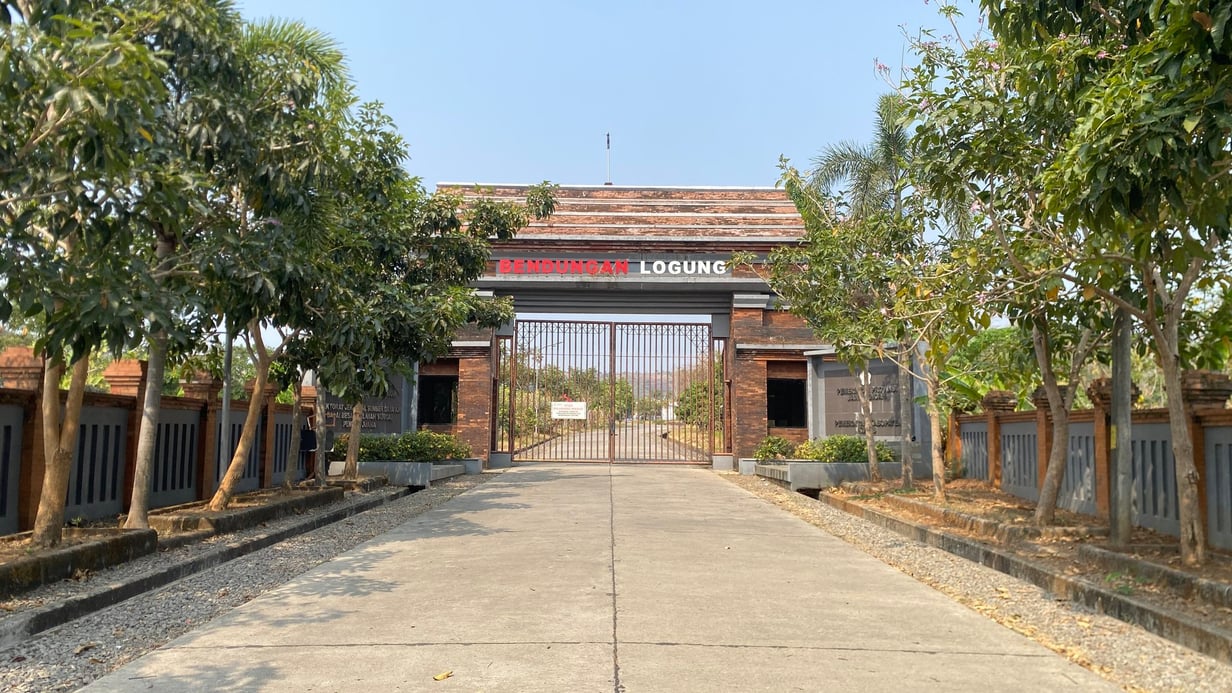
The Logung Dam has become an increasingly central part of life for the Kandangmas community. While reservoir waters are managed for public and agricultural needs, the surrounding area has evolved to support vendors, recreational services, parking, and various community activities.
The area continues to develop, alongside the need for improved infrastructure, access, hygiene, and safety. Amidst the hills and water, local activity thrives around the dam that was originally constructed for water management. (FZ/mainkekudus)