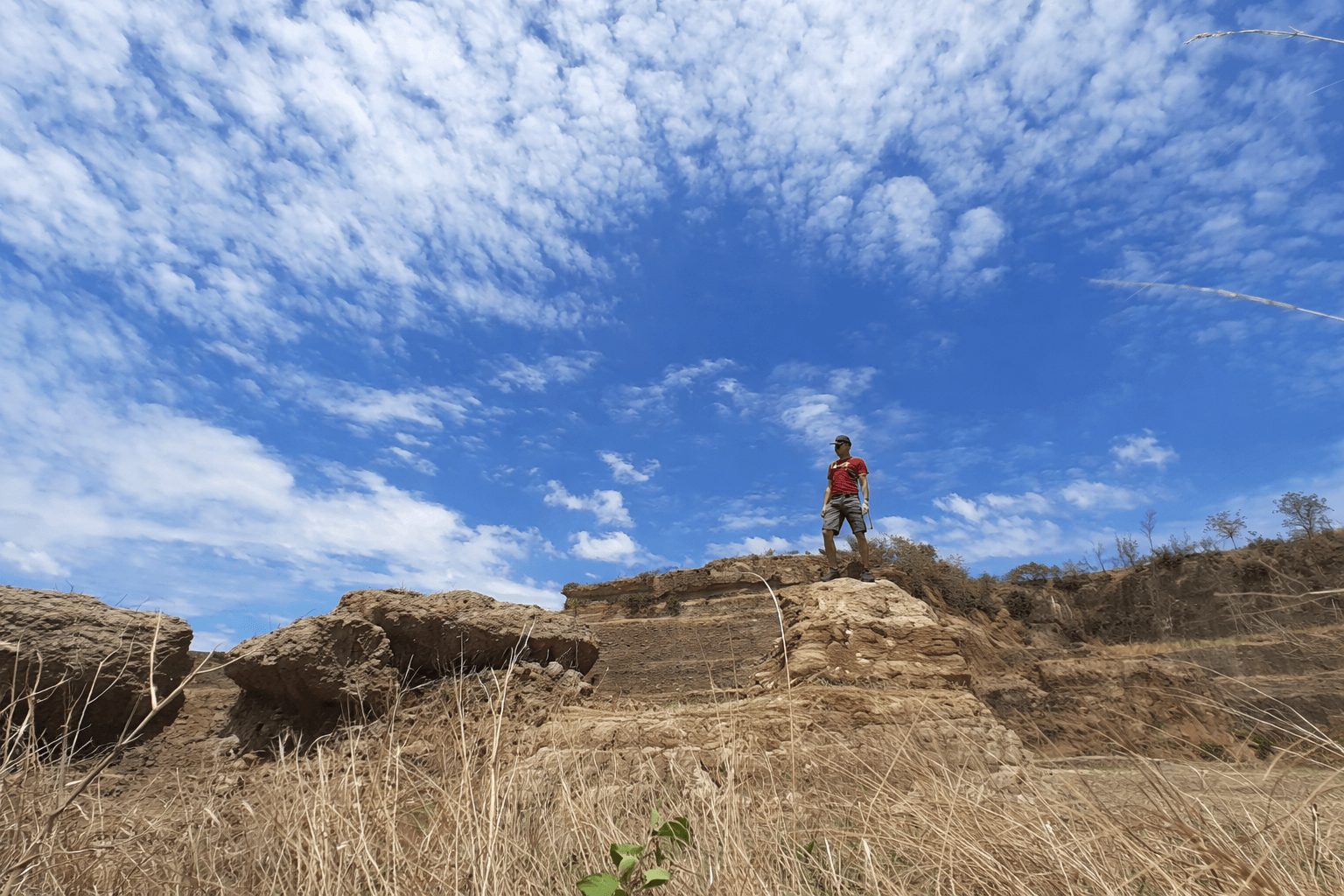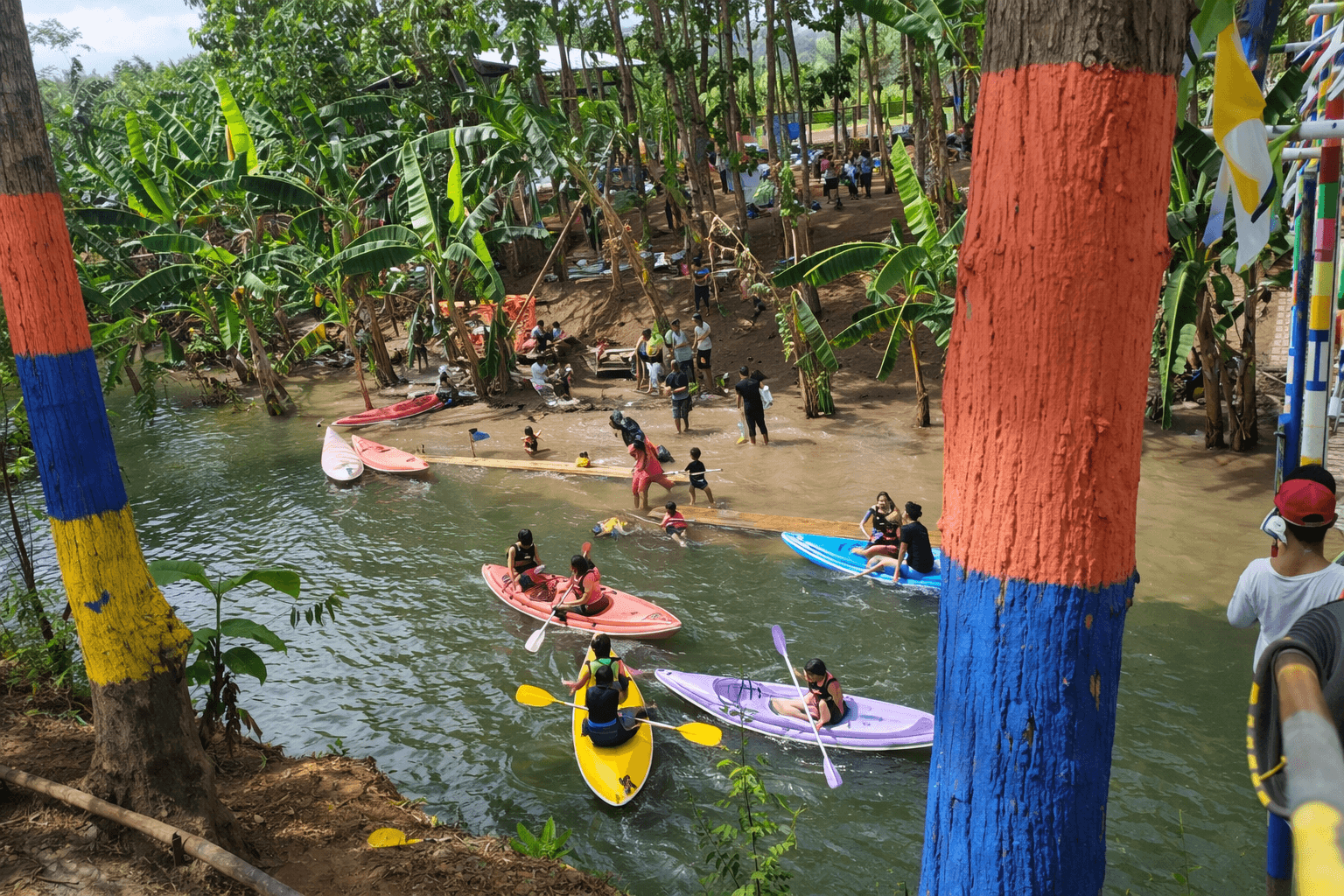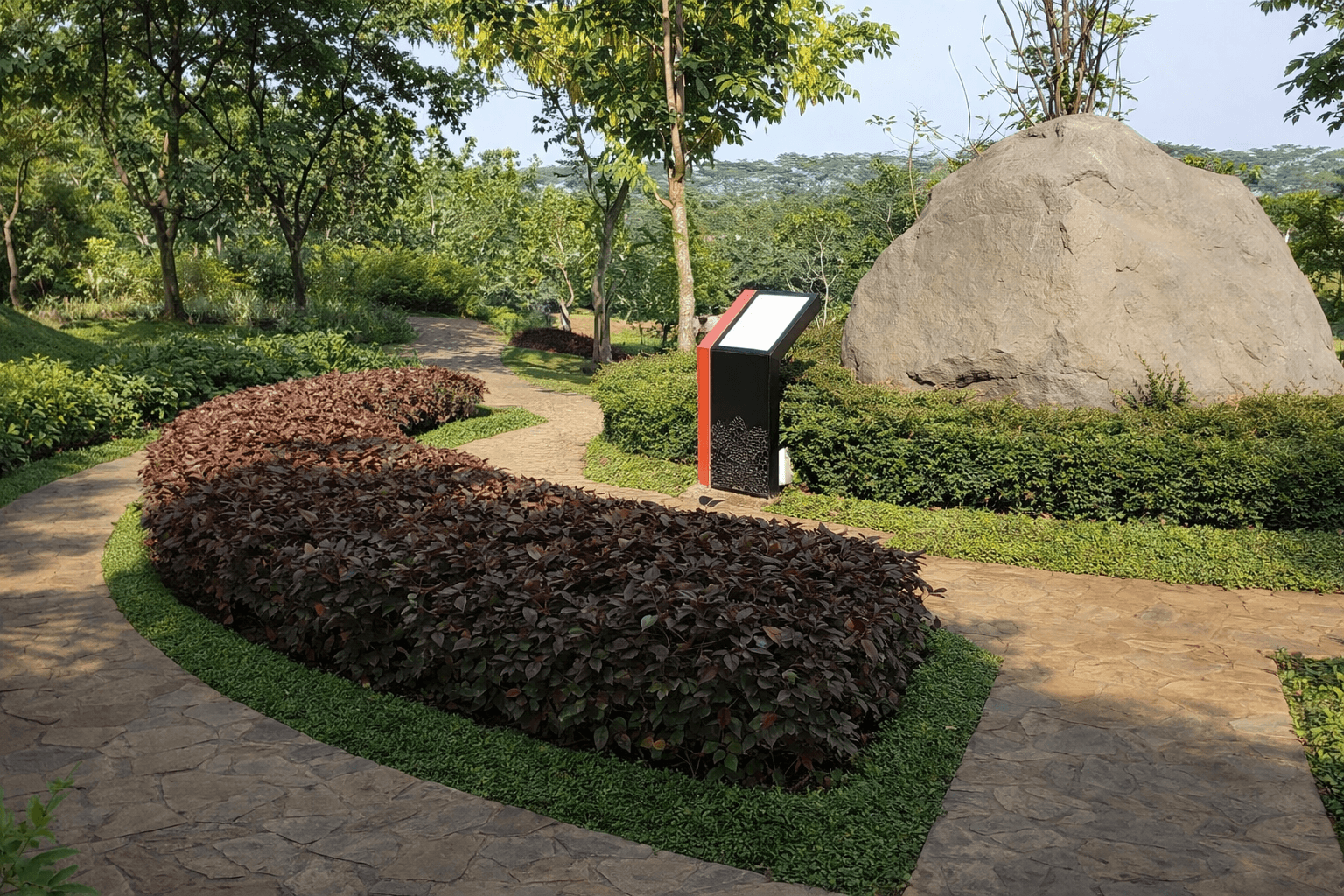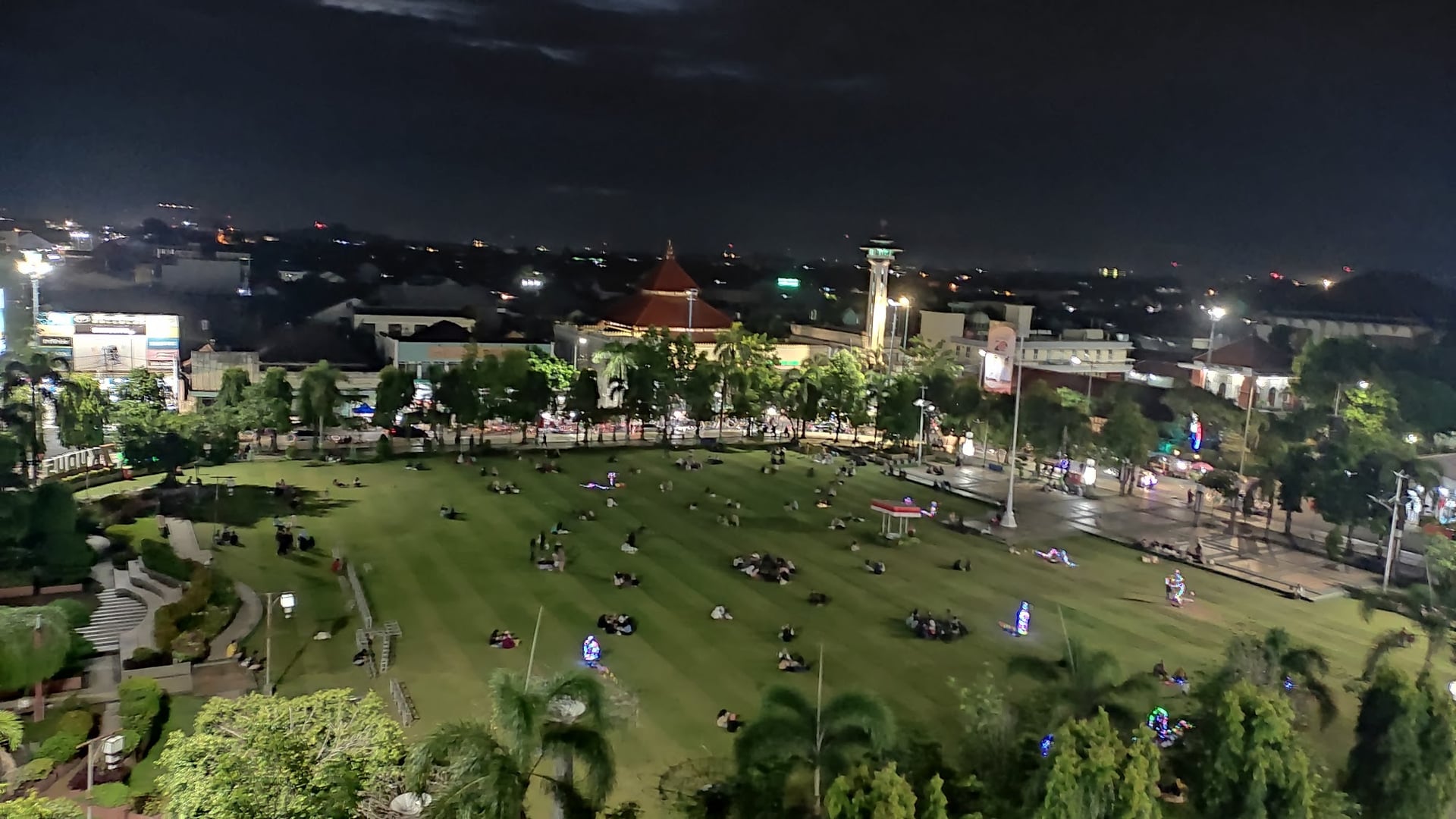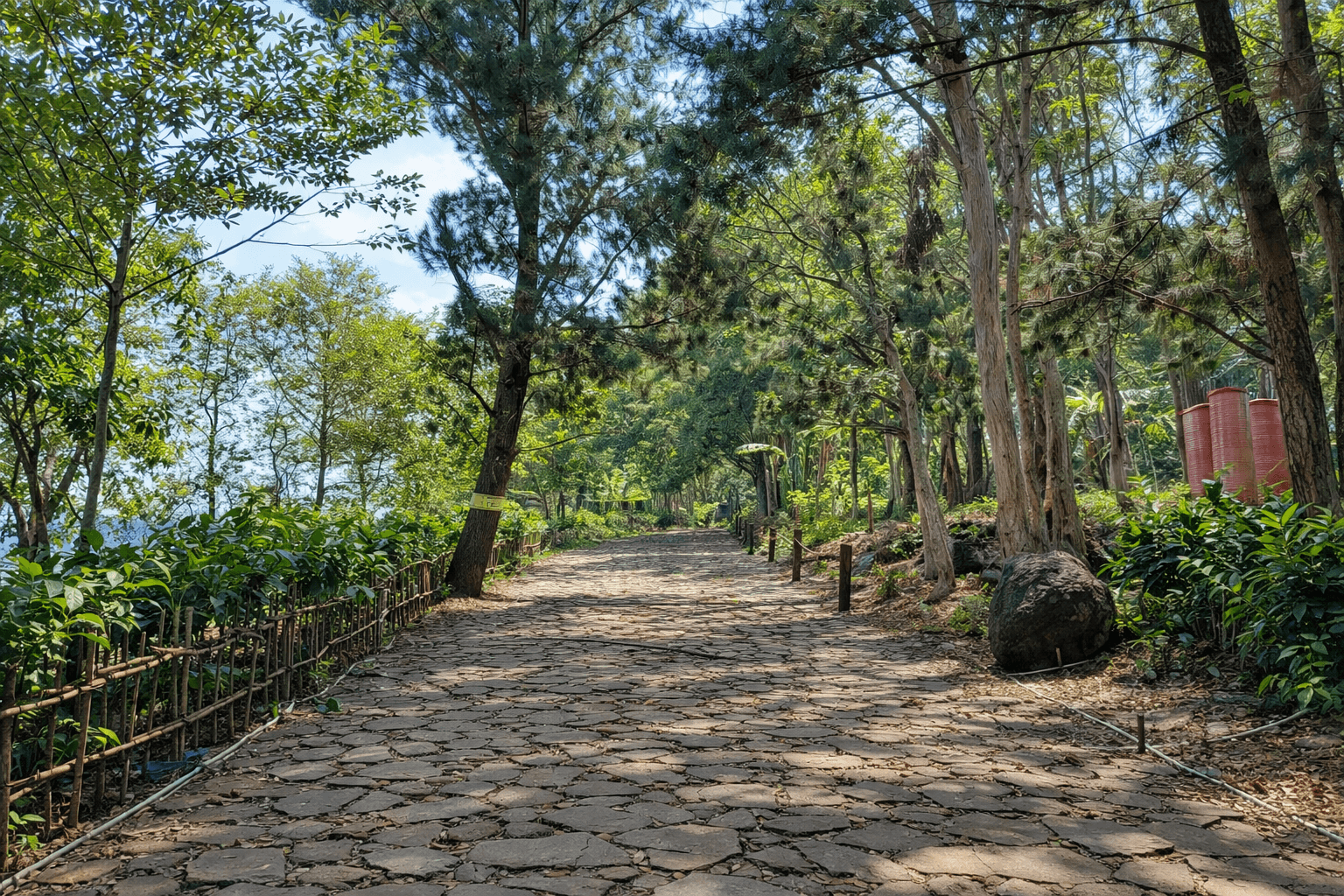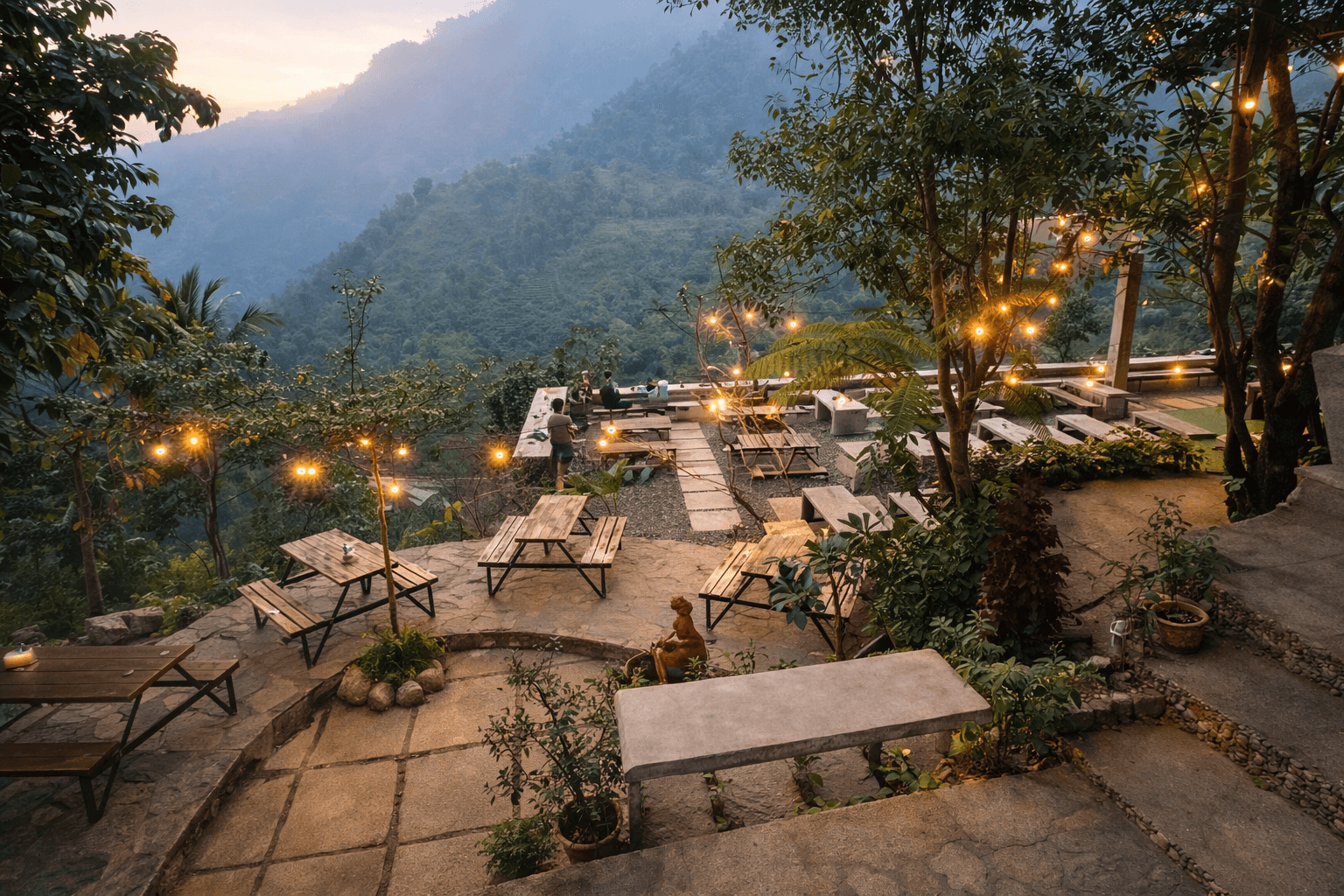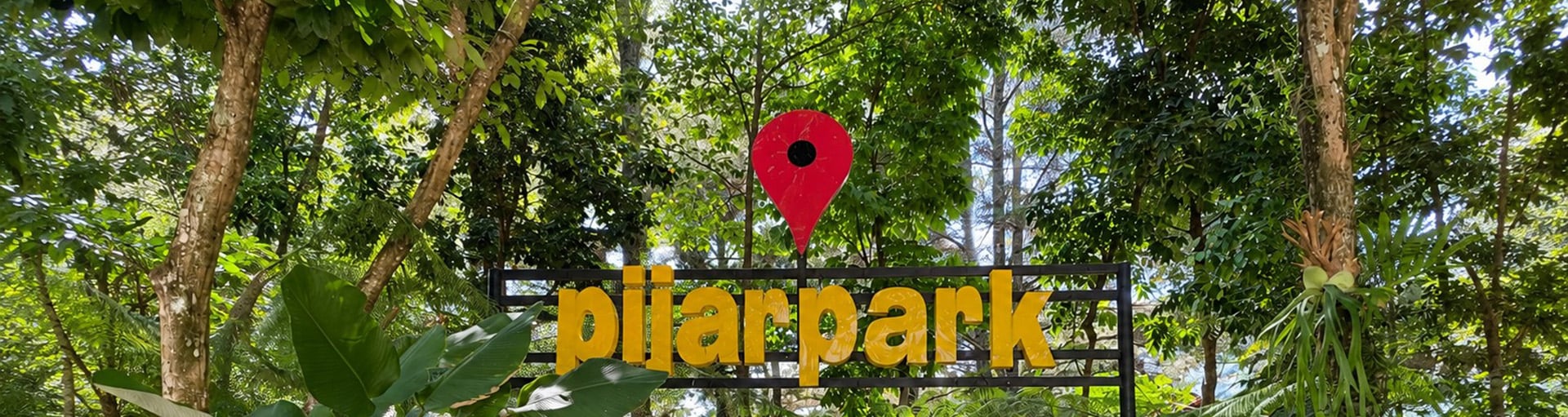
KUDUS – Nestled on the slopes of Mount Muria in Kajar Village, Dawe District, Kudus Regency, lies Pijar Park, a nature-based tourism destination set against the scenic backdrop of a pine forest. The site offers a comprehensive range of attractions, including recreational activities, dining options, educational programs, and family-oriented amenities.
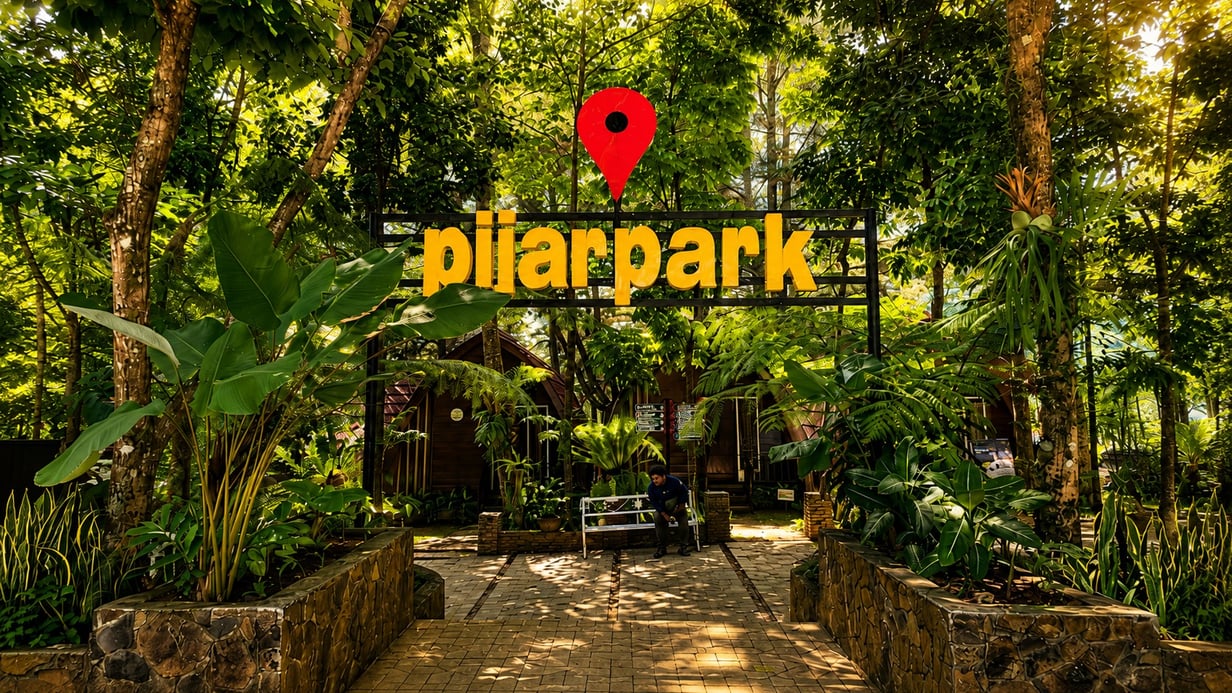
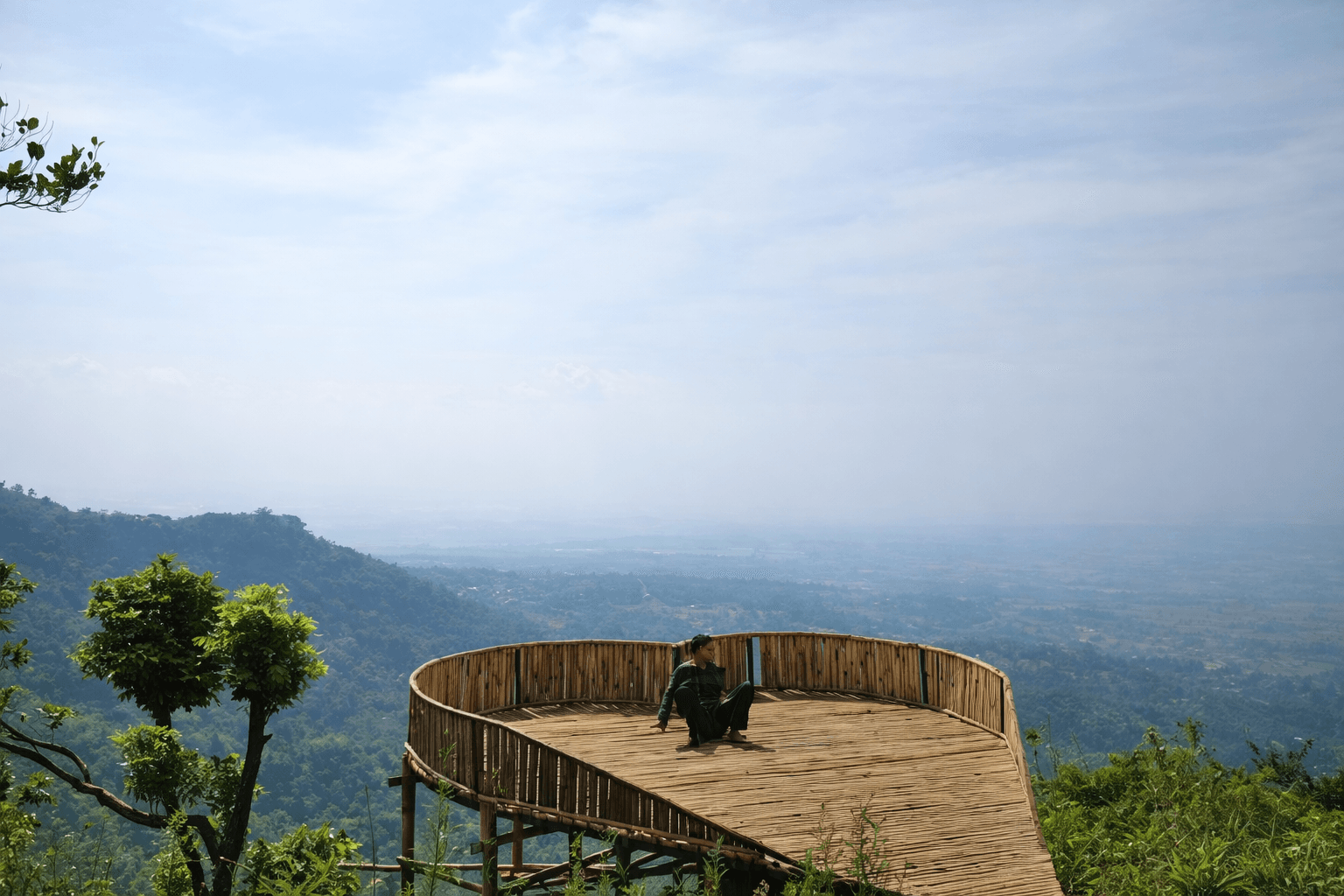
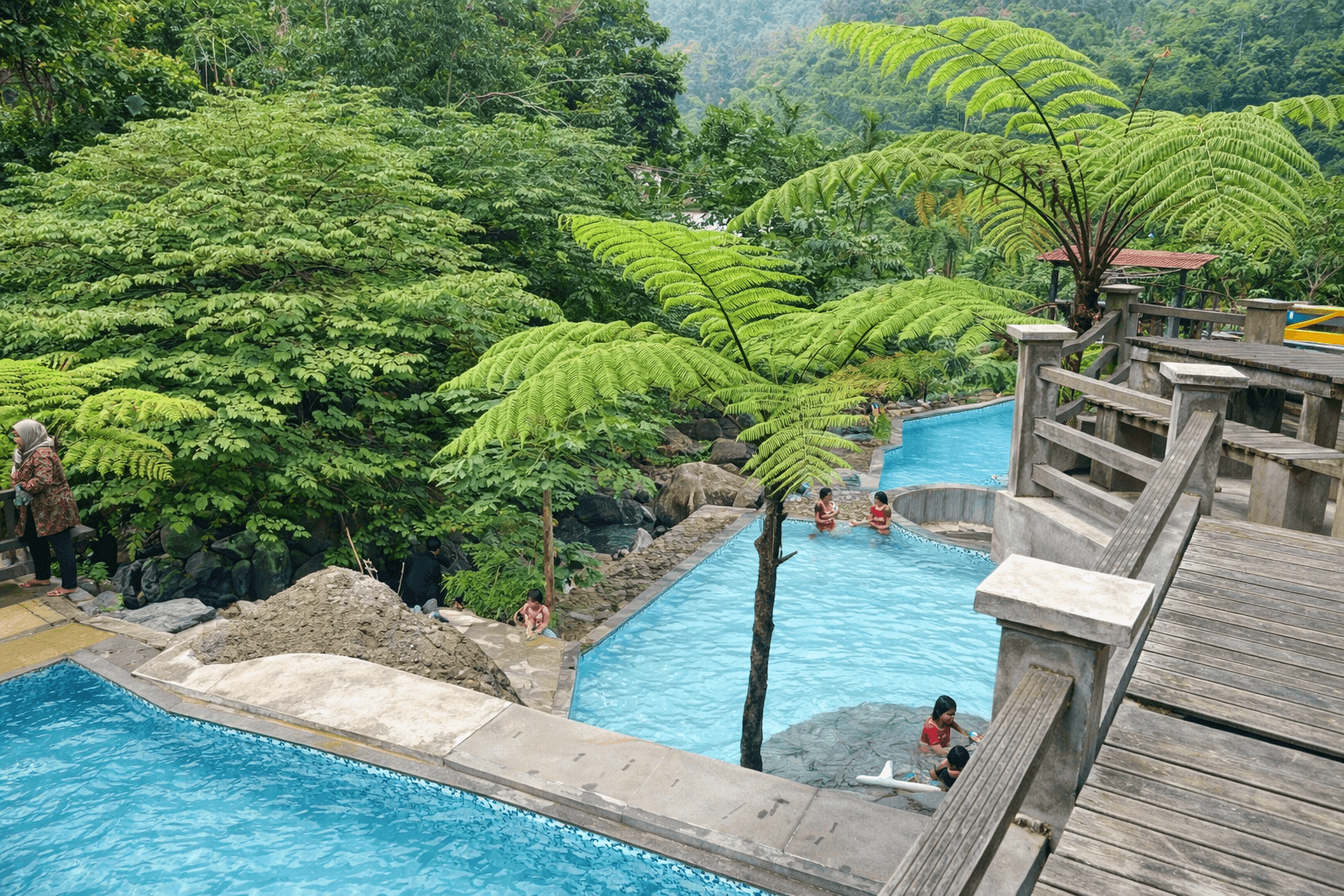
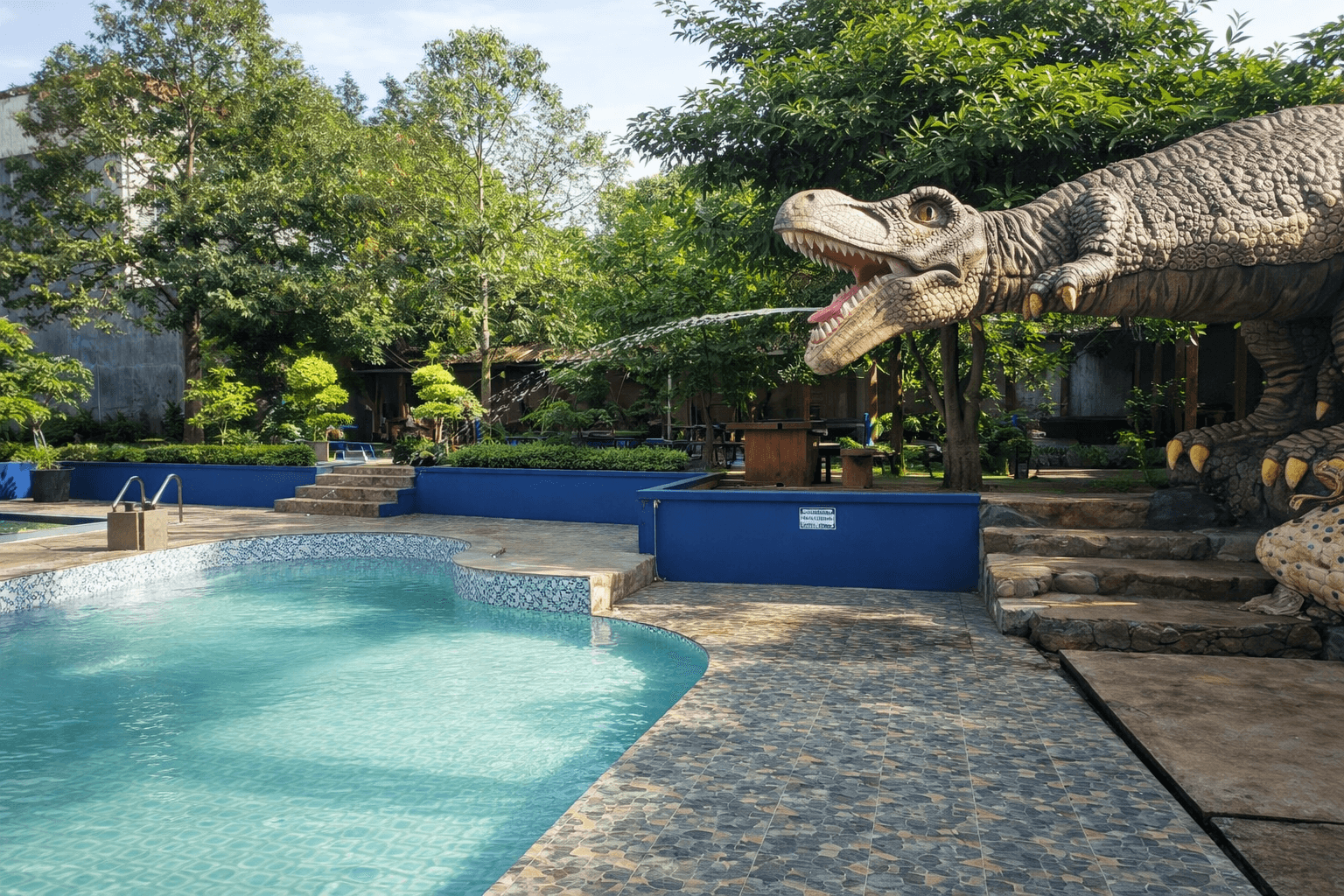
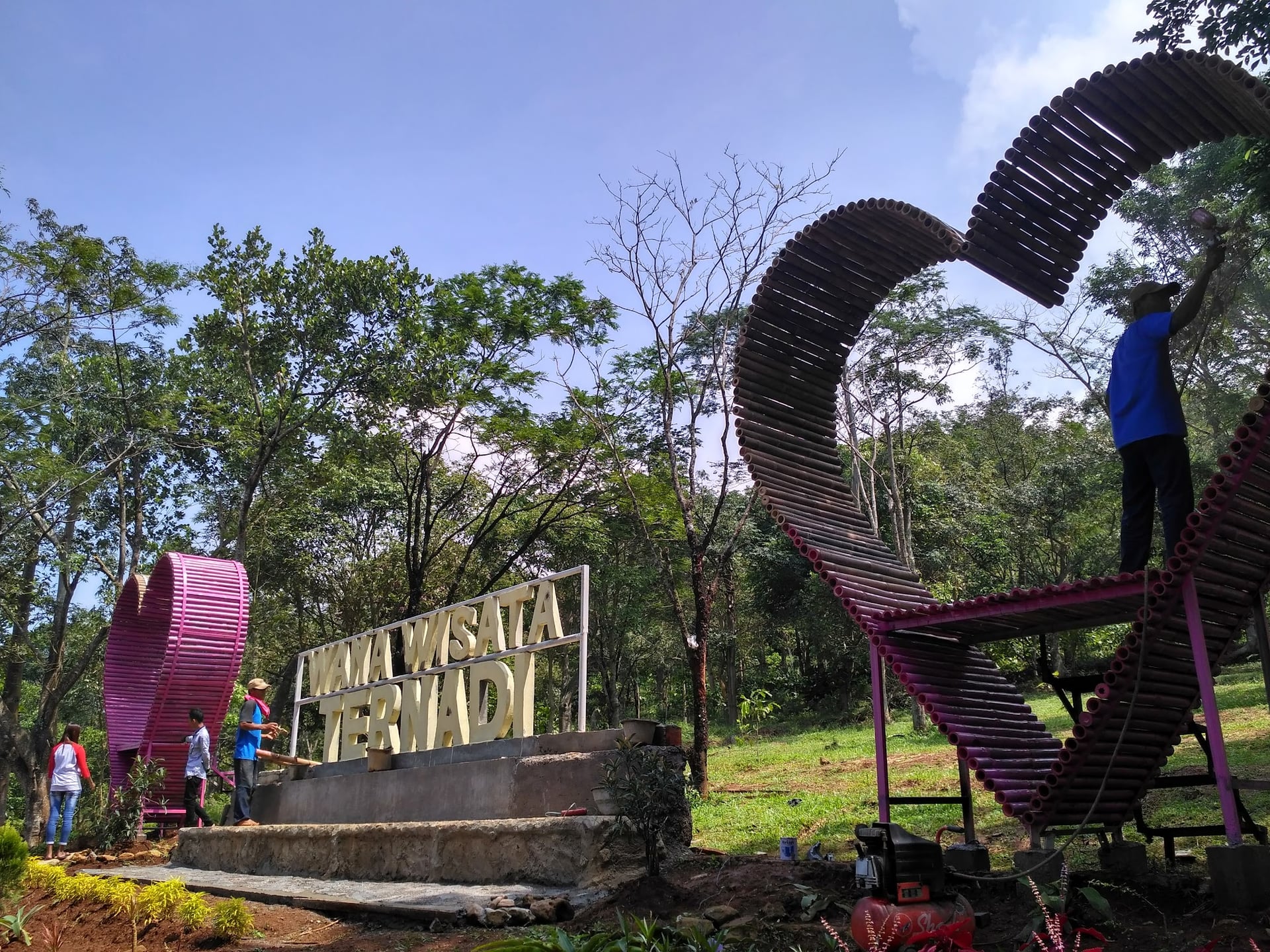
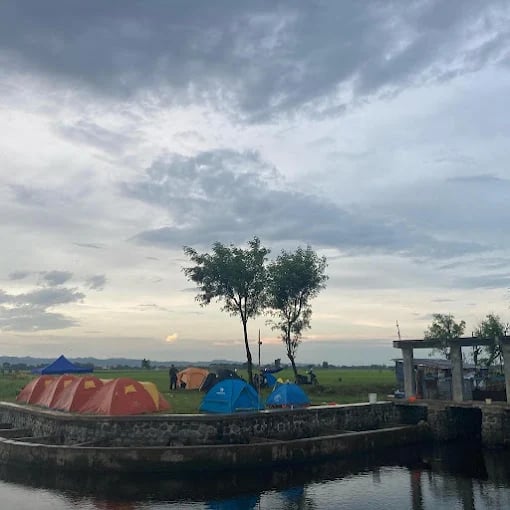
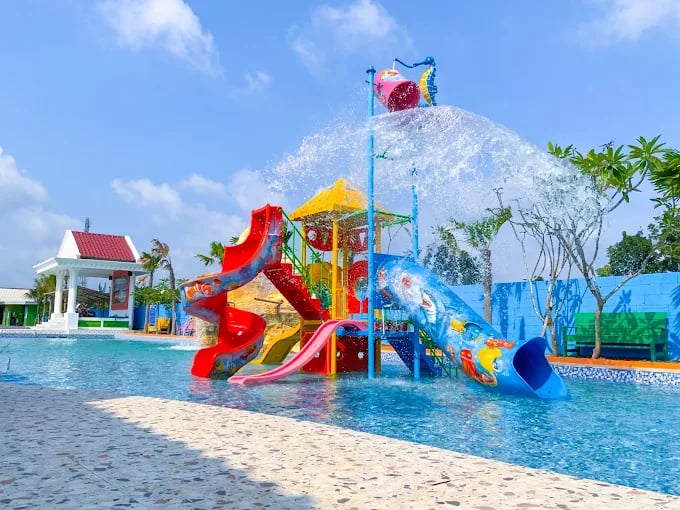
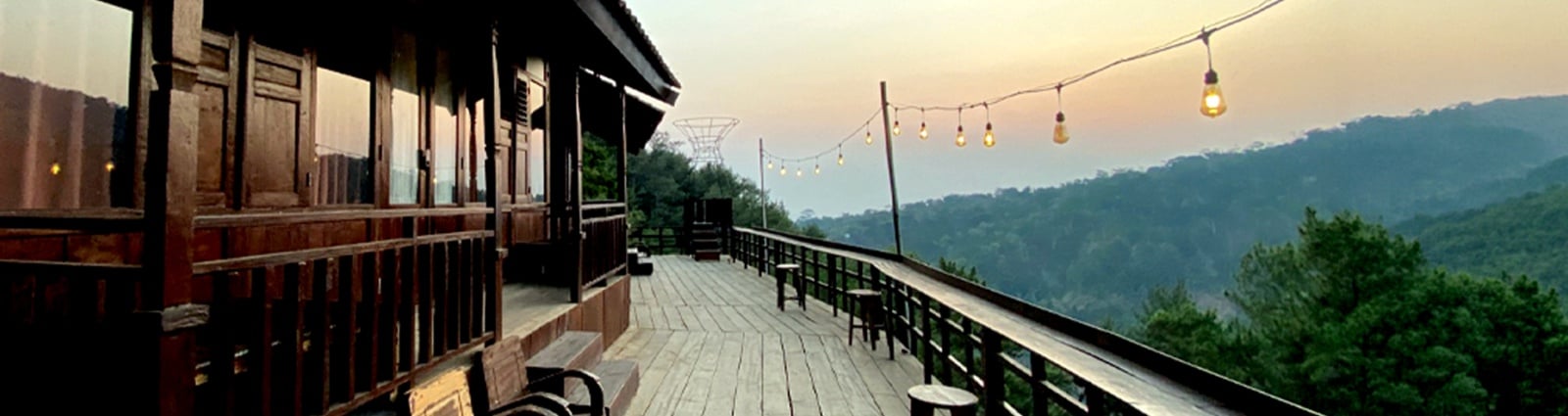
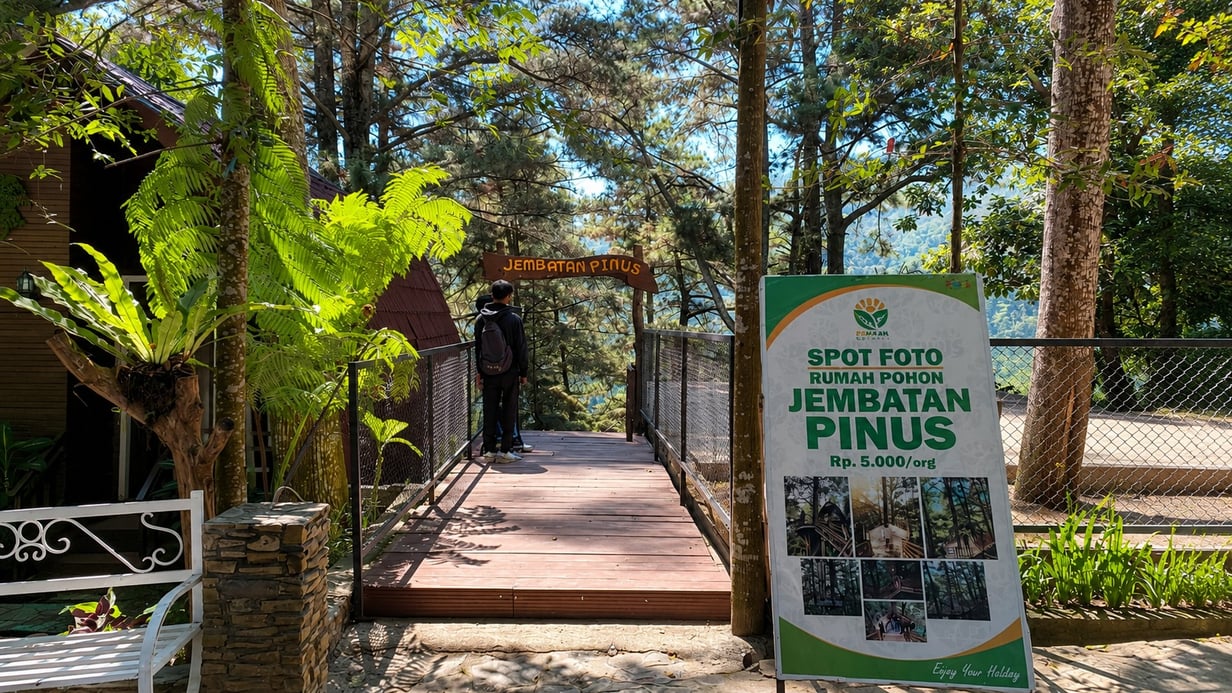
The crisp mountain air and pine forest setting serve as the cornerstone of the visitor experience. Beyond its role as a family getaway, the area includes a campground, food court, cafes, children's play areas, a swimming pool, and numerous photo spots that have become popular among tourists.
Pijar Park was established as a community initiative by the residents of Kajar Village, beginning in 2021. The project aims to leverage local natural resources while empowering the village through community-based tourism management.
The park has become an integral part of the tourism sector in Kudus Regency. Data from the 2025 tourist visits report, released by the Kudus Regency Communication and Information Office (Diskominfo), shows that the top 10 most popular tourist destinations in the region recorded a combined total of 3,398,329 visits throughout 2025.
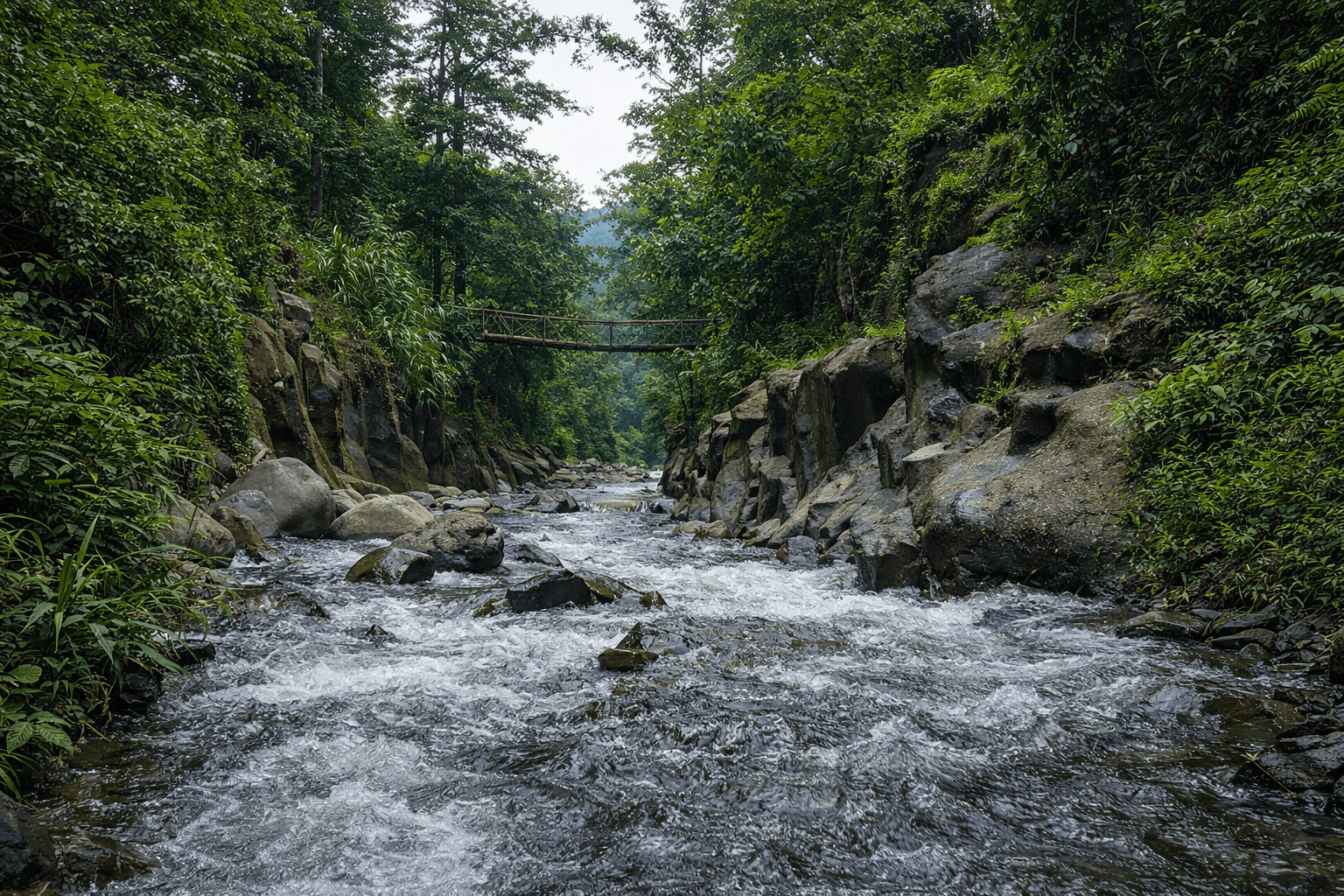
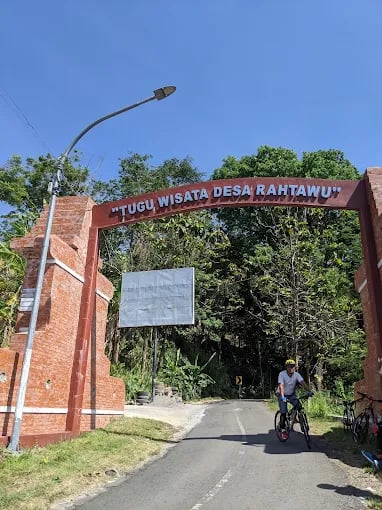
The Menara Kudus Mosque led the rankings with 1,913,120 visitors, followed by the Sunan Muria Tomb with 840,751 visitors. Other significant destinations drawing tourist interest included Pijar Park, Rahtawu Village, the Jenang Museum, Irons Waterpark, Kretek Water Park, the Kretek Museum, Wonosoco Village, and Taman Krida Wisata.
Jl. Raya Jurang No.Km. 15, Dersaya, Kajar, Kec. Dawe, Kabupaten Kudus, Jawa Tengah 59353, Indonesia
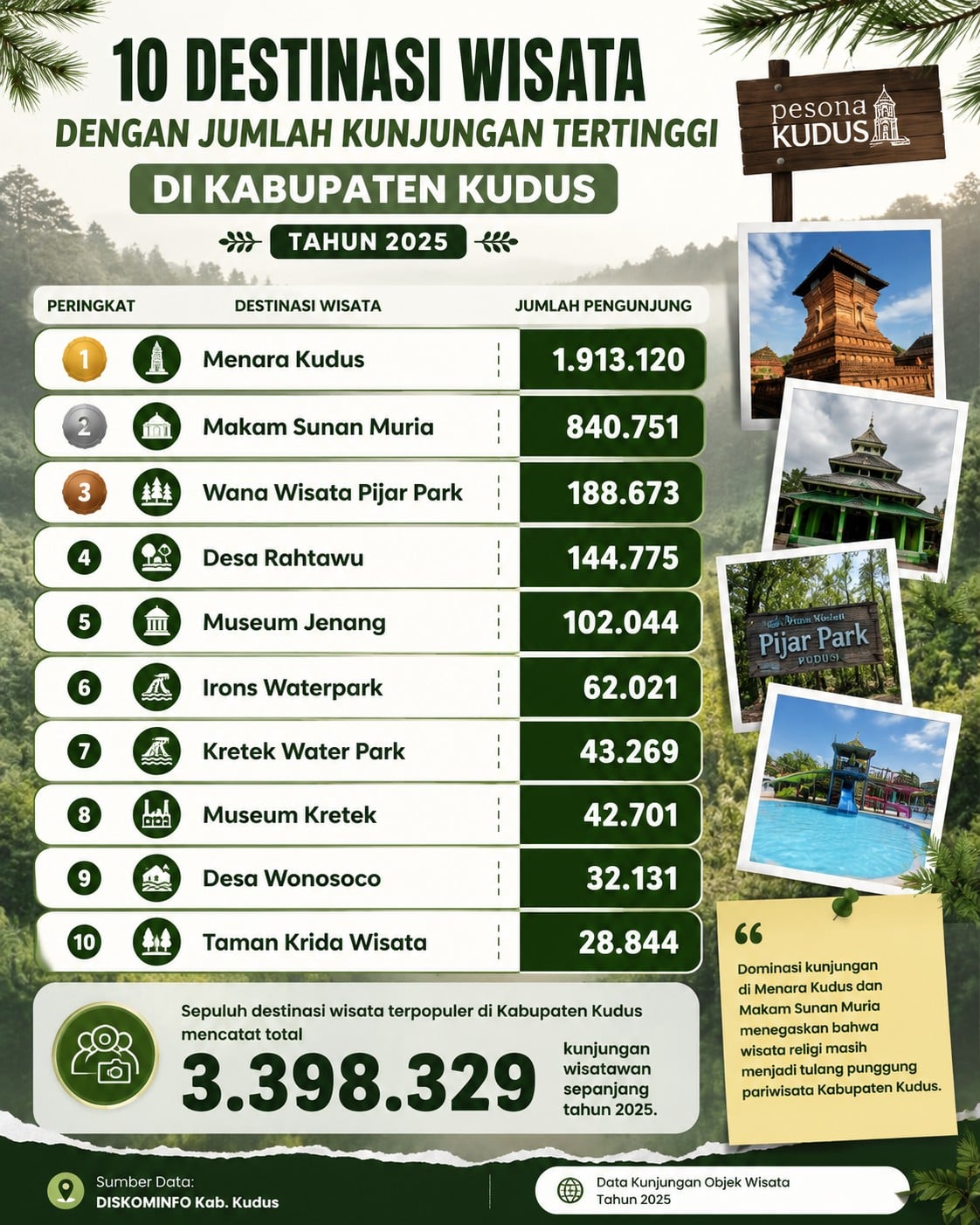
The inclusion of Pijar Park among the region's top destinations highlights its growing importance to the Kudus tourism industry. Meanwhile, the high visitor numbers at the Menara Kudus Mosque and the Sunan Muria Tomb underscore that religious tourism remains a primary draw for visitors to the area.
Pijar Park General Manager Puji Harto noted that the development of the tourism site originated from the community's effort to manage the potential of the pine forests in Kajar Village.
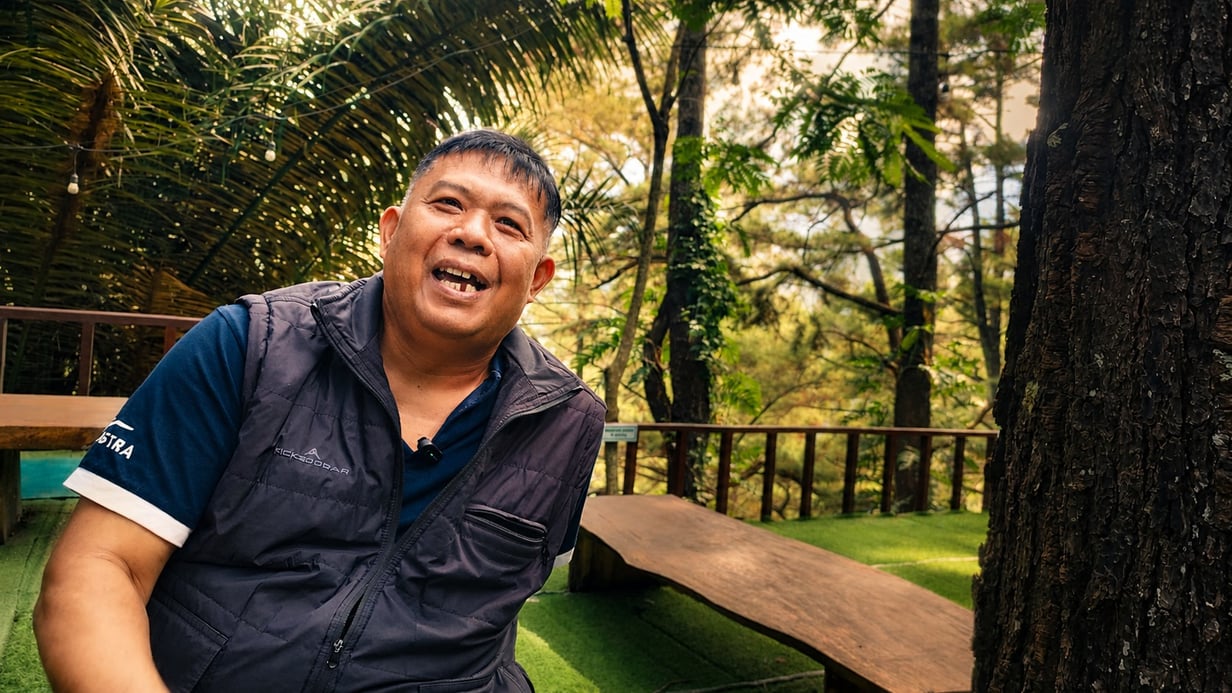
According to Harto, before its transformation into a tourist destination, the site served as a campground and local asset that was eventually developed into a community-oriented tourism product. The development aims to establish Pijar as a tourist attraction that provides benefits to the local community while serving as a key destination within the Kudus Regency.
The name "Pijar" is intrinsically linked to the identity of the region. Harto explains that "Pijar" is an acronym for "Pinus Kajar" (Kajar Pine). Beyond referencing the pine forest that defines the area, the name also carries a philosophical meaning, signifying something that illuminates and serves as a source of light.
The pine forest remains an integral part of the visitor experience. The natural landscape serves as the primary backdrop for a variety of activities enjoyed by guests within the park.
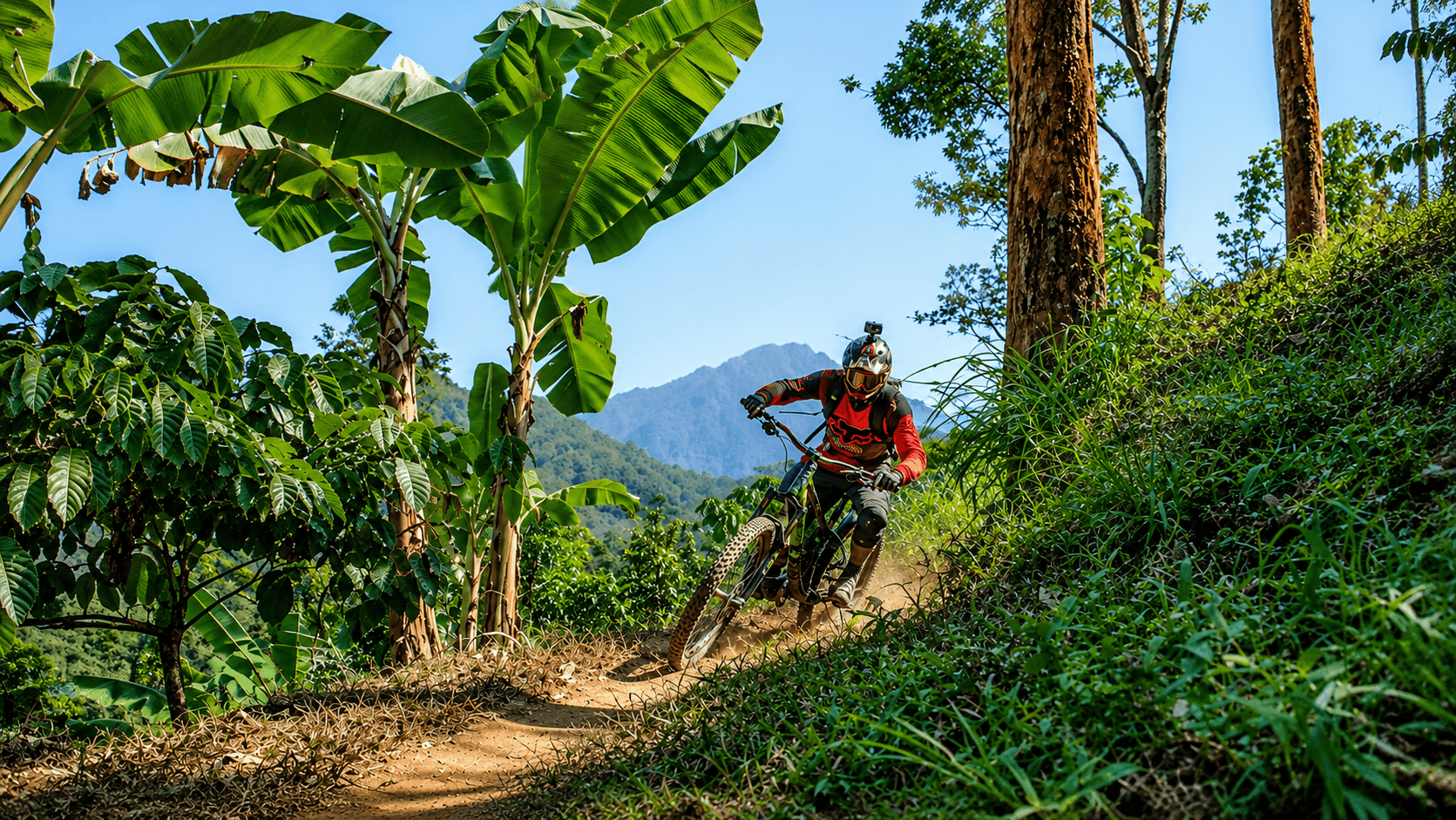
In addition to soaking in the natural atmosphere, visitors can engage in various activities at Pijar Park, including Jeep Adventures that transport guests through the Mount Muria trails in specialized off-road vehicles.
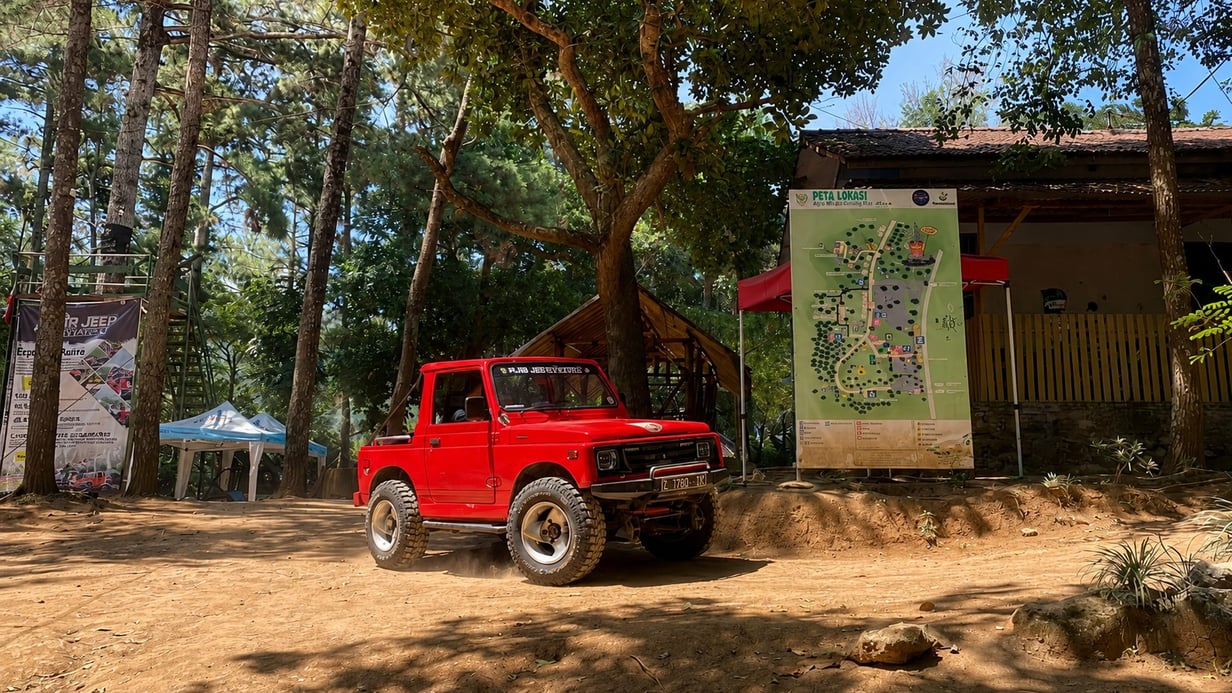
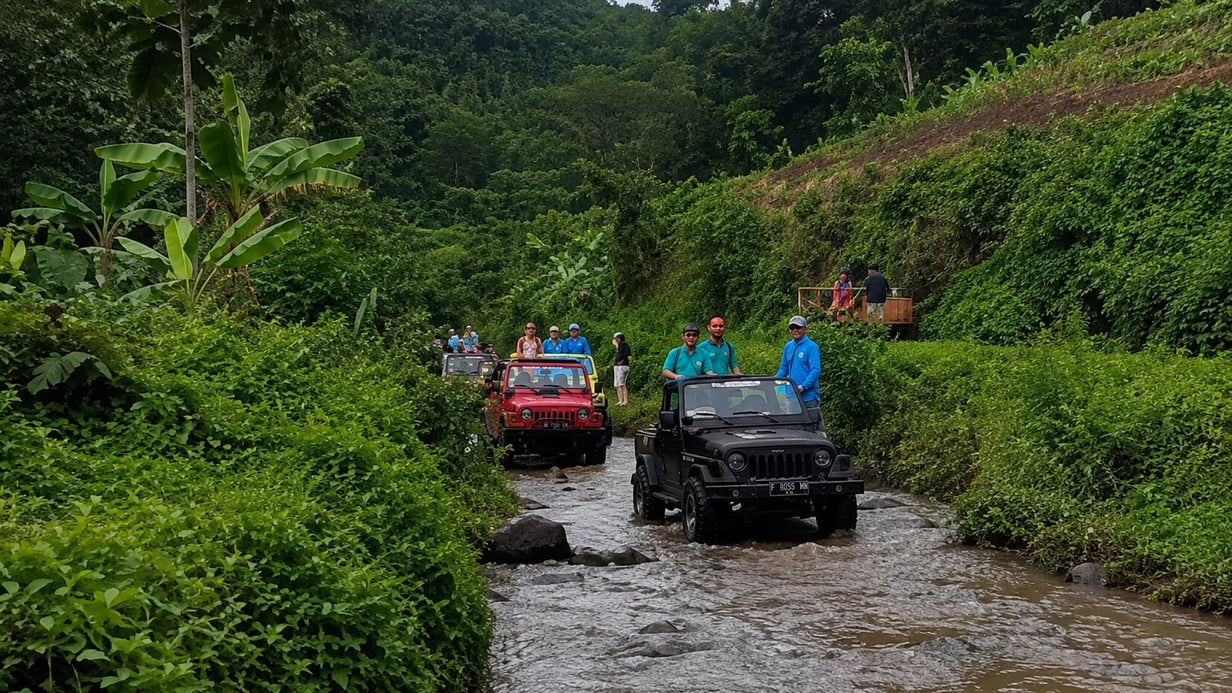
This activity offers a unique way for visitors to experience the mountainous region. Through the Pijar Jeep Adventure service, guests are taken along routes surrounding the slopes of Mount Muria.
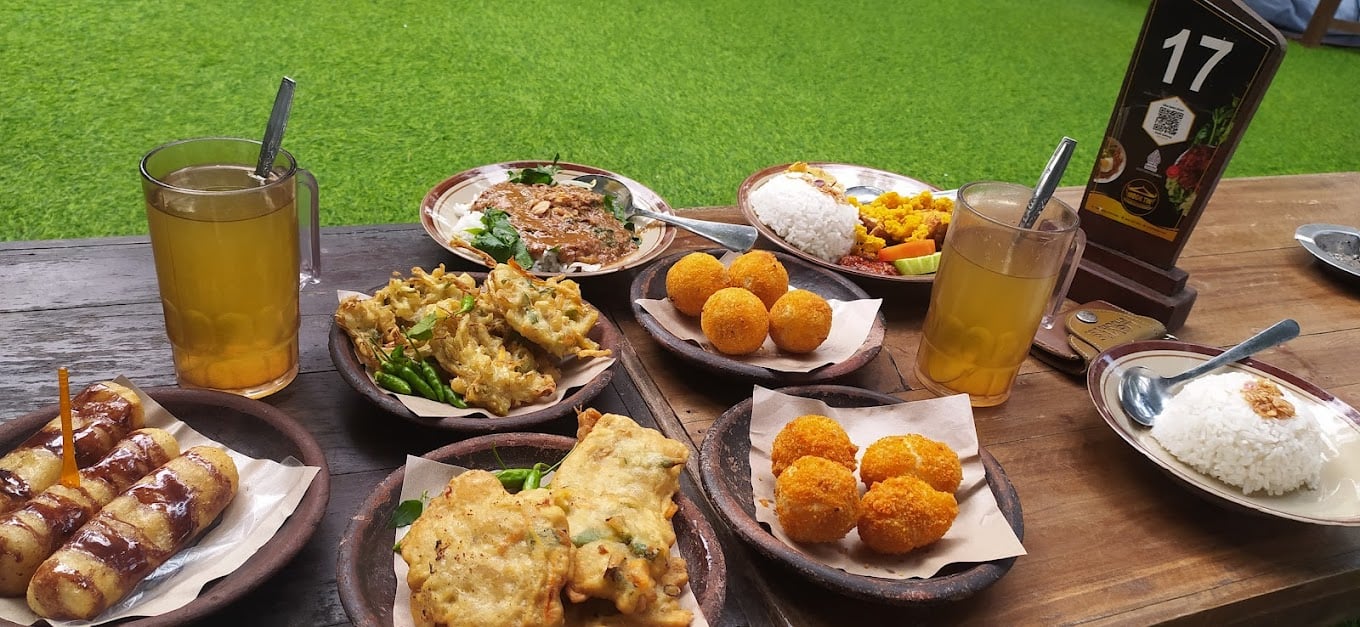
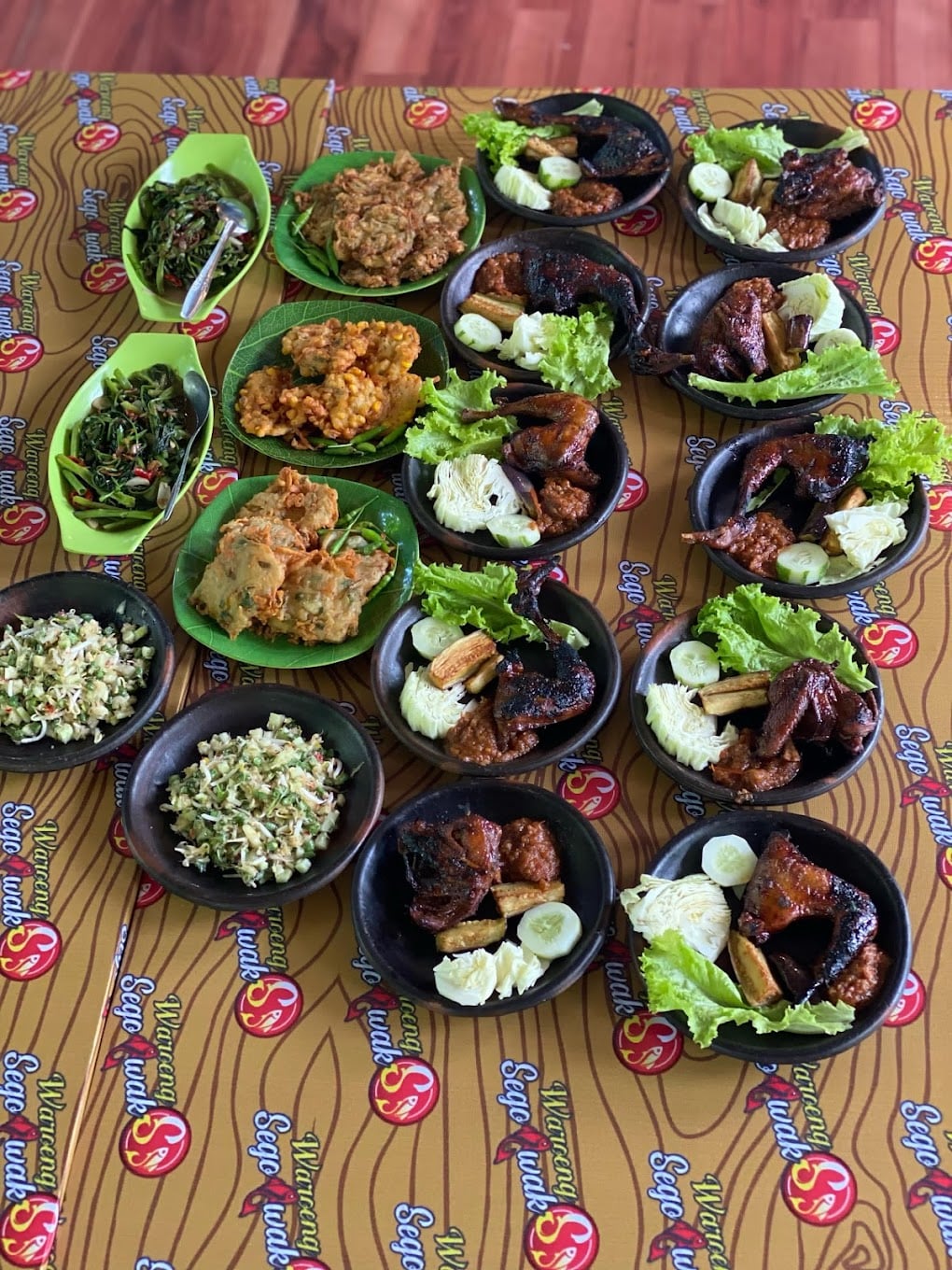
In the same area, various culinary facilities and leisure spots are available for visitors. The culinary center and cafés are part of the amenities provided to complement recreational activities within the park.
According to management, facilities are being developed in phases to accommodate the needs of tourists arriving from various regions. Currently, a range of facilities is already operational and managed within the tourism area.
Facilities available at Pijar Park include:
Educational facilities are a key component of the activities developed in the area. Visitors can participate in coffee-focused educational tourism programs and other activities designed for children and school groups.
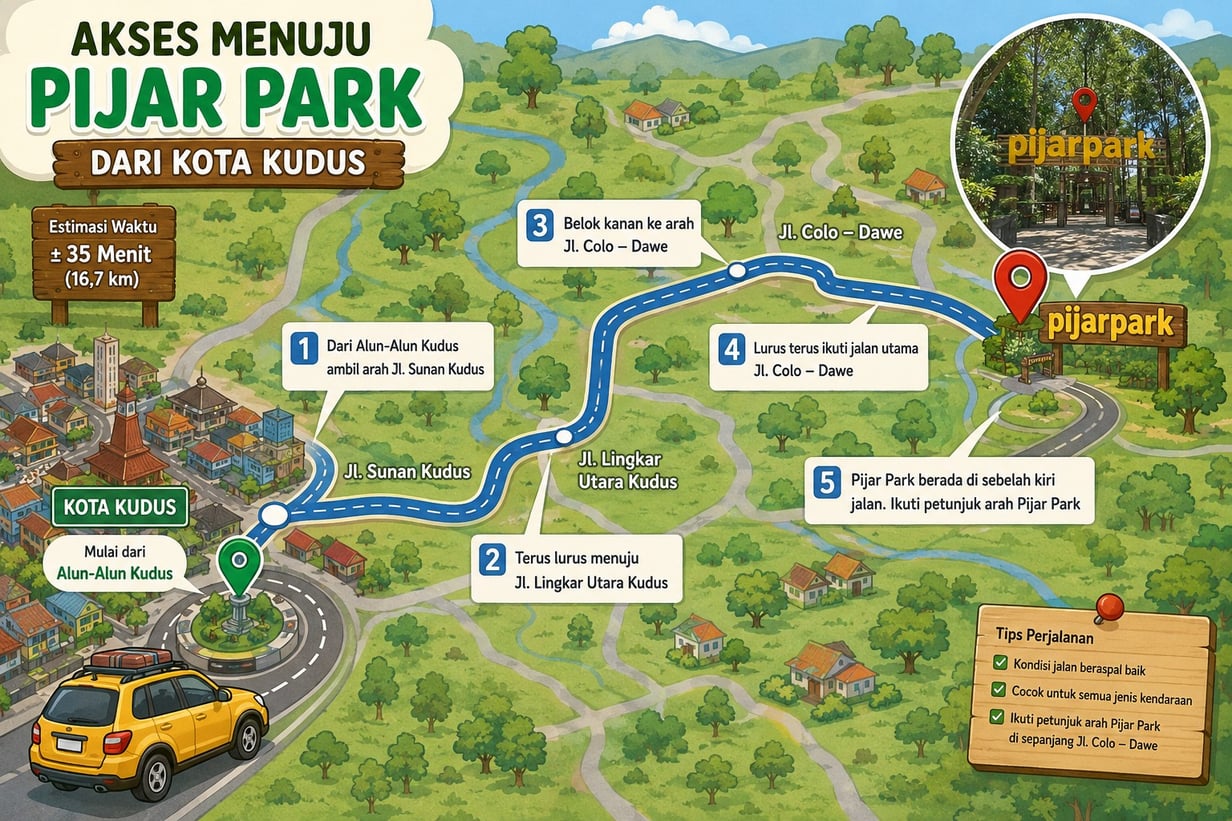
Pijar Park is located in Kajar Village, Dawe District, Kudus Regency, approximately 15 kilometers from Kudus city center. The site is accessible by both two-wheeled and four-wheeled vehicles via the road toward the Sunan Muria Tomb area.
From the Simpang Tujuh Kudus Town Square, travelers can reach Pijar Park by following the main road north toward Dawe and the Muria tourist region. Visitors continue along the route toward Colo until they reach Kajar Village. Signposts for Pijar Park are visible along the route as visitors approach the site, which is situated on the slopes of Mount Muria. This route follows the same path taken by pilgrims and tourists traveling to the Sunan Muria site.
Puji Harto noted that management also offers tours to the heritage coffee factory in the Jolong area. During these visits, tourists can observe coffee-related production processes and explore the preserved historical equipment at the site.
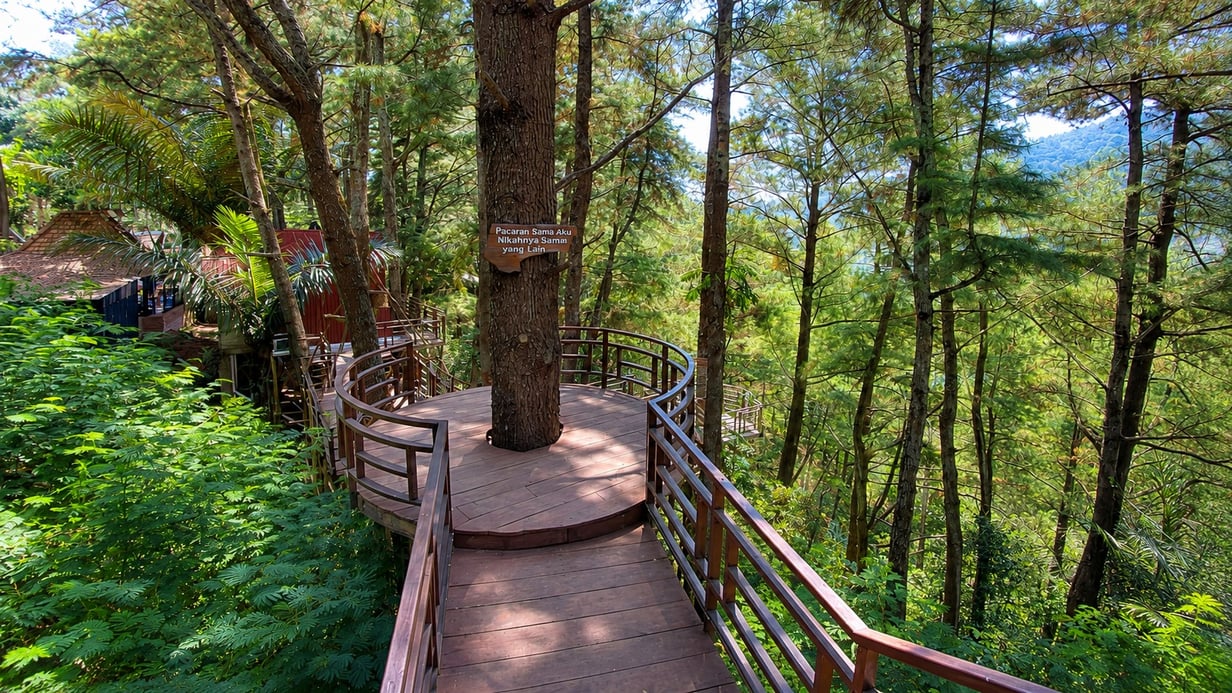
Furthermore, tourists can participate in various activity packages that blend nature, culture, and education. In several programs, participants are invited to observe the daily activities of the local community as part of the overall tourism experience.
According to management, educational packages remain a key development focus. These programs are designed for students as well as the general public seeking learning-based tourism experiences.
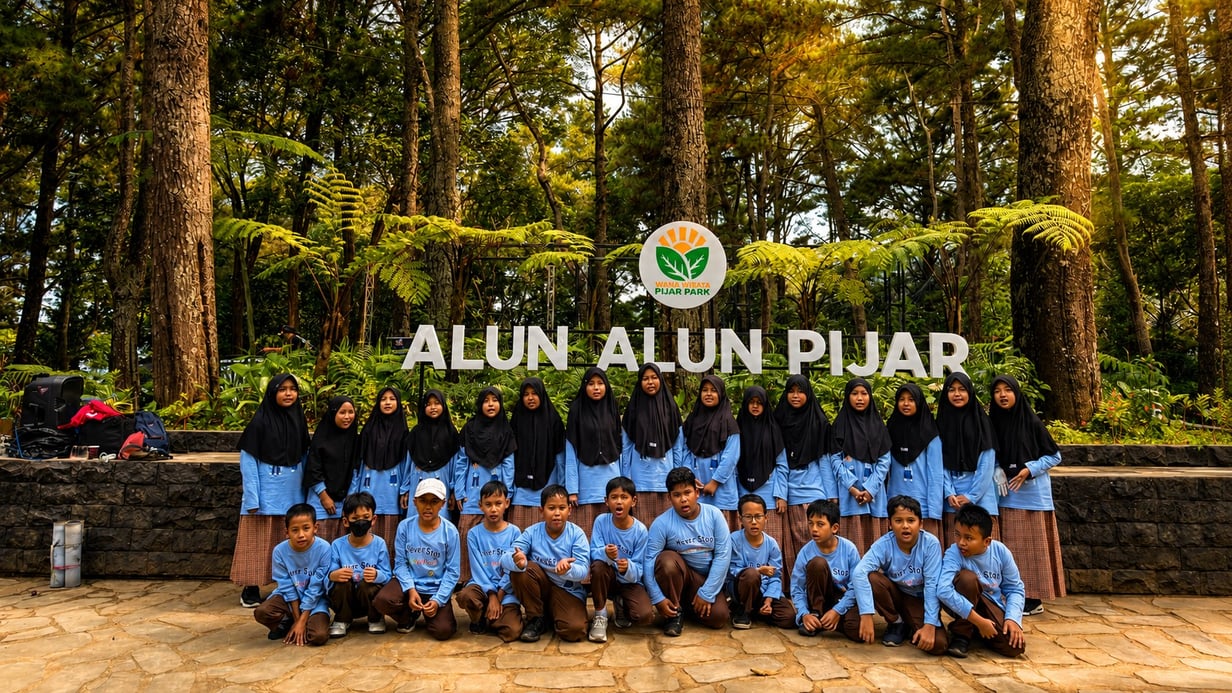
These facilities and activities continue to attract visitors from various regions, ranging from school groups during holiday seasons and domestic tourists from across Indonesia to international travelers.
Puji Harto noted that the site regularly welcomes international guests, including visitors from the Netherlands and Turkey. He estimated that foreign tourists visit at least once a month.
The tourist area is managed independently by the community. Puji Harto explained that Pijar Park is operated entirely by local management, with proceeds contributing to village revenue to support local operations and programs.
Currently, admission to Pijar Park is set at Rp10,000 per person, while car parking is Rp5,000. Management confirms these rates are part of the site’s established policy.
According to operational information, the park is open daily from 8:00 AM to 6:00 PM WIB. Located approximately 15 kilometers from the center of Kudus, it is accessible by motorcycle or car via the road leading to the Sunan Muria Tomb.
Cleanliness and security remain top priorities, with management maintaining strict standards for site maintenance and waste management.
Security operations involve the local community, including the Karang Taruna youth organization, which assists with parking, visitor services, and site surveillance. Management stated that this system is implemented to uphold high service and operational standards.
The experience at Pijar Park has left a positive impression on many visitors. LJO, a tourist from Denpasar, Bali, stated that he learned about the site through family recommendations.

He noted that the decision to visit stemmed from an invitation by family members intrigued by information about the tourist destination. Upon arrival, he found the natural atmosphere of Pijar Park to be a unique experience.
According to him, the natural scenery is the primary draw. The clouds, mountainous setting, and fresh air were the most memorable aspects of the visit, with guests spending much of their time taking photographs and exploring various corners of the park.
Meanwhile, Retno, a tourist from Bandung, West Java, suggested that the site's potential could be further enhanced by incorporating activities that leverage its existing natural elements.
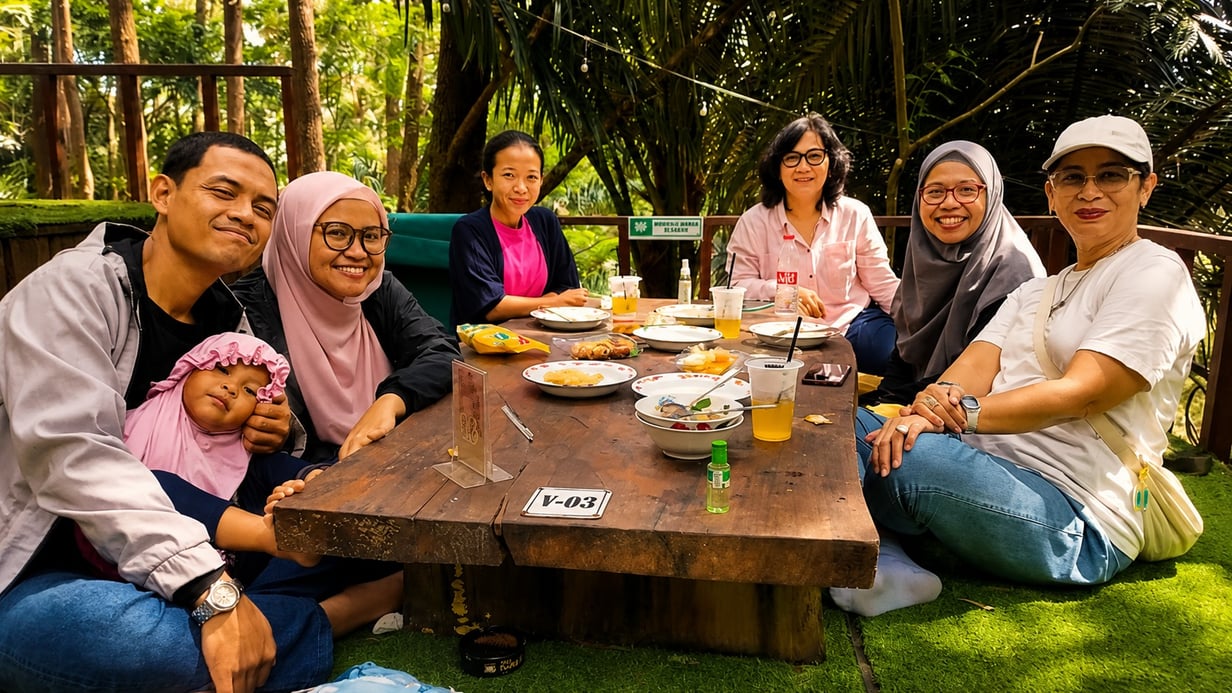
She proposed utilizing local coffee plantations for educational programs or seasonal tourism, noting that coffee-related activities would provide an additional draw for visitors.
Furthermore, Retno emphasized the importance of environmental preservation amid the ongoing development of the tourist area. She argued that the natural environment is the main attraction and must be protected to ensure a balance between facility expansion and conservation.
This view aligns with the development strategy outlined by management. Puji Harto explained that Pijar Park is committed to sustainable development, with plans to introduce new attractions and facilities in phases.
A key objective is to increase the rate of repeat visitation, with new rides, facilities, and activity packages intended to provide visitors with compelling reasons to return.
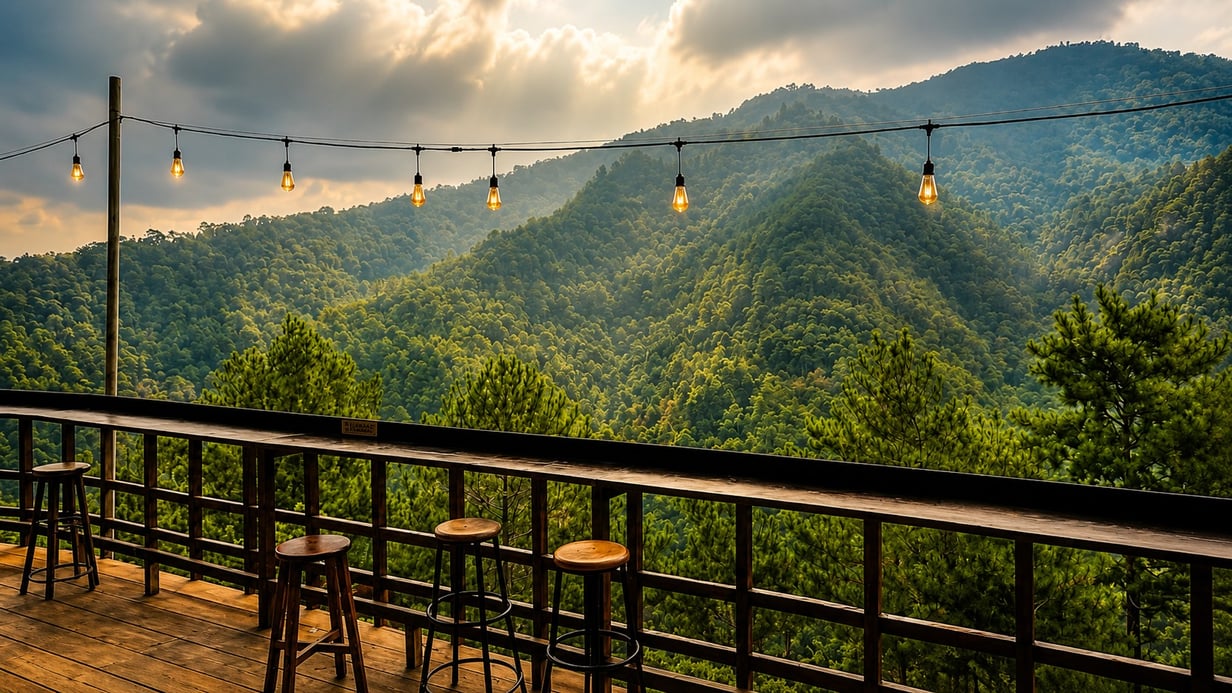
Nestled in the pine forests on the slopes of Mount Muria, Pijar Park continues to grow as a destination combining nature-based recreation, education, culinary experiences, and family activities. Managed by the community since 2021, the destination has become a hub for leveraging local potential while providing a tourism space for visitors in Kajar Village, Kudus Regency. (sns/mkk)