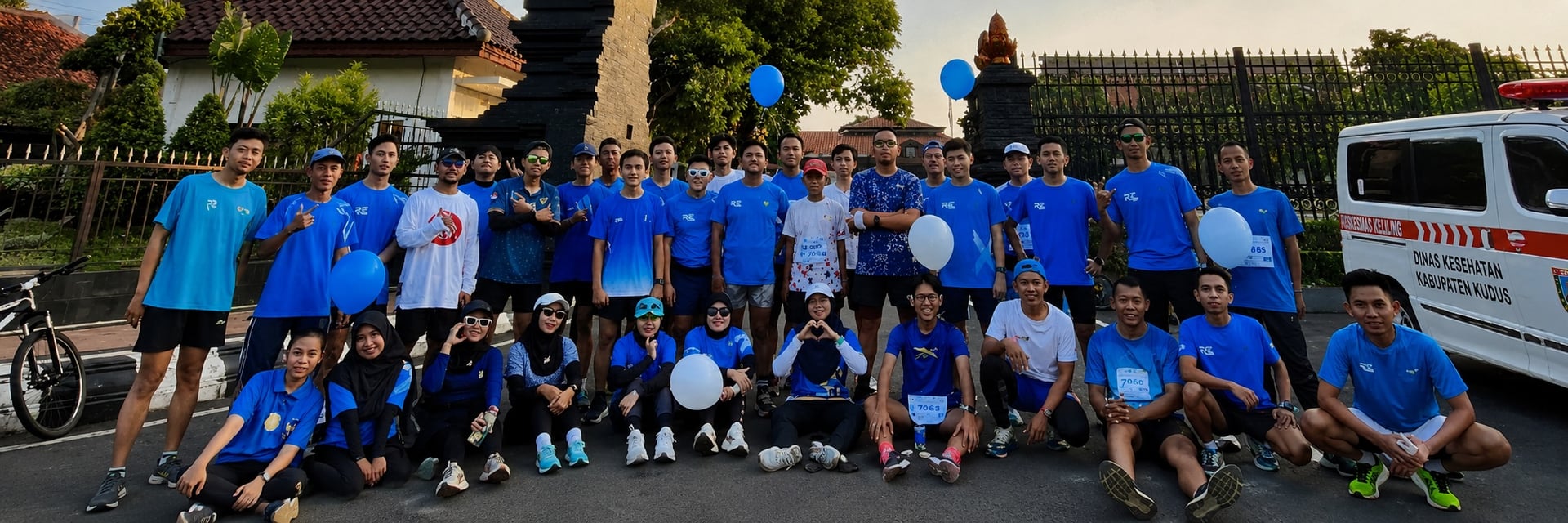

KUDUS – Running in Kudus Regency is not exclusively for those chasing competitive achievements or racing. For many residents, the sport serves as a means to maintain fitness, socialize, and foster a shared exercise routine, accommodating diverse abilities and personal goals.
Kudus Runners has become a hub for runners from various backgrounds. Established on February 28, 2016, the community began with the goal of providing a platform for local residents to train together. A decade later, the group remains active, serving as a gathering place for everyone from beginners to seasoned event participants.

Izzad Sofyan Amrullah has been part of Kudus Runners since 2017, witnessing both the evolution of the community and the broader running scene in Kudus. He noted that the current landscape differs significantly from the community's early years, with a growing number of running groups offering residents more options to find communities that align with their specific interests and needs.
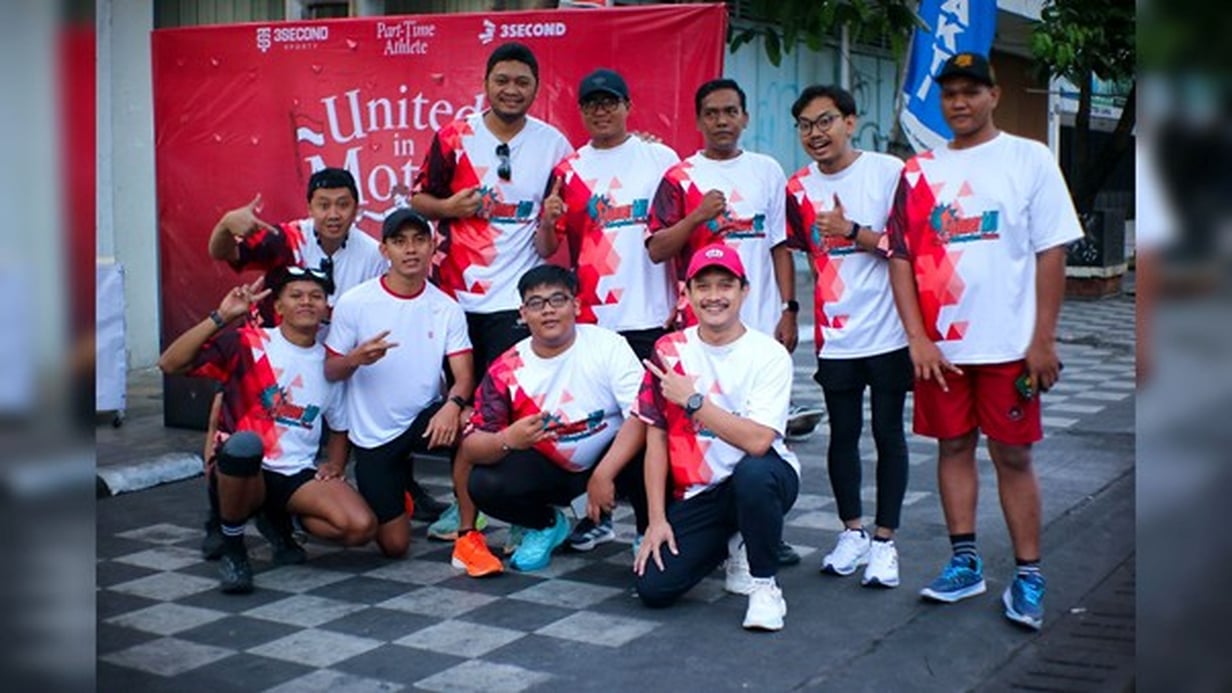
The origins of Kudus Runners trace back to Yuga, a member of the Semarang Runners, who identified a lack of organized running platforms in Kudus at the time. He invited several friends to run together, and from those simple training sessions, the community was born.
In the early days, members joined for various reasons and backgrounds. With fewer running communities available then, the presence of a group that could connect individuals with shared interests became essential.
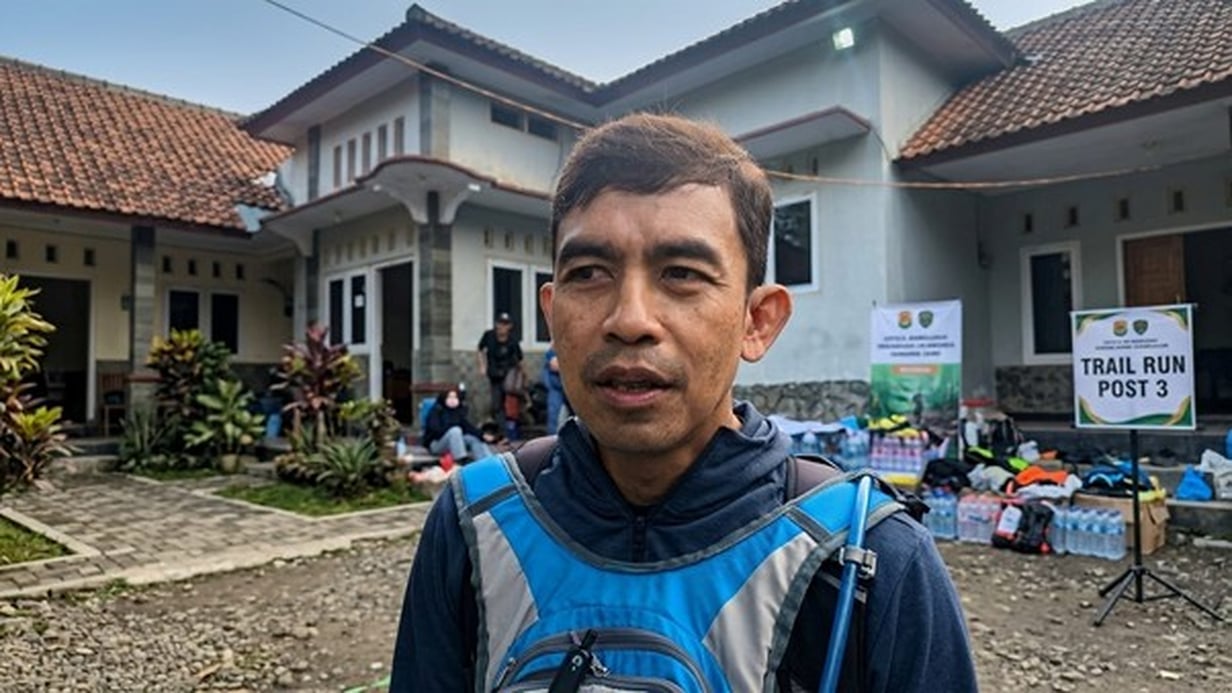
“The priority was health, and the second was training together. Back then, there weren't many running communities like there are today. So, we essentially created a platform to train together and have fun,” Izzad said.
This inclusive approach means Kudus Runners does not impose specific performance standards on its members. Novice runners can train alongside those with extensive experience. Variations in speed, distance, and training goals do not preclude anyone from participating in group activities.
Joining the community is designed to be straightforward, with no prerequisites requiring members to be experienced runners before they can sign up.
"We are very open to anyone who wants to join, and there are no monthly membership fees," Izzad said.
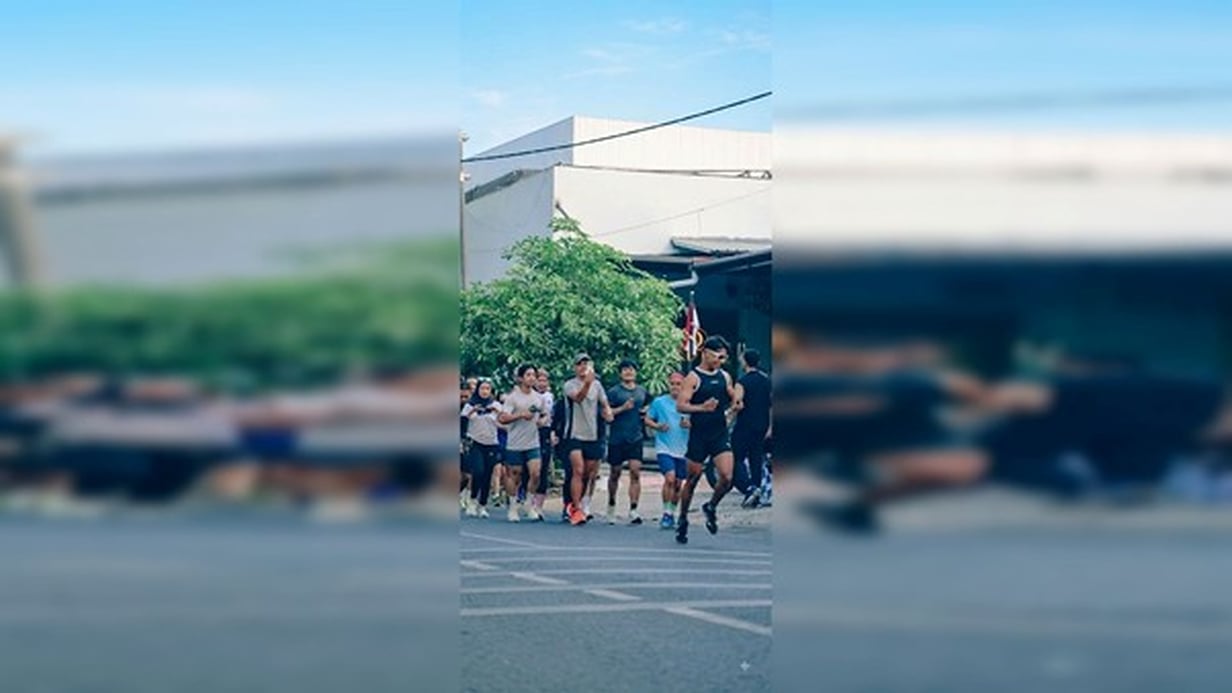
As the community has grown, so has its membership. The community's WhatsApp group currently includes approximately 200 members, serving as a hub for communication and event coordination.
Prior to the Covid-19 pandemic, Kudus Runners maintained several routine agendas, including the Tuesday night run (La-Salsa) and the Friday night run (Lajunda). On Sunday mornings, the community hosted the "Melayu Minggu Enjing" sessions, which typically covered longer distances, averaging about 10 kilometers.
These sessions allow members to participate according to their individual needs—whether for fitness, performance improvement, or simply social interaction after their daily routines.
Community activities extend beyond internal agendas. Many Kudus Runners members participate in events in various cities, such as the Borobudur Marathon, the Jogja Marathon, and races in Semarang. For those seeking a challenge, these events offer opportunities to test their limits and gain new experiences.
However, competitions are not the primary focus. Members without racing goals are still encouraged to enjoy the shared activities. This inclusive environment allows Kudus Runners to accommodate a diverse range of motivations, from those simply wanting to stay active to those pursuing personal milestones.
Muhammad Soleh is a long-standing member of Kudus Runners. A teacher at SMP 3 Kudus, he joined in 2018 after a friend introduced him to the activity, despite having no formal background as a runner.
Over time, running has become a consistent routine. His participation in community events has broadened his social circle, allowing him to connect with individuals from various professions and backgrounds.
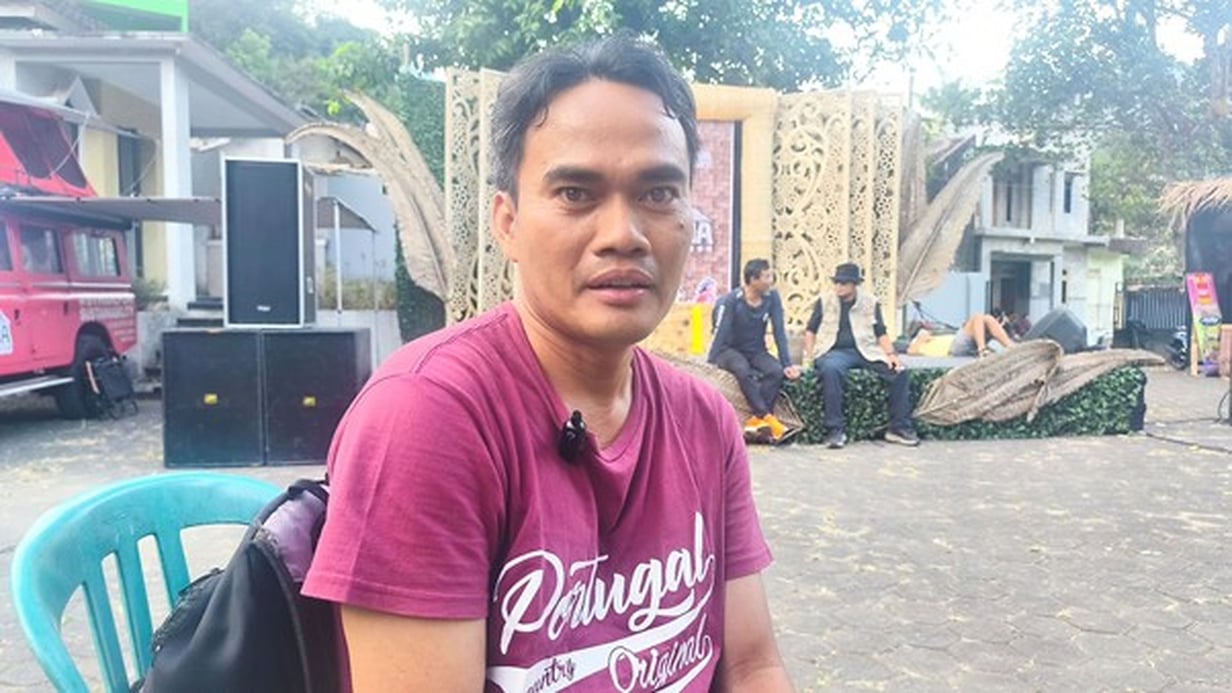
"The most memorable part is definitely the connections. You cannot deny that these friendships and professional networks are far more important than anything else," Soleh said.
Beyond the friendships, Soleh has noted improvements in his physical fitness. He makes an effort to maintain his weight around 60 kilograms and consistently finds time to exercise despite his busy schedule as a teacher.
"Health is a necessity, even a basic requirement that must be fulfilled," he added.
Soleh’s experience illustrates that a person's reason for remaining in a community is not always related to achievement or personal bests. A supportive social environment can go hand-in-hand with the physical benefits gained from a regular exercise routine.
The inclusivity of the community is also echoed by Sofyan Maarif. The 43-year-old joined Kudus Runners in recent months after discovering the community through Instagram.
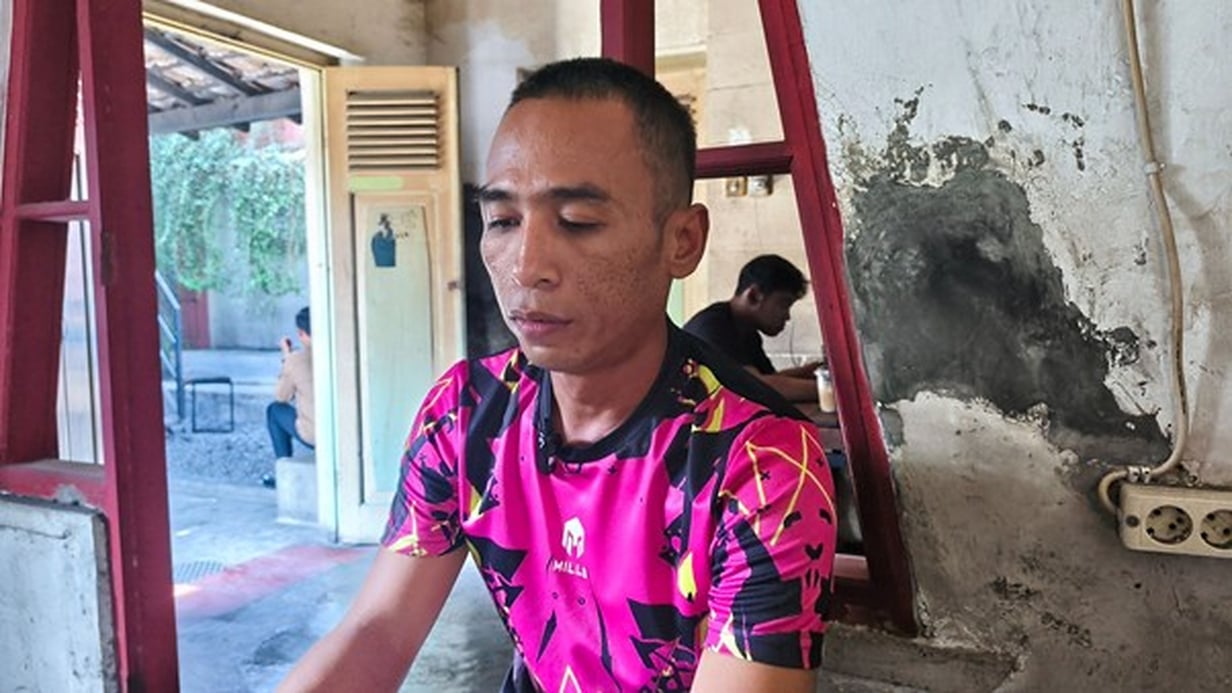
Before joining, Sofyan already had an interest in running. However, joining a community provided a different experience, allowing him to train alongside people of varying ages, backgrounds, and skill levels.
For new members, differences in ability are not a barrier to participation. Everyone can tailor their training to their own capacity without needing to match the pace of more experienced members.
"There are no set training targets or speed requirements here. Everyone is welcome to join, whether you are just starting out or are already an advanced runner," Sofyan explained.
The community also provides him with the motivation to remain active when his personal drive wanes. Structured group activities ensure that running does not rely solely on individual willpower.
"With the community, there are events, group training, and other activities. That provides the spark I need to stay motivated even when I feel sluggish," he said.
Over nearly a decade of Kudus Runners’ existence, changes have occurred beyond the community itself. The local running scene in Kudus has evolved with the emergence of numerous new groups.
Each community may have a different character and focus. Some groups manage general running activities, while others cater to athletes or specific niches, including trail running. For the public, this diversity means there are more options than ever to find an environment that fits their needs.
Izzad views this development as a positive sign for the growth of the running scene in Kudus.
“We are delighted to see more communities emerging in Kudus. It is encouraging that the number of local groups continues to grow,” he said.
This stands in stark contrast to the early days of Kudus Runners, when opportunities for runners were limited. Today, those looking to take up the sport have far more avenues to get started.
The diversity of these communities does not have to foster competition. Each can flourish with its own unique identity, reaching different demographics with varying athletic needs and approaches.
After a decade in operation, Kudus Runners has expanded into event organizing and race management. The members’ collective experience participating in various running events has paved the way for these new opportunities.
Looking ahead, Izzad hopes Kudus Runners can earn the trust to manage large-scale running events in Kudus. However, he believes such events must leave a lasting impact beyond the finish line. The challenge lies not just in attracting participants, but in encouraging individuals to integrate physical activity into their daily routines.
This vision ensures that Kudus Runners remains focused on more than just the proliferation of events. They aim to foster a long-term commitment to physical activity, encouraging the public to view exercise as a vital investment in their future health.
“We want exercise to become an essential part of life for all residents of Kudus. We view current physical activity as a necessary investment for our well-being five or ten years down the road,” he noted.
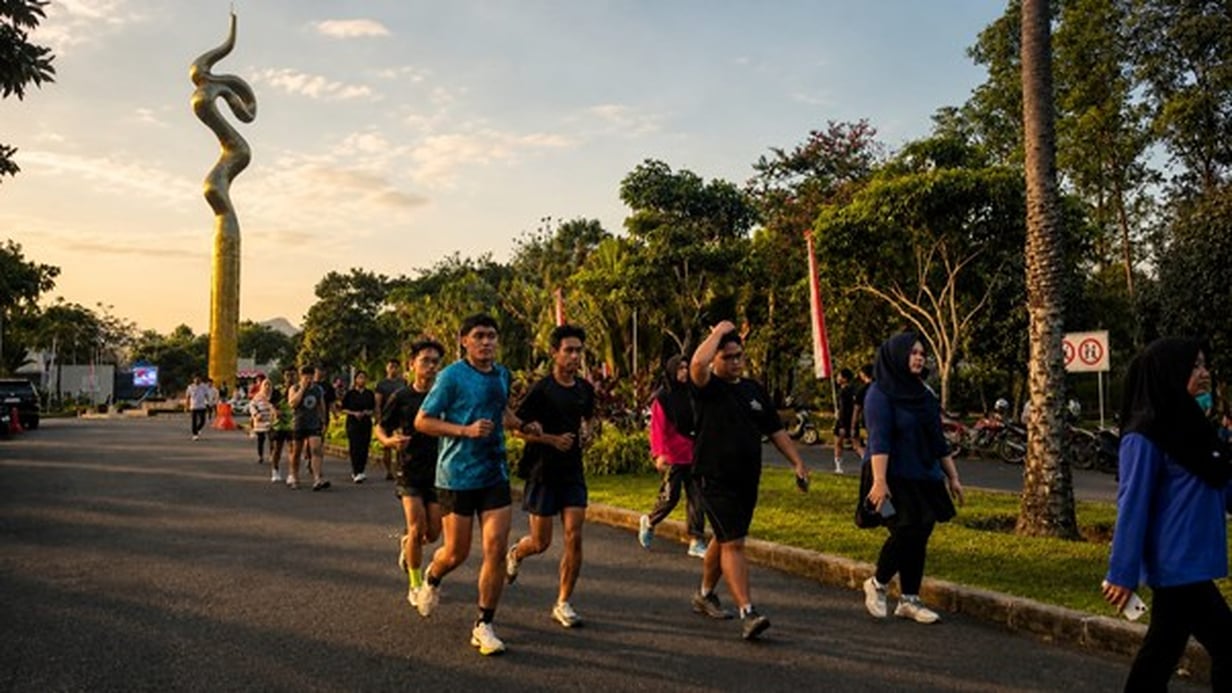
The journey of Kudus Runners demonstrates how a simple activity can evolve into a multi-functional space. For some, the community is a tool for fitness; for others, it offers opportunities to expand social networks, find training partners, and maintain the motivation to keep moving.
The growth of other running groups in Kudus has further broadened these options. Residents are not required to join a single group to help foster a sporting culture. Each community can play its own role with its distinct character and activities.
Ultimately, Izzad does not believe that choosing a specific community is the most important factor. He argues that the more people find a space where they feel comfortable exercising, the greater the likelihood that running will become a staple of daily life.
“Residents in Kudus are free to join whichever community they prefer. I don’t believe there should be any restrictions. What matters is that we stay healthy together, run together, and work collectively to cultivate a running culture wherever we are in Kudus,” he concluded.
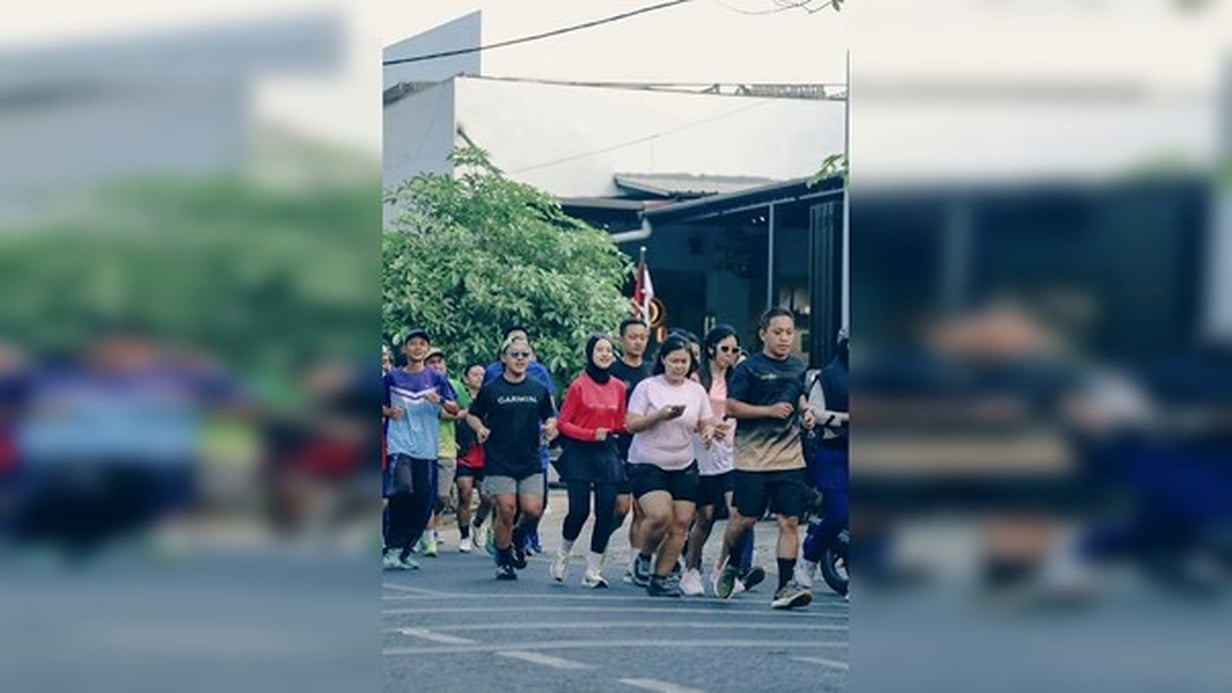
For Kudus Runners, the journey continues. What began as a simple group training exercise has evolved into a platform for fitness, networking, and event participation, while encouraging more residents to embrace an active lifestyle.
A running culture does not have to begin with race goals or specific achievements. Such habits can stem from simple steps, finding partners to run with, and integrating exercise into daily life.
Those interested in running with Kudus Runners can find information on training schedules and fun runs via the official Kudus Runners Instagram account or the Kudus Runners Schedule Run page. Prospective members are also welcome to join at designated meeting points or contact the community via social media for further details. (OEB/mainkekudus)