KUDUS – Warung Makan Al-Barokah, located in the rice fields of Undaan Lor Village, Undaan District, Kudus Regency, offers a variety of home-cooked meals. Patrons can choose from dishes such as snakehead fish stew, assorted vegetable preparations, fish entrees, and various soups for breakfast or lunch. The establishment is also well-known for its coffee and deep-fried sticky rice cakes, known as gemblong, which are among the most popular items with customers.
Established by Dwi Faristin's family in October 2024, the eatery serves customers from morning until midnight. These extended hours allow visitors to drop by for breakfast, lunch, or a late-night meal and beverage.
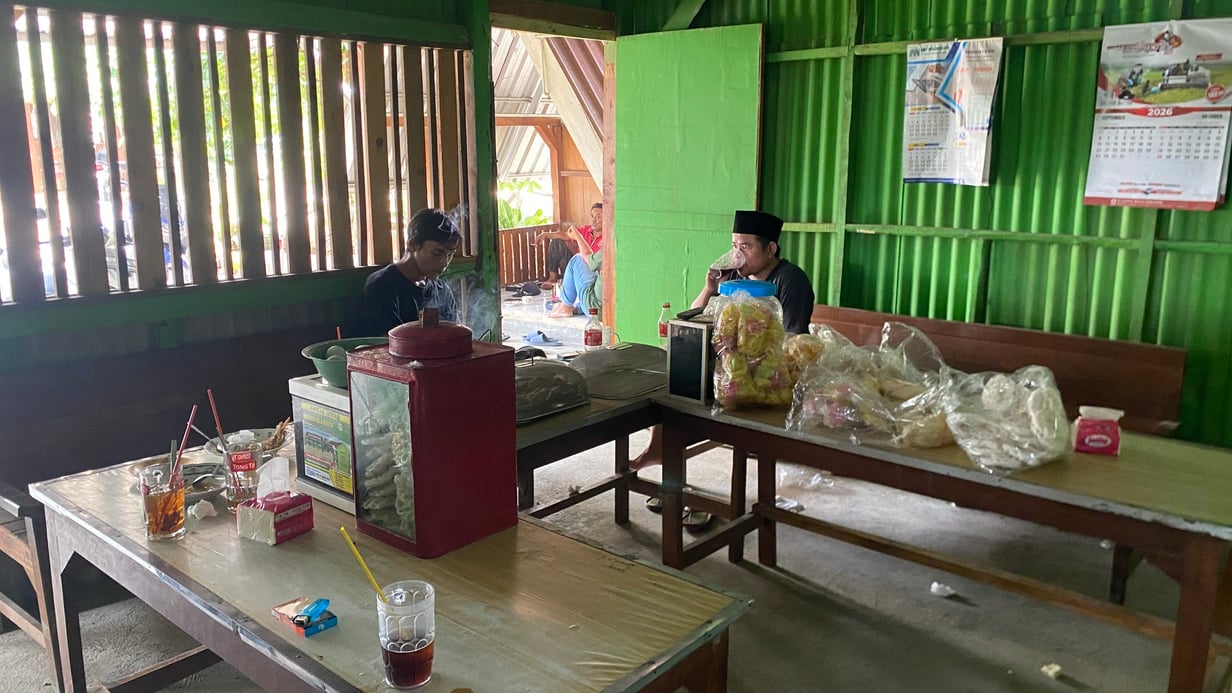
Warung Makan Al-Barokah was not originally intended to be a full-service restaurant. The owners initially sought only to run a coffee stall selling white sticky rice with grated coconut. However, the business evolved gradually in response to the growing and diverse needs of their customers.
Solluna Farda, the owner's child who helps manage the shop, noted that the expansion happened organically, as the family had never planned to operate a full kitchen from the start.

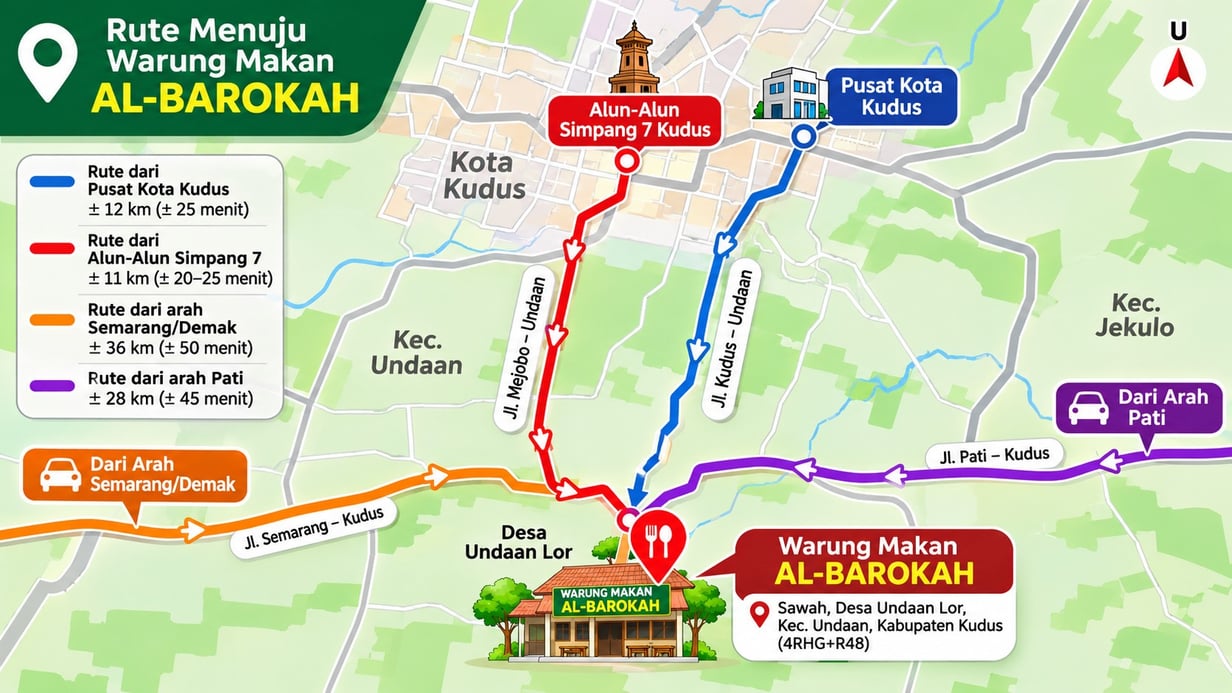
4RHG+R48, Sawah, Undaan Lor, Kec. Undaan, Kabupaten Kudus, Jawa Tengah 59372, Indonesia
"It started unintentionally because we just wanted to open a coffee stall. We had no intention of running an eatery," said Solluna.
In its early days, the shop only operated until sunset. Following requests from customers to keep the business open later, the family decided to extend their operating hours.
Service is now available from breakfast until approximately midnight. To manage operations throughout the day, the management has implemented a shift system for staff. If an employee is unable to work, team members coordinate to cover the shift.
“We manage our staff through shifts. If someone cannot make it, we arrange for someone else to cover. We maintain open communication to ensure the service remains covered,” the manager explained.
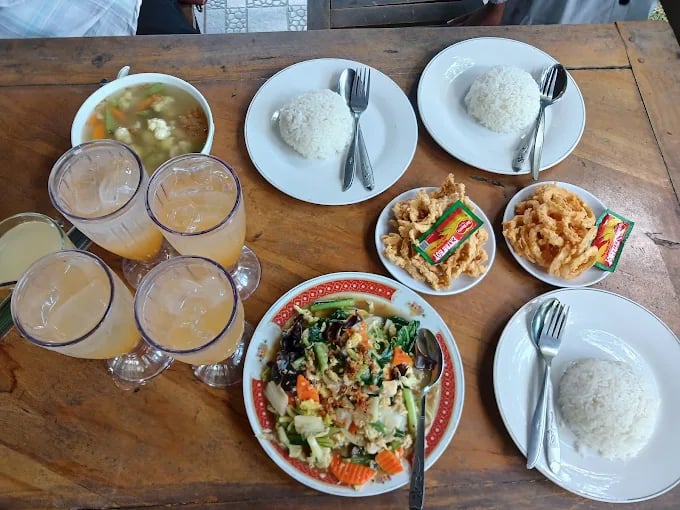
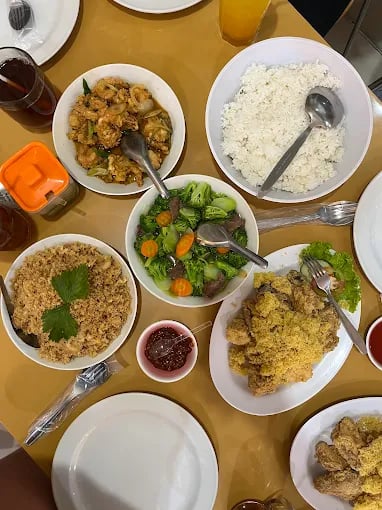
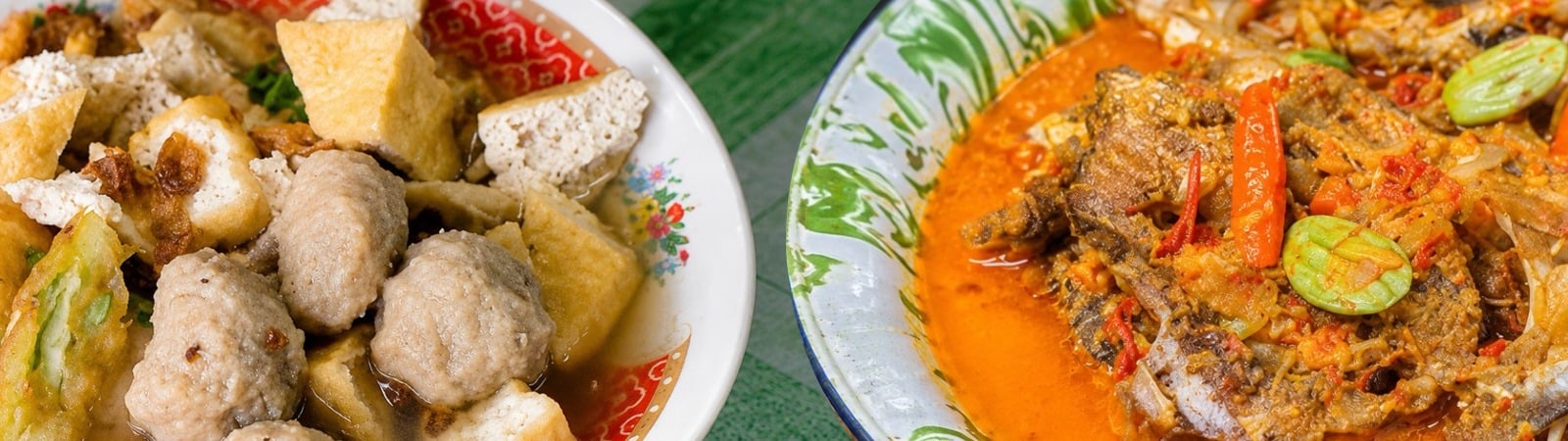
The menu selection has been a key driver in the growth of Warung Makan Al-Barokah. Customers can enjoy a variety of dishes, ranging from semur kutuk and ndas manyung to clear vegetable soup, lodeh, lompong, soup rice, and bakso combor.
Semur kutuk is a specialty from Kudus and the surrounding regions, featuring snakehead fish as the primary ingredient. In Javanese, kutuk refers to snakehead fish. The fish is simmered with spices, sweet soy sauce, and a savory broth that creates a balance of salty and sweet flavors.
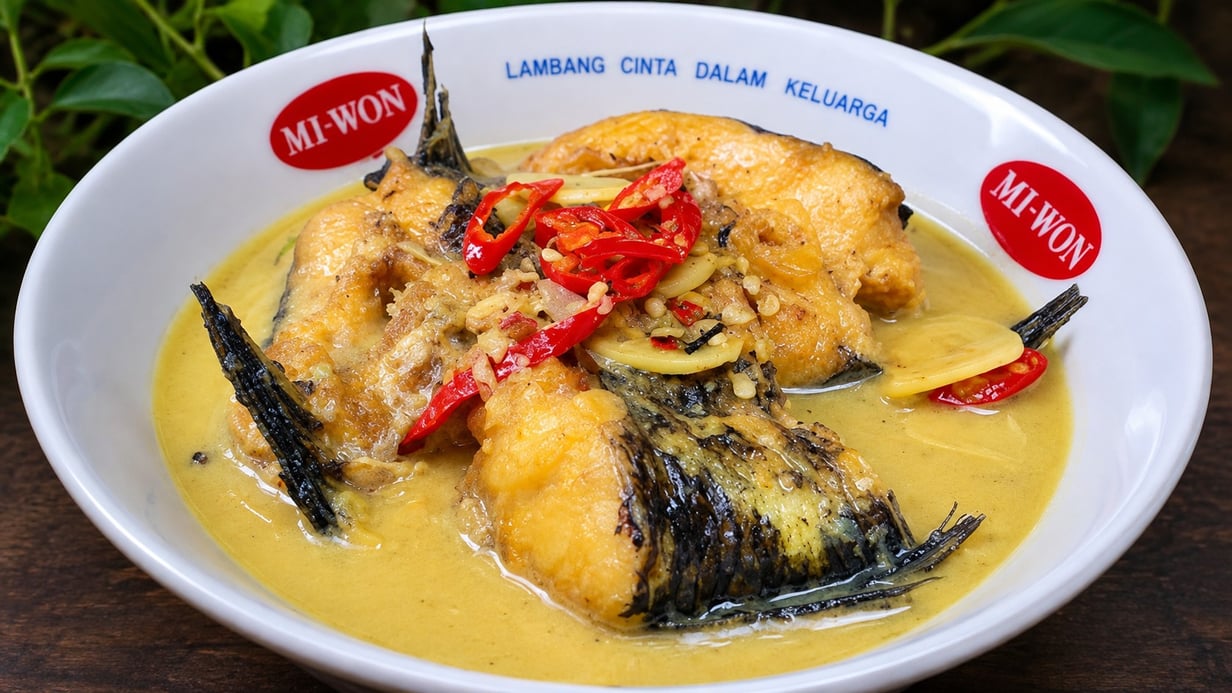
Also available is ndas manyung, or sea catfish head, typically prepared as a mangut curry. The head is generally smoked before being cooked in a spicy coconut milk broth infused with chili. This combination produces a savory, spicy profile with the distinct smoky aroma characteristic of North Java coastal cuisine.
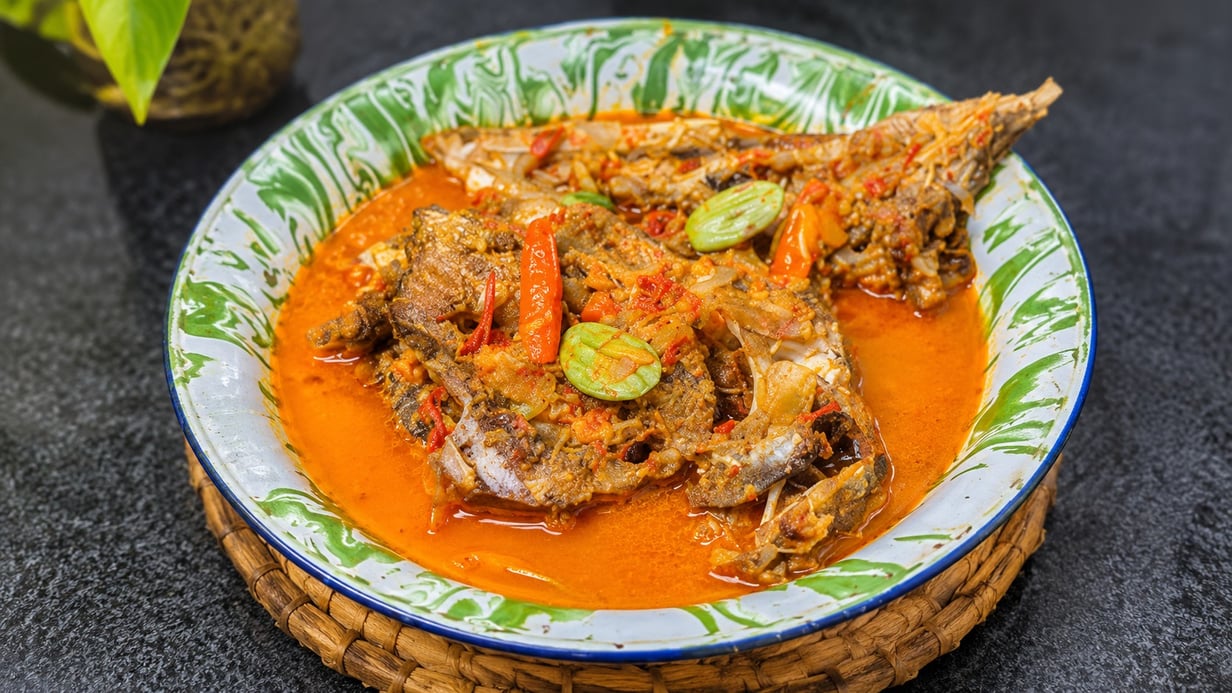
Vegetable options include clear vegetable soup and lodeh. Clear soup features a light broth with simple seasonings, while lodeh uses coconut milk for a richer, more savory flavor.
There is also sayur lompong, which uses taro stalks as its main ingredient. The stalks are prepared until tender before being cooked in a spiced, typically coconut-based, broth.
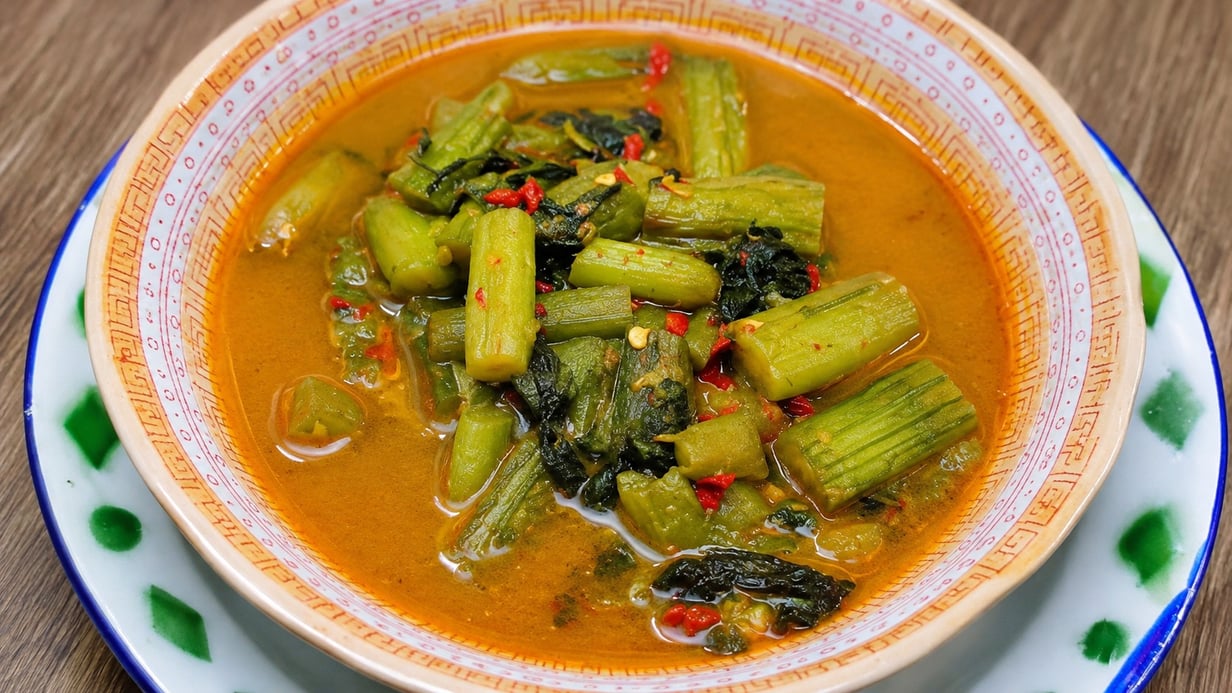
Other options include nasi sop, which is white rice served with a clear, spiced broth and various fillings. Bakso combor is a meatball dish with variations in broth and ingredients depending on the local style, with the name "combor" referring to a mixture of various components in a single dish.
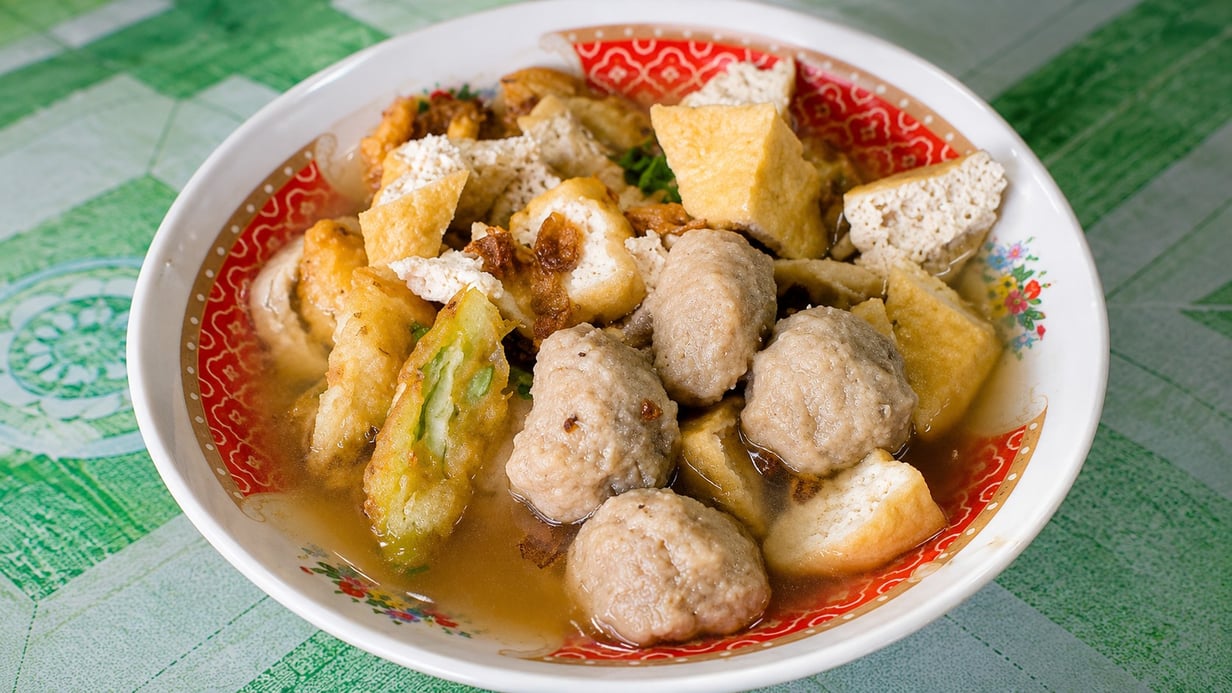
Other side dish options include catfish, mullet, mackerel, shrimp fritters, and wader fish fritters. The availability of certain fish depends on market supply.
Snakehead fish stew (semur kutuk) is a highly sought-after dish among customers, while the clear vegetable soup also remains a popular choice, particularly during lunch hours.
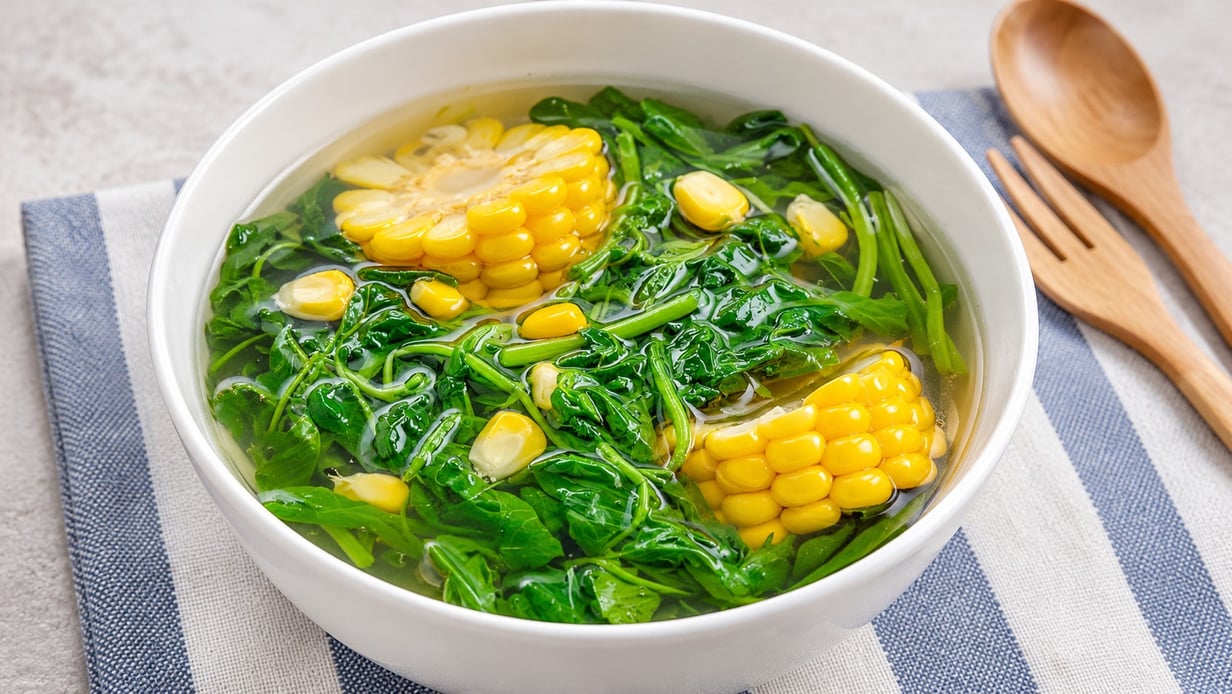
"Those who enjoy the snakehead stew keep coming back for it, and the same goes for those who prefer the clear vegetable soup," said Solluna.
Despite the extensive menu, owner Dwi remains actively involved in the kitchen. She oversees nearly all cooking processes, particularly seasoning and flavor calibration, while staff assist with preparation tasks like peeling and chopping vegetables.
According to Dwi, cooking requires more than just following precise measurements. Each dish requires subtle adjustments to achieve the desired flavor profile.
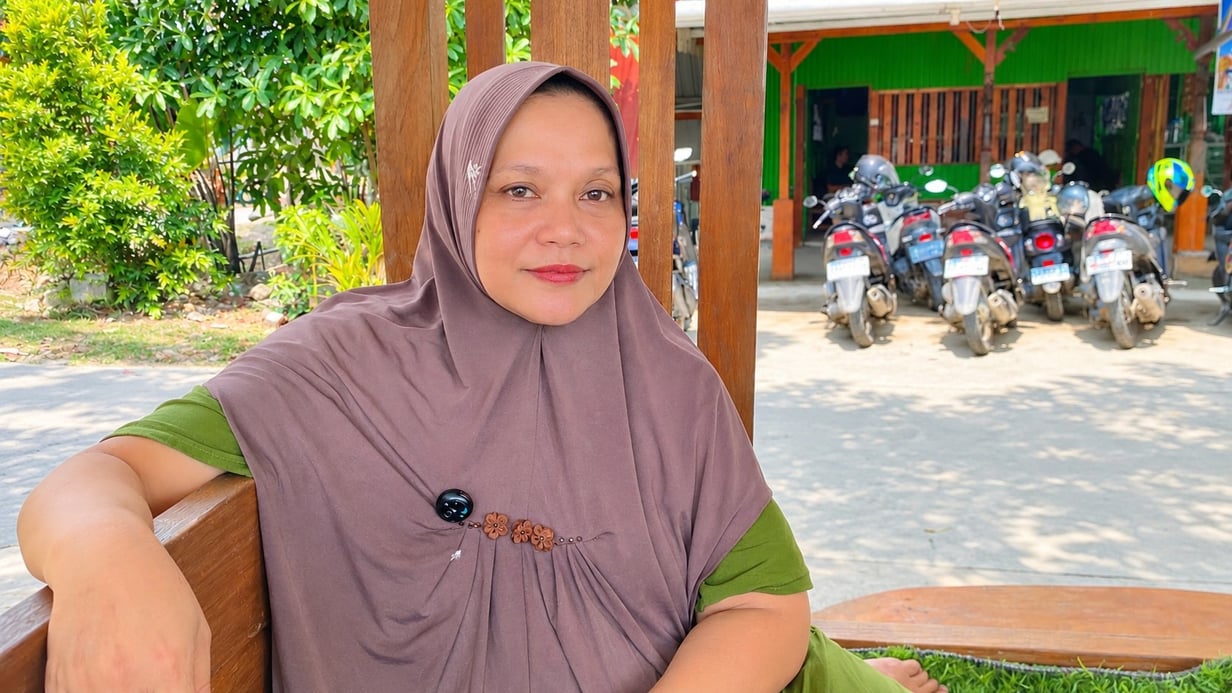
"Sometimes the ingredients are the same, but perfecting the flavor is the challenging part. That is why I handle the final seasoning myself," she explained.
Kitchen operations begin at dawn. By 6:00 a.m. WIB, Dwi starts cooking the snakehead stew before moving on to prepare other dishes. Items such as pecel, cat-fish head (ndas manyung), lodeh, clear soup, taro leaf stew (sayur lompong), and sambal are prepared in stages to meet customer demand throughout the day.
While the eatery offers a wide selection, not all items remain available all day. If a dish runs out, customers are encouraged to choose from the remaining options.
"If it is sold out, it is sold out. There are plenty of other menu items available," she noted.
In addition to walk-in service, Warung Makan Al-Barokah accepts orders for boxed meals, tumpeng, whole roasted chicken (ingkung), and various snacks. These orders can be customized to suit customer requirements for events such as gatherings and family functions.
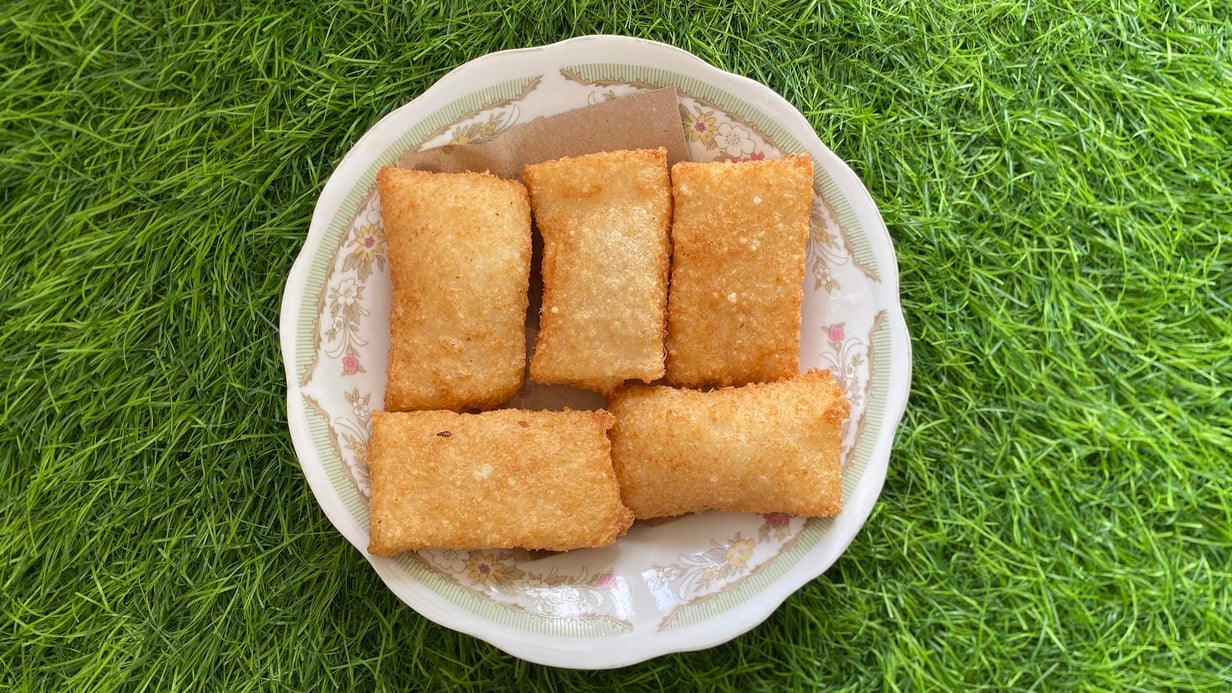
Among the various offerings, fried gemblong has its own unique story. This sticky rice-based snack originated from a family's effort to maintain sales of white sticky rice at their stall.
When first opened, the stall only sold coffee and white sticky rice served with grated coconut. However, it failed to attract much interest. The family then experimented with transforming the sticky rice into other food forms.
That experimentation resulted in fried gemblong, which proved to be significantly more popular with customers.
"At first we just sold coffee and sticky rice, the white type served with coconut. But demand wasn't very high, so we thought about how to keep the sticky rice selling. We eventually tried making fried gemblong and it turned out to be much more popular," recalled Solluna.
Ibu Dwi explained that the preparation process involves several stages. The sticky rice is first soaked, then steamed until cooked. Afterward, it is pounded and mixed with grated coconut.
The dough is then sliced into portions before being fried. This process means the gemblong requires time to prepare, which is why stock cannot always be replenished immediately once it runs out.
Ibu Dwi tries to provide gemblong daily, but when customer traffic increases, the snack sometimes sells out faster than expected.
"We usually have it every day. But when it's very busy, it sometimes runs out. Still, we try to ensure it's always available," she said.
Fried gemblong is priced at Rp1,500 per piece. Besides being a popular snack, it is also enjoyed alongside the coffee served at the stall.
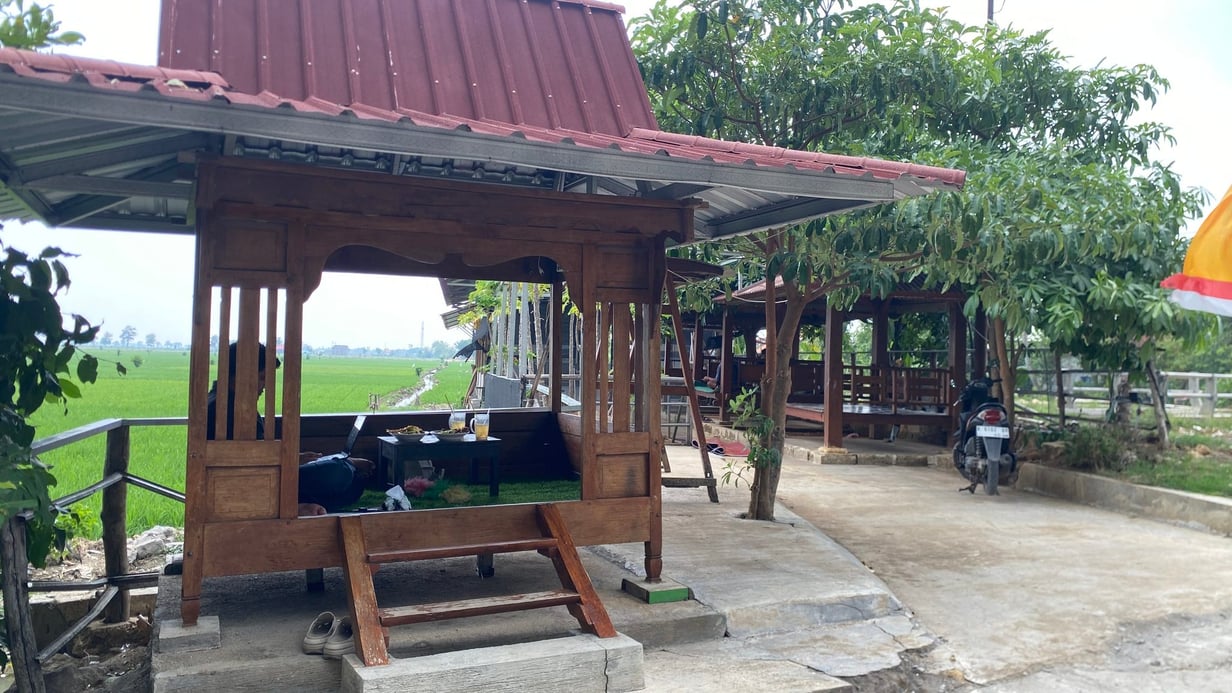
Varied visit times mean customers of Warung Makan Al-Barokah have diverse habits and menu preferences. In the morning, locals typically arrive for breakfast before work or heading to the rice fields. During lunch hours, employees in the Undaan area utilize their breaks to dine.
Meanwhile, from late afternoon until night, visitors often seek out dishes such as fried rice, fried noodles, and boiled noodles. The stall, which originally served only coffee and sticky rice, has evolved into a dining destination for a wide range of customers.
Muhammad Sholahuddin, a resident of Undaan Lor Village, is a long-time regular who has frequented the establishment since its inception. He typically visits during the lunch hour.
Sholahuddin favors the variety of vegetables available, particularly the clear soups. He also frequently pairs his meals with side dishes such as catfish and crispy fritters.
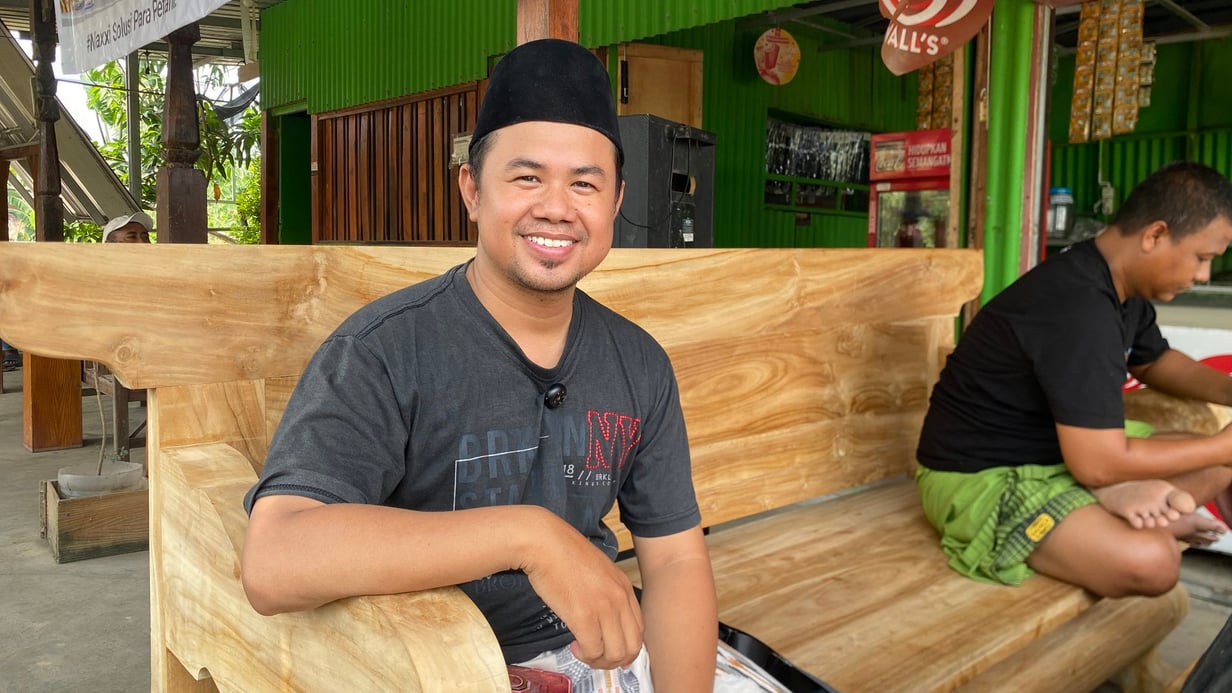
"There is a wide selection of menu items. I prefer dishes with a bit of spice, and I usually opt for the clear soups," he said.
In addition to the home-style cooking, the fried gemblong is a primary draw for Sholahuddin. He noted that such treats are rarely found in his local area, making the offerings at Warung Makan Al-Barokah unique.
"The fried gemblong here is excellent. It is a rare find; you really cannot get this anywhere else in this region," he added.
For Sholahuddin, the menu variety, pricing, flavor, and service are key factors in his decision to dine at the establishment.
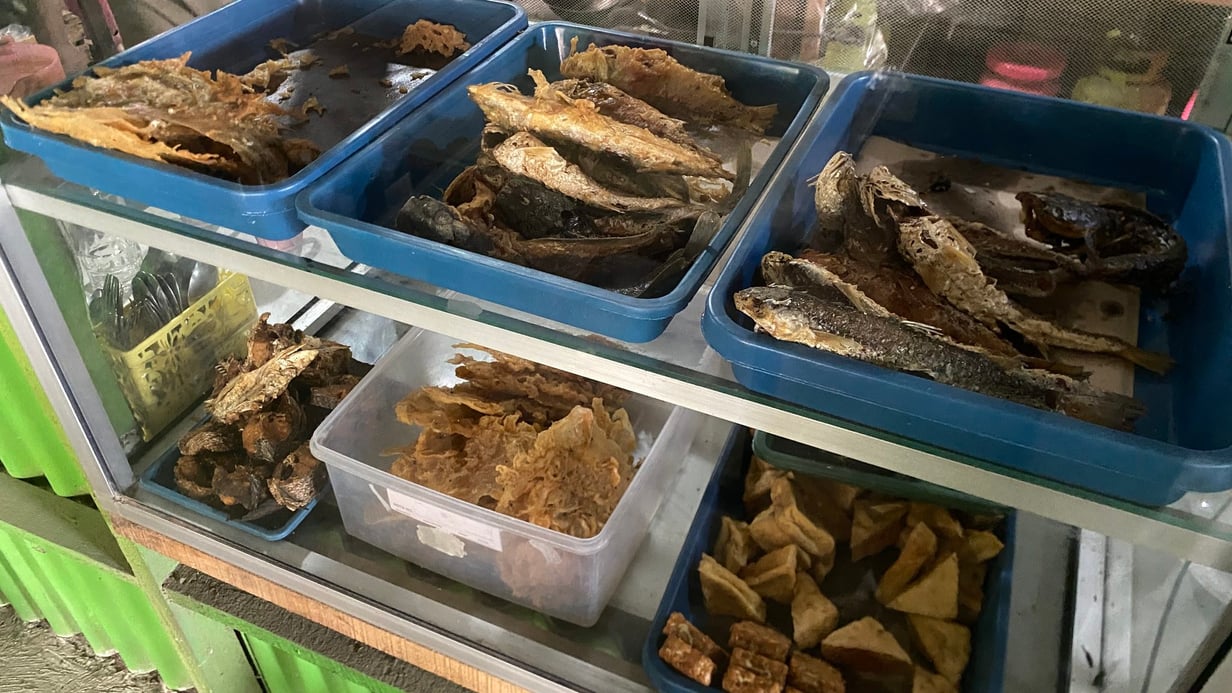
Warung Makan Al-Barokah is located in the rice fields of Undaan Lor Village, Undaan District, Kudus Regency. The location serves as a convenient stop for locals and travelers passing through the Undaan area in search of home-style meals.
A typical meal at the stall ranges from Rp10,000 to Rp20,000 per portion. Solluna noted that customers generally spend between Rp15,000 and Rp17,000 for a meal including a drink. Meanwhile, fried gemblong is priced at Rp1,500 each, and other assorted fried snacks cost approximately Rp1,000 per piece.
The stall operates from the morning until midnight. However, menu availability is subject to daily supply, and some items may sell out early during peak demand.
For first-time visitors, Solluna recommends the snakehead fish stew (semur kutuk) and the fried gemblong. Both items reflect the evolution of Warung Makan Al-Barokah, blending daily prepared home cooking with a family-developed glutinous rice specialty. (FZ/MKK)