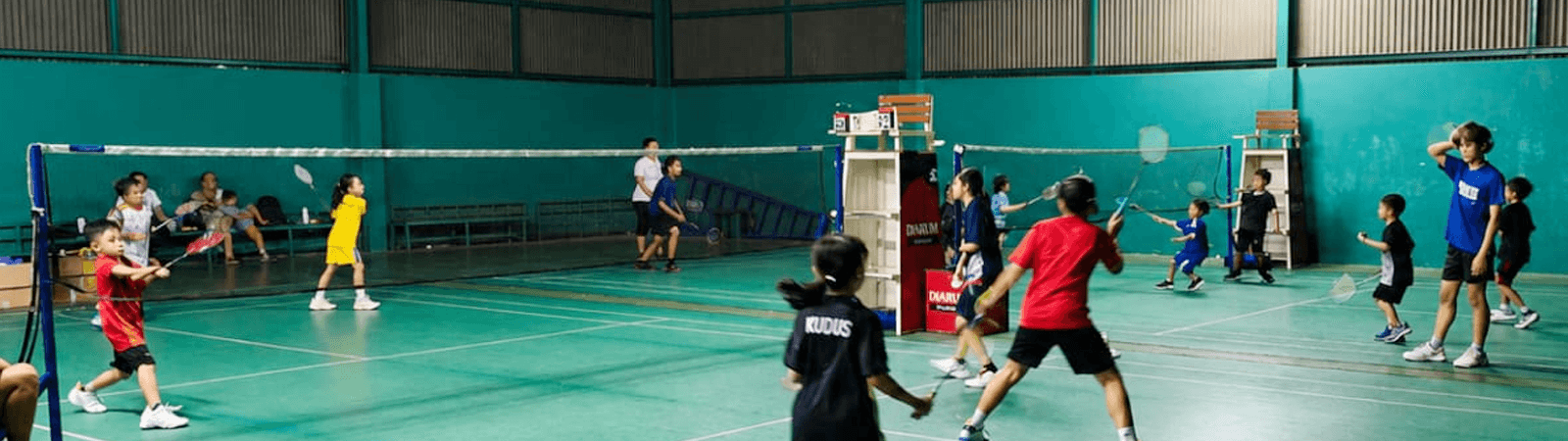
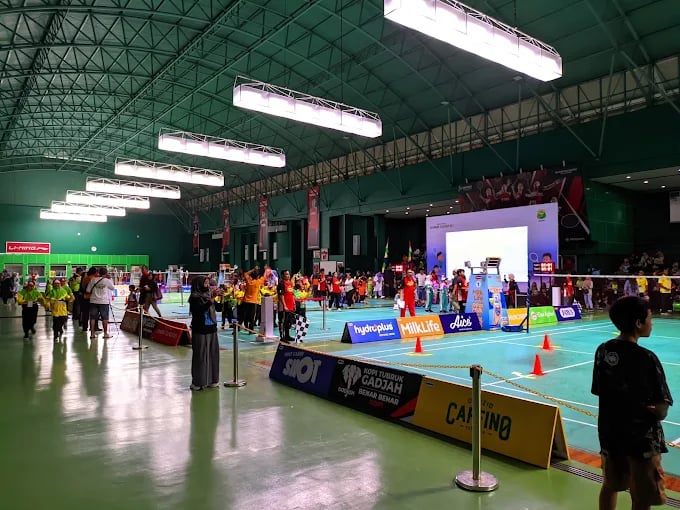
KUDUS – The morning light had barely broken over Jati Kulon Village in the Jati district of Kudus, Central Java. At the sports complex on Jalan Raya Kudus-Purwodadi KM 0.3, the rhythmic sound of rackets and the thud of athletes' footsteps were already audible—an activity underway while much of the surrounding area remained quiet.
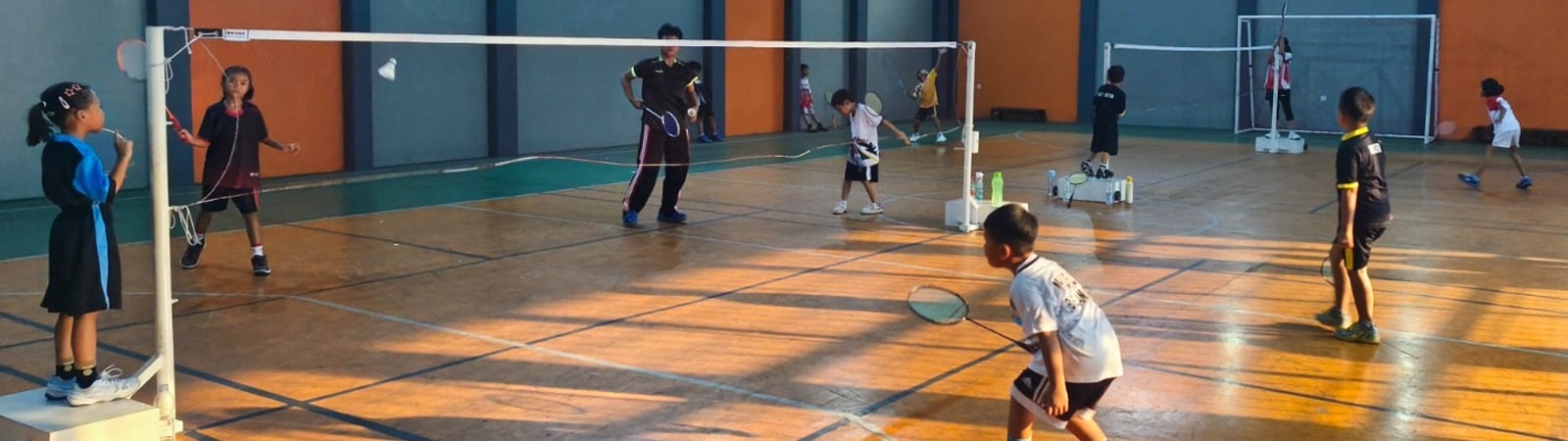
Within the 40-hectare complex, training is a nearly daily ritual. Young athletes follow structured schedules, balancing physical conditioning, formal education, and rest, alternating between technical and tactical drills from morning until late in the day.
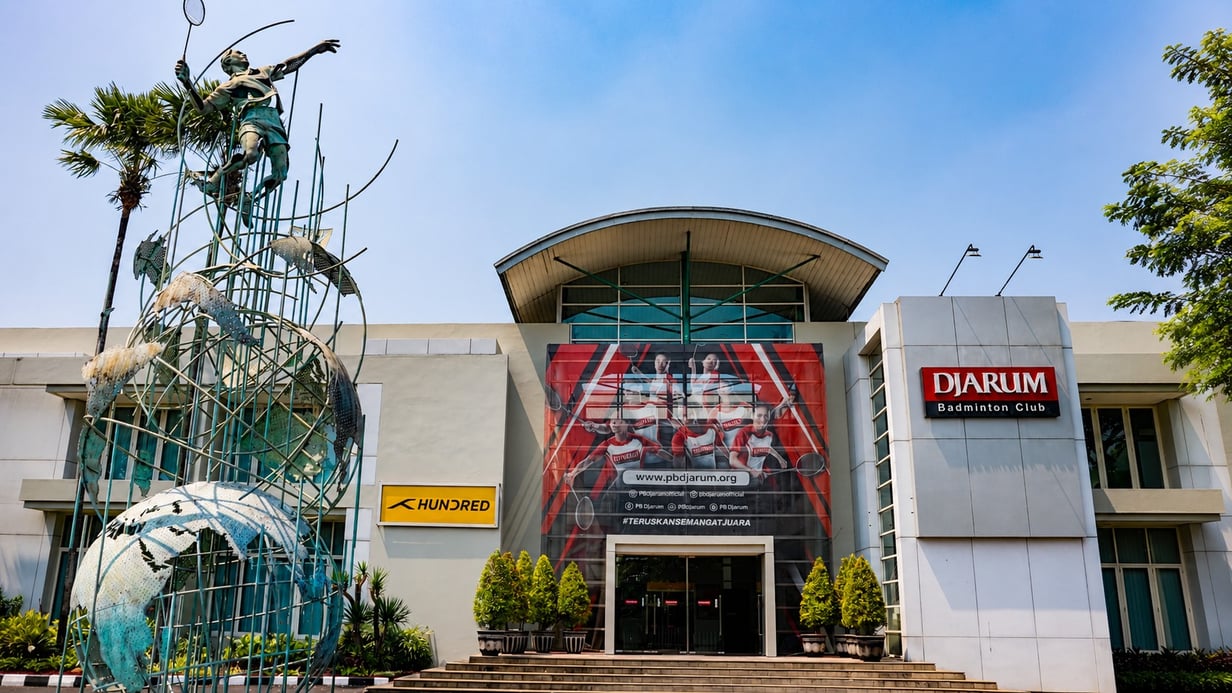
The complex is known as GOR Djarum (Jati). Since its inauguration in 2006, the facility has served as a central hub for the PB Djarum badminton development program. For the resident athletes, training, academics, and daily life are all contained within this single site.
For Tiara Shaqeela Jasmine, a U-15 girls' doubles athlete from Samarinda, East Kalimantan, life at GOR Djarum is defined by a rigorous schedule. She joined PB Djarum in 2022 after successfully completing the joint training program.
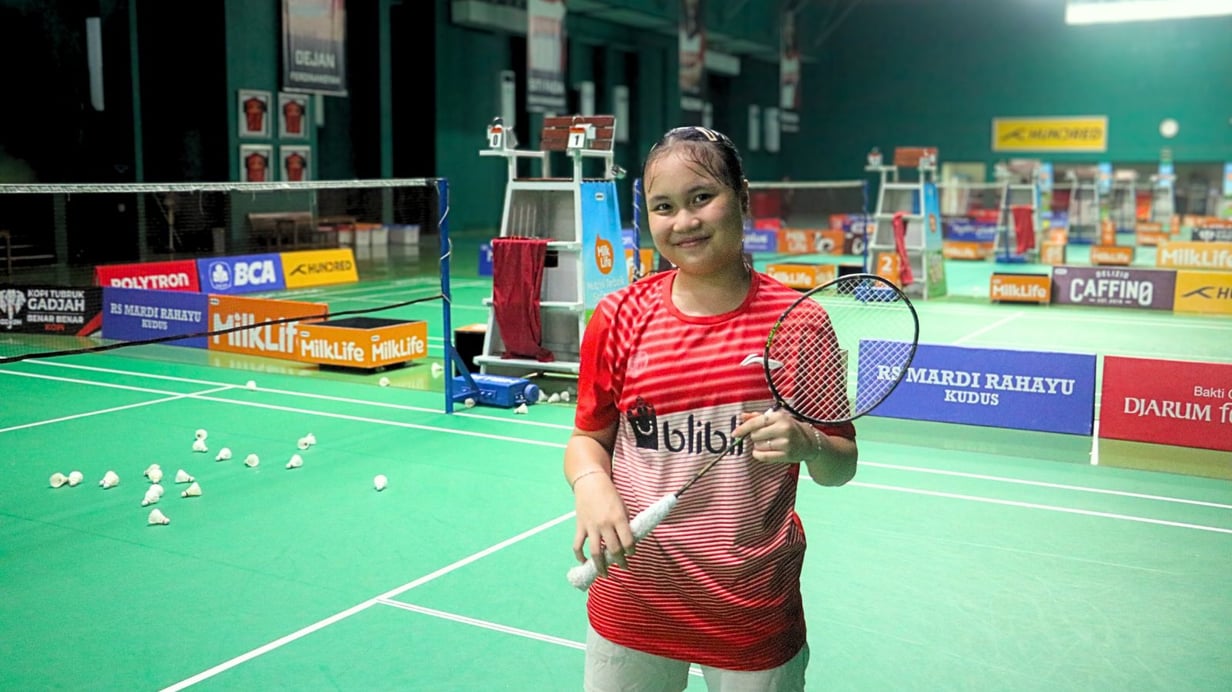
Her mornings are dedicated to several hours of physical training, followed by school classes and a brief rest at the dormitory before returning to the court in the afternoon for technical and tactical work.
"The daily routine here is very intense. I wake up early for 3-4 hours of physical training, attend school, take a short break, and then spend another 4 hours on technical training in the afternoon. In total, we can spend up to 8 hours training each day," said Tiara.
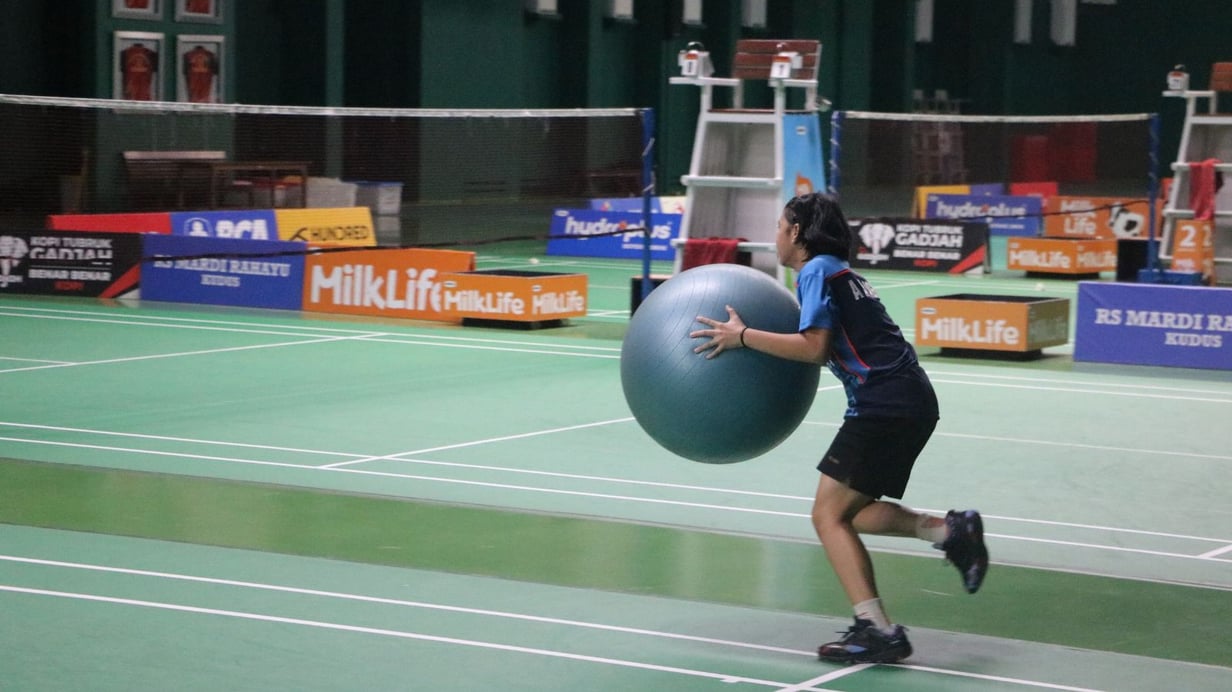
Drilling and strength conditioning are the most physically taxing parts of her day. However, life as an athlete is more than just training; the dormitory serves as a vital space for rest and recovery before starting the next day's schedule.
Jl. Purwodadi - Kudus, Pejaten, Jati Kulon, Kec. Jati, Kabupaten Kudus, Jawa Tengah 59343, Indonesia
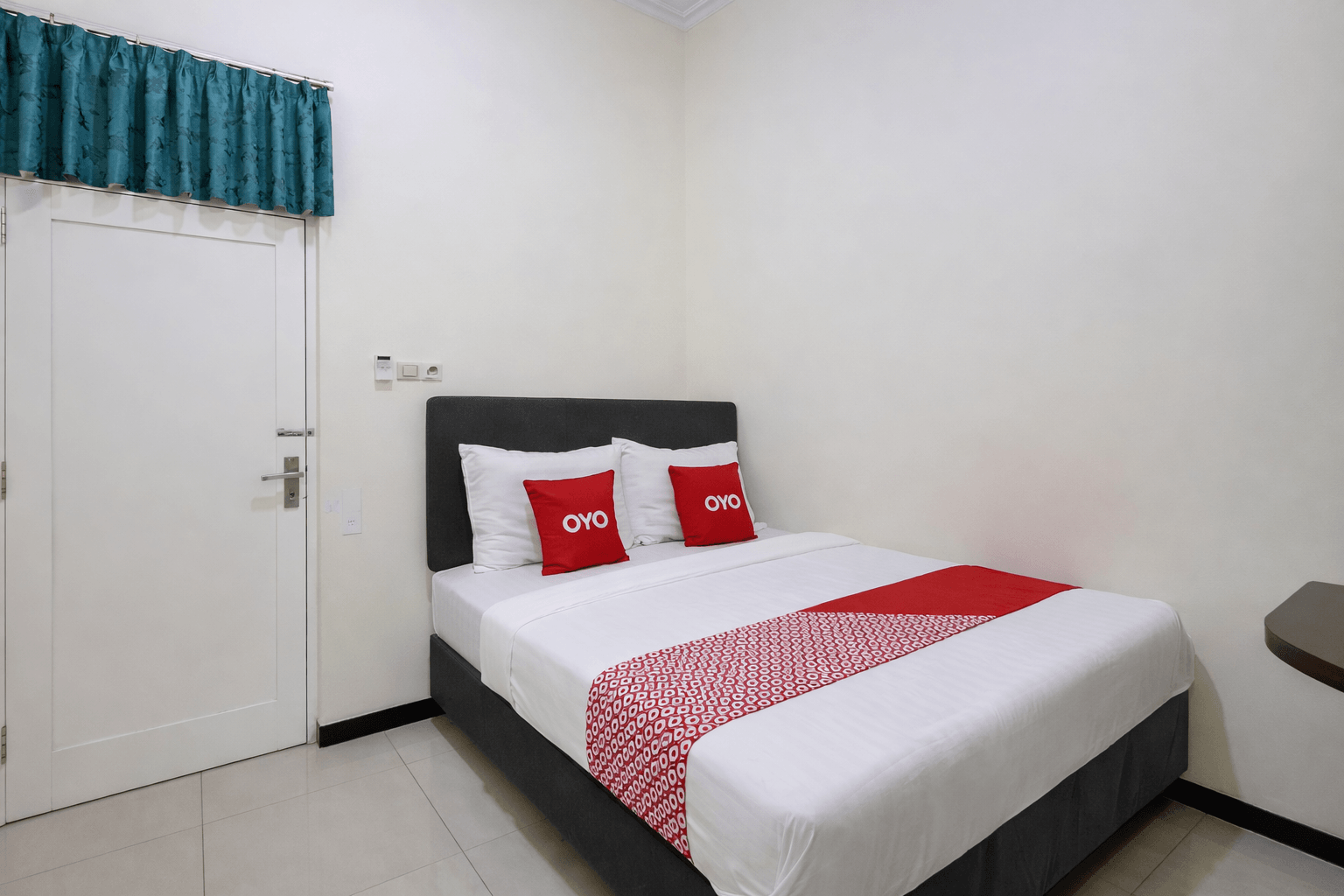
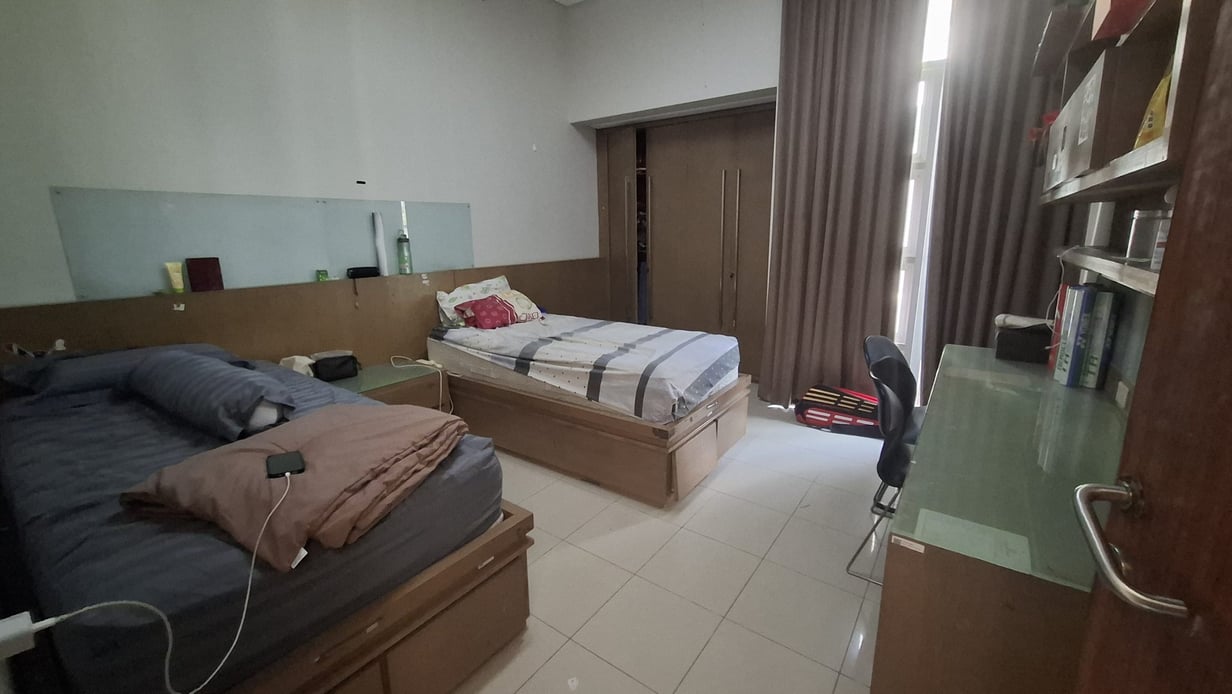
Tiara identifies the dormitory rooms as one of her favorite amenities. Features such as air conditioning, closets, and comfortable bedding ensure a restful environment. The sports courts and fitness equipment further support her rigorous training regimen.
Tiara's competitive career includes appearances at provincial championships, the Sirnas B Medan, and the Kapolri Cup. Following these experiences, she remains focused on her next objectives: reaching the podium at the Badminton Asia Junior Championships in China and securing a spot on the PBSI national training team.
Life at the Djarum Sports Hall (GOR Djarum) operates on a highly organized schedule. Athletes train Monday through Saturday, with distinct morning and afternoon programs.
Morning physical training sessions typically run from 6:00 or 6:30 a.m. to 9:30 a.m. local time. These sessions incorporate weight training, agility drills, running, and endurance exercises, with the specific focus varying by day.
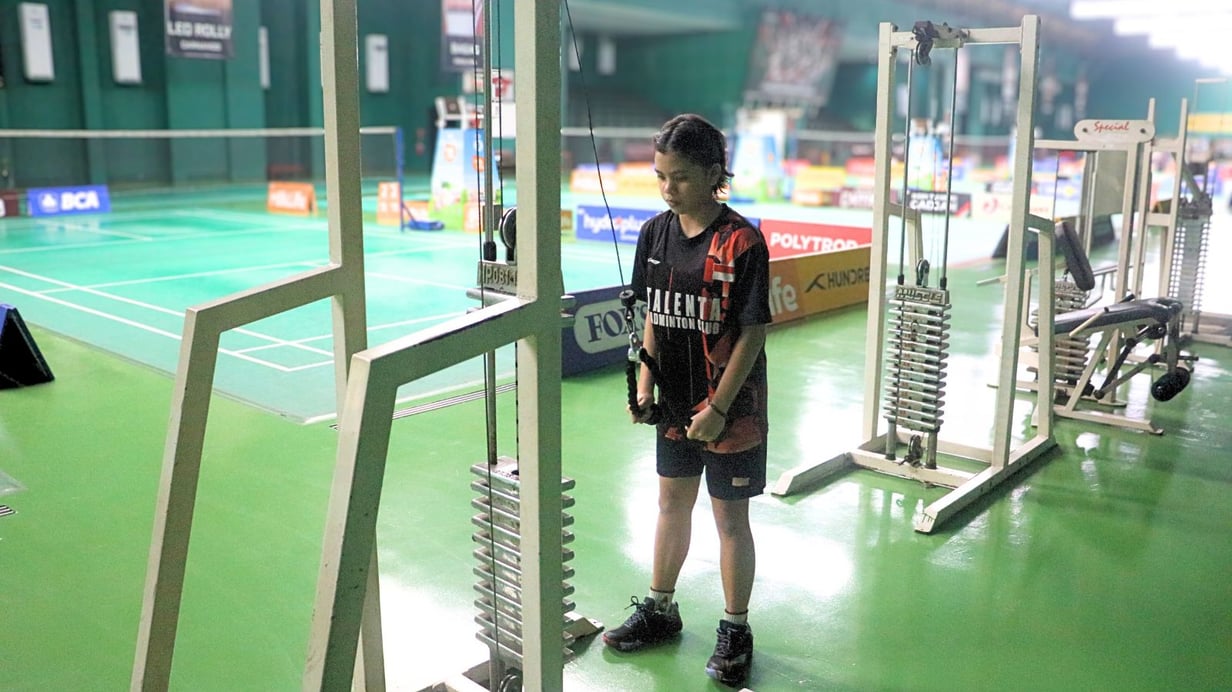
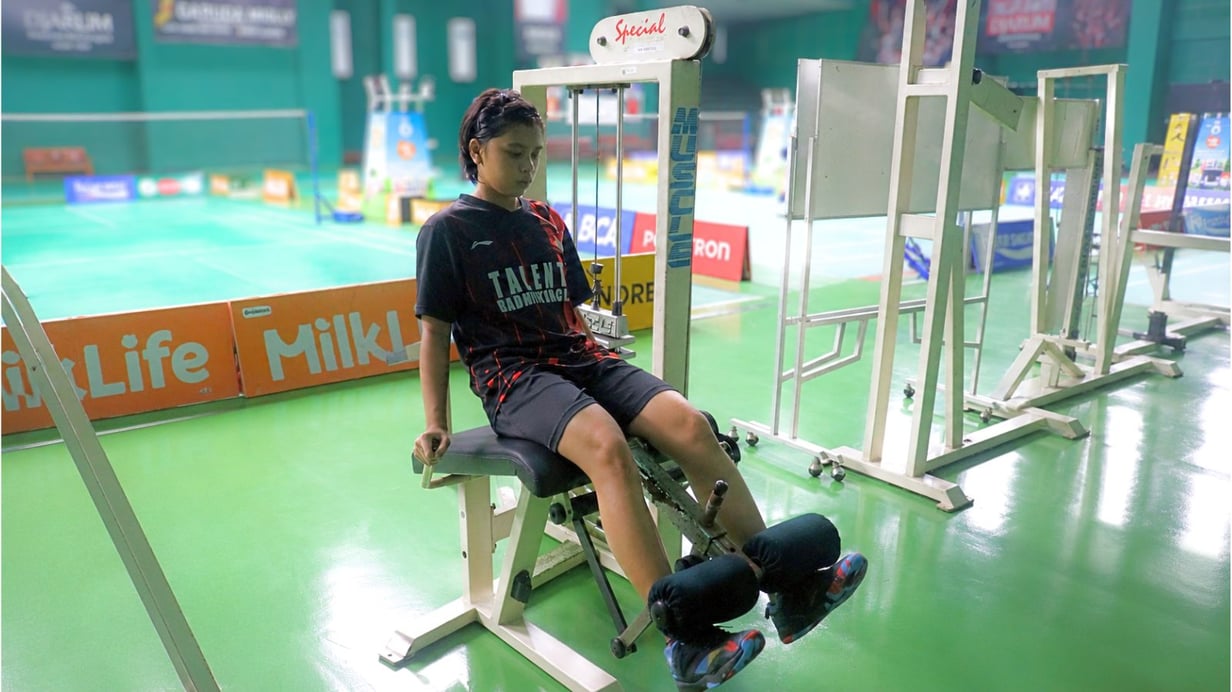
Weight training is scheduled for Mondays and Thursdays. Tuesdays are reserved for agility drills, while Fridays focus on running and endurance. These programs are overseen by physical trainers, including Coach Aris Subarka, a former physical trainer for the PBSI national team.
Following the morning training, athletes transition to their academic studies from 9:30 a.m. to 2:00 p.m. local time, with a designated rest and recovery period scheduled from 2:00 p.m. to 3:30 p.m.
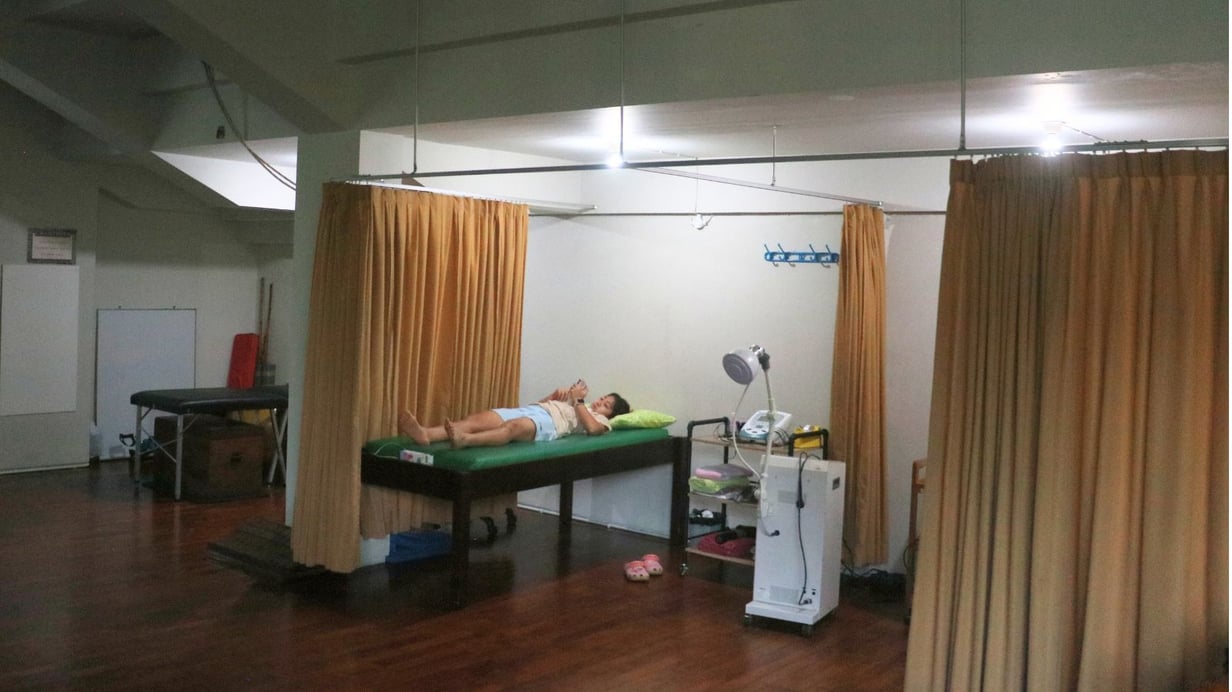
Training resumes in the afternoon and continues into the evening. From approximately 3:30 p.m. or 4:00 p.m. until 8:00 p.m. or 8:30 p.m. WIB, the focus shifts to game techniques and tactics.
Wednesdays and Saturdays typically feature half-day training sessions. However, this schedule may change when athletes enter preparation periods for major championships. During these phases, training time is maximized to meet match requirements.
For coaches, this rigorous schedule is not just about developing playing skills. Young athletes must also learn to manage their daily lives, including rest times and device usage.
Ronald Sanduan Sipasulta, U-15 and U-17 Girls' Doubles Coach at PB Djarum, believes that moving the training center to Kudus has provided significant advantages for development.
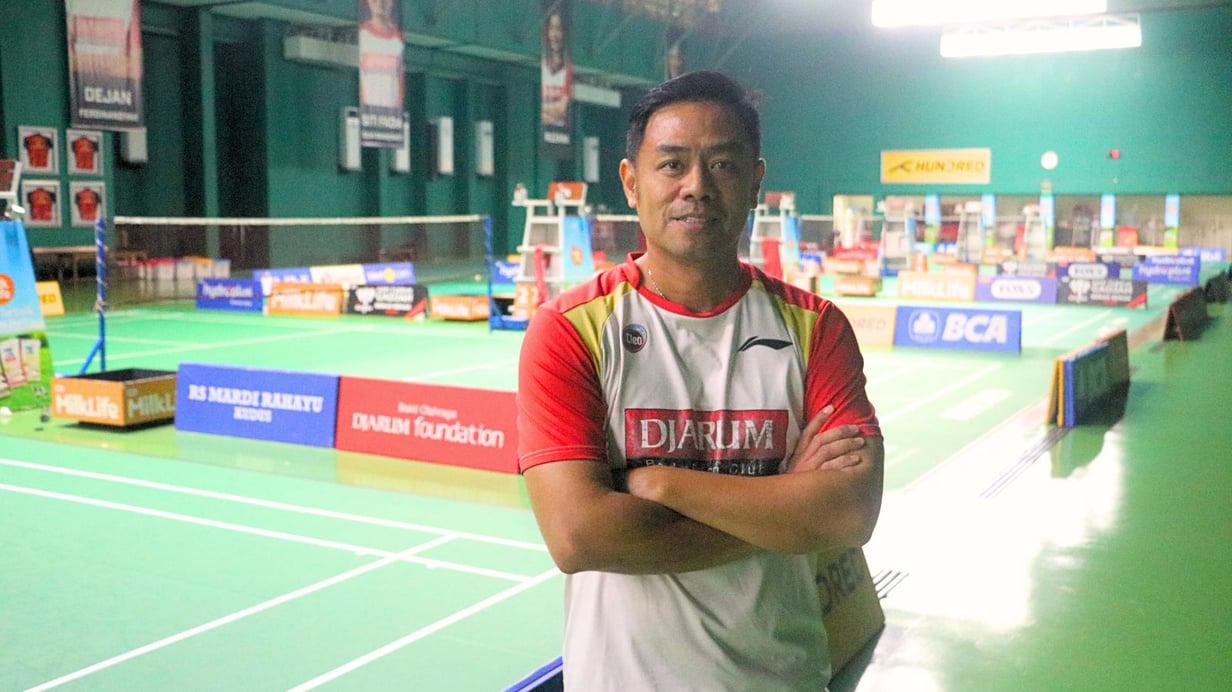
Since 2020, PB Djarum has organized its training center by placing the U-15 and U-17 youth doubles sectors at the Djarum Kudus Sports Hall. Previously, training for these sectors took place in Jakarta, where the courts and dormitories were not located in the same complex.
"In Jakarta, we used to rent courts, and the distance between the dormitory and the courts was quite far. In Kudus, it is truly maximized. Whenever athletes need extra training, the facilities are right there," Ronald said.
The proximity of the dormitory to training facilities makes managing athletes' schedules much easier. Time previously spent commuting can now be diverted to other activities, including rest and recovery.
However, according to Ronald, the challenge of coaching young athletes extends beyond technical ability. Managing personal discipline is also an essential part of their daily routine.
The use of smartphones and social media is one area that requires supervision, especially leading up to tournaments. Athletes must protect their sleep and rest times to ensure they remain focused on their training programs.
"Approaching a tournament, we restrict mobile phone usage so it does not interfere with their rest or concentration. As coaches, we must consistently provide guidance and education every day," he added.
With this approach, development is not limited to on-court performance. Athletes are also conditioned to follow rules, maintain a routine, and understand their responsibilities as part of a training group.
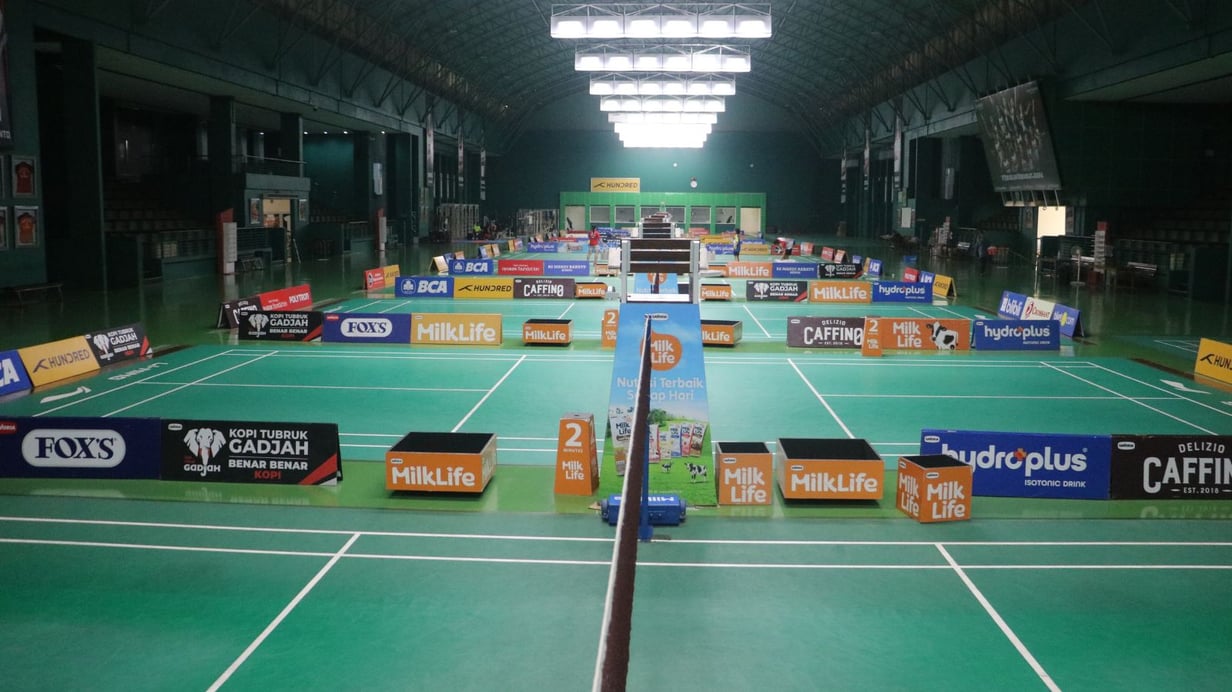
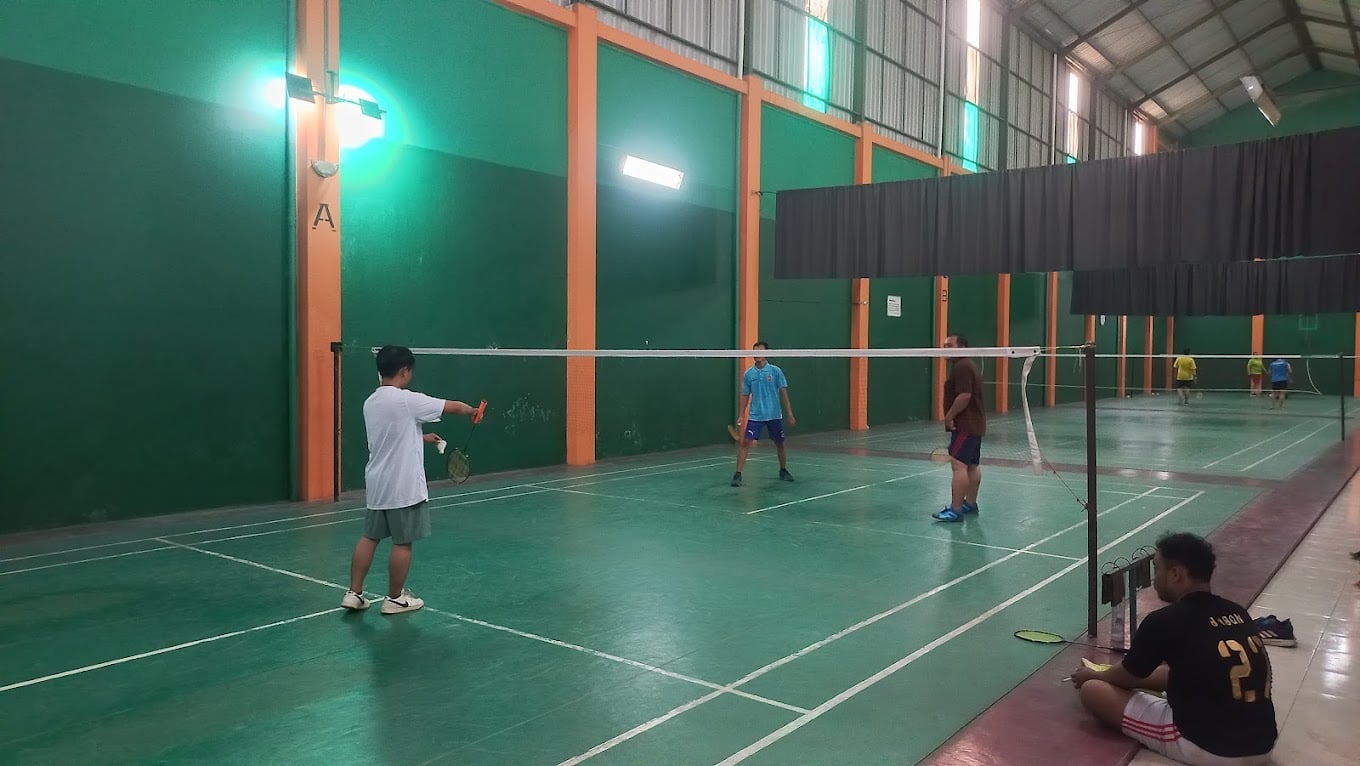
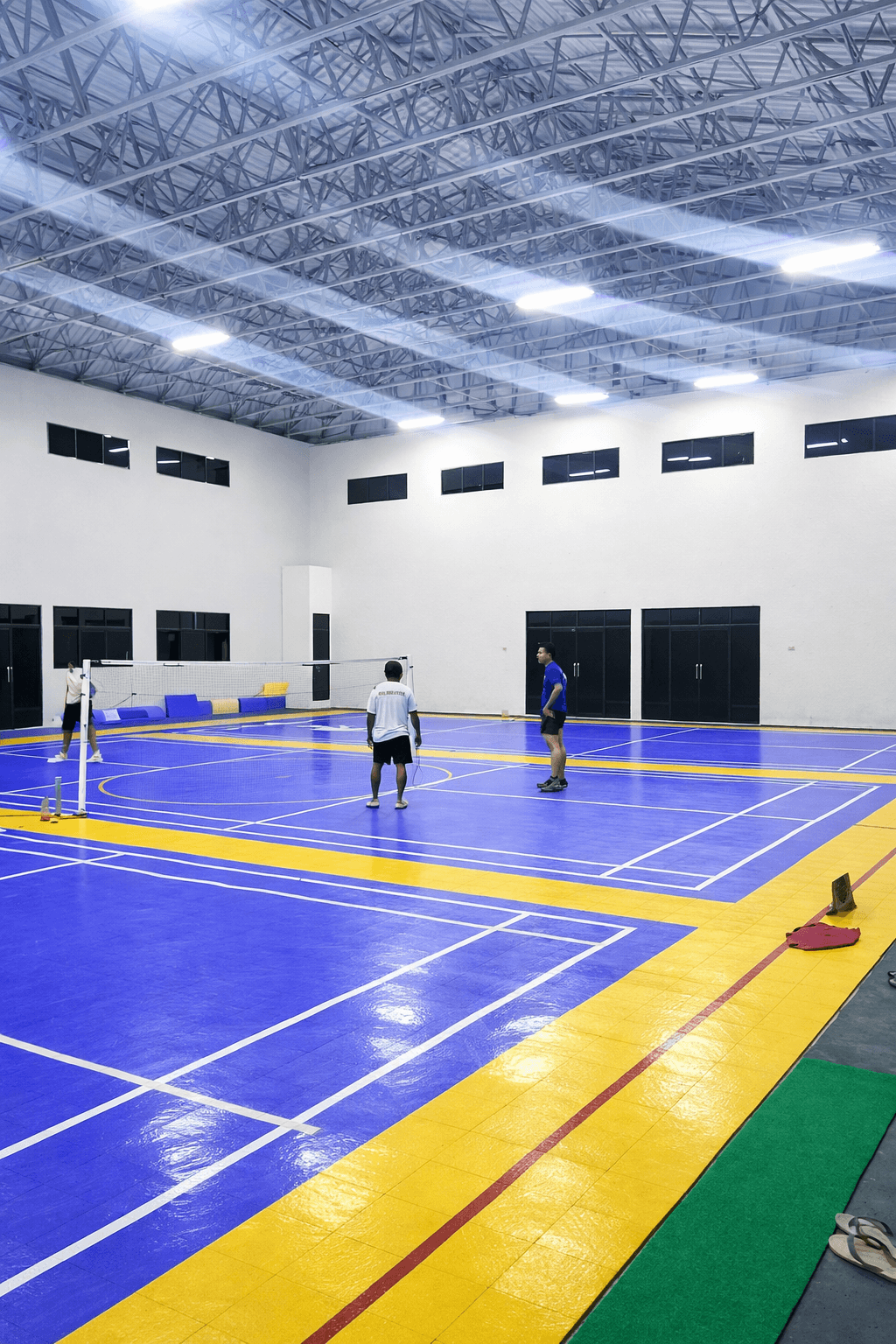
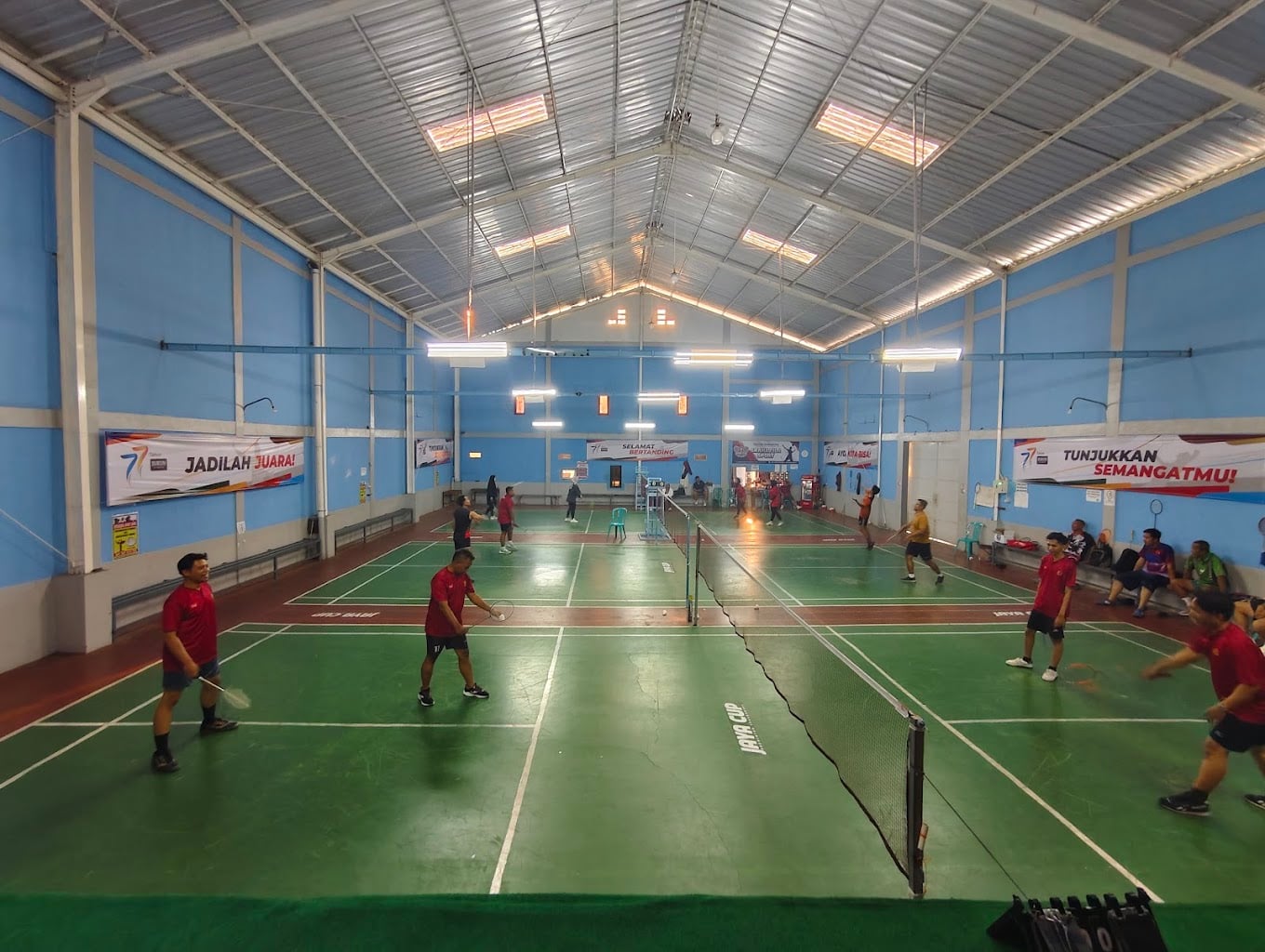
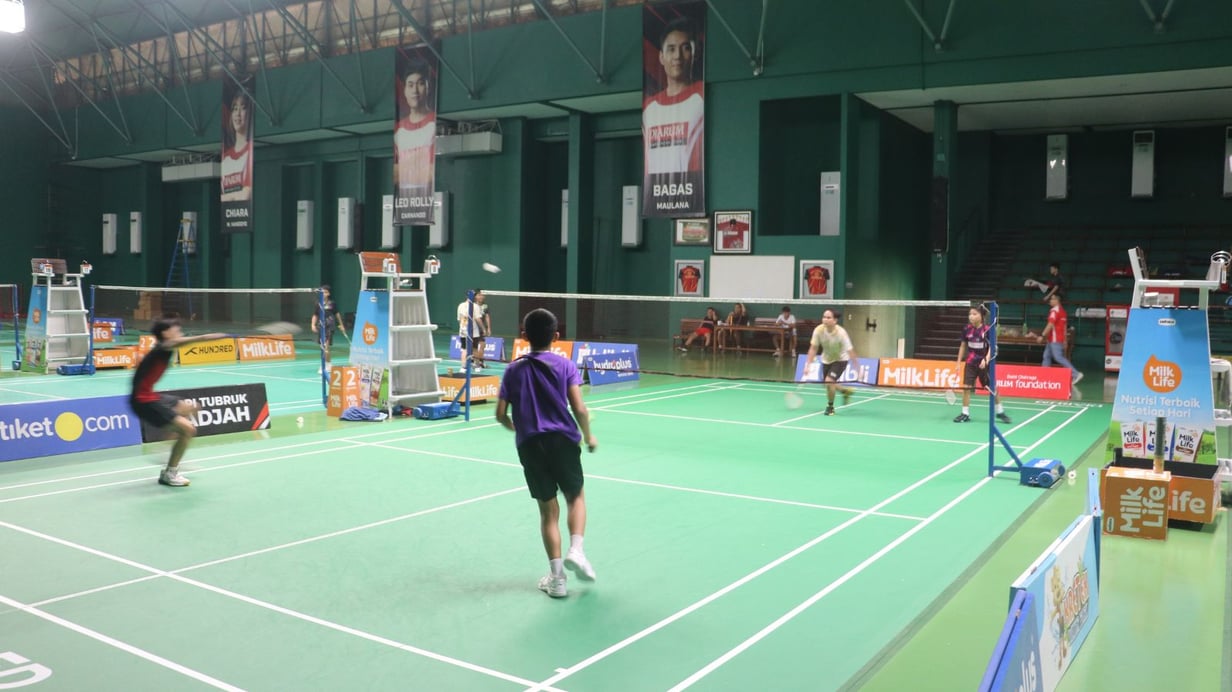
All activities are supported by comprehensive facilities housed within a single complex. According to PB Djarum administrative staff member Raventus Pongoh, GOR Djarum is equipped with 16 badminton courts.
Twelve courts are located in the main area and serve as the primary venues for competitive matches, while four supporting courts situated along the perimeter are designated for practice sessions.
"We have 12 main courts inside and 4 supporting courts along the sides. During events or tournaments, the 12 central courts are utilized, while the 4 supporting courts are used for training," explained Raventus Pongoh.
Beyond the courts, the complex offers extensive amenities, including a fitness center equipped with weight training machines, treadmills, and stationary bikes.
For recovery needs, the facility provides physiotherapy and massage rooms to support athletes during training sessions and post-activity treatment.
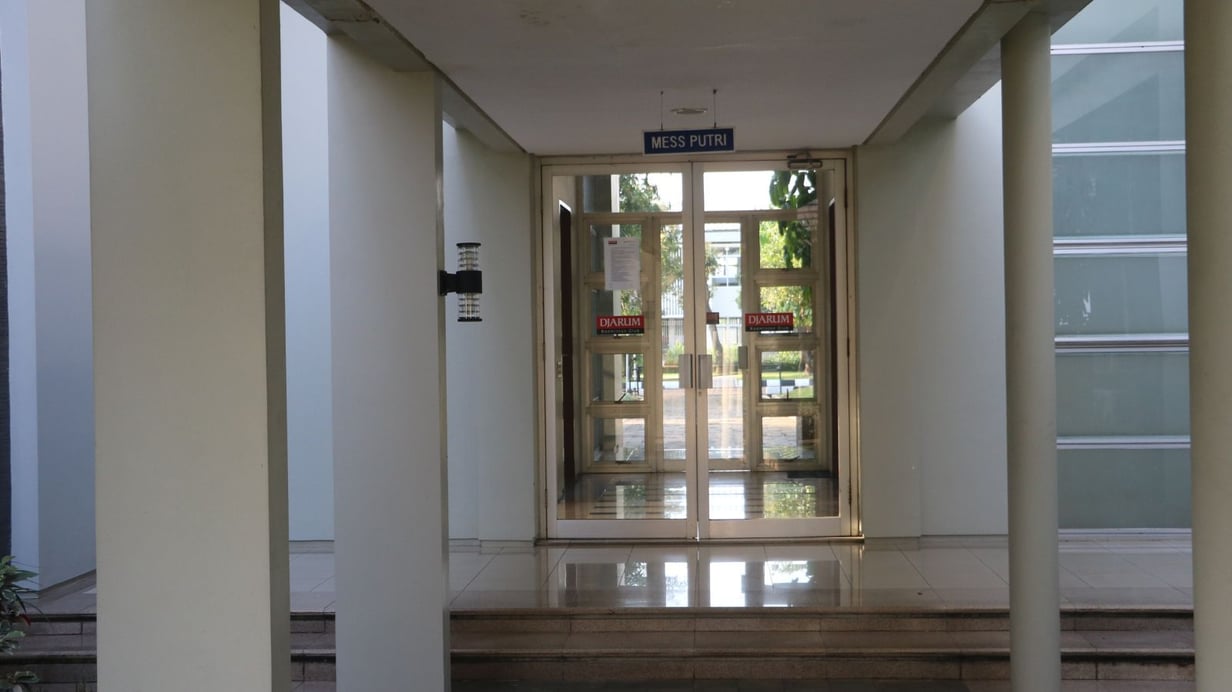
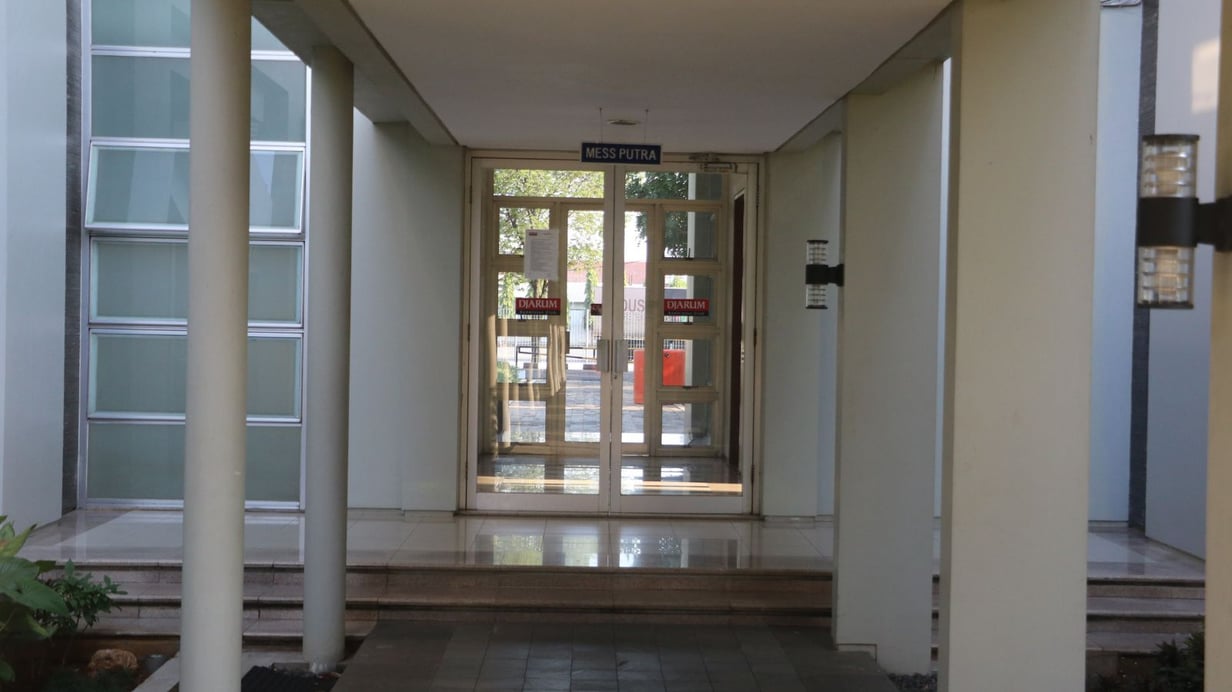
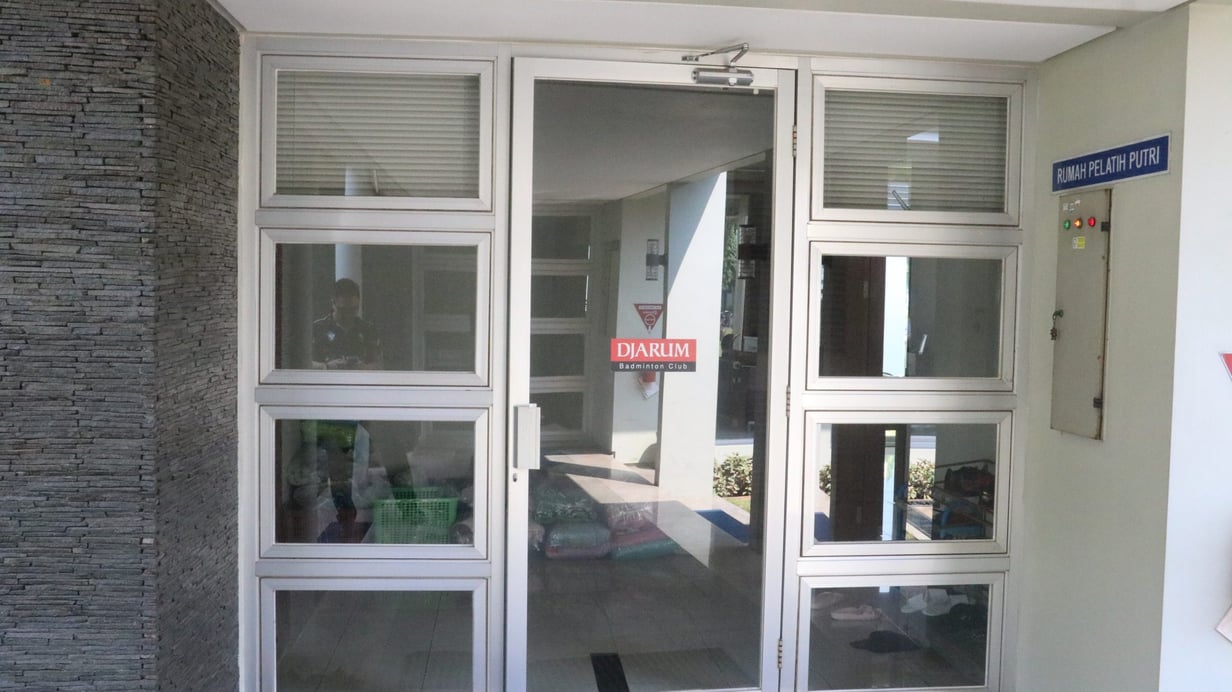
The complex also includes athlete and coach dormitories, featuring 41 rooms with a total of 86 beds. The housing is categorized by gender, with separate accommodations for athletes and coaches.
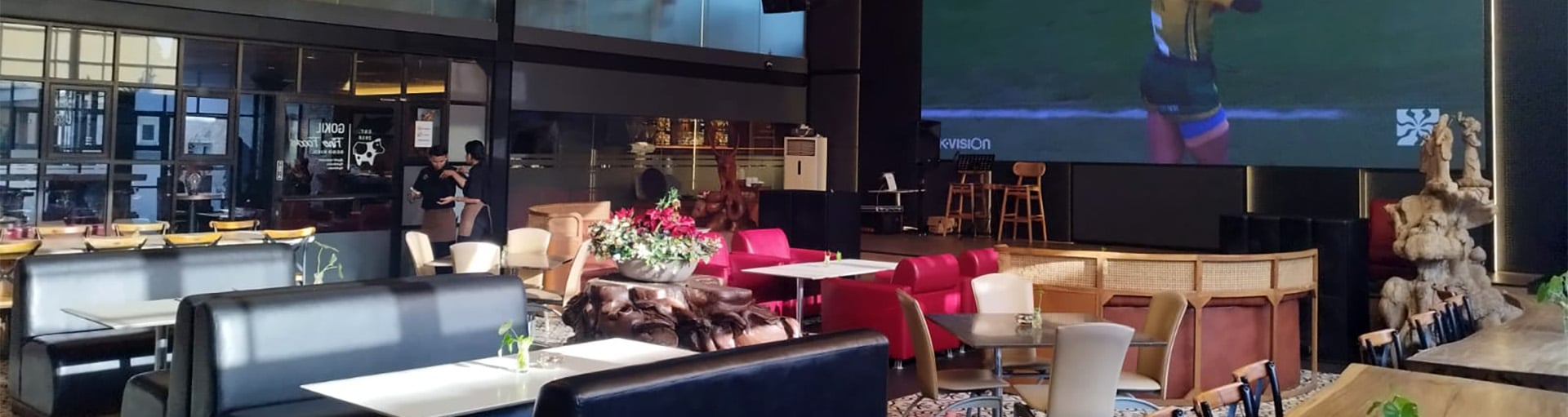
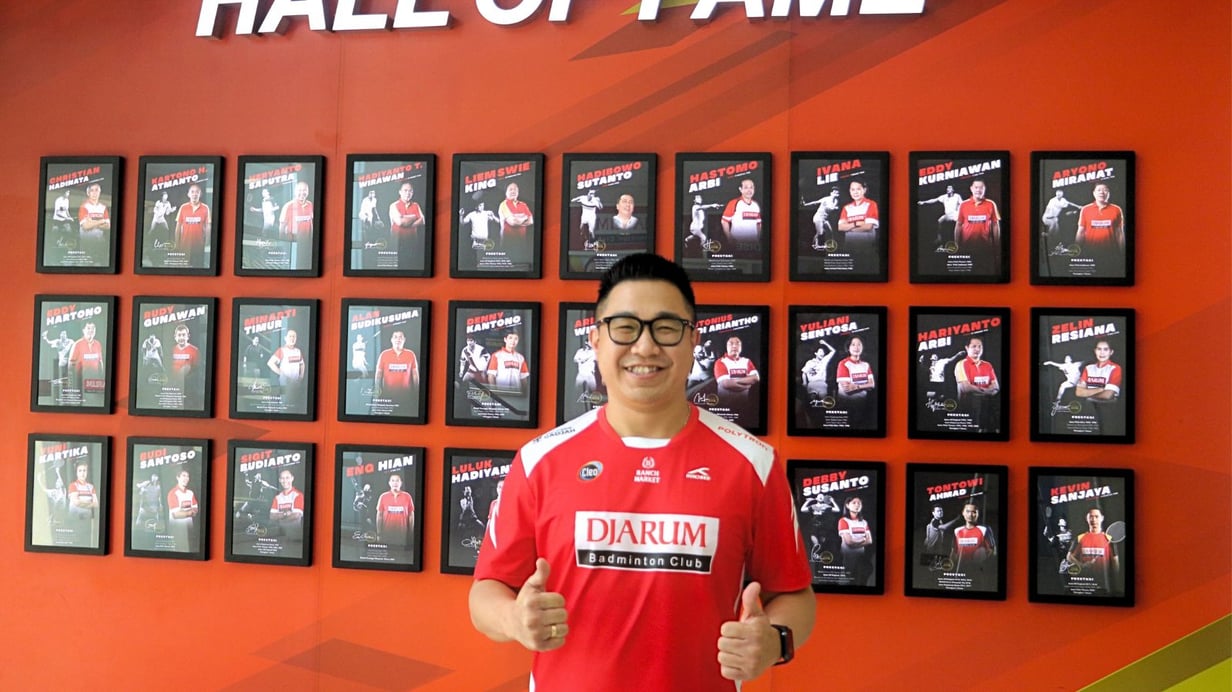
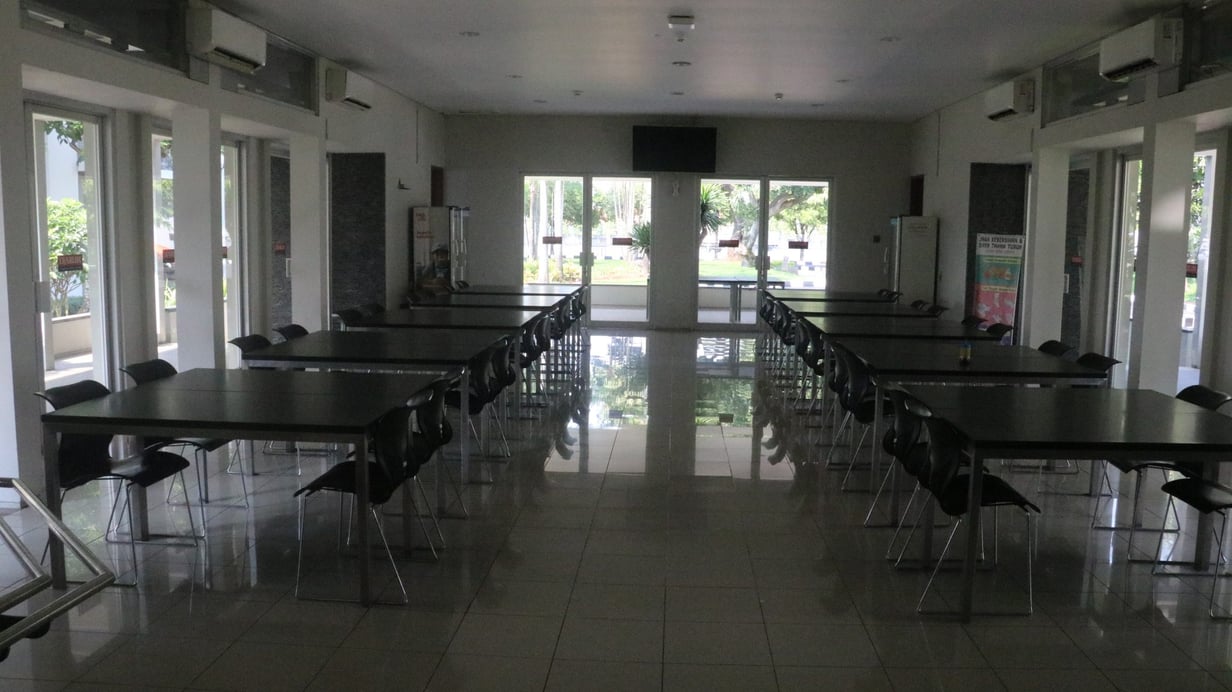
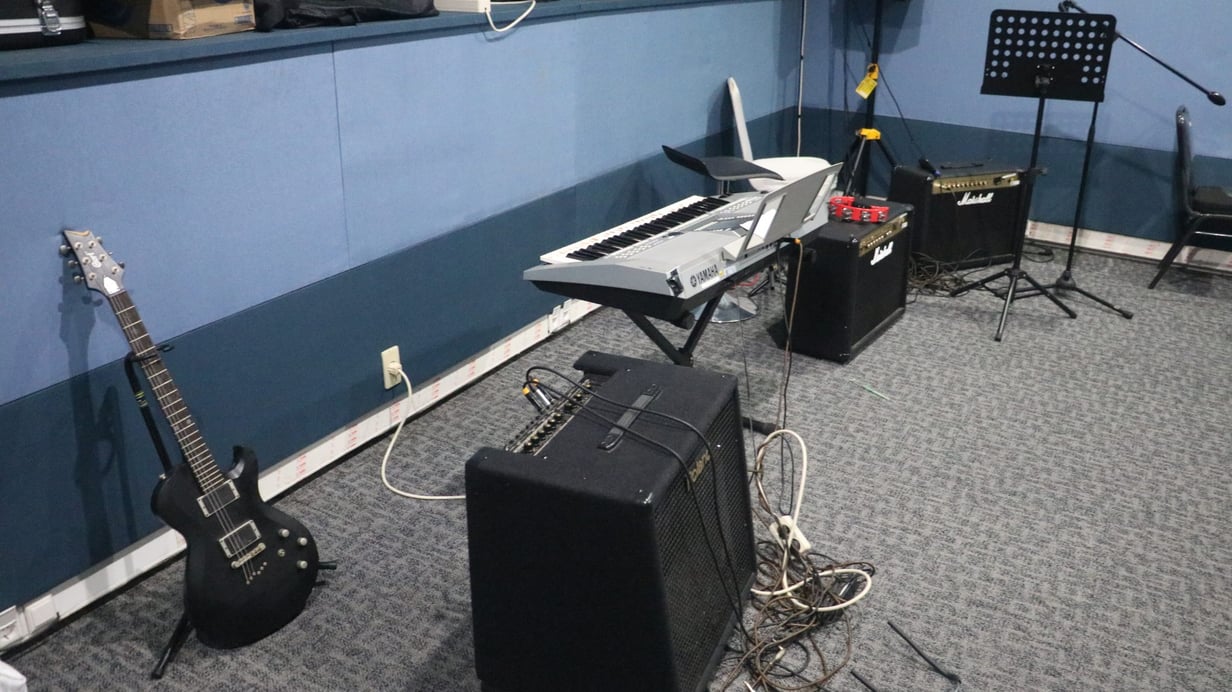
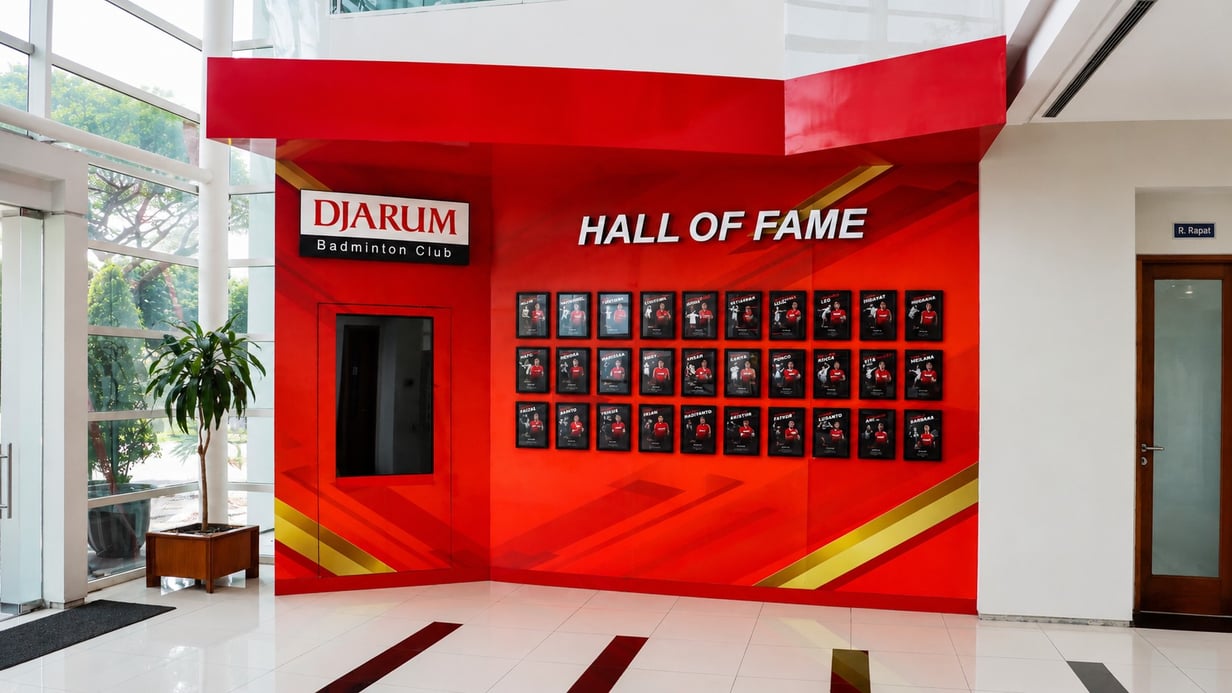
The complex also provides for other activity needs. A multipurpose room is available for press conferences, referee briefings, managers meetings, and tutoring sessions. Additional amenities include a kitchen, dining hall, band room, management office, and a Hall of Fame.
All facilities undergo routine maintenance. The general services team, building and electrical technicians, and landscaping crew each have specific duties to maintain the integrity of the complex.
"We address maintenance issues immediately if anything is damaged. We have a dedicated team and designated personnel who ensure that the condition of the buildings and electrical systems remains optimal," said Raventus Pongoh.
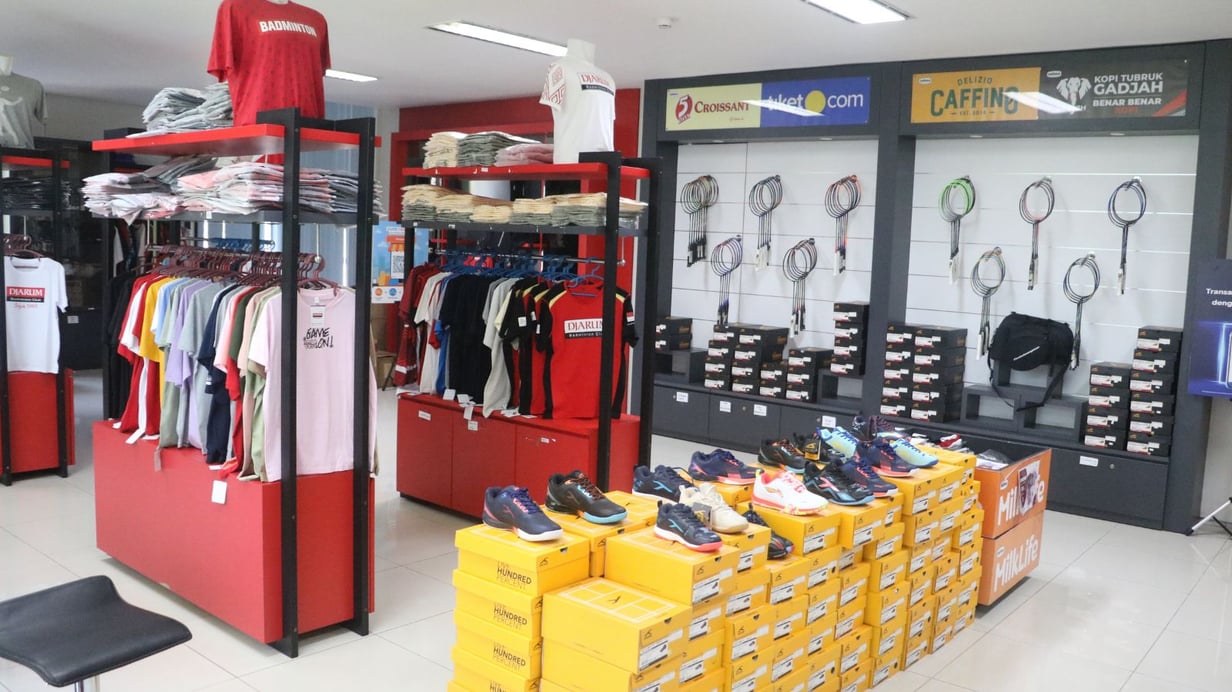
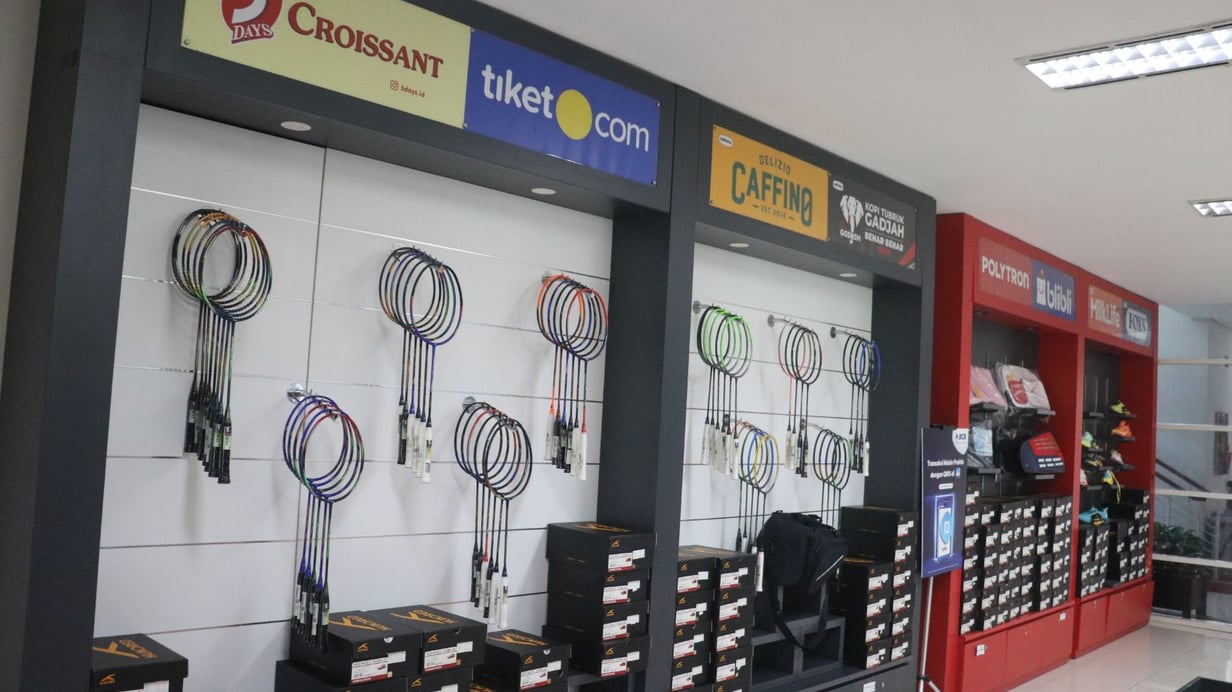
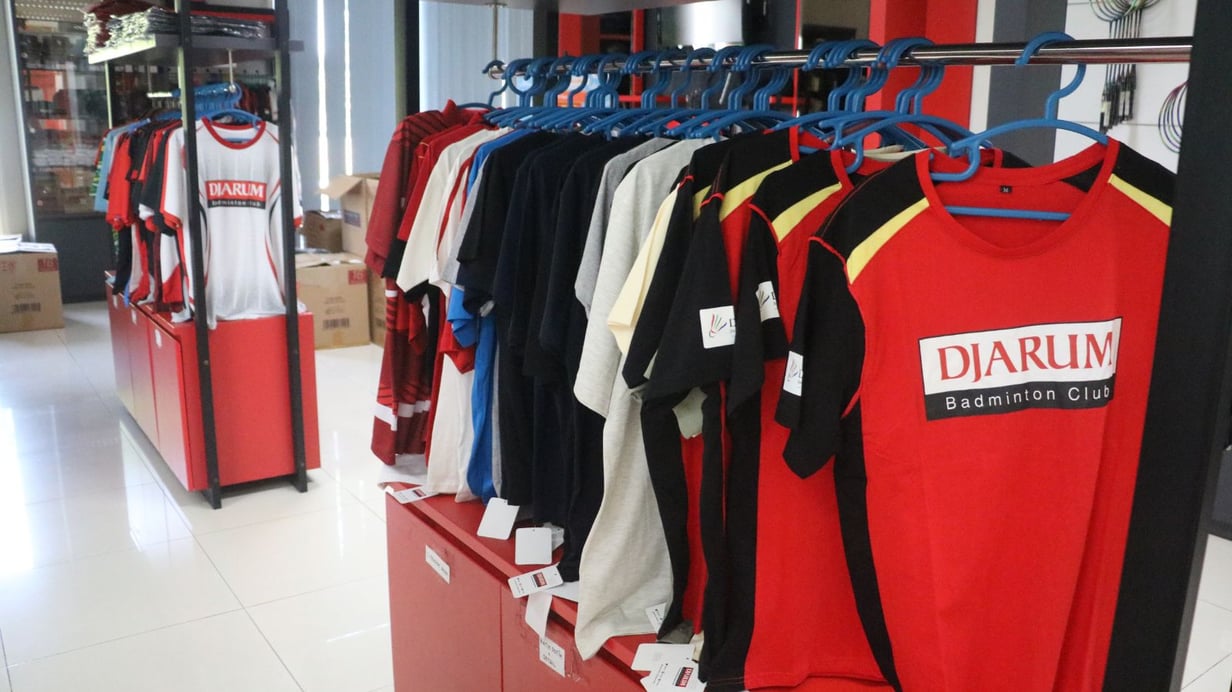
The GOR Djarum complex features a PB Djarum merchandise store, enhancing the visitor experience at this premier badminton training center in Kudus. Visitors can purchase a variety of products, ranging from athlete jerseys, t-shirts, and footwear to various other merchandise and gear associated with PB Djarum.
General operations at GOR Djarum Jati are Monday through Friday, from 8:00 a.m. to 5:00 p.m. WIB. The facility is closed on Saturdays and Sundays.
Its location within the complex makes the store a convenient option for visitors seeking souvenirs and mementos from their trip to one of Kudus' most prominent badminton training centers.

The existence of integrated training facilities is directly linked to the PB Djarum development model, which begins at an early age. The U-11, U-13, and U-15 groups represent critical tiers in the development process before athletes transition to higher age groups.
According to Raventus Pongoh, the intense nature of international badminton competition necessitates a focus on youth development. Nations such as China maintain highly competitive junior programs.
“International competition is fierce, particularly from countries like China. If development does not start early, we will fall behind by the time they reach the U-19 level, which is the benchmark for entering the national training center,” he explained.
As such, development is not merely focused on tournament outcomes. Athletes are shaped through progressive training, formal education, discipline, and competitive experience.
For athletes like Tiara, this process involves living away from their families. The demanding daily routine means that the dormitory and training complex become central to their lives.
Within this environment, they learn to manage fatigue, maintain rest schedules, balance their schooling, and compete. Each stage offers distinct experiences as they navigate their journeys as athletes.
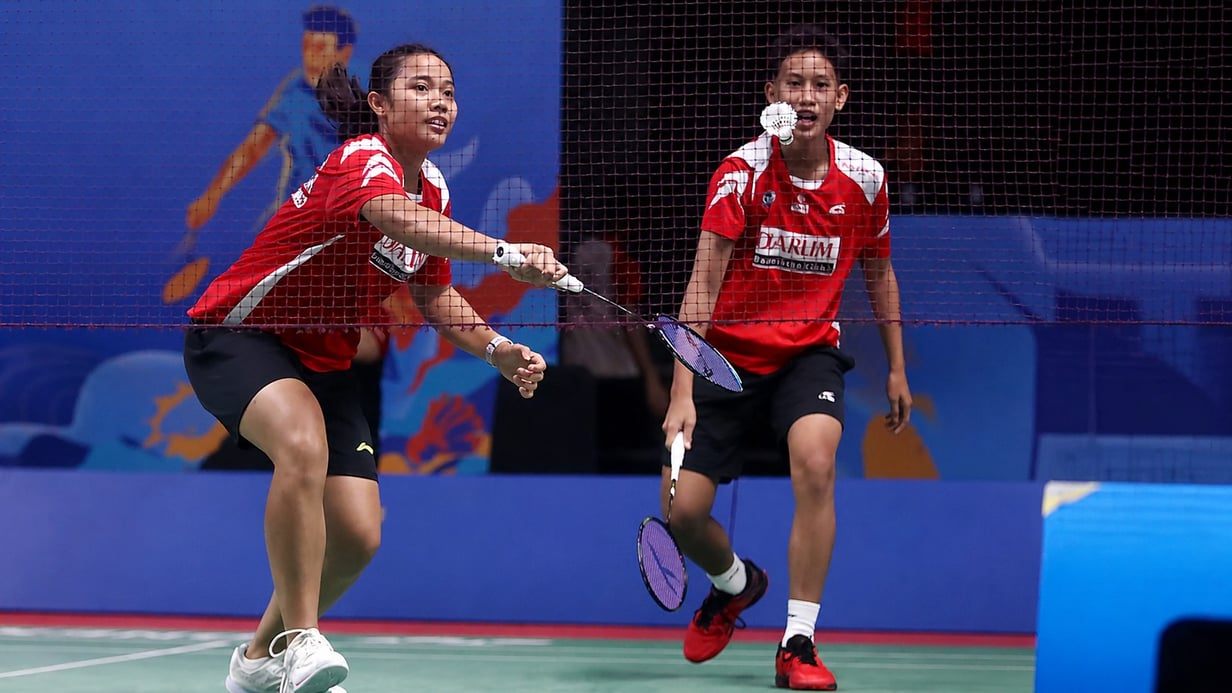
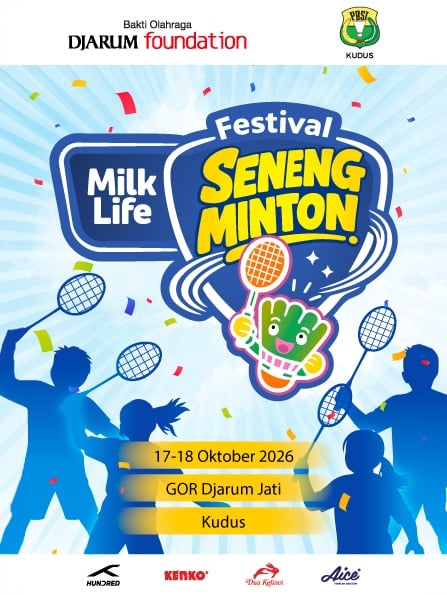
Beyond its role as a training center, GOR Djarum (Jati) hosts a variety of regional, national, and international championships.
Among these are the HYDROPLUS Sirnas A Central Java, the 2015 and 2016 Badminton Asia U-15 and U-17 Championships, and the Junior Superliga, which features international club and national teams in a team-based format. The Regent's Cup has also been held at the Djarum Arena for local clubs.
The tournament activity brings more than just athletes and coaches to the complex; it drives foot traffic from participants, support staff, match officials, and spectators to the surrounding area.
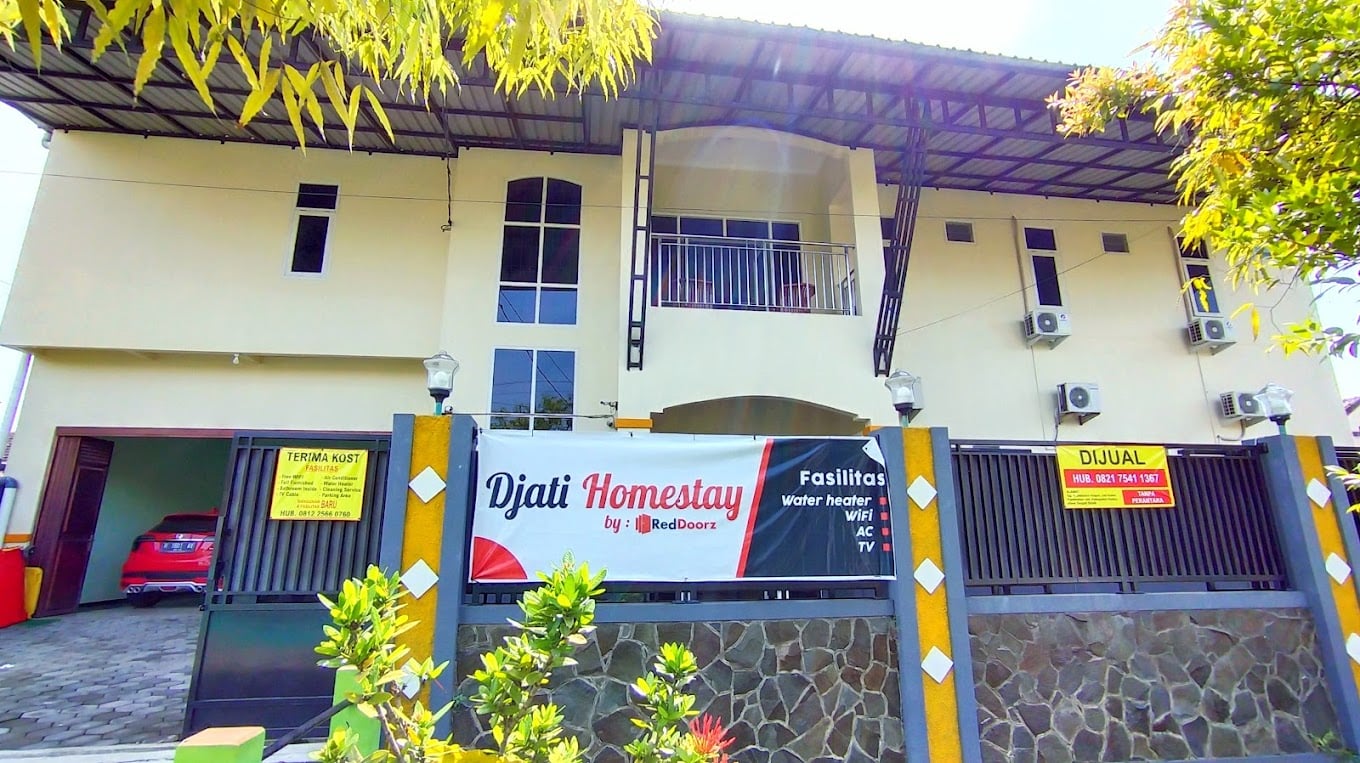
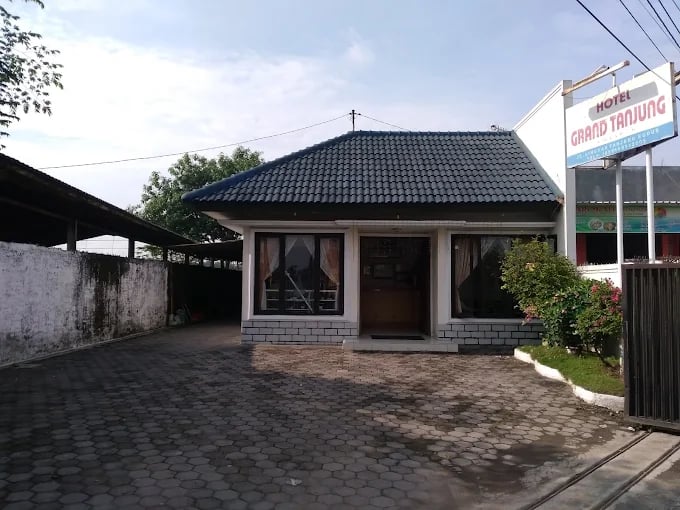
For Kudus, these sporting events stimulate other sectors of the economy, driving demand for local accommodation, dining, transportation, and service industries.
The hospitality sector, in particular, benefits from the influx of visitors. Culinary businesses and micro, small, and medium enterprises (MSMEs) also find opportunities to serve increased demand during these events, illustrating the link between major sporting agendas and local economic activity.
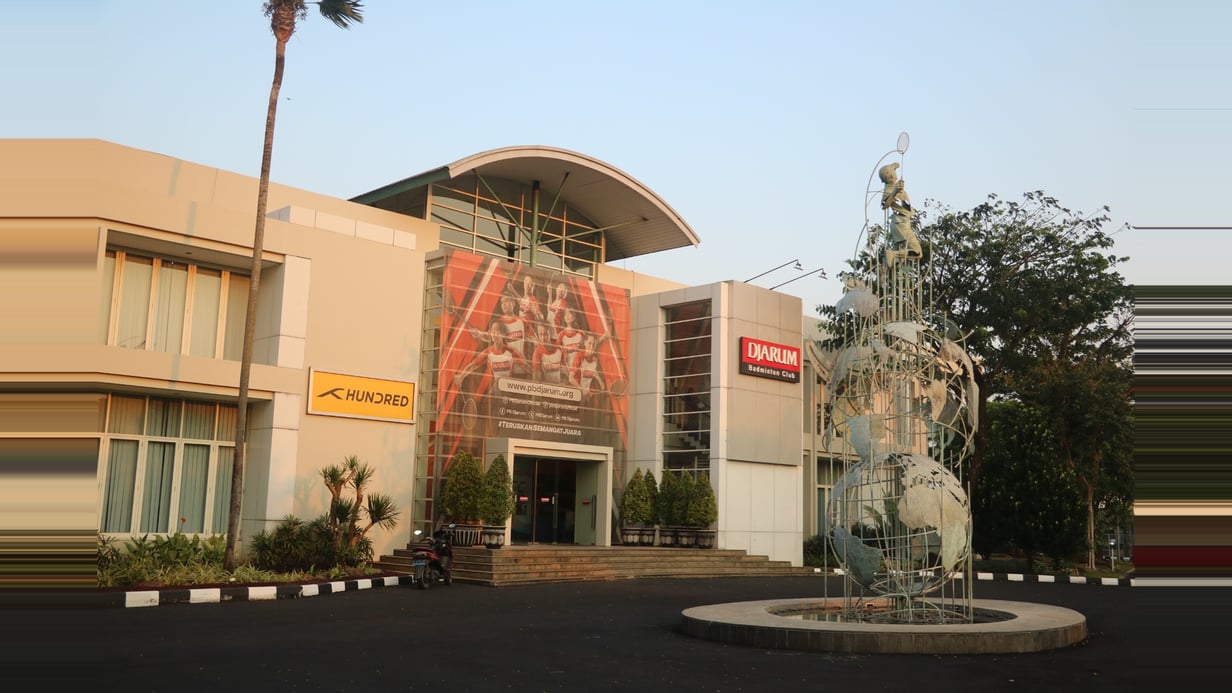
The activities at GOR Djarum (Jati) have made it a focal point for external visitors, with institutions, universities, and corporate partners regularly incorporating the site into their official visit agendas.
These visits offer more than just a look at sports facilities; guests gain insight into the comprehensive athlete development process, from training drills to the daily living infrastructure provided.
For the region of Kudus, the presence of this training and championship hub creates a clear nexus between sports and tourism, as athletes and their entourages are introduced to the area beyond the competition courts.
Ultimately, the utility of GOR Djarum (Jati) extends far beyond the hours spent on court. The complex operates around the clock, facilitating a rigorous schedule of training, education, rest, recovery, and tactical preparation.
Amidst its 16 courts, dormitories, gyms, and supporting amenities, the development of young athletes proceeds in stages. They arrive with potential, then follow a structured routine of intensive training, performance evaluations, and competitive matches.
For Tiara, the journey remains extensive. Her immediate objectives include competing in international junior tournaments and earning a spot in the national training camp as part of her next phase. Meanwhile, coaches and administrators continue the long-term development process across consecutive age groups.
The Djarum Sports Hall in Jati serves as the nexus for this endeavor, where athletes train, study, and recover before returning to the court each day. It is through this disciplined, iterative cycle that badminton development thrives in Kudus. (HNR/mainkekudus)