
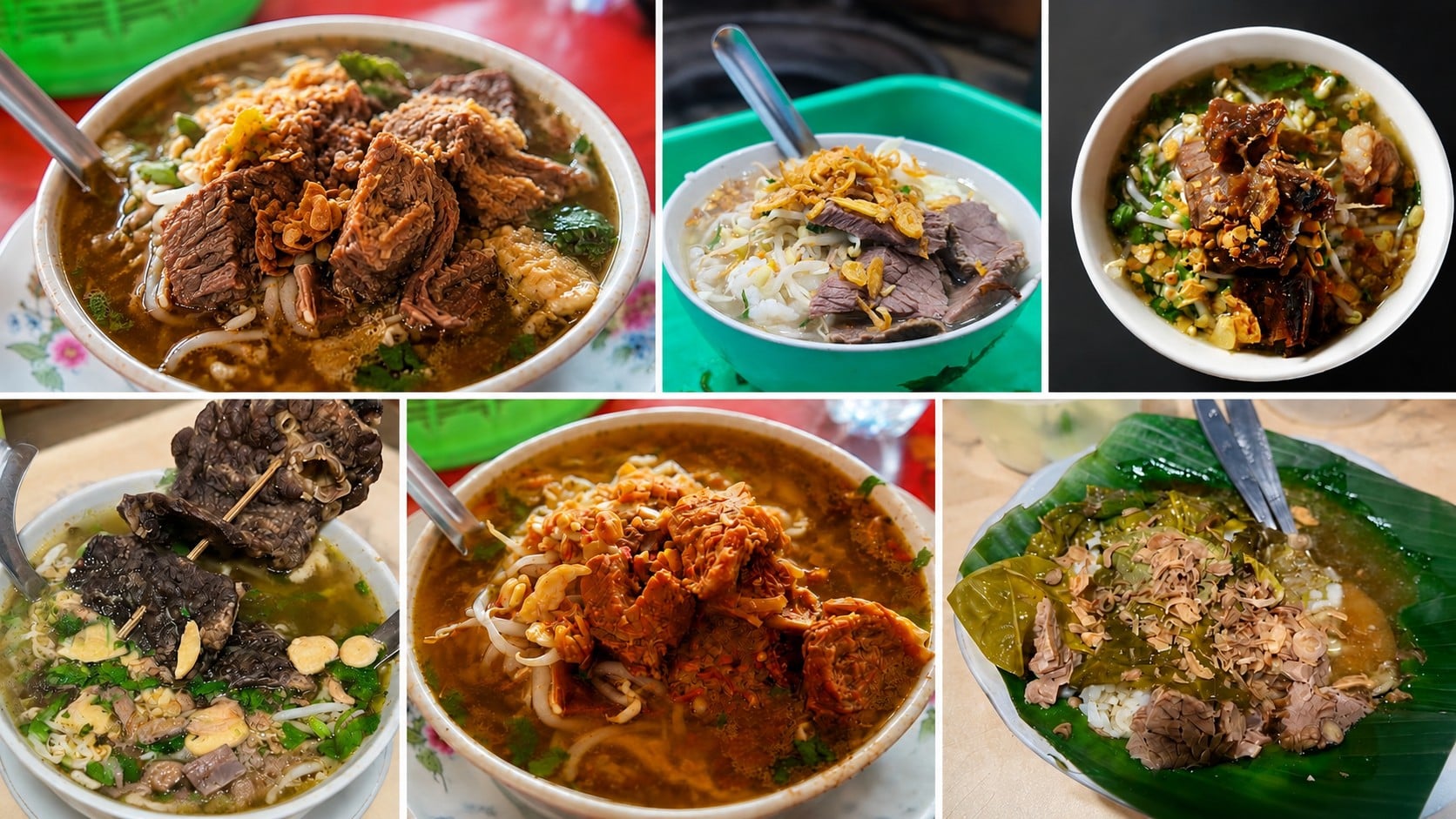
KUDUS – Almost every visitor to Kudus shares a single culinary objective: a bowl of Soto Kudus. For tourists, this dish is a staple of their travel itinerary, while for those visiting for sporting events, it offers a perfect post-match meal.
Soto Kudus is easily recognized by its signature serving style in small bowls. Each bowl contains rice, broth, slices of chicken or buffalo meat, bean sprouts, and a garnish of fried shallots. It is typically accompanied by a variety of side dishes, including offal satay, quail egg satay, clam satay, potato fritters, and crackers.
The bowl's small size reflects the local custom of enjoying the soup alongside various side dishes. The modest portion ensures the broth remains warm throughout the meal, while allowing diners the flexibility to order additional sides or even another bowl if they wish. This serving style also embodies the humble culinary traditions of the Kudus community.
However, the experience of enjoying Soto Kudus extends beyond the bowl's contents and dimensions; every eatery has its own storied past. Some have been operating since 1945, others date back to the 1950s, and many have been passed down through generations, with some establishments surviving for over six decades.
Arief Zuli Tanjung, Head of the Culture Division at the Kudus Regency Culture and Tourism Office, notes that the existence of Soto Kudus is deeply intertwined with local history and culture. The use of buffalo meat, in particular, distinguishes it from similar dishes in other regions.

"What sets it apart is clearly the primary ingredient, buffalo meat. This is not just a matter of taste or texture, but a reflection of cultural values that are deeply rooted in Kudus," he said.
According to Arief, the presence of Soto Kudus is inextricably linked to the cultural values passed down from Sunan Kudus. The flavors and preparation methods have been meticulously preserved through subsequent generations.
This preservation is also supported through Intangible Cultural Heritage (WBTB) initiatives. The local government is encouraging the formation of associations among Soto Kudus vendors to provide a platform for networking and safeguarding the longevity of this culinary tradition.
"We are encouraging those in the soto business to form a community that stays connected, driven by a spirit of preservation," he explained.
For visitors, the abundance of Soto Kudus eateries offers the chance to experience the same dish with unique local nuances. Below are six recommended spots to include on your culinary itinerary when visiting Kudus.
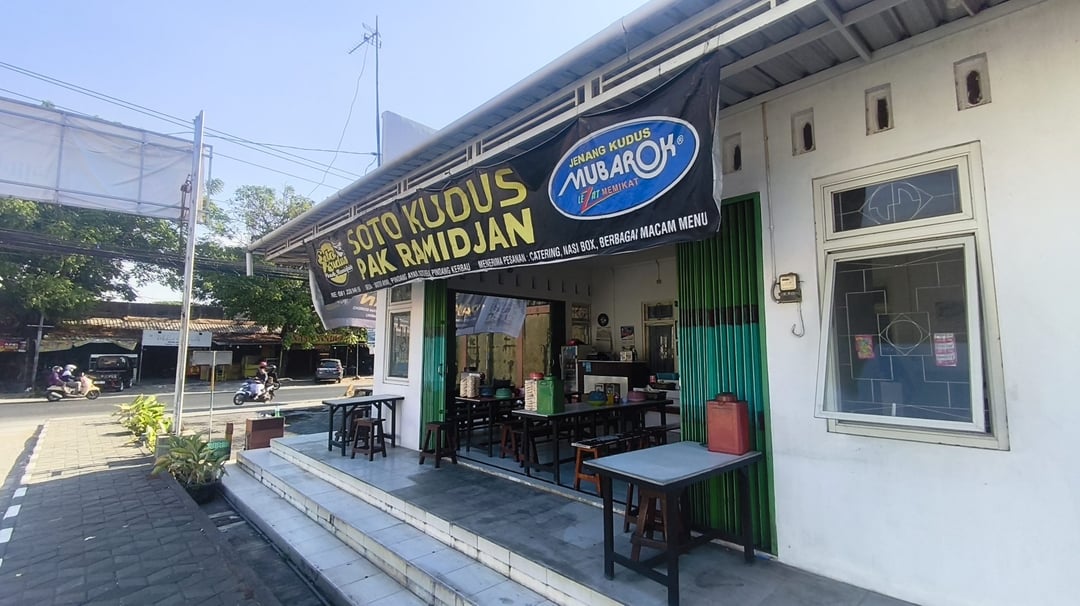
Soto Kudus Pak Ramidjan, located on the Kudus-Jepara main road in Purwosari, has been operating since the 1950s, making it one of the longest-standing culinary establishments in Kudus.
The menu offers more than just traditional buffalo meat soto; visitors can also choose free-range chicken soto or nasi pindang.
Buffalo soto is priced at approximately IDR 20,000 per serving. Its location on the Kudus-Jepara road provides easy access for travelers arriving from Jepara or tourists heading to the Kudus city center. The shop operates from morning until night.
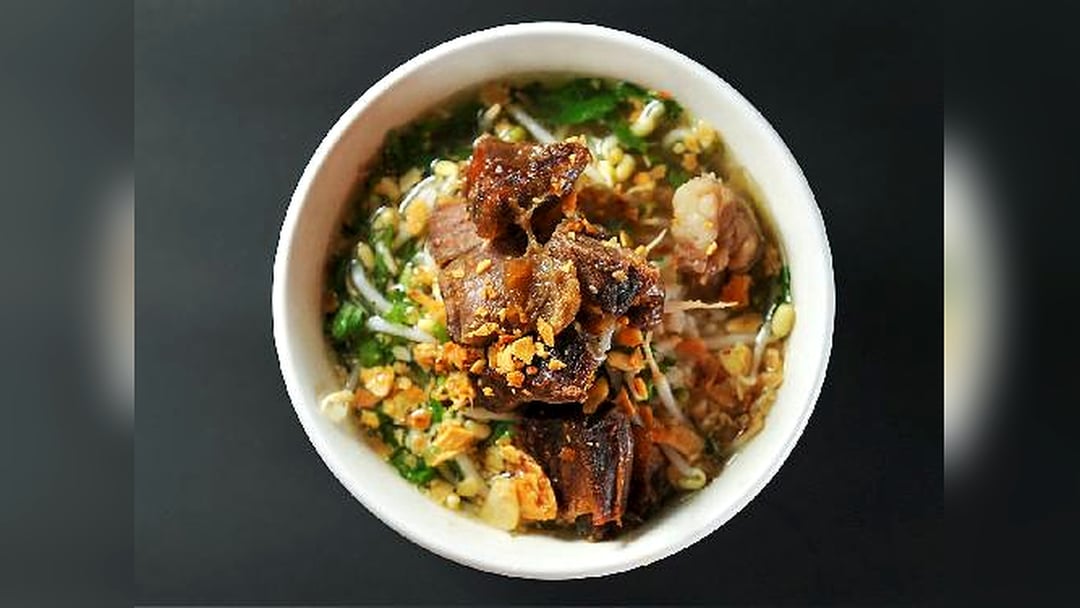
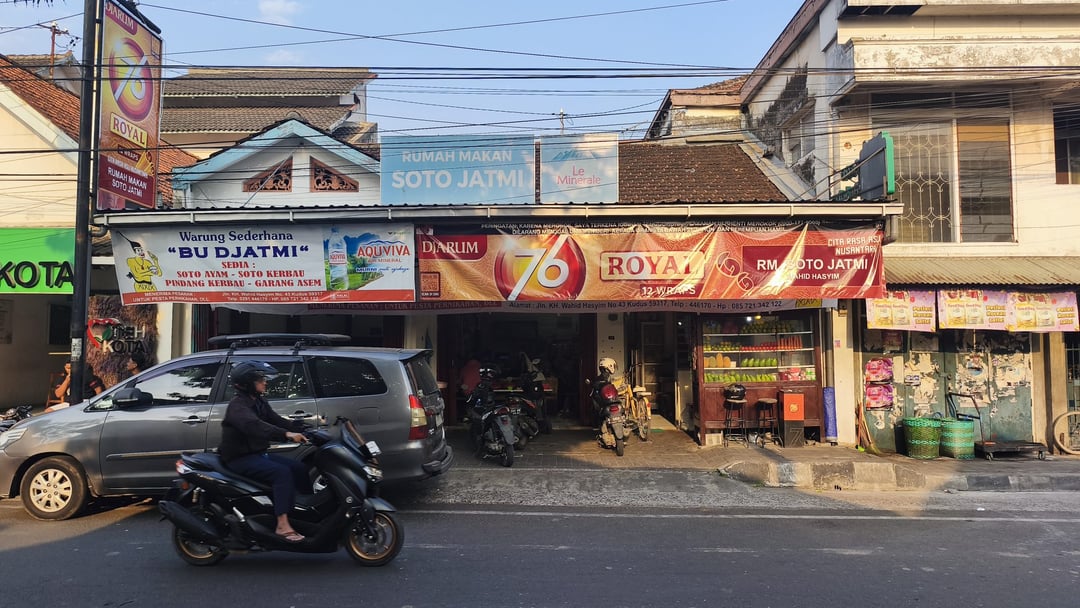
Unlike Pak Ramidjan, which is located on the Kudus-Jepara route, Soto Kudus Bu Djatmi is situated closer to the city center on Jalan KH Wahid Hasyim, Panjunan, Kudus.
Established in 1982 by the mother of the current owner, the family business has since been passed down to her children, now in its second generation.
The menu features chicken or buffalo soto, served in a rich, flavorful yellow broth with meat slices, bean sprouts, and fried shallots.
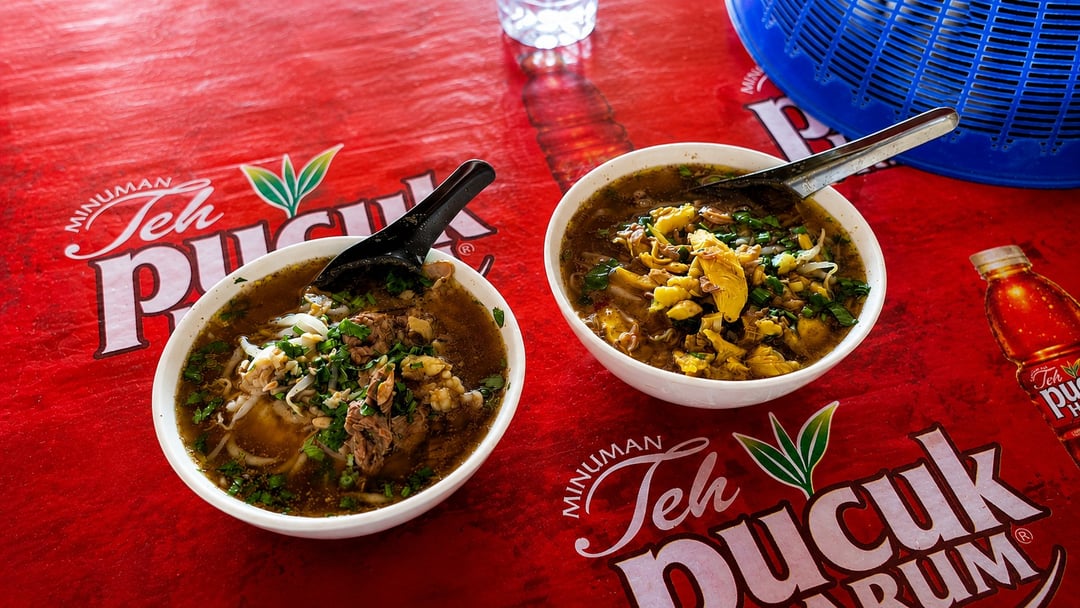
Guests may also select sides such as lung satay, quail egg satay, potato fritters, and rambak crackers. Prices for chicken or buffalo soto with rice are approximately IDR 20,000.
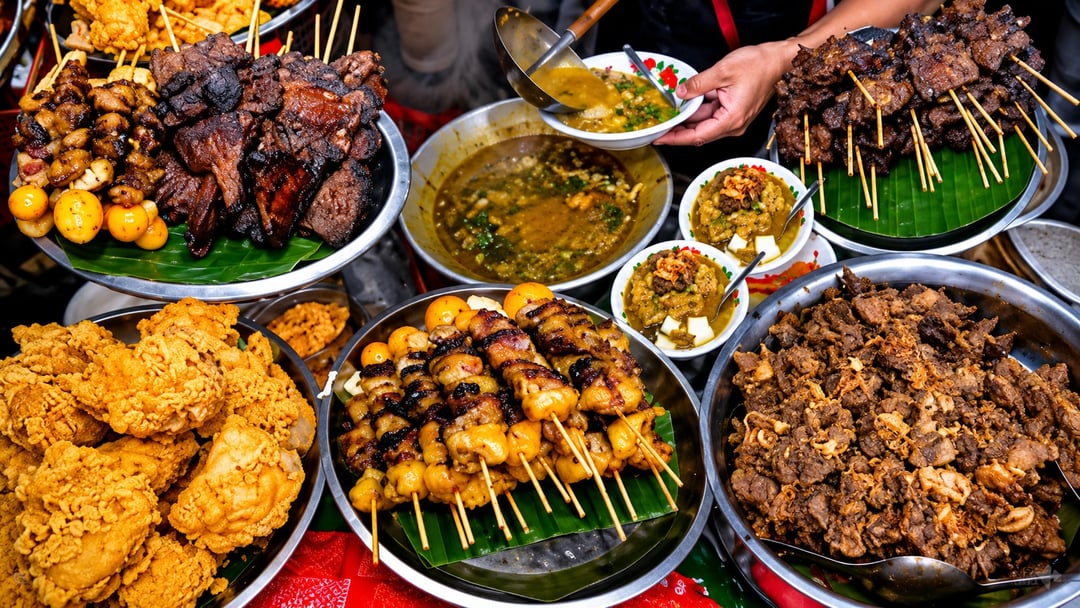
The establishment operates from morning until night. Its customer base extends well beyond Kudus, with visitors from Semarang, Rembang, Tuban, Pekalongan, Bandung, and Jakarta having frequented the stall.
Its central location makes Bu Djatmi an ideal stop for culinary tourism after exploring key areas in downtown Kudus.
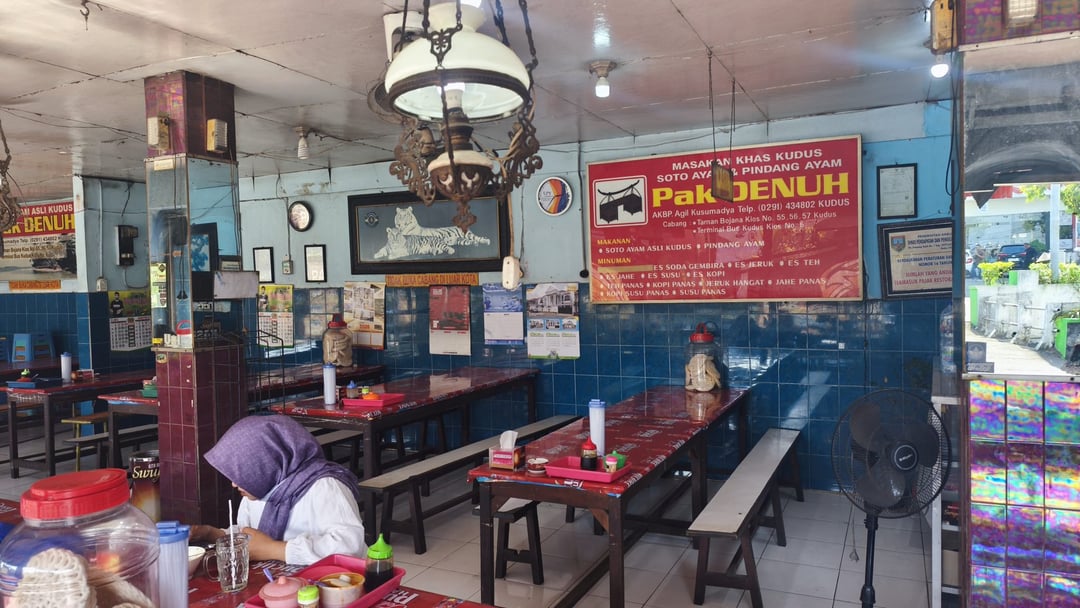
For those seeking an establishment with decades of heritage, Soto Kudus Pak Denuh is a notable destination. Located on Jalan AKBP Agil Kusumadya, Jati Wetan, near the Mardi Rahayu Hospital, the stall is reported to have been operating since 1945.
In addition to chicken and buffalo meat soto, the menu features chicken and buffalo pindang. A diverse range of side dishes is available, including chicken, shellfish, quail egg, gotro, shrimp, and lung satay.
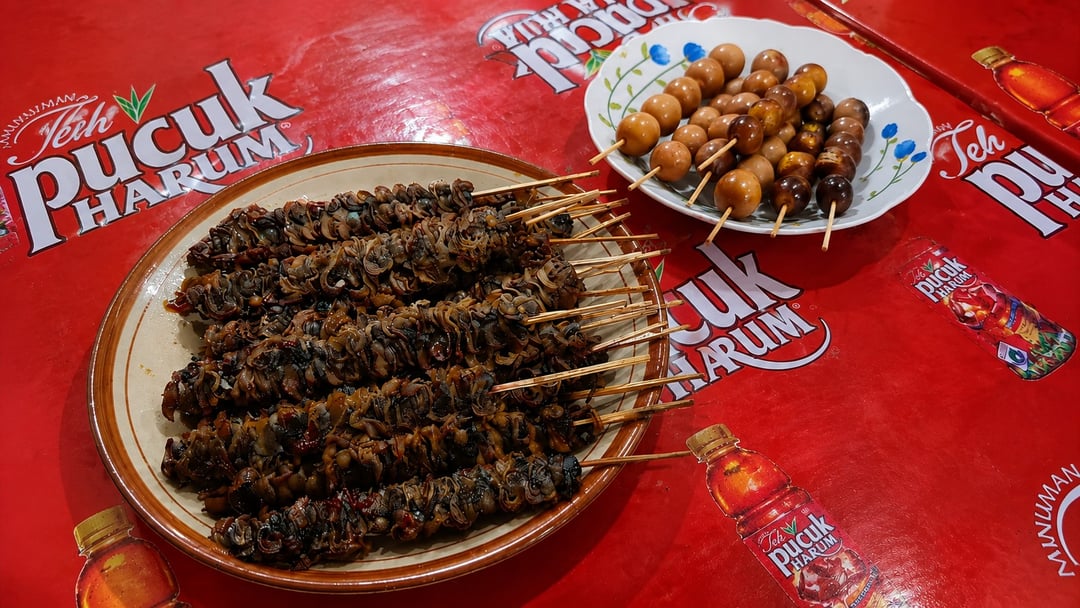
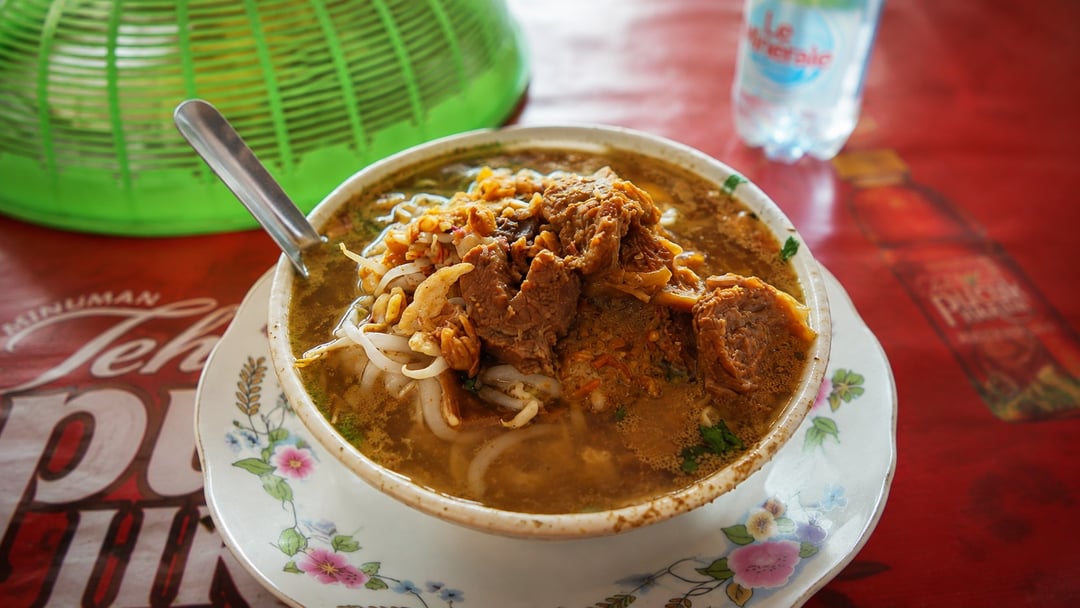
Soto prices range from Rp16,000 to Rp20,000 per portion, while chicken pindang is approximately Rp16,000. Various satays and potato fritters are offered as add-ons, priced individually according to selection. These price ranges are based on the current menu and are subject to change.
Its location in Jati Wetan makes this eatery a convenient culinary stop for tourists passing through or visiting the surrounding area.
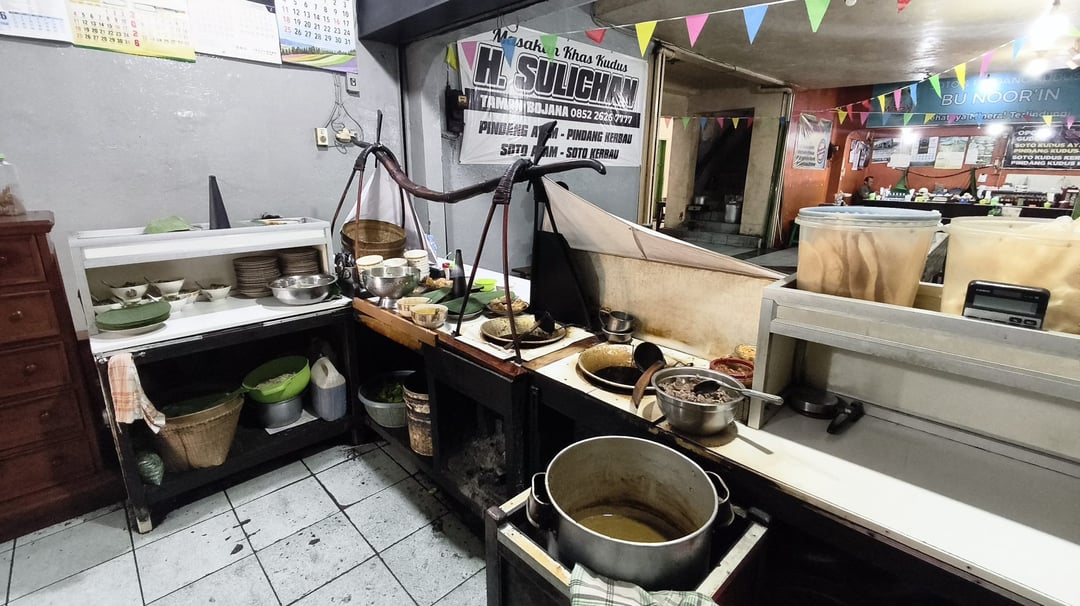
Located at the Taman Bojana Culinary Center in Barongan, Haji Sulichan’s Soto & Pindang Kudus has been in operation since 1968, specializing in traditional Kudus soto and both chicken and buffalo pindang.
The buffalo soto is a signature option, served with rice, bean sprouts, celery, fried garlic and shallots, and tender slices of buffalo meat.
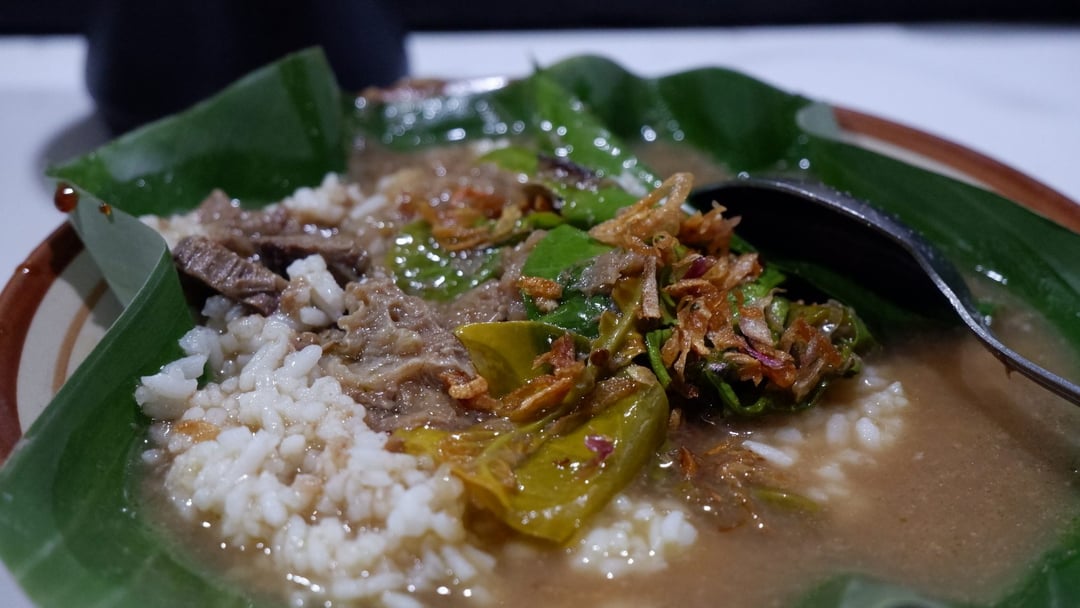
Prices start at approximately IDR 20,000 per portion, varying based on the soto selection and choice of side dishes. Available sides include tempe garit, lung satay, spiced eggs, and crackers.
Its prime location in Taman Bojana makes this stall an easy addition to any itinerary for central Kudus.
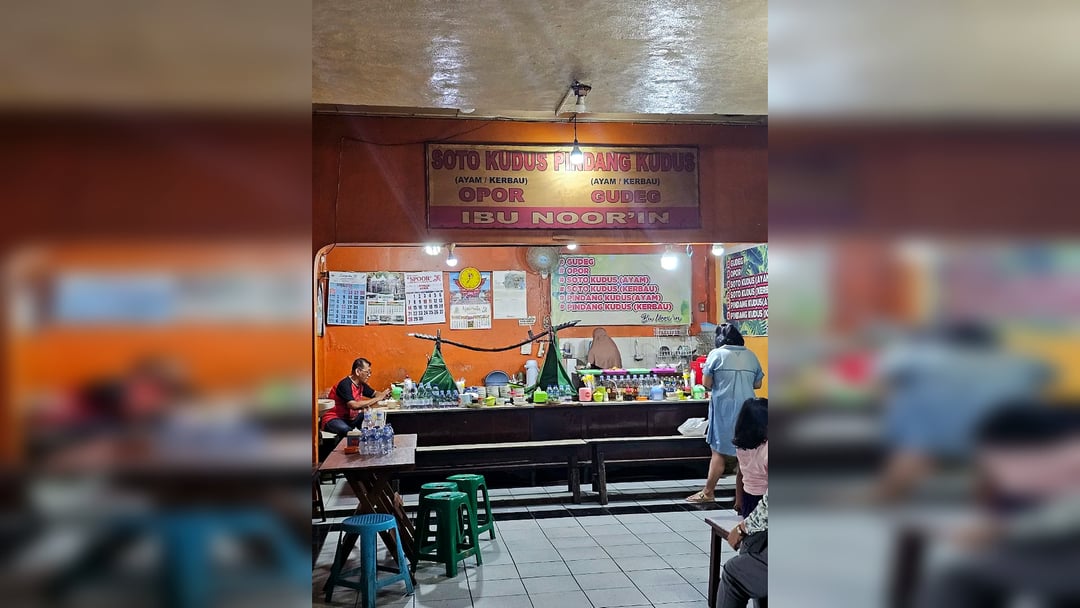
Still within the Taman Bojana area is the Warung Soto and Nasi Pindang Ibu Noor’in on Jalan Simpang Tujuh, Barongan. This establishment has been serving the community since 1962, marking over six decades in business.
The menu features free-range chicken soto, buffalo meat soto, and traditional Kudus nasi pindang. Prices range from IDR 25,000 to IDR 50,000 per portion.
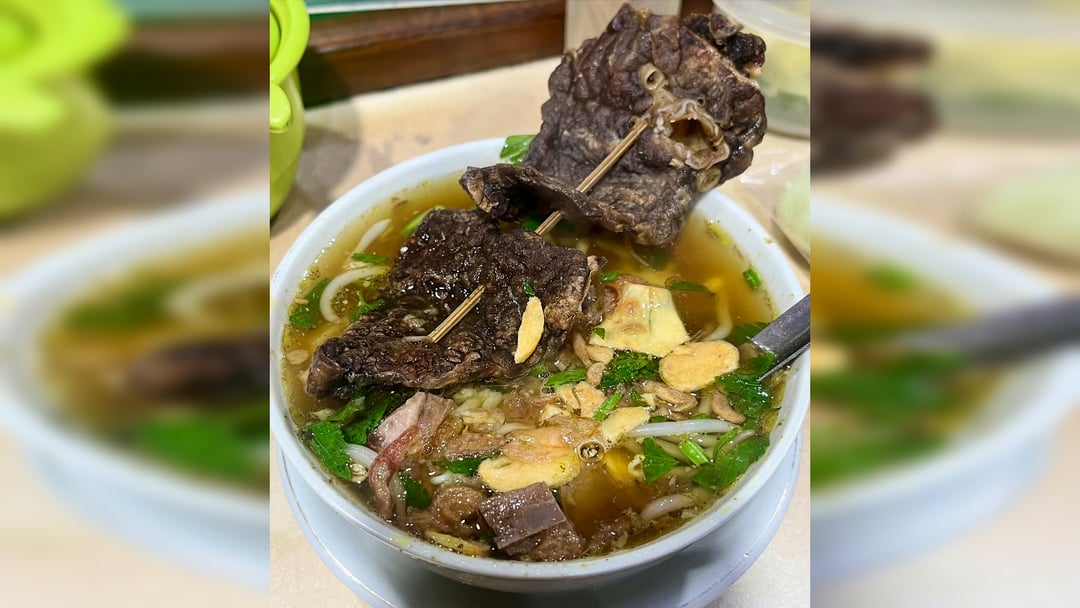
This variety allows diners to enjoy both Kudus Soto and nasi pindang in a single visit. The stall's survival for more than 60 years highlights the enduring legacy of family recipes and menus amidst the city's ongoing modernization.
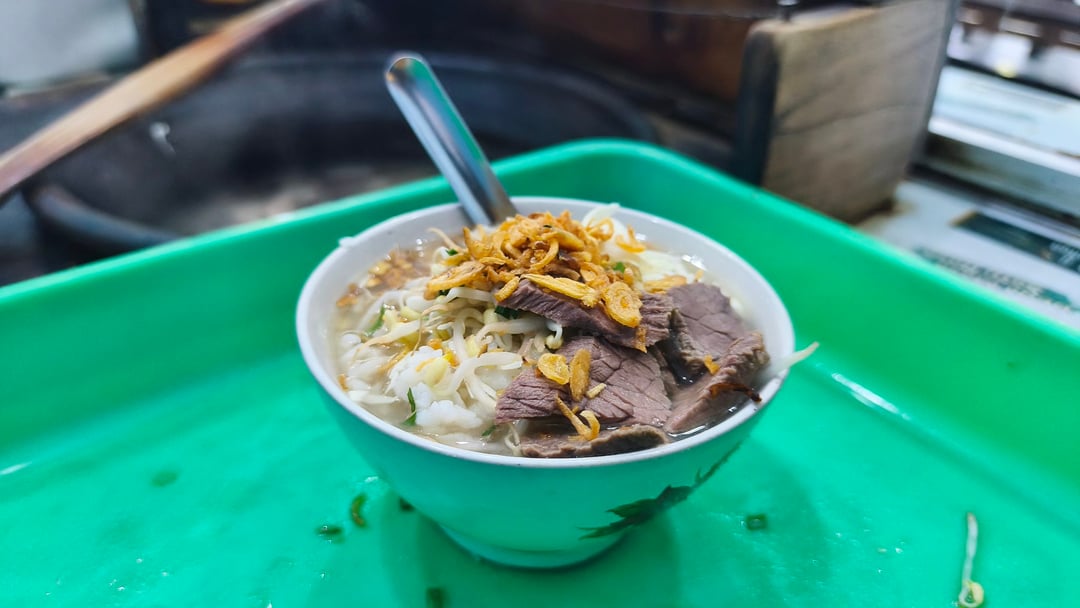
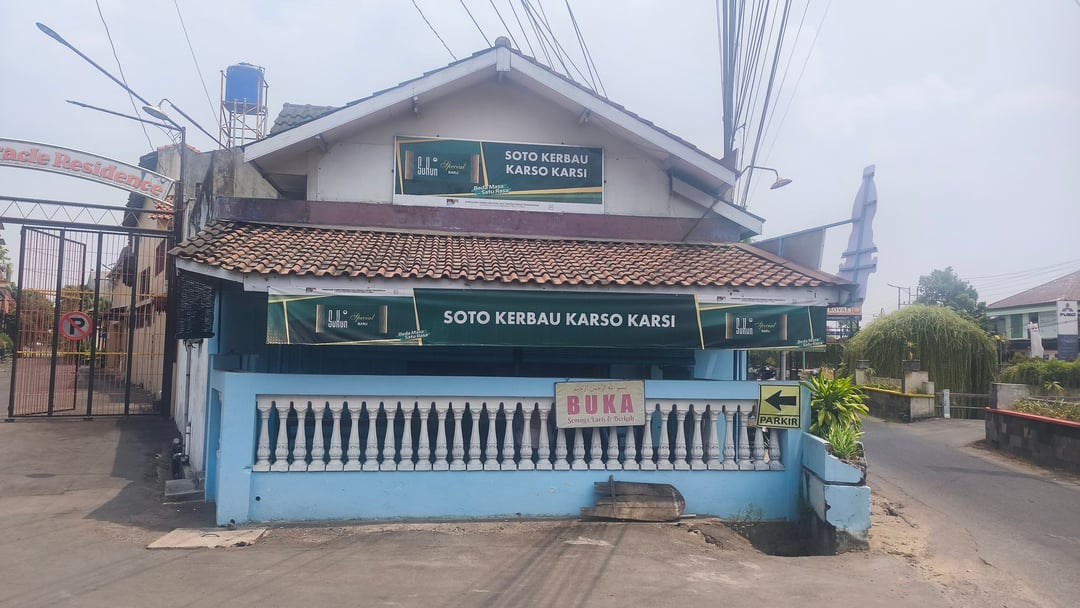
Karso Karsi Buffalo Soto is located on Jalan AKBP Agil Kusumadya, Jatikulon Krajan, Jati Kulon Village, Jati District, Kudus Regency. Believed to have opened in 1943, the establishment continues to specialize in traditional soto featuring tender buffalo meat.
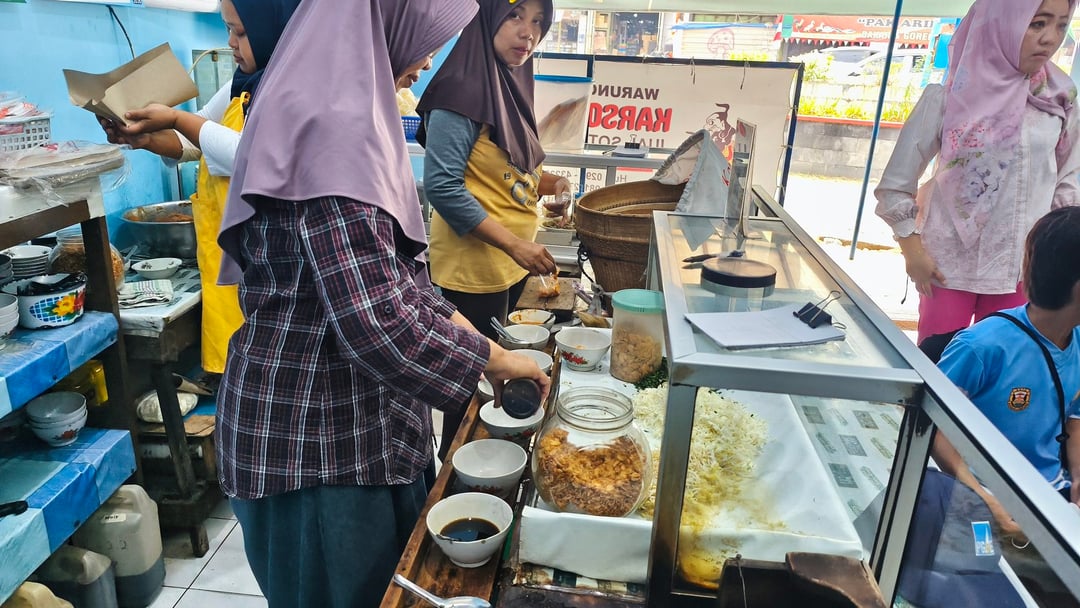
The buffalo soto is served in small bowls accompanied by rice and generous portions of buffalo meat. Known for its savory flavor profile and tender meat, the stall also offers a selection of side dishes.
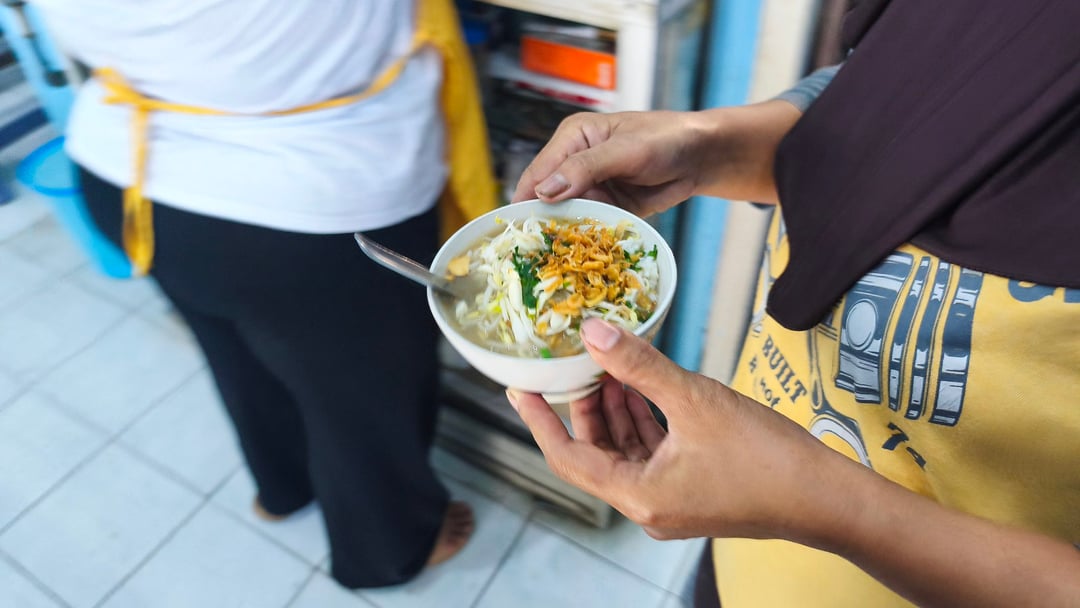
A portion of Karso Karsi’s buffalo soto ranges from Rp 15,000 to Rp 20,000. The establishment typically operates from 11:00 a.m. to 6:00 p.m. WIB, though these hours may fluctuate based on operational conditions.
Soto Kudus has become an integral part of the sports tourism experience. Arif Wismoyono, a trail runner from Bandung who competed in the 2026 Muria Trail Run (MTR), sampled various buffalo-based local delicacies during his stay in Kudus, ranging from pindang and satay to the signature soto.
For Arif, the use of buffalo meat is the defining feature that sets Kudus cuisine apart from his hometown.

“It’s the buffalo meat that makes the difference. It’s rare in other regions, where they usually use beef. Here, it’s buffalo,” Arif remarked.
He discovered recommendations for Kudus cuisine through his family living in the area. He believes a trip to Kudus offers more than just sporting activities; it is a chance to explore local food and purchase souvenirs.
“For travelers, this place is a complete package. The food is delicious, and it is easy to find souvenirs in Kudus city. Also, Mount Muria is comparable to Mount Rinjani and is definitely a must-try,” he added.
Arif’s experience highlights how culinary exploration can seamlessly complement athletic travel. Athletes and tourists visiting Kudus for specific events gain valuable insight into the local culture through the food they sample.
Arief Zuli Tanjung notes that these experiences often entice visitors to return. Since each stall offers a unique flavor profile, one experience can lead to further culinary discoveries.
“Once you find a taste you enjoy, it creates a lasting impression that encourages you to return or explore other stalls,” he explained.
With a diverse array of stalls, menus, and historical backgrounds, Soto Kudus provides an accessible gateway to understanding the city’s identity. For visitors on a tight schedule, enjoying a bowl of soto with its traditional side dishes is an easy and rewarding addition to any itinerary. (OEB/mainkekudus)