

KUDUS – The sound of shuttlecocks being struck back and forth has filled the Djarum Arena 1 in Kaliputu, Kudus, since early morning. Young players with rackets in hand took turns chasing the shuttlecock, while coaches observed the action from the sidelines.
While some participants are from Kudus, others traveled from Pati, Jepara, Rembang, and Blora. They gathered in one arena to face opponents from different regions after training at their respective clubs and home districts.
This inter-regional meeting took place during the HYDROPLUS Multi Kabupaten Bitingan Masters 2026, held from October 5–10, 2026. The tournament brought together badminton athletes from five regencies within the Pati Residency.
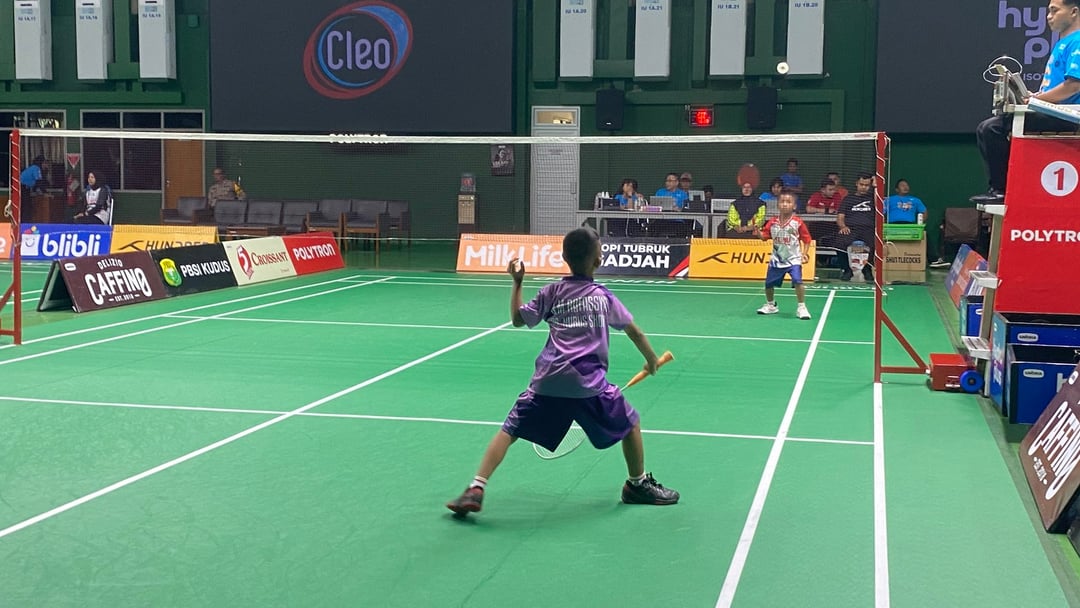
A total of 753 participants took part this year, an increase from the 649 athletes who competed in the previous edition.
Raventus Pongoh, match coordinator for the HYDROPLUS Multi Kabupaten Bitingan Masters 2026 committee, stated that expanding the participation scope was a key feature of this year’s tournament.
"Previously, we held the Regent's Cup exclusively for Kudus Regency, but the HYDROPLUS Multi Kabupaten Masters now covers the entire Pati Residency," he said.
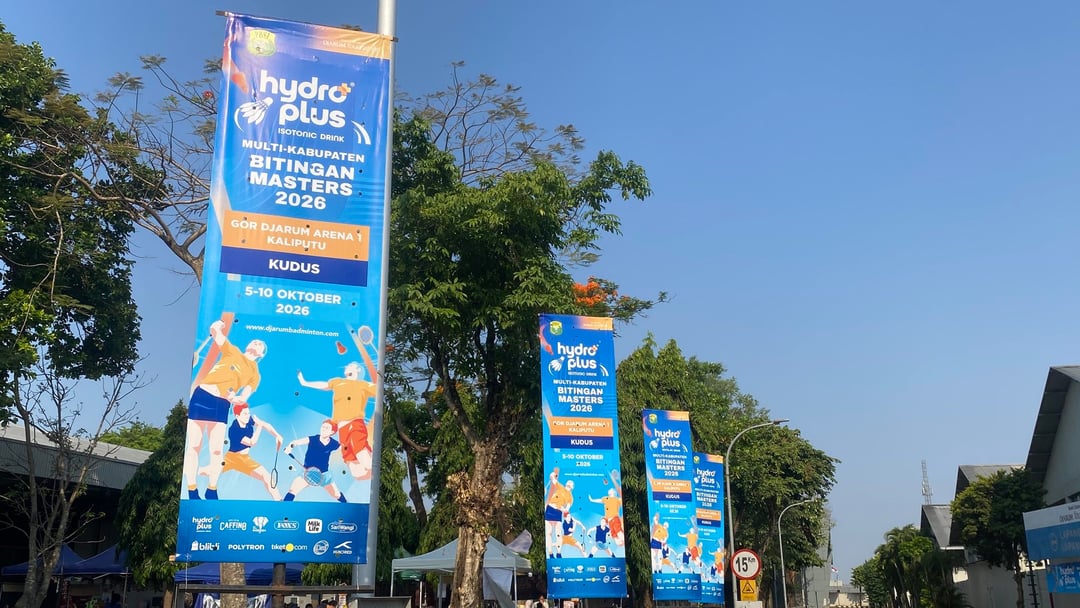
Competitors at the 2026 Bitingan Masters represented the regencies of Kudus, Pati, Jepara, Rembang, and Blora. The six-day tournament utilized six courts at the Djarum Arena 1 in Kaliputu.
Categories included U-9 and U-11 Senengminton, as well as early-age, children's, novice, junior, senior, and veteran singles. Doubles categories featured boys' children, boys' novice, junior boys' and girls', senior men's and women's, veteran men's, and novice mixed doubles.
This structure brought together players from various stages of development in a single competition. The event followed a knockout format, where losing players or pairs were immediately eliminated from subsequent rounds.
For experienced athletes, the competition serves as a benchmark for training results. For younger players, it provides valuable experience in facing opponents they would not typically encounter in daily training sessions.
Adapting to different playing styles is a crucial aspect of inter-regional competition. Athletes are challenged not only to apply learned techniques but also to adjust their gameplay when facing opponents with different skill sets and strategic approaches.
Coaches can teach techniques, footwork, strategy, and game patterns during practice. However, the ability to execute these skills is truly tested when athletes face opponents in a competitive environment.
Raventus added that the expansion of the tournament was also intended to help track the development of badminton across the Pati Residency.

“Given the broad scope, we want to assess the reach of badminton across the Pati Residency and gauge public interest,” he stated.
Matches also serve as a vital evaluation tool. By observing on-court performance, coaches can identify both strengths and areas requiring improvement in future training sessions.
Young athletes are also encouraged to compete in higher age categories. According to Raventus, this approach allows coaches to assess an athlete’s capability against physically stronger and more experienced opponents.
“We encourage athletes to level up, for example, from U-9 to U-11. Even if they don’t meet the age criteria yet, we try it so we have more depth at the higher levels,” he explained.
Consequently, inter-regional matches serve not only to chase results but as a developmental stage for athletes to experience a broader level of competition.
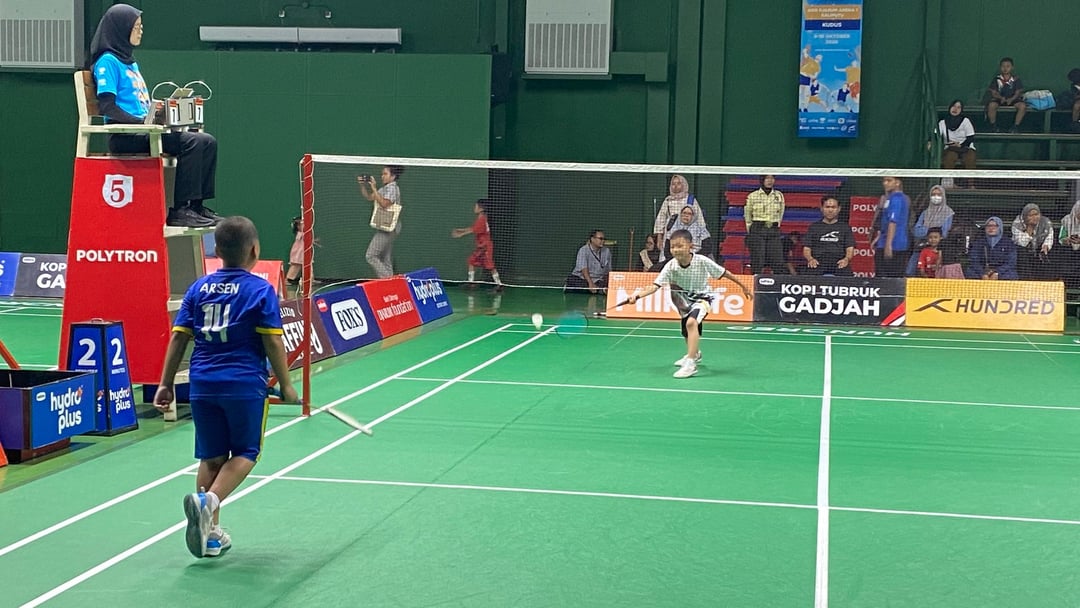
Such experience was gained by young athletes from Rembang. Muhammad Nur Achdi Sisdiyantara, coach of the PB Bumi Makmur Sakti (BMS) Rembang club, brought 10 athletes from the U-9 and U-11 groups.
He noted that the Bitingan Masters provides a valuable opportunity for children to face opponents from outside their home region, with a competitive target of bringing home titles.
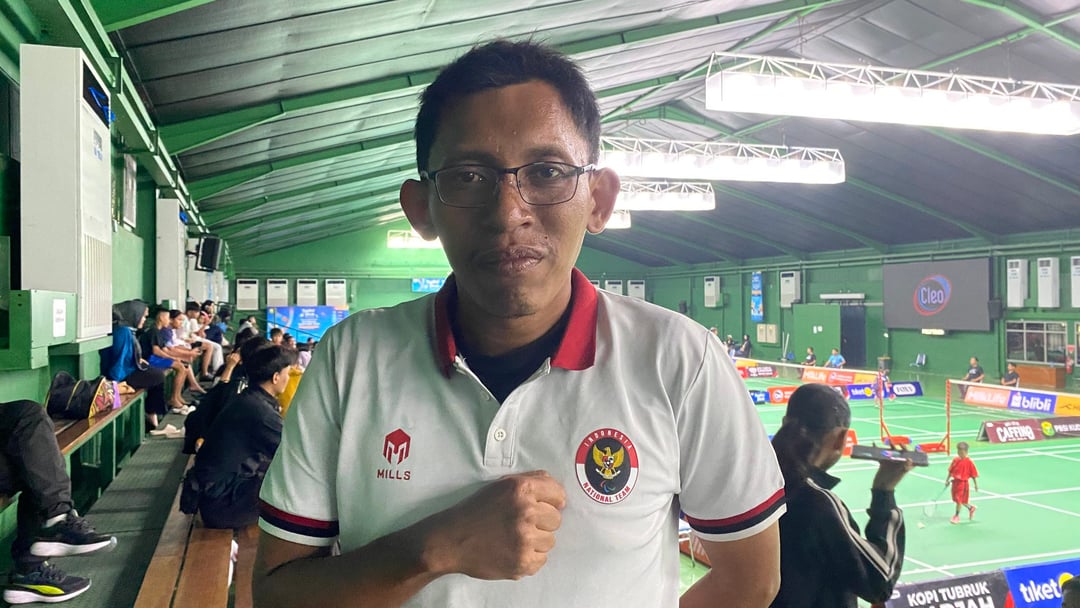
“The target is certainly to win. At the very least, we hope some of them bring home a title,” he said.
Among his players is nine-year-old Ibrahim Mahardika, who is competing in the U-11 boys’ category after consistent daily afternoon training.
Ibrahim arrived with a winning mindset, while also gaining experience competing against opponents from other regions.
“The challenge is exciting; the opponents are tough, but I am not intimidated,” he said.
Razzendra Saddam Arfasy Putra, an eight-year-old athlete from MI Muhammadiyah Al Tanbih Kudus, shares a similar experience. He competed in the U-9 boys' category and trained twice weekly to prepare.
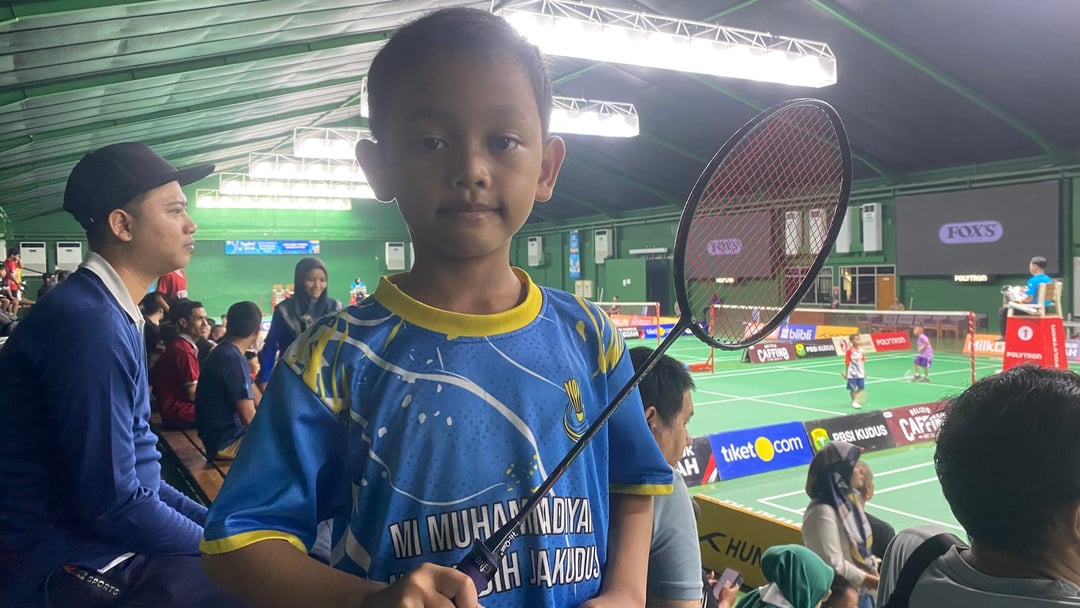
His goal is to secure first place. Even when facing formidable opponents, Razzendra enjoys the matches.
"The opponents are tough, but I am not afraid," he said.
For athletes of their age, the courage to face opponents, maintain focus during games, and accept outcomes are part of the experience they can bring back to their training.
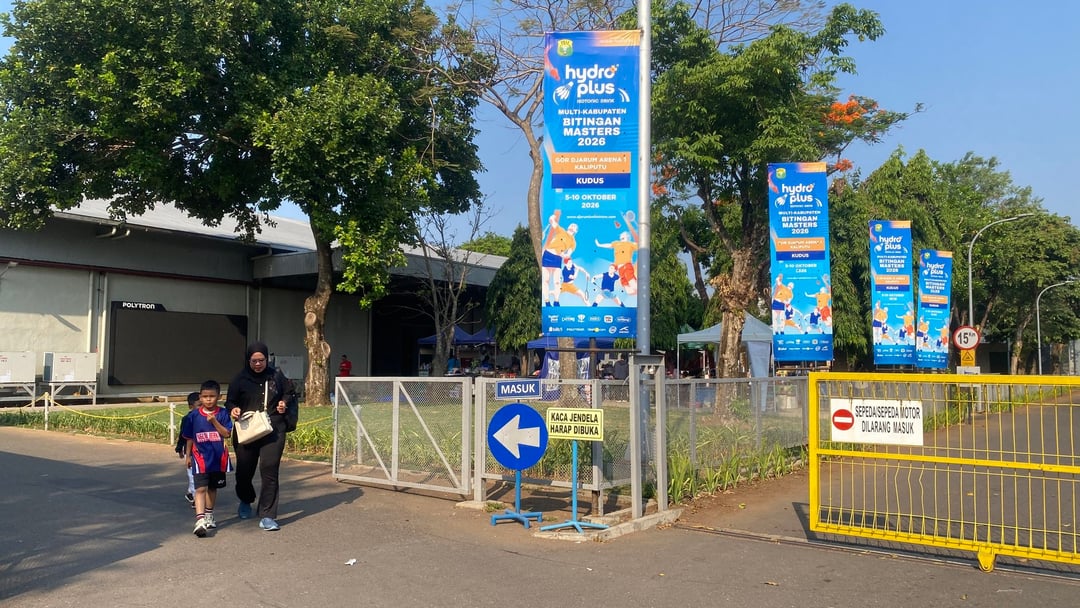
From the host's perspective, inter-regional competition serves as an opportunity to test the capabilities of local athletes from Kudus. Muhammad Rifki Ambari, a coach and teacher at MI Muhammadiyah Al Tanbih Kudus, brought 13 children to participate in the Bitingan Masters.
According to him, competition is essential so children do not simply become accustomed to facing players from their own training circle.

"If the children are equipped with quality and regular training, we can certainly compete against athletes from outside Kudus," he said.
Inter-regional meetings also generate activities beyond the arena. The PB BMS Rembang group, for instance, plans to stay in Kudus for the duration of the tournament.
"God willing, we will be here from the first day until the end, for five days. We have made preparations like booking accommodations and other necessities," said Muhammad Nur.
The athletes did not arrive alone; coaches and officials accompanied them during their time in Kudus, with needs including lodging, food, transportation, and other daily essentials.
However, for organizers and coaches, these cross-regional meetings serve a purpose far greater than just a single tournament.
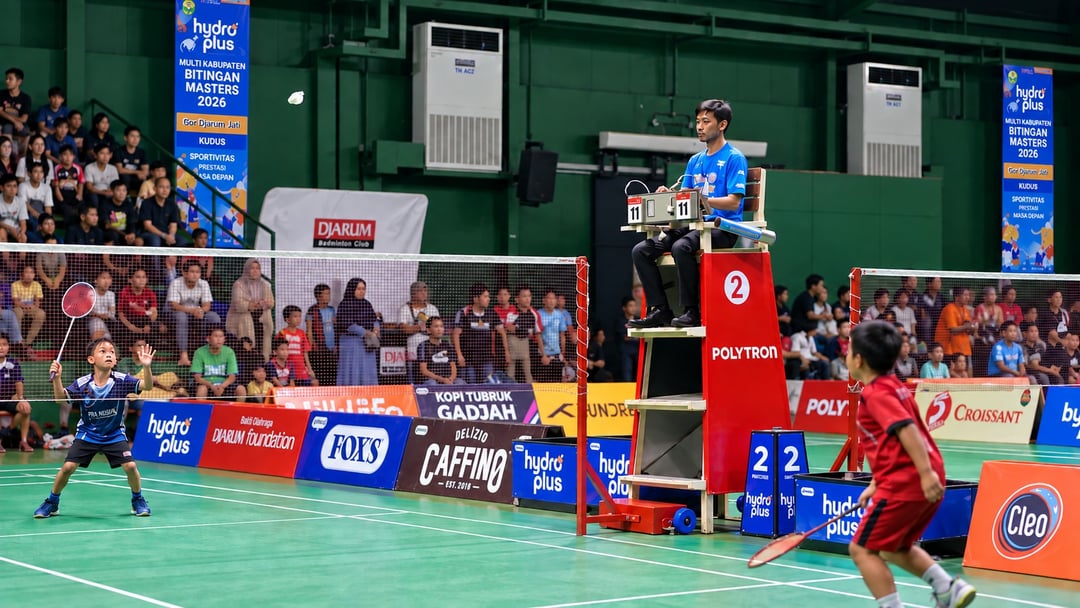
For the Kudus branch of the All Indonesia Badminton Association (PBSI), the inclusion of a youth category in the Bitingan Masters is essential to the talent regeneration process. Development must begin at an early age, with schools and clubs serving as key talent scouting grounds before athletes are funneled into higher-level competition.
One such category featured is Senengminton, which aims to introduce badminton to children while fostering a long-term interest in the sport.

"Our target is to market the sport from the grassroots level. If we don't, we risk losing out to other sports," explained Raventus.
Once children begin training, formal competition becomes a critical stage for exposing them to match-day pressure. Levels can advance from local and inter-regency tournaments to wider-scale events.
According to Raventus, consistent competition is necessary to ensure athletes have regular match opportunities. Central Java has six residencies, and he hopes each region will establish its own competitive calendar so athletes have a platform to continuously test their skills.
The Bitingan Masters serves as a competition that brings together athletes from different regions. For the players, these matches provide invaluable experience. For coaches, the games serve as a metric to gauge progress and inform future training regimens.
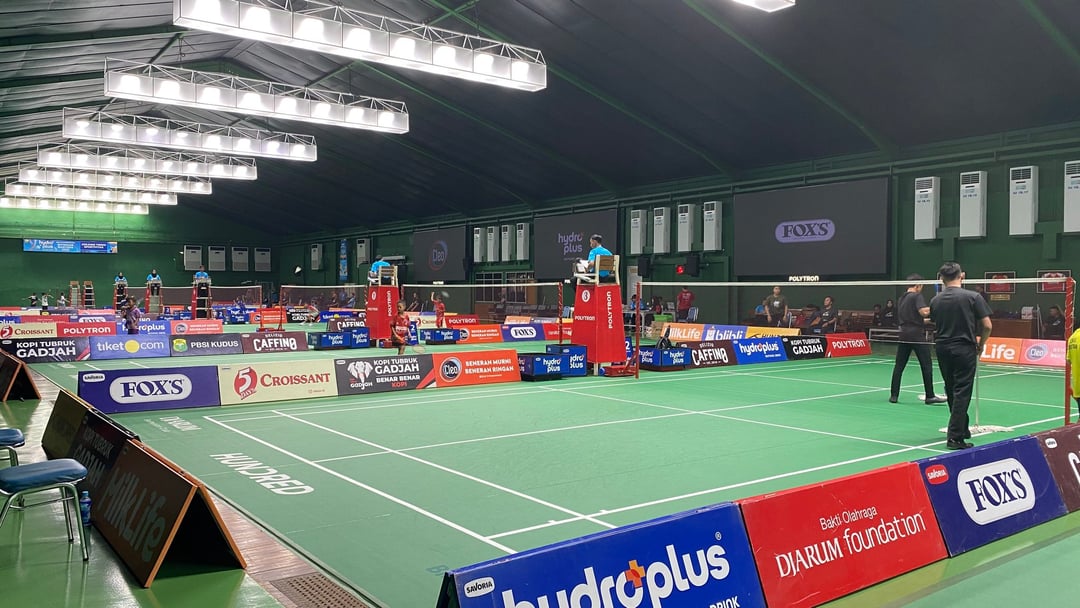
On the courts of GOR Djarum Arena 1 Kaliputu, training results were finally put to the test. The athletes walked away with match experience, while coaches gained performance insights to integrate into the next phase of development. (ITN/mainkekudus)