
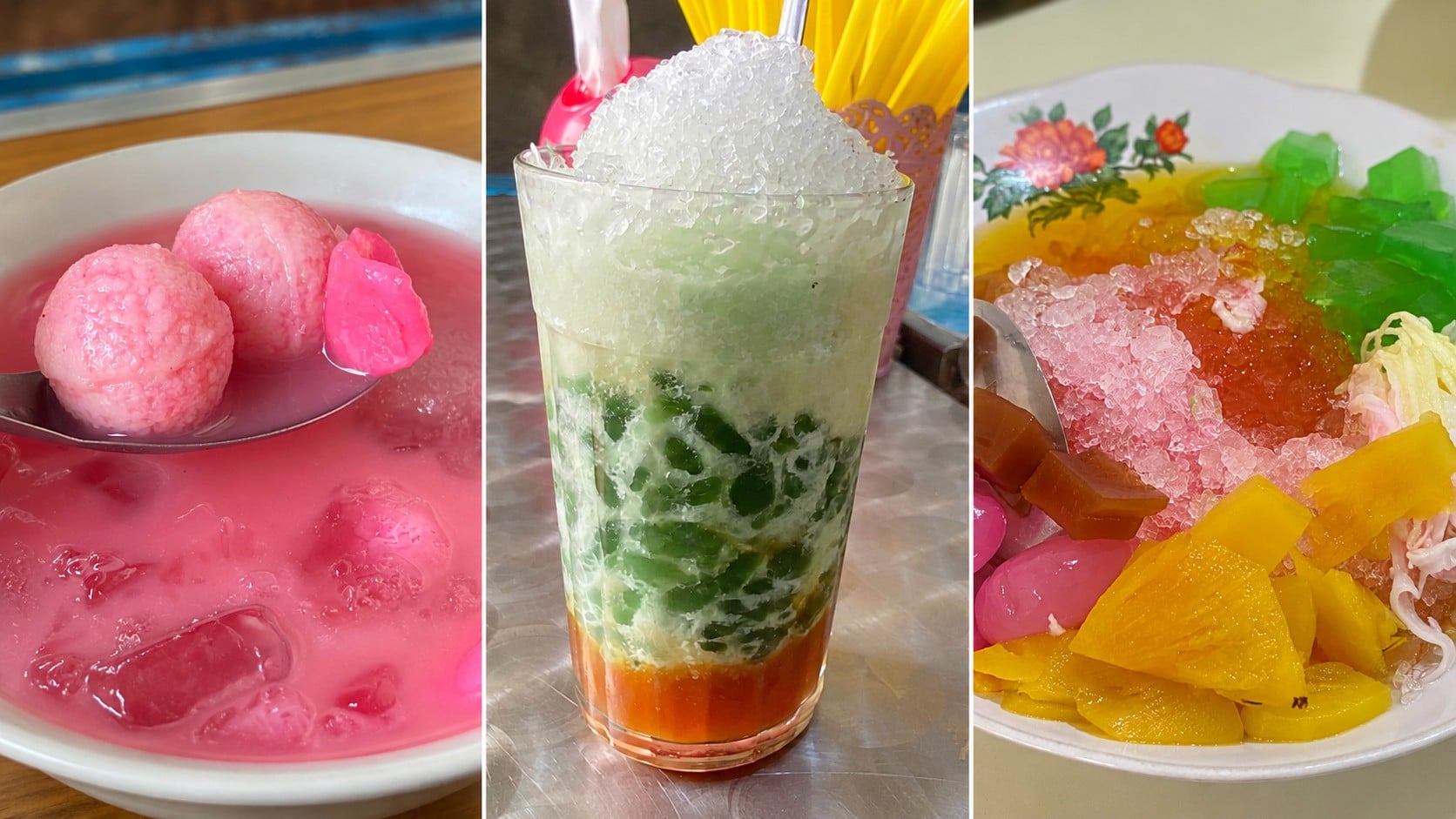
KUDUS – Scorching midday temperatures are a simple motivation to seek out a cold drink. In Kudus, Central Java, the options extend far beyond modern beverages or simple fruit ice. There are traditional recipes that have endured across generations, crafted with simple ingredients but possessing a distinctive flavor profile that keeps customers coming back.
In a corner of the Panjunan area, a bowl of Es Gempol Pleret Pak Masykur offers a blend of rice flour cakes, coconut milk, and house-made syrup. Nearby, Es Nusantara maintains the appeal of traditional fruit ice, packed with assorted toppings and shaved ice. Meanwhile, on the eastern side of Kliwon Market, Es Dawet Moro Seneng serves dawet, a traditional Indonesian cendol, noted for its chewy texture and rich, creamy coconut milk.
All three offer unique approaches to refreshment. Some rely on the texture of rice flour preparations, some uphold ancestral recipes for fruit ice, and others preserve the classic taste of dawet that has delighted patrons for decades.
Behind every glass and bowl lies a story of family enterprise, heirloom recipes, shifting consumer tastes, and the challenges of the changing seasons. For food enthusiasts exploring Kudus, these three spots provide an opportunity to experience the diverse drinks that have grown alongside the local community.
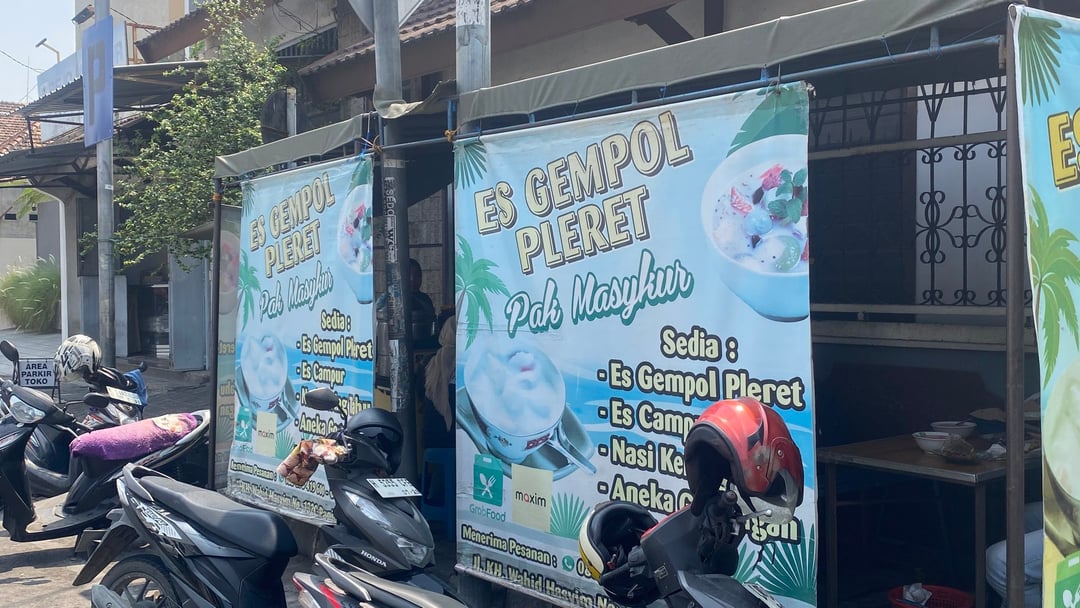
In the Panjunan Kulon area, Es Gempol Pleret Pak Masykur stands as a destination for traditional beverage enthusiasts. The signature dish combines various rice flour-based components served with coconut milk and house-made syrup, offering a sweet, savory balance with a diverse range of textures.
The business has a long history. Nur Indana, the second-generation owner who now leads the family business, notes that her parents began the venture in 1976. In the early days, the stall was modest, operating with only a table and an umbrella. Over time, the business has grown into a more established shop.

"My parents started this. Now that they are elderly, I have taken over the operation. In 1976, the stall was not as developed as it is today; we used nothing more than a table and an umbrella," said Nur Indana.
For Nur, continuing the business is about more than just maintaining a shop; it is about preserving the flavors that customers have come to expect over the years. Her signature offering remains the Es Gempol Pleret, a traditional drink defined by its unique combination of rice-based toppings and artisanal syrup.
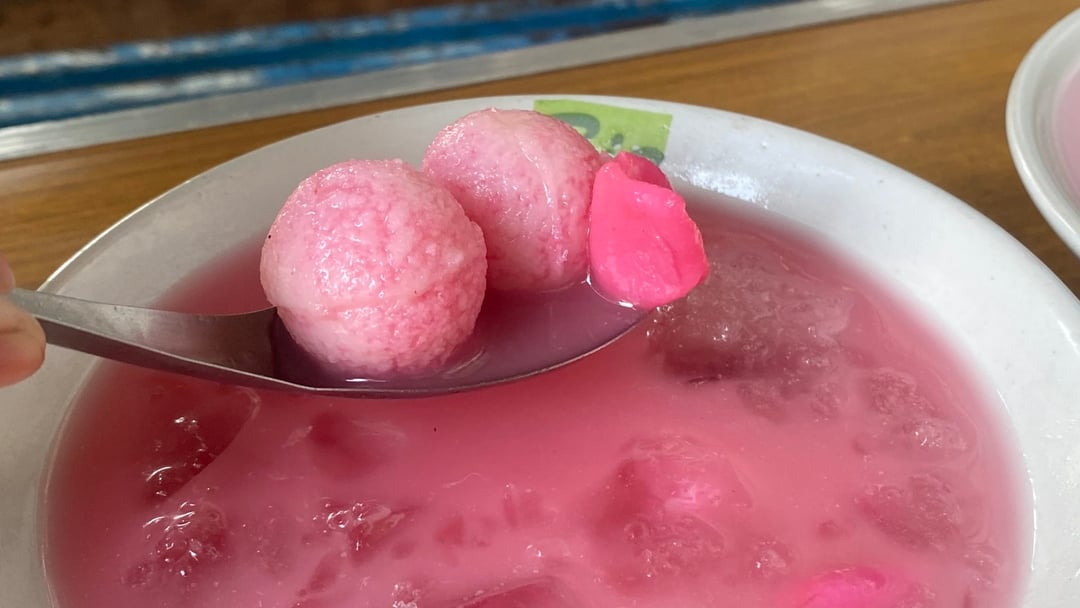
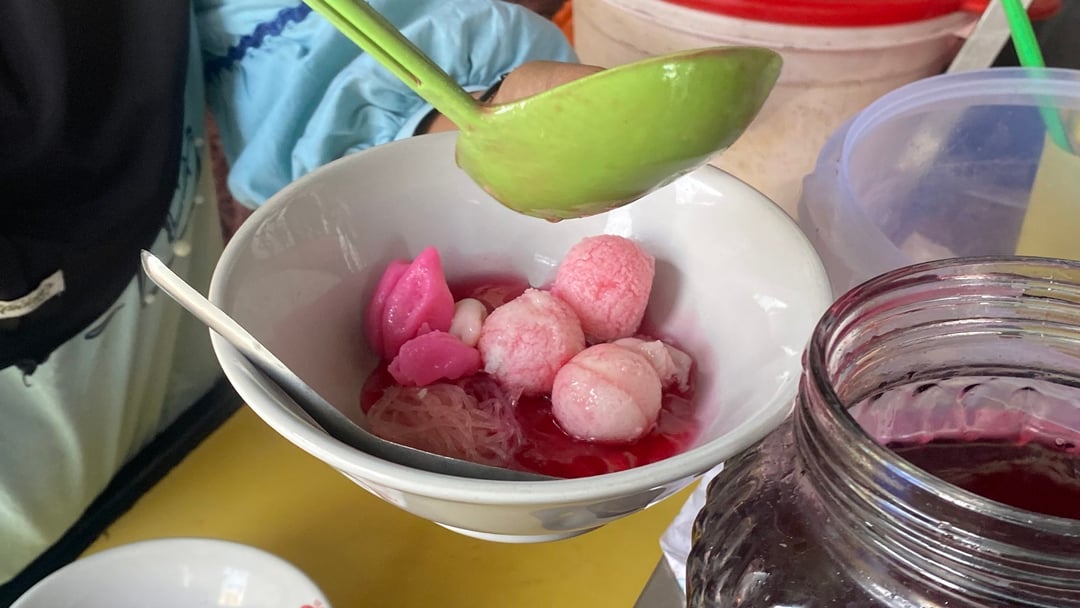
Gempol, pleret, and putu mayang serve as the three components that provide varied textures in a single dish. While all three are made from rice flour, their production processes differ. Gempol requires a more labor-intensive preparation, whereas pleret is relatively easier to produce. When combined with coconut milk and syrup, each ingredient offers a distinct sensation to the palate.
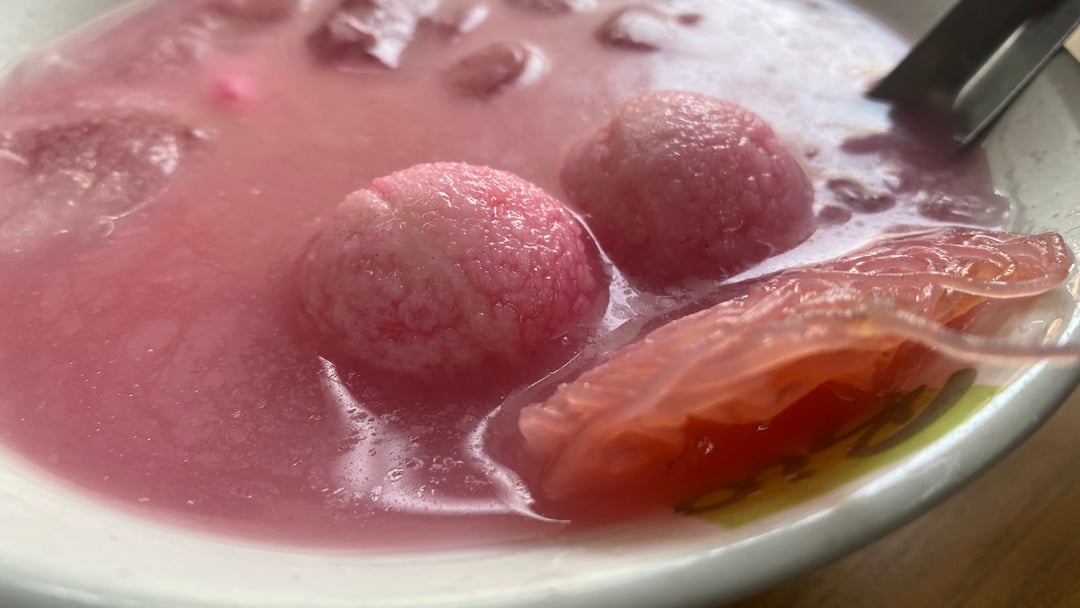
"They all use rice flour as a base, but the preparation process varies. Gempol requires a lengthy process, while pleret is simpler. The bowl is filled with gempol, pleret, and putu mayang," she explained.
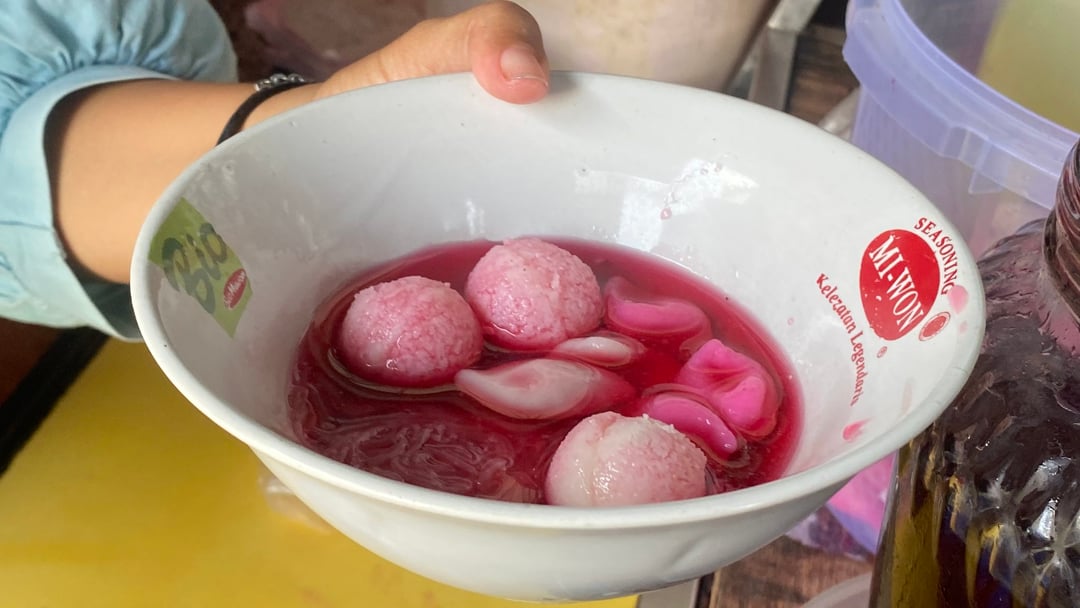
Beyond its texture, the signature quality of Es Gempol Pleret Pak Masykur lies in its syrup. Nur noted that the recipe is a family heirloom preserved without significant alterations. The coconut milk and syrup are prepared as key elements to complement the gempol, pleret, and putu mayang.
The balance of sweet and savory flavors is essential to the drink's character. The syrup provides sweetness, while the coconut milk introduces a savory sensation that integrates with the rice flour-based components. This formulation sets it apart from other versions of the dessert that may rely on different ingredients or presentation methods.
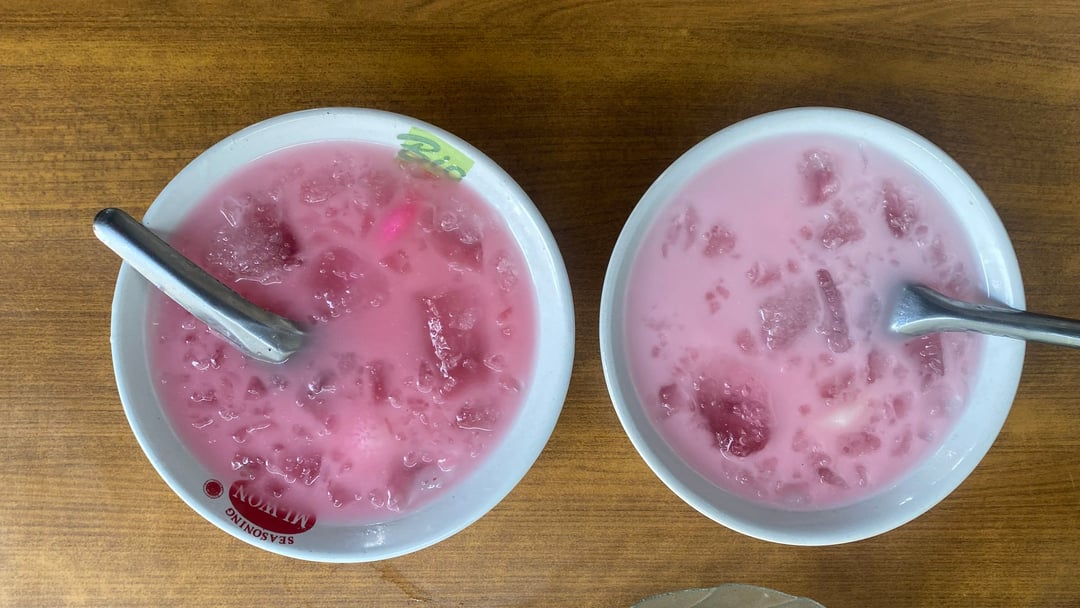
Nur prefers to maintain the recipe inherited from her parents. To her, customers expect the same familiar taste they have always known, and unnecessary changes risk stripping the drink of its authentic character.
"What differentiates us from other gempol vendors is the syrup. It is a family recipe passed down through generations, so we strive to keep the flavor consistent," she said.
A portion of Es Gempol Pleret Pak Masykur is priced at Rp9,000, offering customers an affordable way to enjoy the traditional drink with a variety of fillings.
According to Nur, at the peak of business, sales could reach approximately 500 portions per day. Currently, peak sales reach about 300 portions, primarily on Saturdays and Sundays. This figure is an estimate based on business experience rather than a guaranteed daily total.
“During busy periods, we could sell up to 500 portions a day. Now, the peak is around 300, usually on Saturdays and Sundays when many people are off work,” she said.
Customers at the Es Gempol Pleret Pak Masykur stall come from diverse backgrounds. Nur noted that her clientele includes not only housewives but also an increasing number of teenagers interested in the traditional beverage. Some customers travel from outside Kudus, including Pati and Jepara.
Ratna, a customer from Pati, says she often stops by during her travels as a sales representative. For her, the texture is a standout feature of the gempol pleret served at the stall.

“I come from Pati and visit often for work. The texture is soft, and it includes both gempol and pleret. While we have es gempol in Pati, I haven't found any that include pleret like this,” said Ratna.
For Ratna, the distinct combination of ingredients makes the Kudus version a unique experience. She also noted that the stall's location is easy to use as a reference point for return visits.
“If you want to find it, the landmark is the Panjunan Kulon intersection, in front of Soto Bu Djatmi,” she added.
Despite having a loyal customer base from outside the region, the business faces challenges related to weather. During the rainy season, demand for cold drinks drops, leading Nur to occasionally suspend operations temporarily.
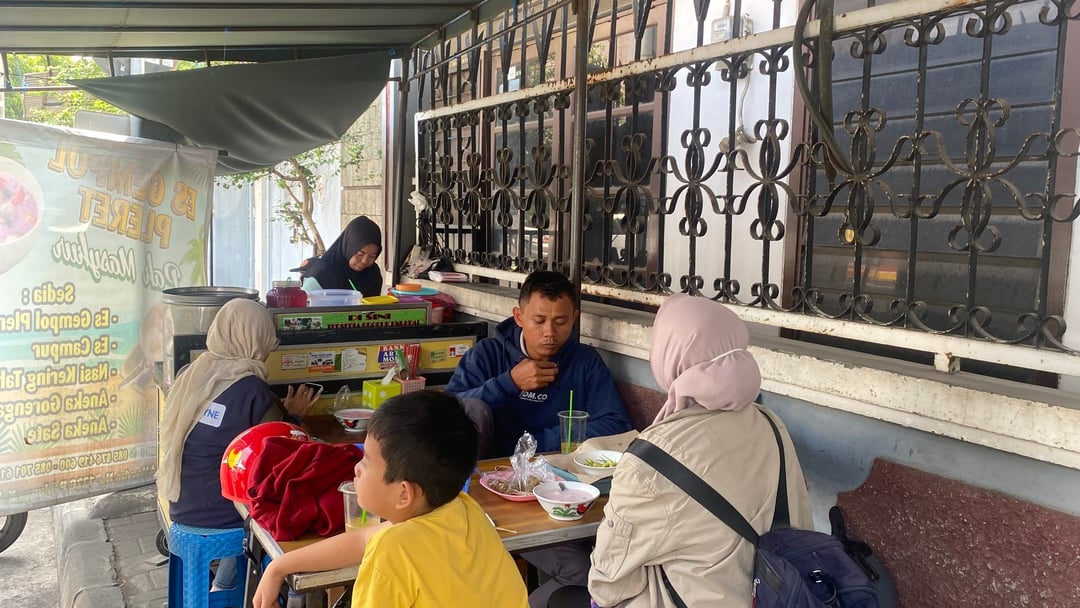
She mentioned that during certain rainy seasons, the stall may remain closed for up to two months due to slow market conditions. Conversely, when the weather is favorable and demand for refreshing drinks rises, sales activities resume.
“During the rainy season, business is usually slow. Sometimes we close for about two months because we know there will be fewer customers,” Nur said.
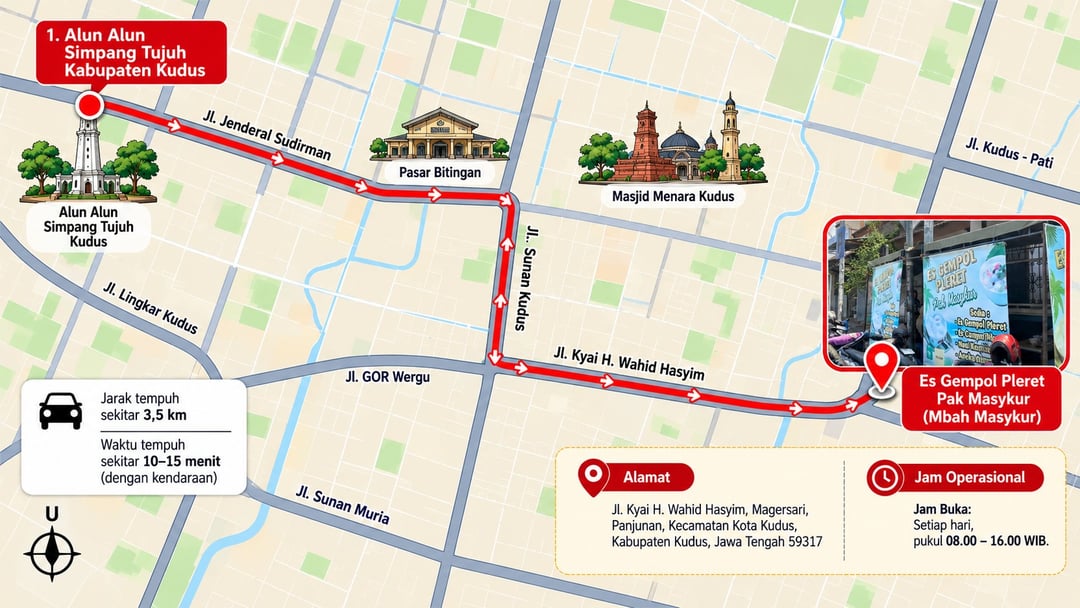
The stall typically operates daily from 9:00 a.m. to 4:00 p.m. WIB, provided there are no unforeseen circumstances or scheduling conflicts. Customers planning a visit are advised to check the stall's operational status, especially during the rainy season.
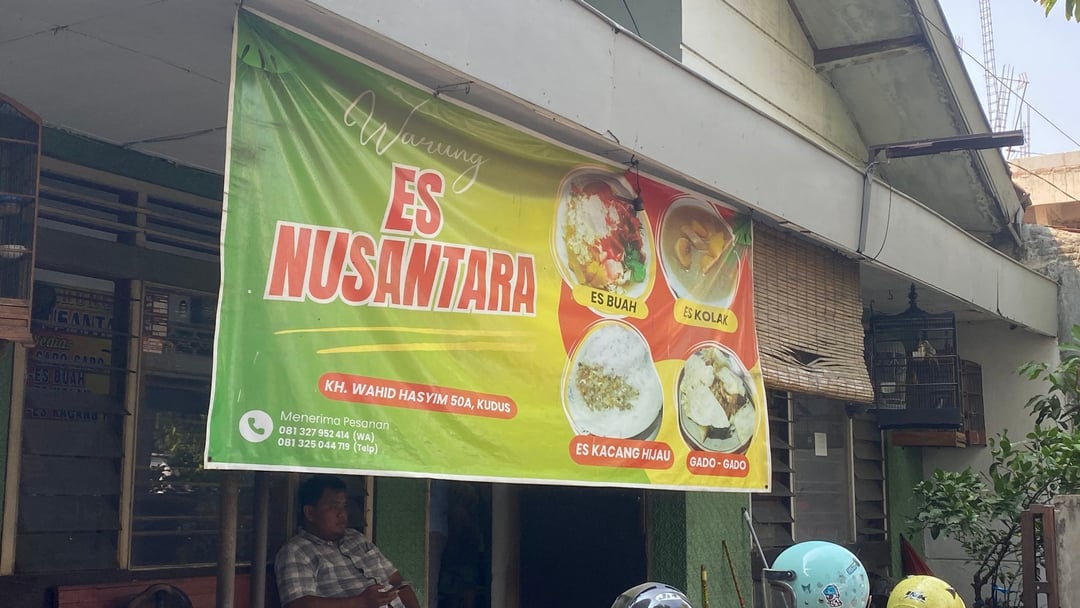
Still in the Panjunan area, Es Nusantara is renowned for its signature fruit ice. The business has been operating since the 1970s and is currently managed by Deny Widarsono, the fourth generation of the family to run the establishment.
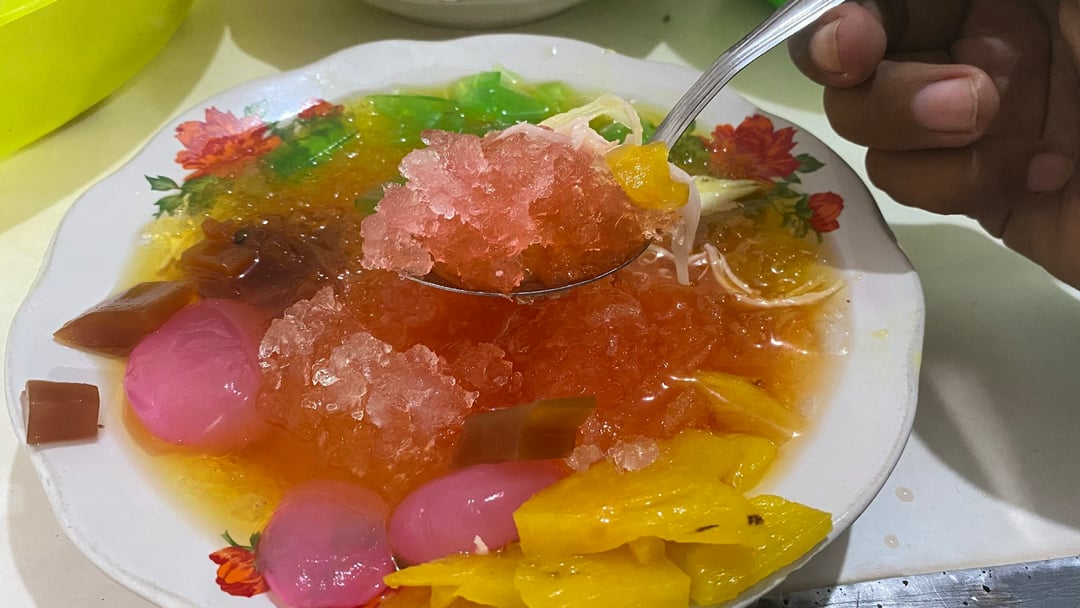
Unlike the rice flour-based gempol pleret, Es Nusantara offers a blend of various fruits, candied treats, and shaved ice. Each serving includes agar-agar, coconut, pineapple, sugar palm fruit (kolang-kaling), and candied papaya, topped with a house-made syrup.
Deny explained that shaved ice has been a hallmark of the presentation since the business began. The family recipe has been preserved, remaining an integral part of the Es Nusantara identity.

"Our specialty is fruit ice. It contains agar-agar, coconut, pineapple, sugar palm fruit, and candied papaya, finished with syrup. We have used shaved ice since the beginning," Deny said.
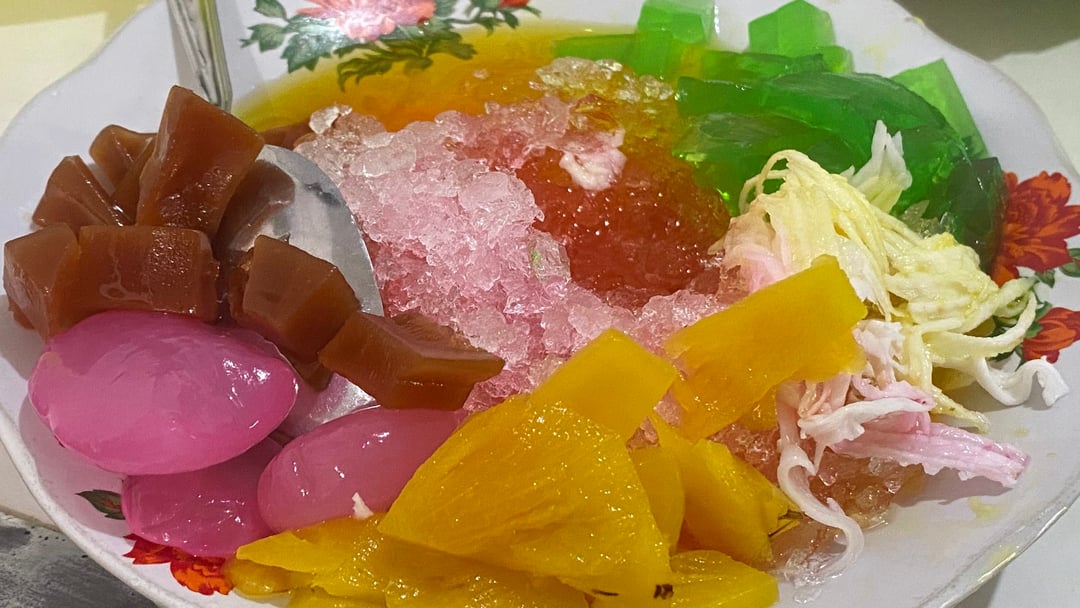
In a serving of fruit ice, the diverse ingredients offer a distinct blend of flavors and textures. The dish features tender coconut, pineapple for a fruity sensation, chewy palm fruit (kolang-kaling), and candied papaya that provides a signature sweetness.
However, Deny notes that the true hallmark of Es Nusantara lies in its house-made syrup. Rather than relying on store-bought products, the syrup is prepared in-house, as is the candied papaya, which remains a key signature of their recipe.
This family-inherited preparation method is central to the brand's identity. Shaved ice is layered with the ingredients before being topped with syrup to harmonize the flavors. The result is a refreshing combination where the chilled ice meets the sweet syrup and varied textures of the ingredients.
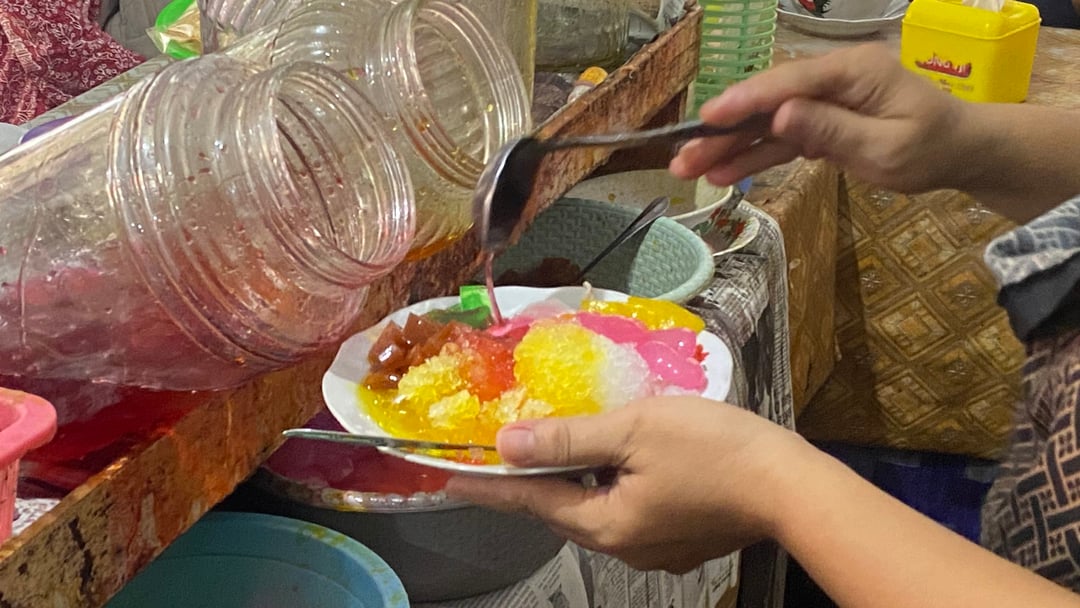
“What sets us apart is the syrup and the candied papaya. We make our own syrup and do not use store-bought versions,” Deny explained.
A single portion of Es Nusantara is priced at Rp10,000. Beyond fruit ice, the stall offers alternatives such as kolak, green bean ice, and gado-gado. This varied menu ensures the shop serves not only as a destination for refreshing drinks but also for customers seeking a meal.
Deny points out that sales fluctuate based on weather conditions. On hot days, fruit ice sales can reach nearly 500 portions daily. Conversely, during rainy periods, production is adjusted downward to reflect anticipated demand.
“In hot weather like this, we can sell nearly 500 portions. During the rainy season, we naturally adjust our inventory because customer volume typically drops,” he said.
Es Nusantara’s reach extends beyond local patrons. Deny noted that customers frequently travel from neighboring regions, including Pati, Jepara, and Demak. Some discover the stall through social media platforms like Instagram and TikTok, while others arrive following recommendations from friends or family.
Rudi Ahong, a local Kudus resident, is a regular customer who favors the fruit ice. He appreciates how the syrup, palm fruit, and other toppings blend seamlessly. He added that the use of shaved ice ensures the drink remains consistently cold and refreshing.

“I come here often because the ice is excellent. The syrup, palm fruit, and other toppings are perfectly balanced. Using shaved ice makes it instantly refreshing,” Rudi remarked.
In addition to the fruit ice, Rudi also enjoys the stall’s gado-gado, noting that it serves as a reliable food option for those looking for a meal alongside their beverage.
"The gado-gado is also delicious, I like it. To get here, use the Soto Bu Djatmi or the Panjunan Kulon intersection as landmarks," he said.
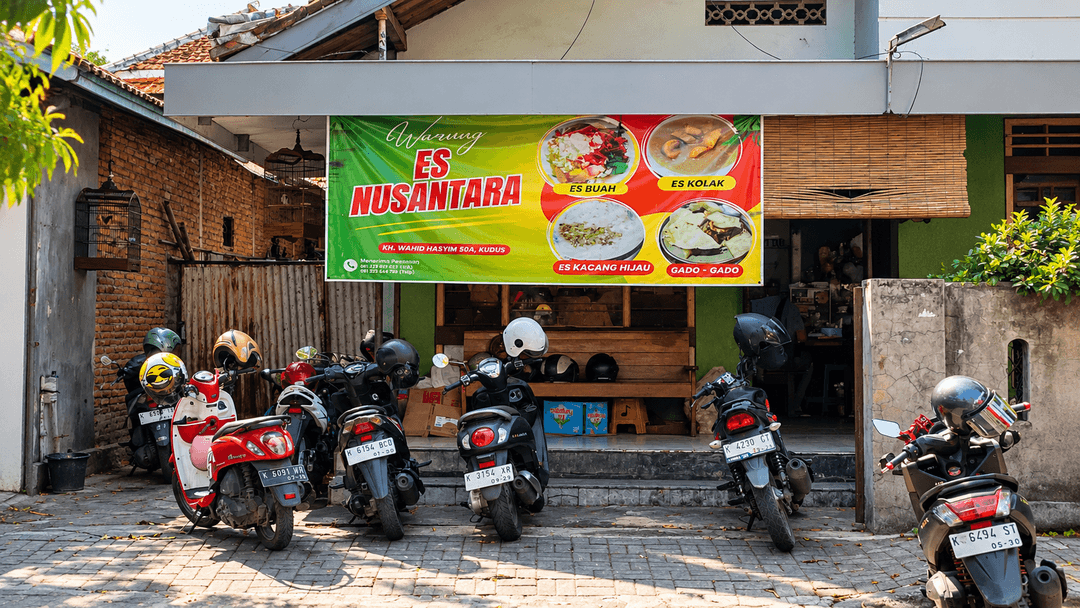
Es Nusantara is located on Jalan Kyai Haji Wahid Hasyim in the Panjunan Kulon area, Kota District, Kudus. The business address is near Jalan Wahid Hasyim Number 50 A, Magersari, Panjunan, easily identified by the nearby Panjunan Kulon intersection and Soto Bu Djatmi.
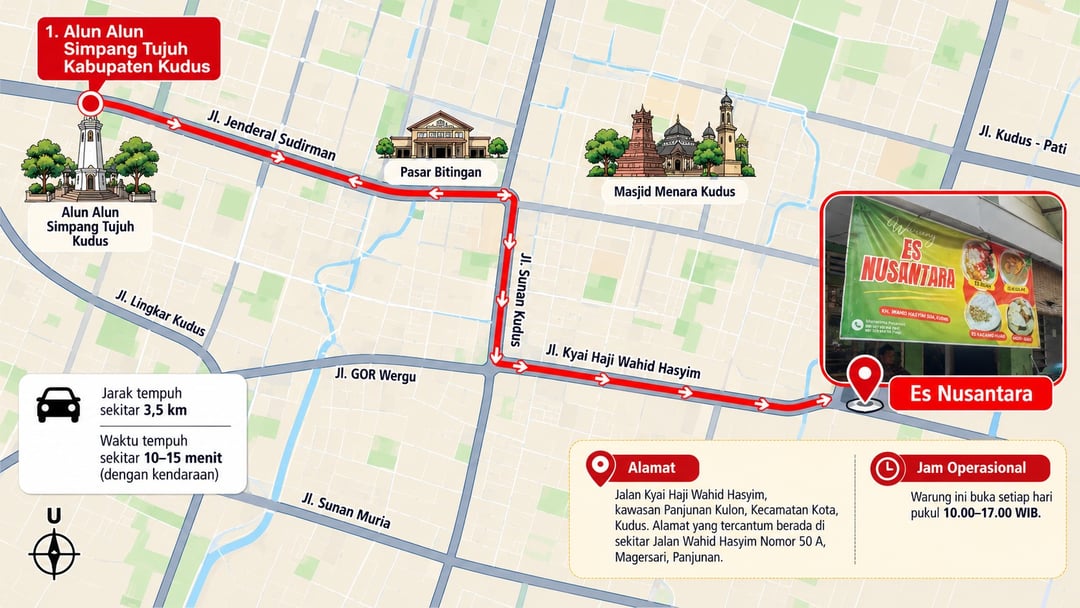
The stall is open daily from 10:00 a.m. to 5:00 p.m. WIB. Visitors can stop by in the afternoon for a refreshing fruit ice or explore other menu offerings.
For Deny, maintaining quality does not necessarily mean sharp price increases. He works to balance adjustments in raw material costs with ensuring that portion sizes and prices remain reasonable for customers.
"Ingredient costs rise from time to time, so we adapt. The bottom line is that customers remain satisfied with the value and portions provided," he said.
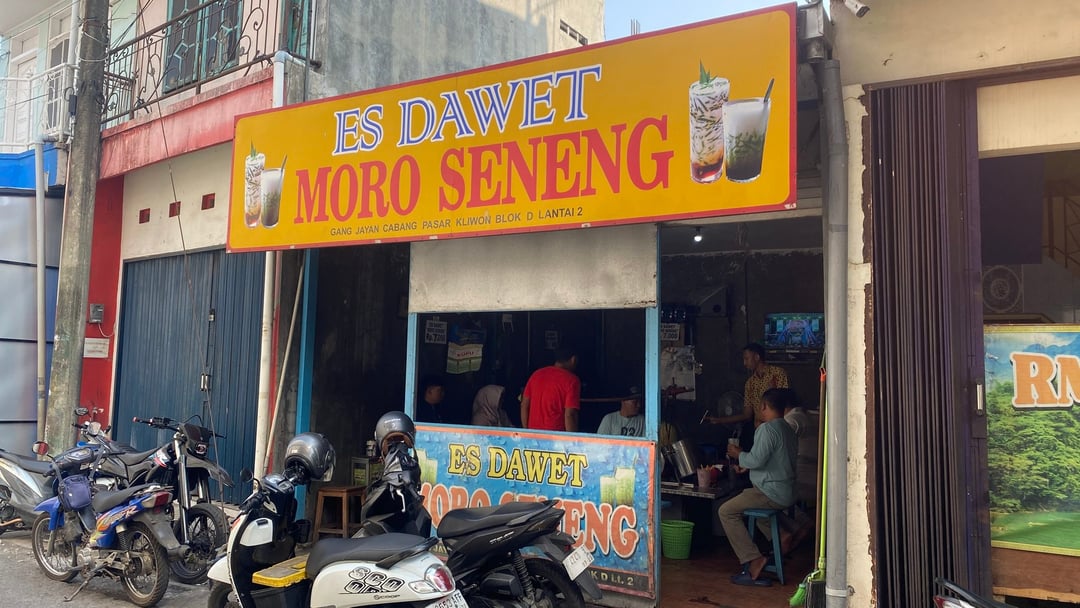
For those continuing their culinary journey to the Pasar Kliwon area, Es Dawet Moro Seneng is a recommended stop. Established in the 1970s, the business is now operated by second-generation owner Dyah Tri Lestari, who took over from her father-in-law.
Unlike fruit-filled beverages, Es Dawet Moro Seneng prides itself on simplicity. Its signature drink consists of dawet, syrup or sugar, coconut milk, and ice. This traditional blend relies on a careful balance of flavors and the distinct texture of the dawet itself.
“This business has been operating since the 1970s. I am the second generation, taking over from my father-in-law. Our signature menu is the dawet, featuring rice flour jelly, palm sugar, coconut milk, and ice,” said Dyah.
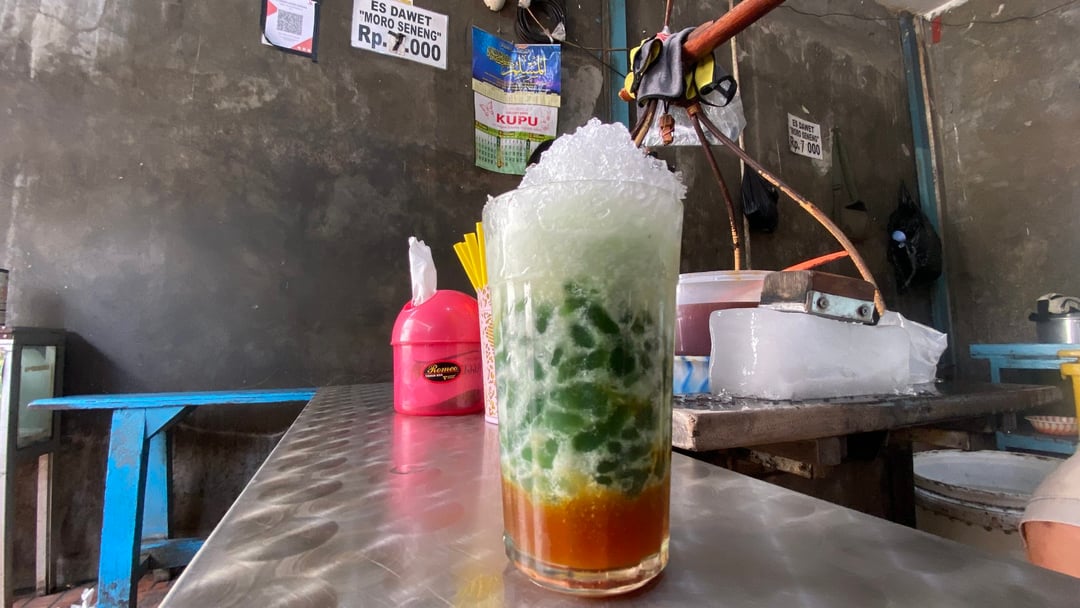
According to Dyah, the signature of Es Dawet Moro Seneng lies in the chewier texture of the jelly and a richer, creamier coconut milk. These two characteristics have been maintained over the years.
While the ingredients for a traditional beverage like dawet are simple, the final result relies heavily on the texture of the jelly and the balance of sweet and savory flavors. The coconut milk provides the savory profile, while the sugar adds the sweetness that complements the dawet.
Dyah explained that customers are familiar with this specific flavor profile, which is why she chooses not to alter the recipe. Maintaining consistency is a key strategy to preserve the trust of long-time patrons.

“Our dawet features thicker coconut milk and a chewier jelly. We don’t want to change the flavor because people are accustomed to the Moro Seneng taste,” she explained.
A glass of Es Dawet Moro Seneng is priced at Rp 7,000. This affordability makes it a popular refreshment for those shopping at Pasar Kliwon or visiting Kudus.
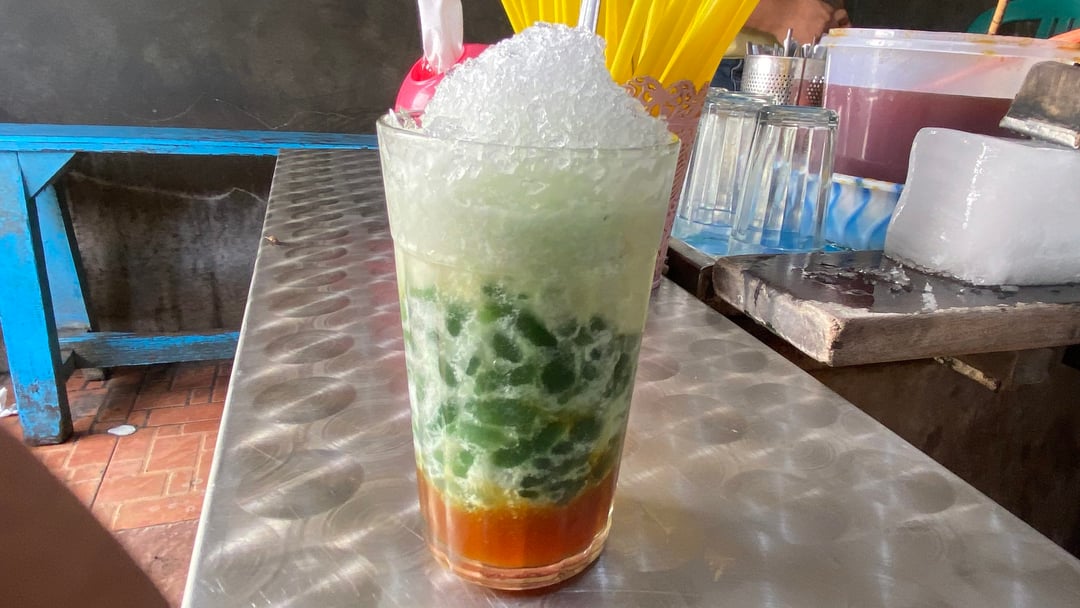
Dyah noted that on regular weekdays, sales can exceed 100 glasses, though figures fluctuate daily. On weekends and public holidays, sales can double. Many customers arrive in groups, including visitors traveling to Kudus from other cities.
“On weekdays, we can sell over 100 glasses. On Sundays or holidays, the number of buyers can double. Many groups from outside Kudus also make it a point to stop by,” she said.
One frequent customer is Waluyo, a resident of Demak. He admitted that he almost always makes time to enjoy Es Dawet Moro Seneng whenever he visits Kudus, noting that he has visited up to four times in a single week.
According to Waluyo, the balanced, not overly sweet flavor of the dawet is the primary reason for his return. The chewy texture of the cendol and its cooling sensation on a hot day make for a refreshing treat.
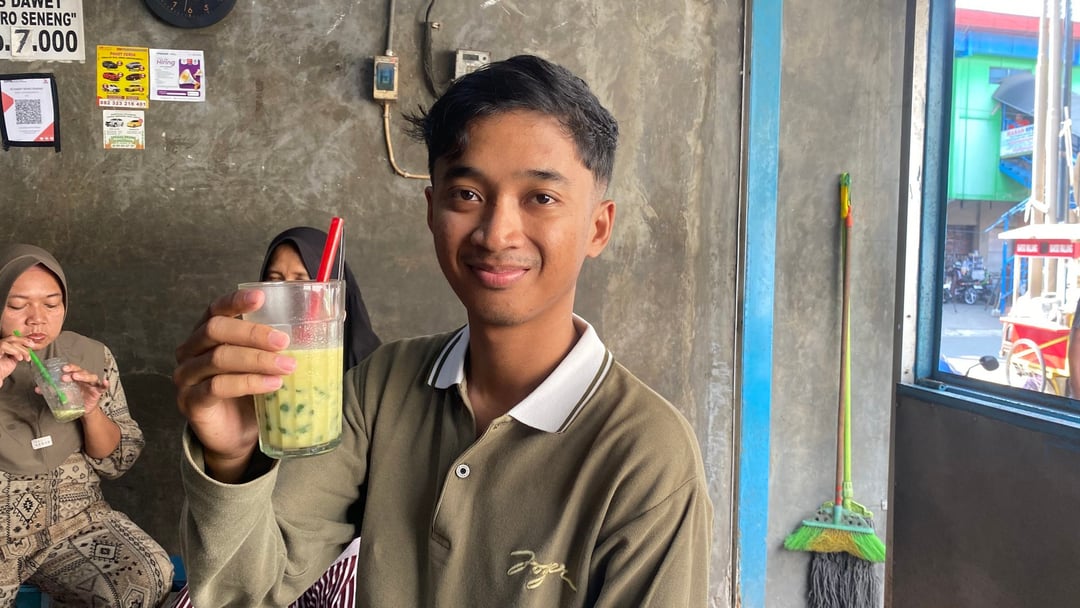
“I stop by almost every time I am in Kudus, sometimes up to four times a week. The flavor is distinct—not too sweet, just right. The texture is chewy, and it’s especially refreshing when the weather is hot,” said Waluyo.
For regulars like Waluyo, Es Dawet Moro Seneng is more than just a drink; it has become a staple of his visits to Kudus. The consistent quality ensures he keeps returning, despite the abundance of other beverage options.
Waluyo noted that the stall is easy to locate, situated just east of Pasar Kliwon. Visitors can spot the alleyway from the road and simply head inside to find the vendor.
“It’s located right to the east of Pasar Kliwon. There is an alley visible from the street; you just have to go in,” he explained.
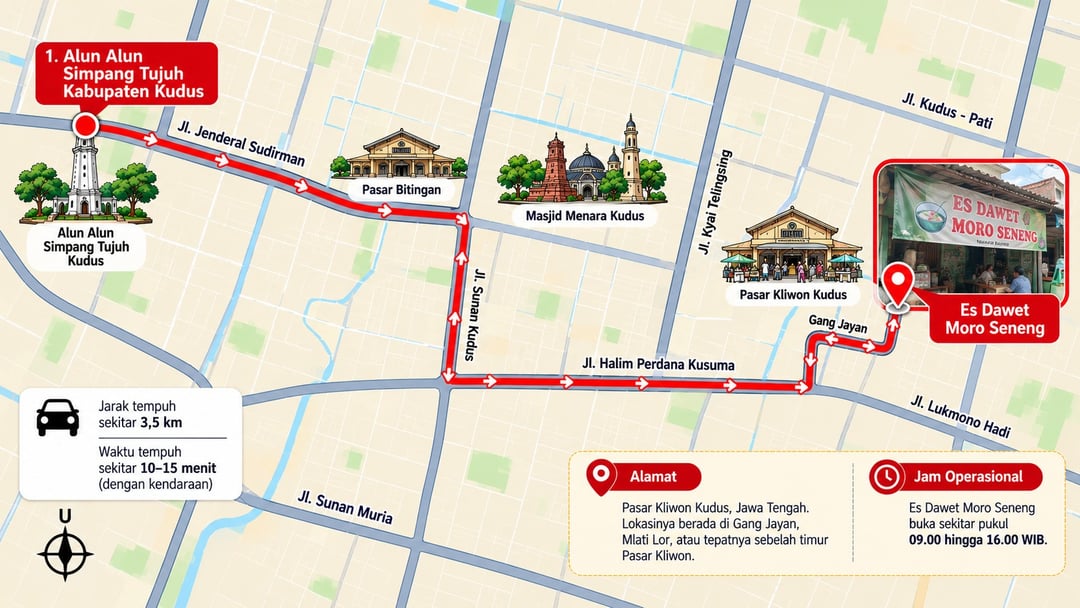
Es Dawet Moro Seneng typically operates from 9:00 a.m. to 4:00 p.m. WIB. However, the stall may close early if supplies run out. Customers planning to arrive late in the afternoon should be aware of the possibility that the shop may be sold out.
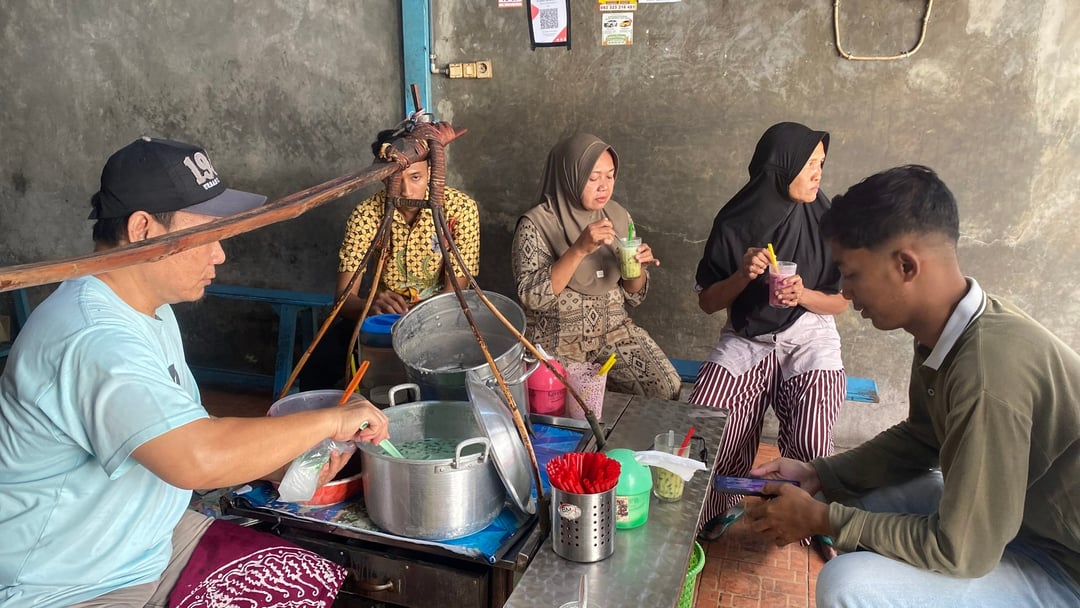
Like many businesses selling cold drinks, the rainy season poses a significant challenge. Dyah noted that revenue can drop by as much as 50 percent during wet weather due to a decrease in customers. This requires careful adjustment of supply preparation to prevent excessive waste.
“During the rainy season, our turnover can drop by about 50 percent. We have to monitor the situation, as demand for cold drinks typically declines,” she said.
Nevertheless, Dyah hopes that Es Dawet Moro Seneng will continue to be recognized for its signature taste. For her, maintaining high quality is a way to honor the customers who have supported the stall for years.
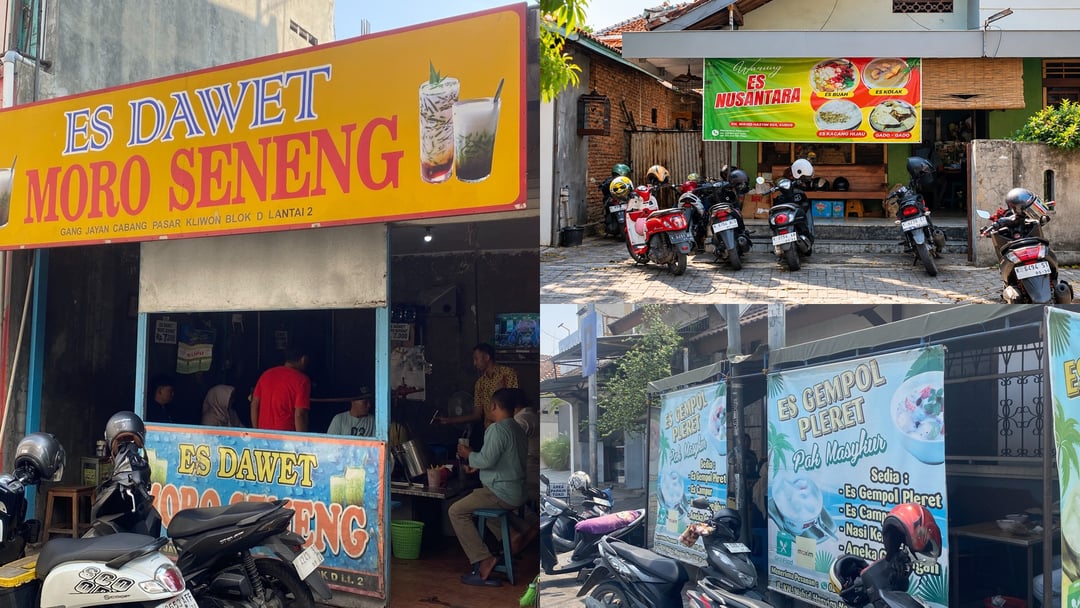
These three stalls offer distinct experiences for culinary enthusiasts. Es Gempol Pleret Pak Masykur features its signature gempol, pleret, and putu mayang served with coconut milk and house-made syrup. Es Nusantara specializes in refreshing fruit ice with various toppings and shaved ice, while Es Dawet Moro Seneng maintains a traditional approach with thick coconut milk and chewy cendol.
In terms of pricing, Es Dawet Moro Seneng is the most economical option at Rp7,000 per glass. Es Gempol Pleret Pak Masykur is priced at Rp9,000 per portion, while Es Nusantara offers fruit ice at Rp10,000 per portion.
This price variation reflects the complexity of each menu. Gempol pleret features several rice flour-based components, fruit ice offers a variety of fillings, and dawet highlights a more minimalist blend of ingredients.
All three businesses boast long histories. Es Gempol Pleret Pak Masykur and Es Nusantara have preserved family recipes spanning decades, while Es Dawet Moro Seneng continues an operation reportedly established in the 1970s.
For visitors, the experience of enjoying these drinks is enhanced by observing the preparation process, learning the vendors' stories, and engaging with long-time patrons. These simple elements often make a culinary excursion more meaningful than merely purchasing a beverage.
While all three locations provide customer seating, specific details regarding capacity, parking facilities, takeaway services, and contact information remain unavailable. Visitors are advised to confirm these details personally, particularly when arriving in groups.
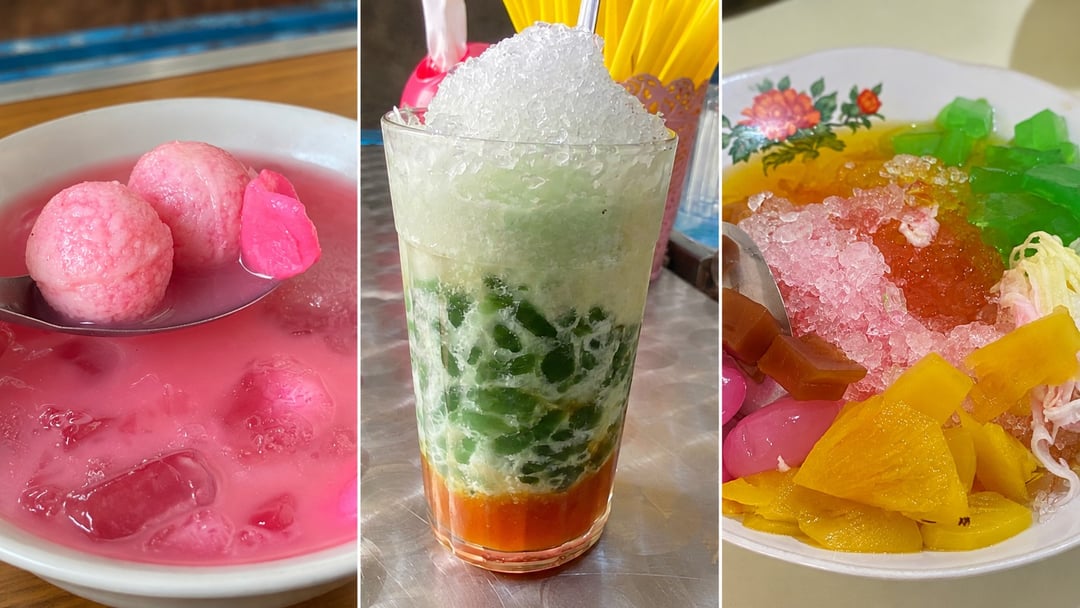
Traditional culinary businesses often survive not through flashy presentation, but through consistent flavor and the relationships built with customers. Heritage recipes, fresh daily ingredients, and a welcoming atmosphere are integral to these family legacies.
At Es Gempol Pleret Pak Masykur, Nur Indana upholds a family recipe dating back to 1976. At Es Nusantara, Deny Widarsono maintains the signature shaved ice and house-made syrup that define the family business. Meanwhile, Dyah Tri Lestari preserves the distinctive flavor of Moro Seneng dawet passed down through generations.
While all three face similar challenges during the rainy season when demand for cold drinks typically wanes, these businesses remain resilient, sustained by customers who continue to seek out their familiar flavors.
"My hope is that the taste of this dawet remains consistent and that customers leave satisfied. There is no need for major changes because people already recognize the flavor," said Dyah.
For those exploring Kudus, seeking out refreshing local beverages offers a simple way to experience the city's culinary heritage. Whether it is a bowl of gempol pleret, a glass of fruit ice, or es dawet served with rich coconut milk, these drinks offer more than just refreshment; they carry enduring stories of family, tradition, and generational dedication. (ITN/mainkekudus)