
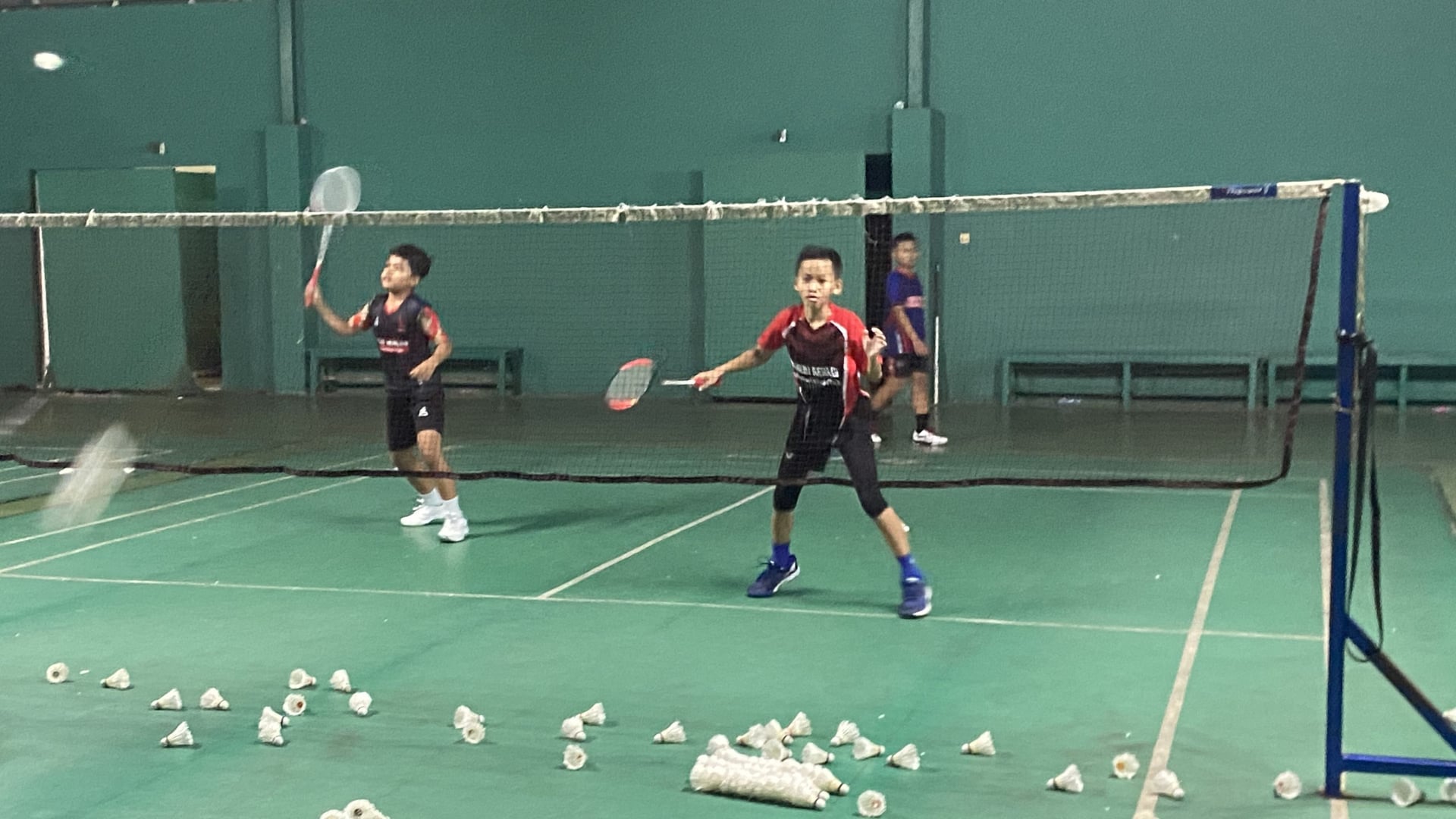
KUDUS – Badminton in Kudus Regency is developing through a structured coaching pathway that begins when children are first introduced to the sport in school. Through extracurricular activities, children have the opportunity to explore the game before advancing to club training, where their skills are honed through rigorous practice and competition.
This journey extends beyond basic skill development. Young athletes require competitive experience to test their technique, mentality, and character. Several clubs in Kudus have sent their athletes to compete in tournaments, including the National Circuit (Sirnas), with some players securing opportunities for further training at larger clubs outside the region.
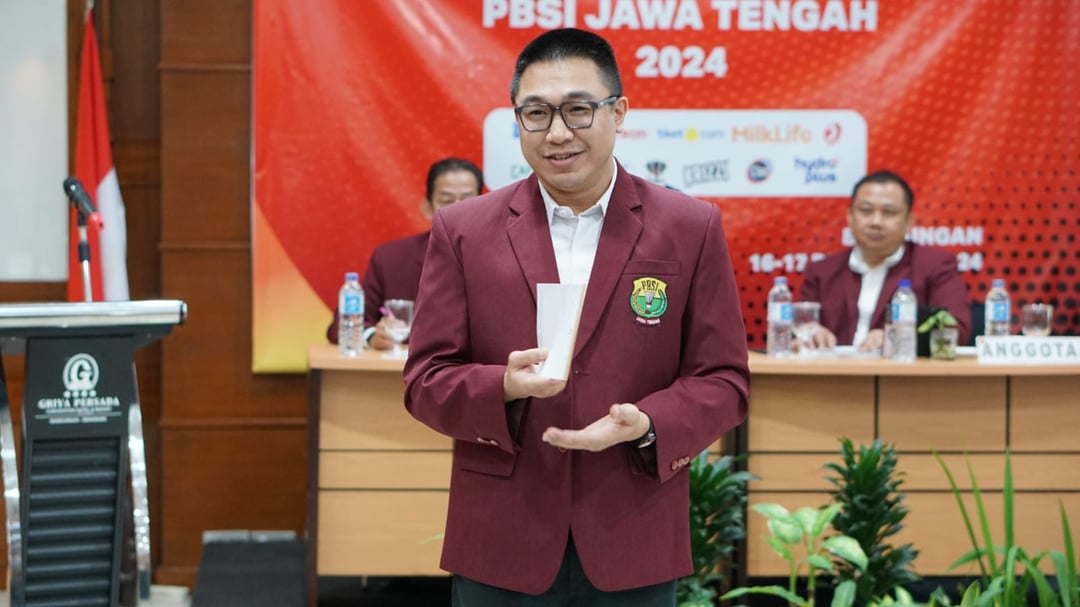
Raventus Pongoh, Secretary of the Kudus Regency Chapter of the All Indonesia Badminton Association (PBSI), views this development as part of an ongoing regeneration process. The increase in the number of clubs and the active participation of Kudus athletes in various championships have been notable trends in recent years.
Schools serve as a primary gateway for introducing badminton to children. PBSI Kudus actively promotes the establishment of school badminton extracurricular programs to ensure early exposure to the sport.
This step is crucial, as not all children are introduced to badminton through clubs. For many, their first time holding a racket is during school activities, which helps them decide if they wish to pursue the sport more seriously.
Raventus noted that there is a growing demand from schools for professional guidance, with several institutions seeking coaches to train their students.
The challenge remains that the supply of available coaches cannot yet fully meet the high demand from schools, necessitating a strategic distribution of existing trainers.
Despite this challenge, the rising interest from schools indicates significant potential for introducing badminton to younger age groups.
For PBSI Kudus, school activities represent the initial phase. Children who show interest are encouraged to join clubs for more structured and professional training.
One initiative in this pathway is "Seneng Minton," which provides children who have participated in school extracurriculars with an opportunity to experience a competitive match environment.
Through these activities, PBSI can identify students with the aptitude and interest to continue their development, offering them a clear path toward joining formal clubs for more intensive coaching.
This pattern establishes a clear progression: children are introduced to badminton at school, advance to club training, and then enter competitions. As their skills develop, athletes can pursue higher-level championships or continue their training at larger, more advanced clubs.
Raventus notes that active clubs play a vital role in the growth of badminton in Kudus. Several clubs have even successfully guided their athletes to compete in tournaments ranging from Sirnas C to Sirnas A.
Once children commit to badminton, clubs provide a structured environment to hone their skills. Training sessions cover not only technical proficiency but also physical conditioning, agility, tactical play, and discipline.
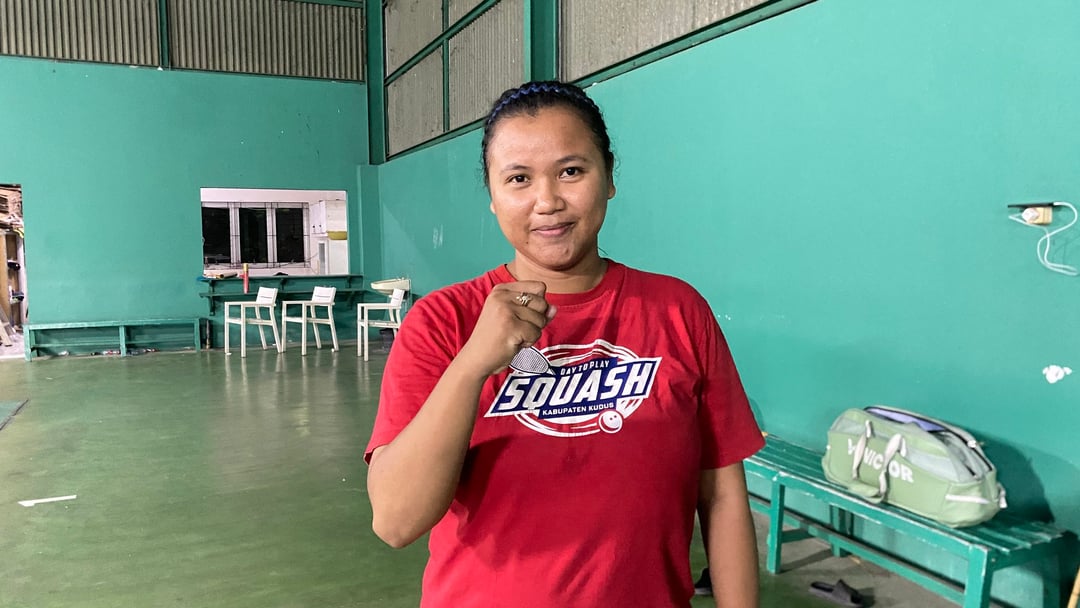
Nita Amalia, a coach at PB Ngudi Berkah Bae Kudus, reports a noticeable increase in student enrollment, observing that interest in the sport is significantly higher than in previous years.
School-based introduction programs have helped broaden opportunities for children to discover badminton. Students do not need to be club-affiliated to start playing; they can begin through school activities and decide to pursue further training later.
For clubs, a rising number of young athletes also means increased operational demands, including the need for adequate training space, sufficient coaching staff, and a constant supply of equipment.
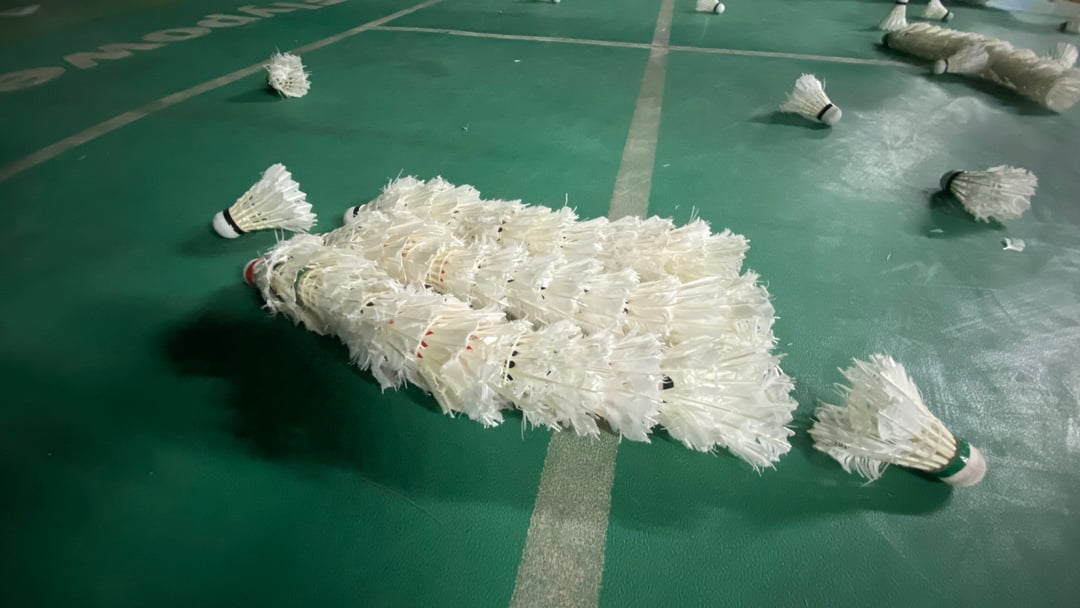
Shuttlecocks are among the most frequently used training supplies. Unlike rackets or shoes, which have a longer lifespan, shuttlecocks wear out quickly and require constant replacement.
For clubs with large rosters, this represents a significant recurring expense. Nita hopes that support for clubs will extend beyond training programs to include essential equipment like shuttlecocks.
Facility access is another concern. Not all schools possess courts suitable for proper training, and as student interest grows, the demand for court time increases accordingly.
Raventus identifies facilities and the number of qualified coaches as ongoing challenges. While financial support from Djarum has bolstered the badminton ecosystem in Kudus, he emphasizes that infrastructure remains a critical area for improvement.
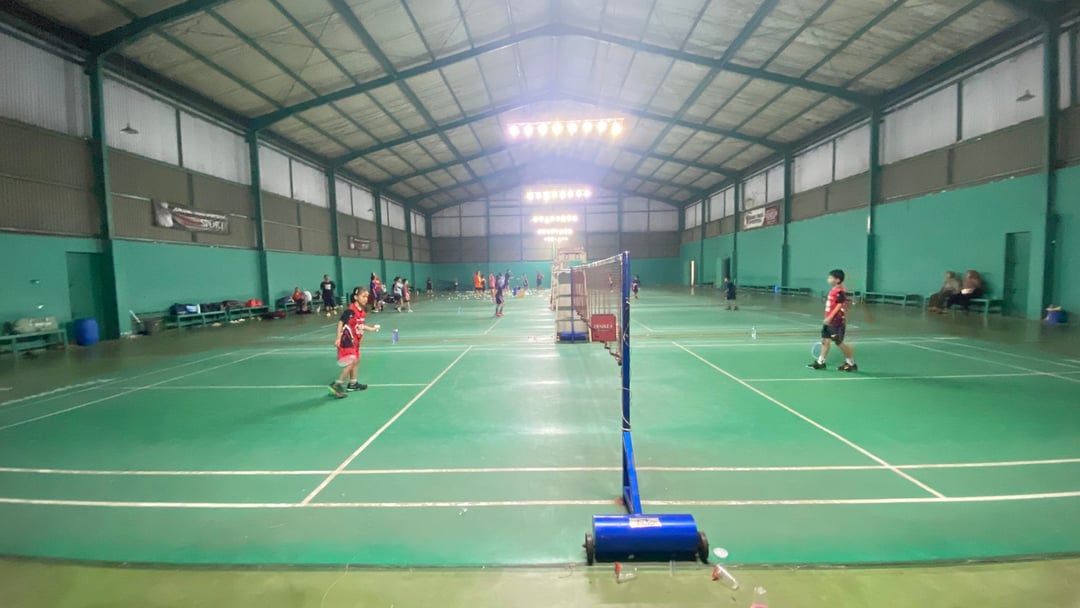
Training requires the complement of competition. Athletes must be given the opportunity to apply the skills learned in practice to a competitive environment.
The Kudus chapter of the Badminton Association of Indonesia (PBSI) maintains several recurring events to serve as competitive platforms. Among these is the Simpang 7 Master, which brings together students across various grade levels for both team and individual competitions.
Additionally, the Bupati Cup serves as the Kudus Regency-level championship, while the Bitingan Master attracts participants from the former Pati Residency region.
Competitions serve two primary functions in athlete development: they provide players with match experience while allowing PBSI and coaches to assess individual progress.
Raventus noted that competitions are essential for identifying emerging talent and increasing match experience. For Nita, tournaments serve as a testing ground for technical ability, mental fortitude, and character.
An athlete's performance can shift significantly during match play. The pressure, opponent styles, and specific match scenarios require that skills mastered in training be applied with greater speed and precision.
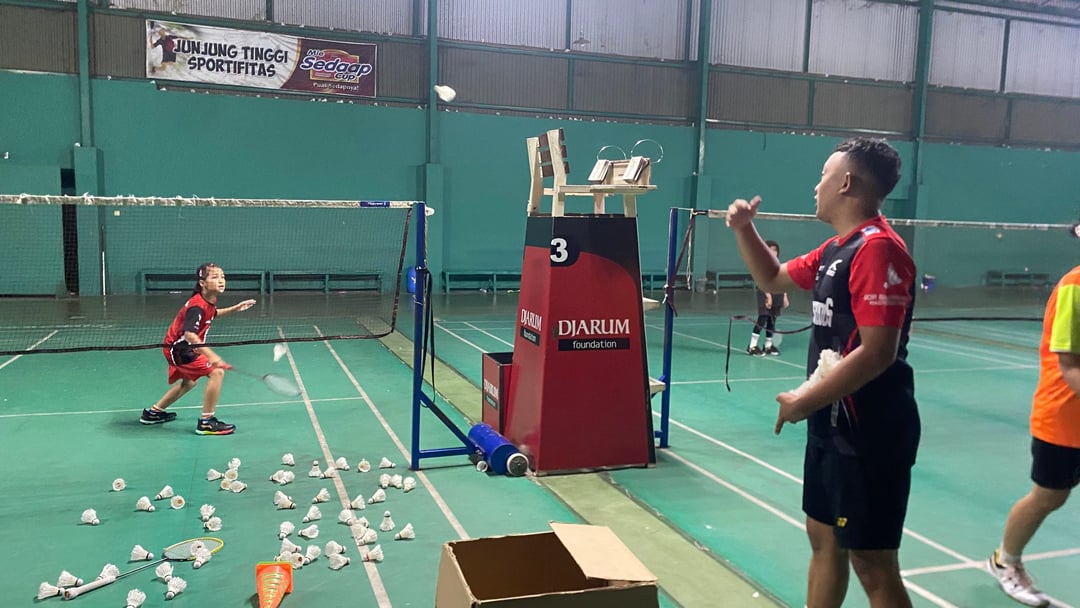
The club development pathway provides opportunities for athletes to advance to higher levels. PBSI Kudus has noted that several athletes from local clubs have successfully secured spots with major clubs.
Some have moved on to continue their development with PB Djarum, while others have joined clubs outside Kudus, such as Mutiara Cardinal Bandung and Tangkas Arena.
For PBSI Kudus, these transitions are viewed as a standard part of the developmental process. Local clubs provide the initial space to nurture athletes; as players demonstrate improvement, they may seek out training environments with higher tiers of competition.
Through this pipeline, PBSI Kudus aims to see an increasing number of local athletes advance to the national level, including reaching the national training center (Pelatnas).
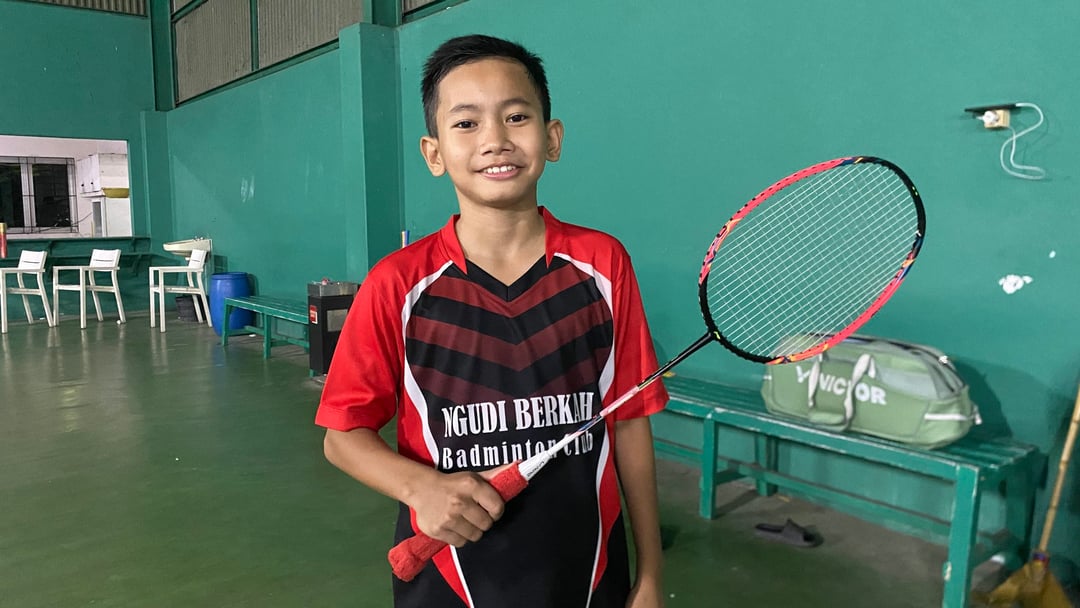
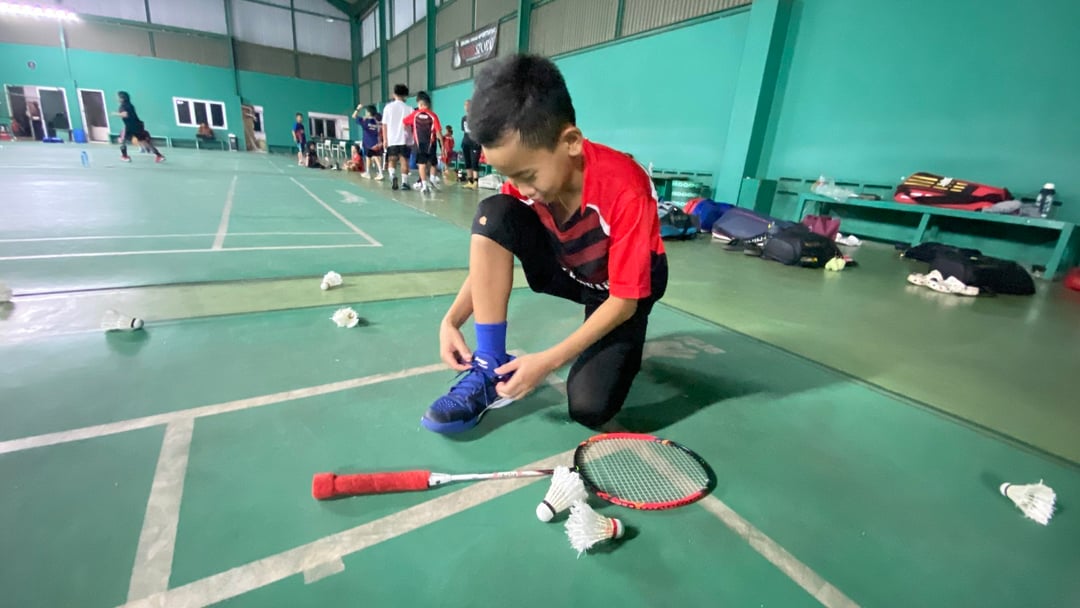
The dedication required for the sport is evident in the routine of Ahmad Akmal Jamili. The PB Ngudi Berkah Kudus athlete took up badminton in late 2023 after watching his older sibling play.
What began as a family-inspired interest has evolved into a rigorous training schedule. Now 12, Akmal is currently a first-year student at MTs NU Ibtidaul Falah.
His training schedule is demanding, running nearly every day. He trains from 5:00 p.m. to 7:00 p.m. WIB on Mondays, 4:00 p.m. to 6:00 p.m. on Tuesdays, and 3:00 p.m. to 5:00 p.m. on Wednesdays. Thursday and Friday sessions run from 4:00 p.m. to 6:00 p.m., with a longer three-hour session on Saturdays from 3:00 p.m. to 6:00 p.m. Sundays are reserved for private practice.
Training sessions cover a range of technical skills, including stroking, drilling, match play, physical conditioning, and agility. Of these, Akmal favors match play for the opportunity it provides to compete directly against his peers.
This regimen instills discipline, with strict rules governing behavior, including the requirement to maintain focus while on the court.
Akmal has participated in several competitions, including the National Circuit C Muria Cup Kudus, the Regency Championships (Kejurkab), the Central Java Porsema, and the Simpang Tujuh Master. He has also entered the PB Djarum general auditions twice.
His competitive highlights include a second-place finish at the Kejurkab. Such tournament experience is vital for evaluating his progress and gaining crucial playing time.
He identifies Kevin Sanjaya Sukamuljo as his primary inspiration. Akmal had the opportunity to meet Kevin in person at Djarum.
That encounter remains a memorable experience for Akmal, who cites both Kevin’s playing style and his approachable, professional demeanor as reasons for his admiration.
Akmal has now set his sights on higher goals, aiming to join the national training center (Pelatnas PBSI) with the ultimate ambition of becoming a world-ranked athlete.
While the path to the top remains long, his consistent training and tournament participation are essential steps toward reaching his objective.
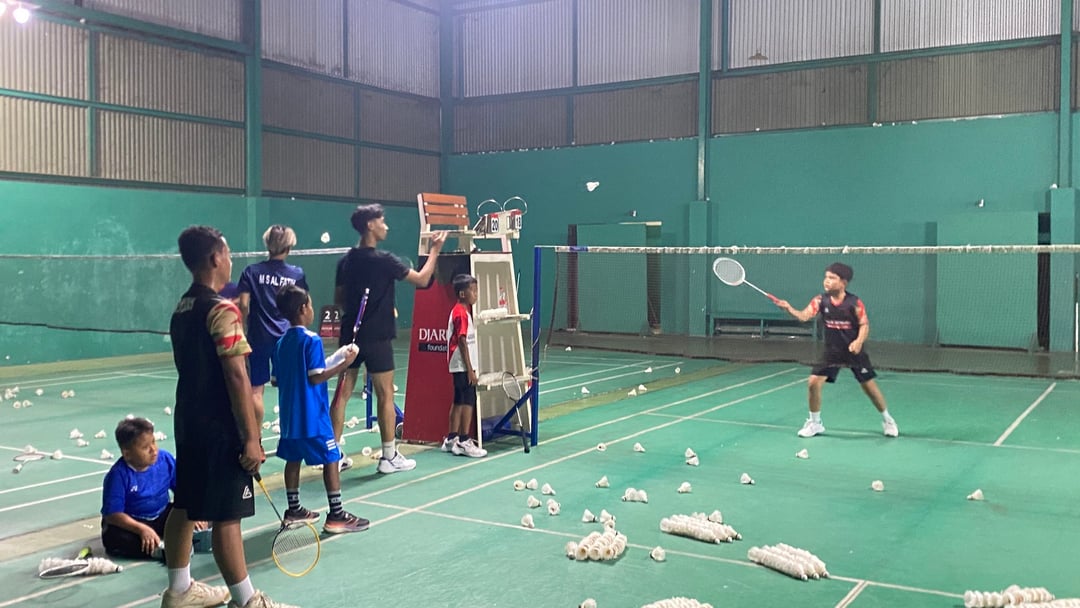
Despite the heavy training load, academic responsibilities remain a priority. Young athletes must navigate the demands of school alongside their sporting commitments.
PBSI Kudus notes that some schools have become increasingly accommodating, acknowledging the specific needs of athletes regarding training and competition schedules.
According to Raventus, traditional schools can effectively support student-athletes, provided there is mutual understanding regarding the commitments required for competitive sports.
Balancing these factors is vital, as an athlete's career is a long-term process that rarely follows a fixed plan. Education remains a critical foundation for children throughout their athletic development.
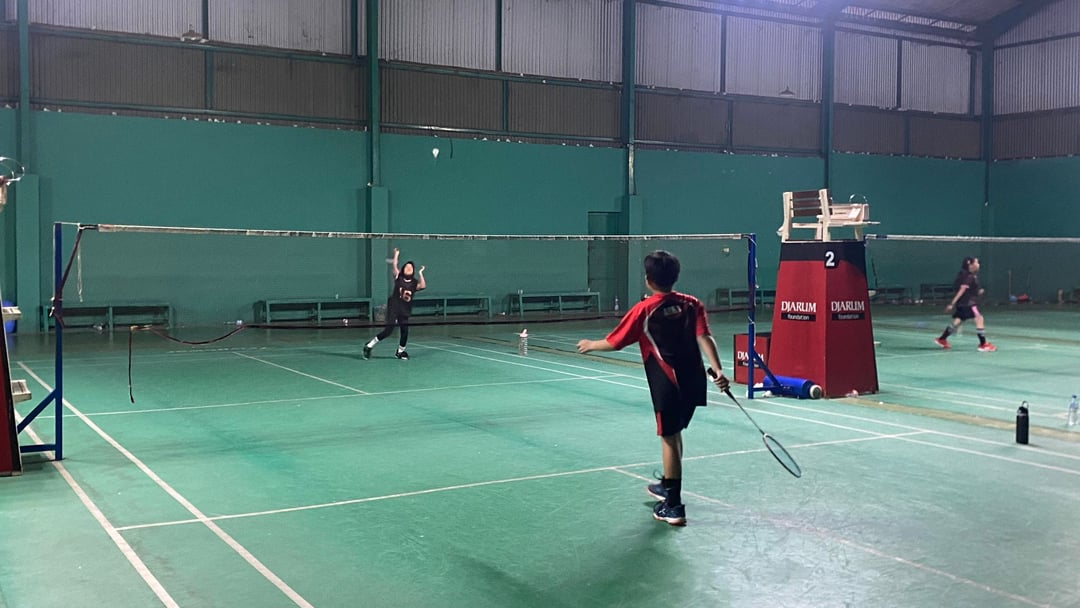
Growing interest in badminton has led to increasing demands. Facilities, the number of coaches, and training equipment remain key challenges that must be addressed to sustain development programs.
For athletes and clubs, the cost of equipment is also a primary concern. Racquets, strings, grips, shoes, and other training necessities require ongoing expenditure, with shuttlecocks representing a constant recurring cost during practice.
Nita emphasized that support from all stakeholders is essential to ensure children with interest and potential can continue their training. Meanwhile, Akmal highlighted the ongoing need for better facilities to support the training process.
These issues underscore that athlete regeneration requires more than just identifying talented individuals. Once discovered, they require training grounds, professional coaching, proper equipment, competitive opportunities, as well as family and academic support.
Within this ecosystem, every party plays a role. Schools provide the initial introduction, while clubs handle formal development. PBSI organizes and manages competitions and developmental pathways. Parents provide domestic support, while the government and private sector assist with facility needs and funding.
Coordination becomes crucial as athletes enter more intensive training phases. Balancing school schedules, regular training, and tournament participation requires significant time and support.
PBSI Kudus is committed to keeping these pathways open. Children discovered in school are steered toward clubs. As athletes progress, they gain opportunities to compete and move up to higher developmental tiers.
The ultimate goal is to send an increasing number of athletes to the national training center (Pelatnas), whether they are from Kudus or trained by clubs based in the region.
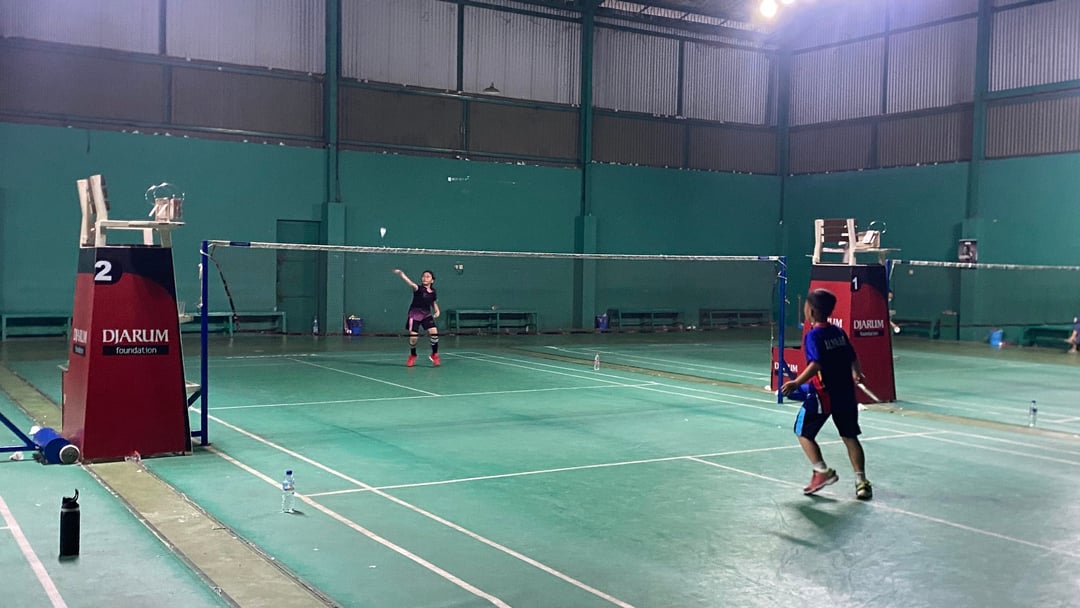
The growth of badminton in Kudus cannot be measured solely by the number of matches won or championships secured. There is an extensive process that takes place long before an athlete stands on the podium.
That process begins when a child is introduced to badminton in school. As their interest grows, clubs become the hub for serious training, and competitions provide the experience needed to face opponents and test their skills.
Some athletes may continue their development at larger clubs, which can open doors to national-level opportunities.
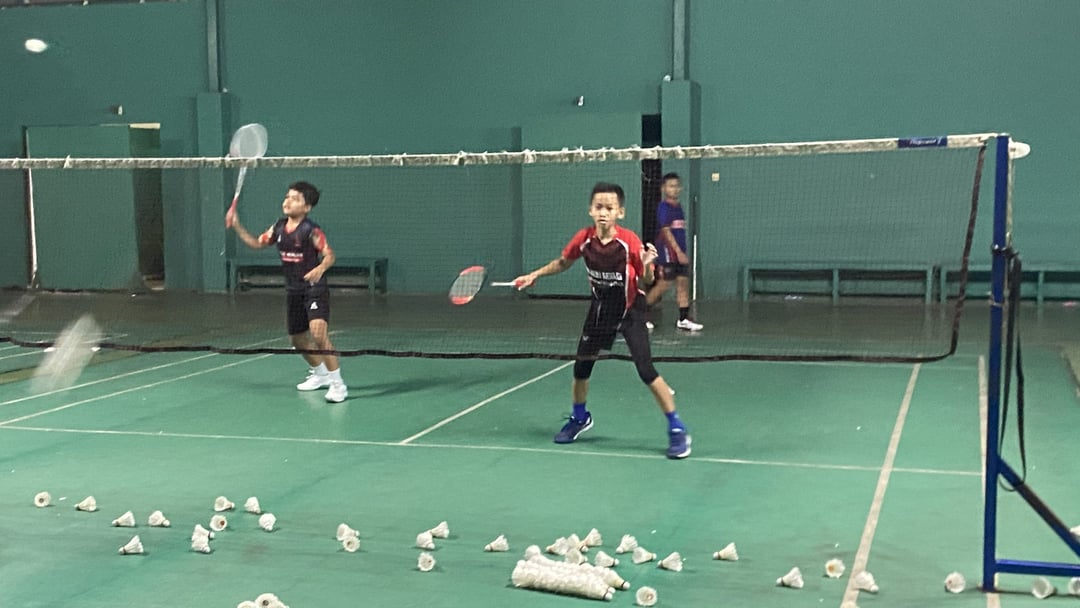
The pathway still requires further development in facilities, coaching, equipment, funding, and educational support. Consequently, long-term development relies on collaboration between the PBSI, clubs, schools, parents, the government, and the private sector.
For Akmal, this journey currently centers on rigorous training and competition. His daily routine is dominated by near-constant practice sessions. While the goal of joining the national training center and reaching the world number one ranking remains distant, it is a clear objective he is already working toward.
For PBSI Kudus, the broader mission is to ensure more children have access to these developmental stages. As long as a clear pipeline exists—from schools to local clubs, through to competitive circuits, larger development programs, and finally the national training center—the talent pipeline will continue to thrive.
Kudus's badminton tradition is no longer defined solely by past legends. That legacy is now being sustained by the youth on the court, the clubs providing guidance, the competitions offering experience, and the collective support ensuring the process continues. (FZ/mainkekudus)