

KUDUS – Young athletes move in rhythm, following their coach's instructions. Occasionally, they strike heavy bags, alternating between defensive drills and evasive maneuvers. The coach monitors every movement, using a stopwatch to manage drill intensity and transition times.
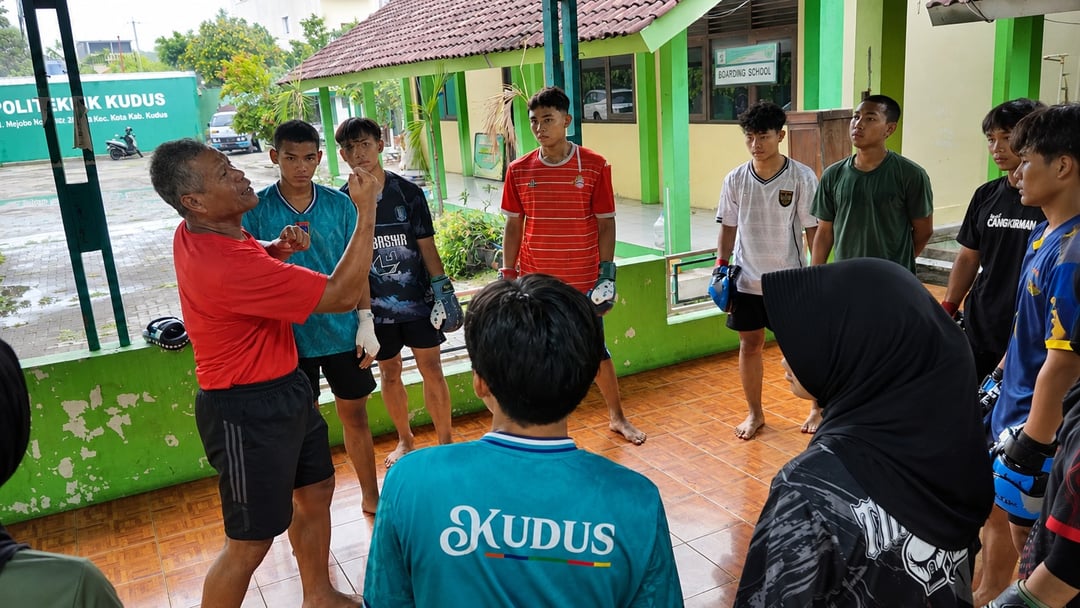
At the SMA Hasyim Asy’ari boxing gym in Mlati Kidul Village, Mejobo District, Kudus Regency, over a dozen student-athletes attended a routine training session on Tuesday (11/17/2026). Participants worked on punching accuracy, defensive techniques, and footwork agility.
The training is part of the development program under the Indonesian Amateur Boxing Association (Pertina) in Kudus Regency. Beyond preparing athletes for competition, the program emphasizes discipline, courage, and emotional regulation inside the ring.
Among those training is Faisal Rizki, 17, a 12th-grade student at SMA Negeri 2 Bae Kudus. His introduction to boxing was not initially welcomed; his family once discouraged him from pursuing the martial art due to his history of poor health.
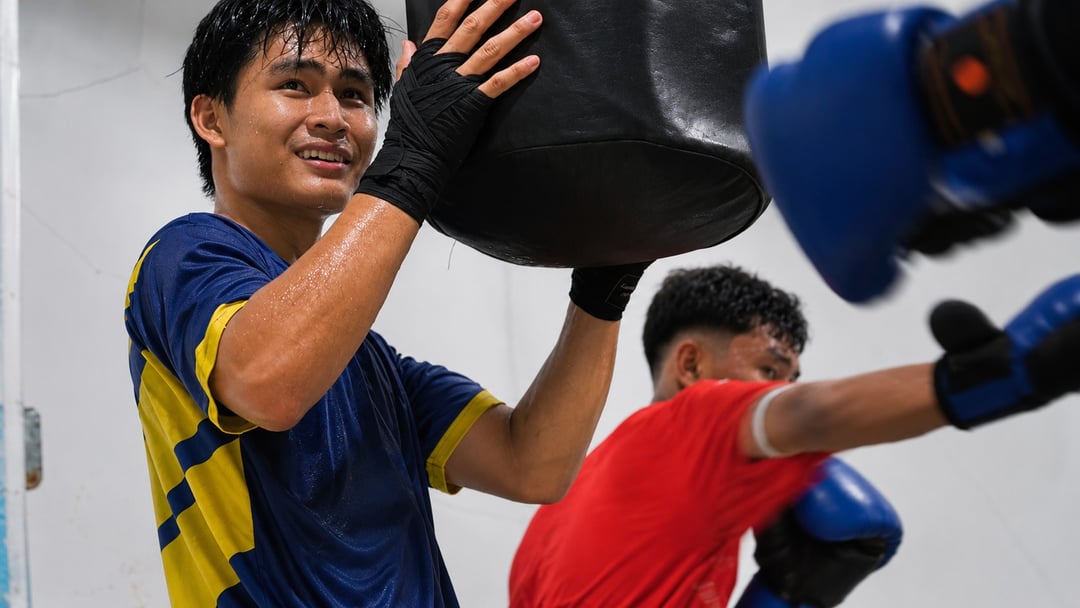
Despite the opposition, Faisal remained determined. Since middle school, he sought opportunities to train, and his persistence eventually led him to join the boxing program in Kudus.
He recalls his first training session four years ago, noting that his physical condition required time to adapt to the intensity. He learned to navigate sparring sessions and grew accustomed to absorbing contact during practice.
Over time, Faisal acclimated to the gym culture, honing fundamental movements, improving his physical conditioning, and managing his weight.
“My family was initially worried because I was often sick, but after seeing my achievements, they have been fully supportive, and I continue to work toward becoming a professional athlete,” Faisal said.
For Faisal, being a boxer requires more than just the courage to enter the ring; it demands consistent, dedicated training.
His family's support has bolstered his motivation. He acknowledges that boxing proficiency is not gained overnight, requiring a long-term commitment to physical conditioning, technical repetition, and gaining experience against various opponents.
Emotional regulation is also a critical component of his training. In boxing, an unchecked temper can compromise one’s technique, leaving an athlete vulnerable to an opponent’s counterattack.
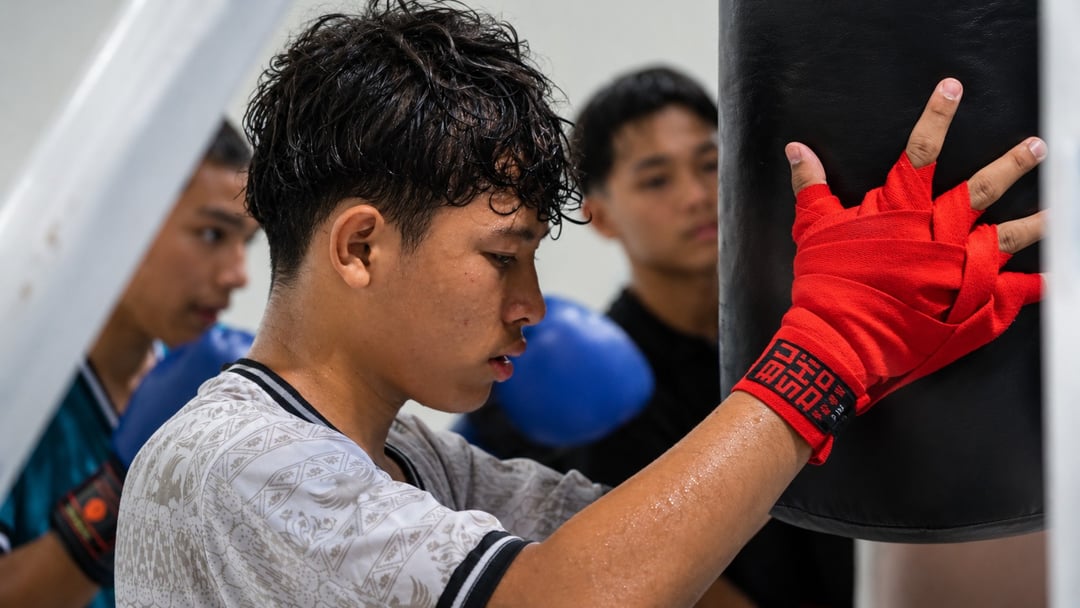
Consequently, Faisal strives to remain calm when facing an opponent. He focuses not only on delivering punches but also on observing movements to identify openings for counterattacks.
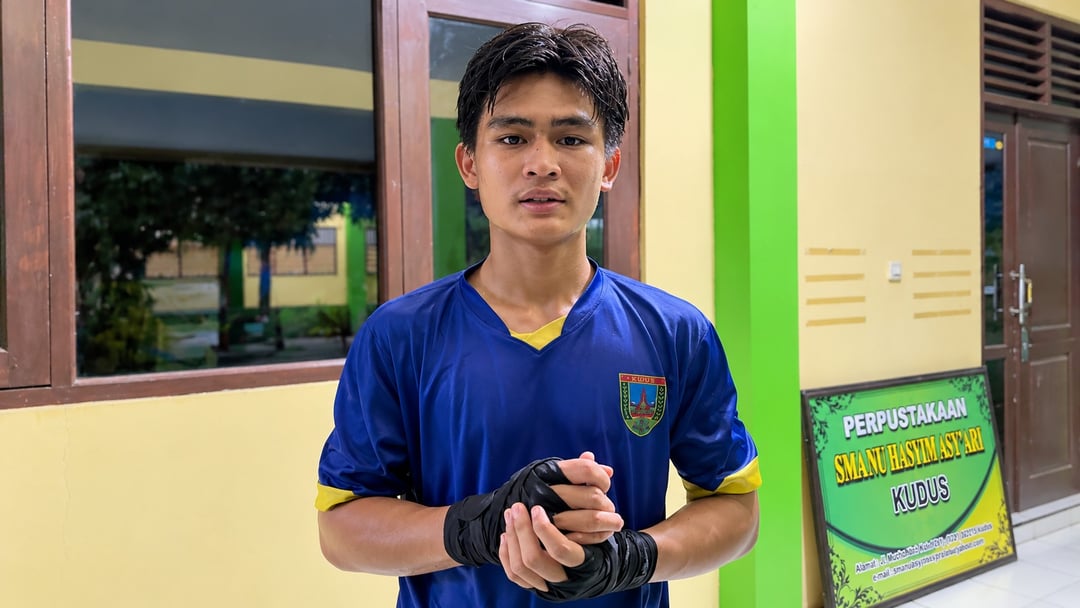
"I am learning to stay calm and defend when under attack. While observing the opponent's movements, I look for openings to launch an attack," he said.
The ability to read situations, strategize, and practice self-control are key elements continuously refined during training. These aspects remain a priority for coaches guiding athletes, including those new to the sport.
Kudus boxing coach Suwono explained that aspiring athletes do not need to pass a special selection process to join. They are first introduced to the training environment and then guided in building confidence and mental readiness.
Training continues with a focus on physical conditioning before athletes move on to learning advanced techniques and match strategies. According to Suwono, physical endurance is a vital asset for any boxer entering a match.

"No matter how good a strategy is, a lack of physical endurance will impact the final result," he said.
Currently, regular training sessions involve approximately 25 to 30 young athletes across two gyms: the Djarum Arena Kaliputu and the Hasyim Asy'ari High School gym in Mlati Kidul.
For students starting from scratch, the preparation process typically takes about six months to reach match readiness. During this period, athletes learn basic techniques and undergo progressive sparring sessions.

Sparring is conducted with peers and senior boxers alike. These sessions provide an opportunity to test abilities, stamina, and strategic execution in scenarios that simulate actual competition.
In training female athletes, coaches also account for individual biological factors, including menstrual cycles, when adjusting training intensity.
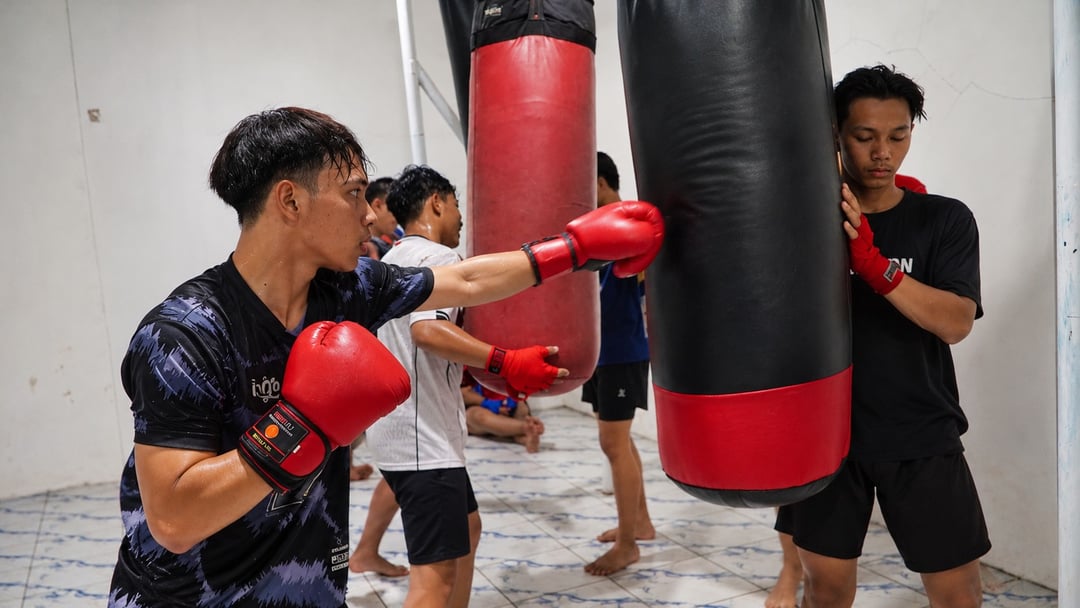
Training at the gym prepares athletes for higher-level competition. A key opportunity to measure the results of this training was the 2026 Central Java XVII Provincial Sports Week (Porprov).
In that event, the Kudus boxing contingent sent seven athletes. Four successfully brought home medals, consisting of three silvers and one bronze.
Arya Julius Fernanda secured a silver medal in the men's elite 75-kilogram division. Two other silver medals were contributed by Johana Aprilia in the women's elite 50-kilogram division and Dewi Syarifah in the 60-kilogram division. Meanwhile, Anggia Tsabita earned a bronze medal in the women's elite 52-kilogram division.
This tally fell short of the projected two gold medals. Nevertheless, the results provided insight into the capabilities of Kudus athletes when facing boxers from various regions.
Suwono stated that the 2026 Porprov offered valuable lessons for both athletes and officials to implement improvements. Evaluations are based not only on medal counts but also on the development of skills and experience gained during the competition.
According to Suwono, mental preparedness remains a critical area for development. Technical mastery and physical conditioning must be balanced with competitive mentality to ensure athletes can withstand the pressures of competition.
In-ring experience is also used as a basis for strategic evaluation. Suwono noted that factors such as an opponent’s height and fighting style can influence positioning, evasion tactics, and the selection of offensive patterns.
These elements are incorporated into future training cycles. Athletes are encouraged to adapt their strategies to match match situations rather than relying solely on pre-learned techniques.
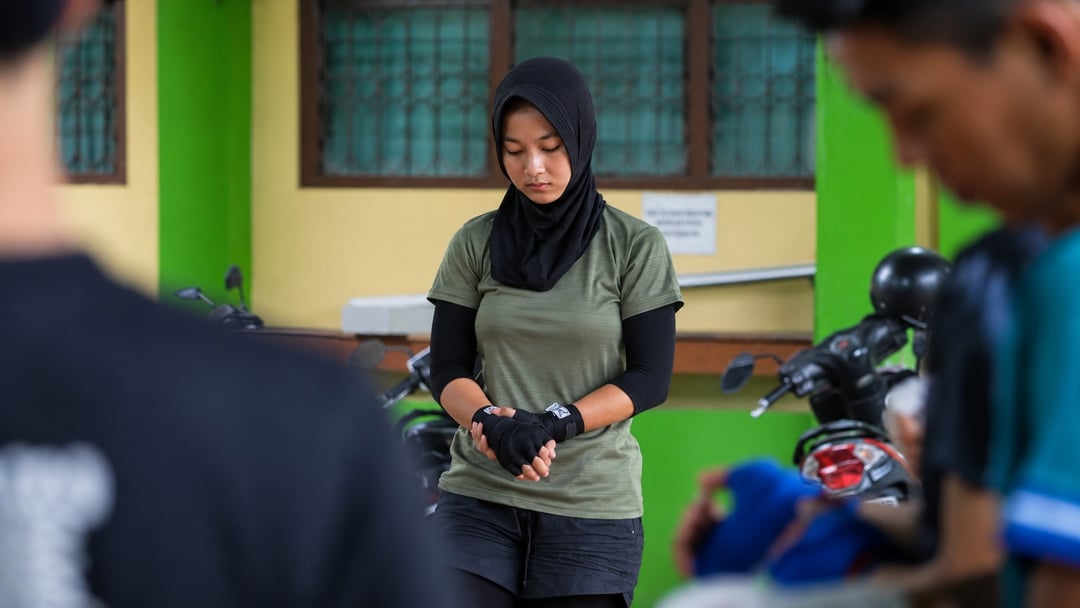
The capture of four medals at the 2026 Provincial Sports Week (Porprov) is serving as a benchmark to refine local athlete development. Focus is now extending beyond experienced competitors to include students showing early interest in boxing.
Suwono remains optimistic about the potential of young athletes in Kudus. Consequently, training is structured in phases to align with each athlete's skill progression. New recruits are directed to master fundamental techniques and conditioning, while seasoned athletes are encouraged to address specific tactical shortcomings identified in competition.
This process demands consistency from both athletes and coaches. Training regimens must be dynamically adjusted to ensure boxers are better prepared when returning to the ring.
The boxing journey also serves as a means for athletes to build confidence and overcome personal physical challenges. Continued family support and expert coaching remain vital to their sustained training.
In the gym, every repetitive motion is part of a broader learning process. Athletes are trained not only to land punches but also to anticipate opponent movements, maintain composure, and execute match strategies. Through this disciplined approach, they are preparing for future competitions with steadily improving skills. (HAS/MKK)