
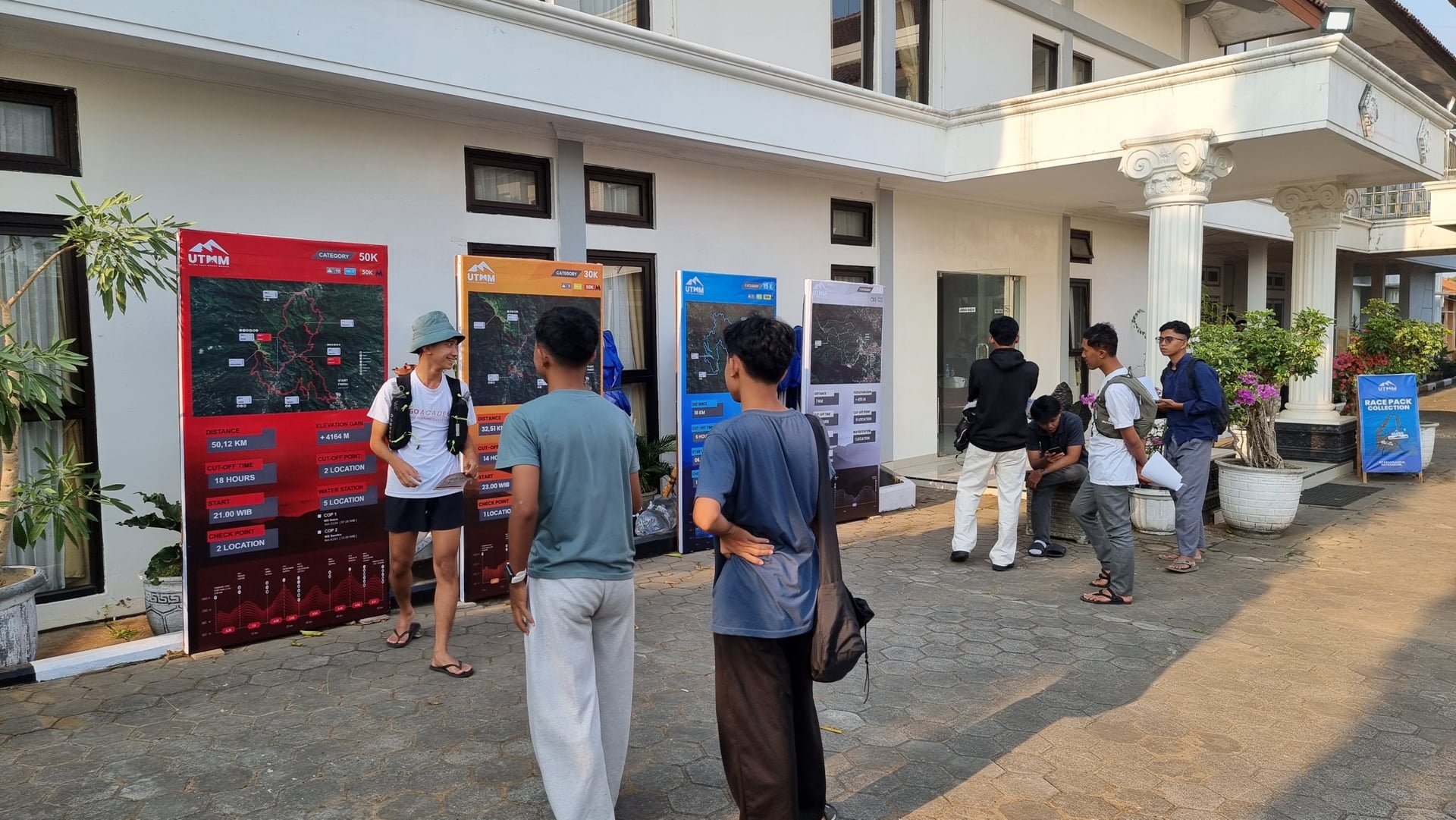
KUDUS – Activity at the Graha Muria Hotel in Colo Village, Dawe, Kudus, has surged as the Ultra Trail Mount Moeria (UTMM) 2026 gets underway. Runners from various regions have arrived at the foothills of Mount Muria to prepare for the race.
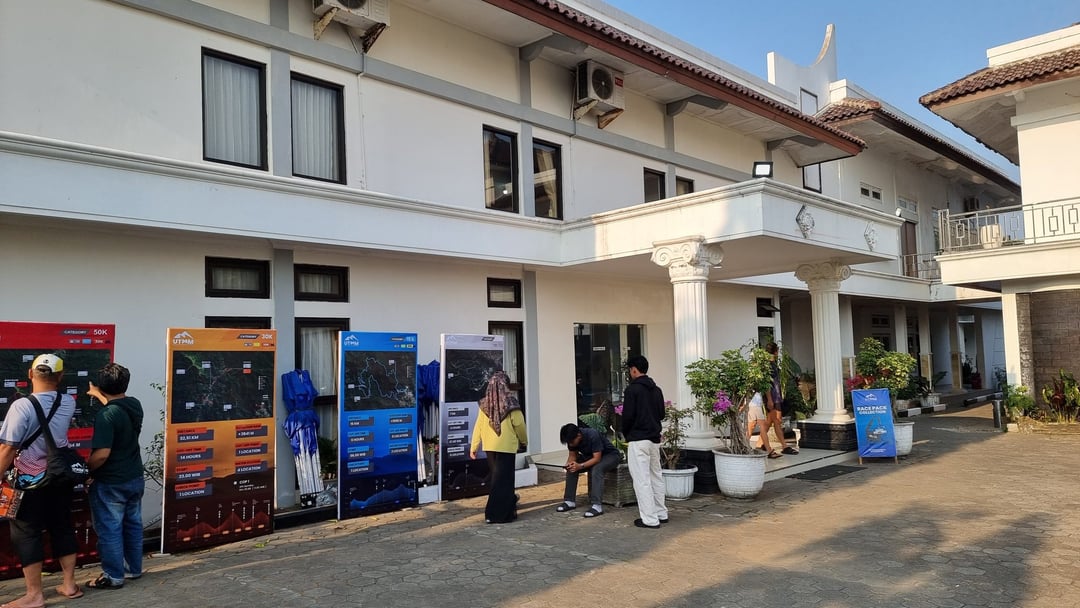
On October 3, 2026, the government-owned hotel, managed by the Colo Tourism Object Technical Implementation Unit (UPT) under the Kudus Culture and Tourism Office (Disbudpar), officially served as the Race Pack Collection (RPC) site for the second day.
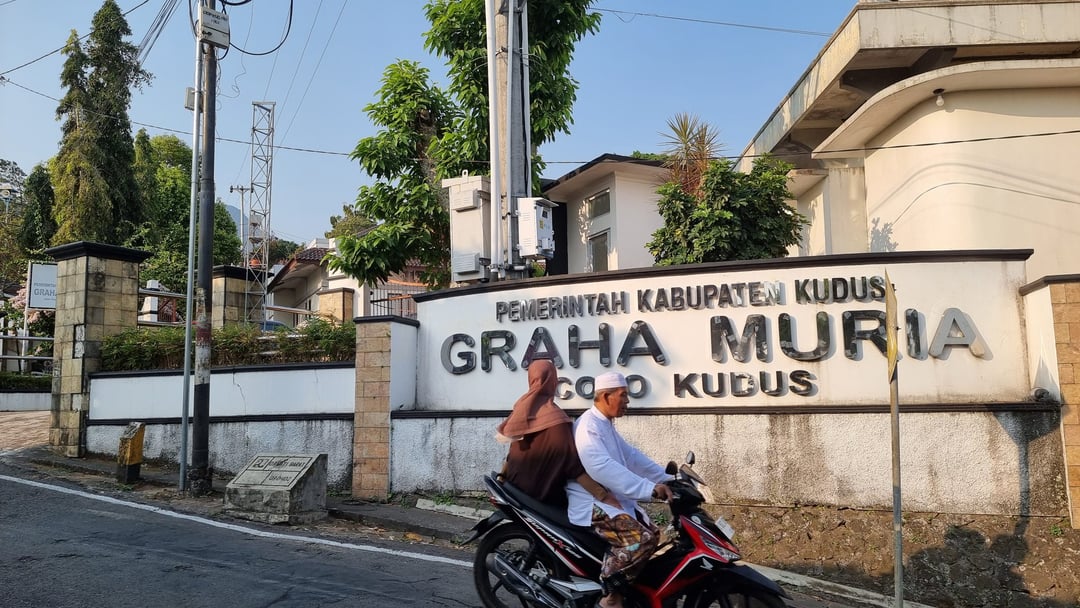
Simultaneously, the hotel is busy accommodating participants, their families, and support staff arriving from out of town. In terms of location, the hotel offers distinct convenience for the runners.
Its proximity to the main event center, including the start and finish lines at D'tjolo Eco Park, is a key advantage. Runners prioritize this location to minimize travel time to the venue, building on its previous role as an RPC site during the 2025 event.
During UTMM 2026, the Graha Muria's functionality has expanded. The hotel’s meeting hall has been transformed into a registration hub where participants complete administrative tasks before collecting their race gear.
The October 3 collection process began with data verification. Runners presented their registration emails or barcodes before proceeding to a health screening station staffed by medical personnel.
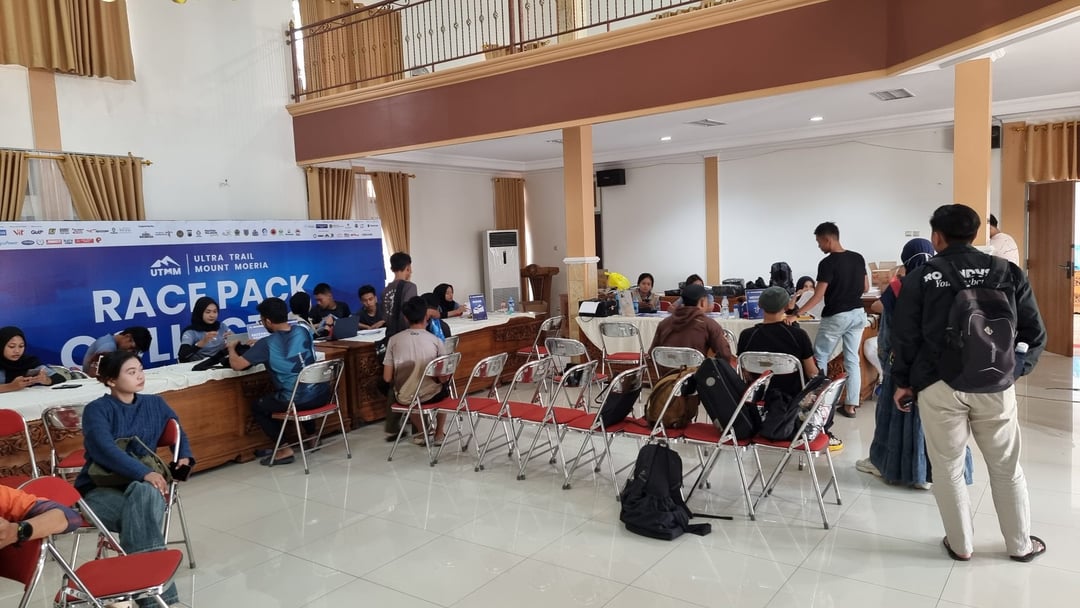
Participants with specific medical histories were issued red wristbands, signaling that they require additional monitoring along the race route. The final step was a mandatory gear check, particularly for 30K and 50K category runners competing at night.
Required equipment includes headlamps, running vests, water bottles, first-aid kits, raincoats, and personal snacks. Once all requirements were verified, participants received their jerseys and race bibs.
UTMM 2026 Event Director Muhammad Yusrul Huda explained that the hotel was selected primarily due to its proximity to the race course.
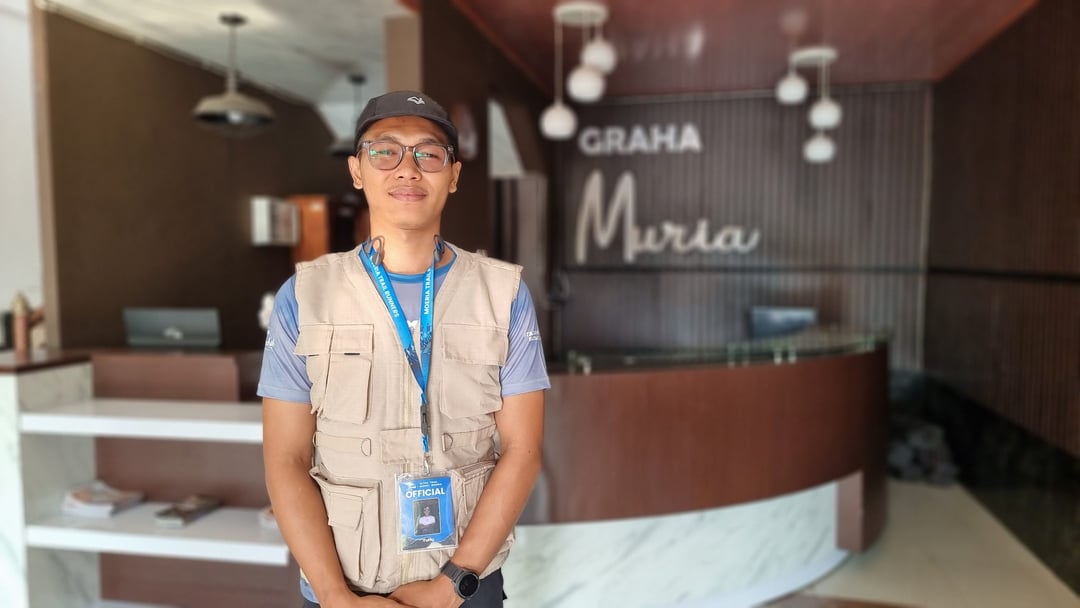
"We selected Graha Muria due to its proximity to the start and finish lines. This location also helps meet the accommodation needs of participants traveling from outside Kudus," Yusrul stated.
The activity in the hall operated alongside standard hotel services, with management acting quickly to implement operational strategies to ensure that both participant activities and general guest comfort remained uninterrupted.
The influx of runners has provided a boost to room occupancy rates. Musrini, an operational staff member at Hotel Graha Muria, noted that all room bookings were handled directly through the event committee.
Reservations were secured approximately three months before the Ultra Trail Mount Moeria (UTMM) 2026 took place.
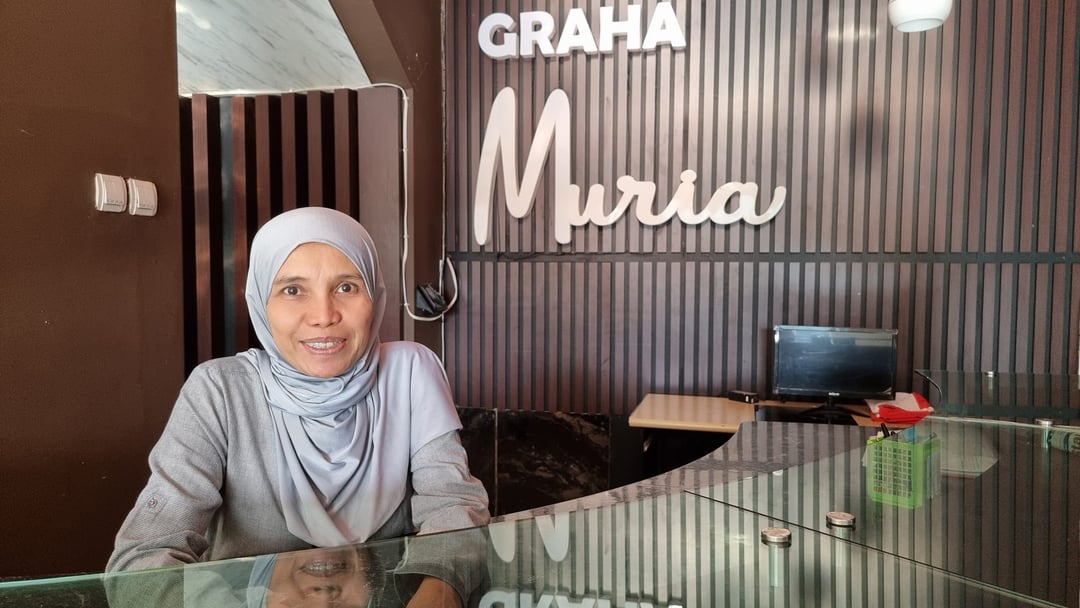
"The committee booked the reservations three months ago. All participant bookings were handled by them," Musrini explained.
As a result, all rooms were fully occupied throughout the event. This situation contrasts with normal days, during which the state-owned lodging typically only serves one or two rooms for regular tourists or pilgrims visiting the Tomb of Sunan Muria.
In addition to the runners, the rooms were occupied by accompanying family members and support staff. Management records show that approximately 60 people, including participants and their relatives, stayed at Graha Muria during the event.
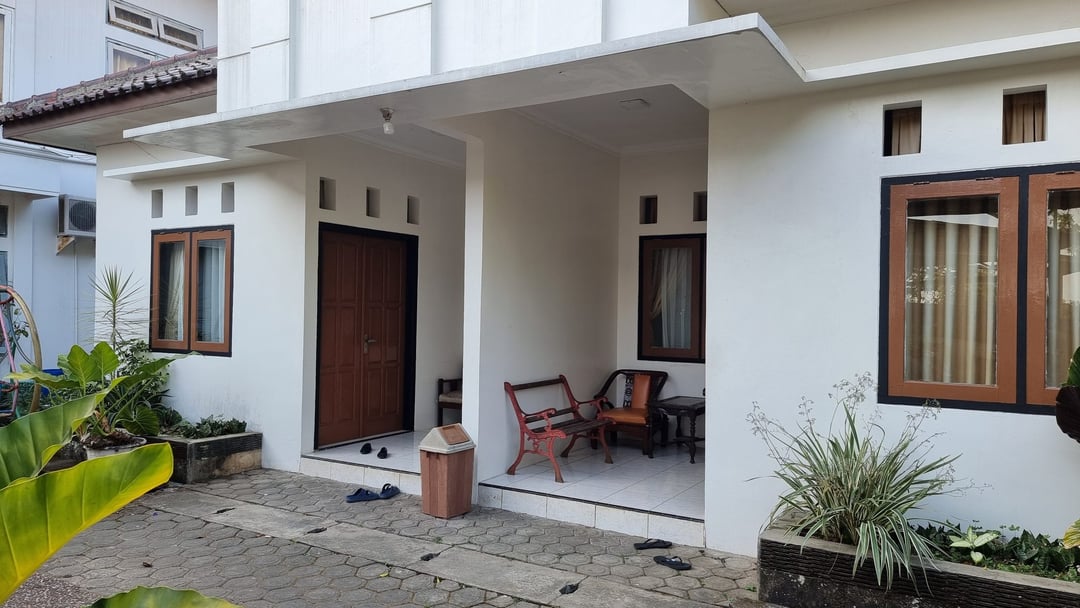
To accommodate guests, Graha Muria provided several flexible lodging options. Notably, rates remained at their standard prices during the UTMM 2026 event, with no markups.
The first option consists of eight main rooms on the second floor. Each has a capacity of two people and features air conditioning, hot water, a television, and views of the mountain landscape, priced at Rp220,000 per night.
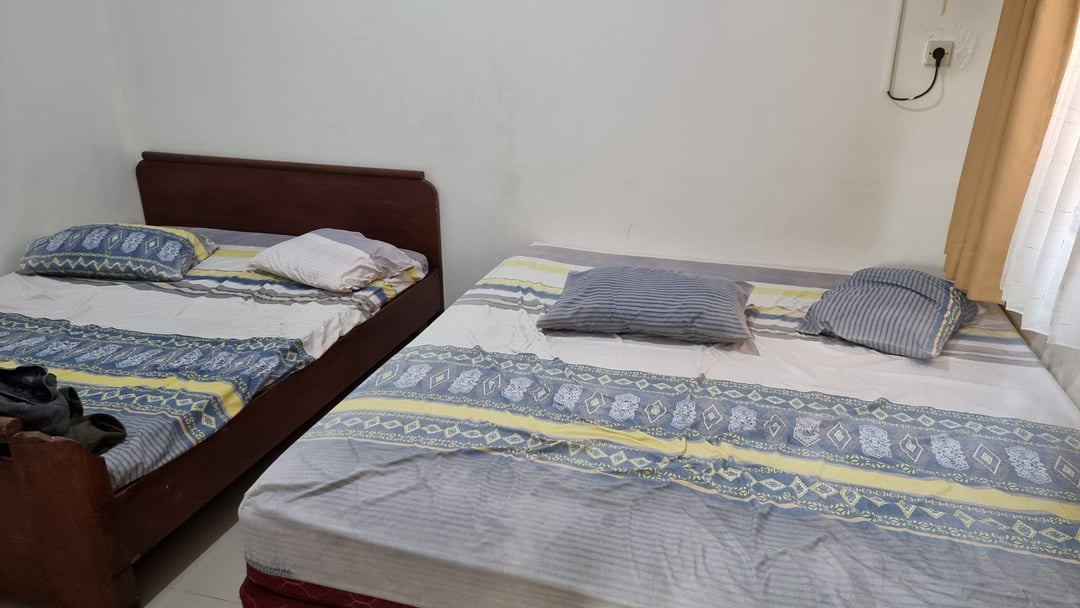
There are also four pavilion units located at the back of the first floor. These rooms have a base capacity of six people and are equipped with fans and en-suite bathrooms, priced at Rp165,000 per night, with the option of an extra bed for an additional Rp35,000.
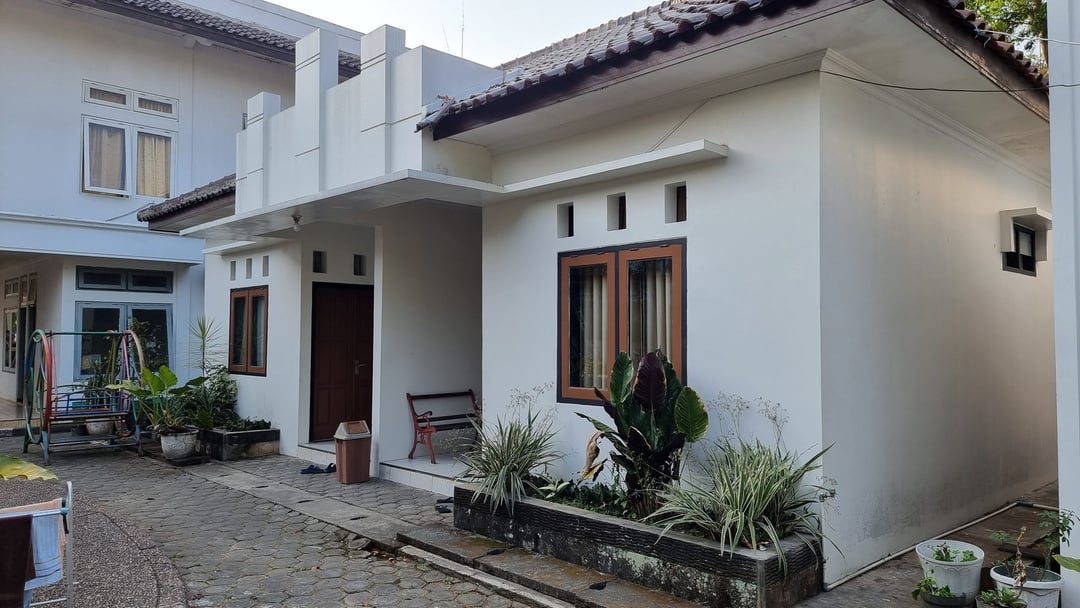
For guests arriving in groups, two dormitory-style room options are available. Dormitory 1 accommodates up to nine people at a rate of Rp275,000 per night, while the larger Dormitory 2 can hold up to 25 people for Rp550,000 per night; both are equipped with fans and private bathrooms.
This variety of capacity options allows guests—whether traveling solo, with family, or in large groups—the flexibility to choose accommodations that suit their individual needs.
Management has not stood idly by in the face of the influx of guests. Thorough preparations were completed well before the runners arrived, ranging from sanitizing rest areas to inspecting supporting facilities.
“We conducted communal cleaning, prepared the rooms, and checked the water supply and capacity to accommodate the high number of guests. We also ensured the infrastructure was ready to support the guests’ needs,” said Musrini.
During the event, accommodations are provided on a room-only basis. The hotel does not include breakfast in the room packages.
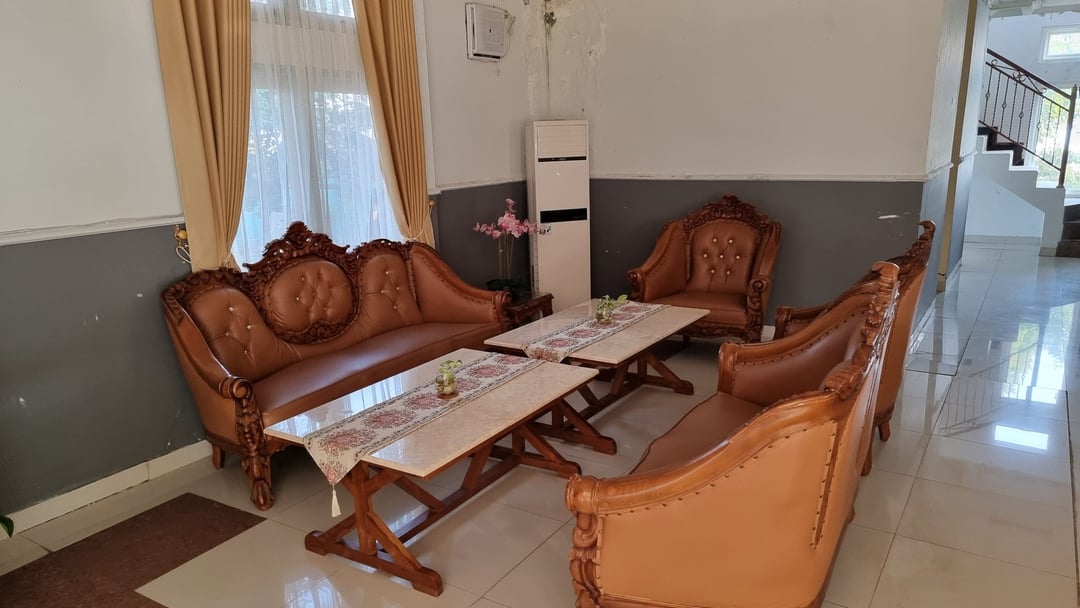
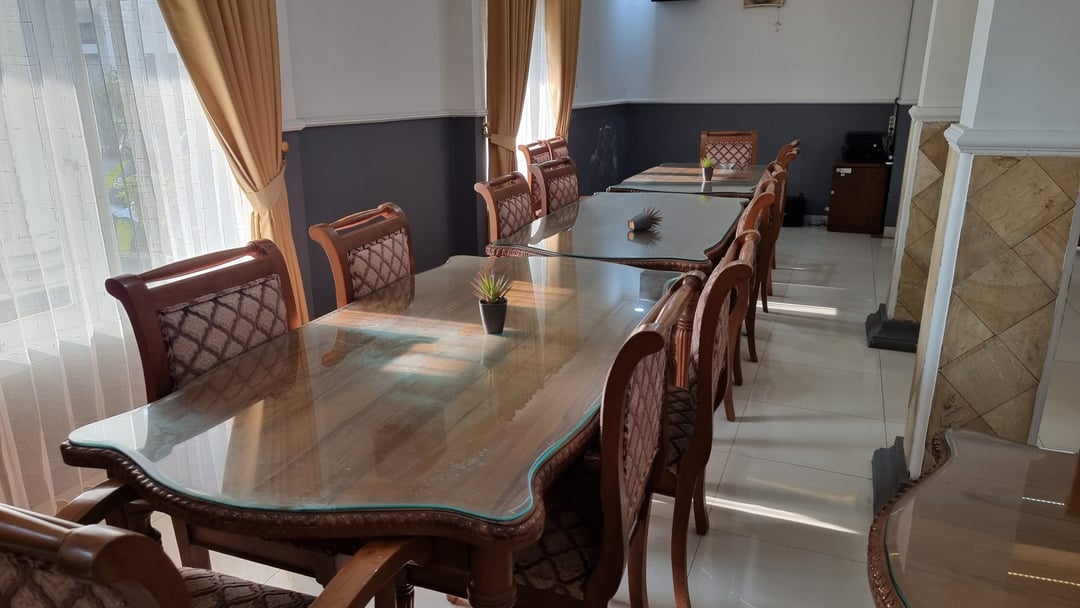
Nevertheless, guests retain full access to common areas, including the office lobby, backyard garden, meeting hall, and ample parking for both motorcycles and cars.
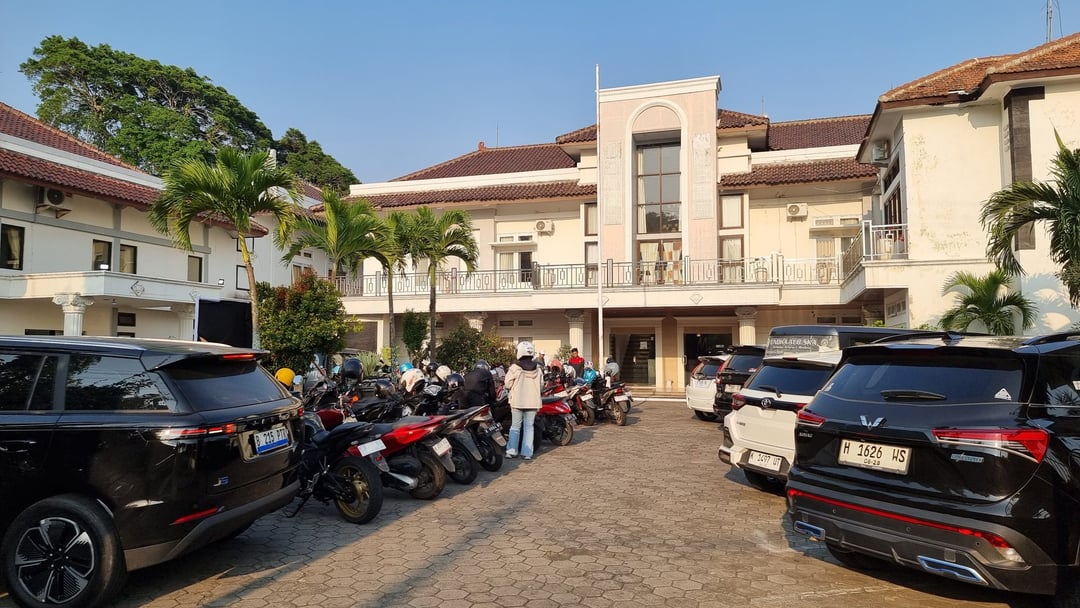
The needs of trail runners are distinct, differing significantly from those of typical tourists or religious pilgrims. They require quality rest and a quiet, private space for complete concentration before the start, particularly those competing in night categories.
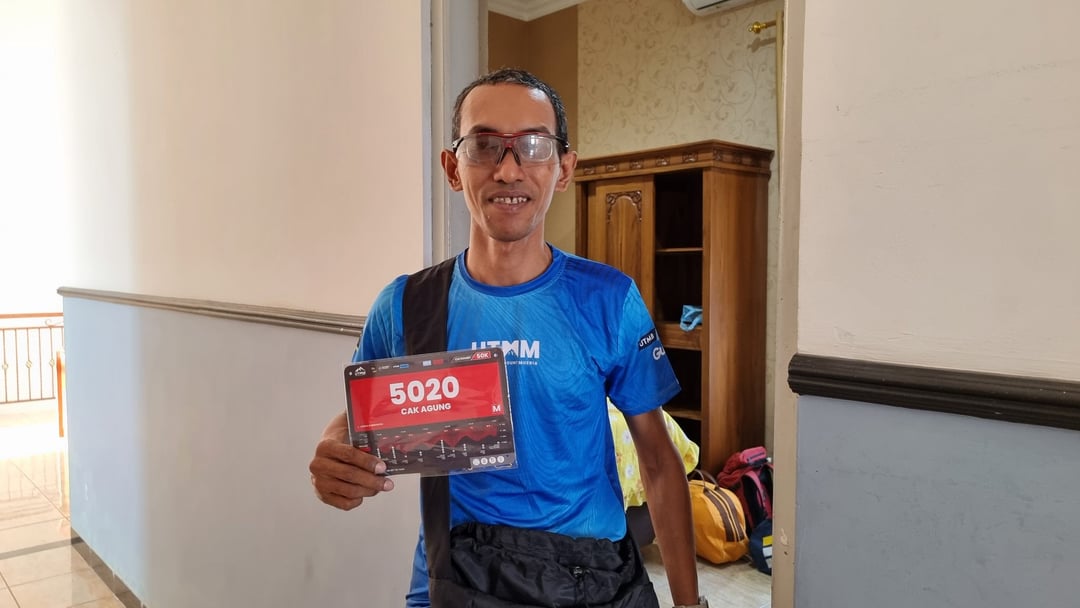
Proximity to the race venue has proven to be a primary draw for participants. This was experienced firsthand by Agung Nugroho, a runner from Gresik, East Java, who brought his wife and children to compete in the 50K category.
For Agung, staying in the Colo area was a tactical move to minimize travel time to the start line. The ultra category's schedule demands extra physical preparedness during the night.
"I stayed overnight because Graha Muria is closer to the venue. The travel time to the start is shorter, allowing me to conserve energy for the ultra category," said Agung.
This decision also spared Agung and his family from the hassle of long-distance travel from outside Colo on race day. After completing the run, he and his family were able to relax and enjoy the Colo atmosphere before returning to Gresik.
For trail runners like Agung, calculating the distance between lodging and the start line is a vital consideration for managing rest and maintaining stamina.
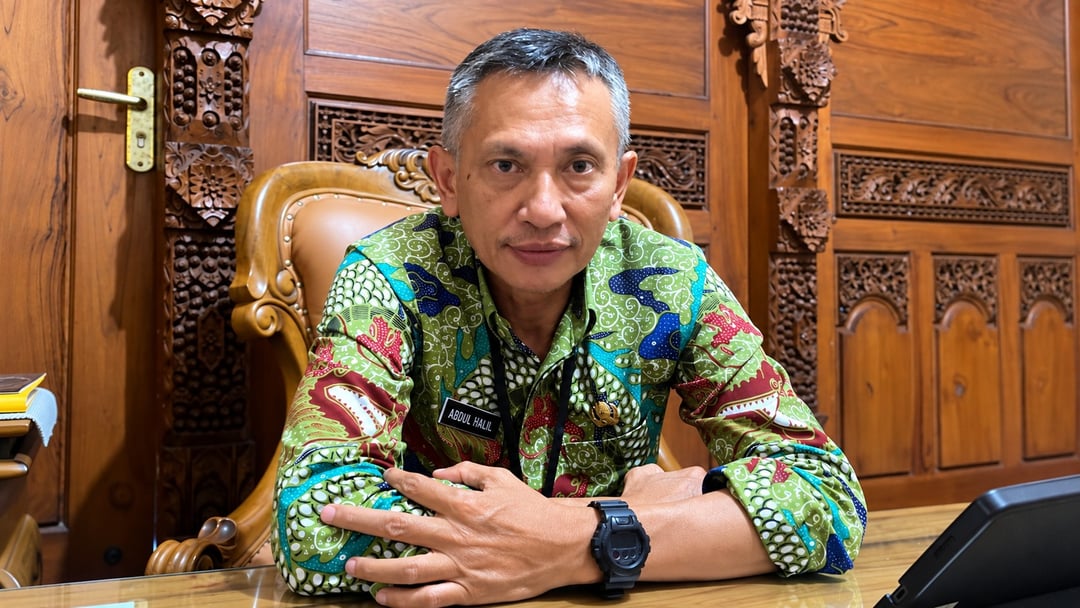
Abdul Halil, Head of the Kudus Regency Culture and Tourism Office, has welcomed the UTMM 2026, expressing hope that the cross-country running event will become a recurring annual fixture in the region.
"We certainly welcome this event and hope it will not be a one-time occurrence, but rather a staple in Kudus for years to come. We also hope it continues to expand, ultimately benefiting the local community by boosting tourism, culinary businesses, and lodging," said Halil.
He added that the local government is committed to maintaining its public facilities to ensure they remain capable of accommodating visitors and participants for both national and international events.
"The condition of the rooms is good. They remain suitable for lodging and ready to support both national and international events," he noted.
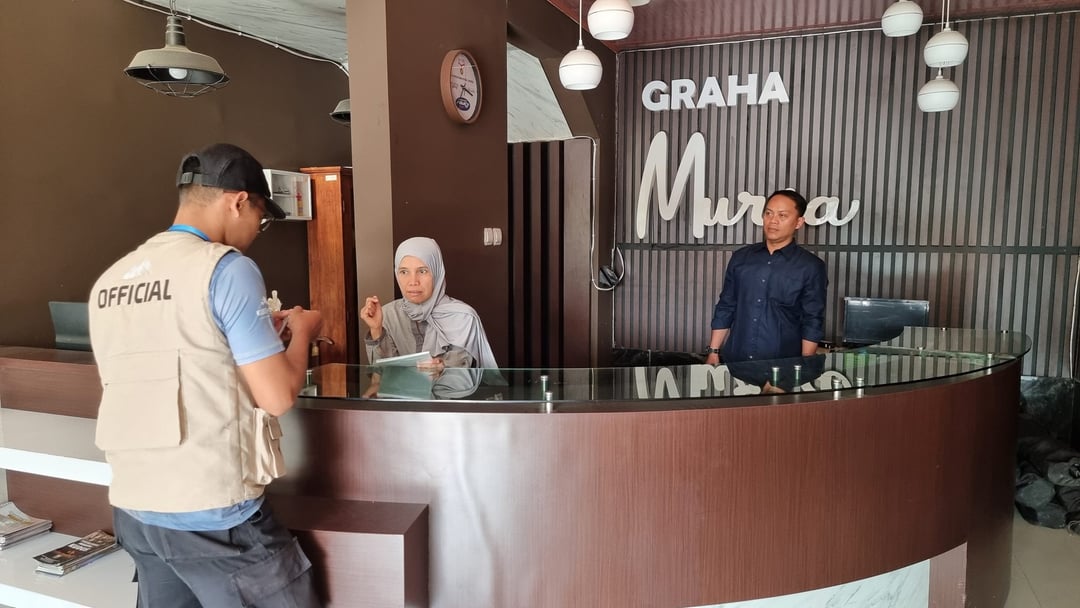
The UTMM 2026 has underscored the importance of Graha Muria, which reached full capacity following thorough preparations. The facility successfully accommodated participants and their entourages arriving from across the region to the slopes of Mount Muria. (JMY/mainkekudus)