
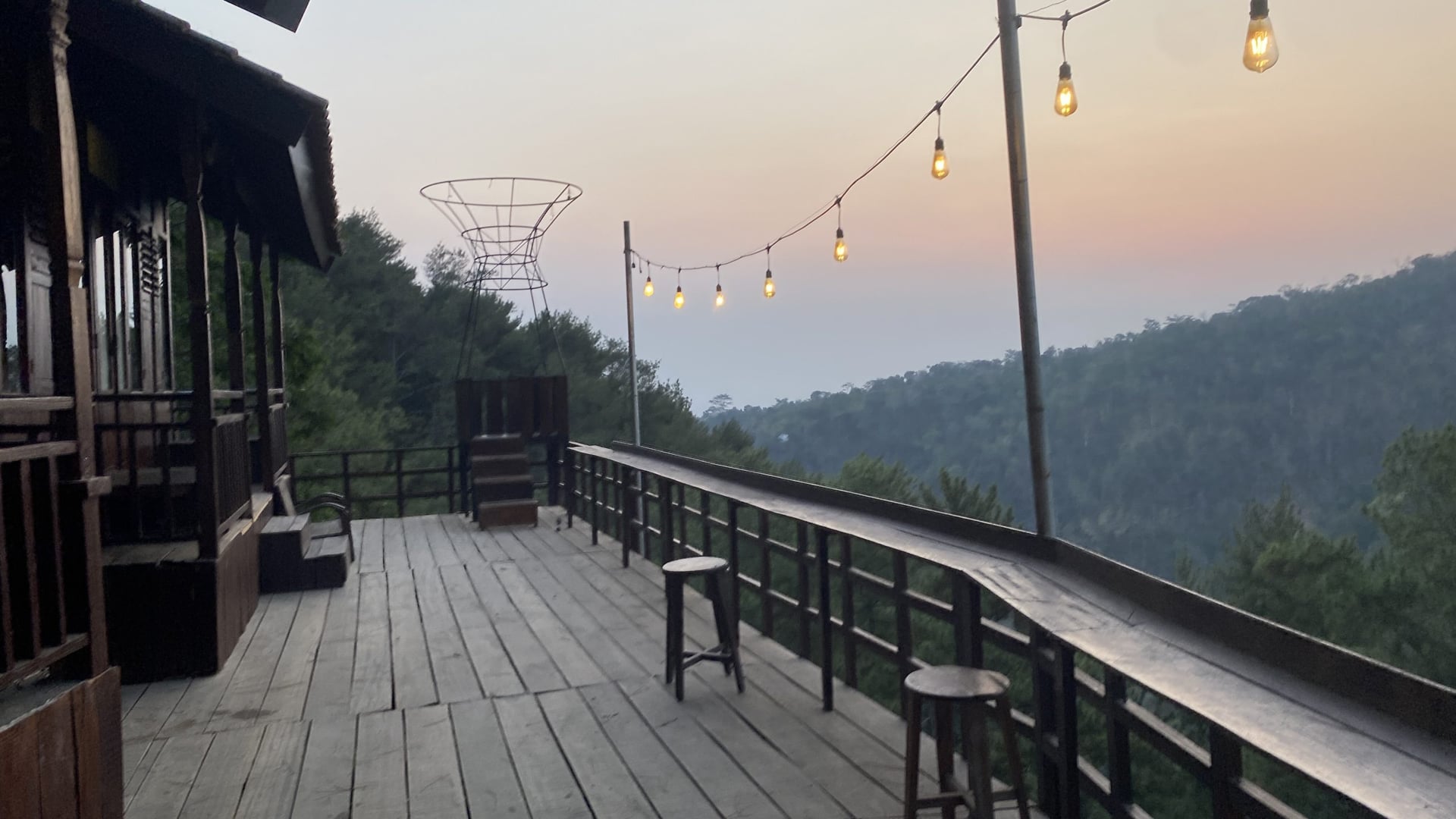
KUDUS – The majority of participants in the Ultra Trail Mount Moeria have opted for accommodations on the mountain slopes near the race venue. To streamline preparations, runners deliberately chose these lodging locations to manage their departure schedules for the starting line and ensure they are well-rested before and after the race.
The influx of participants from various regions annually invigorates the atmosphere around the race area. Logistics such as housing, transport to the venue, nutrition, and rest periods have become critical priorities for runners as they ready themselves for the competition.
Pijar Resort is frequently a preferred lodging choice for event participants. It is evident that the preferences of these runners differ significantly from those of typical tourists. Proximity to the venue remains the primary consideration, especially as start times for various race categories are staggered.
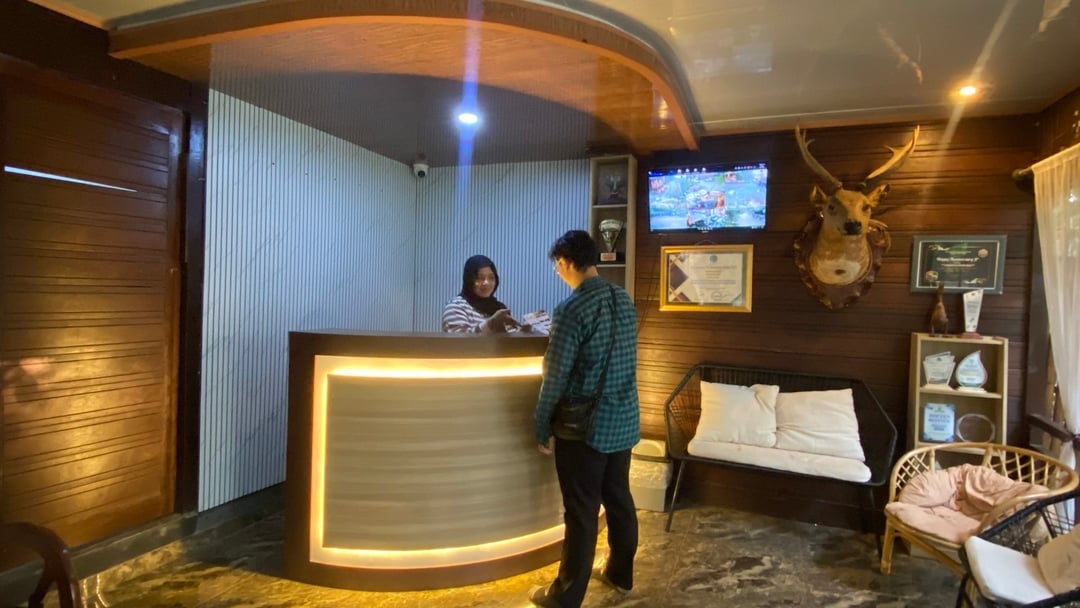
Pijar Park General Manager Pujiharto, widely known as Pak Atok, noted a rise in reservations leading up to UTMM 2026, with some participants booking rooms as early as two weeks prior to the event.
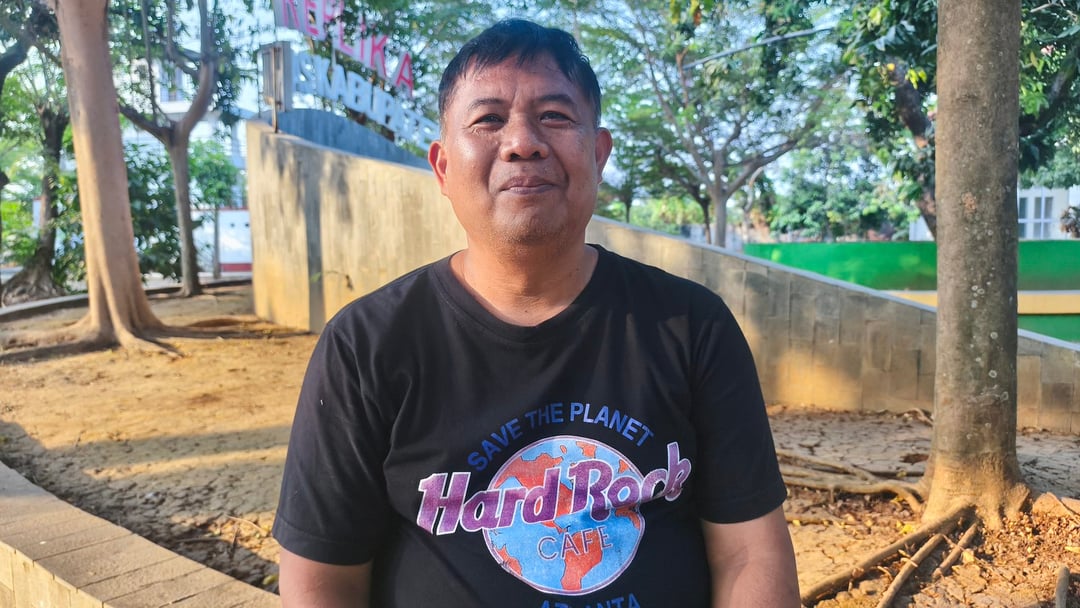
“We have seen an increase in reservations, and we are prioritizing the organizing committee. Several of them have already checked into our resort,” said Pak Atok.
Pijar Resort plans to develop a total of 15 units, with 12 currently ready for occupancy. During regular weekends, the resort typically maintains an 80 percent occupancy rate. For UTMM 2026, roughly 10 room bookings have been recorded from participants, with the potential for that number to rise.
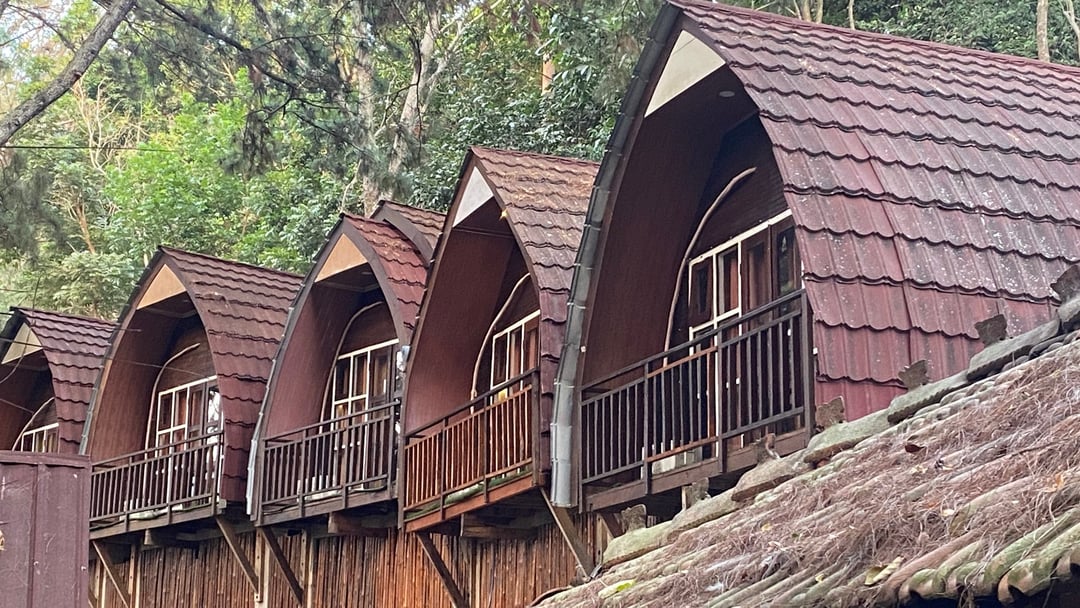
According to Pujiharto, most guests at Pijar Resort in recent years have been from out of town. The UTMM 2026 participants staying at the property arrived from outside Kudus, including cities like Jakarta and Bandung, with an average stay of two nights.
However, this figure represents only a small fraction of the total participants. UTMM 2026 Event Director Muhammad Yusrul Huda stated that the current event has attracted approximately 570 participants from Kudus, various Indonesian cities such as Jakarta and Yogyakarta, as well as three international runners from Belgium, Russia, and Ukraine.
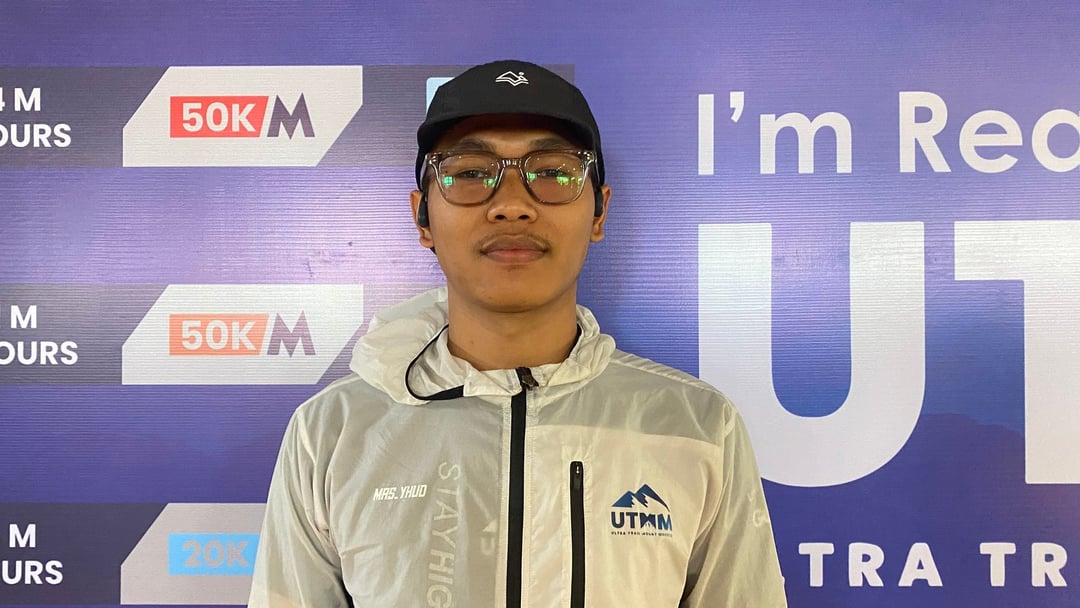
“We have many participants from outside Kudus, Jakarta, and even abroad. There are three international runners from Belgium, Russia, and Ukraine,” Yusrul said.
Some participants were observed arriving in Kudus as early as Friday. To facilitate movement, the committee has provided transportation support, including a shuttle service to transport participants directly from stations and airports to the venue.
Participants are staying at various locations throughout the Colo area rather than a single site. In addition to Pijar Resort, many are opting for Graha Muria Colo or local homestays. The committee intentionally collaborated with these lodging providers to offer participants a wide range of comfortable accommodation options throughout the event.
For trail runners, the distance between their accommodation and the starting line is always a key factor in pre-race planning. Travel time to the venue must be carefully aligned with the start times for each category.
Pijar Park Resort front office representative Ulwana Alifia noted that guests frequently inquire about routes and transportation options to the event site.
From Pijar Resort, the venue is relatively close, situated about two kilometers away with a travel time of less than 10 minutes under normal conditions.

However, runners are reminded that they cannot rely on ride-hailing apps to reach the location. The resort staff recommends using local motorcycle taxis instead.
“Online ride-hailing services are restricted in that area, so they must use the local motorcycle taxis,” Ulwana explained.
This information is crucial, especially for out-of-town participants unfamiliar with the transportation dynamics in the Muria region. Staying near the venue effectively reduces travel time, ensuring runners do not have to rush before the start.
These practical considerations also informed the decision of Shintya Wulandari, a 50-kilometer category participant from Bekasi, to book her stay directly within the Muria area.
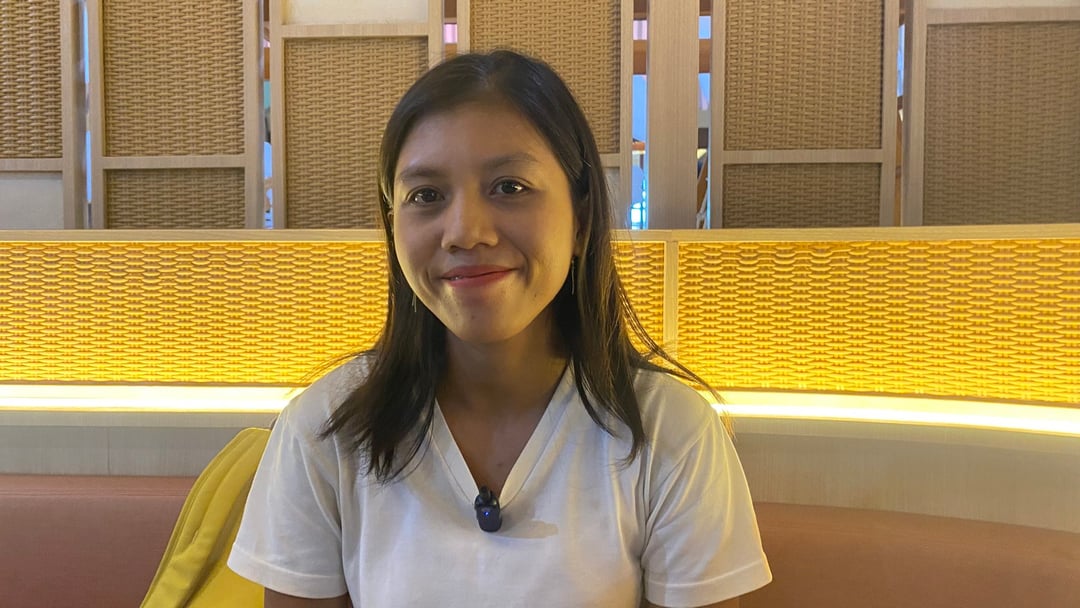
"Being closer to the venue makes it more flexible to reach the starting line," she said.
Cynthia arrived in Kudus by bus this morning and is scheduled to remain in the city until Sunday before returning to Bekasi.
For her, choosing accommodation near the starting point is essential for calm, pre-race preparation.
"I think it's important because the closer you are, the better you can prepare for whatever you need, and you won't be rushed getting to the start," she explained.
After navigating challenging mountain trails, her recovery needs are simple but vital. She says hot water and a comfortable bed are the primary requirements for her lodging.
"Since the race is in the mountains, my main needs are a place with hot water and a proper bed," she added.
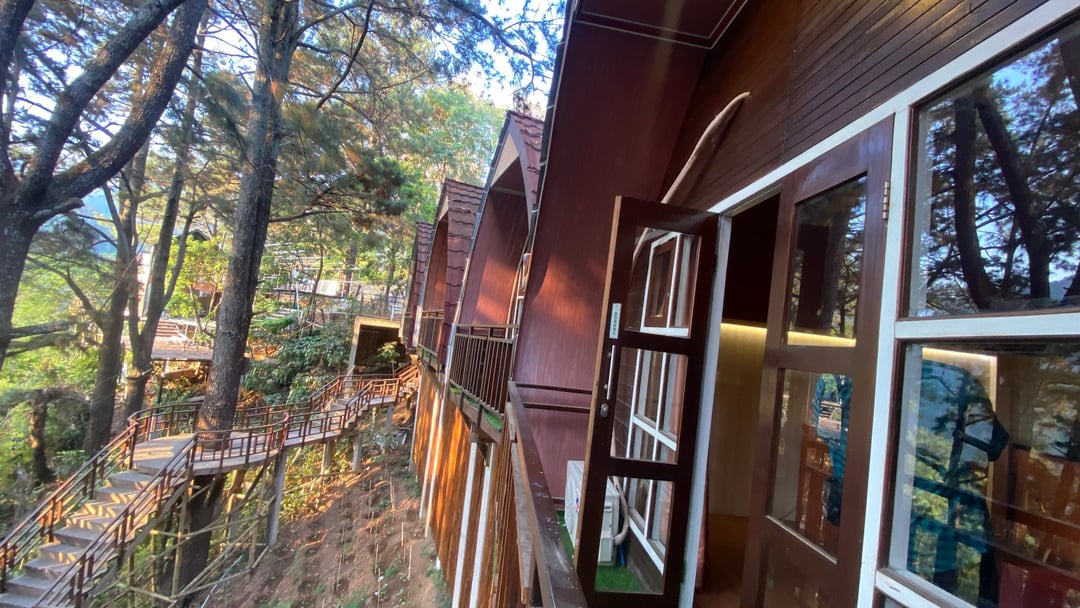
Hosting sporting events in the Muria region requires accommodations that cater to participants' specific needs, including proximity to the venue, transportation access, and recovery facilities.
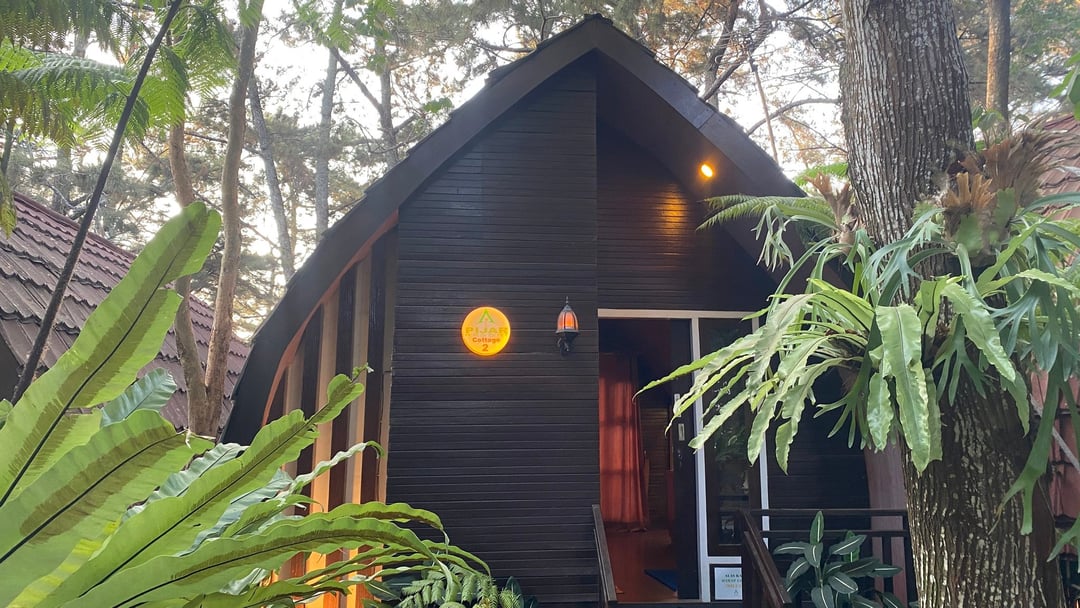
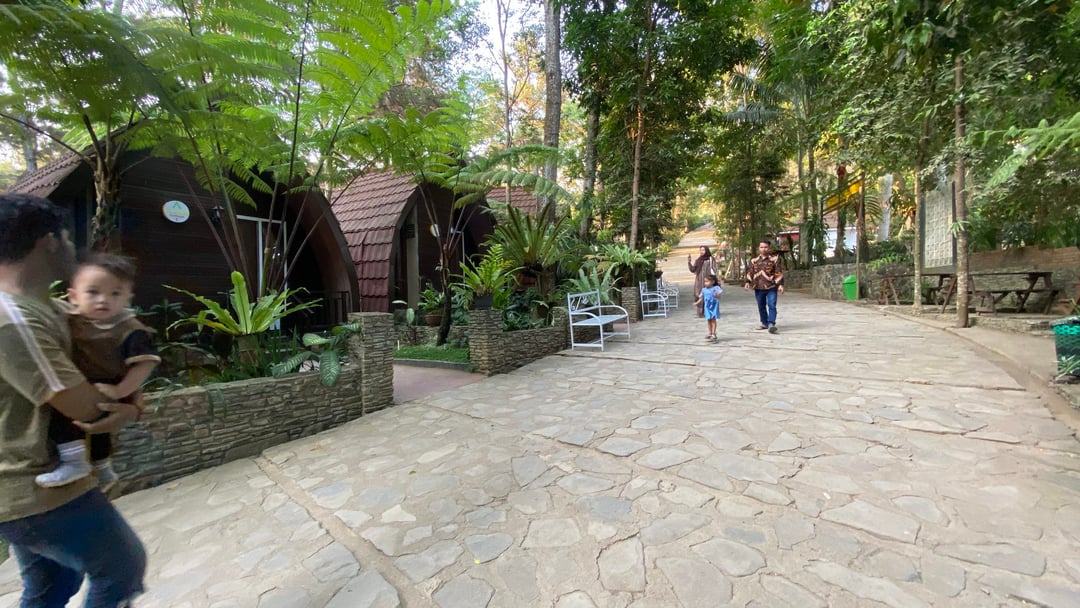
Pijar Resort is among the properties hosting participants for the 2026 Ultra Trail Mount Moeria. Located in the Pijar Park area, the resort currently operates 12 of its planned 15 units.
Lodging options include pine forest treehouses, cottages, and larger villas. Weekend rates range from Rp600,000 to Rp1.5 million, depending on the unit type.
The resort has further supported the event by offering special discounts of up to 50 percent on select rooms for UTMM 2026 participants.
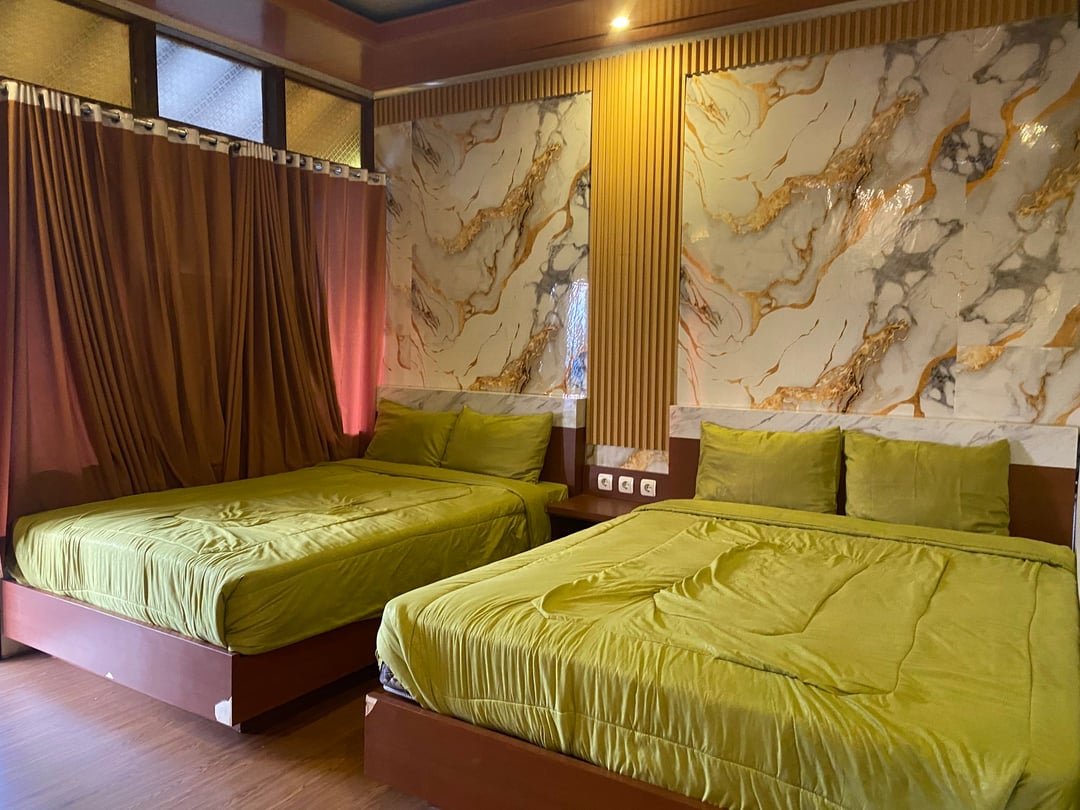
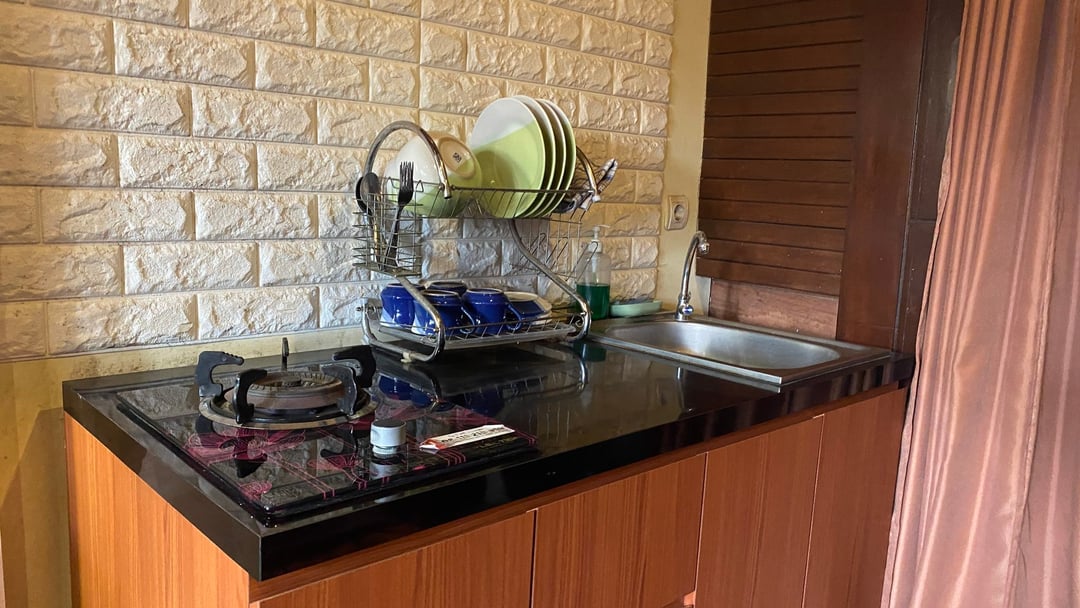
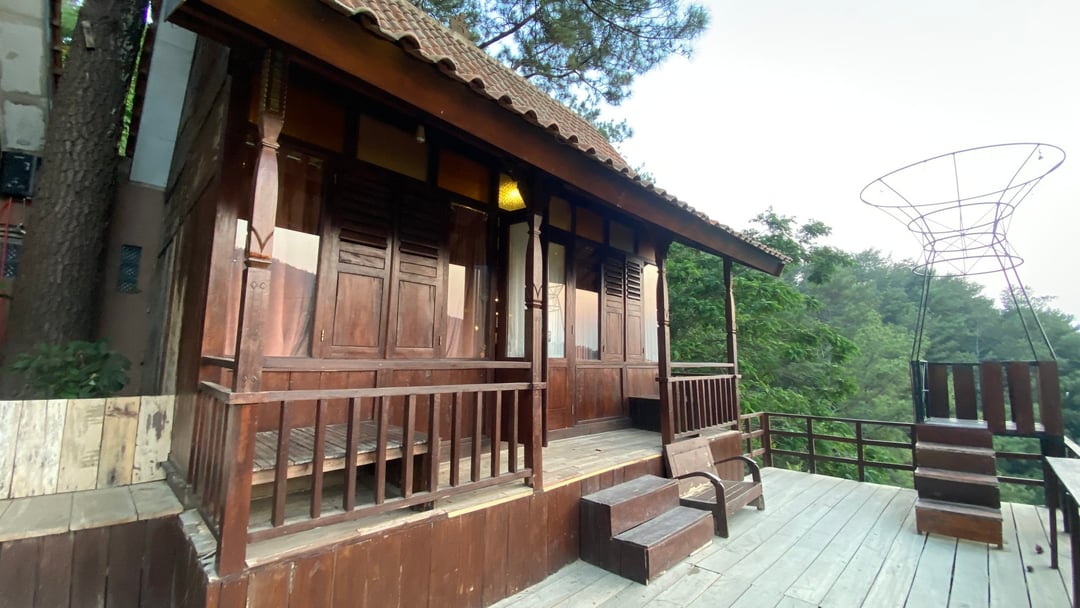
These offerings represent an adjustment by the accommodation sector to better serve participants of sporting events. Runners arriving from out of town require lodging prior to the competition, along with relatively easy access to the venue.
However, support for participants does not always require services distinct from those offered to regular guests. Pijar Park Resort front office representative Ulwana Alifia stated that, to date, there have been no specific requests for early check-ins, late check-outs, or early breakfast services.
Management has also not received requests for special facilities to store or clean gear post-race. Even participants in the 30-kilometer and 50-kilometer categories, who have night-time race starts, have not requested additional services.
Their needs remain centered on the basics to support preparation and recovery, such as comfortable beds, warm water, proximity to the venue, and transportation access.
Pijar Resort provides 24-hour service, with a team on standby to assist guests during the night. Check-in and check-out times remain set to standard policy at 2:00 p.m. and 12:00 p.m. the following day, respectively.
The presence of UTMM 2026 participants highlights how the accommodation sector serves as a crucial part of a sporting event's support ecosystem. It is not merely about providing rooms, but also ensuring participants have a place to rest and adequate access during the competition in Kudus.
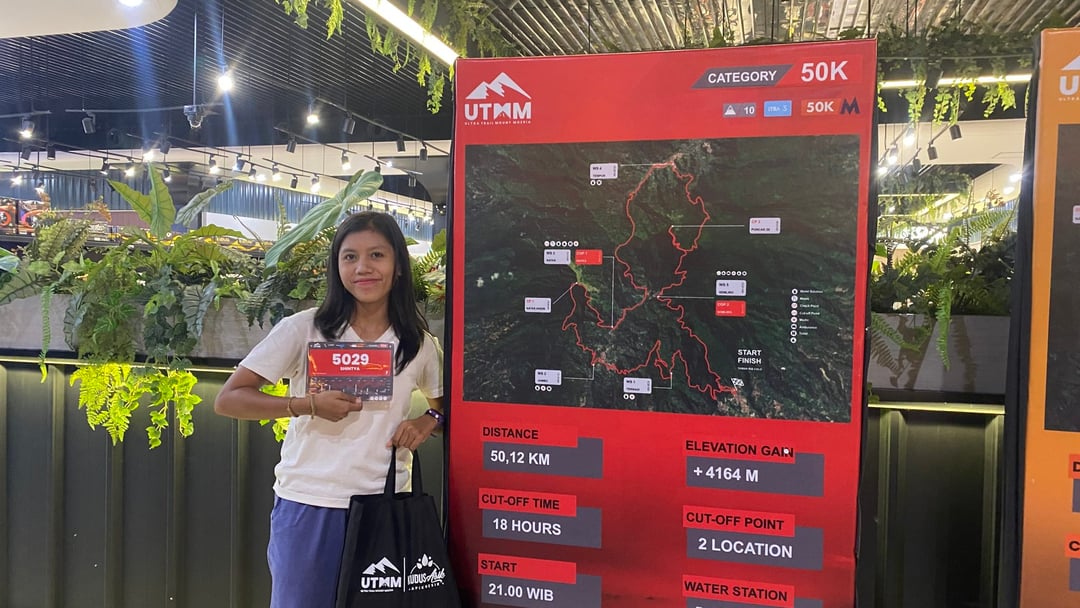
For most participants, the trip to Kudus is dedicated entirely to the challenge of the trail. Shintya Wulandari, a runner from Bekasi, exemplifies how athletes maintain full focus leading up to the starting line.
Nevertheless, Cynthia’s visit to the Muria region was not her first. Two weeks before the race, she arrived early with friends to explore the beauty of Natas Angin peak, enjoy local culinary delights, and purchase Kudus’ signature jenang souvenirs.
However, once race day arrived, her priorities shifted drastically.
"Only for the Ultra Trail Mount Muria 2026," she said firmly regarding her agenda.
After conquering the extreme mountain route on Sunday afternoon, she opted to head straight home to Bekasi for recovery.
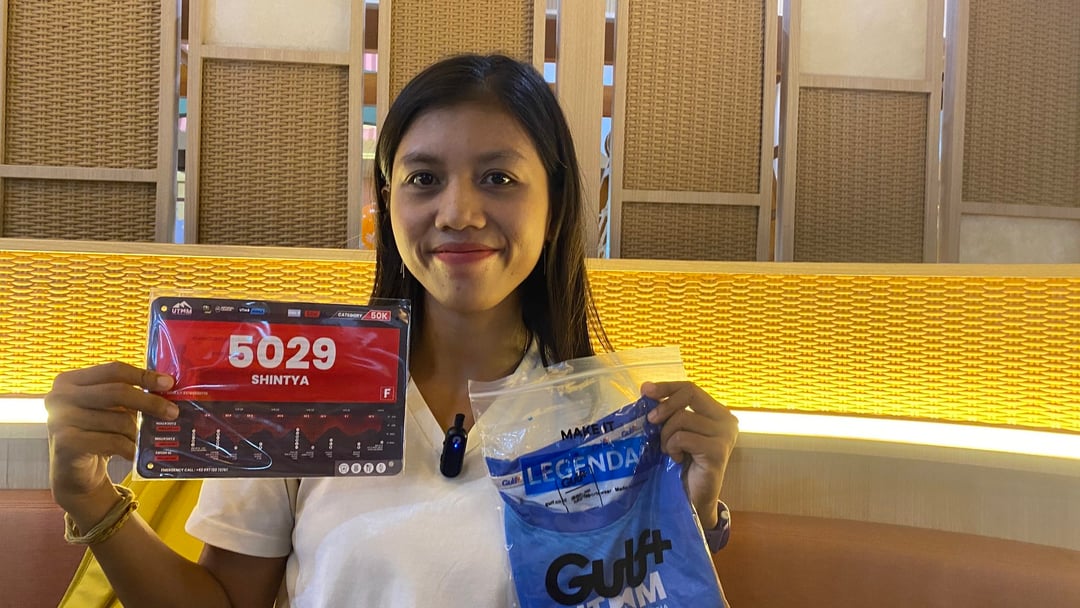
Nevertheless, even this brief visit leaves a tangible economic impact. During stays of one to two nights, runners actively stimulate the local economy, ranging from seeking out traditional culinary delights and utilizing local transport to purchasing race-day supplies.
Local tourism operators have been quick to capitalize on these opportunities. Pijar Resort has begun offering leisure activities, such as jeep adventures for post-race recovery, while event organizers continue to promote the region’s top culinary and tourist destinations.
Ultimately, this sporting event does more than foster a competitive atmosphere; it encourages runners to explore Kudus's hidden charms during future visits.
For the Colo region, the arrival of UTMM 2026 participants has introduced a new demographic of visitors with a profile entirely distinct from the traditional tourists typically seen in the area.
Historically, Colo has been synonymous with religious tourism and pilgrims. The addition of sporting events offers a compelling new reason to visit, while simultaneously driving demand for a broader range of accommodations, transportation, dining options, and support services.
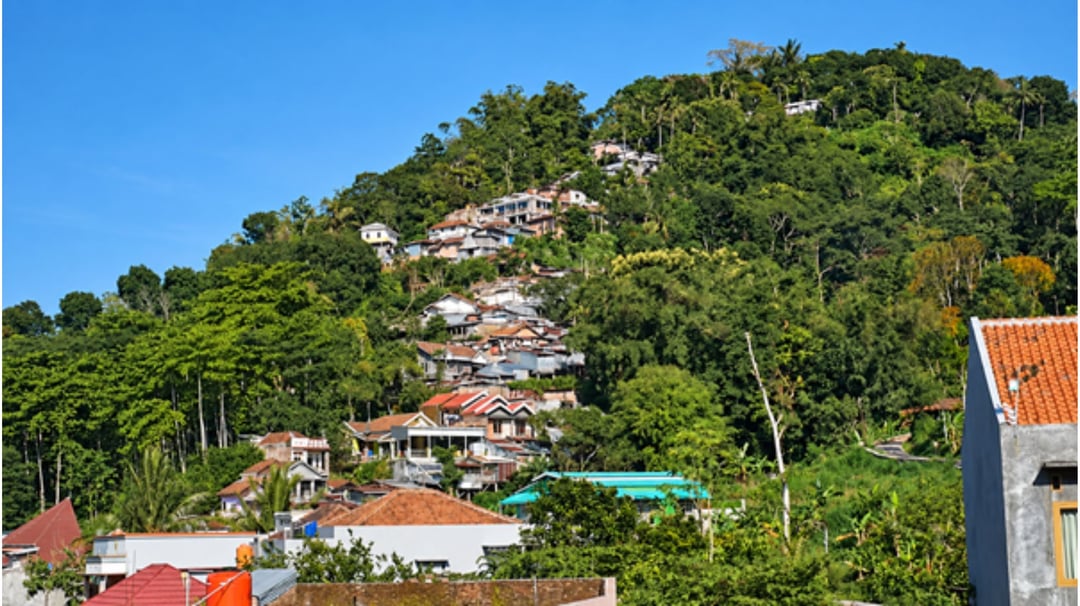
Yusrul noted that UTMM 2026 has successfully diversified tourism in Colo.
"We are typically visited only by pilgrims, often concentrated in specific months. This event brings a more varied crowd to Colo beyond just those on religious journeys," he said.
Participants' activities extended well beyond their accommodations. While in the Muria area, they made use of local transport, sought out dining establishments, purchased race equipment, and traveled with family and groups.
Pijar Resort emerged as a key hub during the event, working alongside other hotels, homestays, transport providers, dining centers, and local businesses.
Pujiharto hopes the UTMM 2026 will become an annual fixture, ensuring that the tourism and hospitality sectors continue to benefit from the wave of visitors drawn by major sporting agendas.
"We see this as a highly positive event that should be sustained in the coming years. It boosts the hotel and tourism industries, helping to further promote Kudus," he said.
While some participants, such as Cynthia, chose to return immediately to Bekasi after the race, this dedication reflects the athletes' intense focus on their competition goals. Pijar Resort welcomed every guest, despite the average stay remaining limited to one or two nights.
In this short period, the presence of these runners has effectively stimulated the local economy, spanning the accommodation, transportation, culinary, and various service sectors.
Opportunities for extended tourism remain abundant. Organizers have curated a list of top local culinary recommendations and destinations, while accommodation providers actively promote various activities in the Muria region.
For participants with additional time, these visits provide an opportunity to explore the scenic charms of Kudus beyond the competition schedule.
Ultimately, UTMM 2026 has brought new vitality to the Muria region. From athletes opting to stay near the venue to the utilization of local transportation and regional services, the event successfully drove local economic activity. Moving forward, the potential for tourism growth remains high as participants continue to show interest in the beauty of Kudus. (ITN/OEB/YSR/mainkekudus)