
While the final whistle signals the end of a match, the journey for hundreds of young athletes competing in the HYDROPLUS Soccer League All Stars 2025/2026 continues well beyond the pitch.
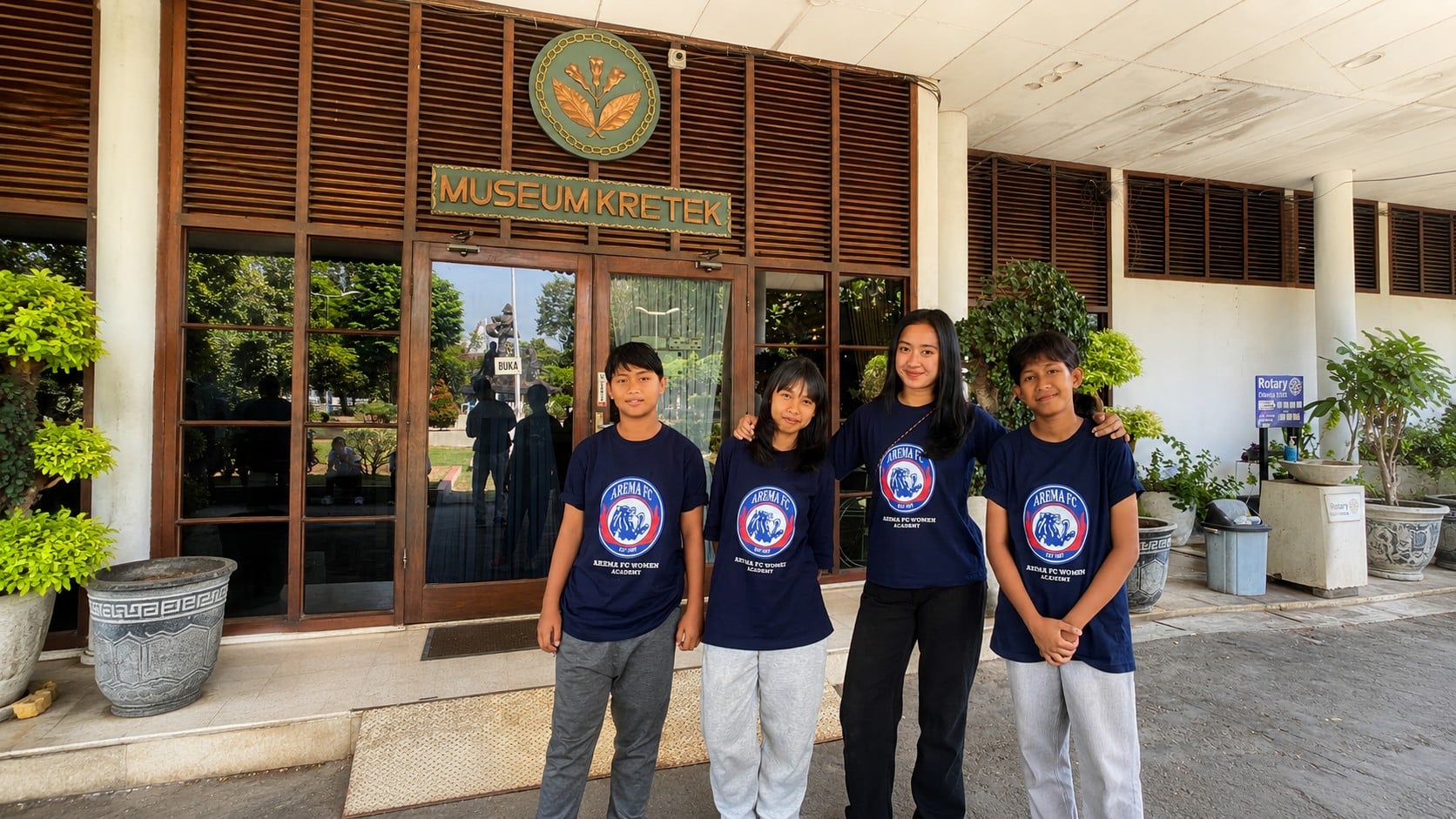
Between training sessions, matches, and recovery, participants discovered the multifaceted character of their host city. Beyond the football fields, they encountered preserved historical sites, local culinary delights, the warmth of the community, and personal connections that made the city feel like home.
Kudus emerged not just as a competition venue, but as a memorable experience to take home. Although sport was the primary motivation for their visit, the athletes were encouraged to explore the city's unique cultural landscape during their stay.
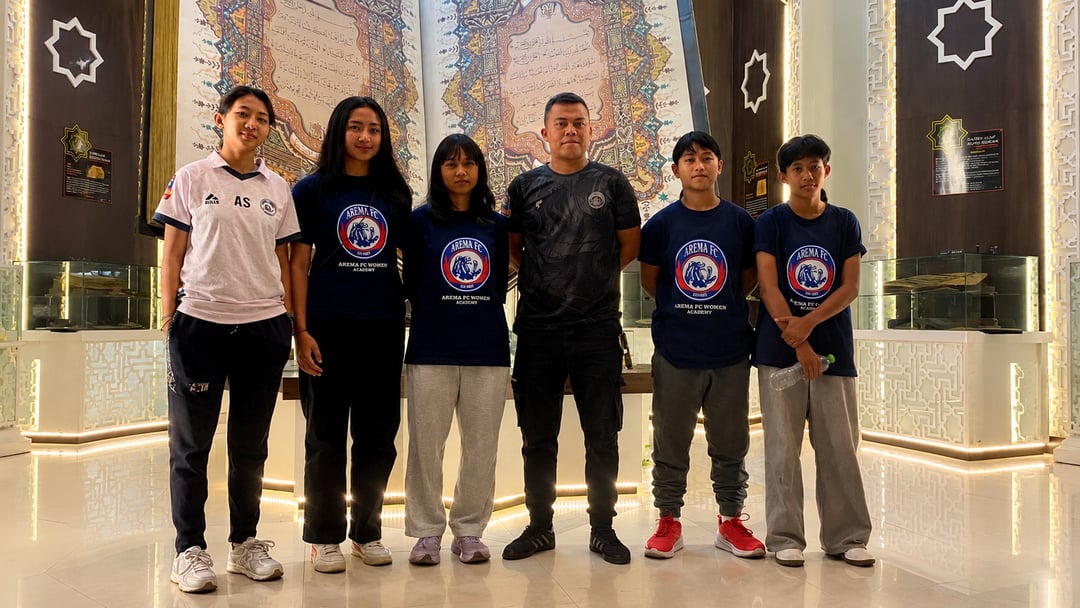
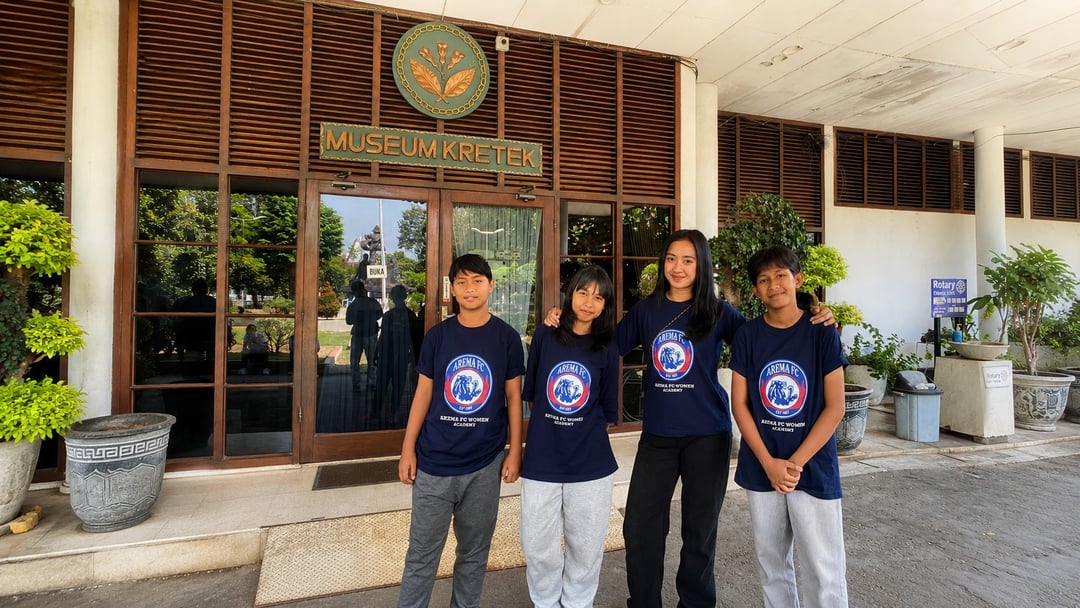
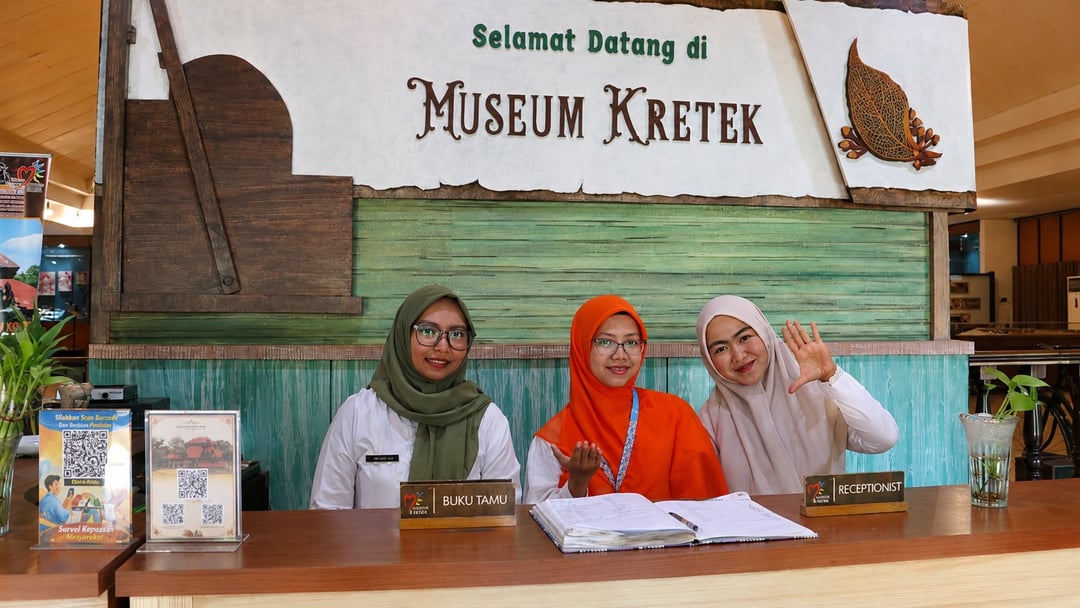
Visits to the Kretek Museum, the Kudus Tower, the Jenang Museum, PB Djarum, and the Plant Breeding Center (PPT) illustrated that a city is defined as much by its heritage and community life as it is by its sporting infrastructure.
For many of these athletes, the excursion provided their first opportunity to experience the true identity of Kudus.
Abdul Halil, Head of the Kudus Regency Culture and Tourism Office, stated that hosting the HYDROPLUS Soccer League All Stars 2025/2026 demonstrated how sports can catalyze development in other sectors, particularly tourism and the local economy.
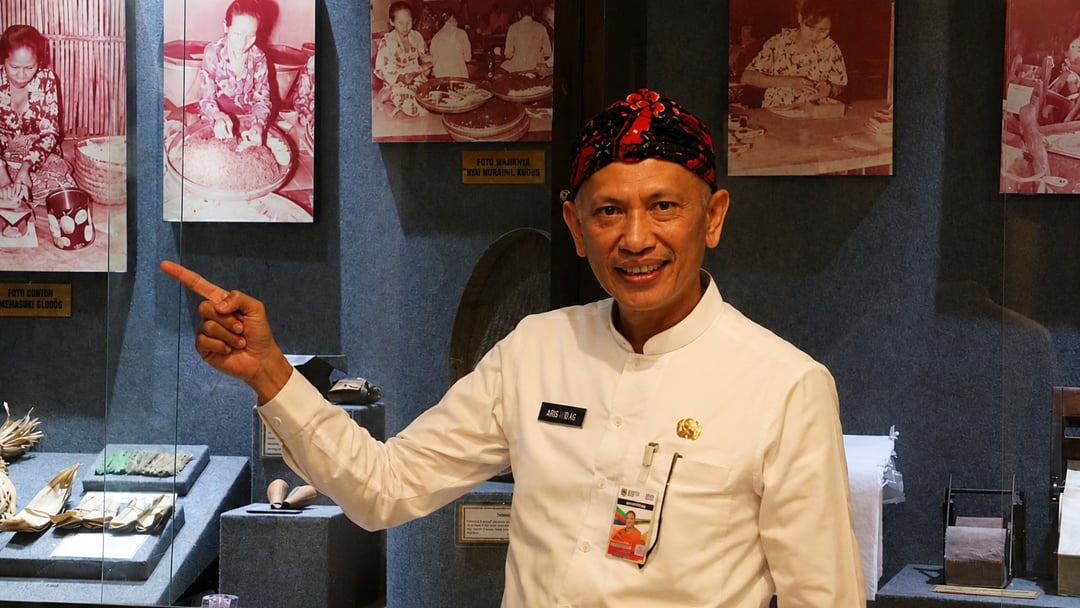
He noted that the presence of thousands of athletes, officials, and families from various regions has provided direct economic benefits to local businesses.
“Sports tourism events like the Hydroplus Soccer League All Stars elevate the profile of Kudus Regency by placing the region under the national spotlight. Naturally, this also stimulates tourism, which creates a multiplier effect for the local economy,” he said on Thursday (7/9/2026).
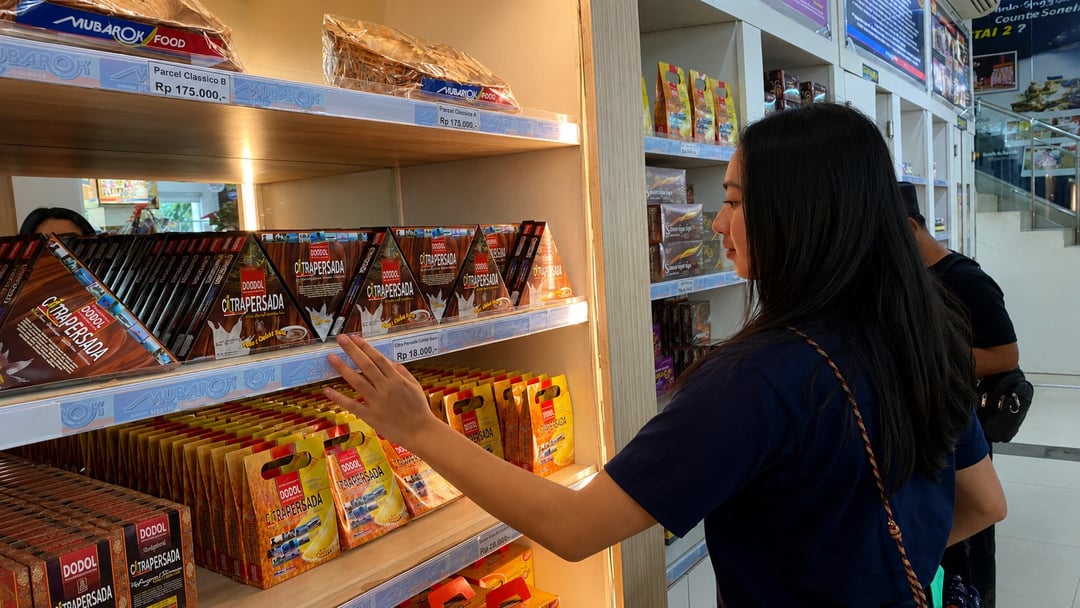
The impact is evident across various sectors. Hotels and homestays have seen an influx of guests, while restaurants and culinary hubs are busier than usual. Transport providers are reporting increased passenger numbers, and local gift shops and small businesses are also benefiting from the rise in visitors during the competition.
However, for Halil, a region's success as a sports tourism destination is measured by more than just visitor numbers.
Far more critical, he says, is whether guests have a reason to return long after the final whistle. “A city is truly successful when participants want to return outside of match schedules for leisure, to enjoy the local culinary scene, buy souvenirs, or even bring their families to Kudus,” he noted.
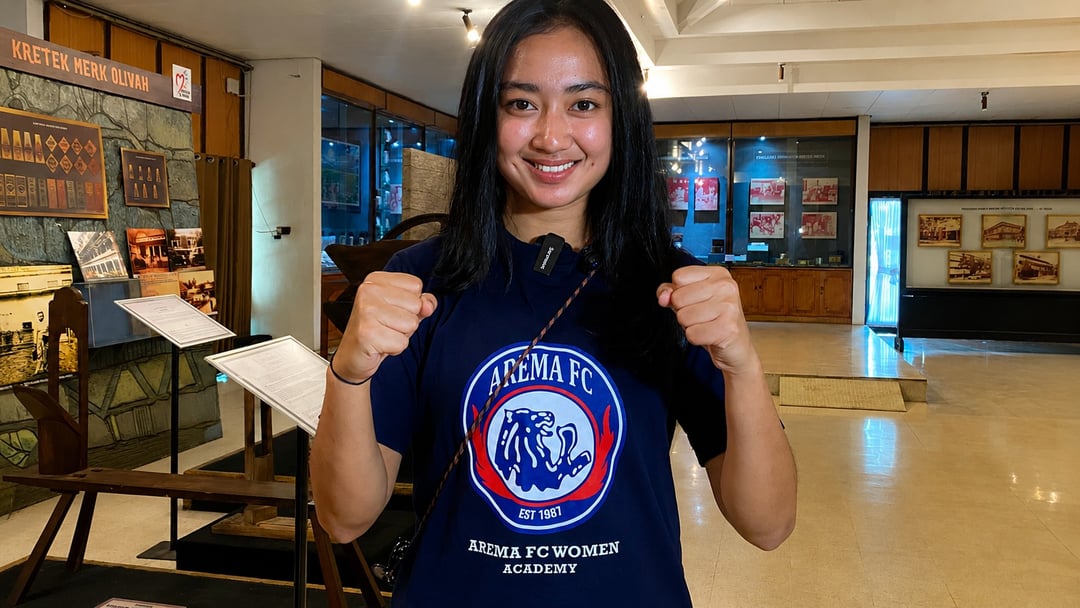
That optimism is already reflected in the athletes' experiences. Before arriving in Kudus, Keysha Putri, a player for Arema FC Women U-18 (Malang), expected the city to be nothing more than a competition venue. That perception shifted when she visited the Kretek Museum.
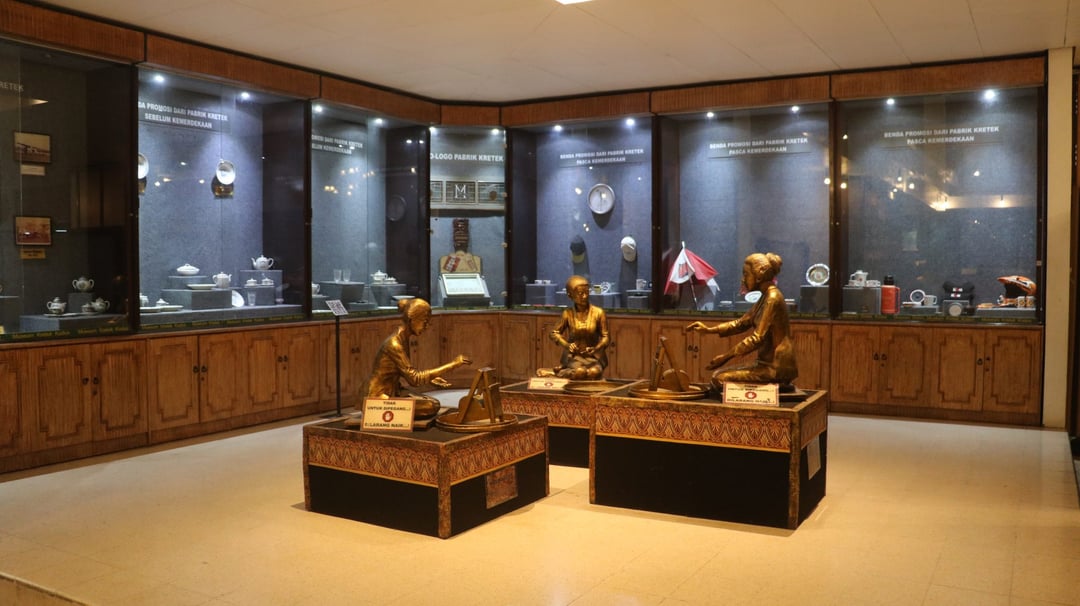
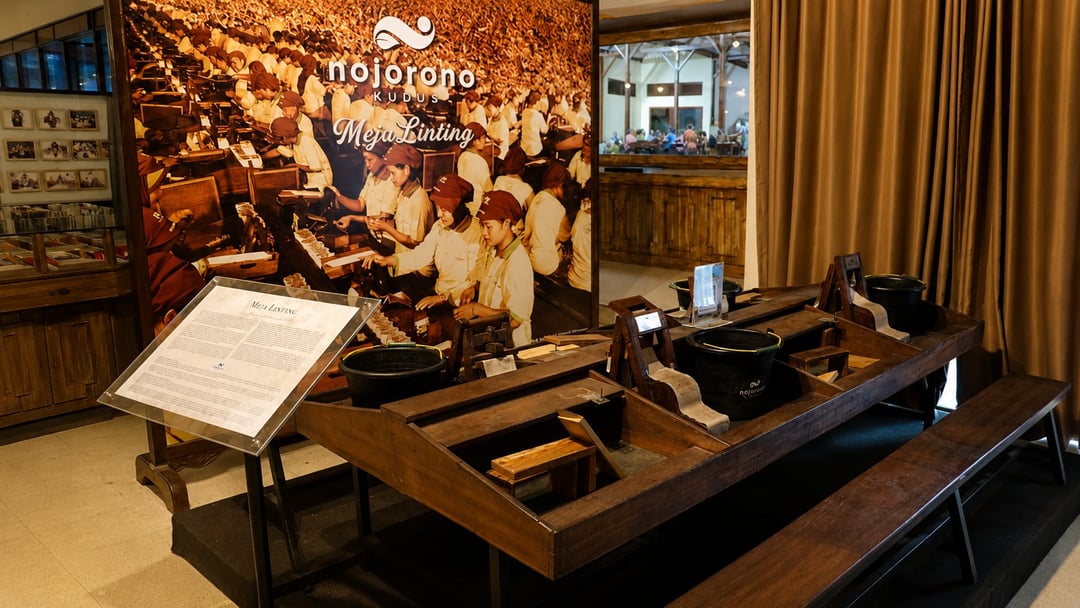
There, she learned about traditional cigarette rolling techniques, gained insight into the kretek industry that defines Kudus' identity, and explored a history she had previously never encountered.
For her, the experience was a highlight of the trip. “The Kretek Museum was the most interesting part. I learned so much about the history of Kudus. We also visited the Menara Kudus, PB Djarum, and Oasis. The people here are so welcoming. If I return someday, I want to bring my family to the Kretek Museum,” Keysha said.
A similar sentiment was shared by Hafiza Radatul Jannah, an athlete from Tangsel City U-15/18 (South Tangerang), who noted that she enjoyed the opportunity to explore Kudus beyond the pitch. One of her most memorable experiences was sampling the salted caramel milk at Kedai Susu Muria.
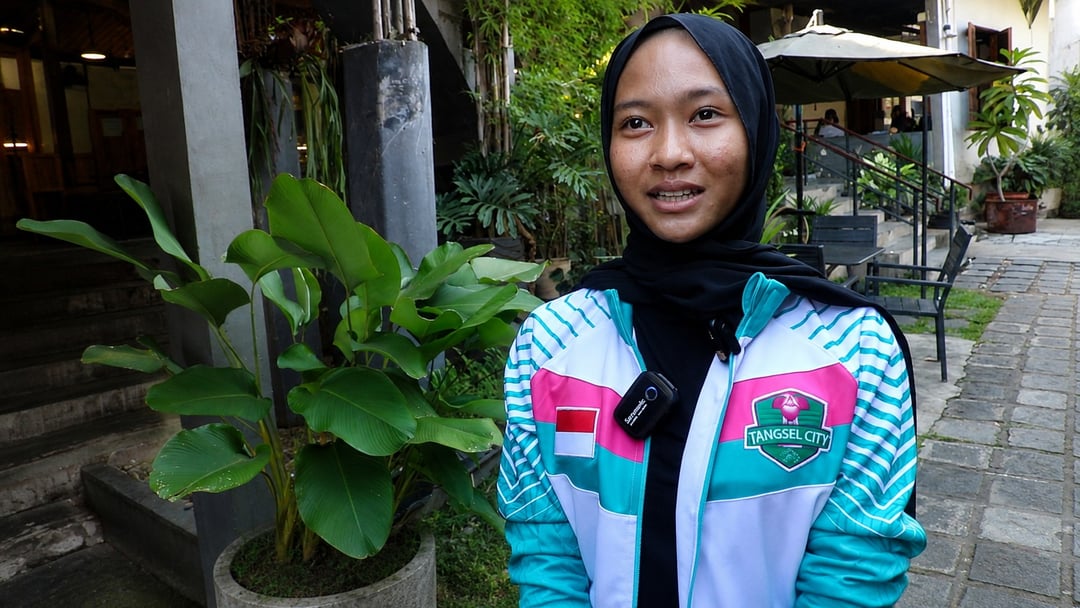
Between matches, she explored local cuisine and interacted with the friendly community. “The local food here is varied and delicious. It was my first time trying salted caramel milk, and it was excellent. I am pleased to have learned more about Kudus, made new friends, and discovered so many interesting places,” she said.
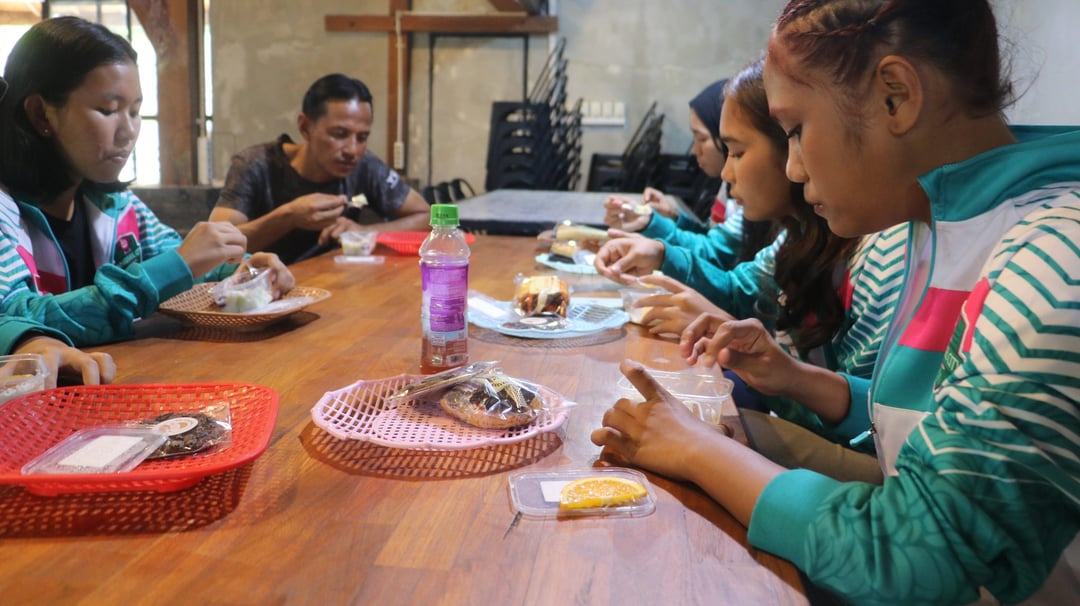
For local business owners, the influx of athletes has also been a positive development. Felicia Natali Yuwono, the fourth-generation manager of Kedai Susu Muria, has observed an increasing number of athletes and their families seeking healthy refreshments after matches.
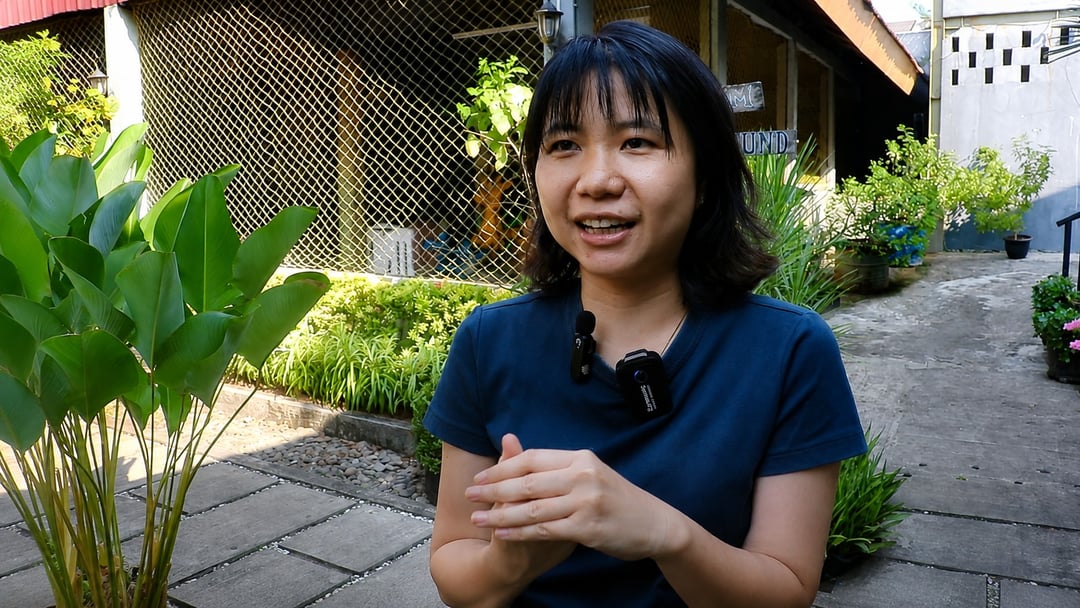
She believes these events provide a valuable platform for local small and medium-sized enterprises (SMEs) to showcase their products. “When SMEs can capitalize on these moments, it significantly boosts revenue. Athletes typically look for healthy food and drinks. We serve pure milk from our own farm, completely additive-free, and they have been very enthusiastic about trying the different flavors,” Felicia explained.
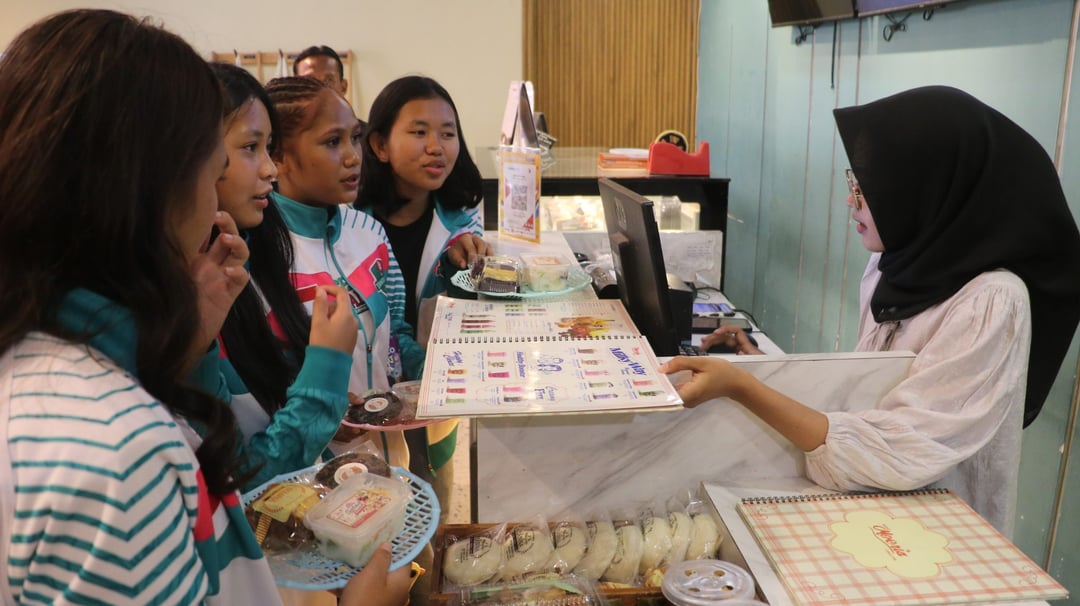
A similar trend is evident at the Jenang Kudus Museum. Museum guide Muhammad Saidun Arwani notes that groups of athletes visit almost daily after their matches. He finds that these young visitors are often more driven by curiosity than by a simple desire for photo opportunities.
They frequently inquire about Kudus’s history, local traditions, and the origins of the city’s iconic buffalo-meat Soto Kudus. “They are surprised to learn that cow slaughter is prohibited in Kudus, which leads them to ask why the local soto is made with buffalo meat. They are very enthusiastic about learning history and culture. After touring the museum, they usually purchase local souvenirs before heading home,” he said.
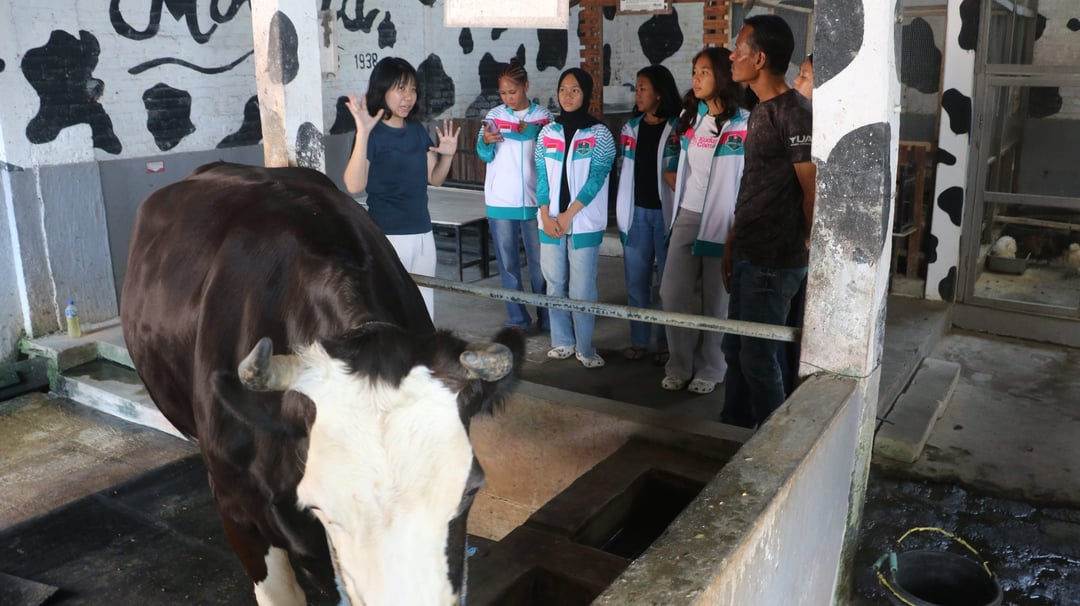
According to Saidun, such curiosity adds significant value to the travel experience. “It’s not just about the matches, but about the stories they take home. Hopefully, they will return with their families to enjoy Kudus in the future,” he remarked.
Non-match days are also used for mental recovery. Arema FC Women U-15 (Malang) coach Nanang Habibi intentionally takes his players out of their accommodation to ensure they are not solely focused on the monotony of training and competition.
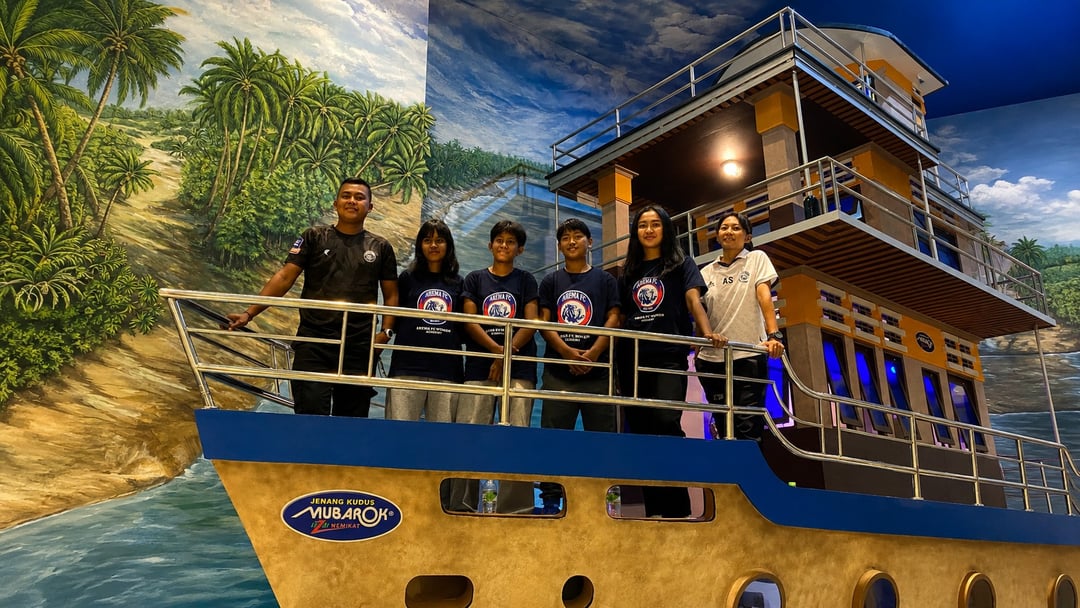
He considers visits to the Kretek Museum, the Jenang Museum, and local culinary spots to be essential for maintaining the players’ mental well-being.
Beyond serving as a refreshing break, the trip enriched the athletes' overall experience during the competition. “We wanted to prevent burnout. Beyond simple recreation, they also gained new knowledge. It turns out Kudus is not only a burgeoning hub for women's football but also possesses extraordinary history, culture, and culinary traditions,” said Nanang Habibi.
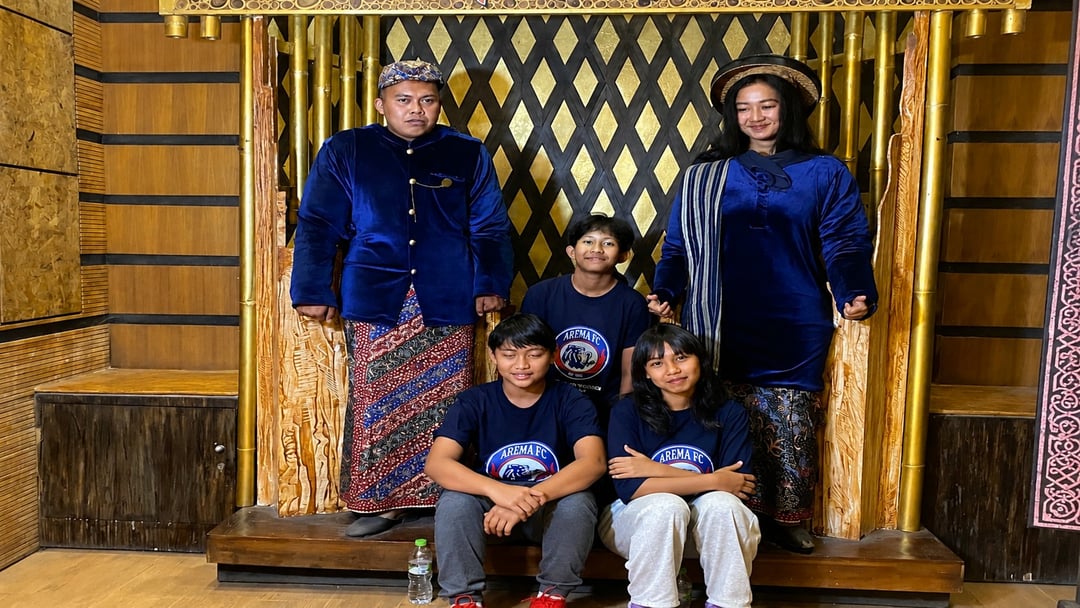
Ultimately, every city leaves a unique impression. Some are remembered for their stadiums, others for their match-day atmosphere, and some for the victories secured within their borders. Kudus, however, appears to offer something distinct.
Through the HYDROPLUS Soccer League All Stars 2025/2026, the city has become more than just a competition venue; it has served as a crossroads where sports, culture, history, and community life converge.
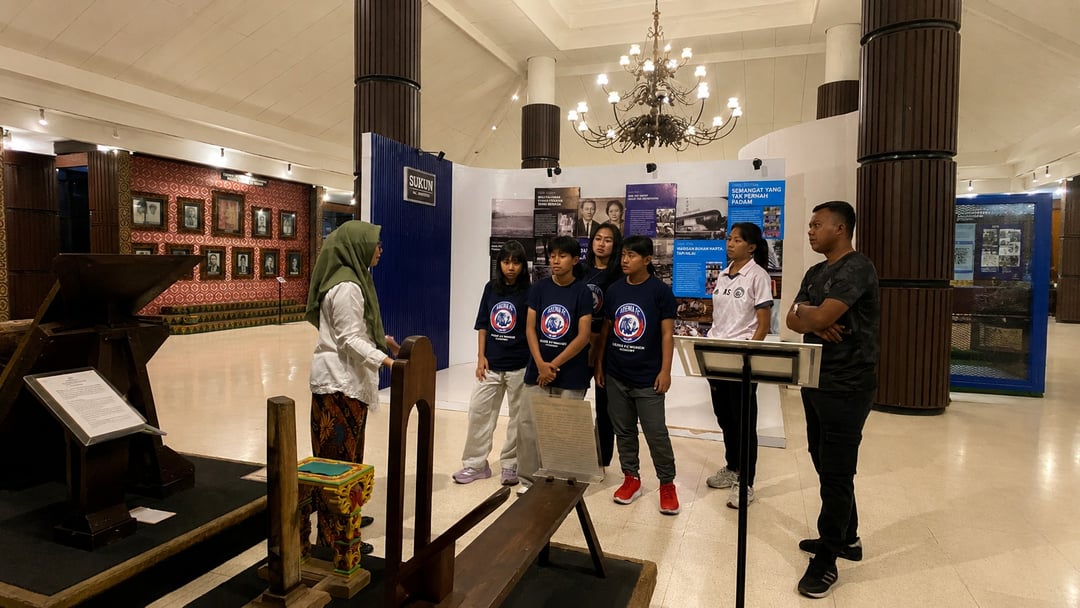
As the athletes return home, they carry memories of their matches. Yet, alongside their jerseys, medals, and gear, they also bring home stories of the Kretek Museum, the Jenang Museum, the Kudus Tower, fresh milk from the slopes of Mount Muria, local delicacies, and the warmth of the people they met.
Perhaps these simple stories are exactly what keep a city alive in one's memory. While matches have a definitive end, the experience of discovering a new place often leaves a lasting impression. (ITN/DNmainkekudus)