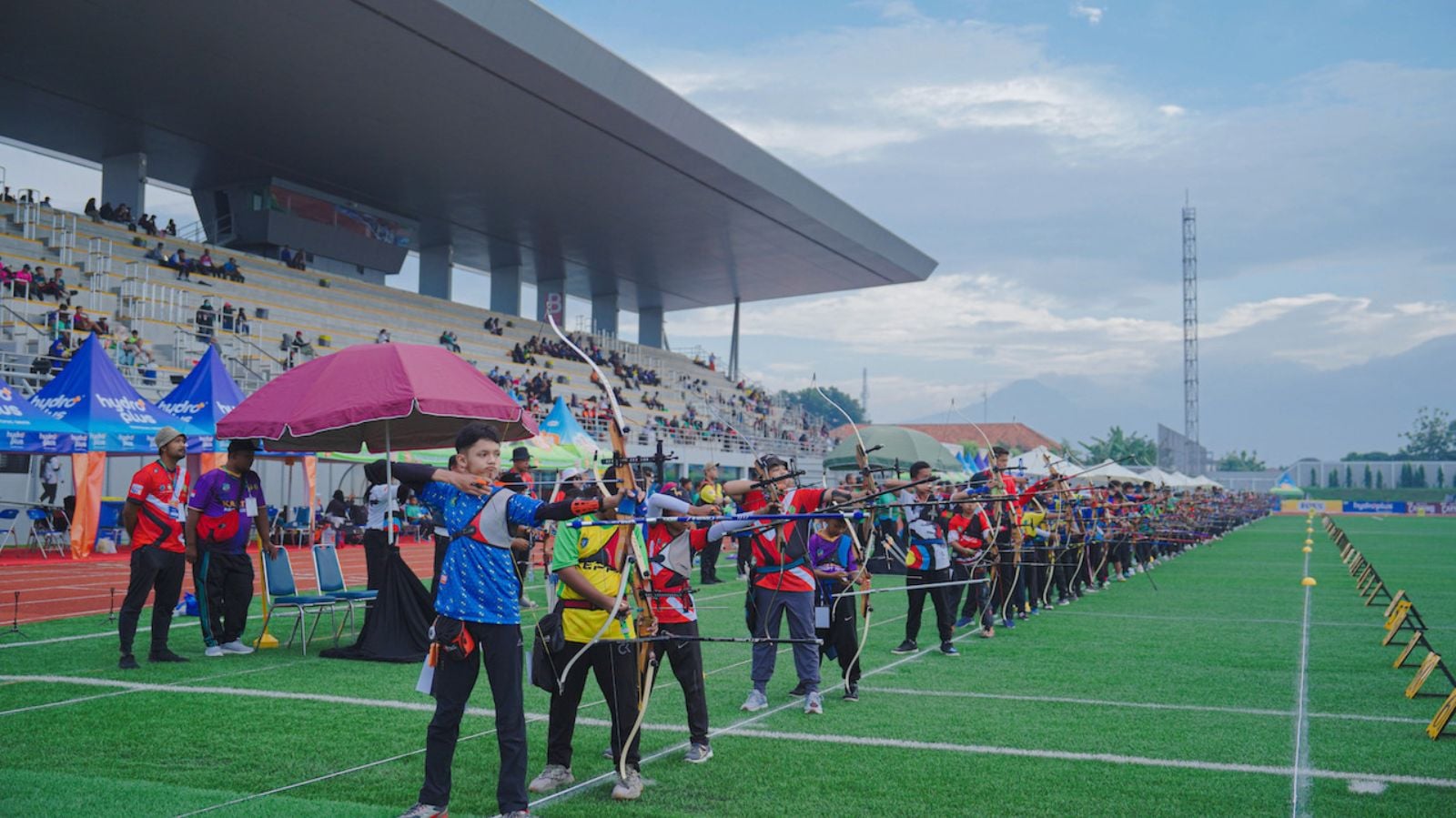
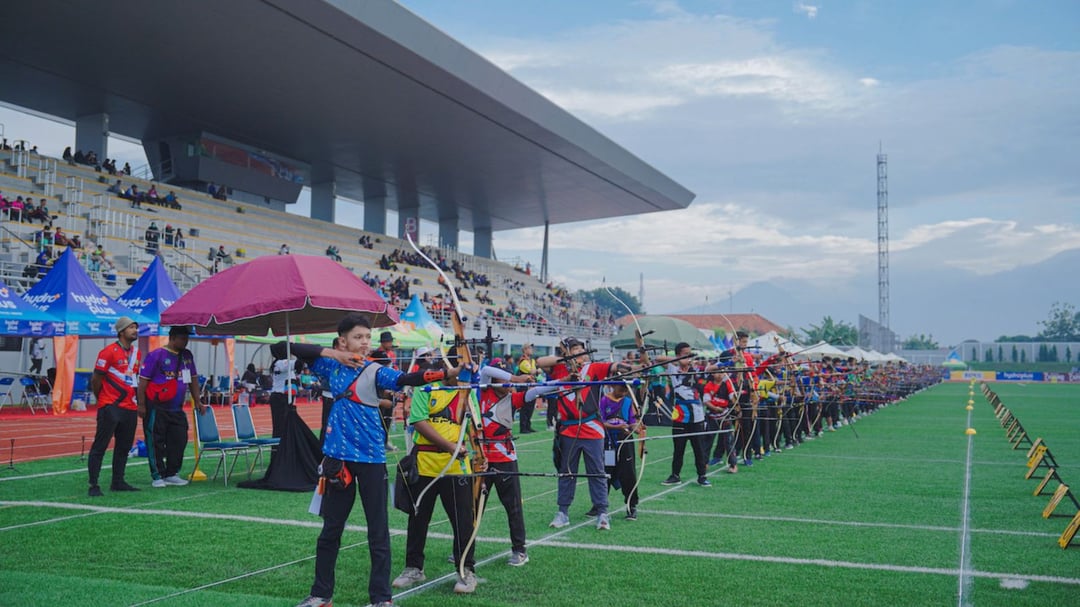
KUDUS – Hundreds of young athletes stood in line at the firing range of the Supersoccer Arena in Kudus. Before them, targets were neatly set, while behind them lay a long journey few have witnessed. Some arrived by plane from Kalimantan and Sulawesi, others spent two to three days on buses traversing Sumatra and Java, and some crossed the sea before finally reaching Kudus. It was this shared journey that brought them together for the 2026 MilkLife Junior Archery National Championship.
The championship, held from July 18–29, 2026, featured 906 athletes representing 29 provinces. They came not only to compete but also to carry the hopes of their families and regions, alongside the results of months of training. For some, this marked their first national-level competition and an opportunity to meet fellow athletes from across Indonesia.
It is in this arena that their long journeys transformed into new experiences. The athletes learned to adapt to the field conditions, swapped stories with participants from other provinces, and confronted challenges that extended beyond their immediate competitors. In archery, the ability to maintain self-control is often as vital as the precision required to hit the target.
Among the hundreds of participants warming up, 15-year-old Alfian Syahreza Nugroho from Tanah Bumbu, South Kalimantan, carefully checked his bow and equipment before his session. He arrived in Kudus with 41 other athletes representing his province.
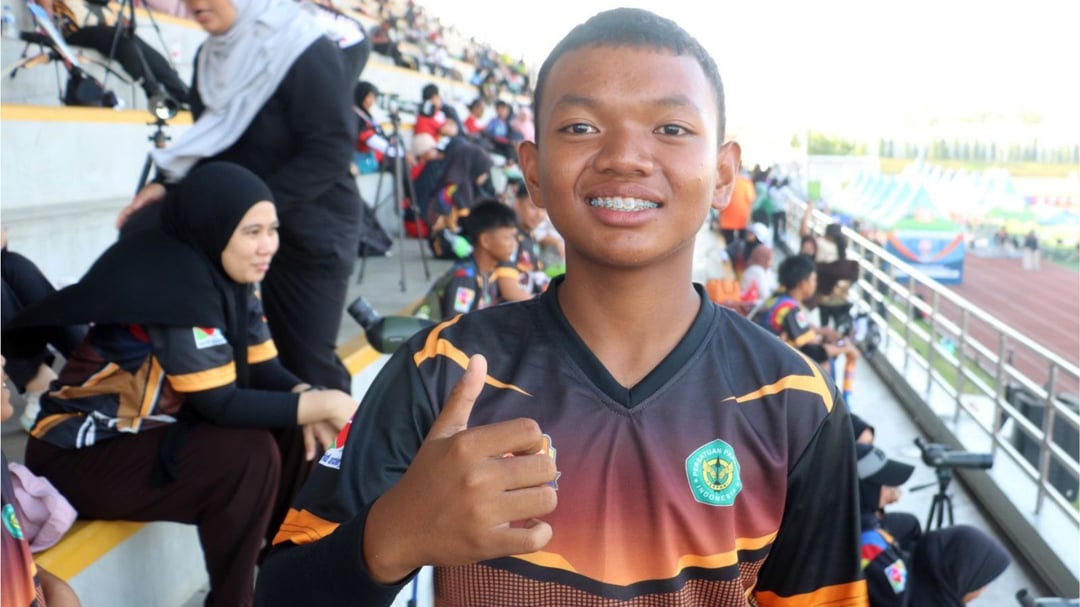
While his travel to Kudus by plane spared him the multi-day journey endured by others, Alfian noted that the real challenge only began when he stepped up to the firing line.
He believes that in archery, the toughest opponent is not the athlete standing next to him, but himself. He emphasizes that an archer must constantly refine technique, maintain physical condition, and cultivate the mental composure required for every shot—a regimen he maintained for a month leading up to the championship.
Balancing these training demands with his academic obligations has not been easy, as archery requires consistent practice. Nevertheless, he considers the opportunity to compete at the national level well worth the personal sacrifices.
Participation in the national championship also provided him with the opportunity to network with athletes from various provinces, expanding his social horizons and offering experiences that local training alone could not provide.
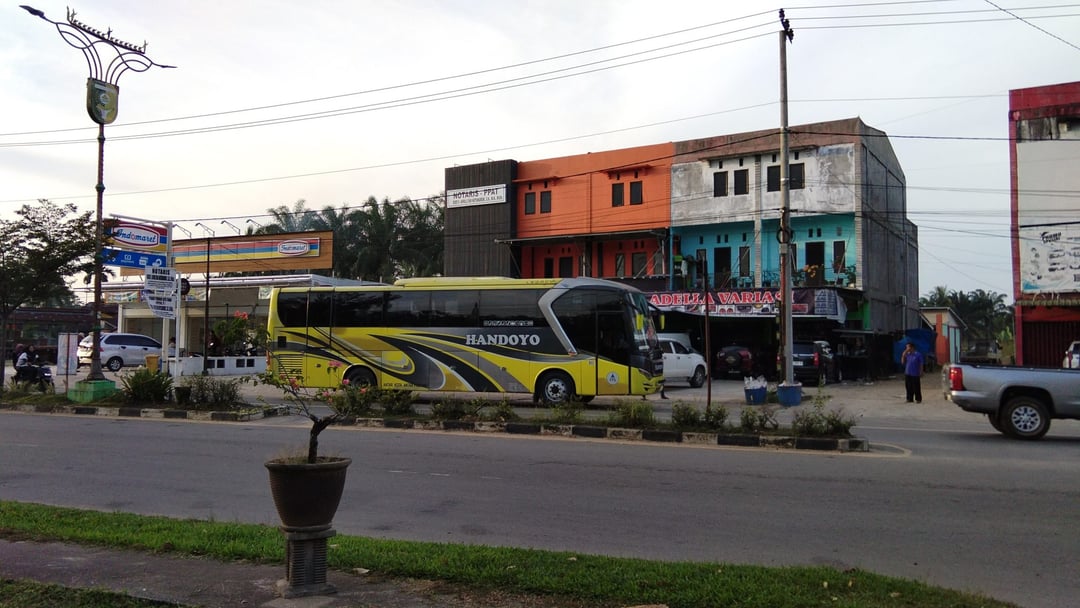
While Alfian traveled by air, Alhafiz Okta Ryano endured a significantly longer journey from the Riau Islands. The U-18 Compound archer and his team opted for a three-day, two-night bus trip to reach Kudus.
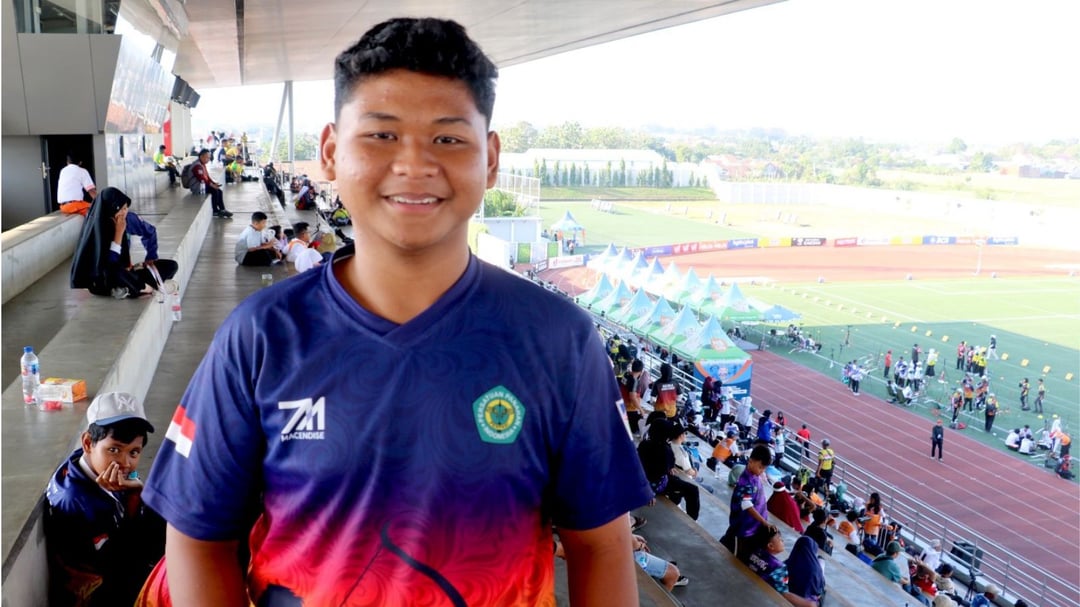
Before departure, all athletes completed a training camp and bid farewell to their families, carrying their parents' blessings throughout the journey to Java.
The long trek proved exhausting, especially with road traffic, but Alhafiz viewed it as a vital part of the experience for his first national championship.
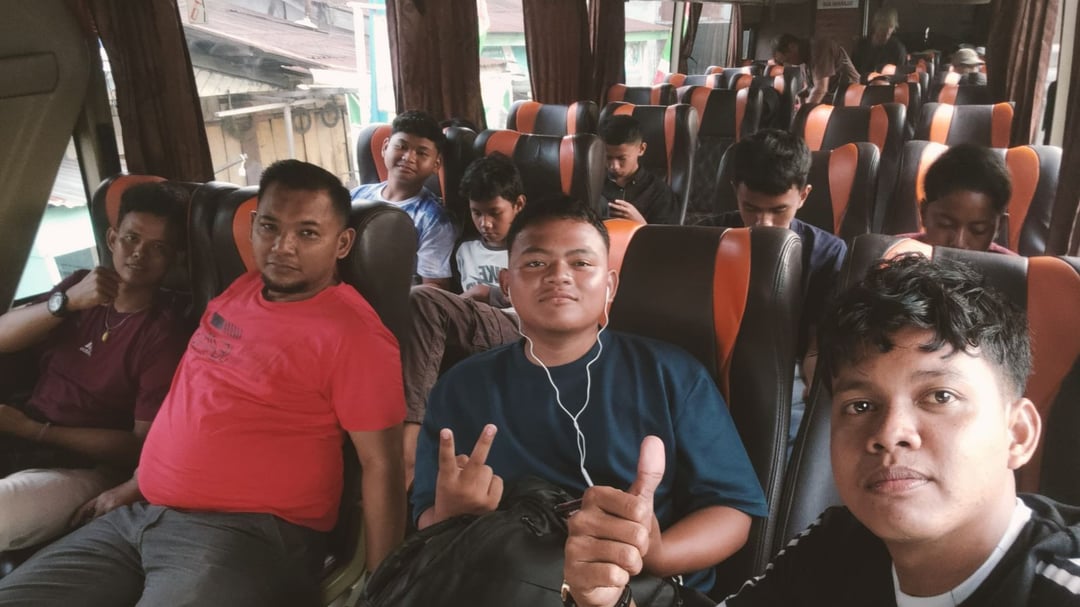
Upon arriving in Kudus, Alhafiz focused beyond just competition. He took the opportunity to network with athletes from various regions, exchanging training tips and discussing mental preparation. He noted that since each region utilizes different development methods, the national championship serves as a unique learning environment.
To him, making new friends from across the provinces is just as valuable as the chance to compete on the field.
Another story comes from Jenny Shafira Said, an athlete from South Sulawesi. To reach Kudus, she flew to Semarang before completing the final leg by car. This was not her first trip, as she had previously participated in archery tournaments in Kudus.
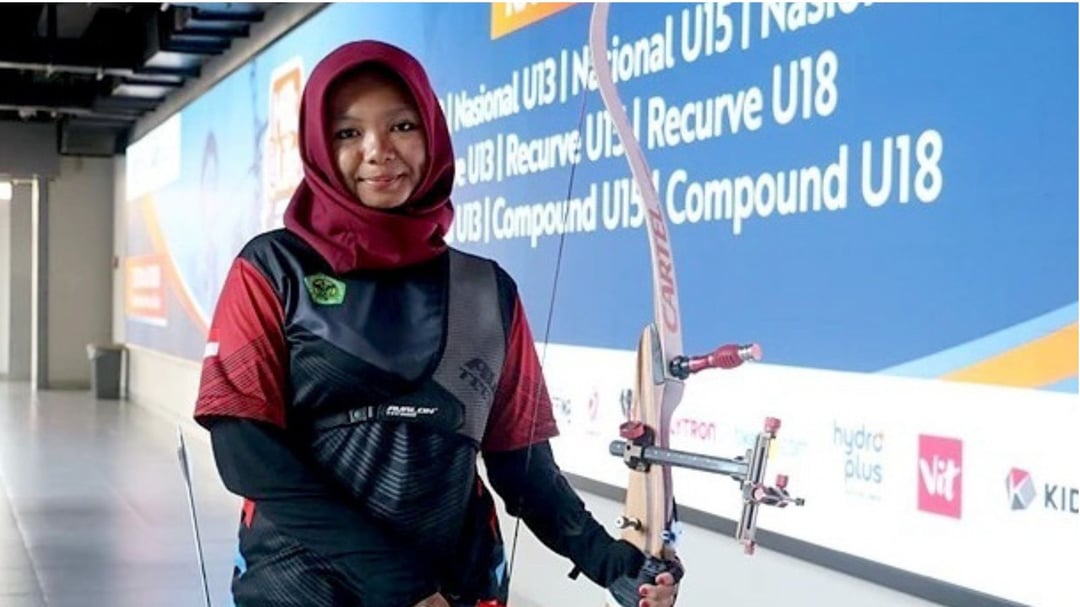
Despite being familiar with the competition site, preparations for the National Championship were rigorous. Beyond a month of technical training, Djenar had to ensure all her equipment arrived in excellent condition.
For an archer, cross-island travel involves more than just a change of scenery. Bows, limbs, stabilizers, arrows, binoculars, and other essential gear require careful handling to remain competition-ready. Djenar noted that all her equipment arrived in Kudus without incident, allowing her to focus entirely on the competition.
Upon reaching the venue, new challenges emerged. According to Djenar, the wind conditions at the Supersoccer Arena are significant, requiring athletes to carefully gauge the environment before each shot. In archery, wind shifts can impact arrow trajectory, making composure and reading the conditions vital to the performance.
Beyond her athletic commitments, Djenar is preparing for a future outside of sports. She hopes to one day pursue a career as a professional archer while realizing her goal of becoming a dentist.
Thirteen-year-old Azma Dzakiyyah, an athlete from Bengkulu, also endured a lengthy journey. Traveling by car with three other athletes, she spent two days on the road to reach Kudus. Despite experiencing travel fatigue, the journey did not dampen her enthusiasm for the Junior National Archery Championship.
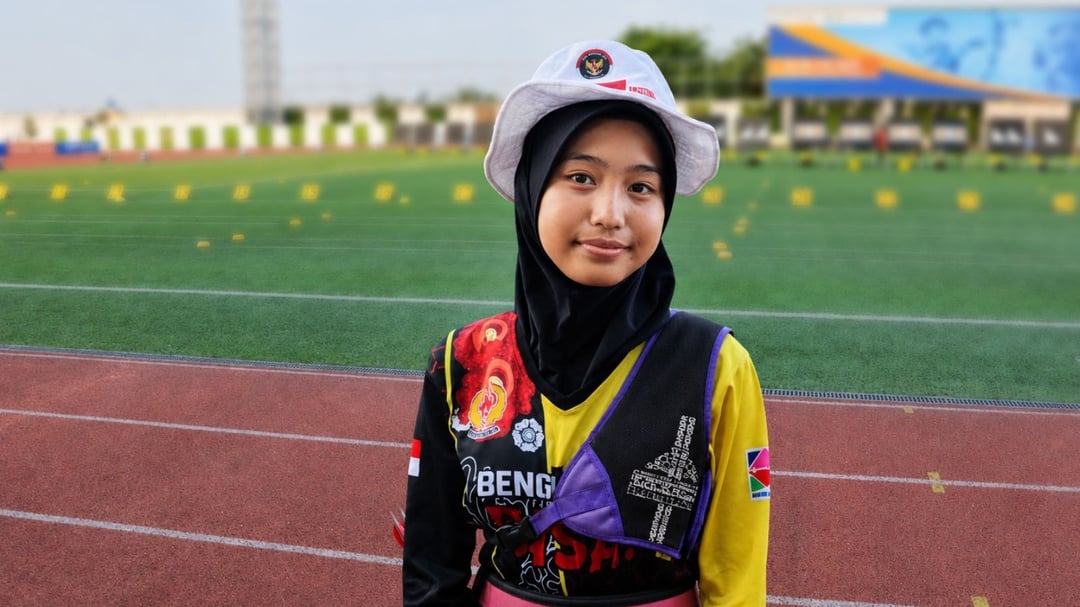
She began her preparations for the championship in March through routine training. This consistency helped her reach the final round. Azma expressed satisfaction with her performance, noting that she felt stronger this year than in previous ones, confirming that her months of training were worthwhile.
Outside of competition hours, Azma took the opportunity to explore Kudus through its local cuisine, tasting dishes such as Soto Kudus, buffalo satay, lentog, and dim sum, which enriched her visit.
Competing at the Supersoccer Arena in Kudus also left a strong impression. She noted that the unpredictable wind was the greatest challenge. However, she praised the cleanliness of the facilities, specifically citing the availability of water and well-maintained restrooms.
The athletes' journeys are supported by coaches and officials who have accompanied them since departure. For Salman, often called Bang Ical, ensuring the athletes reach the competition arena is a significant undertaking in itself.
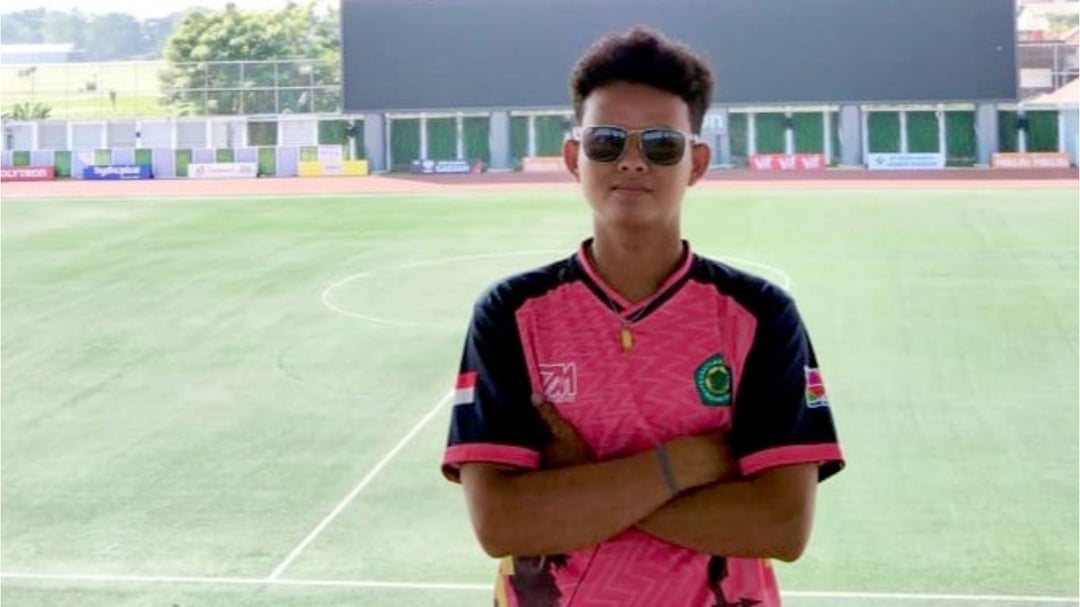
As an official for the Riau Islands contingent, he and his team opted for bus travel to keep departure costs manageable for the athletes' parents. While the decision required the entire group to endure a two-day, two-night journey, he deemed it the most realistic option given the high cost of air travel.
During the trip, the officials focused not only on the schedule but also on maintaining the athletes' physical condition for the upcoming competition. Upon arriving in Kudus, their next challenge was boosting the athletes' confidence to secure the Riau Islands' first-ever medal after several previous national championship attempts ended without a podium finish.
"Bang Ical" also took the opportunity to observe training methods from other regions. He noted that athletes were not just learning archery techniques but also absorbing the discipline, respect for coaches, and strong work ethics demonstrated by other contingents, hoping these lessons would serve them well upon returning home.
While athletes must control their nerves when aiming at targets, parents face a different kind of pressure. They watch every arrow released, unable to do anything but offer support from outside the arena.
Rahmi Ningsih Putri experienced this firsthand while accompanying her son, Alby Luthfi Alfakhri, who traveled from Banjarmasin, South Kalimantan. Their journey to Kudus included an 18-hour ferry ride to Surabaya followed by land transport. She emphasized that such long travel requires athletes to strictly manage their physical and mental state before competition.
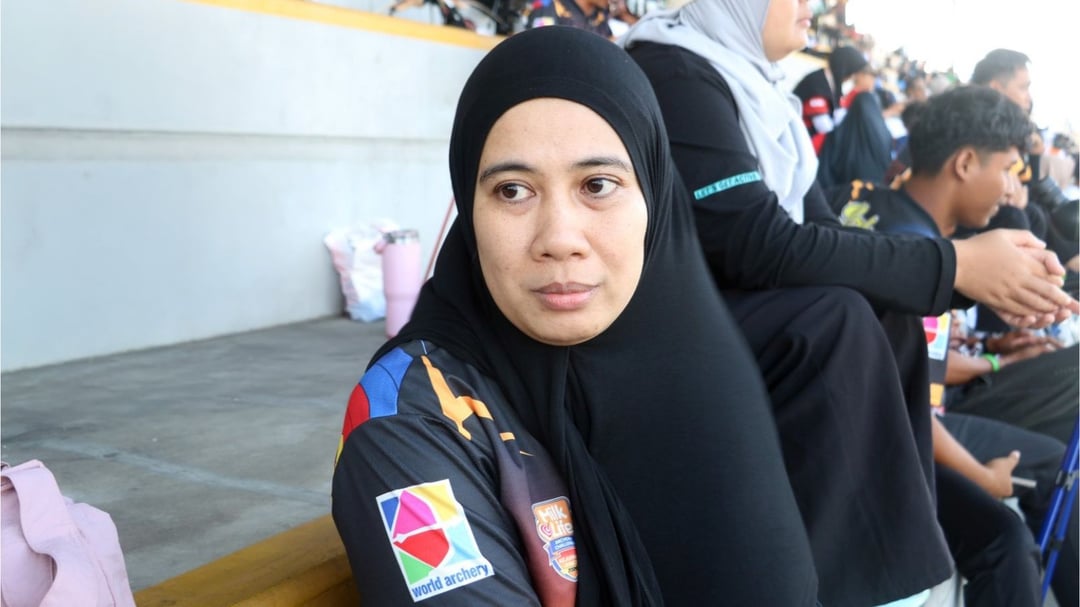
Once at the arena, the chaperones often felt more anxious than the athletes. Rahmi admitted she frequently could not bear to track the scores, feeling too nervous to watch her son compete. Despite this, she remains proud to support him on a national stage.
For her, the national championship is about more than just winning; the gathering of athletes from various provinces allows the children to observe others' skills, learn from them, and find the motivation to improve their training quality upon returning to their home regions.
Between matches, Rahmi also took time to sample local dishes like buffalo satay and pindang, which were new to her. These small experiences rounded out her visit to Kudus as an athlete's chaperone.
Behind the hundreds of athletes crowding the shooting range lies a development process that spans years. Abdul Razak, Deputy Chairperson II for Development and Performance at the Indonesian Archery Association (PB PERPANI) and Chairperson of the MilkLife Archery Challenge Junior National Championship 2026 organizing committee, explained that the tournament serves as a key component in early-age athlete development.
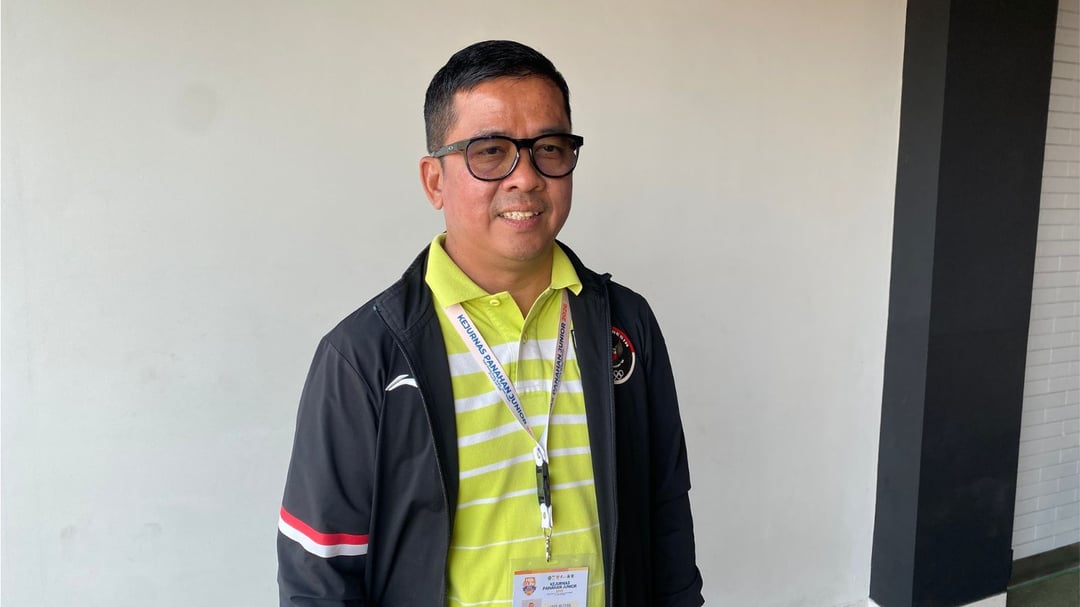
According to him, archery development is structured by age group, ensuring athletes compete within their respective categories, ranging from U-10 and U-13 to U-15 and U-18. This system provides athletes with the opportunity to develop gradually through each stage of their training.
Before arriving in Kudus, all participants underwent selection processes at the district and provincial levels. Those who qualified were selected to represent their respective regions at the national level. Through this process, PB PERPANI hopes to provide more young athletes with competitive experience, ultimately expanding the pool of national talent for the future.
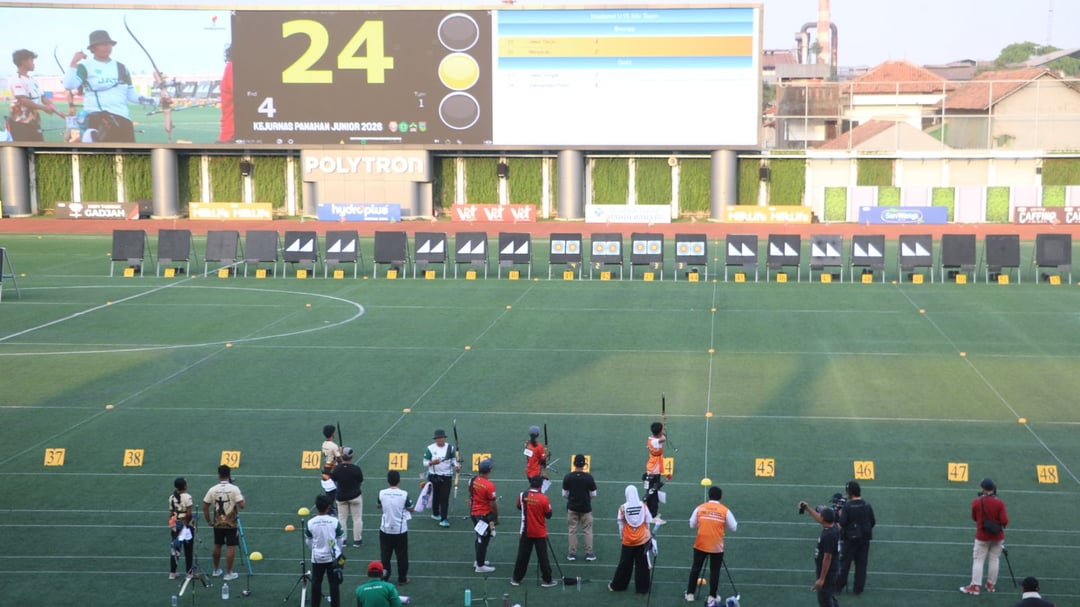
For some, the Junior National Archery Championship may be seen simply as a tournament to crown winners. However, for the hundreds of athletes who traveled to Kudus, the journey to the arena is an essential part of their learning process.
Some took time off from school, others spent two to three days traveling, and many met peers from different provinces for the first time. These experiences united them on the shooting line with a common goal: to test the results of their months of dedicated training.
Beyond the match results, the national championship provided a space for athletes to connect, share experiences, and observe how archery training is evolving in different regions. From the long journey and conversations between teams to the challenge of gauging wind direction on the field, they took home lessons that go beyond the scoreboard.
As the final arrow was released, each participant left Kudus with a unique story. Some went home with medals, while others left with assessments for their future training. Yet, all shared a common gain: an experience that cannot be measured by final scores alone. From discipline and fighting spirit to the courage to pursue dreams, the championship marks a milestone in their journeys as athletes and as individuals continuing to grow. (JMY/mainkekudus)