
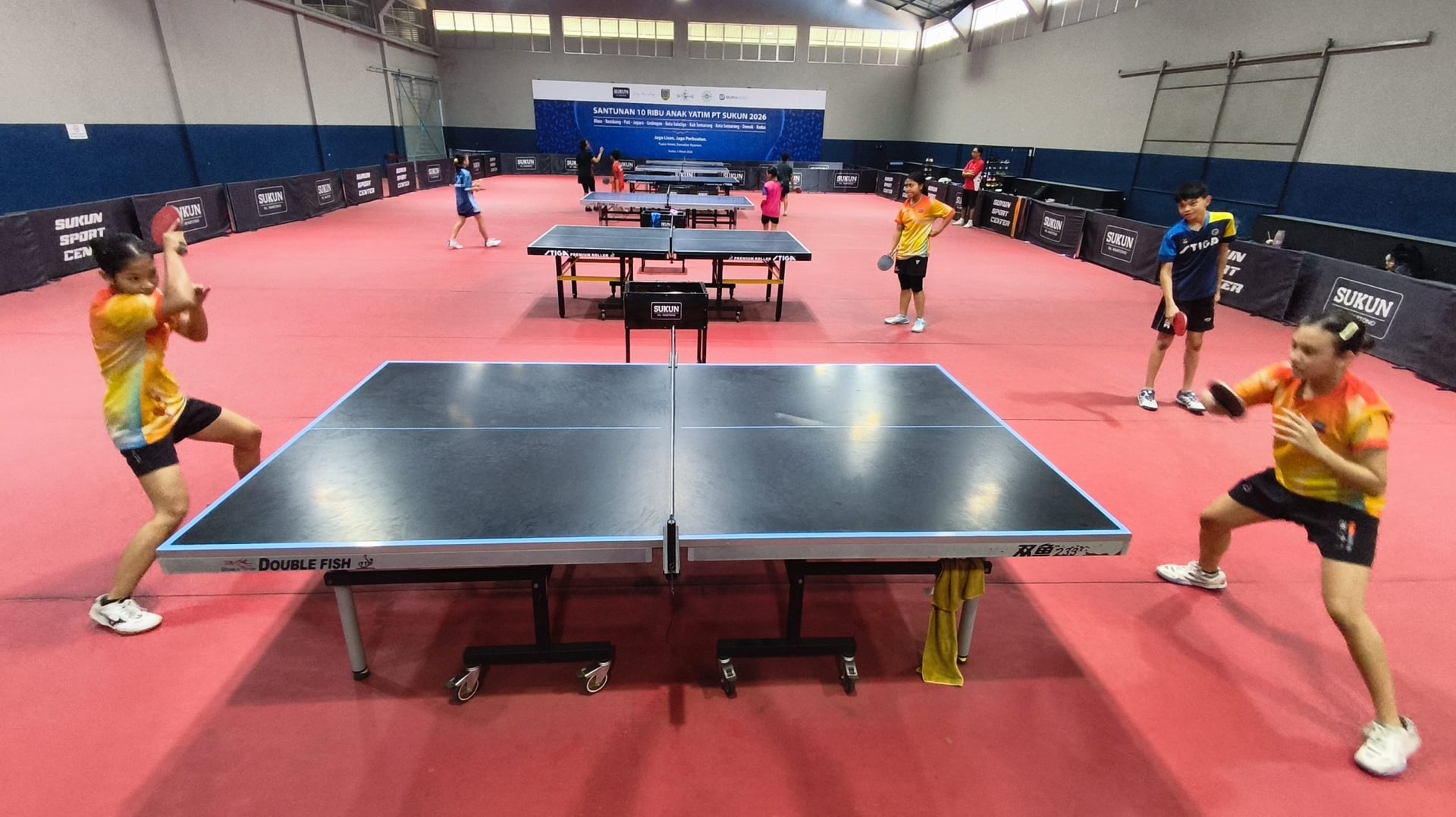
KUDUS — Morning and afternoon sessions are staples of the routine for table tennis athletes training at PTM Sukun Wartono Indonesia. At the practice tables, they refine their strokes, build physical endurance, and hone their tactical play. This regimen is part of a demanding journey that requires discipline and perseverance before an athlete can compete at the professional level.
In Kudus Regency, table tennis development begins at an early age, introducing children to the sport and guiding them in developing fundamental skills. As experience grows, training demands intensify, including the mental resilience needed to withstand the pressures of competition.
Heni Sandra Nurwati, head of the Kudus chapter of the All-Indonesia Table Tennis Association (PTMSI), views local clubs as a vital component of this process. Beyond providing facilities, these clubs play a key role in mentoring athletes, ensuring they have the support needed to advance to higher tiers of competition.
Not all athletes training in Kudus are local residents. Some travel from outside the city, and even from outside Central Java, to enhance their skills through more specialized development programs.
PTM Sukun Wartono Indonesia is one such club providing these opportunities. Their comprehensive support includes practice facilities, nutrition and fitness monitoring, and academic guidance for the athletes.
For Heni, the club's contribution has been consistent since her own days as an active athlete. Her involvement in the sport began during her school years, including a medal-winning performance at the 1979 elementary school-level Porseni in West Java.

“Since I was an athlete, Sukun’s support has been immense. They monitor the facilities and athletes’ needs, and their support continues even as they complete their education,” Heni said.
Athlete recruitment is conducted through observation and assessments by officials. Coaches scrutinize individual potential and skill sets to tailor appropriate training stages. This personalized approach allows each athlete to follow a program suited to their specific progress.
Among the athletes training in Kudus is Nuralip Hakiki, a teenager from Madura known as Kiki. His interest in table tennis blossomed in kindergarten, inspired by his father.
Now a ninth-grade student at SMP 3 Kudus, Kiki has lived in the city for two years. In addition to team practice, he engages in individual training to refine his technique and maintain his physical condition.
Kiki’s journey demonstrates how childhood interests can flourish with structured guidance. Consistent training and mentoring have helped him elevate his game to a competitive provincial level.
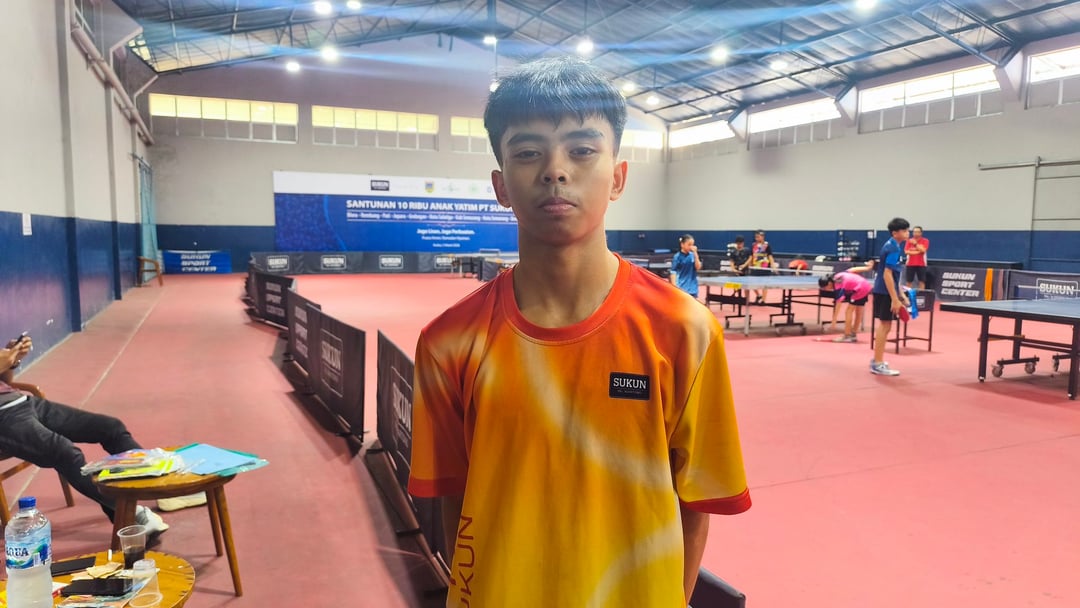
Kiki's journey illustrates how childhood interests can flourish through a supportive development environment. Training opportunities, coaching mentorship, and competitive experience have all served as vital foundations for honing his potential.
In table tennis, hand speed must be balanced with the ability to read the game. Athletes need to anticipate the ball's trajectory, understand their opponent's strategy, and make split-second decisions. Consequently, training requires more than just repetitive drills.
PTM Sukun coach Doni Prasetyia Aji explained that training sessions are held regularly in the morning and afternoon. The curriculum covers physical conditioning, technical mastery, game strategy, and mental preparation, with intensity adjusted to each player's proficiency.
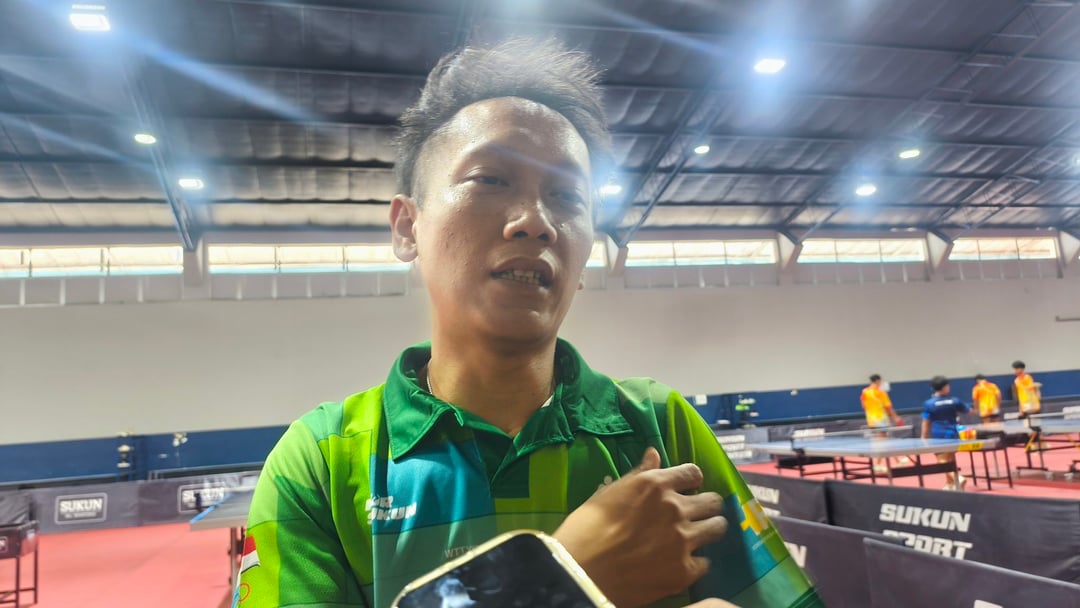
"Technique, physical fitness, and strategy are certainly important. However, athletes must also possess the mental readiness to effectively apply these skills during competition," he said.
Training approaches vary based on an athlete's developmental stage. For beginners, the focus is on introducing the sport and refining basic techniques. Meanwhile, athletes at a competitive level are directed toward honing their skills and preparing for performance milestones.
Nevertheless, Doni believes a child's genuine interest in table tennis must be fostered before they are faced with the pressures of competition. Enjoyment of the game serves as the initial catalyst for building a consistent training work ethic.
"First and foremost, the child must enjoy table tennis. Once they love the sport, the desire to train will follow, and their potential can be developed," he noted.
Character building is also prioritized. Heni reminded young athletes to manage their mobile phone usage so that it does not disrupt their focus and dedication during training.
In addition to adhering to training programs, athletes are taught to accept feedback and correct their mistakes—an attitude necessary when facing opponents with different skill levels and playing styles.
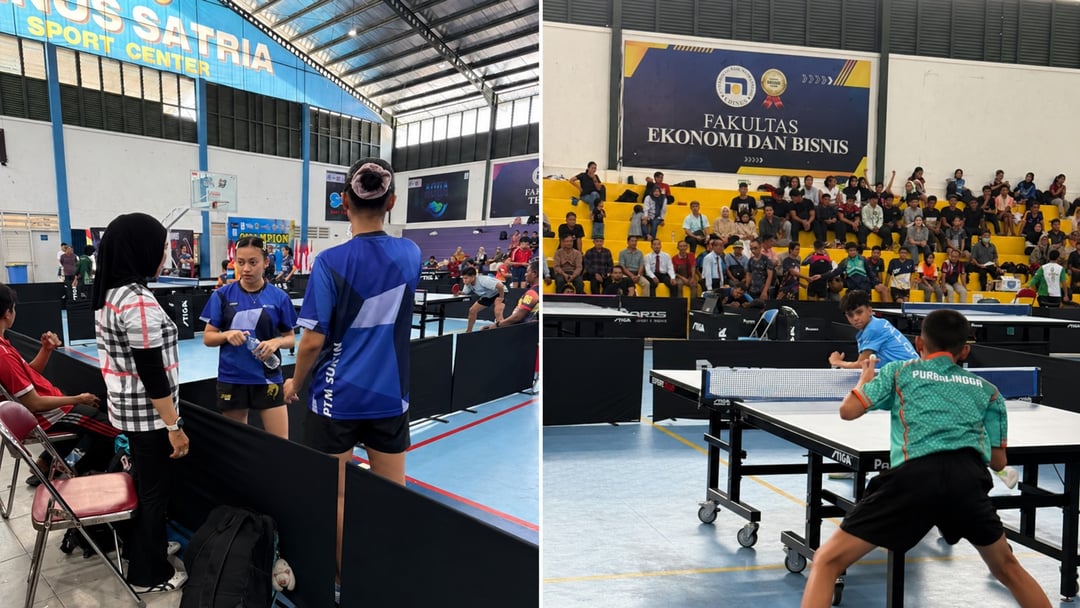
The technical skills sharpened during practice face their true test when athletes enter competition. In high-pressure situations, players must maintain focus, read shifts in an opponent's strategy, and make critical decisions.
This experience was exemplified by Nuralip Hakiki when he secured the gold medal in the men's singles event at the 2026 Central Java POPDA. His success stands as a direct result of the long-term coaching he has received since childhood, serving as preparation for future competitive tiers.
For coaches, matches serve as an opportunity to assess how well athletes can apply their training. The results are used to evaluate technical, strategic, physical, and mental aspects that still require improvement.
Kiki has set her sights on reaching greater milestones.
“My goal is to win the National Championship and compete in the National Student Sports Week (Popnas). Therefore, I must continue training and addressing my weaknesses,” she said.
These targets serve as motivation for Kiki to refine her skills. Success at the student level is a crucial stepping stone toward navigating more competitive environments.
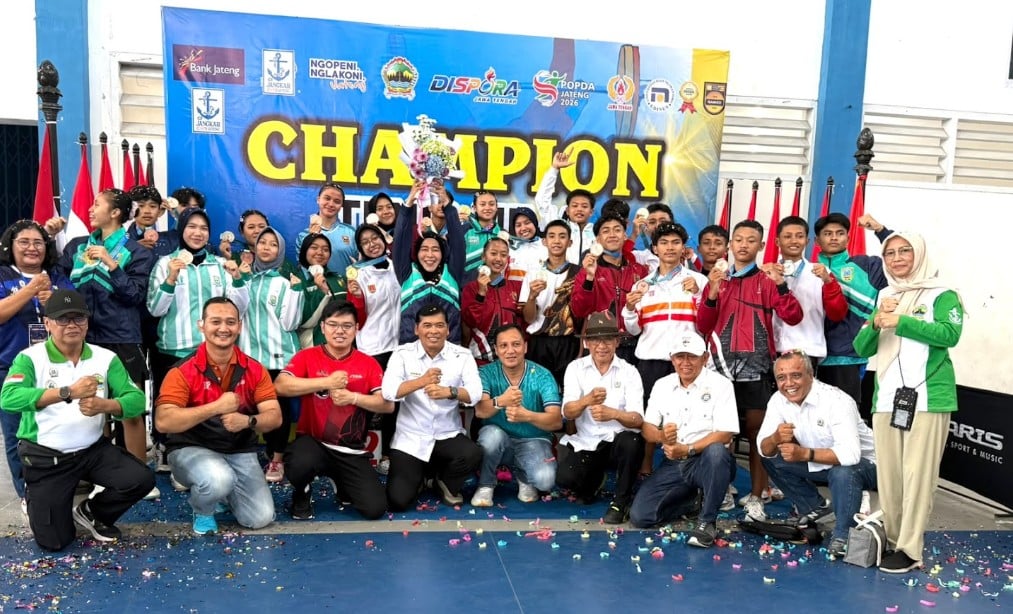
Kiki's performance was part of a broader success for the Kudus Regency table tennis team at the 2026 Central Java Popda. Athletes secured five gold medals across junior and senior high school singles and doubles events.
In the senior high category, the pair of Mochamad Zeldan Tharikh and I Kadek Bryan won gold in the boys' doubles, while Nabila Fikriyah and Karinza Matahari clinched the title in the girls' doubles.
At the junior high level, Patria Surya Dharma Devananda and Muhammad Ridwan captured gold in the boys' doubles. Two additional titles were secured by Nuralip Hakiki in the boys' singles and Suravinda in the girls' singles.
The contribution of athletes trained by PTM Sukun Wartono Indonesia was instrumental in these results. For Heni, the achievement is a source of pride and a motivator for players to continuously improve.
“This achievement brings pride to Kudus Regency. I am grateful for the support from PTM Sukun, which enables its athletes to demonstrate their skills and achieve the best results in student sports competitions,” said Heni.
Success at the student level paves the way for further professional advancement. In 2026, table tennis development in Kudus was also directed toward the Provincial Sports Week (Porprov).
On the international stage, Doni highlighted Citra Rasmi, a Kudus-born athlete sent to compete in the 2026 Asian Table Tennis Union (ATTU) championship in Uzbekistan. The objective is to reach the round of 16 to secure a path toward the world championship.
“The goal is the round of 16. Qualifying for that round automatically opens a spot in the world championship,” Doni explained.
International competition provides athletes with exposure to higher-level play. Facing diverse playing styles and high-caliber opponents serves as both a challenge and an opportunity to test the skills honed during training.
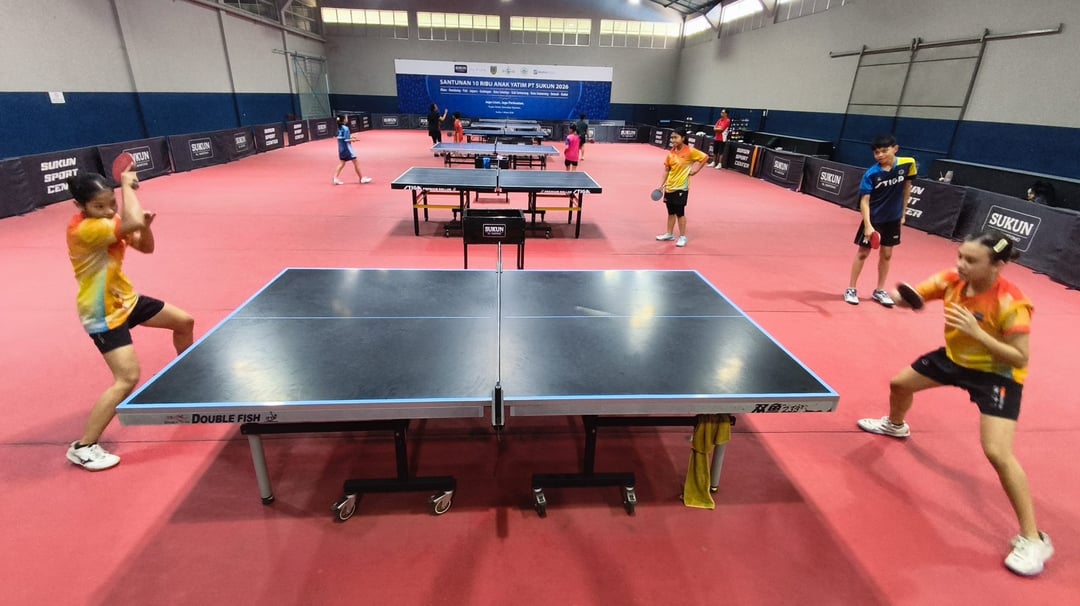
The five gold medals at the Central Java Popda underscore the growth of table tennis in Kudus. However, such success does not guarantee future victories, as each level of competition brings different demands and levels of intensity.
For Heni, motivation and discipline are essential for those pursuing the sport. While talent is a starting point, a willingness to accept feedback and address shortcomings ultimately defines an athlete's development.
Consequently, the role of clubs and coaches remains vital to ensuring sustainable progress. Athletes require ongoing guidance, while regular competition serves as a benchmark for their readiness to tackle new challenges.
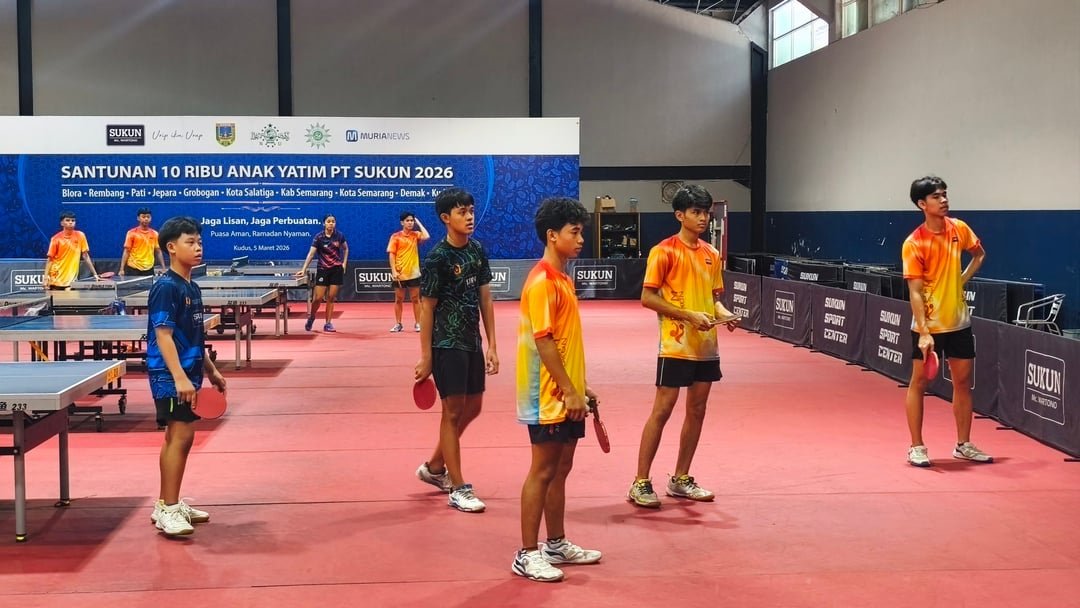
For PTMSI Kudus and its affiliated clubs, the challenge lies not only in producing champions but in ensuring that the next generation has continued opportunities to thrive. Consistent access to facilities, structured training programs, and competition exposure remain essential to this process.
The future of table tennis in Kudus depends not only on current medals but on the young athletes consistently training, honing their skills, and preparing to become the next generation of top performers. (OEB/YSR/mainkekudus)