
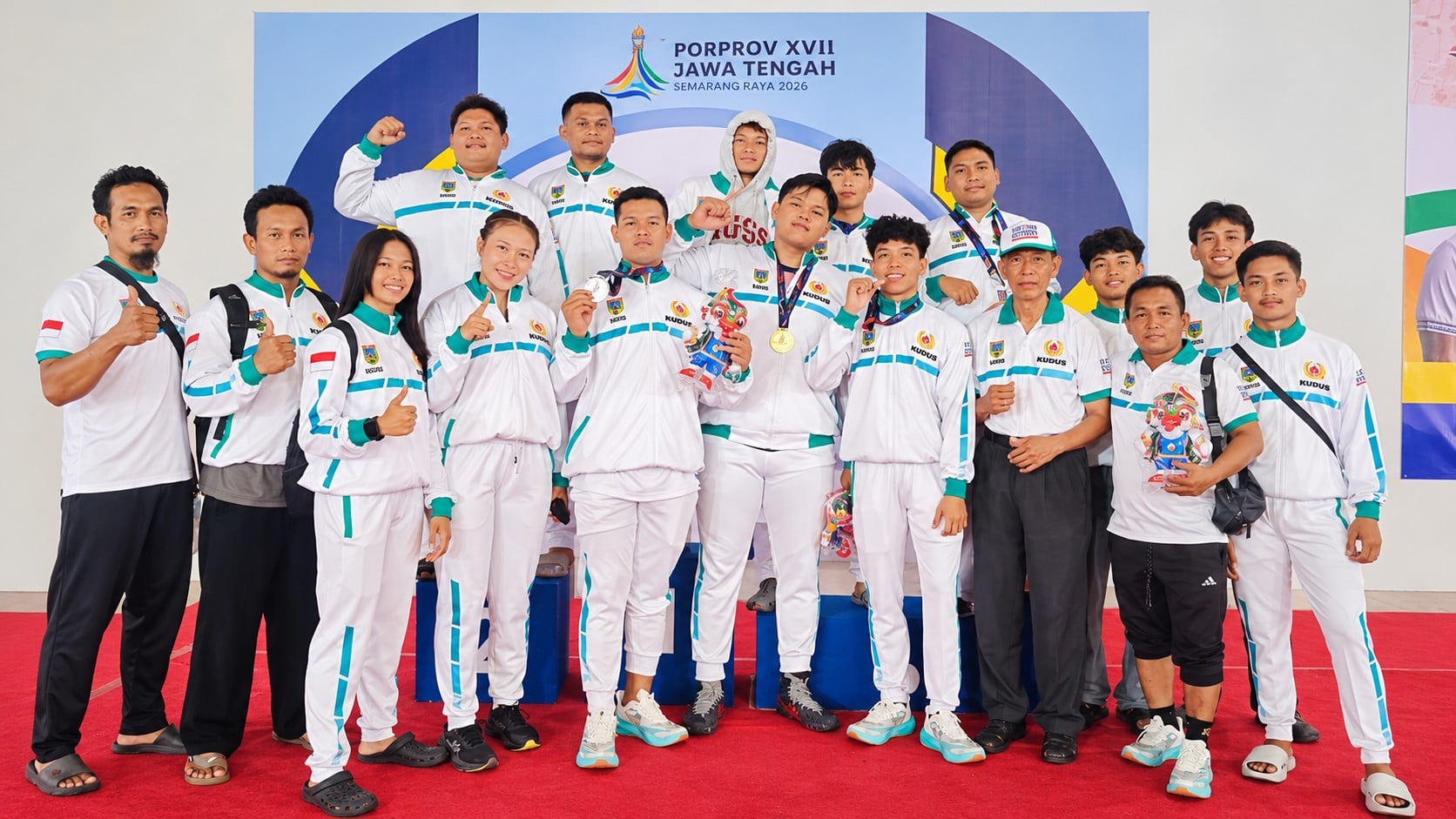
KUDUS – The Kudus Regency wrestling contingent secured seven medals at the 2026 Central Java XVII Provincial Sports Week (Porprov). The haul, consisting of one gold, three silver, and three bronze medals, was earned during competition at the Wisma Halim Building in Demak Regency from October 27–30, 2026.
A team of 14 athletes, dispatched by the Kudus chapter of the All-Indonesia Wrestling Association (PGSI), faced competitors from across Central Java. Among the highlights, Ahmad Umar Maulana captured a gold medal in the men's 125kg freestyle division.
The remaining six medals were awarded across various freestyle and Greco-Roman categories. These results serve as a benchmark for the development of Kudus wrestling and provide a basis for evaluating future improvements in athlete performance.
The success follows a rigorous, continuous training program. At the Graha Mustika Sports Hall in Jati, Kudus, roughly 30 to 50 athletes ranging from youth to senior levels participate in structured training tailored to their individual development.
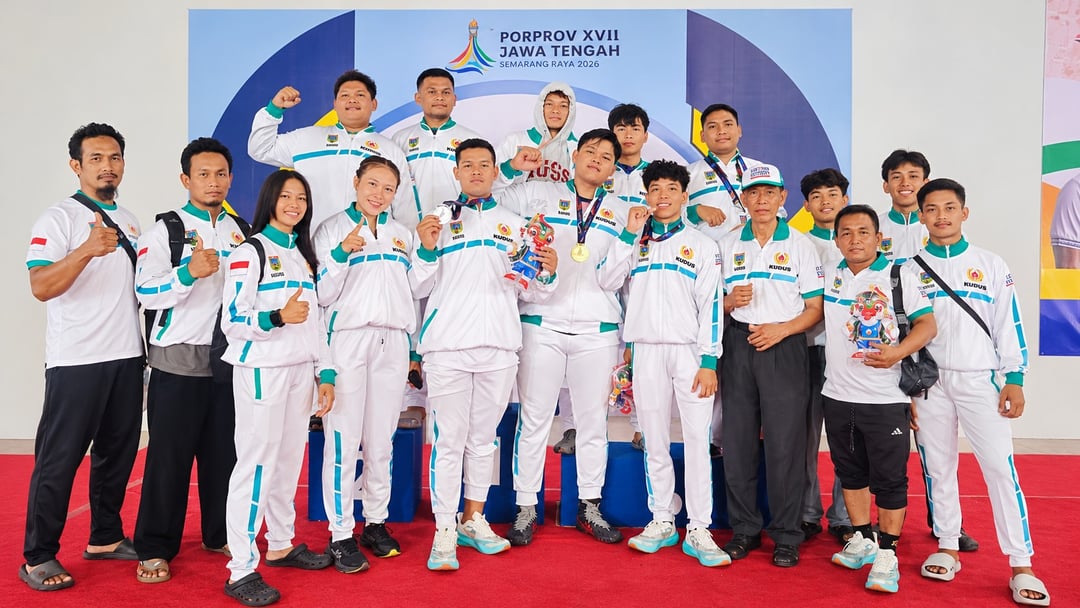
Ahmad Umar Maulana’s gold in the men’s 125kg freestyle event stands as the team’s top achievement.
Meanwhile, silver medals were secured by Kuswari in the men’s 86kg freestyle, Amirudin Sidik in the men’s 130kg Greco-Roman, and Suhartatik in the women’s 68kg freestyle.
Three bronze medals were contributed by Abdul Ghofur in the men’s 130kg Greco-Roman, Hibatullah Mu’afa Lutfianto in the men’s 57kg freestyle, and Putri Luna Gracia in the women’s 50kg freestyle.
Suhartono, head of PGSI Kudus, stated that the results would serve as both an evaluation tool and motivation for athletes and staff to elevate their performance in upcoming competitions.
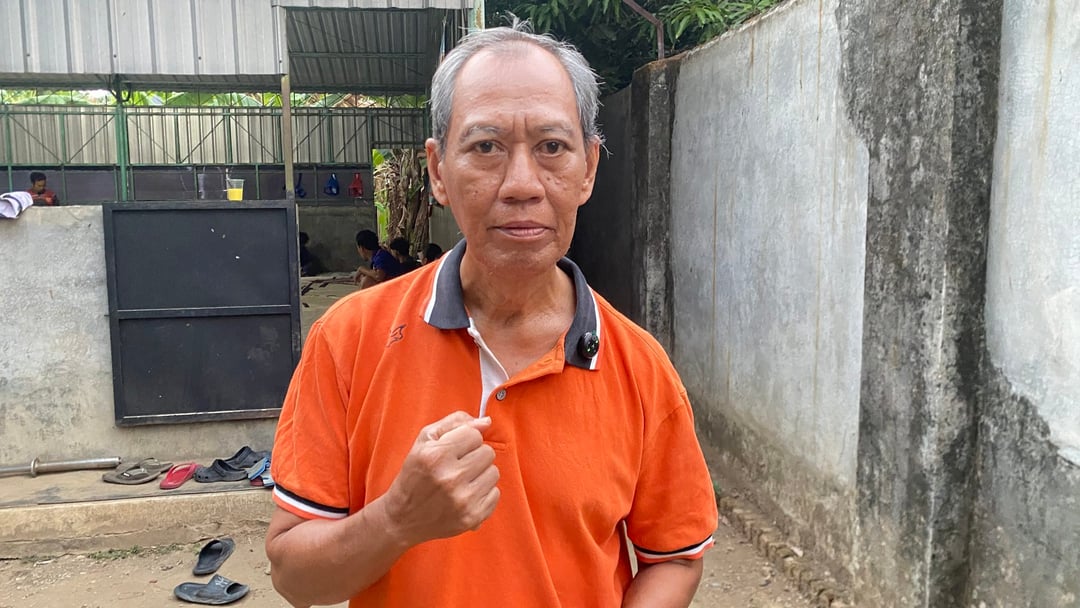
According to Suhartono, the experience of competing against wrestlers from various regions provided a clear assessment of the Kudus team’s capabilities and identified areas requiring improvement.
Technical refinement, physical conditioning, and mental resilience were highlighted as key priorities for future training programs.
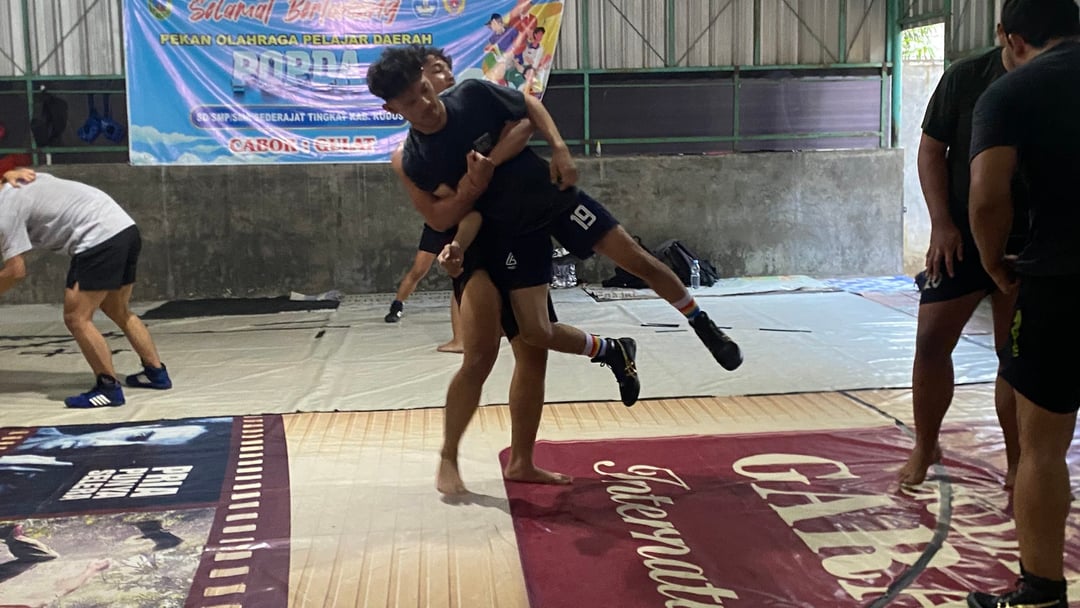
The Kudus Regency Wrestling Association (PGSI) has been conducting athlete development programs since 2001. These efforts are aimed not only at preparing wrestlers for competition but also at identifying young talent to carry on the legacy of previous generations.
Suhartono explained that athlete recruitment is carried out through initiatives such as the Regional Student Sports Week (POPDA) and coordination with school physical education teachers. This approach serves as a key pathway to introducing wrestling to children interested in the sport.
Prospective athletes are not required to undergo rigorous selection before beginning training. Once they join, they are introduced to basic techniques before advancing to more complex movements. Coaches then monitor their progress, technical ability, and dedication throughout training sessions.
To support these programs, PGSI Kudus employs five lead coaches: Ngabdi Manggiyo Mulyadi, Budi, Santoso, Adi, and Suhartono. Additionally, Jos oversees physical conditioning.
Training covers freestyle for both men and women, as well as Greco-Roman wrestling for junior and senior groups. The curriculum is tailored to the needs of each athlete group and specific competition requirements.
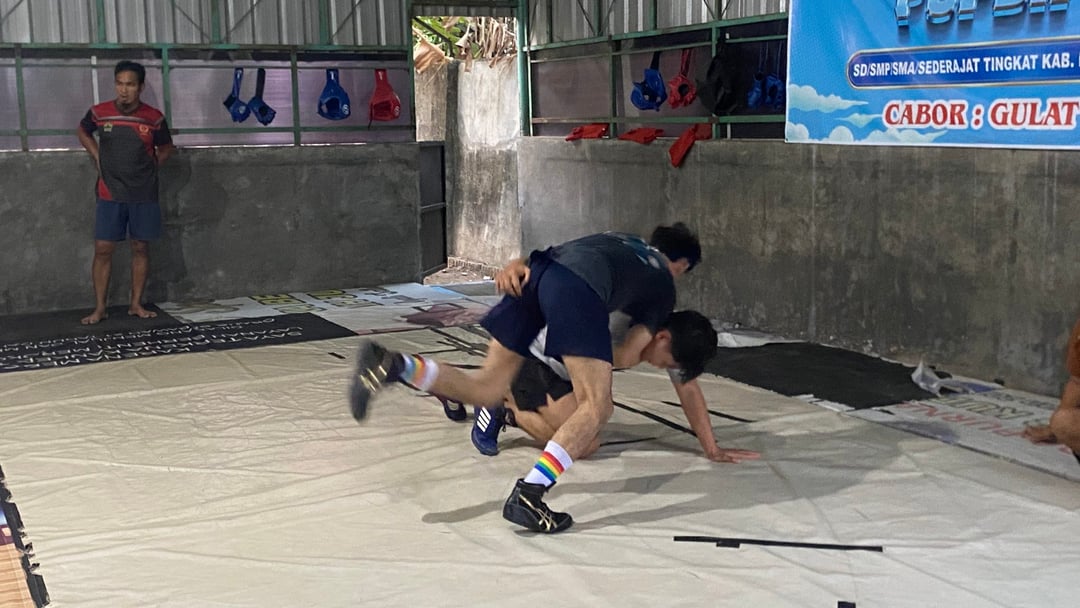
Before learning how to takedown opponents, beginners must master self-protection techniques for falling. Ngabdi Manggiyo Mulyadi emphasized that learning how to fall is a fundamental requirement in wrestling training.
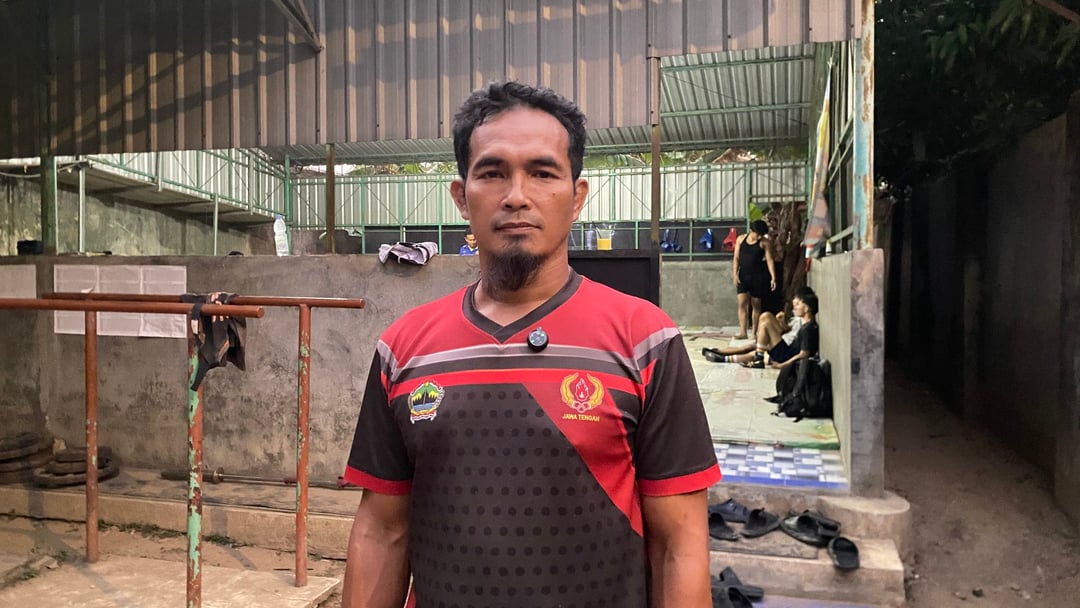
"Basic training is mandatory because the essence of wrestling lies in the technique of falling. We initially focus on teaching them to fall safely to avoid serious injury; it is dangerous to attempt techniques without knowing how to land properly," explained Ngabdi.
After mastering the basics, athletes gradually move on to offensive and defensive techniques, as well as opponent control. These skills are then honed through regular practice and sparring to ensure athletes become accustomed to applying techniques in scenarios that simulate actual match conditions.
Training frequency varies by group. Junior athletes train three times per week, while seniors train four times. In the lead-up to the Provincial Sports Week (Porprov), training is increased to six days per week, with Tuesdays designated as a rest day.
The training program includes physical conditioning and endurance, interval training, sprinting, technical refinement, and sparring sessions. These phases are integral to building athlete readiness for upcoming competitions.
The Porprov results allow coaches to evaluate how well training concepts are being applied in live match scenarios.
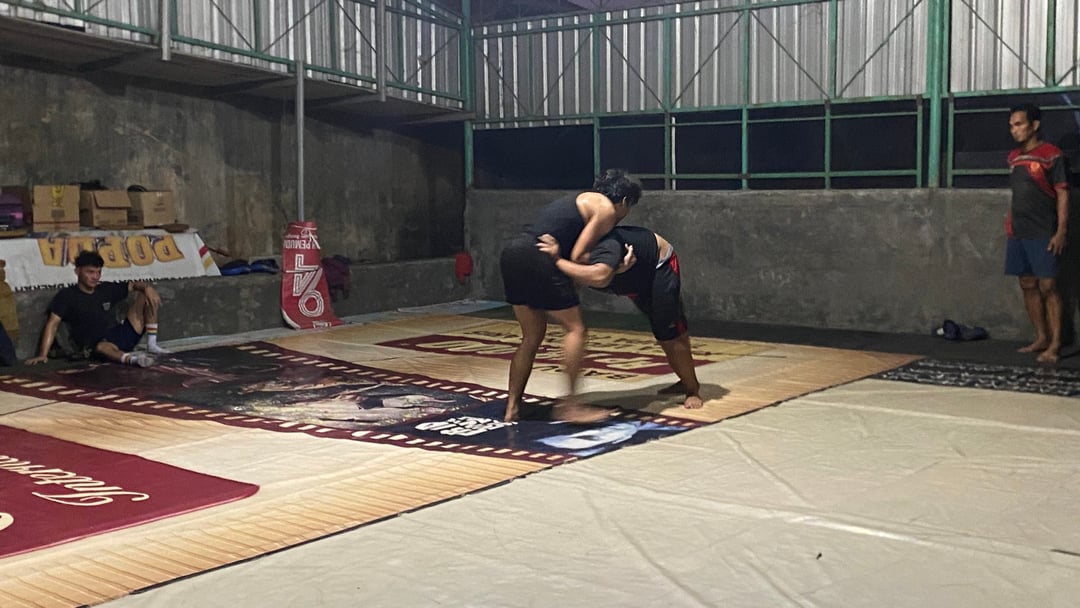
Development progress is reflected in an athlete’s growth from routine practice to competing at higher levels. One such example is Azka Suro Manggiyo Raharjo, a senior wrestler from Kudus who has been training for six to seven years.
Azka began wrestling in his first year of junior high school, encouraged by his father, who was also involved in the sport. Over time, he underwent rigorous training and competed in various events, ultimately securing a bronze medal at the 17th National Student Sports Week (Popnas) in Jakarta.
Competitive experience has allowed him to gauge his own abilities while learning to manage the pressure of facing opponents. According to Azka, technical mastery must be balanced with the ability to maintain focus and the right mindset throughout a match.
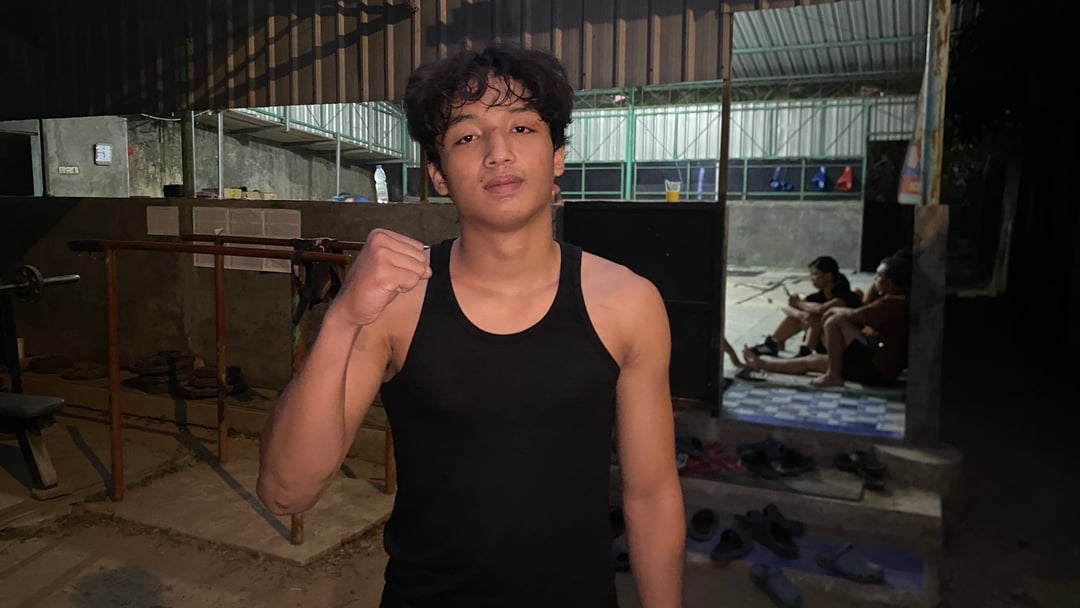
“Never underestimate your opponent. Overconfidence stemming from underestimating others will only hurt you in the end,” Azka advised.
For Azka, the success at Popnas is merely one chapter in a journey he intends to continue. He is targeting a gold medal at the next Porprov and hopes to earn a spot in the national training camp (Pelatnas) to compete on the international stage.
Azka’s journey underscores how training and competitive experience shape a wrestler’s development. However, sustainable growth relies not only on veteran athletes but also on providing young athletes with the opportunities to develop, ensuring a steady pipeline for the senior ranks.
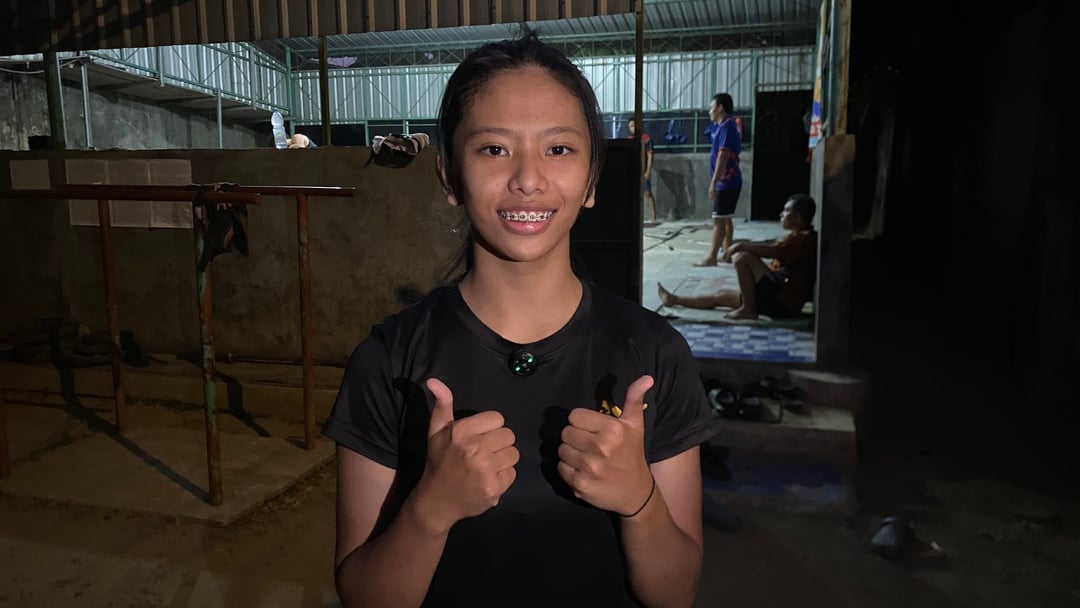
Putri Luna Gracia is among the junior athletes who secured a medal for Kudus. The 17-year-old wrestler, currently in her final year of high school, earned a bronze medal in the women’s 50-kilogram freestyle event.
Putri was introduced to wrestling at the end of ninth grade after being scouted by her school's physical education teacher. Since then, she has participated in rigorous training and competed in over 10 regional and national tournaments, including the Porprov.
These competitive experiences have allowed her to adapt to various wrestling styles and learn new techniques from her peers.
Throughout her training, she continues to work on mastering complex maneuvers, particularly the roll technique, which requires precise movement and the ability to anticipate an opponent's position.
"It has been an exciting experience, providing me with extensive insights and the chance to study my opponents' techniques," Putri said.
Support from her coaches and team chemistry have helped her stay committed to the sport. Each competition serves as a valuable opportunity for her to refine her skills.
While her Porprov achievement marks a significant milestone, she recognizes that consistent training and further competition are essential for her continued development as an athlete.
Winning seven medals does not signal an end to the development program. For the Kudus Wrestling Association (PGSI), the tournament results provide a roadmap for identifying the strengths and weaknesses of its athletes ahead of future championships.
Suhartono expressed hope that these achievements will motivate all wrestlers to intensify their training and elevate their performance.
Refining technical skills, physical conditioning, and mental resilience remain key focus areas. Ongoing evaluations are being conducted to ensure that training programs are tailored to meet each athlete's specific needs.
At the Graha Mustika Sports Hall, training sessions continue across various age groups. Beginners focus on foundational techniques, junior athletes gain competitive experience, and senior wrestlers strive to maintain their form and pursue further accolades.
The seven-medal haul at the 2026 Porprov serves as a significant marker in the history of Kudus wrestling. Ultimately, the future of the sport relies on sustained training programs and the continued growth of its young athletes. (FZ/mainkekudus)