
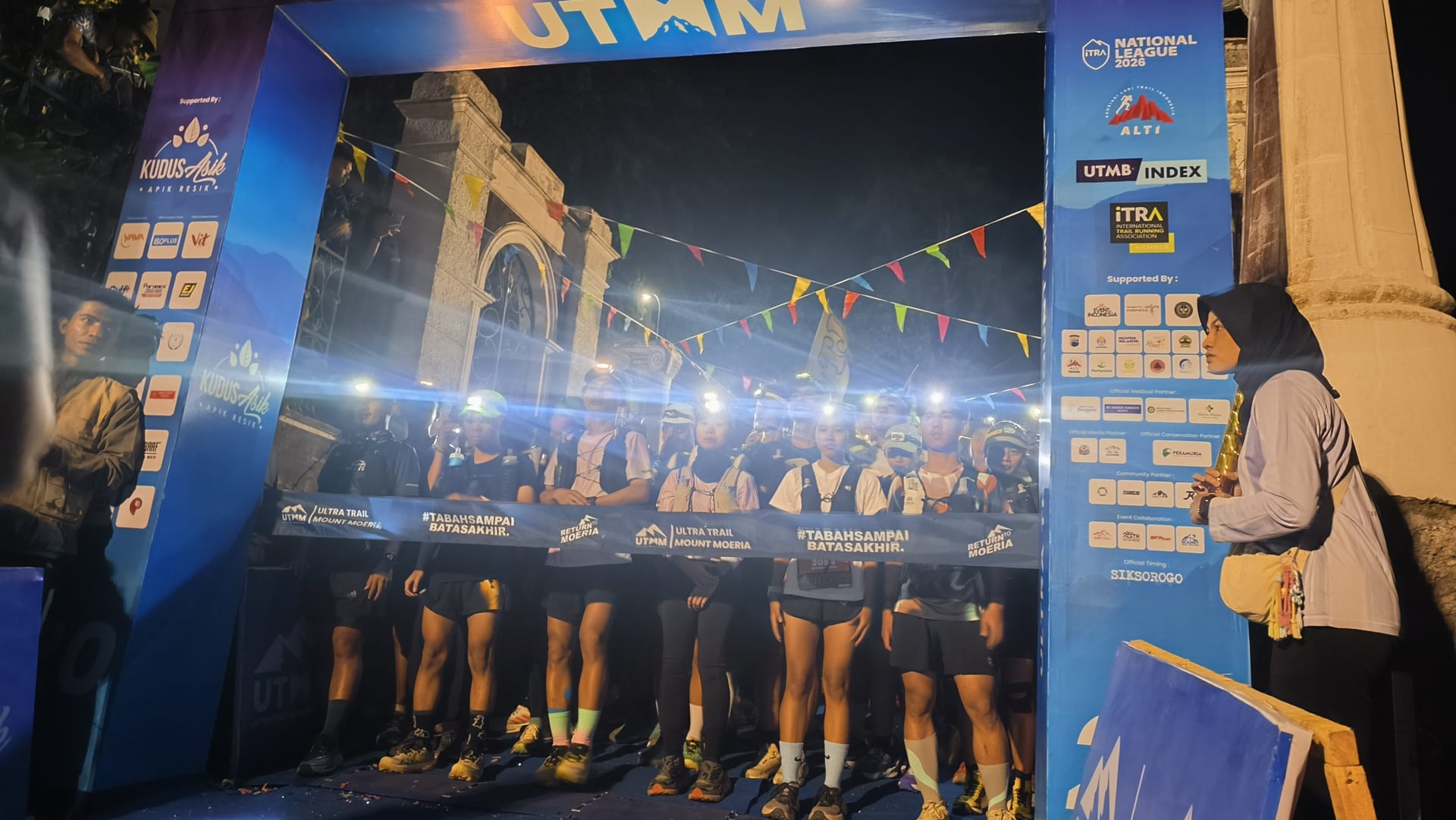
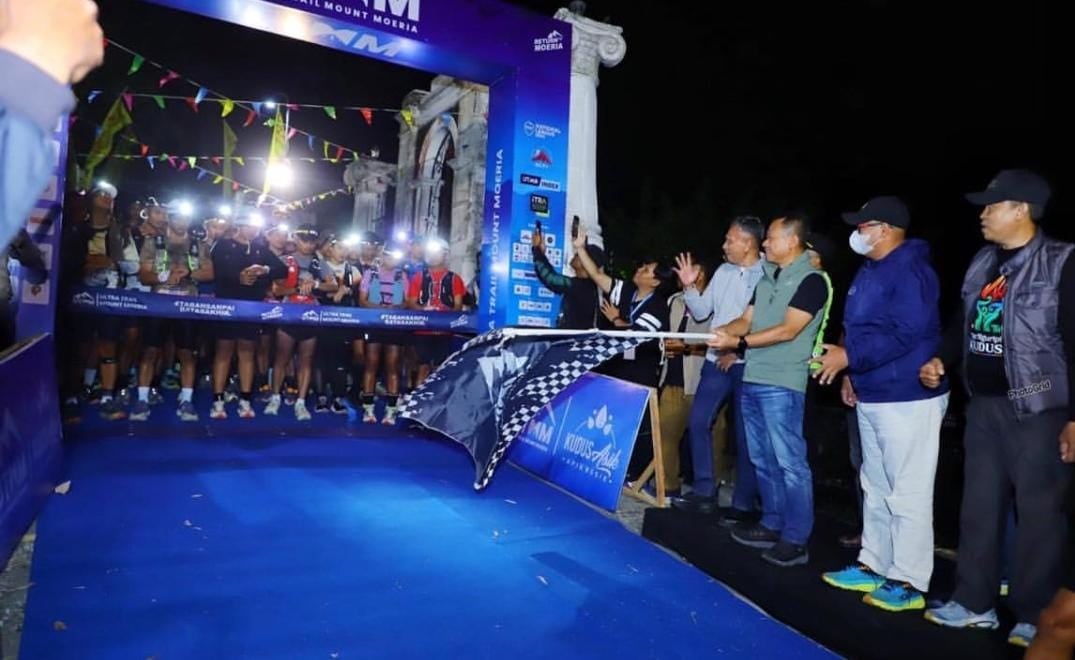
KUDUS – D’Tjolo Ecopark in Colo Village, Dawe District, Kudus Regency, was abuzz on Saturday evening (Oct. 3, 2026). Hundreds of runners gathered at the starting line for the 50K category, signaling the commencement of the Ultra Trail Mount Moeria (UTMM) 2026, which challenges participants to navigate the Mount Muria range through Sunday morning.
Kudus Regent Sam’ani Intakoris was on hand to officially flag off the long-distance runners. He urged participants to focus not only on the challenging terrain but also to prioritize health, discipline, and environmental preservation.
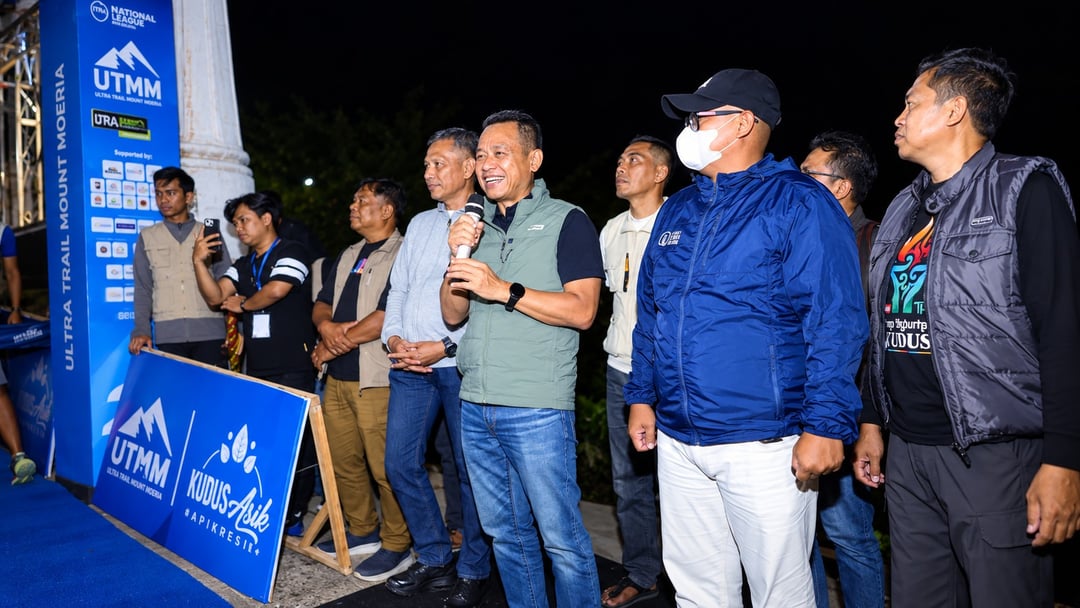
"Most importantly, remain healthy and orderly. We also invite all participants to maintain cleanliness along the trails and leave no litter behind in the Mount Muria area," Sam’ani said.
Held from October 3–4, 2026, this year's UTMM drew approximately 570 participants, a 12 percent increase from the previous edition. The event, centered at D’Tjolo Ecopark, featured four race categories: 50K, 30K, 15K, and 7K.
Enthusiasm for the event spanned far and wide, with participants arriving from various parts of Indonesia as well as international runners from Belgium, France, Ukraine, and other nations. Their attendance is viewed as a strategic opportunity to promote the tourism potential of Mount Muria to a wider audience.
Event activities began a day prior to the race. The Race Pack Collection (RPC) session was held at Kirana Souvenir Shop in United Grand Square on Friday (Oct. 2), followed by a session at the Graha Muria Hotel Hall the next day. Placing the collection point at a local gift shop served to introduce regional small and medium enterprise (MSME) products to out-of-town participants before they hit the trails.
The focus then shifted to Colo. Starting Saturday night, each category was released onto the trails, varying in distance and difficulty. Out of the 570 participants who began the race, 539 successfully crossed the finish line.
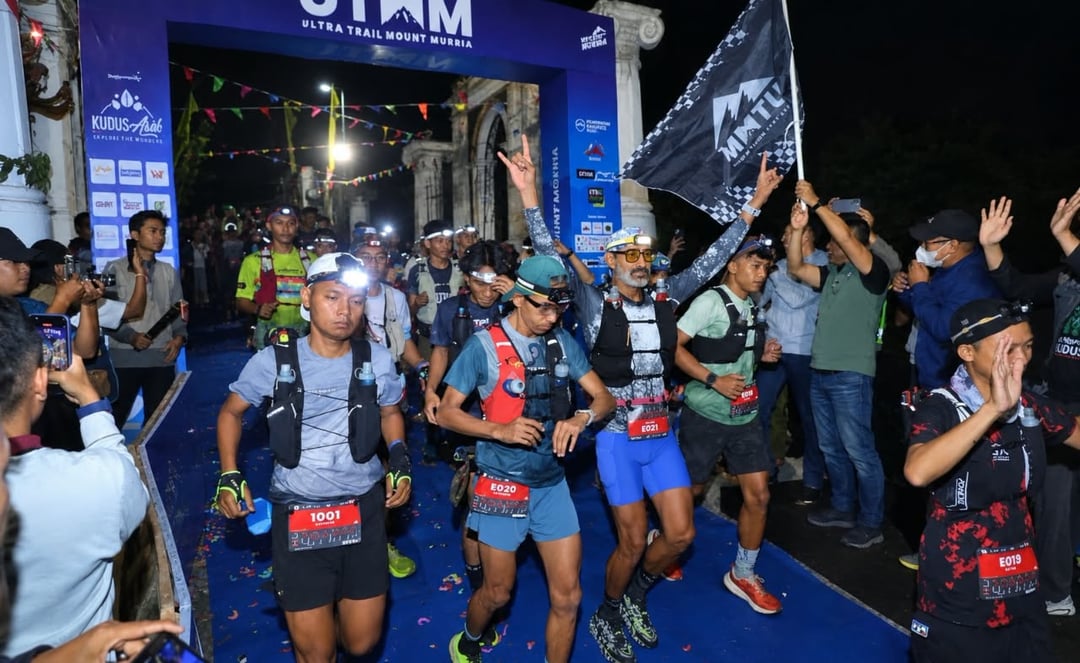
Since the first category started on Saturday night, hundreds of participants navigated trails specifically designed for each competition class.
The 7K category covered approximately seven kilometers with an elevation gain of 455 meters, passing through the Colo, coffee plantation, and Montel areas before returning to D’Tjolo Ecopark.
The 15K category spanned an actual distance of about 16 kilometers with an elevation gain of 1,098 meters, taking runners through the Ternadi area and local coffee plantations.
The 30K category presented a more rigorous challenge, covering 32.51 kilometers with an elevation gain of 2,841 meters, featuring routes through Ternadi, Natas Angin Peak, and Semliro.
The 50K category proved to be the most demanding, covering roughly 50.12 kilometers with an elevation gain of 4,164 meters, leading participants through Natas Angin and Tunggangan, descending toward Tempur in Jepara, and crossing Peak 29 before returning to the finish line.
Out of approximately 570 total participants, 539 runners successfully crossed the finish line.
The finishers consisted of 110 participants from the 7K category, 239 from the 15K, 139 from the 30K, and 51 from the ultra-distance 50K category.
In the 50K Ultra Trail category, Muhammad Fahri Zulhami secured first place with a time of 5 hours, 37 minutes, and 30 seconds.
Musayyin took second place with a time of 6 hours and 3 minutes, followed by Hendra Siswanto who finished in 6 hours, 5 minutes, and 24 seconds.
The 30K Hard Trail category was won by Sugeng Witrianto in 3 hours, 58 minutes, and 44 seconds.
Wildan Yusuf Furqoni followed in second place with 4 hours, 3 minutes, and 50 seconds, while Brillian Jordan secured third in 4 hours, 26 minutes, and 41 seconds.
In the 15K Medium Trail category, Eko Paryono claimed the top podium spot, followed by Ardan Bangun in second and Mahfud Baini in third.
Meanwhile, the 7K Fun Trail category was won by Fajar, with Muhammad Fahri in second place and Joko Fani Prasetyo rounding out the top three.
UTMM 2026 coordinator Muhammad Yusrul Huda, also known as Yuda, stated that this year’s event proceeded smoothly without significant field issues.
He noted that the medical team was not overwhelmed by incidents on the trail, as most assistance was required only after participants reached the finish line.
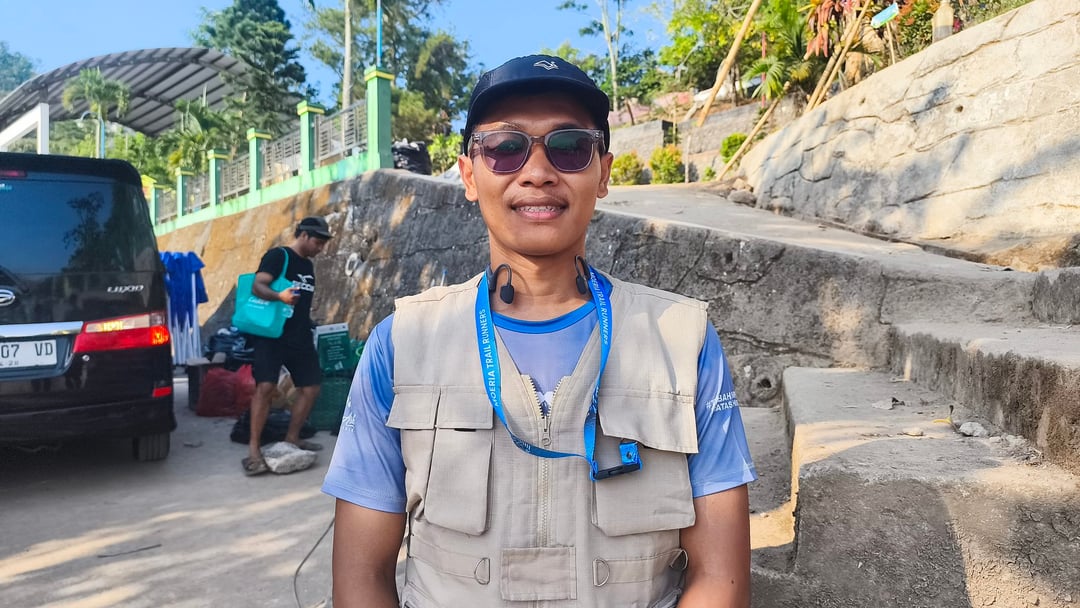
“Overall, everything went well. Many participants finished strong, and the medical team did not have to work overly hard. The physiotherapy team was the busiest, as participants required muscle relaxation after finishing,” he said.
Upon reaching the finish line, participants displayed a wide range of emotions and physical conditions. Some immediately lay down to rest, others sought out the physiotherapy station, and many others eagerly shared stories about the difficult climbs, descents, and rugged terrain they had just conquered.
Beyond finish times and podium rankings, every kilometer toward the finish line holds a unique story of perseverance for each participant.
Wisnu Yudha Sena, a 30K category finisher from Bogor, successfully completed the challenge ahead of his original target time.
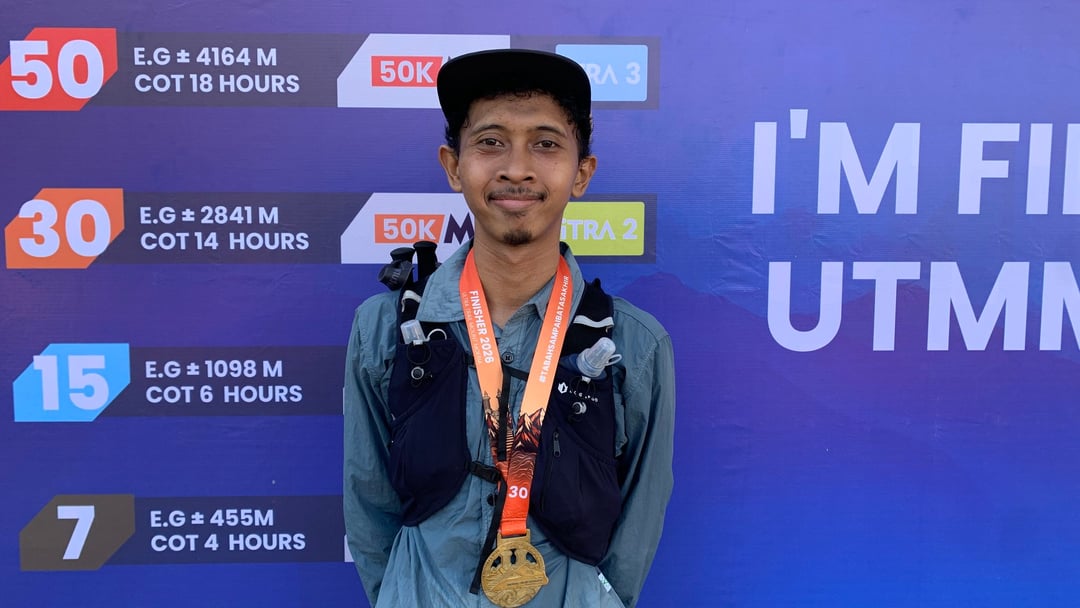
For Wisnu, one of the most memorable moments on the course was conquering the Natas Angin Peak.
He noted that the terrain of the Muria Mountains requires runners to carefully manage their breathing rhythm and stamina.
“The course is quite challenging. It is characterized by rolling terrain, with climbs, descents, and more climbs,” he said.
Beyond the difficult terrain, the warm encouragement from local residents lining the route kept his spirits high until the finish line, leaving him eager to compete in a more advanced category at next year's UTMM.
Adi Rizqia, a local runner from Kudus who also competed in the 30K class, shared his own intense and memorable experience.
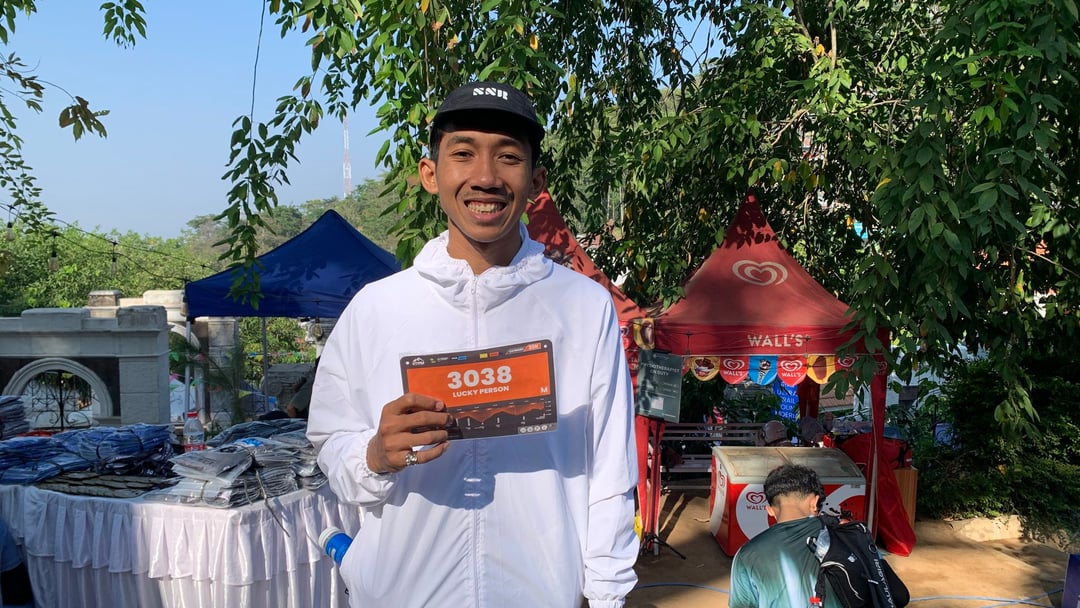
As a local familiar with the surrounding nature, he considered the trail in Muria to be far more technical and unpredictable than expected.
His toughest test came during the stretch from Jambu to Natas Angin Peak, followed by a steep descent where his legs suffered severe cramps, leaving them completely locked.
Despite the pain, his determination pushed him forward, and he finally crossed the finish line on Sunday morning at approximately 06:09 AM WIB.
“Just keep fighting,” he said.
Behind his arduous struggle, he emphasized that thorough preparation—including adequate rest and proper fueling—was the key to enduring the extreme course. Adi hopes that events like the UTMM will continue to be promoted well in advance to further boost awareness of Kudus’ tourism potential through sports tourism.
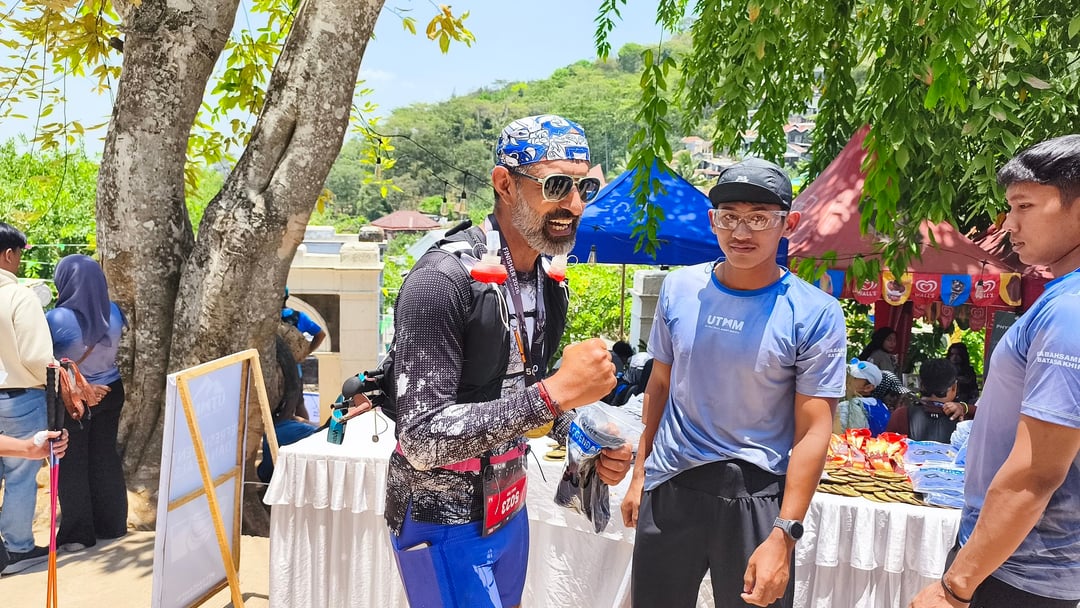
The most grueling test of endurance emerged from the longest distance category, as experienced by Mas Tejo, a Pakistani runner now based in Jakarta.
For Tejo, this event was not his first encounter with the landscape of Mount Muria, as he had visited the region by bicycle five years prior.
This time, he returned to conquer the same terrain using a different method: running across the mountainous course, which demanded intense focus.
Of the entire route, he identified the Natas Angin Peak as the most formidable challenge, describing it as an endless, cliff-like ascent.
The difficulty continued past the summit, where runners were immediately faced with a descent that was steep, slippery, dusty, and strewn with sharp rocks.
Due to the extreme conditions, he reported that several participants were forced to drop out at that specific section of the descent.
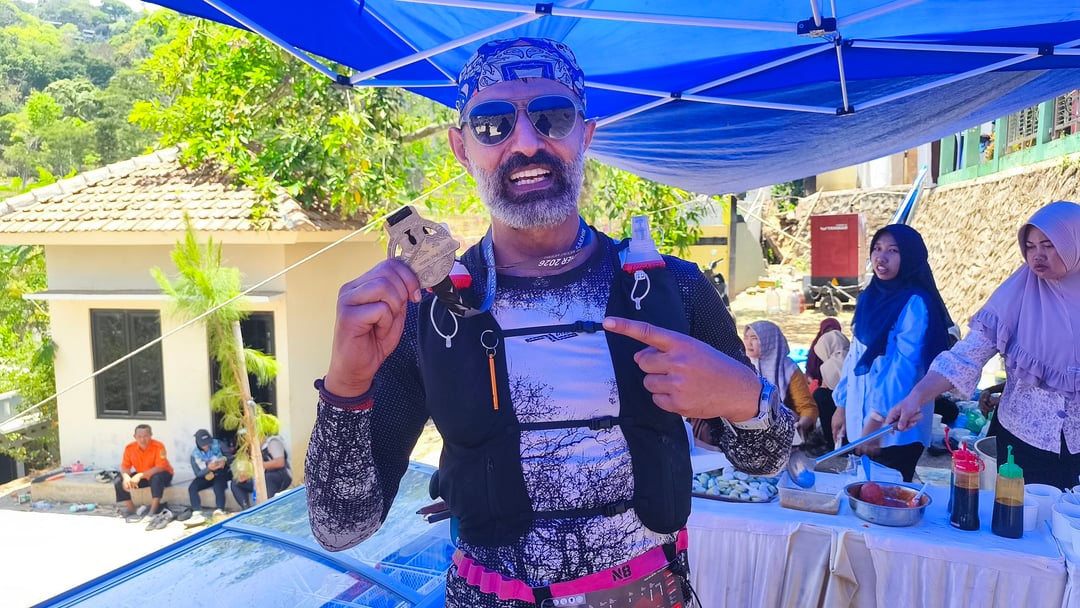
“The 50K category is truly exceptional. It is not for the casual runner. It requires rigorous training and thorough preparation,” he said.
Despite his physical fatigue, he remained committed to protecting the environment by storing all empty food wrappers and water bottles in his pockets.
Upon reaching official water stations, he disposed of the waste at the designated locations provided by the organizers.
“If we can carry food and drink up the mountain, surely we can carry the wrappers back down. I always keep my trash in my pocket and dispose of it at the water station,” he noted.
His disciplined commitment to environmental stewardship marked the end of his journey as he completed the dozens of kilometers of the Muria trail, combining running and walking.
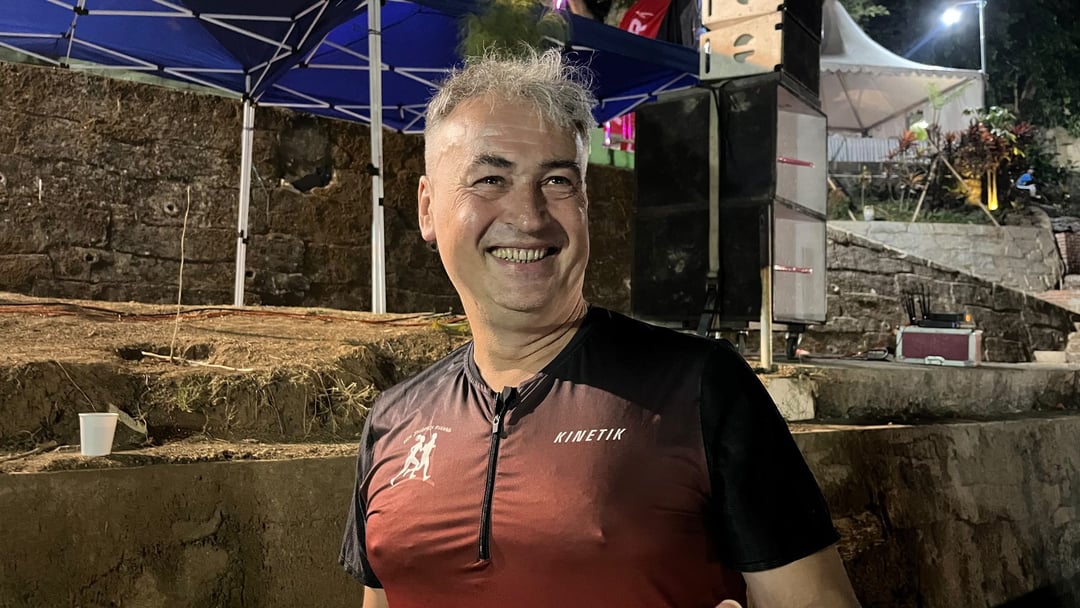
For some out-of-town participants, the adventure of this event does not end when they cross the finish line.
This unique experience was shared by Anthony Dourneau, a 55-year-old French runner who visited Indonesia for the first time to compete in the 2026 UTMM, spending four days solo in a Kudus hotel.
Initially, he browsed the internet for trail running races to build a vacation itinerary, briefly considering an event in Borobudur before firmly committing to the 2026 UTMM two to three weeks later.
Although he admitted that information about the event was somewhat difficult to find online, his journey was well worth the effort once he arrived in Kudus.
During his stay in the city, he consistently treated his palate to various local culinary offerings, intentionally avoiding fast-food chains.
"Mi tek-tek" was on his list of dishes to try, which he initially mistook for a pasta dish.
He also made sure to sample quail egg martabak, capturing photos of the experience to share with friends back home.
His exploration continued to the Menara Kudus area and the Sunan Kudus tomb complex, where he witnessed the throngs of pilgrims offering prayers.
While describing himself as not particularly religious, he remained struck by the vibrant spirit and deep devotion of the worshippers there.
The festivities at the 2026 UTMM arena also left an impression, particularly his appreciation for the organization and the high-energy atmosphere at the starting line, complete with live music.
Overall, his four-day stay in Kudus provided Anthony with a window into experiences far beyond a mere sporting agenda.
A different dynamic came from Sina Lotfahmadi, a Canadian runner who competed in the 15K category and marked his second participation in the Mount Muria trail running event.
With all hotels and homestays near the main venue fully booked, Sina improvised by camping in a tent at D’Tjolo Ecopark.
“The mountain is beautiful, everyone is friendly and very welcoming. The event here is exciting, everyone says hello,” he said.
The experiences of Anthony and Sina demonstrate that the journey of participating in the UTMM extends beyond the race course. Some participants stay for several days to explore Kudus, while others choose to camp near the venue when accommodation is full.
However, the connection between participants and Kudus is built on more than just the places they visit or the memories they take home. The tens of kilometers they traverse on the Muria trails are returned as contributions to the region that hosts the race.
Every kilometer completed by participants across all categories is converted into tree plantings. Based on the cumulative distance covered by the 2026 UTMM runners, 11,603 seedlings have been allocated for the reforestation of the Mount Muria area.
Dandy Mahendra, Deputy Program Manager at Bakti Lingkungan Djarum Foundation (BLDF), explained that calculations are based on the distances covered by participants from the 7K to 50K categories. The longer the cumulative distance covered, the greater the allocation of tree seedlings for reforestation.
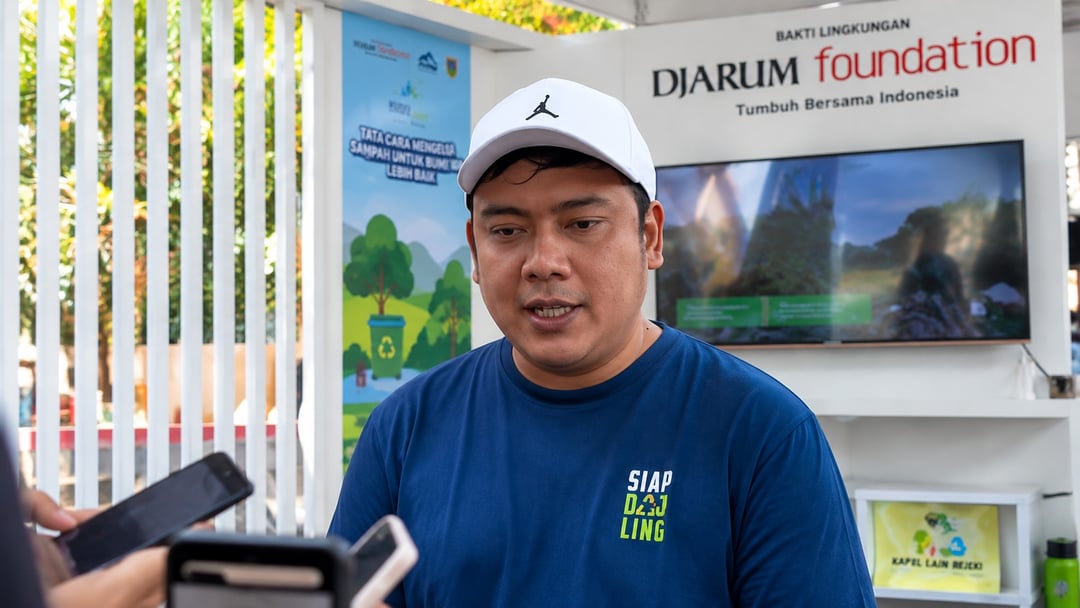
This reforestation effort is not a one-off event but part of a long-term commitment in the Muria and Patiayam mountains that has been underway since 2020. By 2025, 363,912 seedlings have been planted, with plans to continue through 2031 to reach a target of more than 1.2 million trees.
The plant species selected are designed to serve both conservation and economic functions, including durian, avocado, mango, and coffee trees, as well as ficus varieties to enhance biodiversity.
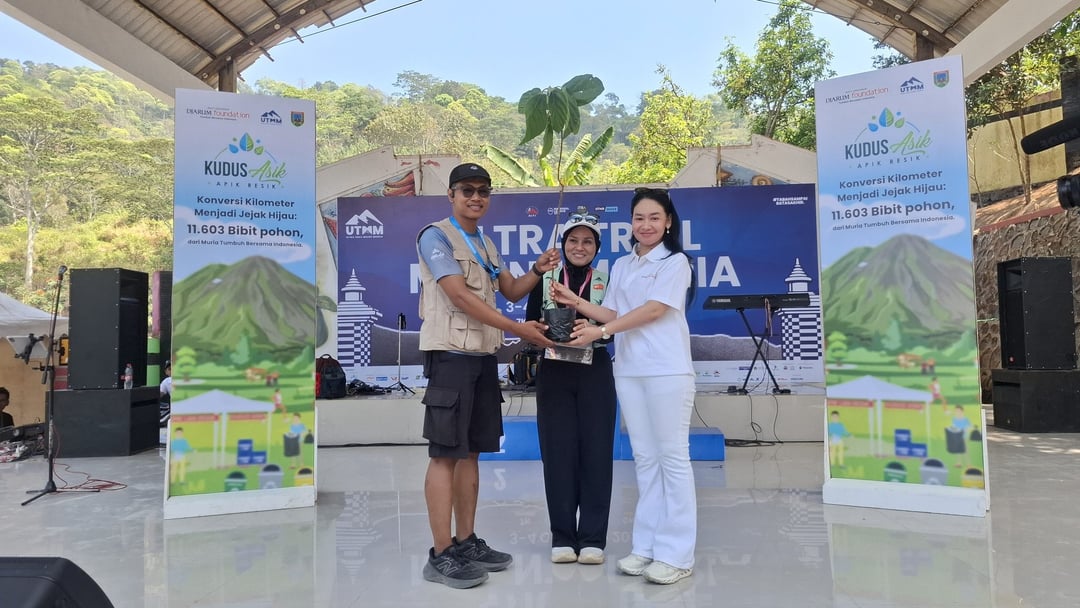
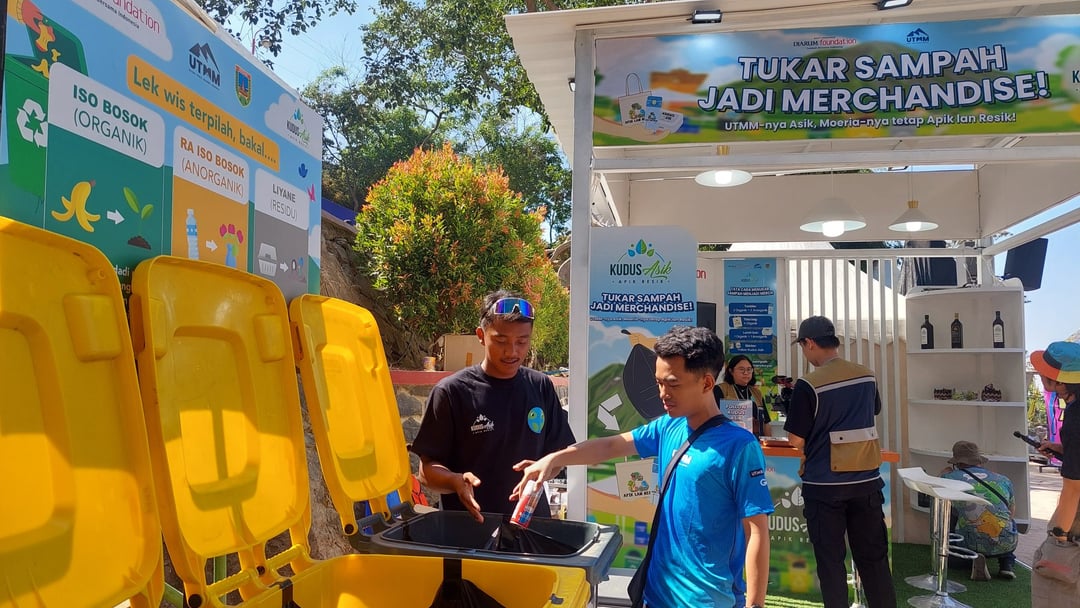
Environmental awareness was promoted throughout the racecourse via the Kudus ASIK (Apik Resik) movement, which encouraged participants and spectators to sort waste and urged runners to carry any litter with them from the trails.
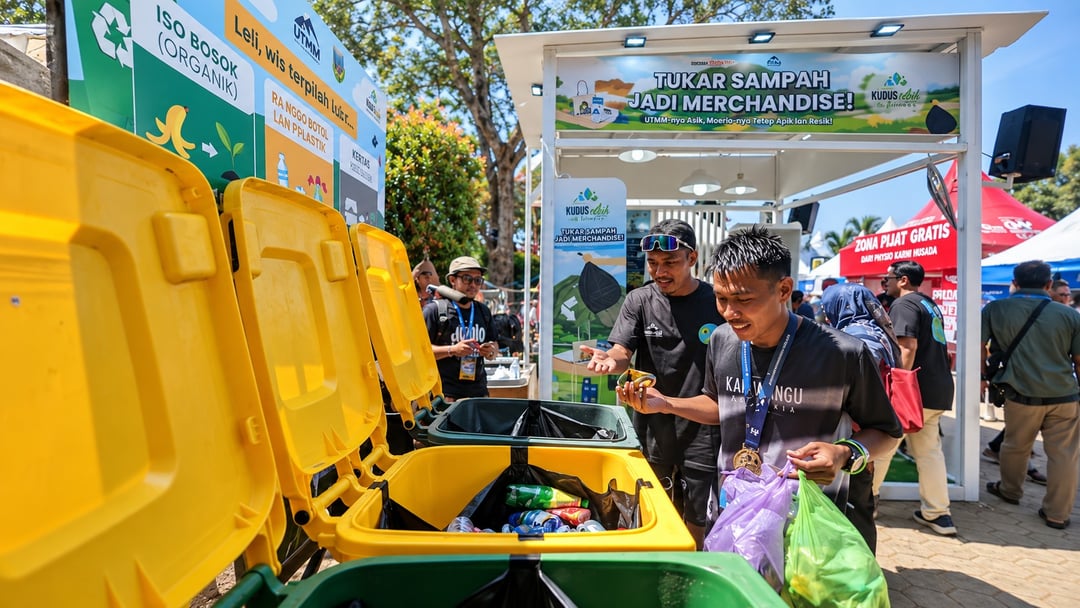
This commitment was exemplified by Abdul Basir, a 15K category runner who carried two bags full of plastic waste and mineral water bottles from the seventh kilometer to the finish line.
"I picked up the trash because I want to maintain a clean environment. As a hiker, I believe it is essential to take care of myself and protect the surroundings," he said.
To conclude the event, organizers conducted a sweep of the course to ensure no markers, signs, or equipment were left behind in the natural area.
While the Muria trail served as the venue for the competition and environmental initiatives, the arrival of hundreds of participants also stimulated economic activity in the Colo area, benefiting small businesses located near the event site.
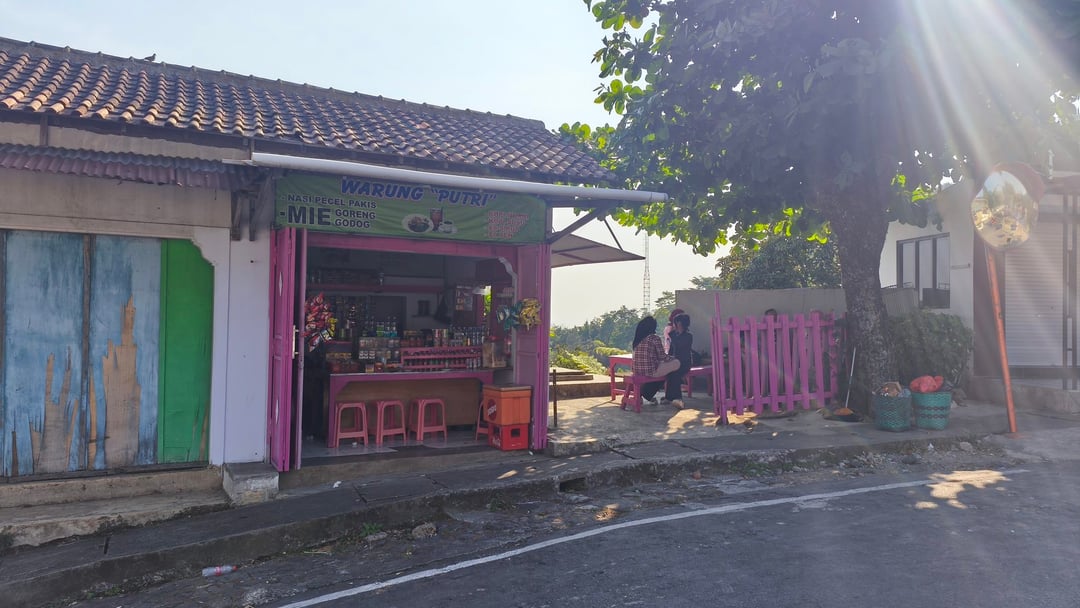
Nani, the proprietor of Warung Pink, noted a surge in customer traffic during the UTMM event. While her food stall typically experiences a lull on Sunday afternoons, it remained bustling with participants and visitors throughout the event.
Records indicate over 100 customers ordered a variety of food and drinks, with iced tea, iced orange juice, packaged coffee, and noodle dishes proving to be the most popular choices.
The high turnout kept the stall operational until the early morning hours, between 2:00 a.m. and 2:30 a.m. local time.
Nani reported that her revenue during the 2026 UTMM event doubled compared to a standard Sunday.
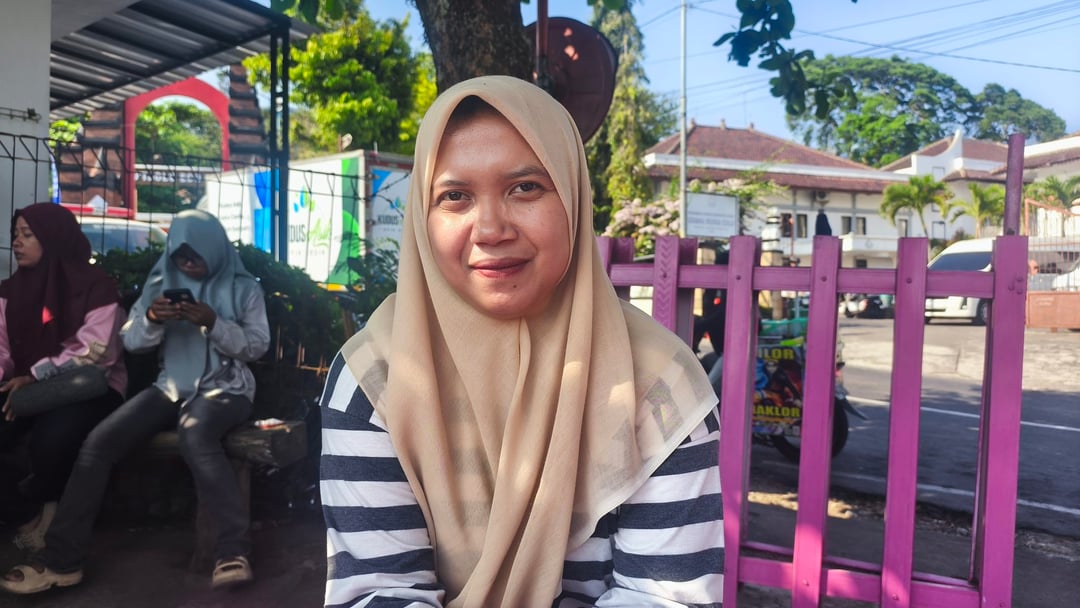
Drawing from this experience, she remarked that such events offer tangible economic benefits for local residents.
She expressed hope that similar sporting events could be hosted regularly, aiming for two to three times per year.
The influx of participants, which began during gear collection at local souvenir centers, ultimately provided a significant boost to food stalls in the Colo area.
Warung Pink serves as a clear example of how a vibrant event can stimulate the local grassroots economy.
Furthermore, the ripple effect seen in Anthony's travels—spanning hotels, culinary businesses, and tourist destinations—highlights the broader economic impact.
Meanwhile, Sina's experience of having to set up a tent underscores the acute shortage of accommodation when hundreds of people descend on a single region simultaneously.
These stories collectively illustrate that the impact of a sporting event extends well beyond the finish line.
Beyond the competition, the movement of participants permeated various sectors, services, and local businesses that sustain the community in Kudus.
Following the conclusion of the race, organizers held an in-depth evaluation session to assess the course conditions and operational dynamics.
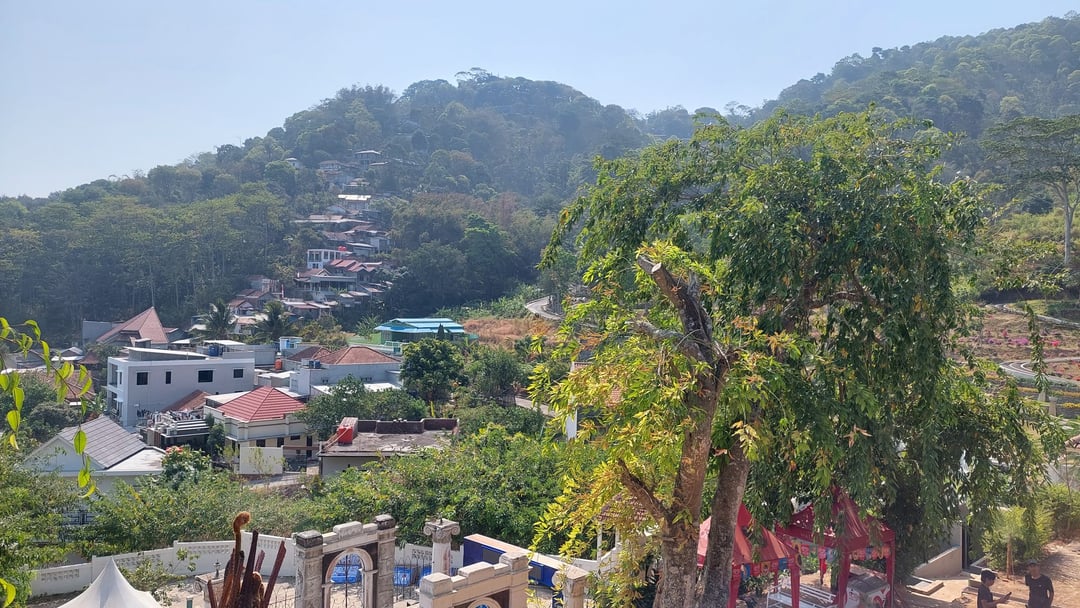
UTMM 2026 coordinator Muhammad Yusrul Huda, also known as Yuda, noted that the hot, dry season weather posed a greater challenge this year, leaving the Muria landscape noticeably different from the lush, water-rich environment typically seen in the Montel area during the rainy season.
From the participants' perspective, the trail sections dominated by paved concrete through coffee plantations drew mixed reactions; some appreciated the varied terrain, while others noted it as an area for improvement.
Looking ahead, organizers are exploring opportunities to expand race categories.
The potential introduction of distances exceeding 50K, and even up to 100K, has emerged as an appealing option, given the vast expanse of the Mount Muria range covering the Kudus, Jepara, and Pati regions.
Meanwhile, strong interest from younger runners has opened up the possibility of adding specific youth categories, following the successful completion of the 30K race by participants under 10 and under 17 years old with parental consent and supervision.
All feedback, along with data on weather, safety, and course conditions, is currently being compiled to guide preparations for next year's event in the same natural setting.
While the runners' adventure concluded at the D’Tjolo Ecopark finish line, the event’s impact continues to resonate across various sectors.
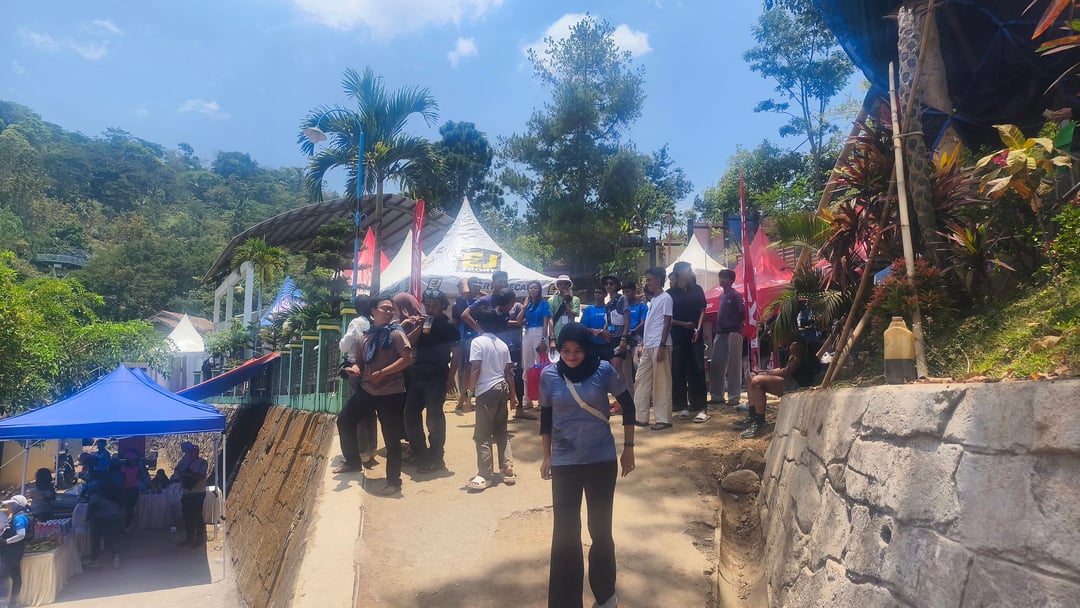
From the participants' deepened understanding of Kudus and the economic boost for local businesses to the return of 11,603 saplings to the Muria ecosystem.
As runners depart the Colo area, the race may be over, but the benefits and stories brought to Kudus will endure long past the finish line. (OEB/YSR/mainkekudus)
