
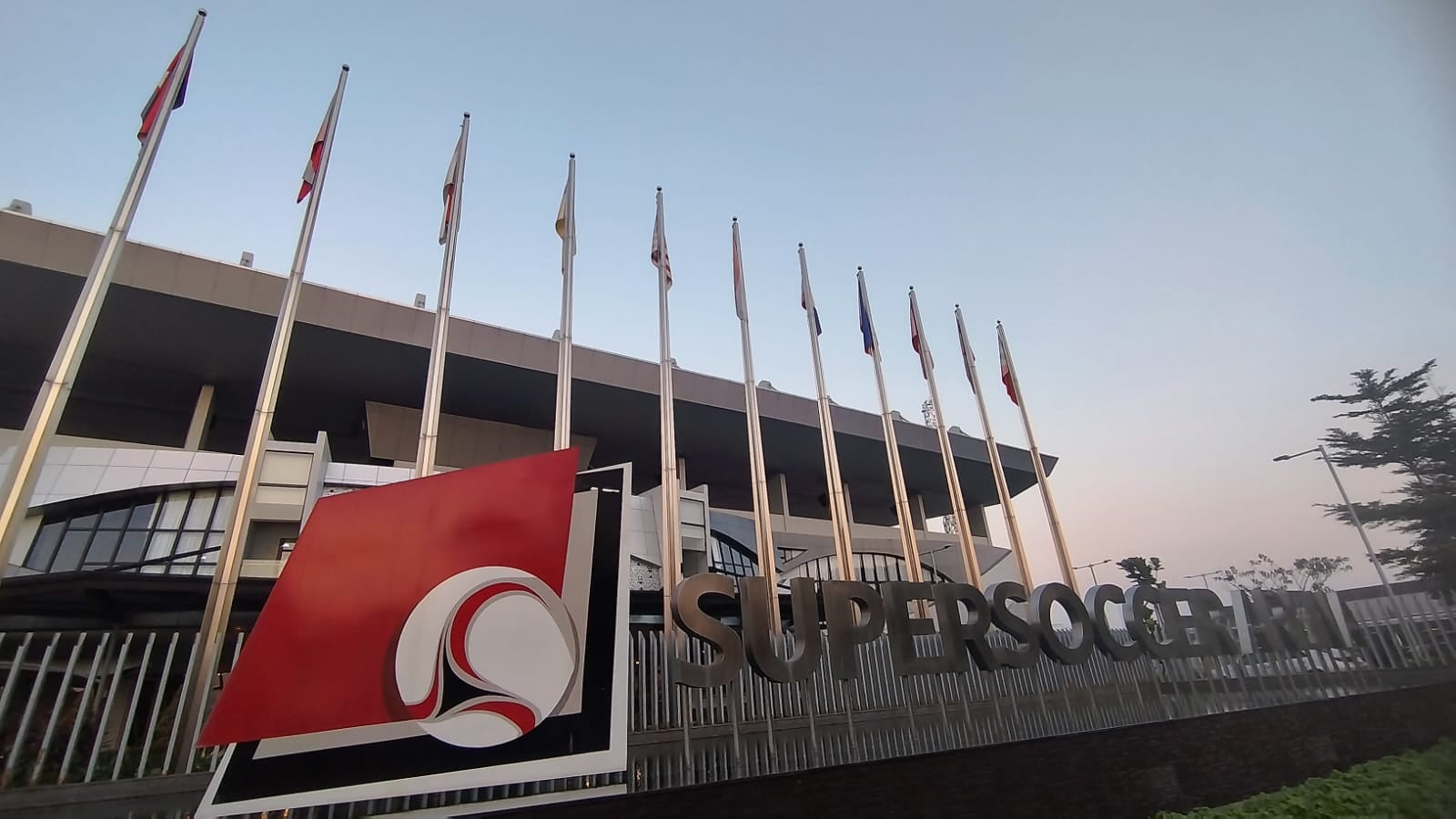
KUDUS – Supersoccer Arena (SSA) Kudus is accelerating infrastructure improvements ahead of a women's soccer tournament scheduled for late June 2026. Work is currently underway on the installation of four Field of Play (FOP) lighting units, a specialized system designed to illuminate the main pitch for night matches.
These international-standard lights are being installed to prepare the venue for the Women’s Soccer Trilogy, a series of women's football competitions. The stadium lighting is expected to facilitate both match play and athletic activities during the evening hours.
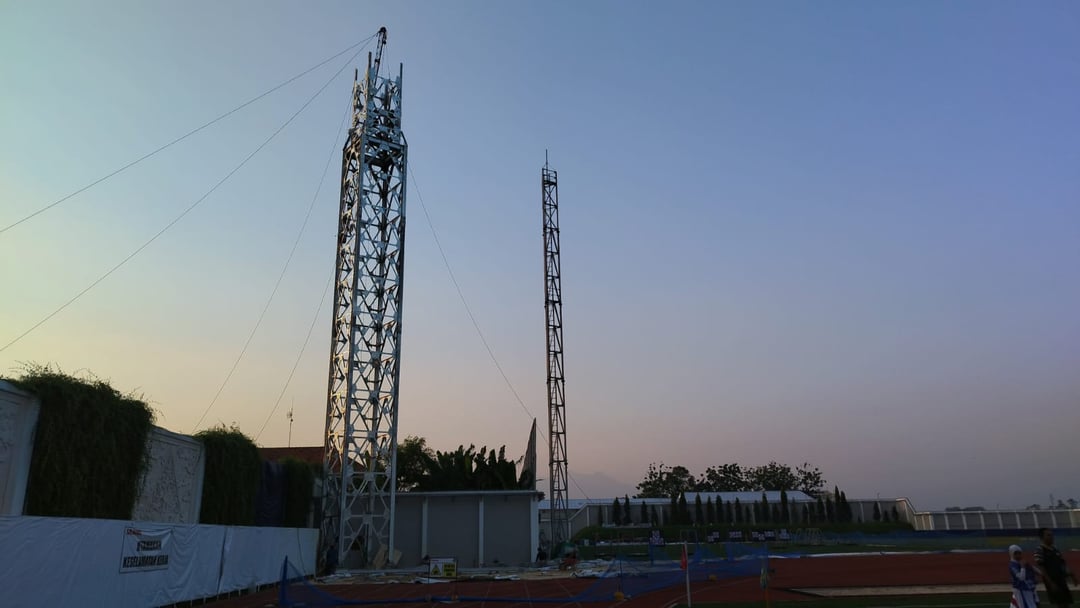
Supersoccer Arena Kudus manager Welly Arisanto stated that the installation of the international-standard stadium lighting is approximately 50 to 60 percent complete.
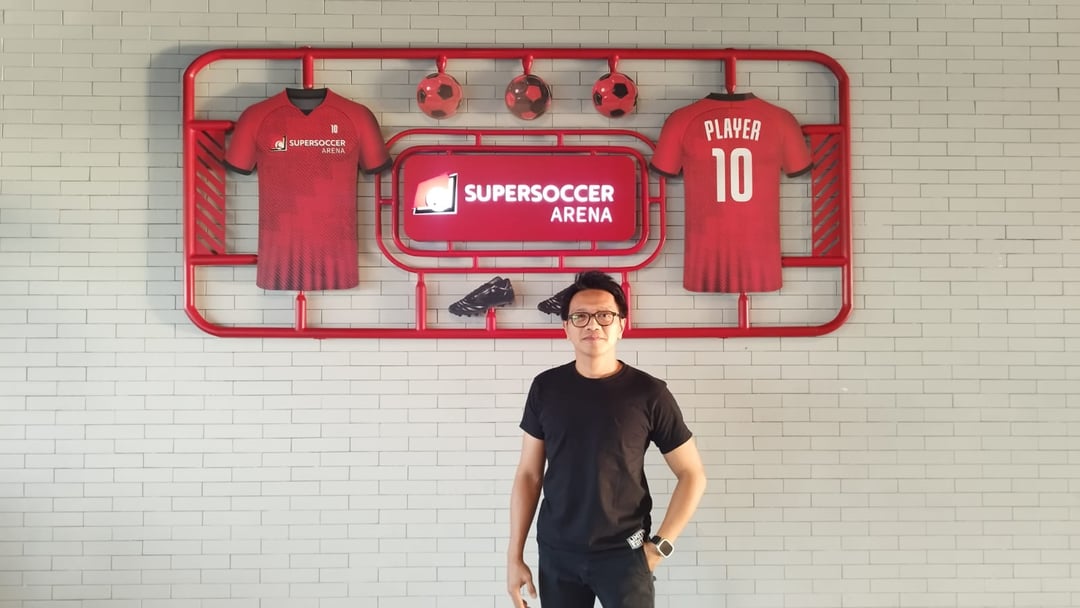
According to Arisanto, workers have successfully installed the light poles and completed the necessary cabling, though several additional steps remain before the system is fully operational.
“Current progress is at 50 to 60 percent. The poles are up and the wiring is in place. We are currently lifting the lighting fixtures and fine-tuning the illumination configuration,” said Welly.
He noted that the configuration process is time-consuming, as the lighting must be calibrated to meet specific pitch requirements. Additionally, the project involves removing existing lightning protection equipment to integrate it with the new pole structures.
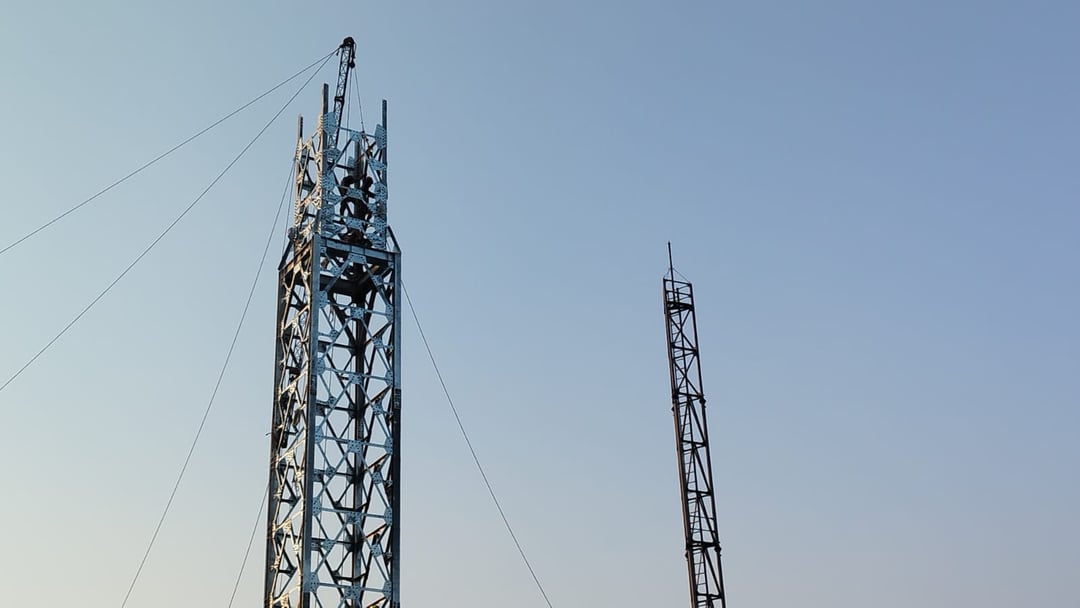
“We are removing the old lightning rods so that the lights and the lightning protection will be consolidated on the same poles. Following that, there will still be a process of configuration and testing,” he added.
Although installation work remains ongoing, the stadium lights will not be operational for the MilkLife Soccer Challenge All Stars or the HYDROPLUS Soccer League All Stars, both scheduled from late June to early July, as several technical tasks are still being finalized.
Welly stated that additional work is expected to be completed by mid-July, including final adjustments to lightning rods and lighting system configurations.
Once installation is finished, management will conduct inspections and lighting simulations to ensure the illumination meets competition standards. These tests may be integrated with regular matches held at the arena.
“Once installation is complete, we will perform simulations and checks. The goal is to ensure the brightness levels and light patterns are suitable for match requirements,” he explained.
The stadium lights are expected to provide greater flexibility for hosting events, allowing matches to be held at night, including those with kick-offs scheduled around 7:00 PM WIB.
According to Welly, night matches allow for more efficient scheduling, potentially shortening tournament durations. Beyond match play, the lighting facility enables the arena to host nighttime training sessions.
“With the lights, night matches are possible, making the schedule more flexible. The arena can also be used for evening training or other sports activities with adjusted lighting,” he said.
Beyond football, the lighting system could support other sports that utilize the arena, such as athletics and archery, with customized illumination settings.
Preparations extend beyond the stadium lights. Supersoccer Arena (SSA) Kudus is also upgrading facilities ahead of larger-scale women's football events, including the Srikandi Merdeka Cup scheduled for August.
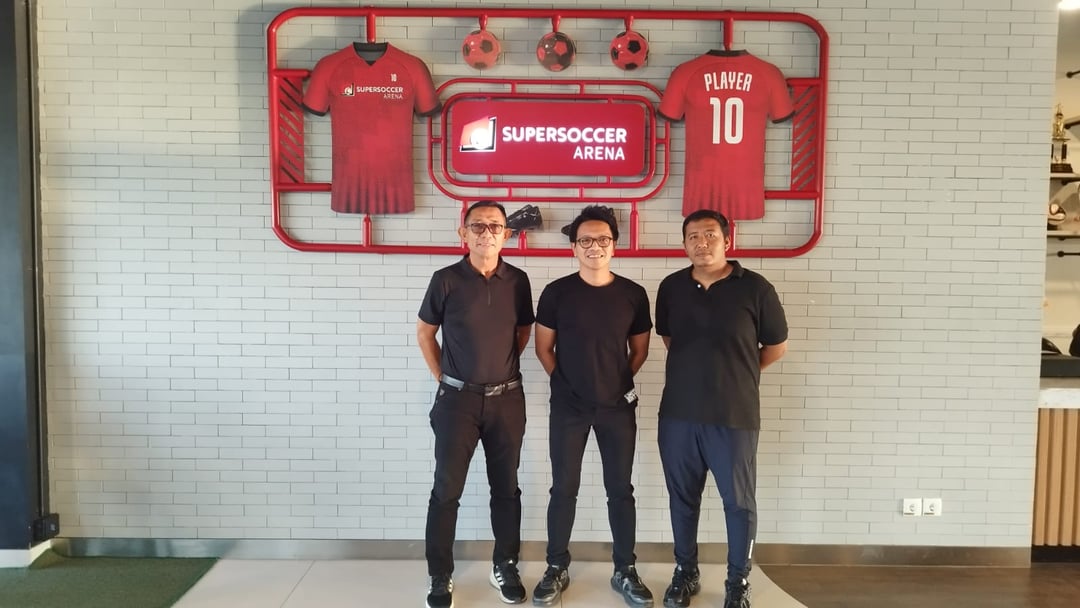
As an international-scale tournament, the Srikandi Merdeka Cup requires enhanced support infrastructure. Key priorities include the provision of a media room, player transit areas, organized player entrance routes, and more structured spectator seating.
Welly acknowledged that space limitations remain a challenge. To address this, organizers are considering using additional open areas, including parking lots and exterior space, as temporary facilities utilizing tents or other supportive structures.
"We need to upgrade the facilities because international events have different requirements. Several additional areas are being considered to support operations throughout the tournament," he said.
Separately, the committee is also focusing on operational aspects. Traffic flow management for spectators, vehicles, players, and officials is being refined to ensure the tournament runs smoothly.
Parking limitations remain a concern that requires attention. The committee must establish designated parking areas for team vehicles, officials, and spectators to maintain efficient traffic flow during the event.
Nevertheless, Welly believes the security aspect is well-prepared, supported by a team with extensive experience in managing large-scale events. However, he noted that capacity upgrades may be necessary as the scale of events increases.
"Security is currently robust due to our experienced team. However, should the scale of the event grow, we will certainly need to adjust and enhance supporting facilities," he stated.
To support the Women’s Soccer Trilogy, the public area of the Super Cafe within the Supersoccer Arena complex will undergo renovations. The space will be repurposed as a tunnel or access route for players heading to the main pitch.
This adjustment is part of streamlining the arena's operational flow to ensure better-organized movement for players and match officials during the tournament.
To ensure all preparations remain on track, the committee and arena management have proposed weekly meetings. These periodic evaluations aim to address technical and operational needs ahead of the Women’s Soccer Trilogy, MilkLife Soccer Challenge All Stars, HYDROPLUS Soccer League All Stars 2025/2026, and Srikandi Merdeka Cup.
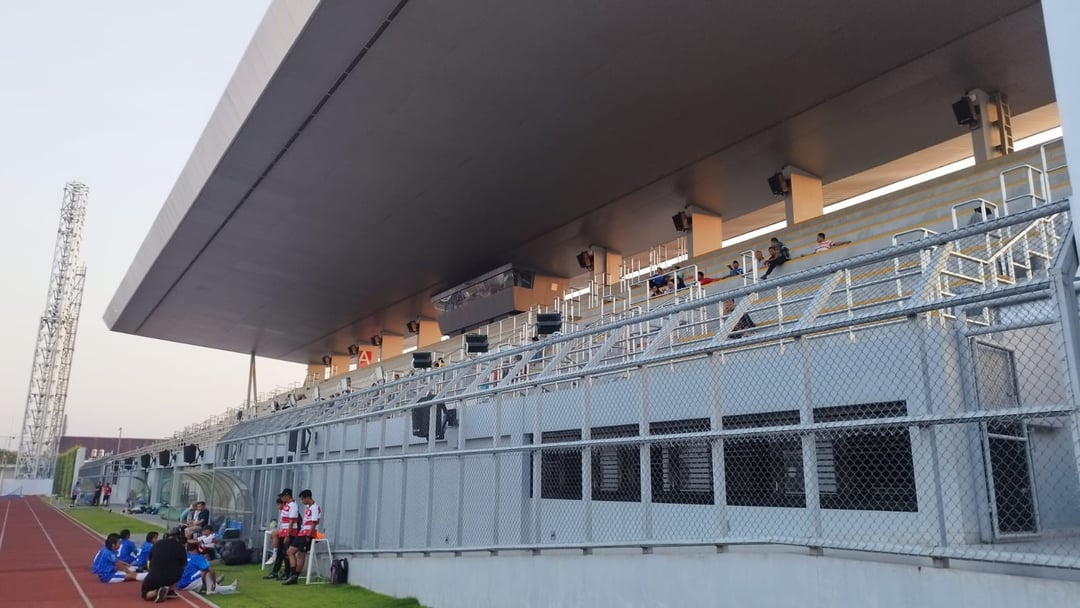
Meanwhile, regarding the spectator stands, the current maximum capacity of the Supersoccer Arena is approximately 1,100 people based on the current layout.
There has been some interest in installing individual seats at the SSA Kudus stadium to improve spectator comfort. However, Welly emphasized that there have been no formal discussions regarding the installation of such facilities to date.
He noted that implementing a single-seat system would likely reduce the available spectator capacity compared to the current bench configuration.
"There has been no formal discussion on installing individual seats. With the current capacity, we can accommodate around 1,100 spectators, whereas a different seating configuration could reduce that number," Welly said.
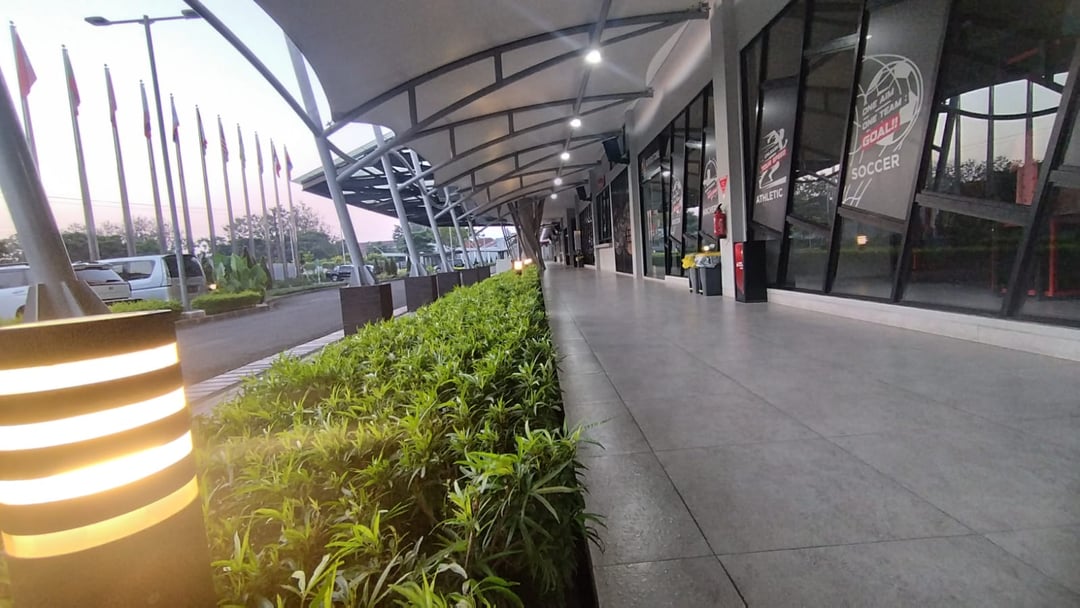
With ongoing lighting installations and planned enhancements to supporting facilities, Supersoccer Arena Kudus continues to finalize its infrastructure and operational requirements to host the Women’s Soccer Trilogy and other women's football events throughout the year. (sns/mkk)