
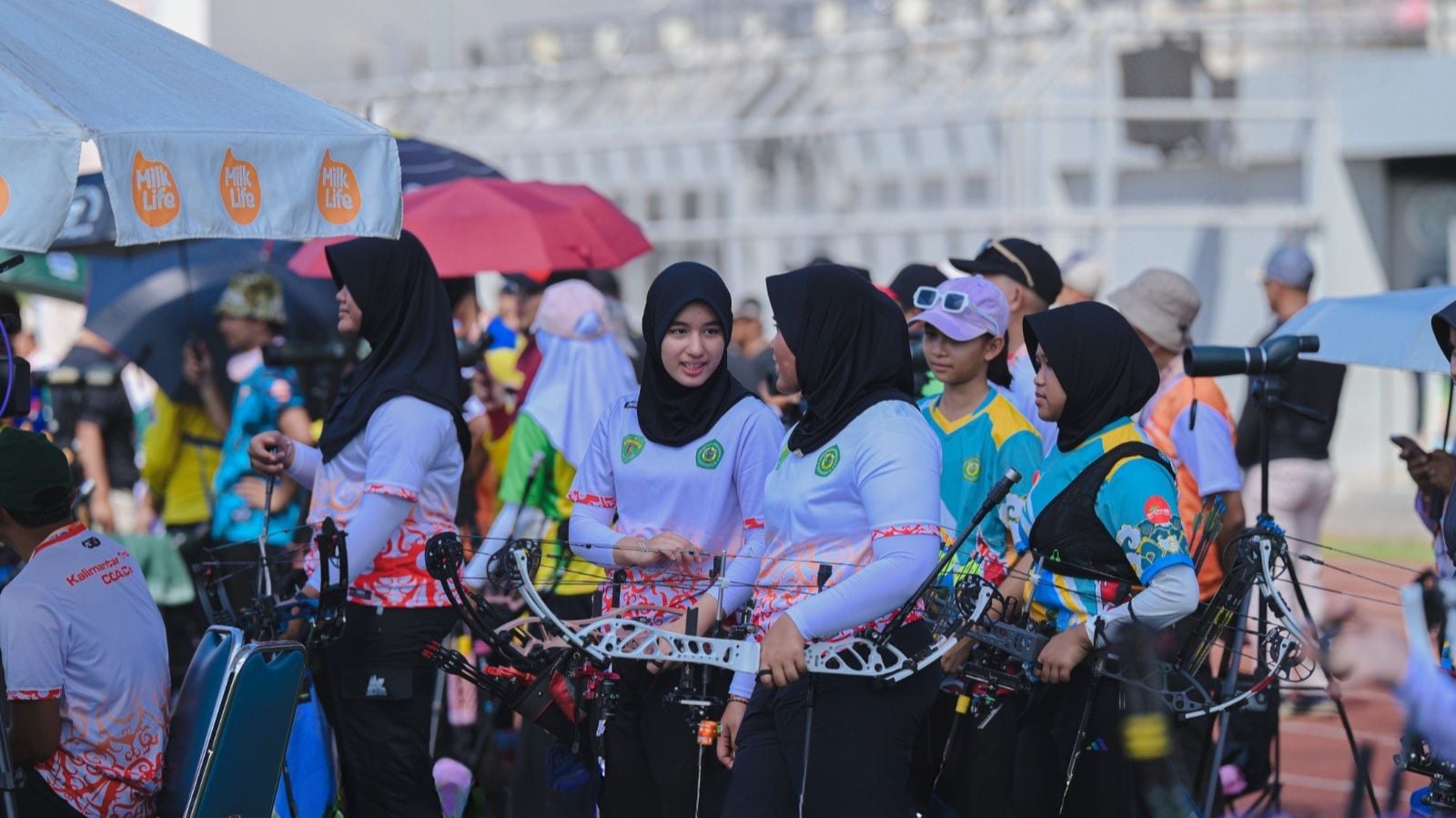
KUDUS – Hundreds of athletes took to the shooting line as the MilkLife Archery Challenge Junior National Championship 2026 took place at the Supersoccer Arena in Kudus from July 18–29, 2026. One by one, young archers took their positions, raised their bows, drew their strings, and released their arrows toward the targets. Despite the intense focus of hundreds of competitors, the matches proceeded with calm. A total of 906 athletes from 29 provinces arrived to compete for national titles. Behind the scenes, dozens of officials worked to ensure every session was conducted safely, according to the rules, and with accurate scorekeeping.
While spectator attention is typically fixed on the athletes aiming at their targets, the seamless operation of the competition depends on more than just the skills of the archers.
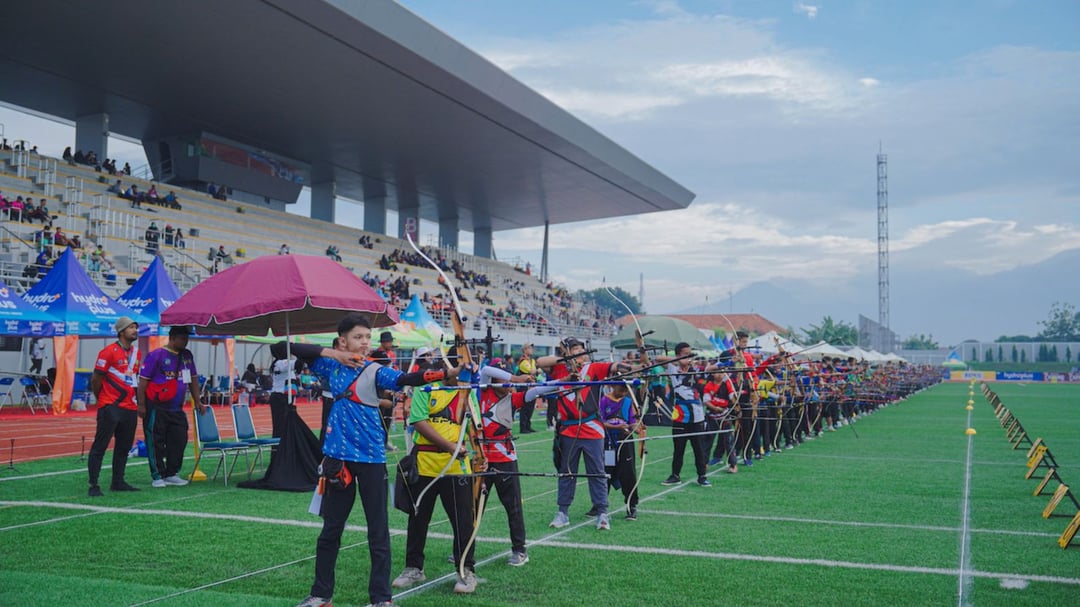
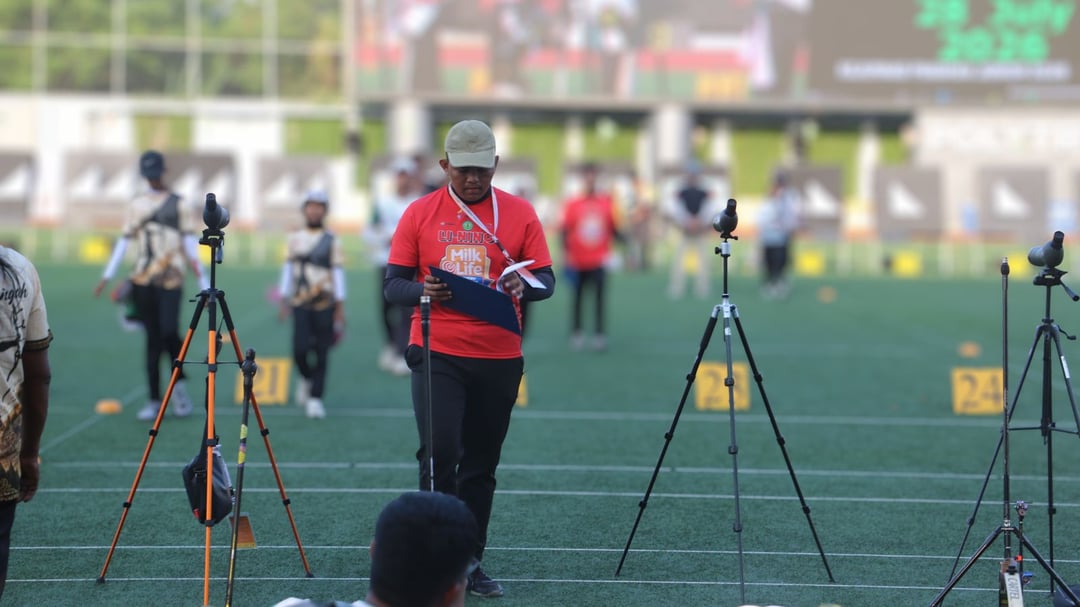
Behind every competition session, dozens of officials worked to ensure the tournament remained safe, orderly, and compliant with regulations. This team included the Chief of Judges, referees, results processing staff, field crew, and the Director of Shooting (DOS), who oversees shooting sessions while maintaining arena safety. Each plays a distinct yet complementary role in supporting the successful execution of the 2026 Junior National Archery Championship.
The work of the officials begins long before the first arrow is released. Briefings are held early to ensure staff understand their assignments, the competition schedule, and coordination procedures. A critical role is held by the Chief of Judges (COJ), who is responsible for coordinating all referees throughout the championship.
Fauzul Muflih Darmawan fills this role. In addition to assigning referees, he ensures every match is officiated in accordance with established regulations.
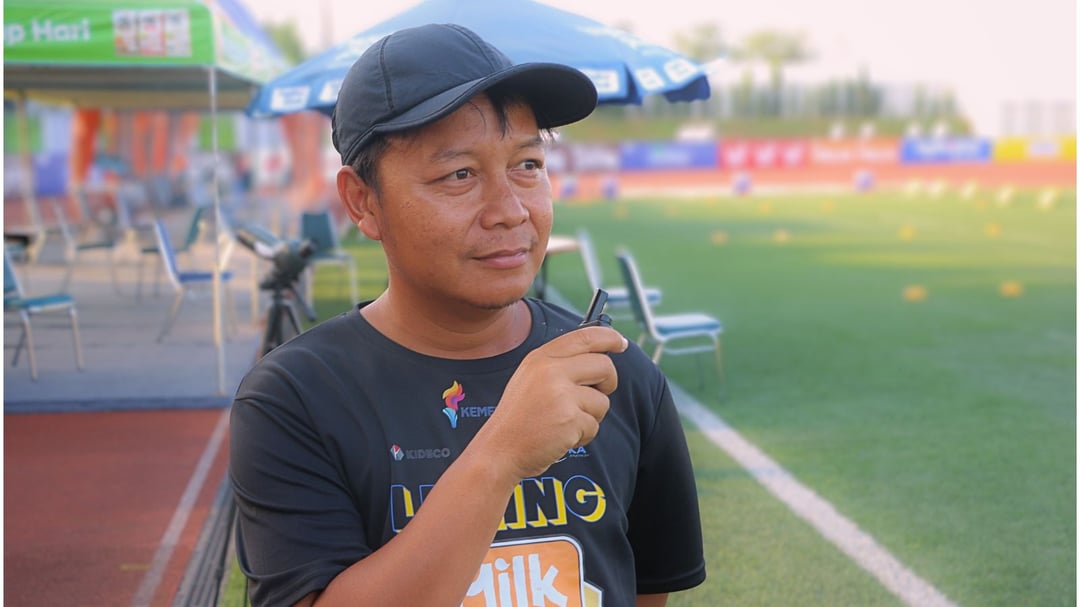
"The primary duty of the jury board, specifically for me as the COJ or Chief of Judges, is to assign referees to lead the matches for this Junior National Championship. We are also responsible for all technical aspects of the competition," he said at the venue.
According to Fauzul, all matches follow the World Archery Rule, the official regulations for international archery competitions. Before the tournament begins, all officials participate in a technical meeting to align their understanding of the rules that will be enforced throughout the event.
In the event of a dispute on the field, a tiered resolution process is in place. The Chief of the Referees Commission serves as the initial decision-maker. If a matter remains unresolved at that stage, it will be escalated to the Jury of Appeal, a panel tasked with reviewing and ruling on objections or disputes arising during the match.
“Should a dispute or issue arise, the Chief of the Referees Commission will first attempt to reach a decision. If the issue persists beyond the Commission's authority, the Jury of Appeal will intervene to resolve the matter,” he stated.
According to Fauzul, this mechanism ensures all issues are addressed through established procedures, keeping the competition consistent with regulations and providing clarity for all participants.
During competition, referees are the officials closest to the athletes. From the shooting line, they ensure participants adhere to uniform rules, receive equal treatment, and oversee the scoring process until the match concludes.
National Referee for PERPANI (Indonesian Archery Association), Eka Bayu Budi Ariesta, noted that the primary duty of the referee is to ensure the entire competition conforms to regulations established by World Archery.
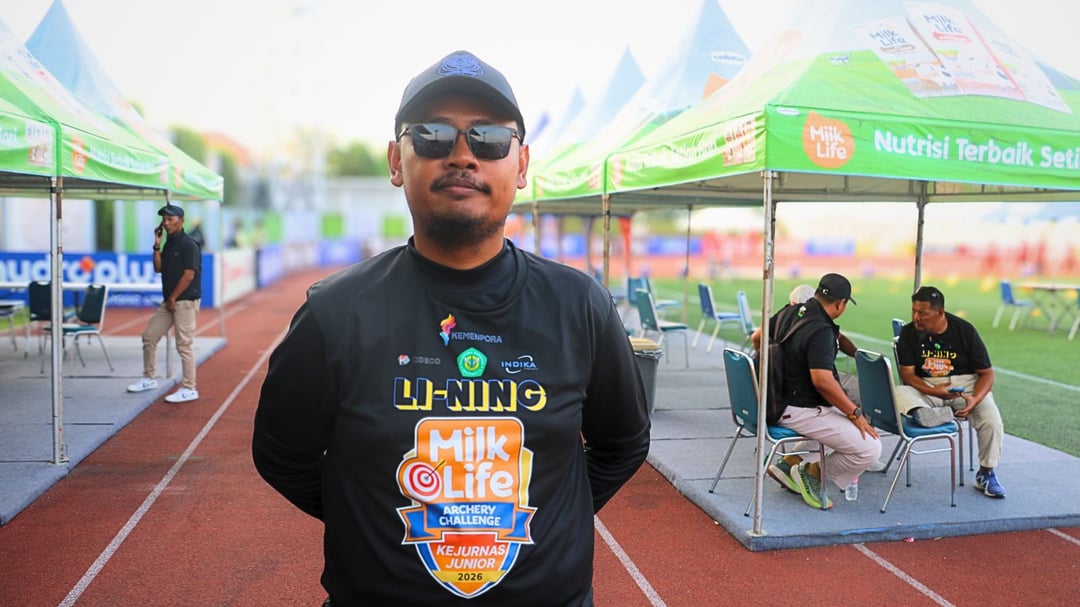
“As referees, we ensure the event follows the rules mutually agreed upon, which are actually set internationally by World Archery; we simply apply them. We also ensure every athlete has equal rights and that the scores recorded accurately reflect their shots,” he said.
Officiating junior-level matches, Eka added, requires a different approach than senior categories. Referees must be firm in rule enforcement while effectively communicating with athletes and team officials to ensure decisions are clearly understood.
“The most challenging aspect of this national championship is the age of the athletes, which requires great care. We must enforce the rules while being mindful of the athletes' well-being to avoid any negative impact. We focus on how we communicate with officials to ensure the athletes feel safe and supported,” he said.
This approach is intended to help athletes understand referee decisions as part of their learning process. In this way, rules are enforced without compromising the athletes' confidence or comfort during competition.
Following each shooting session, the data processing team takes over. They are responsible for collecting, verifying, and processing all match results, which are then published as the official record for participants.
This team is led by Wahyu Aryo Baskoro, the Result Manager, who oversees the Scoring & Timing team, which manages all records of competition scores and timing.

"I oversee the data processing team and participant registration. Data processing includes working with the scorers who record the athletes' scores. I am responsible for finalizing the winners," he said.
The recording process begins with the score sheets submitted after athletes complete their shooting sessions. The data is then entered into a digital system using IANSEO, the official software used in archery competitions to manage match schedules, score recording, and tournament results.
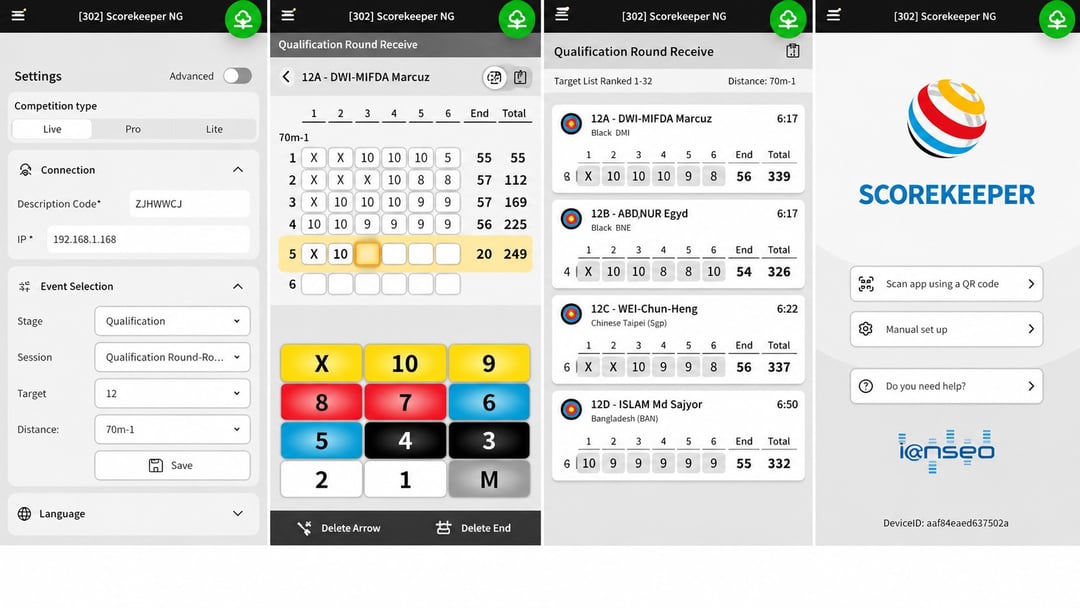
According to Wahyu, the primary challenge involves the U-10 and U-13 age categories, as many athletes only record individual shot values without calculating the total score.
"The challenge for this MilkLife Archery Challenge Junior Championship, particularly with the U-10 and U-13 age groups, is that most athletes just write down the individual scores without totaling them. This makes the verification process somewhat difficult," he noted.
Consequently, every data set is reviewed before publication to ensure match results are consistent with the records kept in the field.
The smooth operation of the competition also depends on the arena's readiness. This task is the responsibility of the field crew, who manage the layout of the field and competition equipment.
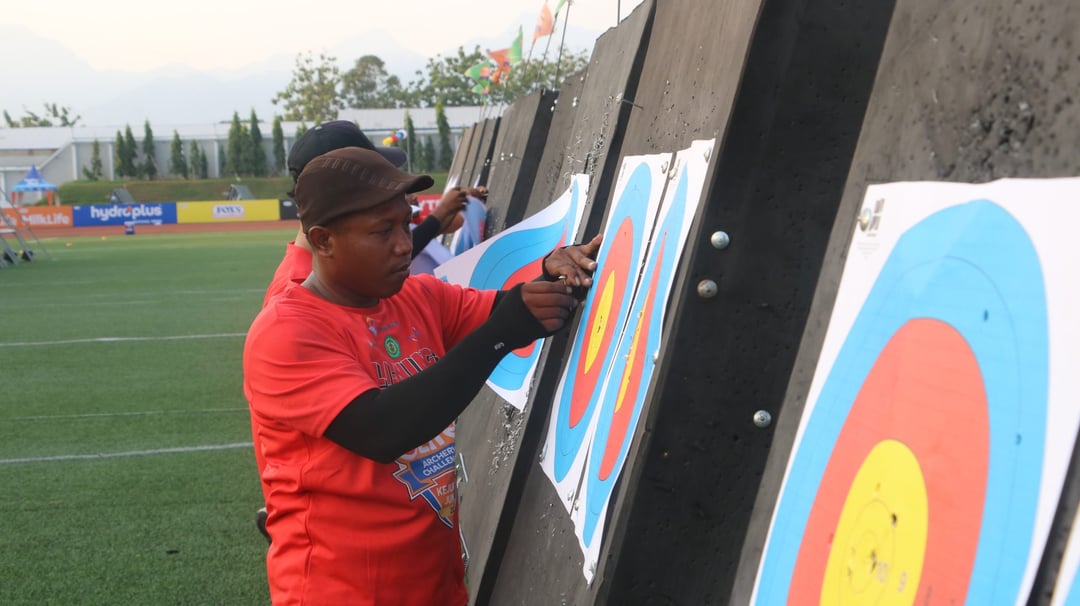
Juwadi, the Field Crew Manager, leads the team responsible for preparing match requirements from pre-session setup until the conclusion of play.
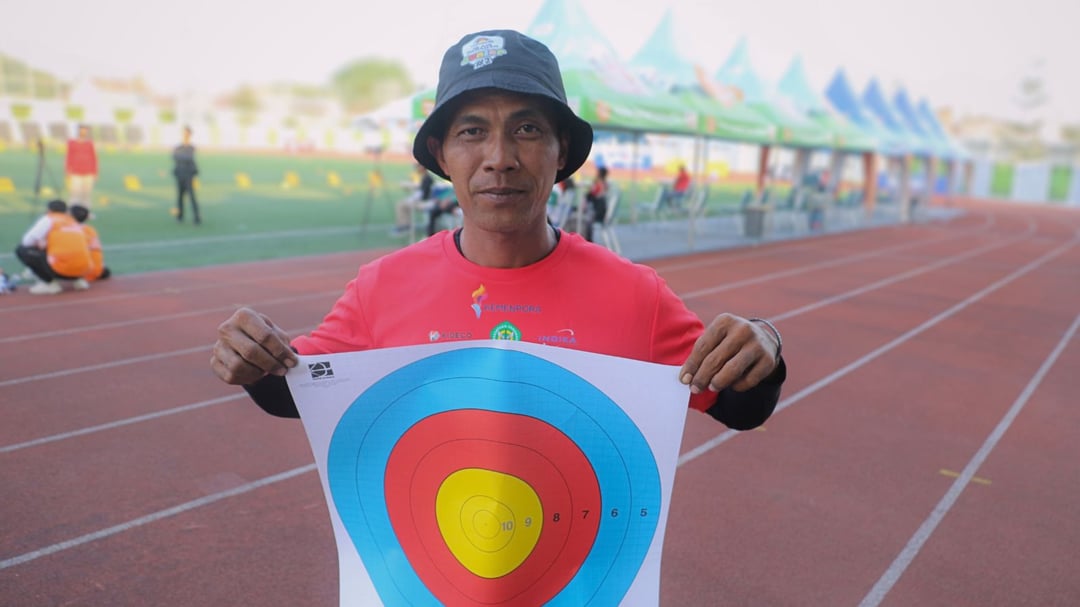
"Our primary task in organizing this event is to prepare the field and all necessary competition equipment," he said.
Juwadi's experience as a former archer helps him anticipate field requirements. He identified the U-18 compound category as a challenge for his team; the bows used in this division have greater draw weight, often causing arrows to pass through the target butts. In such instances, the field crew must act swiftly to manage the situation so the competition can continue without distracting the athletes.
During the match, the Director of Shooting (DOS) is responsible for managing every shooting session and maintaining arena safety standards.
Farah Yumna stated that safety is the top priority before any competition signals are given.
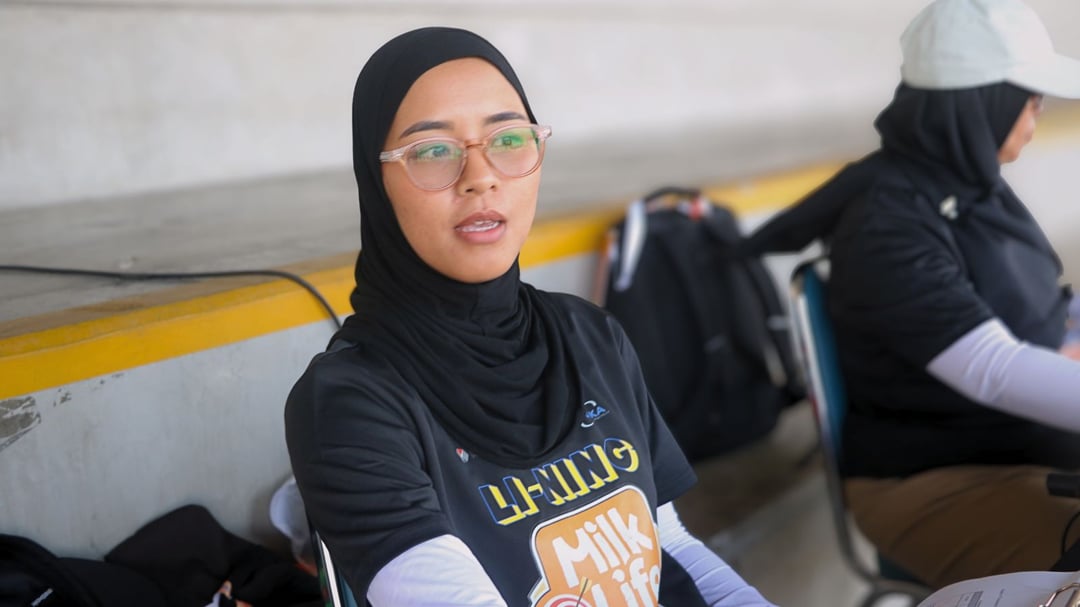
"The most important thing is ensuring field safety, as archery must prioritize caution. We verify that the area in front is completely clear of people before the match begins. We also lead the competition, operate the timer, and oversee the progress of the matches," she said.
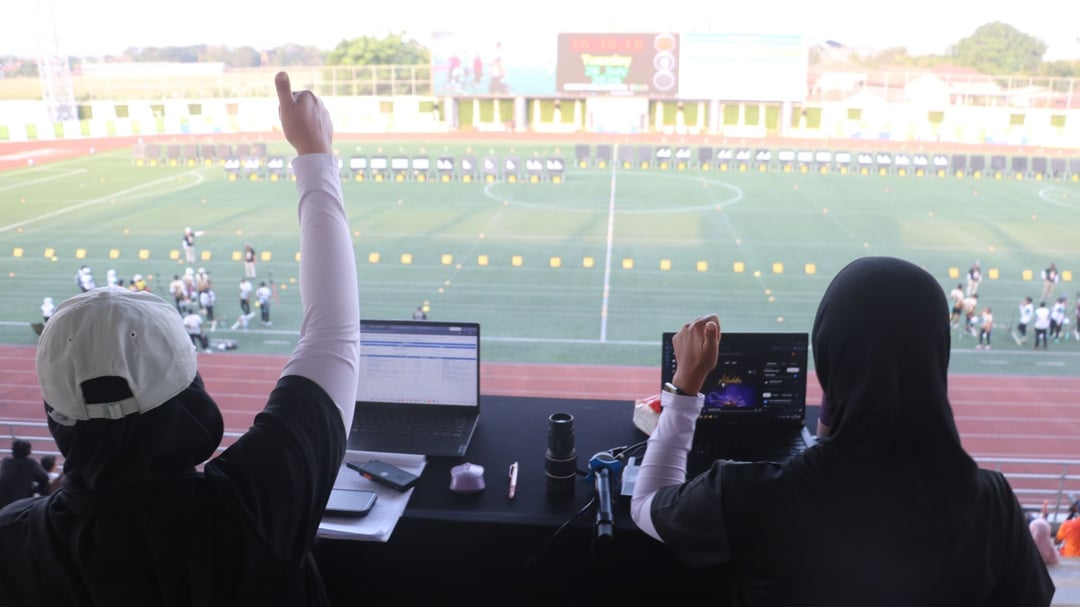
In executing their duties, the DOS coordinates via two-way radio, a communication device that links officials stationed at various points throughout the arena. Before signaling the start of a match, the DOS verifies that the area in front of the targets is clear and that the timing system is prepared for the specific event category. Precision is paramount, as every decision directly impacts the efficiency of the competition and the safety of everyone present in the arena.
Archery championships often center on the stories of athletes who train for years to achieve success. However, these events cannot proceed based solely on the presence of athletes and coaches.
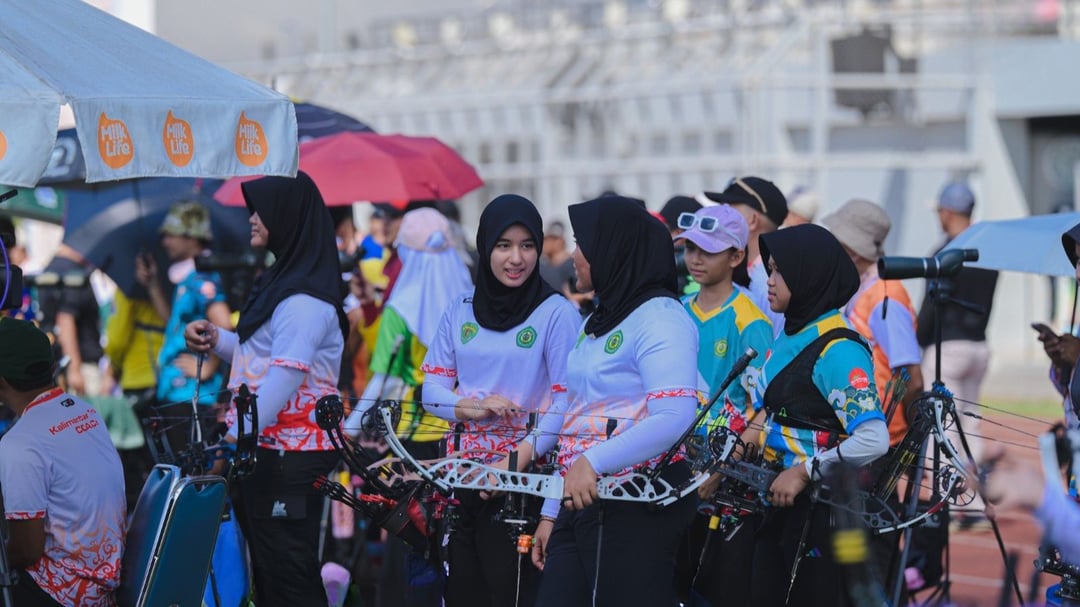
Behind every announced score lies a rigorous data verification process. Behind every start signal, there is an official ensuring the arena is secure. Behind every referee decision, there are rules applied with consistency. Meanwhile, on the sidelines, crew members work diligently to prepare equipment for the next match.
Much of this labor occurs outside the spotlight. Their names do not appear in medal tallies, yet their presence is integral to the organization of the 2026 Junior National Archery Championship. Through the coordination, precision, and discipline maintained throughout the event, hundreds of athletes are able to compete in a structured, safe environment governed by uniform standards until the final arrow is released. (JMY/mainkekudus)