
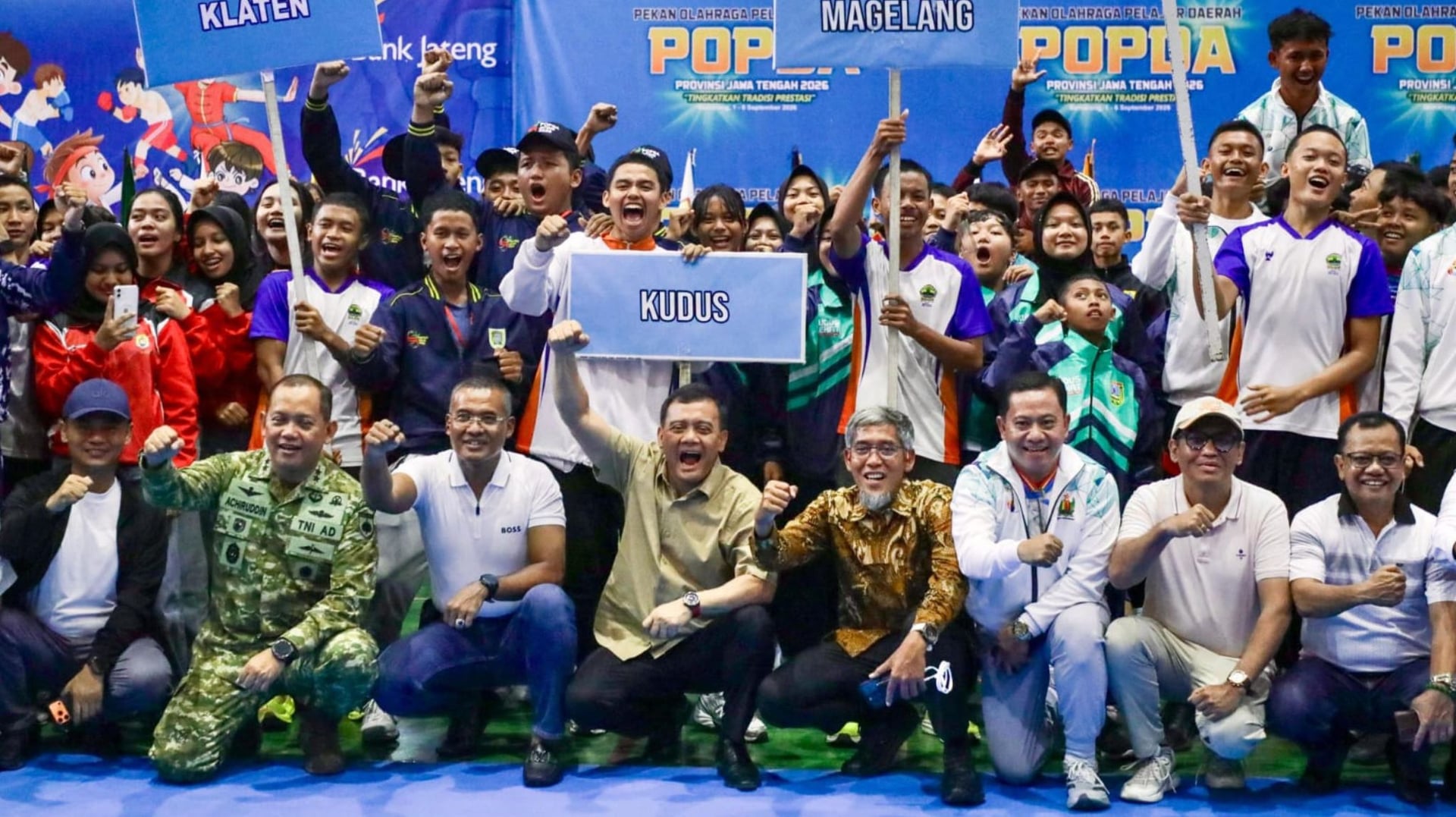
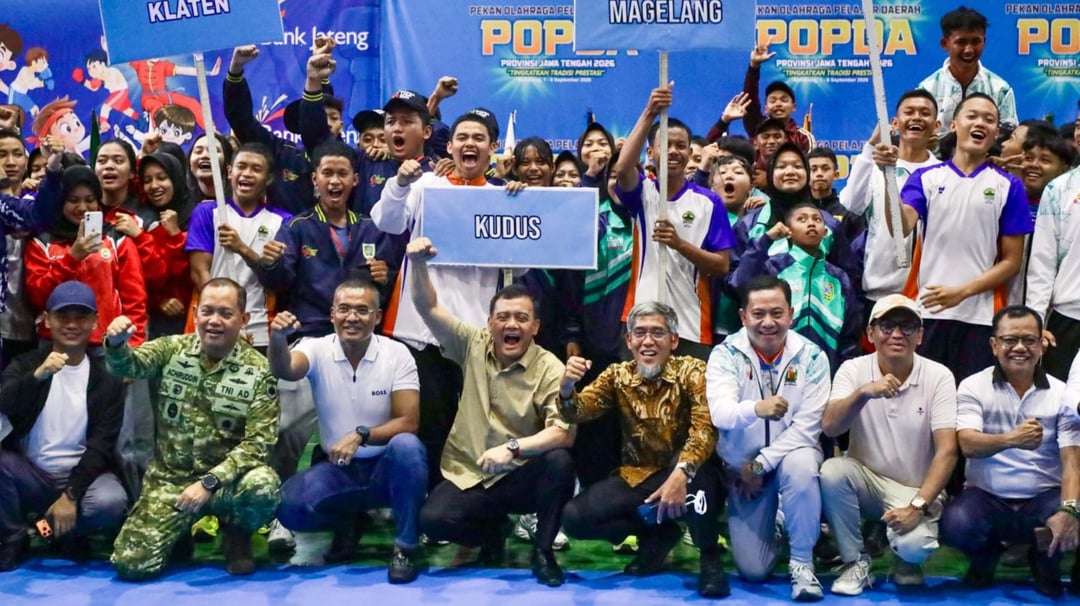
KUDUS – The Kudus contingent secured 59 medals at the 2026 Central Java Student Sports Week (POPDA), held from September 1–6 in Semarang and surrounding areas.
Competing across 17 sports, student athletes from Kudus brought home 13 gold, 14 silver, and 32 bronze medals.
Guided by the theme "Enhancing the Tradition of Excellence," the 2026 Central Java POPDA featured 9,010 student athletes from elementary to high school levels competing in 23 sports. Several events were held at the Jatidiri Sports Complex in Semarang.
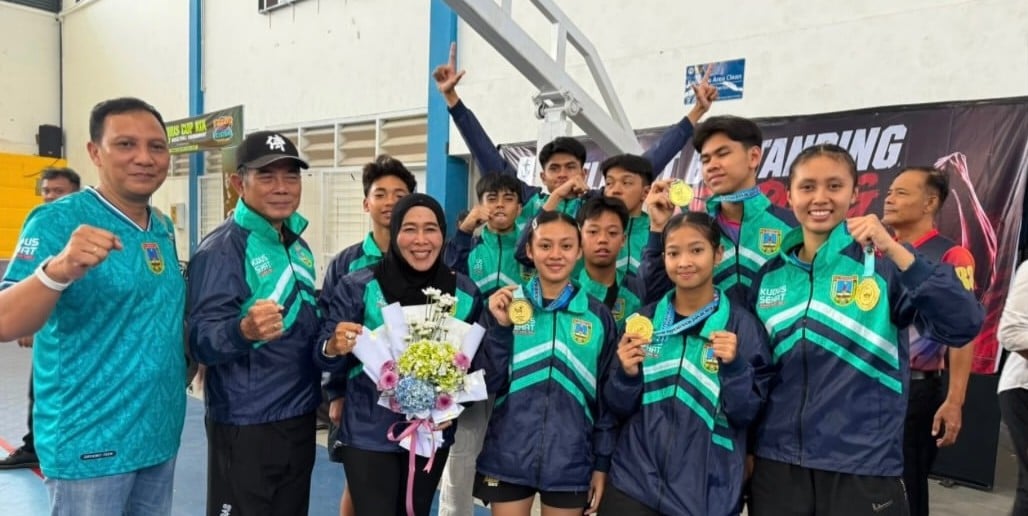
Behind the medal haul lies a rigorous process involving athletes, coaches, schools, families, and sports associations. This includes talent identification, routine training, and preparation for provincial-level competition.
The POPDA results serve as a benchmark for evaluating student sports development and preparing Kudus athletes for future competitions.
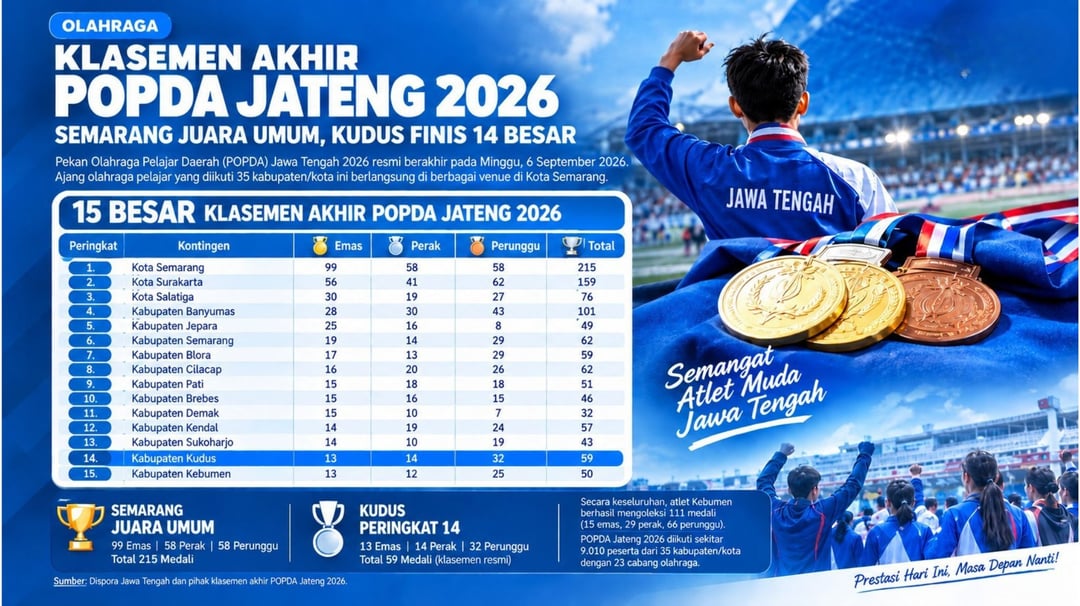
Table tennis was the top gold producer for Kudus with five medals. Athletics, badminton, and pencak silat each secured two golds, while boxing and wushu contributed one gold each.
In terms of total medal volume, wrestling collected 12 medals and boxing 11. Other sports contributed through silver and bronze wins.
The distribution reflects the broad participation of athletes across various sports. While gold medals remain a key measure of success, the total count provides a clearer picture of the contingent's overall performance.
Sports officials will use these findings to evaluate specific disciplines and identify training needs for upcoming competitions.
Acting Head of the Kudus Education, Youth and Sports Agency (Disdikpora), Anggun Nugroho, attributed the athletes' success to several factors, particularly preparation, budgetary support, and human resource quality.
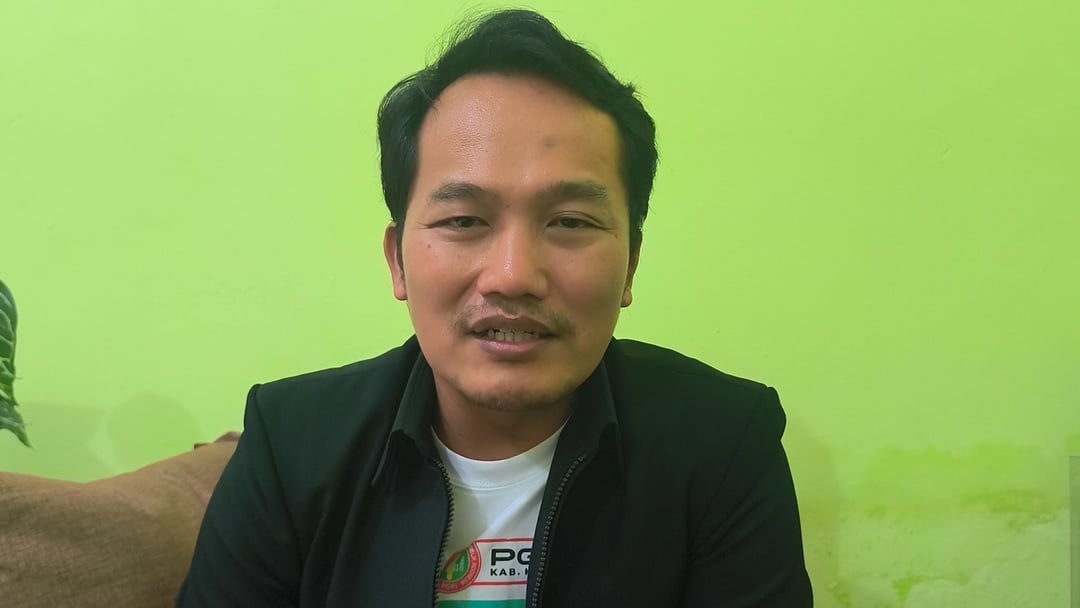
"Performance outcomes depend on preparation, budget support, and the athletes' human resources. With better preparation, the expectation is naturally for more optimal results," Anggun stated.
He noted that the contingent's preparation requires greater attention to ensure coaching is not only strengthened immediately preceding competitions. One option under consideration is a centralized training camp prior to POPDA.
"If preparation can begin earlier, it would certainly be better. Several regions hold pre-POPDA training centers, and that is a possibility if budget support allows," he said.
Although Kudus successfully secured 59 medals, this achievement cannot be compared in detail to the contingent's initial targets or the previous year's results, as official comparative data is unavailable in the gathered materials.
Further evaluation is required to measure performance growth and determine coaching priorities for each sport.
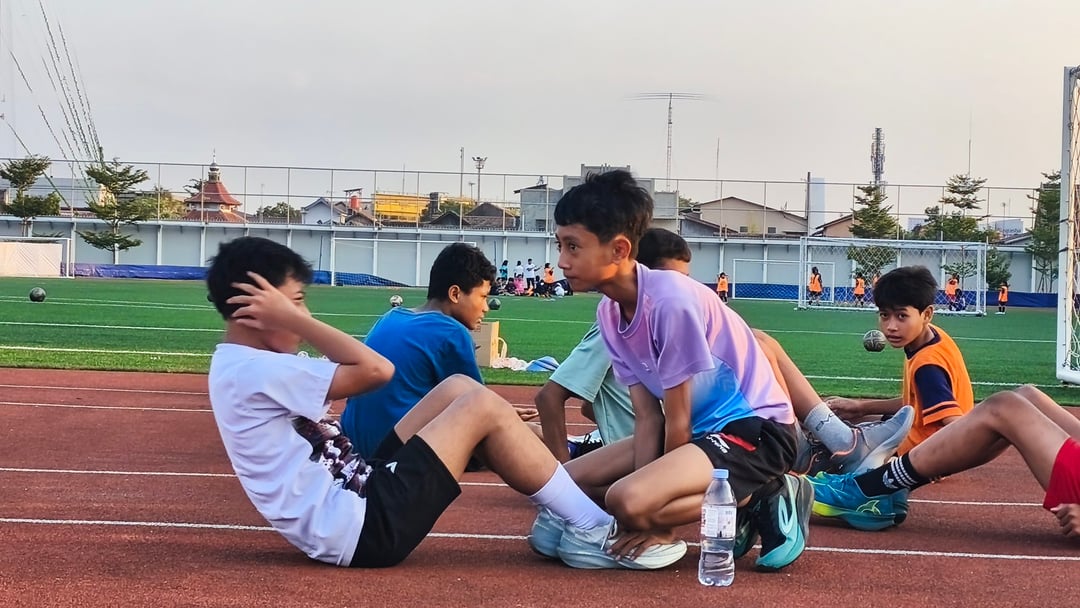
The journey of student-athletes toward POPDA begins well before they reach the competitive arena.
In Kudus, scouting and selection are handled by individual sports associations. The Education, Youth, and Sports Agency facilitates this process through coordination with the National Sports Committee of Indonesia (KONI) and the relevant sports branches.
"Selection is conducted through each association or sport branch. We facilitate and coordinate with KONI and the sports branches, including the district-level athlete scouting process," Anggun explained.
Selection mechanisms are adapted to the regulations of each sport. Students interested in developing their skills can join clubs, participate in training, and undergo selection to earn an opportunity to represent the region.
Scouting is also carried out through schools. The agency conducts outreach to numerous schools, particularly at the junior and senior high levels, to introduce pathways for sports achievement and identify potential athletic talent.
These activities offer opportunities for students with athletic aptitude who may not yet be part of a club or intensive training program.
Thus, schools serve as a primary starting point for identifying athlete potential before directing them into more structured training environments.
However, discovering new talent is only the initial stage. Identified students still require mentorship, competition experience, and training programs suited to their developmental needs.
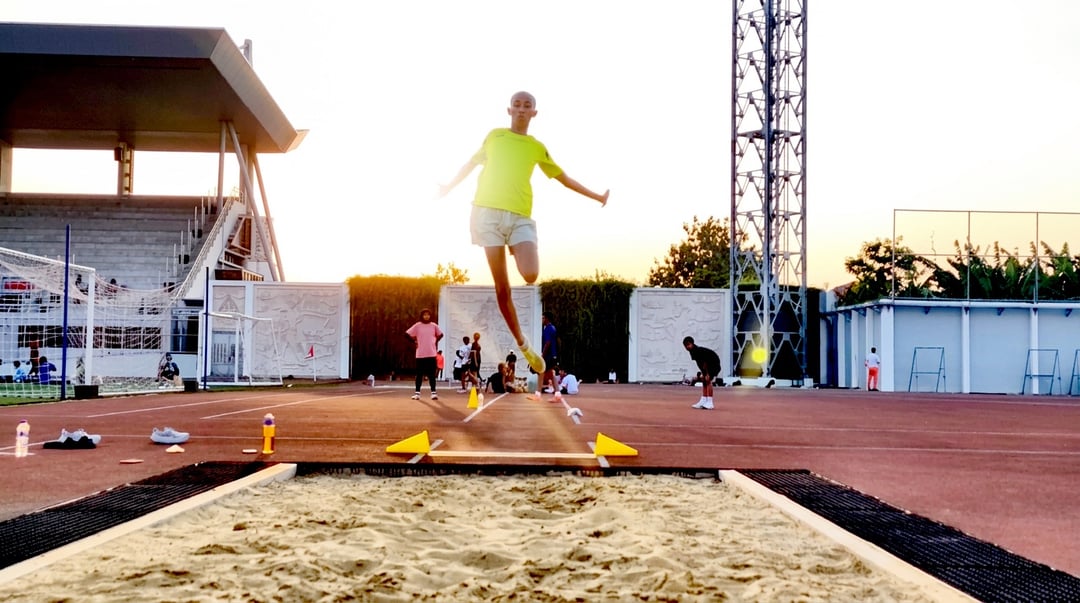
The demands of training and competition present a significant challenge for student-athletes, who must excel in sports without neglecting their academic responsibilities.
In Kudus, support for these students is provided through the Special Sports Class (KKO) program, currently implemented at SMP 3 Kudus and SMA 2 Bae.
This program provides facilities for students with intensive training schedules. However, expanding the KKO program to other schools requires careful evaluation of each institution's preparedness.
Anggun explained that several factors must be assessed before any expansion, including classroom availability, teaching staff, student enrollment numbers, and the school's capacity for growth.
“The KKO program is already in place, but further expansion requires careful study. We will evaluate enthusiasm, school readiness, and the availability of classrooms, teachers, and student cohorts,” she said.
Beyond educational facilities, coordination between schools, coaches, and parents is essential to manage the schedules of student-athletes.
Training and competition schedules must be synchronized with academic activities. Parents oversee daily needs and physical condition, while schools provide support to ensure both areas remain balanced.
Furthermore, athletic achievements can offer tangible benefits for students when pursuing higher education.
The Youth and Sports Education Office (Disdikpora) provides certificates to athletes who compete at the district level and in the Student Sports Week (POPDA). These documents serve as official verification of athletic experience and achievements.
“Students need to understand that sports achievements benefit them personally, their region, and can assist them in their future educational pursuits,” Anggun stated.
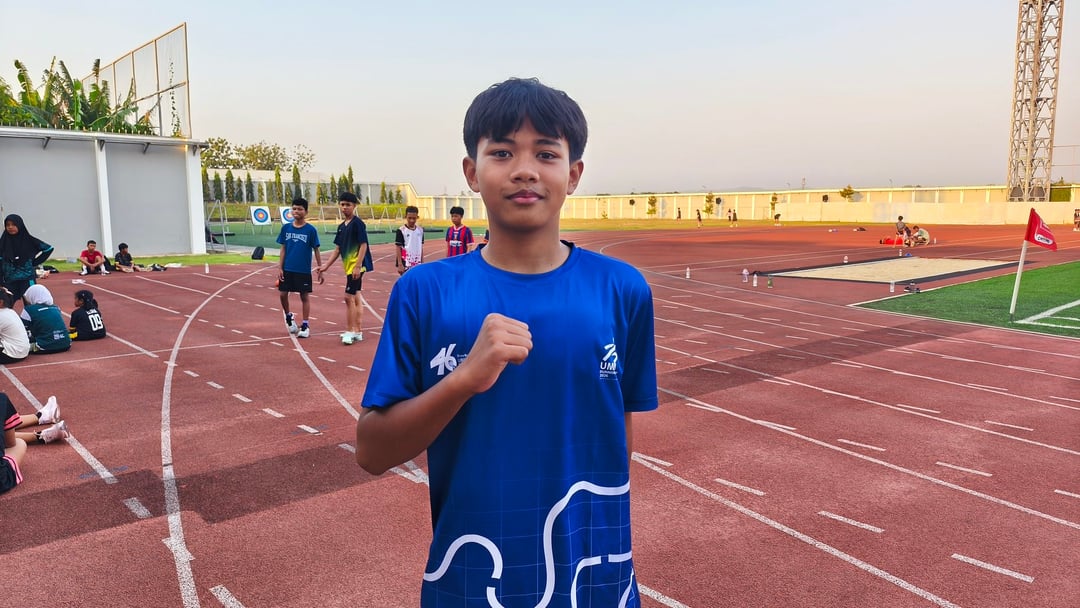
Three times a week, Herjuna Risqie Saputra makes time for athletics training alongside his sixth-grade studies at SD 1 Tumpang Krasak.
Occasionally, the athlete, known as Juna, trains in the morning before school. Upon returning home, he rests before resuming training in the afternoon.
This routine prepared him for the 2026 Central Java POPDA, where Juna secured a gold medal in the boys' athletics triathlon.
The triathlon consists of three events: shot put, sprint, and long jump.
In the competition, Juna placed first in shot put and sprint, and second in the long jump, with his combined scores earning him the gold.
For Juna, preparation extends beyond the training field; he balances rest and physical health with his academic obligations.
“I train hard, avoid staying up too late, keep healthy, and monitor my diet,” said Juna.
Such discipline is crucial as student-athletes must effectively manage their energy between education and athletics.
Kudus athletics coach Noor Akhmad acknowledges that scheduling conflicts between academics and training remain a hurdle for talent development. Consistent athlete attendance is vital to ensure the effectiveness of established training programs.
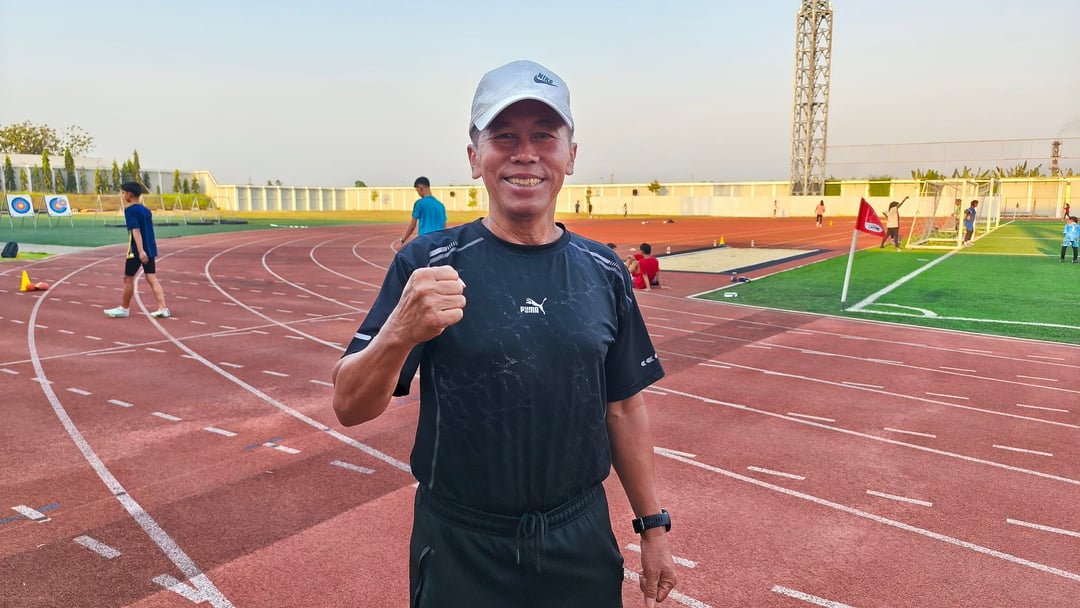
"Sometimes school activities clash with training, and some students fail to show up. As coaches, we must continuously foster their motivation and sense of responsibility," Noor said.
In Kudus, athletic training is conducted through several clubs, including Sportif Kudus, Rajawali, and Ababil.
Ahead of the Student Sports Week (POPDA), athletes received additional preparation through training camps organized by the Department of Education, Youth and Sports (Disdikpora). These sessions complemented the training already provided by their respective clubs.
Now, following a provincial-level gold medal, Juna has set his sights on the next milestone. He is aiming for the Regional Championship (Kejurwil) with hopes of achieving even better results.
"I want to do even better. If I train seriously, I am confident I can," he stated.
Juna's ambition highlights how one victory can serve as a catalyst for setting new goals. However, achieving them requires sustained training, expert coaching, and consistent competitive opportunities.
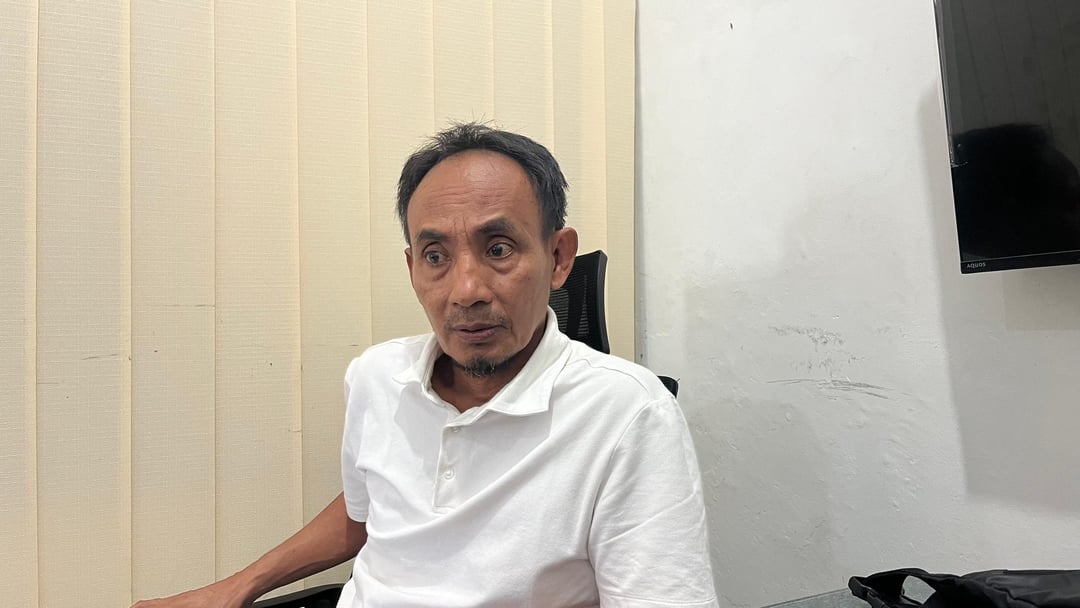
Kudus KONI Chairman Sulistiyanto emphasized the importance of continued development for athletes who have excelled at the POPDA.
He noted that student-level competitions serve as a crucial talent pipeline. Medal-winning athletes must be further nurtured to prepare for higher levels of competition, including the Provincial Sports Week (Porprov).
"We hope these accomplished athletes will continue to train harder. POPDA is a foundational stage, preparing them for more significant championships, including the Porprov," he said.
Sulistiyanto also expressed his appreciation to the student athletes and Disdikpora for their preparation and support of the Kudus contingent.
Sustaining this development requires close attention to post-competition evaluations, athlete progress, and the specific needs of each sport.
Athletes who competed in POPDA need opportunities to test their skills in subsequent events. Simultaneously, the recruitment of new talent must continue to ensure a steady pipeline of athletes across all age groups.
Both processes must run in parallel to safeguard the future of sports in Kudus.
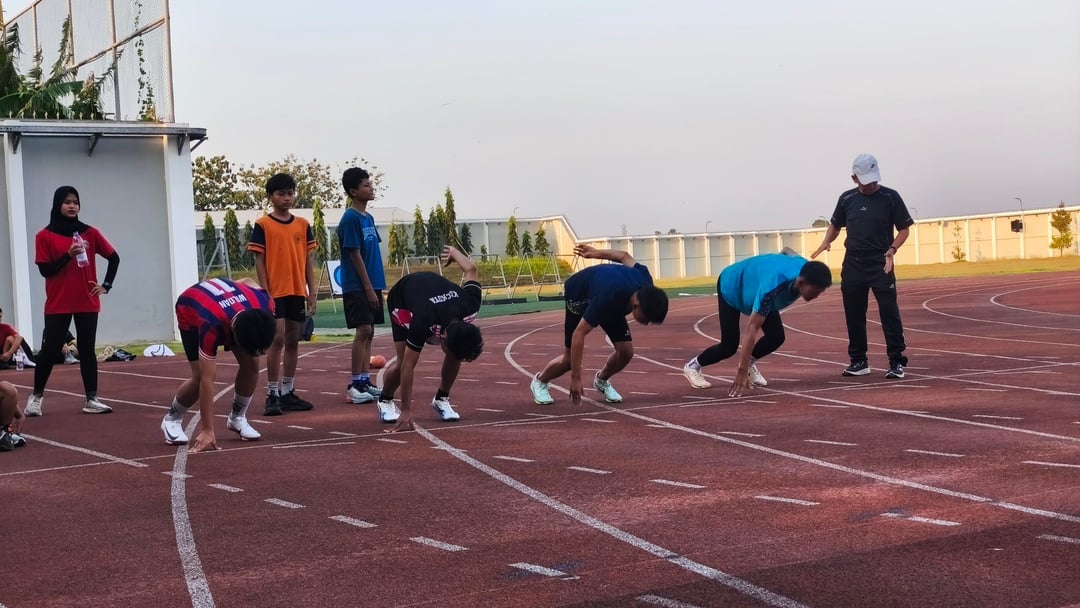
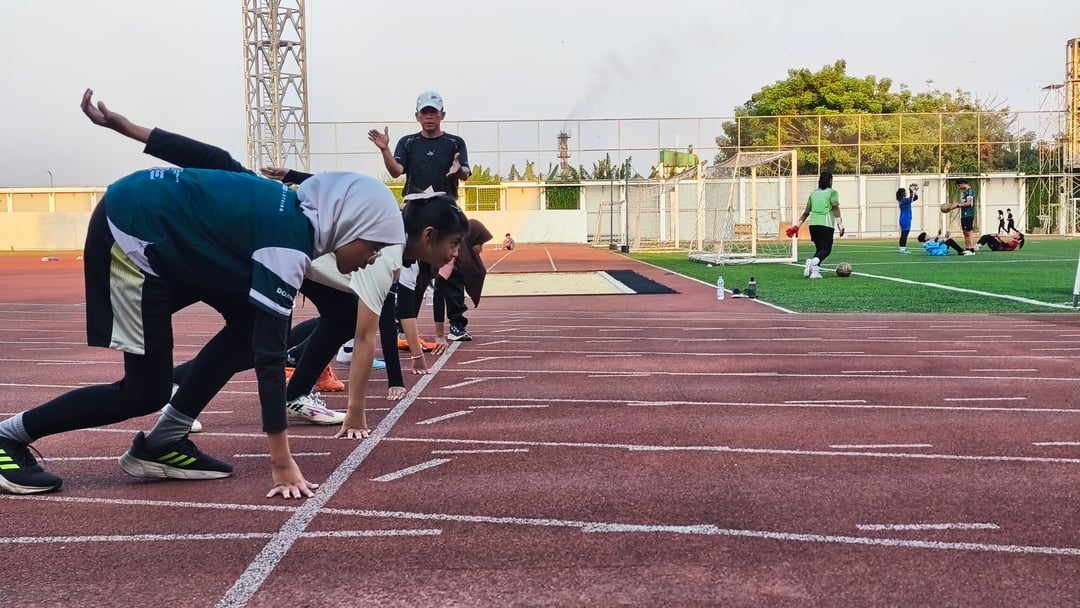
Students pursuing sports as a path to achievement should start by identifying their interests and aptitudes in a specific discipline.
Once a field is chosen, they can research local clubs or regional sports associations (Pengkab). Training environments provide essential opportunities to master techniques, improve physical conditioning, and gain experience prior to selection trials.
Competitive exposure through tournaments is also necessary for athletes to acclimate to pressure and assess their progress.
Choosing a training venue should be based on available facilities and coaching programs, as requirements for training methods, equipment, and preparation intensity vary significantly across different sports.
Students must also manage their academic schedules, rest, and family support systems before committing to more intensive athletic training.
Information regarding selection schedules, eligibility requirements, and registration procedures for the upcoming Student Sports Week (POPDA) can be obtained from the Kudus Education, Youth, and Sports Office (Disdikpora) or the respective regional sports associations.
As official schedules and contact information were not included in the available materials, interested parties are advised to verify details directly with the relevant agencies.
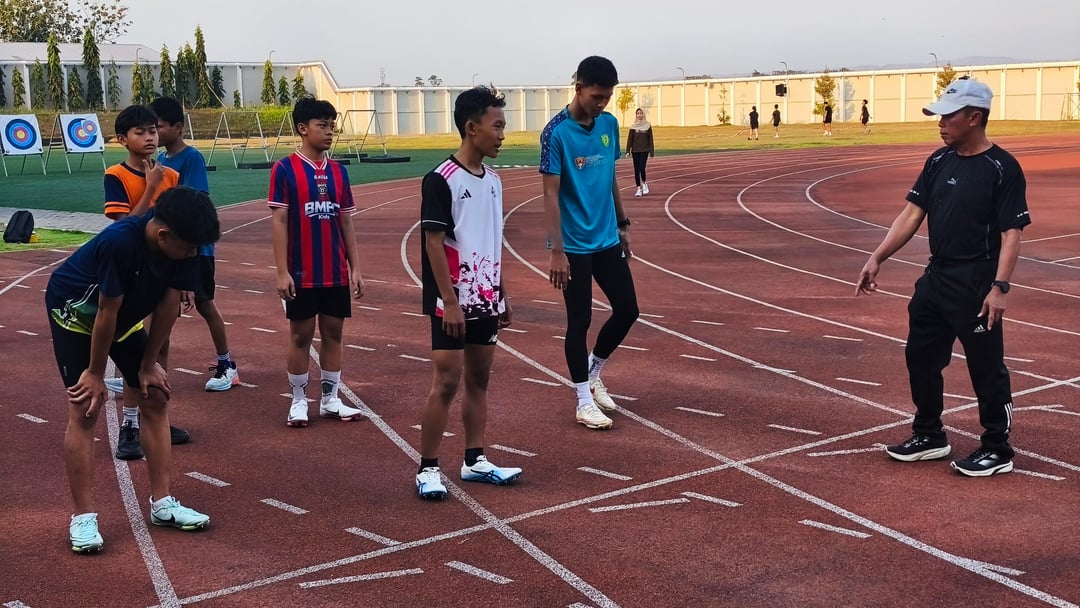
The 59 medals secured at the 2026 Central Java POPDA reflect the dedication of the athletes and the stakeholders involved in student sports development in Kudus.
However, the work continues long after athletes return from the field. Competition results must be followed by evaluations, enhanced training regimens, and preparation for future championships to ensure sustained athletic growth.
Simultaneously, talent identification must remain an ongoing priority for schools, clubs, and sports associations to provide more students with early access to competitive sports.
This development effort is integral to the broader Kudus sports ecosystem. The presence of clubs, communities, training facilities, and various competitions provides athletes room to thrive while stimulating regional sports tourism.
By drawing athletes and supporters from various regions, sports events also boost local auxiliary sectors, including transportation, lodging, and community-based enterprises near the venues.
For Kudus, sports development extends beyond hosting championships; it encompasses maintaining sustainable athlete training and leveraging sporting events to drive local regional growth.
Following the return of 59 medals, the primary challenge remains ensuring a clear progression path for current athletes while providing the next generation with opportunities to begin their own careers. (OEB/YSR/mainkekudus)