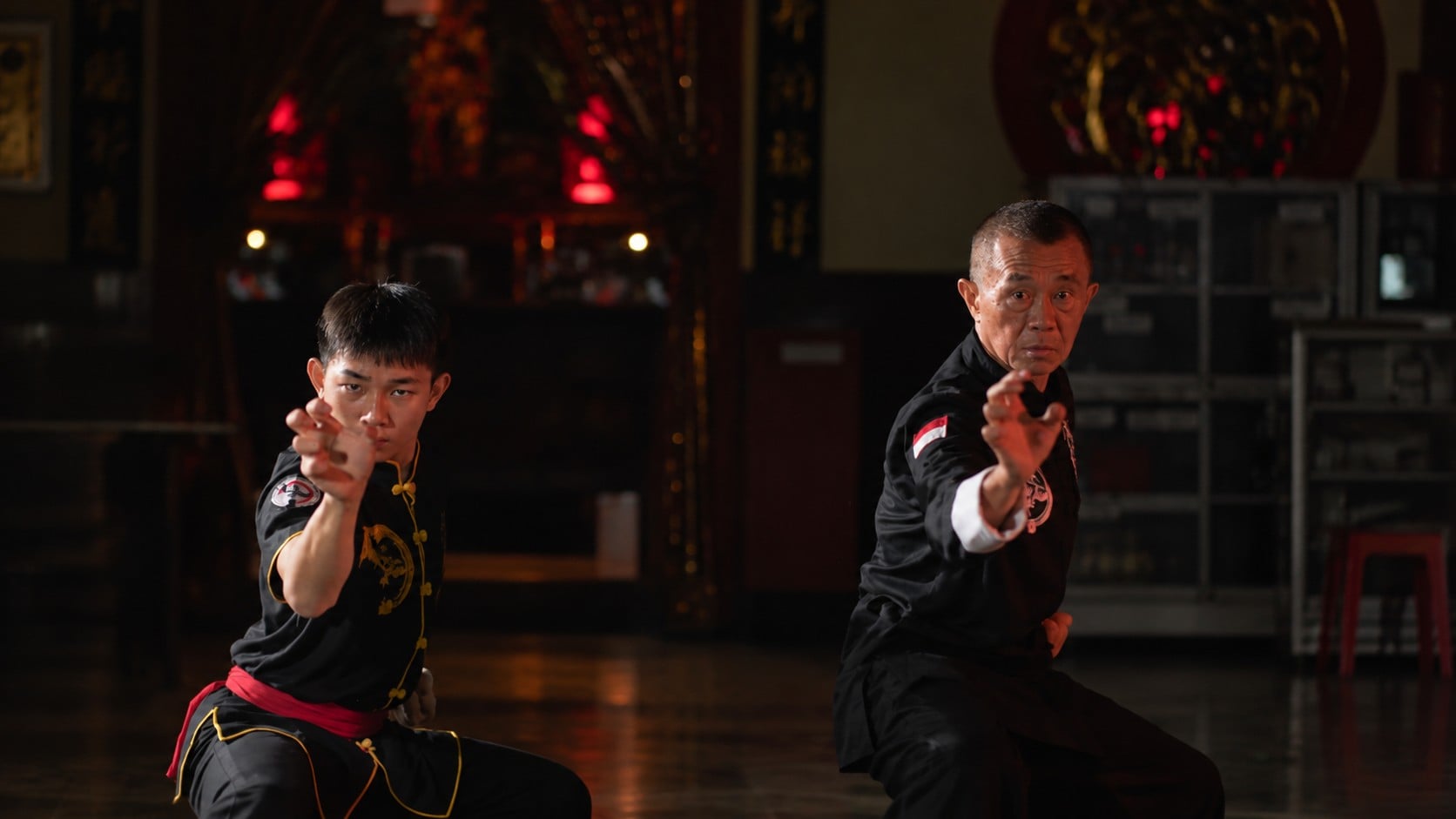
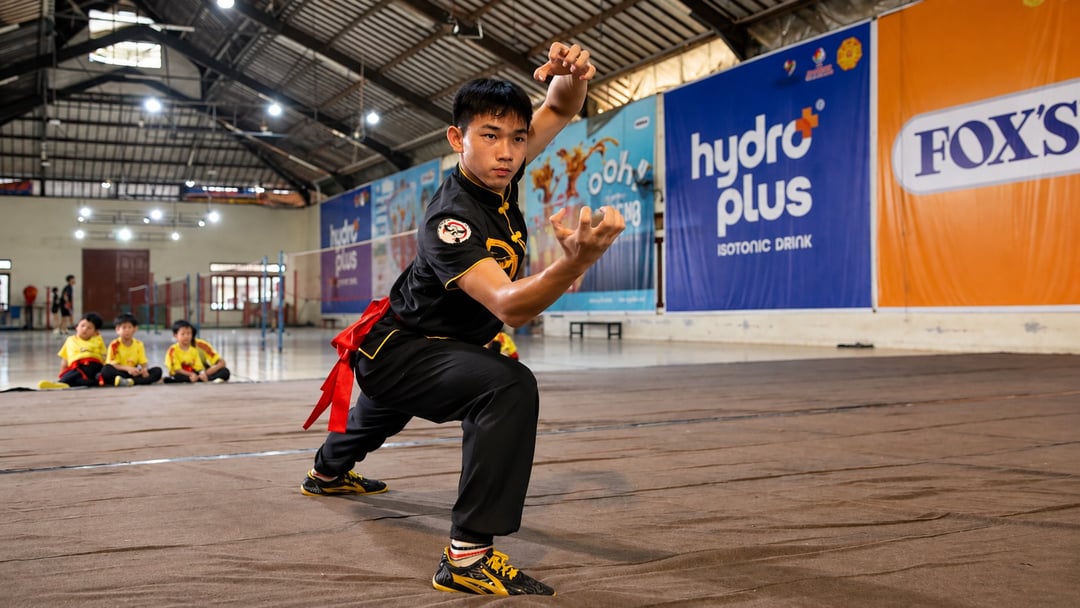
KUDUS – At the Bangau Putih Wushu Gym, located within the Hok Hien Bio Temple on Jalan Jenderal Ahmad Yani No. 10, Getas, Getas Pejaten, Jati, Kudus, children and teenagers are diligently training in various wushu techniques. The students focus on mastering stances, balance, flexibility, and overall body control.
This foundational training marks the beginning of a long-term development program for aspiring athletes. As their skills progress, they move on to more complex movement sequences in preparation for competitive matches.
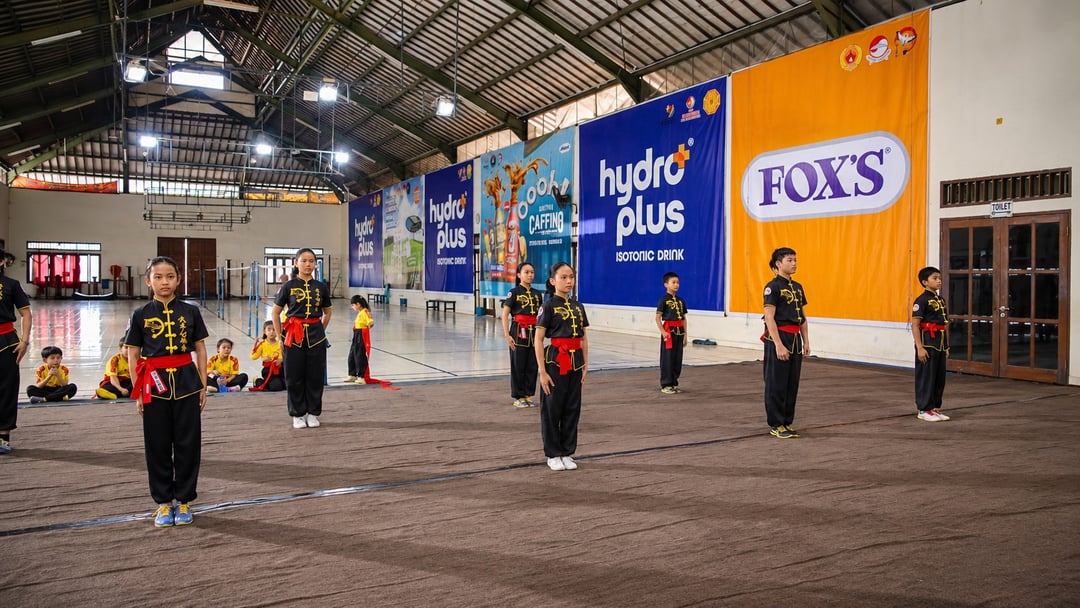
At the same location, barongsai (lion dance) and liong (dragon dance) training sessions are conducted alongside the wushu schedule. Members come from diverse backgrounds, ranging from students to working professionals who dedicate their evenings to the craft.
The program's success relies on intergenerational continuity: beginners start from the basics, young athletes refine their skills, and senior members provide patient guidance to newcomers.
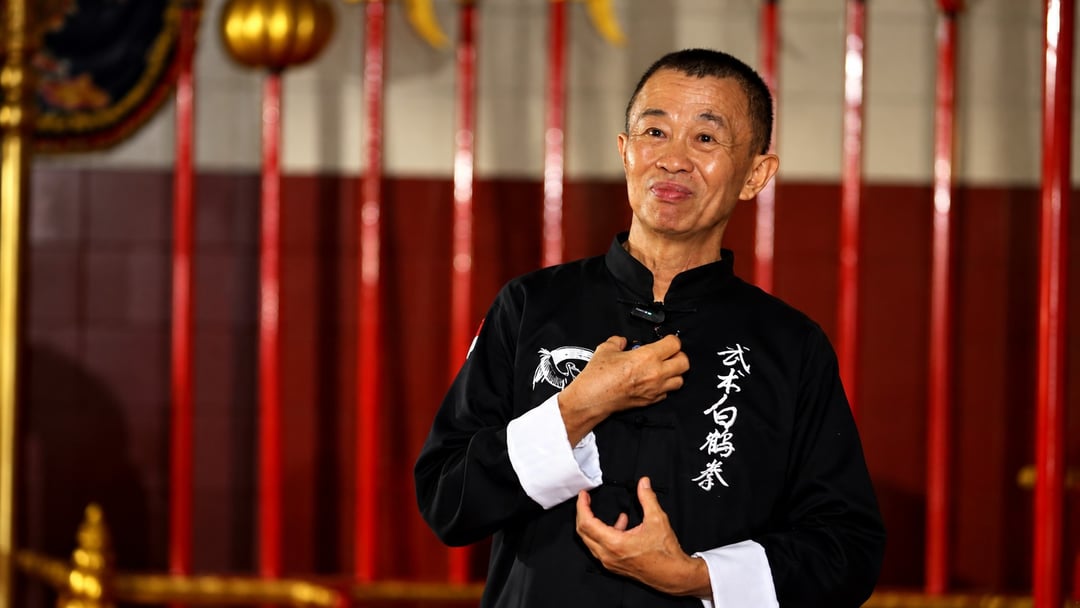
The training facility's development is credited to Harjana Wijaya, known as Shifu Tjia Eng Bie. His passion for martial arts began in the fifth grade when he was introduced to wushu. His interest in the lion dance followed in his first year of junior high, inspired by live performances and his father's encouragement.
Fate brought him to Kudus in 1990, where he settled with his family four years later. On May 1, 1999, he and Liong Kuo Tjun established the Satya Dharma Dragon and Lion Dance Troupe at the Hok Hien Bio Temple.
While initially composed only of temple administrators, the group eventually drew in young talent. They went on to compete on various stages, participating in national championships in 2000 and securing ninth place at the world lion dance championship in Genting, Malaysia, in 2002.
This momentum continued as Eng Bie founded the Bangau Putih Wushu Gym (Wushu Bai He Quan) on May 25, 2008. There, students are not immediately pushed to learn complex forms. Instead, Eng Bie focuses on fundamental training: strengthening stances, balance, coordination, and body control—essential skills that serve as a foundation for both wushu and lion dance.
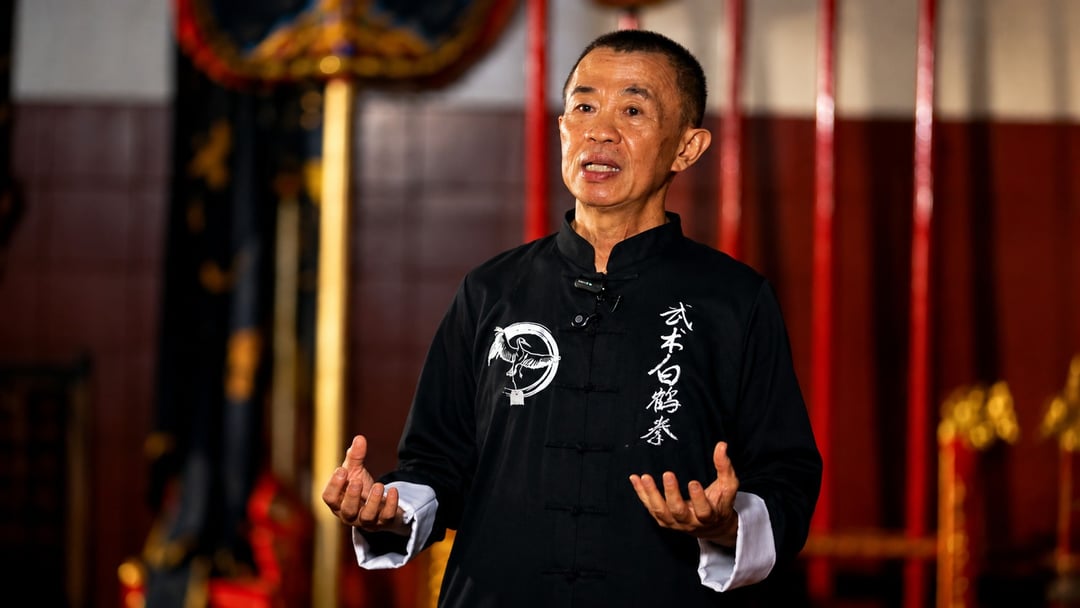
For Eng Bie, this gym is more than just a place to train athletes; it is a repository for preserving heritage.
“My motto is that our culture—wushu, barongsai, and liong—must never die out,” he said.
Behind the whistles and the sweat of his students lies a trainer’s simple hope that the torch will eventually be passed on.
“I want my senior students to carry this forward to the next generation when I am no longer able to teach.”
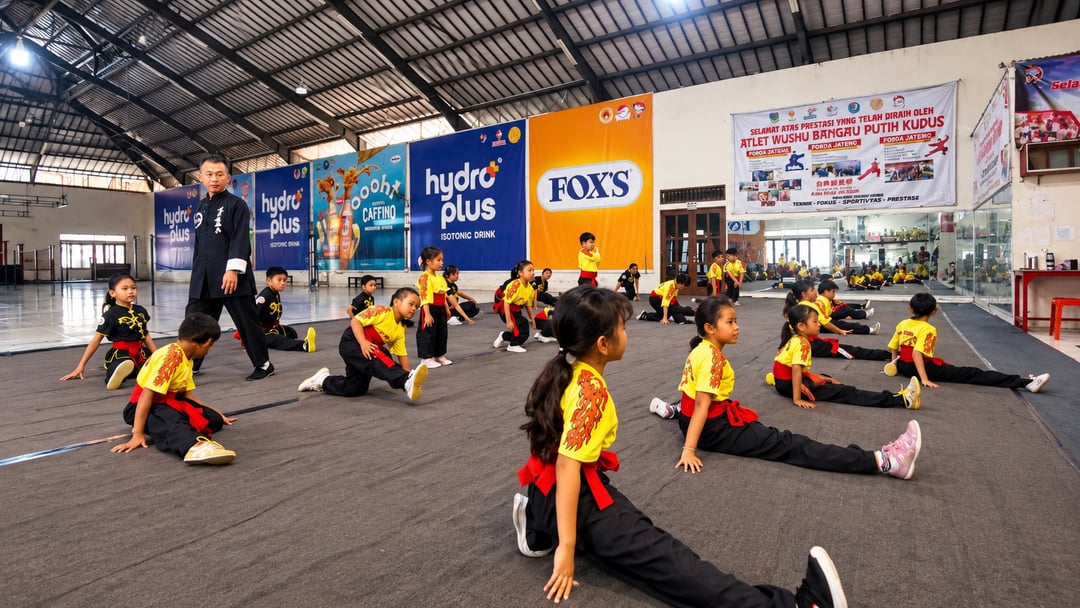
Shifu Eng Bie’s desire to keep this cultural legacy alive appears to be taking hold. Ade Surya Wijaya, chairman of the Wushu Indonesia Regency Board (Pengkab) in Kudus, noted a significant surge in interest over the past five to ten years.
In the past, Ade explained, some people were hesitant to train because the gym is located within a temple complex. Over time, that stigma has faded, and the gym now draws students from a wide variety of academic backgrounds.
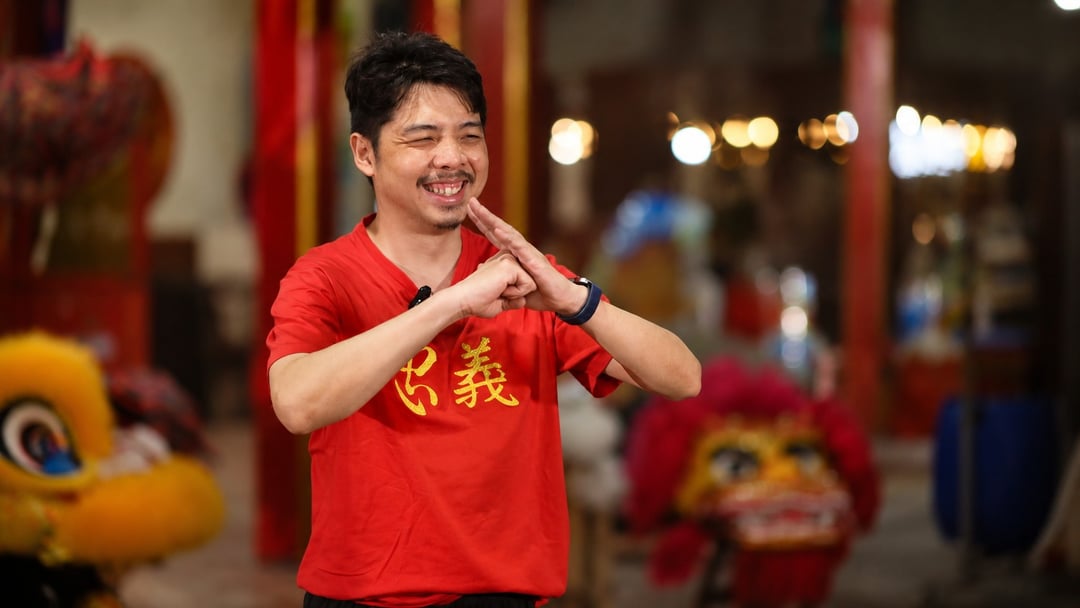
“Wushu’s development in Kudus has been quite positive. Interest has grown significantly, especially in the last five to ten years,” Ade said.
To sustain this enthusiasm, training is organized into beginner, junior, and senior levels. Children are introduced to basic movements as early as first grade, or between the ages of five and six.
“Moving forward, we are focusing on early childhood regeneration. We cultivate their basics before they eventually move into the junior category,” he said.
Training sessions are held nearly every day of the week, with two-hour sessions tailored to each athlete's physical capacity.
However, this rise in popularity presents its own challenges. Limited coaching staff and the high costs of specialized mats and fitness equipment remain ongoing issues. To navigate these limitations, the organization has adopted an outreach strategy, introducing wushu directly into schools to continue scouting new talent.
For student athletes, maintaining a consistent training schedule amid academic demands is a significant challenge. Family support serves as a crucial pillar in this journey, from handling transportation and waiting at the training center to providing emotional backing during competitions and offering a sanctuary when challenges arise.
One such journey is that of Kenichi Renly Listianto. The 14-year-old, currently a ninth-grader at SMP 2 Kudus, was first introduced to wushu in first grade, inspired by his older sibling.
“I followed my sibling and found it very exciting,” Kenichi recalled.
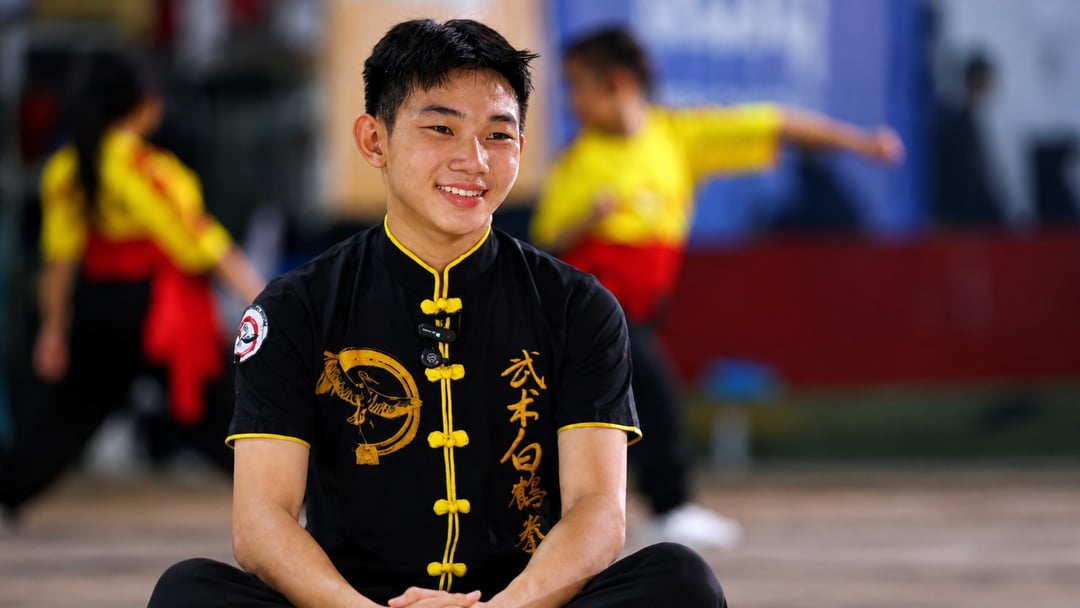
Balancing school and his passion for drawing, Kenichi maintains a disciplined training regimen. His hard work has earned him a provincial championship title, and he now holds aspirations of competing on the international stage. His mother, Ineke, has been a steadfast supporter throughout his journey, noting that wushu not only improves his physical conditioning but also fosters positive character development.
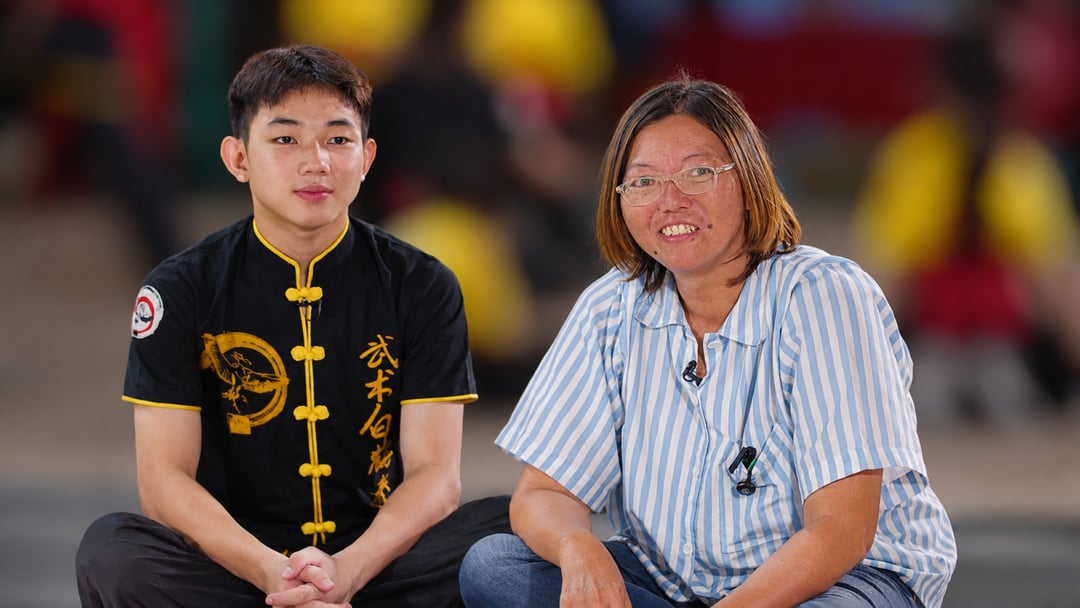
“It is clear that he has developed a greater sense of responsibility and discipline, and he finds it much easier to make friends now,” Ineke said.
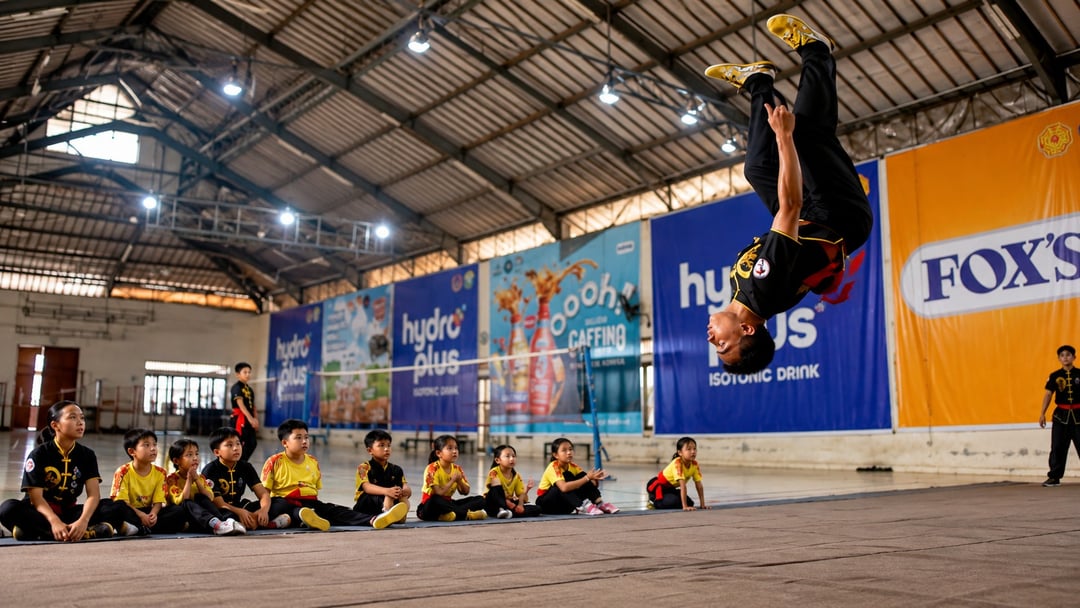
A similar story follows Athala Amirul Tsaqif, a nine-year-old athlete in the fourth grade at SD Terpadu Al-Islam Kudus. His interest was sparked after observing a wushu training session. Beyond his diligent after-school training and success in securing a silver medal at a national championship, Athala has learned to effectively manage his time between athletics and his academic responsibilities.
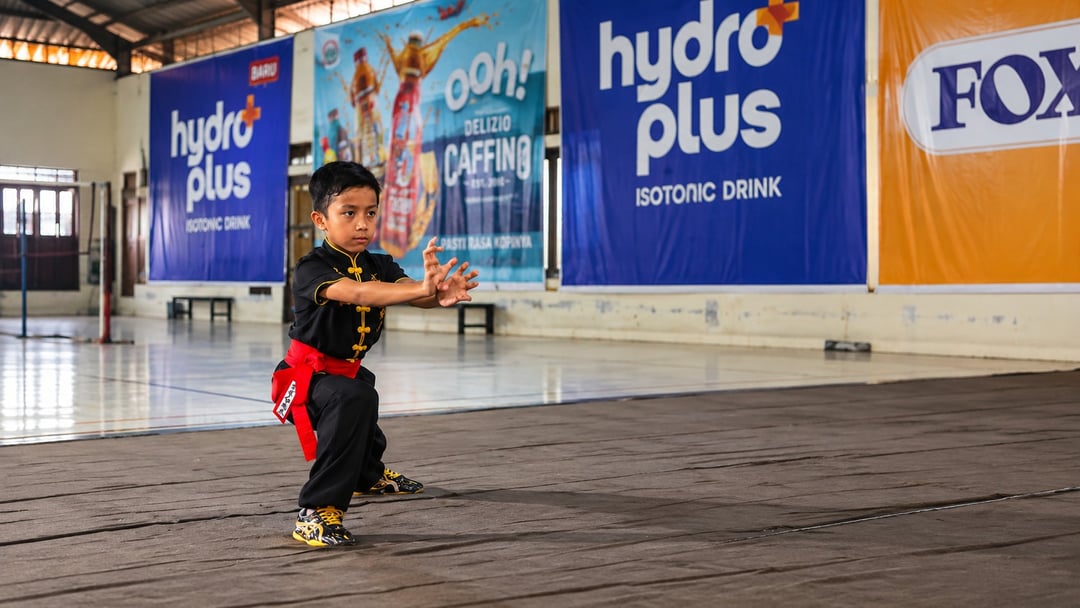
His mother, Dr. Isna Noor Khilda, who works at the PT Djarum clinic, consistently provides unwavering support and often assists as a team chaperone during competitions. For Isna, wushu training serves as a vital mental investment for her child’s development.
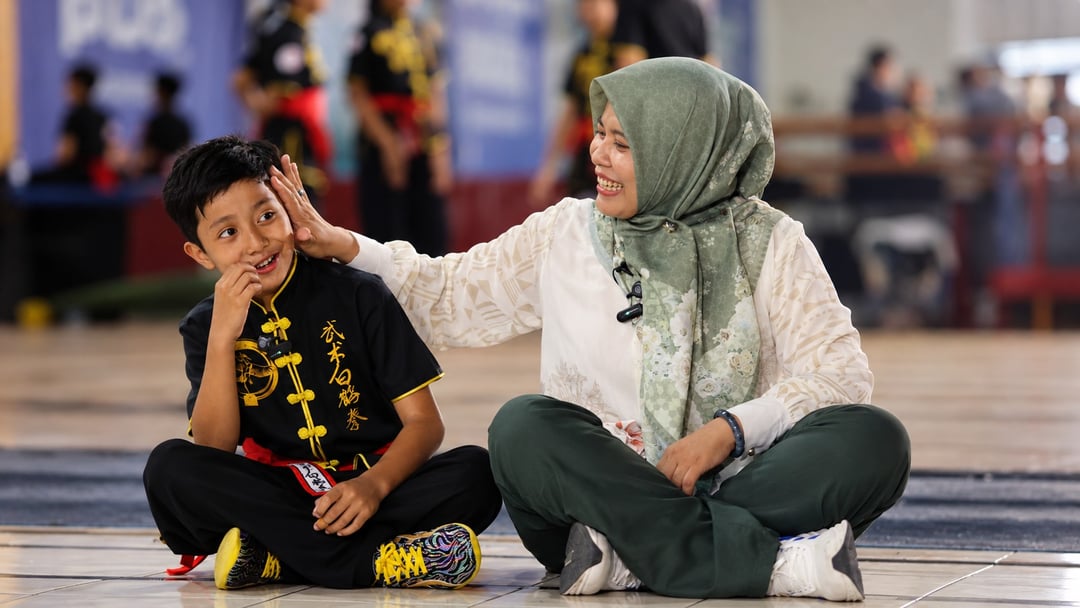
"As a parent, I naturally hope to raise a child with a strong mentality," she said. "My hope for the future is that he gains not only physical strength but also intellectual growth."
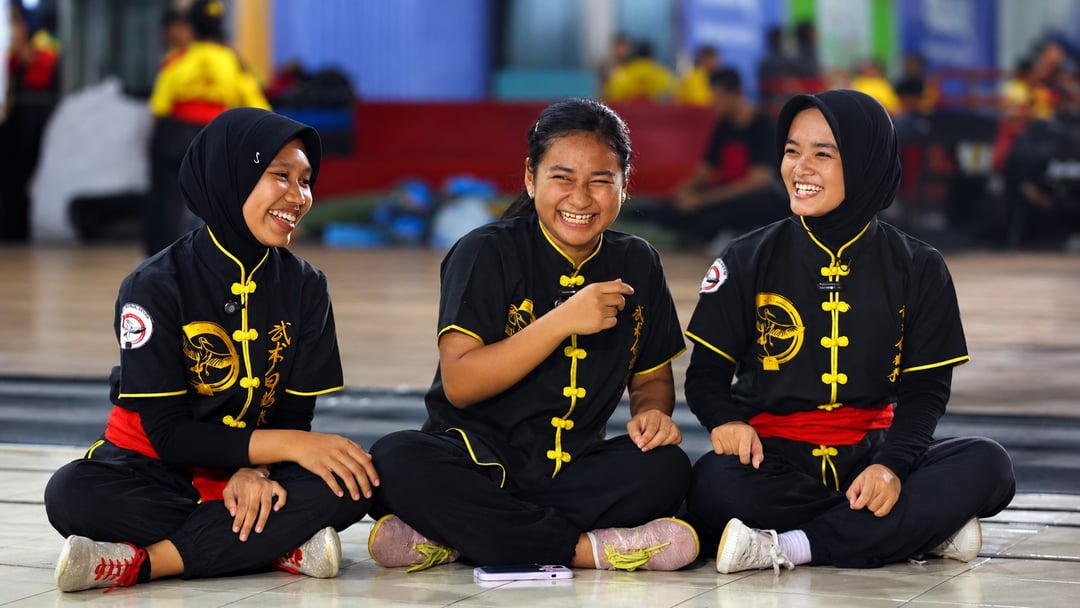
As their experience grows, the challenge for these wushu athletes extends beyond mere physical sensitivity. The true test is internal: maintaining the precision of movements practiced for months while performing under the scrutiny of judges and spectators.
Gavrila Widhi Aurellia, a twelfth-grade student at SMA 2 Kudus, understands this pressure well. Having pursued wushu since the fourth grade at SD Cahyanur, she gained early experience in the intense competition of the 2023 Porprov while still in junior high. From one arena to another, Gavrila has learned how to manage her nerves. Off the mat, she enjoys a vibrant teenage life, with interests ranging from dance and K-pop music to baking and English-language activities. Her father’s encouragement remains a grounding force that helps her balance her responsibilities.
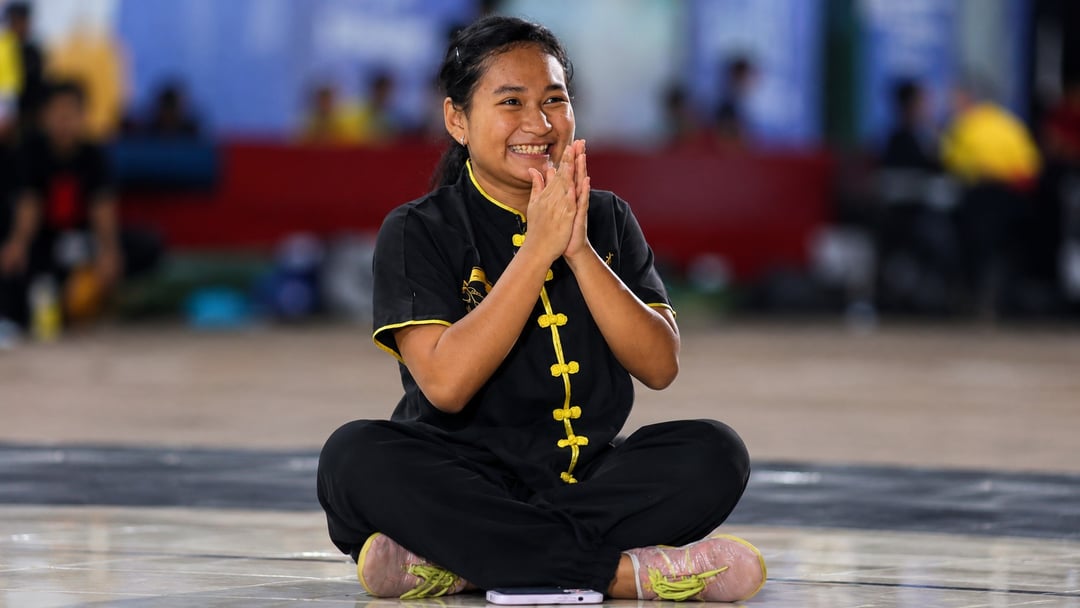
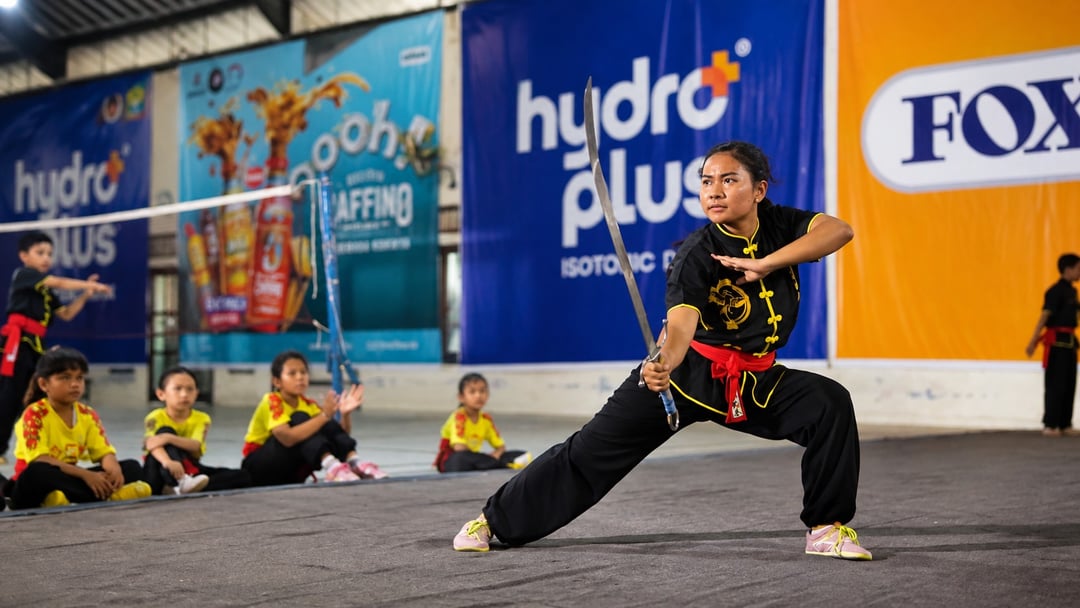
Laily Zuhaida, an 11th-grade student at MAN 2 Kudus, shares similar experiences regarding the management of mental pressure. Laily acknowledges the significant contrast between training environments and the high-pressure atmosphere of competition. To manage anxiety, she utilizes breathing techniques and meditation, while her passion for Pilates and yoga helps her maintain focus.
Laily once reached a point of burnout and considered quitting due to a perceived lack of progress. Fortunately, her mother, a yoga instructor, patiently guided her to view training as a long-term process that should be embraced. This perspective helped Laily regain her momentum while instilling a renewed appreciation for discipline and physical fitness.
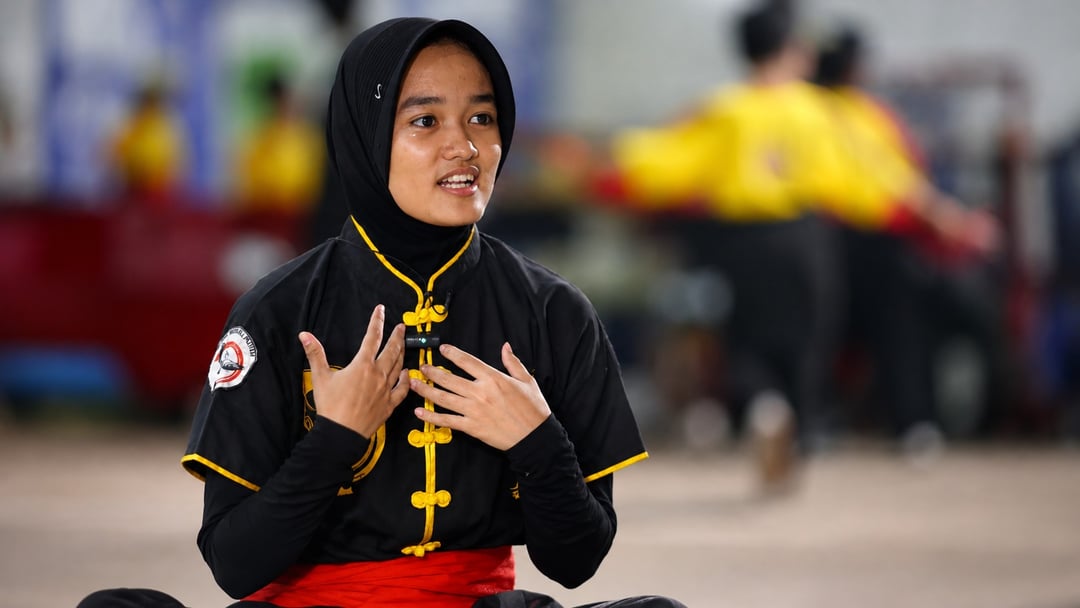
Meanwhile, Nisya Kelinnia Alegra has refined her discipline and flexibility through various championships, including a national-level competition in Lombok. Her experience competing outside her home region has contributed to her personal growth, fostering a desire not only to deliver strong performances but also to minimize technical errors under pressure.
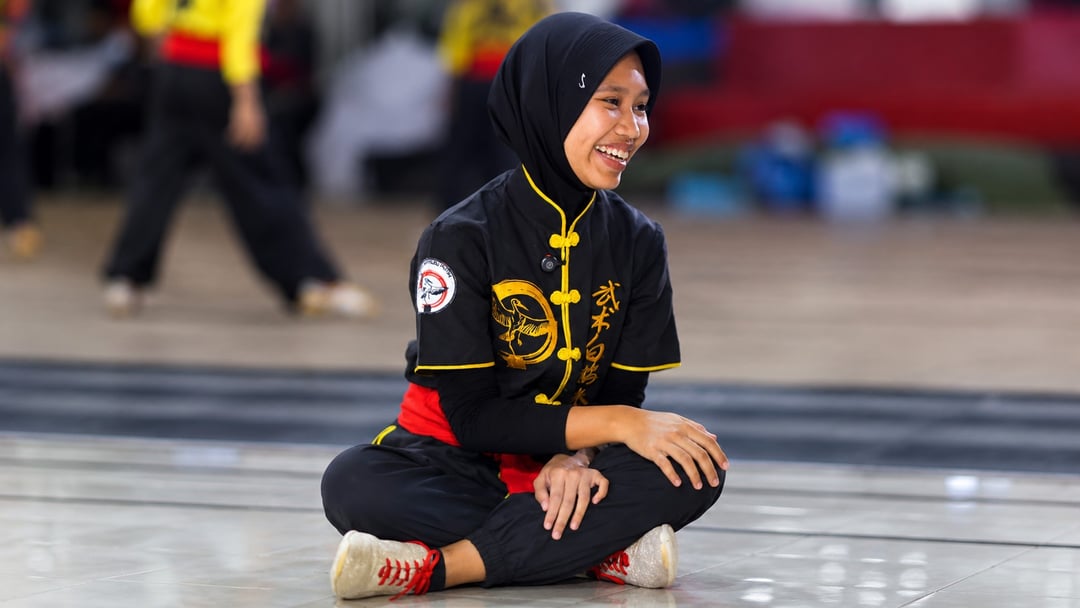
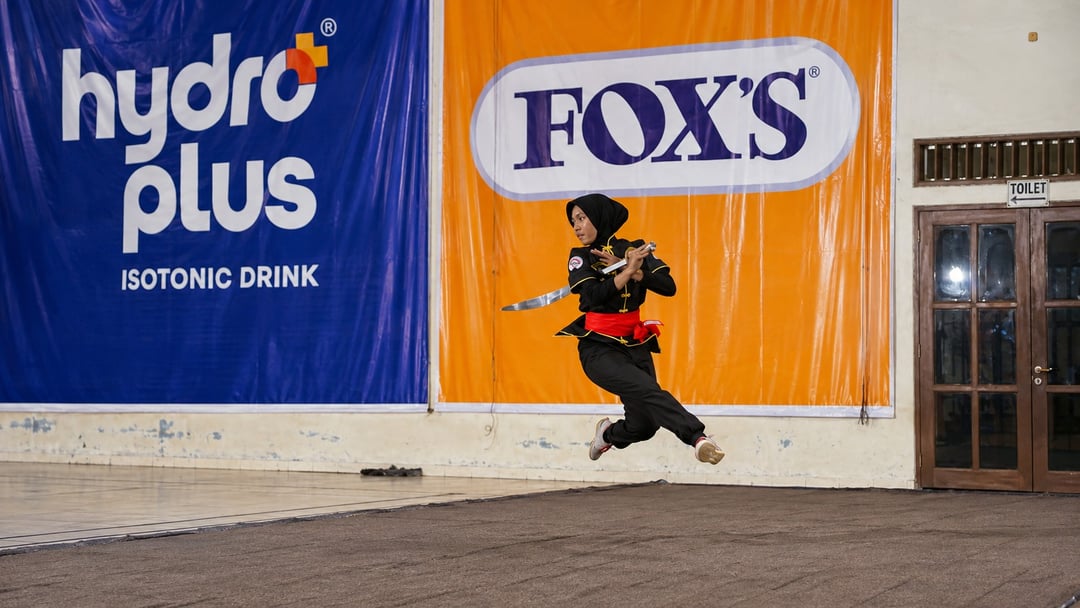
The journeys of Gavrila, Laily, and Nisya demonstrate that wushu training extends far beyond mastering techniques or chasing medals; it is a transformative process of personal growth, learning to manage pressure, accepting outcomes with grace, and striving for continuous self-improvement.
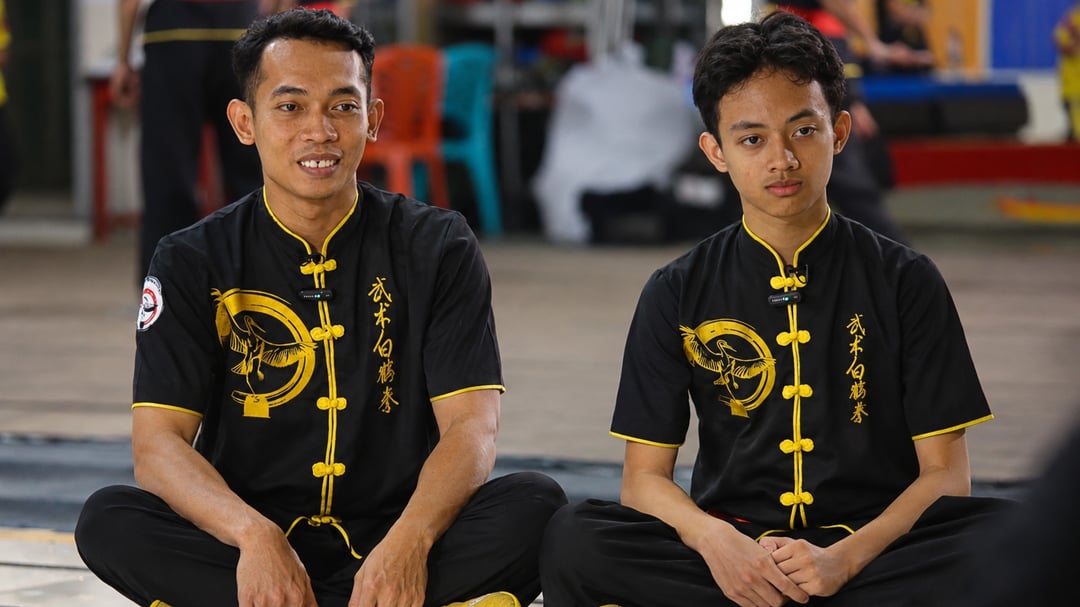
The benefits of wushu training reach well beyond the gym mats and competition arenas. The discipline and focus cultivated daily gradually permeate the athletes' everyday lives, fostering positive new habits.
This is evident in the experience of Leonardo Jevino Nirvana Emty, an 11th-grade student at SMA NU 1 Kudus. With a passion for video editing, Leo leverages his skills to support his wushu training. He periodically records his movements, reviewing the footage to refine specific techniques that require further improvement.
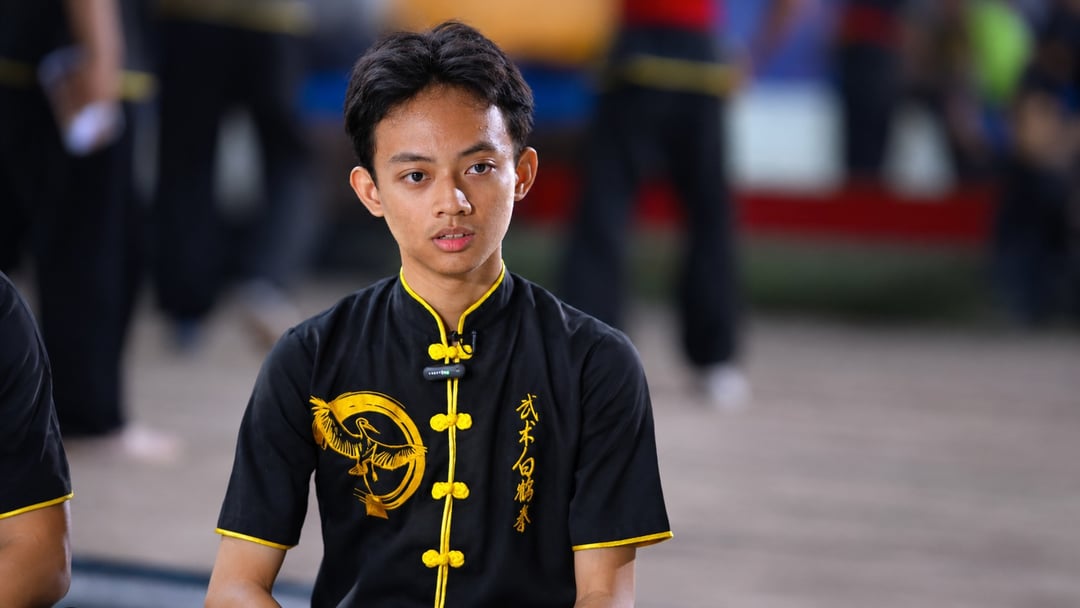
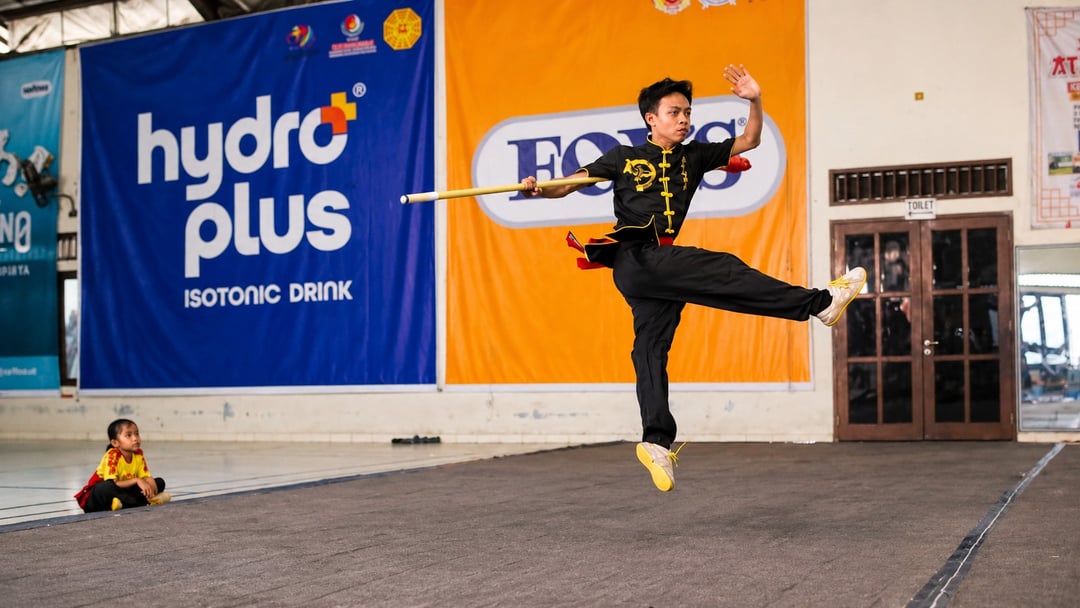
Beyond technical skills, wushu has also shaped his personality. Once shy, Leo has become significantly more outgoing and comfortable interacting with his peers, thanks to the social environment at the club and his experiences in various competitions. Despite the physically demanding nature of the training, he remains committed to continuing the sport into his university years.
Ilham Ihsani Qolbu Mulya, 23, has experienced a similar transformation. Wushu has been an integral part of his life for approximately 15 years, ever since his father introduced him to the sport when he was in the first or second grade of elementary school.
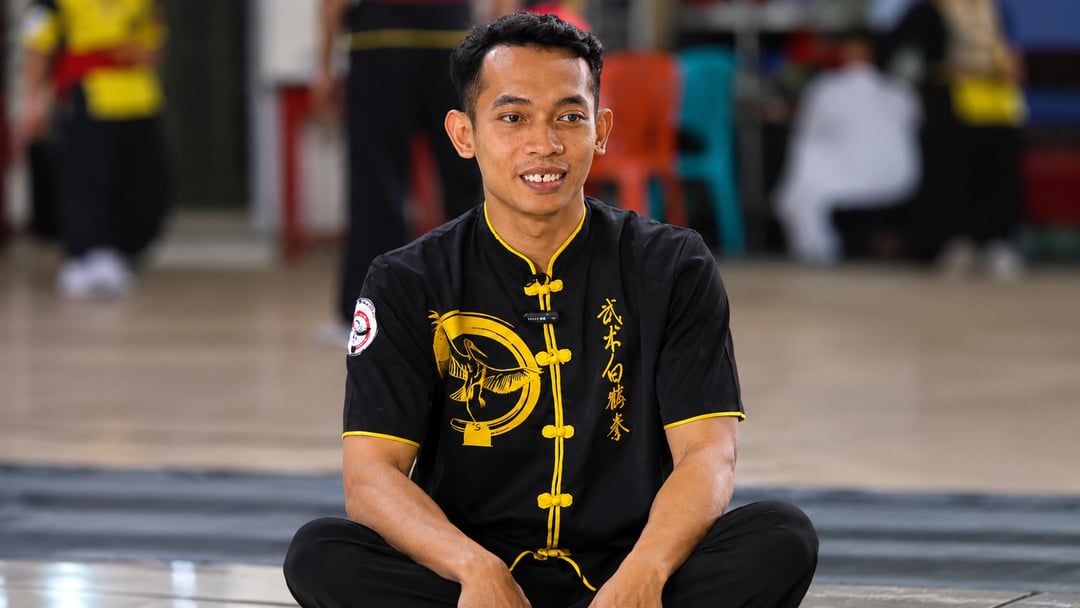
Now a young adult working as a freelancer, Ilham faces the added challenge of balancing his professional screen time with evening training sessions. Amidst his busy schedule, he deeply feels how wushu has shaped his lifestyle, from time management and regular sleep cycles to maintaining a healthy diet.
For Ilham, maintaining a training routine while working requires extra commitment. However, his motivation remains strong as he aims for top results in the provincial games (Porprov) and hopes to make his parents proud.
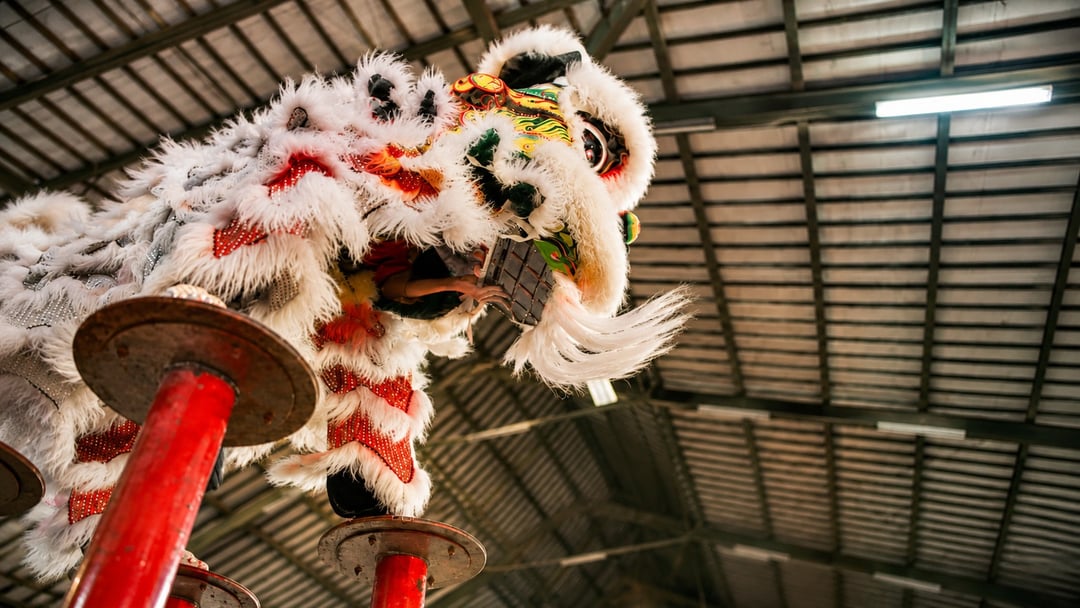
Keeping the tradition of Barongsai and Liong alive in Kudus is no simple task. Amid the demands of school and work, the sustainability of these two performing arts depends heavily on recruiting new members and the dedication of senior mentors.
Reza Adriano, chairman of the Kudus chapter of the Indonesian Lion Dance Sports Federation (FOBI), understands this journey well. Having trained under Shifu Eng Bie since 1999, Reza took a hiatus to complete his university studies before returning in 2011 to coach in local schools.
Outreach to schools has been a critical strategy. Kudus frequently loses active performers who move to Semarang or other cities for higher education, which poses a challenge given that both Barongsai and Liong performances require intense synchronization of footwork, stance, and musical timing among multiple performers.
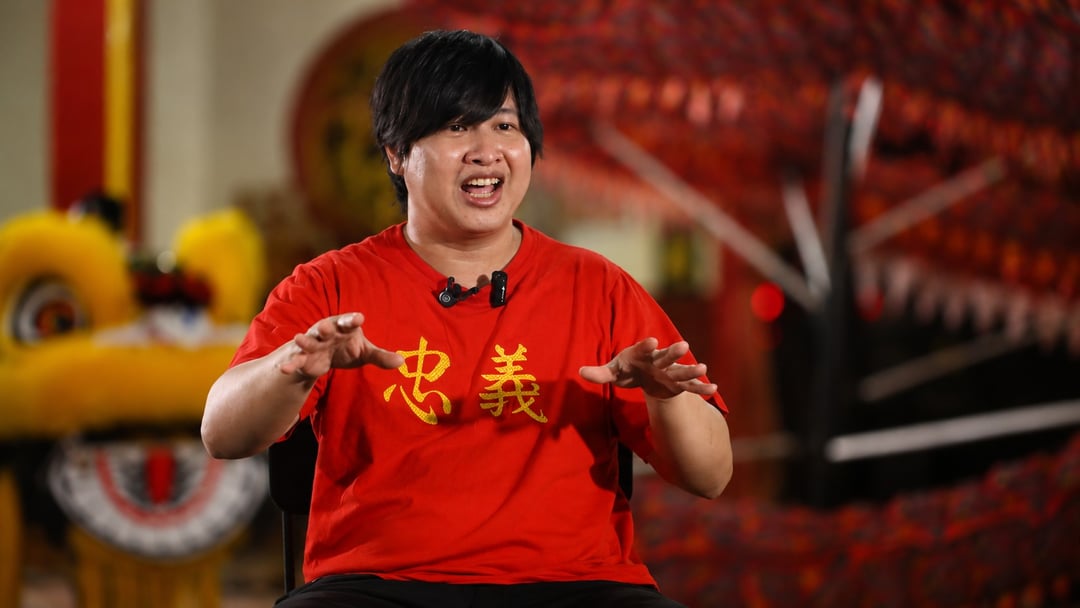
"We need time to train the basics, starting with their stance, then the music, and finally the head movements," explained Reza.
Yet, behind the grueling physical training, there is a sense of camaraderie that keeps members committed. Najila Yulianda Putri, known as Nanda (27), is a case in point. Having joined in 2014 during middle school, the PT Djarum employee remains a steadfast presence in the musical section. From her nervous debut at a competition in Solo, Nanda now views the studio as a space for collective growth.
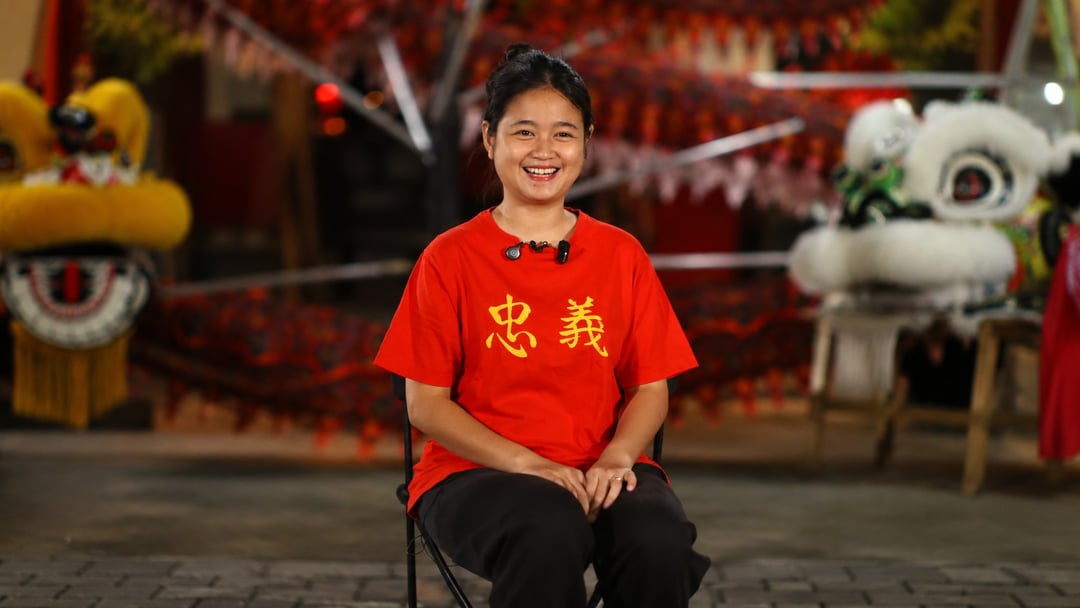
“It is the sense of family and togetherness that keeps us here,” Nanda said warmly.
Vicky Zulianto (26) shares a similar passion. His interest, sparked by temple performances in his childhood, led him to become a cymbal player in 2013. Working with a musical ensemble—comprised of four cymbal players, one drummer, and one gong player—Vicky must meticulously align the rhythm with every nuance of the Barongsai movements, particularly when tasked with mastering new musical patterns for competition.
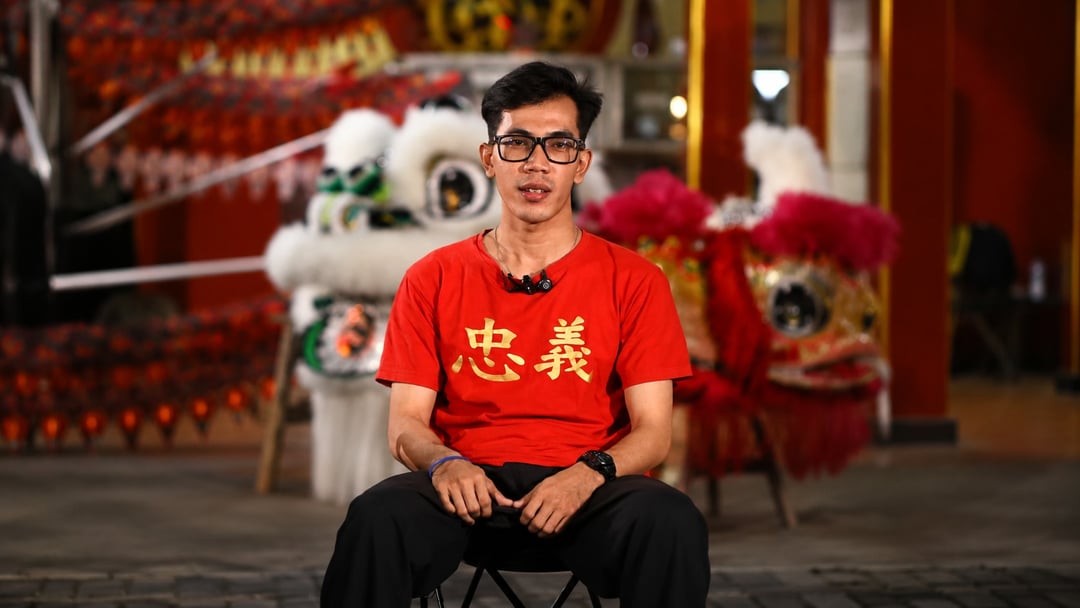
For Vicky and his peers, equipment support from the Djarum Foundation provides an additional morale boost. Their ultimate goal remains simple: to put Kudus on the national and international stage while ensuring this tradition thrives for future generations.
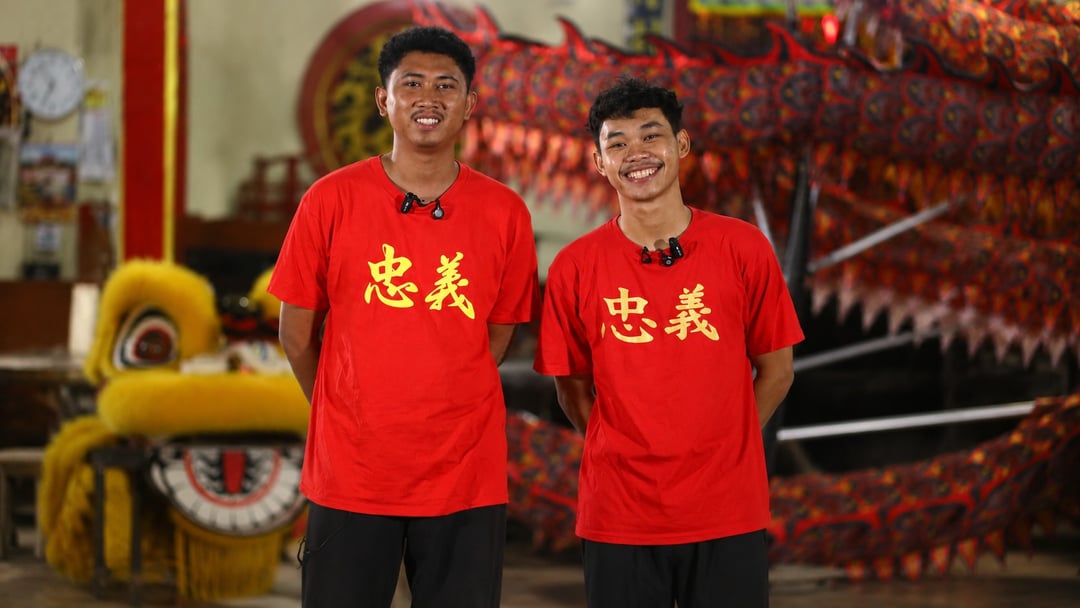
For members of the dragon dance troupe, maintaining a training regimen requires balancing professional responsibilities. Rangga Dicky Ryanto, a machine operator at PT Bakti Usaha Nusantara, and Muhammad Rifki Ardiyanto (Dianto), a supply staffer at PT Djarum, are two members who successfully manage this double life.
Rangga has practiced the dragon dance for six years since high school, while Dianto joined within the last two. Due to work shifts, practice schedules are often pushed to weekends—Friday, Saturday, or Sunday. It is not uncommon for the music to begin and the dragon to take flight late at night, often around 10:00 or 11:00 p.m. WIB.
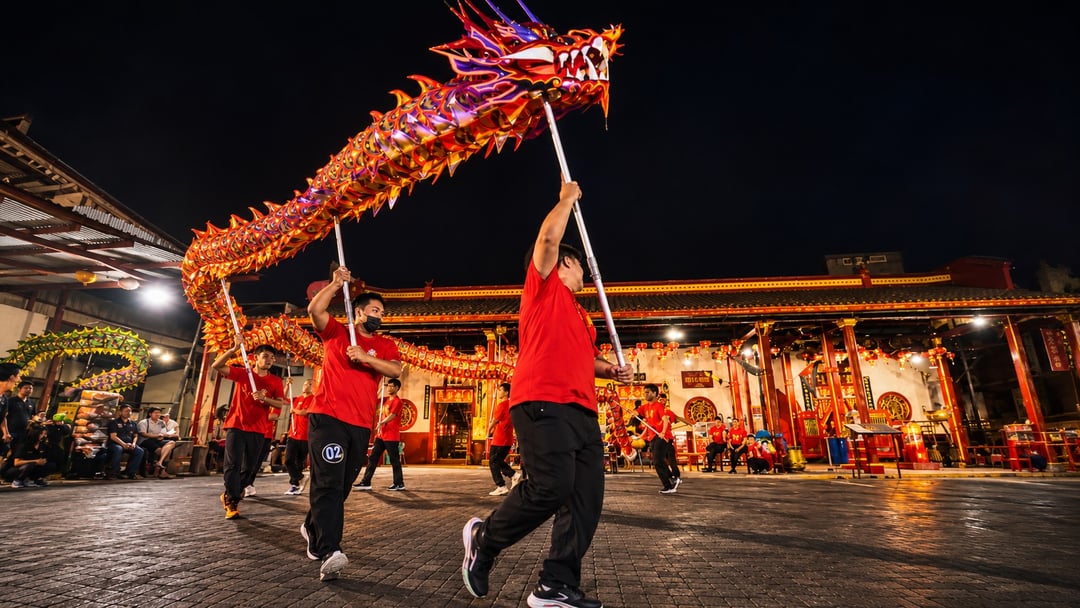
In pursuit of qualifying for the Provincial Sports Week (Porprov), they have pushed themselves through intense training sessions lasting until 1:30 a.m. While not part of their standard routine, these late hours stand as silent testaments to their commitment.
For Rangga, overcoming exhaustion after a full day of factory work is no small feat. However, his determination to refine the team's cohesion and bring prestige to Kudus keeps him focused, pushing past the urge to sleep.
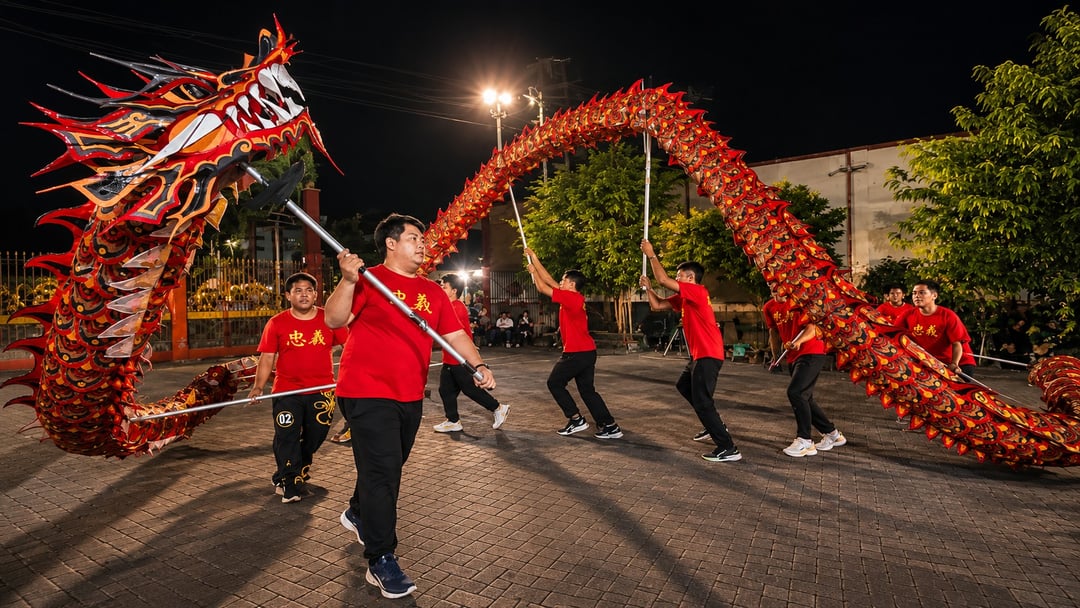
For Dianto, this training center has evolved into a second home. It is where he discovered the essence of community, learning to support one another and build lasting friendships. Through those stolen hours in the night, they share a simple hope: to build a stronger, more experienced team capable of achieving success in competition.
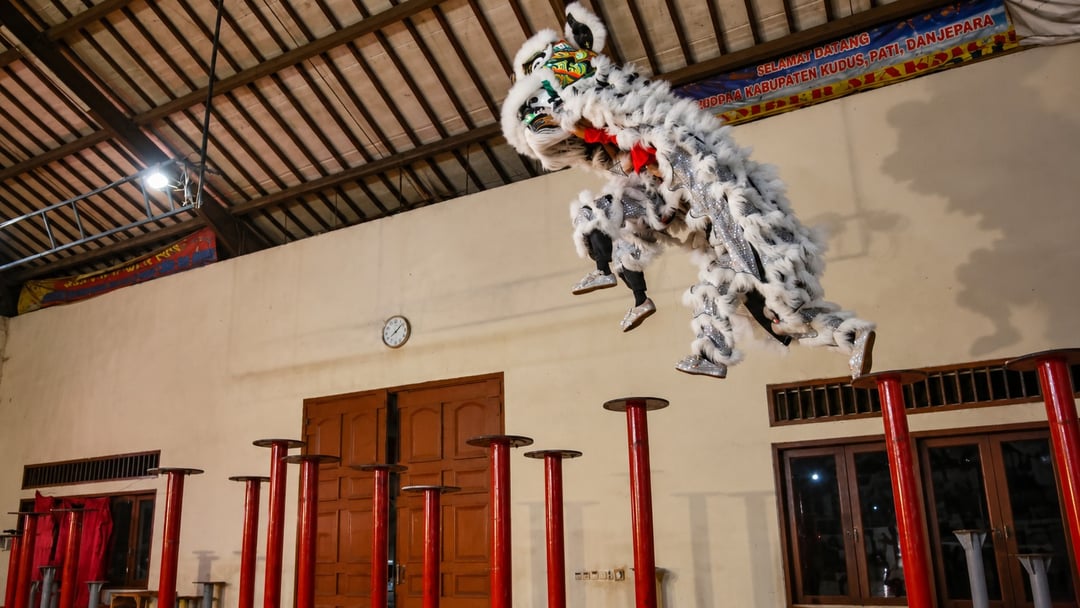
The grueling late-night efforts finally paid off with pride. At the 2026 Central Java Provincial Sports Week (Porprov) XVII in Semarang Raya, the Kudus Barongsai and Liong team successfully secured three bronze medals.
The medals were earned by Julio Winata and Steven Kantari in the Barongsai Obstacle Course category. In the Traditional Barongsai category, a bronze medal was achieved by a team consisting of Agus Prabowo, Alvis Rezando, Gilang Ramadhan, Julio Winata, Adrian Avita K, Rizki Fajar R, and Vicki Zulianto. An additional bronze medal was awarded in the Open Free Taolu Dragon category.
These accolades are the result of more than just talent. Behind their stunning performances lies countless hours of sacrifice spent aligning their rhythms, perfecting techniques, and fostering team chemistry despite their individual daily commitments.
The tradition of development at the Bangau Putih Academy remains vibrant. Every day, the gym is filled with the joyful laughter of children mastering basic movements, the enthusiasm of young athletes gaining competitive experience, and the dedication of adult members balancing training with their professional lives.
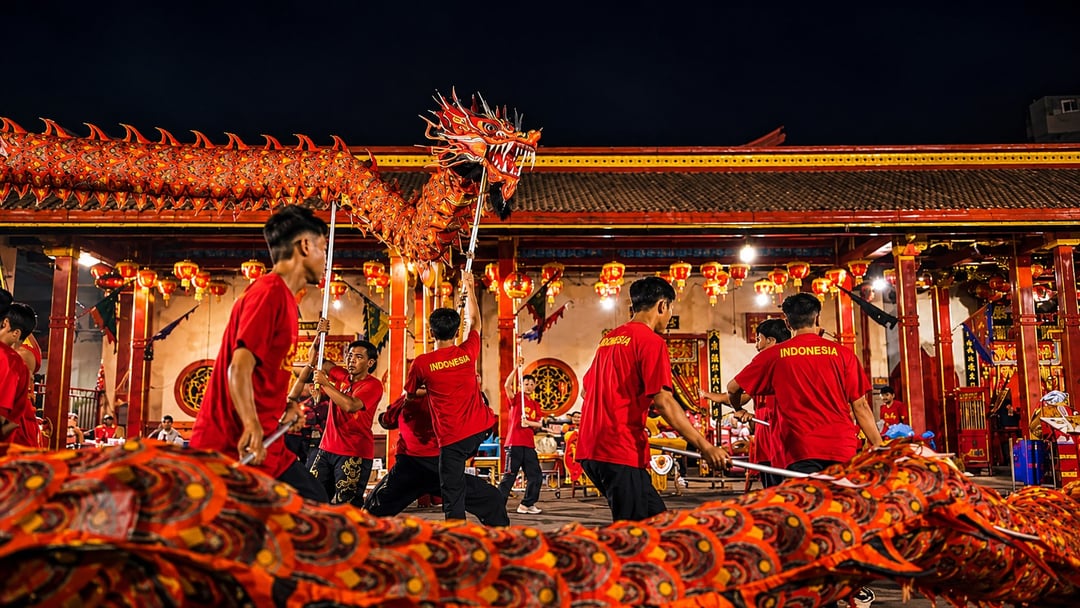
In this corner of the Hok Hien Bio Temple, the vision of Shifu Eng Bie is slowly coming to fruition: a place where children grow together through training, refine their discipline, and prepare to carry the torch for future generations. (REDAKSIMKK)