KUDUS – An athlete's achievements are not forged solely in the competition arena. Long before standing on the podium, athletes must endure rigorous, repetitive training, accepting corrections and refining every shortcoming. Martial arts techniques are studied, footwork is corrected, balance is maintained, and sequences are repeated until they are perfected.
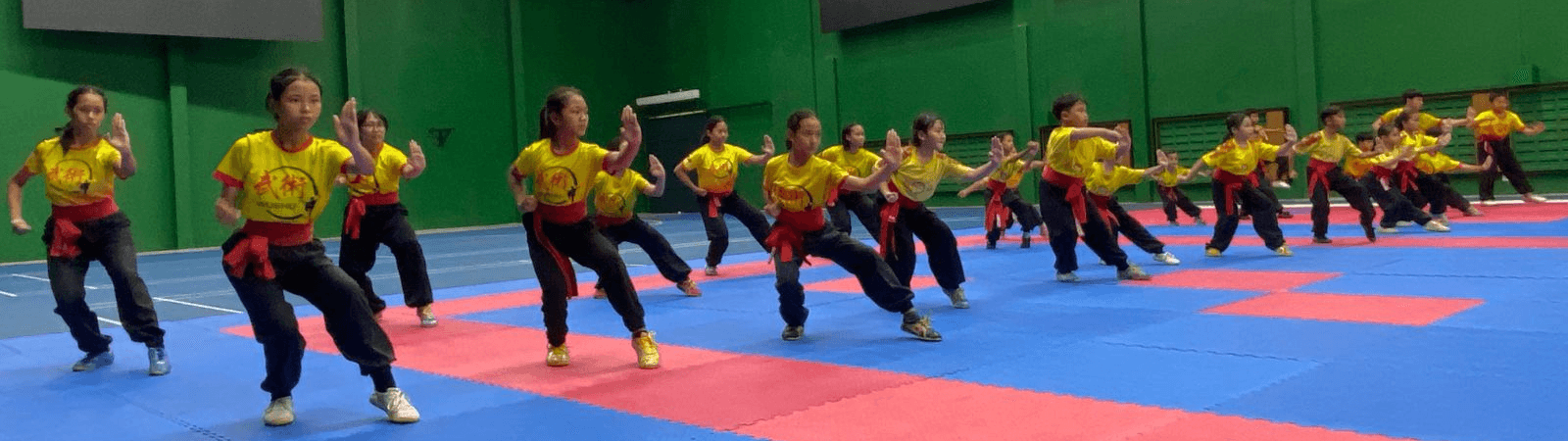
This process is a daily routine for Wushu Indonesia Kudus athletes. Training continues regardless of competition schedules, with athletes attending sessions tailored to their age groups, technical proficiency levels, and individual needs.
Through this structure, the Wushu Indonesia Kudus Regency Management builds athletic development in stages. Children new to wushu are taught basic techniques, while competitive-level athletes focus on enhancing their technical skills, physical conditioning, and mental readiness for competition.
A prime example of this development was seen at the 2026 Wushu Kungfu National Championship held by the Indonesian Wushu Association (PBWI) in Alam Sutera, Tangerang, from July 22–27, 2026. A total of 13 junior and senior athletes from Kudus participated, bringing home 15 medals, including six gold, seven silver, and two bronze.
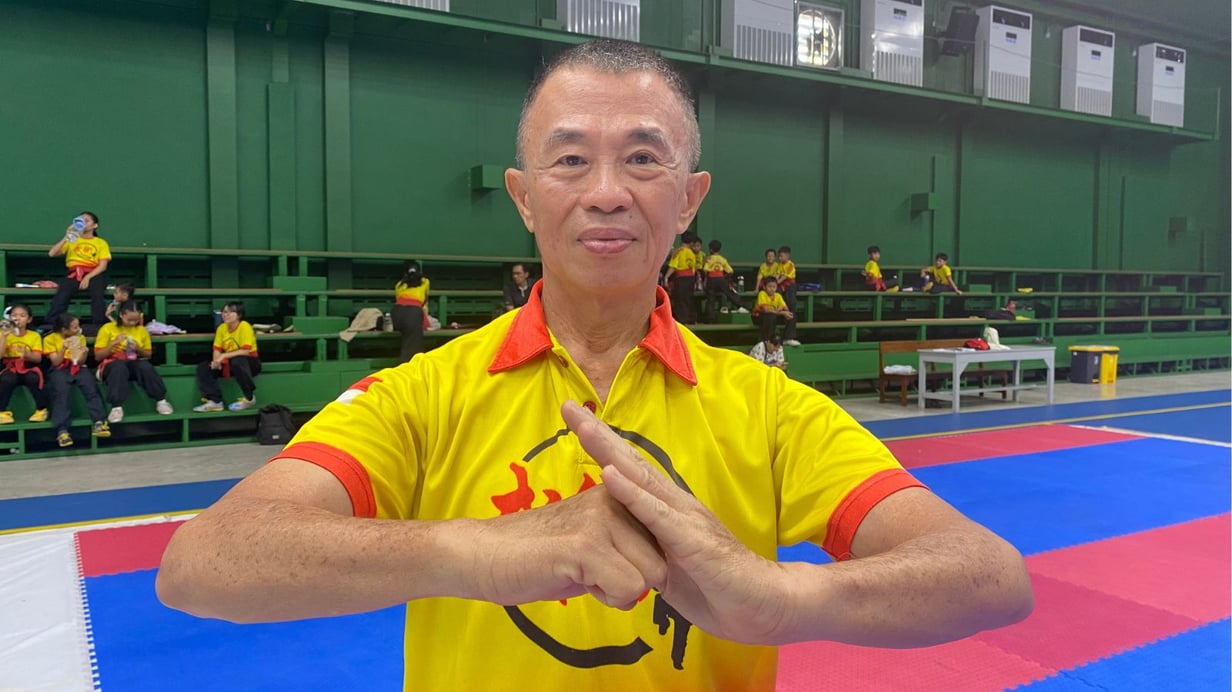
This achievement exceeded the team's expectations. Harjana Wijaya, founder and coach of Wushu Indonesia Kudus, noted that the team had set a target of three gold medals before departing for Tangerang.
"The target was three gold medals, and it turned out we secured six. Our athletes demonstrated that their potential in this kung fu championship could surpass our goals," Harjana said.
The six gold medals were contributed by four athletes: Gavrila Widhi Aurellia (two), Jessica Laurens Tannia (one), Kenichi Rain Lie Listiyanto (two), and Nindya Umi Abinaya (one).
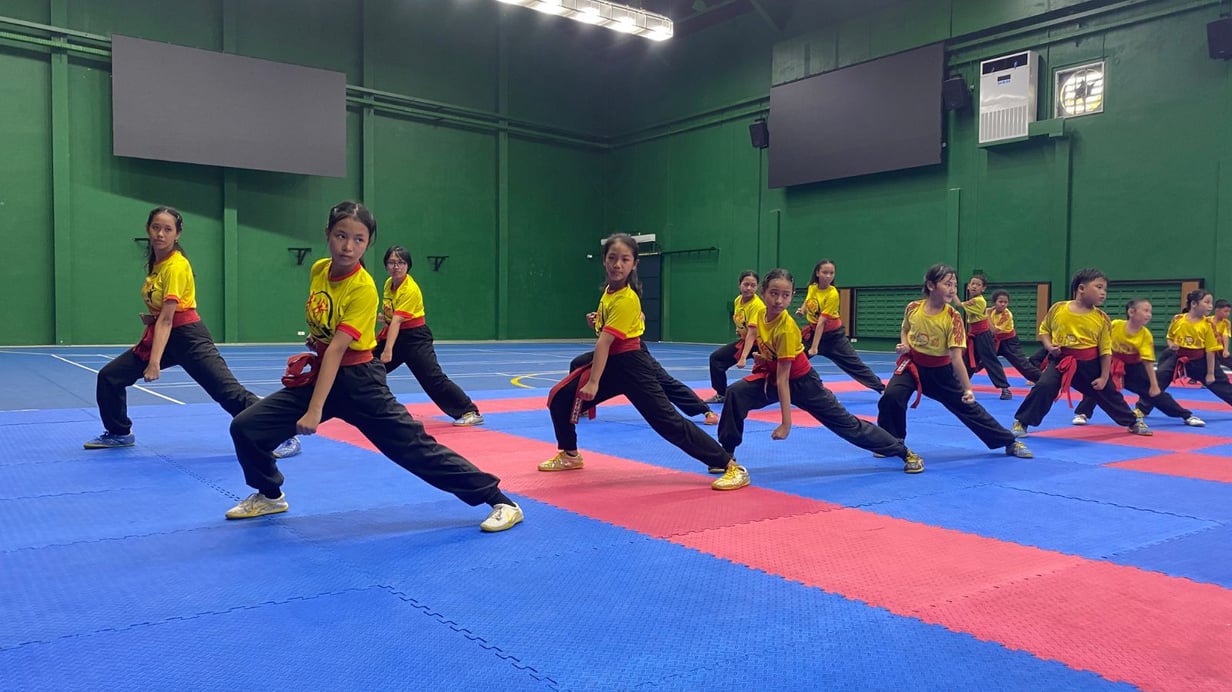
Harjana began actively developing Wushu Indonesia Kudus in 2008. In the early stages, the program operated with limited participants. However, the subsequent achievements of the athletes increased the profile of the sport, attracting more children to join the training sessions.
The program is not only aimed at teenagers and seniors; primary school-aged children are also involved to ensure talent succession. Participants range from first-grade primary students to university students, categorized into Junior C, Junior B, Junior A, and Senior levels.
Categorization allows coaches to design programs suited to each athlete's developmental stage. Beginners learning the basics do not follow the same regimen as those preparing for competition. Training materials, intensity, and objectives are tailored to ensure measurable progress for every athlete.
Children as young as six or seven can begin training, as they are generally capable of understanding and following coaching instructions. However, individual readiness is always monitored, as the capacity to absorb instruction and adapt to training varies by child.
Developmental efforts extend to SD Kanisius and SMP Kanisius, serving as a gateway to introduce wushu to students and identify potential talent. Schools act as an initial venue for children to explore the discipline before committing to more specialized training.
New participants begin with fundamental techniques and movement standards, including footwork, stances, balance, coordination, and sequences. Once a strong foundation is established, training advances to meet competitive requirements.
Mistakes are treated as a natural part of the learning process. Incorrect foot placement, unstable stances, or missed sequences are addressed through corrections and repetition. Coaches monitor an athlete's development based on movement precision rather than just the speed at which they master the material.
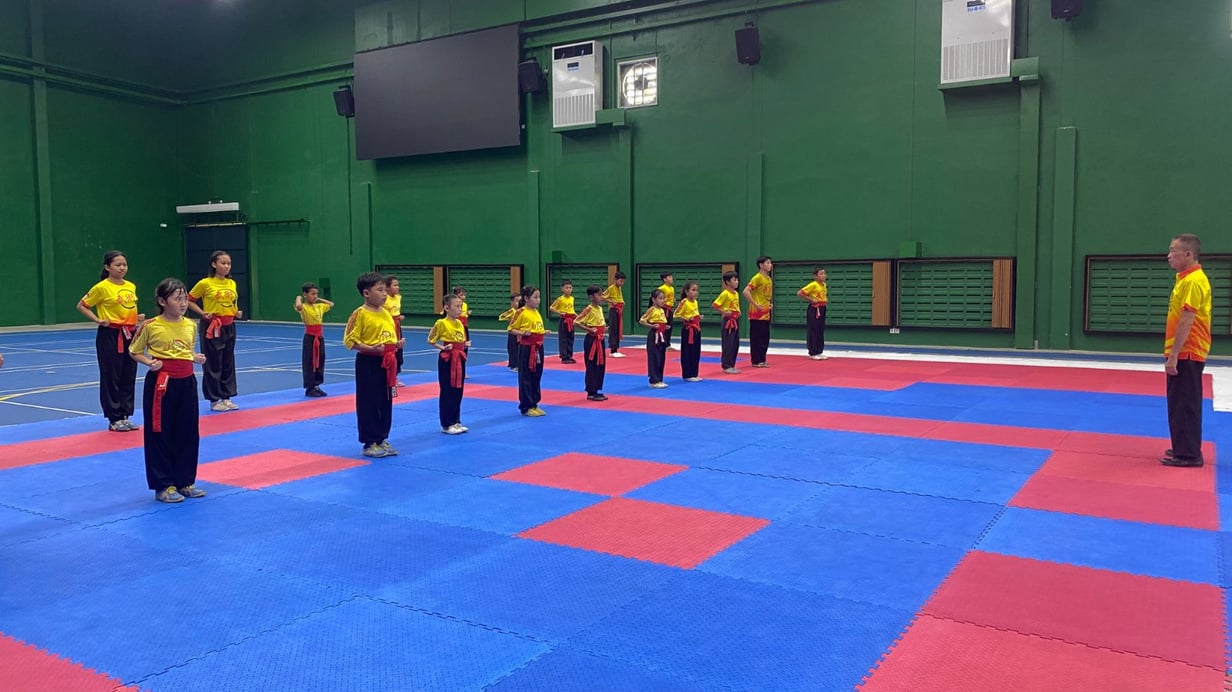
Routine is essential to the development program. Wushu Indonesia Kudus athletes train five times a week, with sessions lasting approximately two and a half hours. Training at the Hok Hien Bio Temple gym takes place on Mondays and Wednesdays from 3:00 PM to 5:30 PM WIB, and Thursdays from 3:30 PM to 6:00 PM WIB. Friday sessions are held at the GOR Arena 3 Djarum, Kaliputu, from 3:00 PM to 5:30 PM WIB.
This schedule applies to both novice athletes and those preparing for championships. Training programs are customized based on group development and needs; beginners focus on basics, while competitive athletes work on refining movement sequences and improving precision.
Ahead of the 2026 PBWI Wushu Kungfu National Championship, preparations have intensified through a three-month training camp where materials are specifically tailored to each athlete's event category and individual needs.
Competition preparation involves more than just repeating routines. Athletes require peak physical conditioning to execute sequences with stability. They must also maintain concentration under the pressure of competition, including performing before judges and facing opponents from various regions.
For novices, training begins with the fundamentals. Footwork, stances, balance, and movement sequences are constantly refined through repetition. Once the technical foundation is built, training shifts toward competitive objectives.
Harjana prioritizes mental readiness as a foundational element of the development process.
"We can always drill the physical side, but if an athlete is physically strong yet mentally weak, they can lose their focus and forget their entire routine. That is why we develop the mental aspect first," he explained.
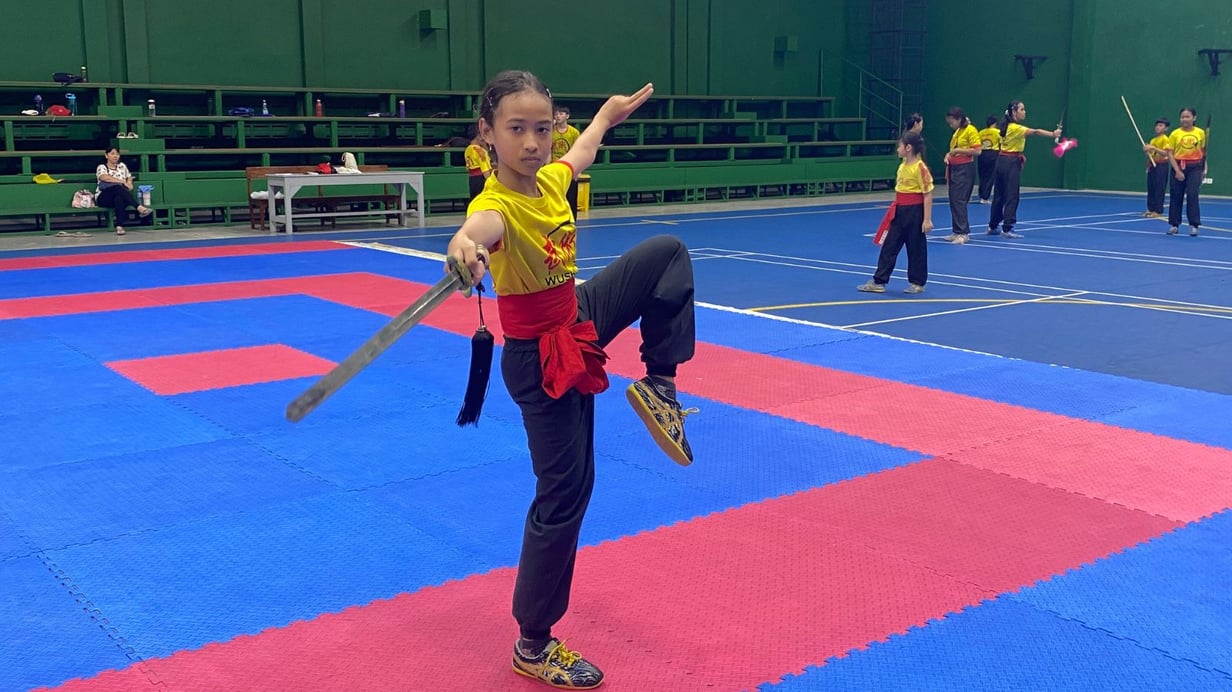
Every athlete’s journey begins from a different starting point. Not all children arrive at the training center with aspirations of becoming champions. Some develop an interest after observing wushu techniques, others are introduced by family members, and some simply join to explore a new activity.
Harjana recalled one instance involving an athlete who quit after roughly three months due to apprehension over the instructor’s strict demeanor. It was only through parental encouragement that the athlete decided to return to training.
Upon returning, the athlete showed significant progress, with technical proficiency improving through consistent practice. This experience serves as an example that athletic growth is not always immediate and that every child requires a unique period of adjustment.
"They are doing well now. It shows that some who start out just trying things out can indeed develop into remarkable athletes," Harjana said.
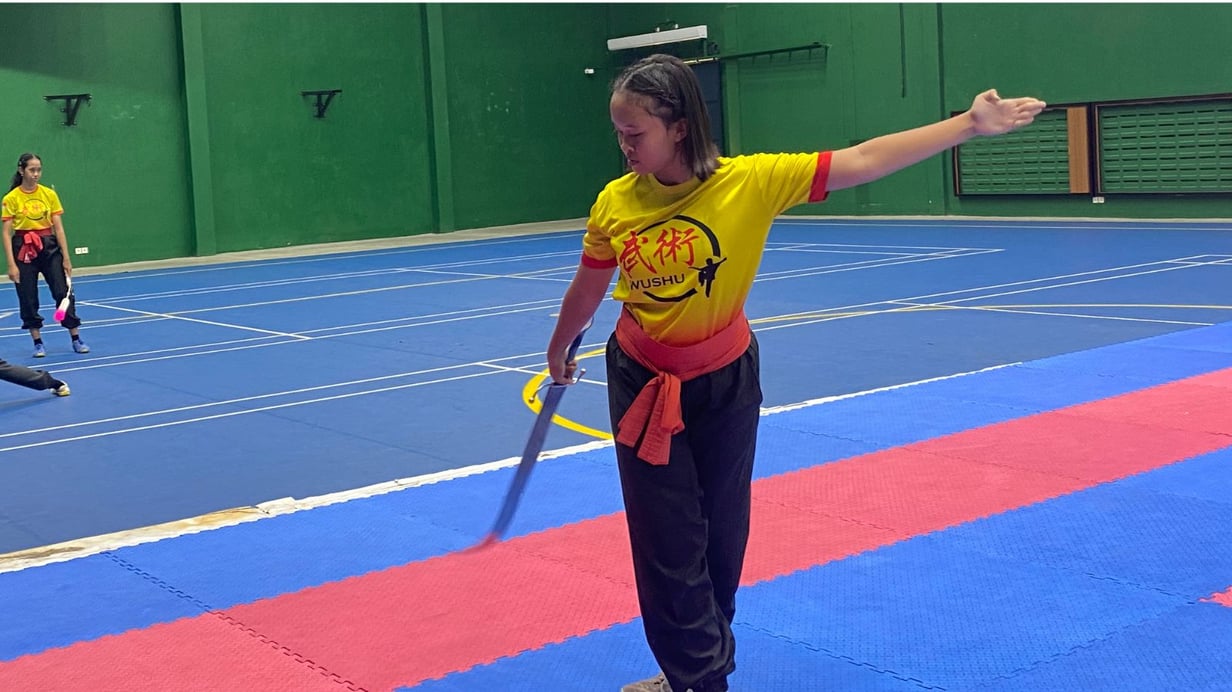
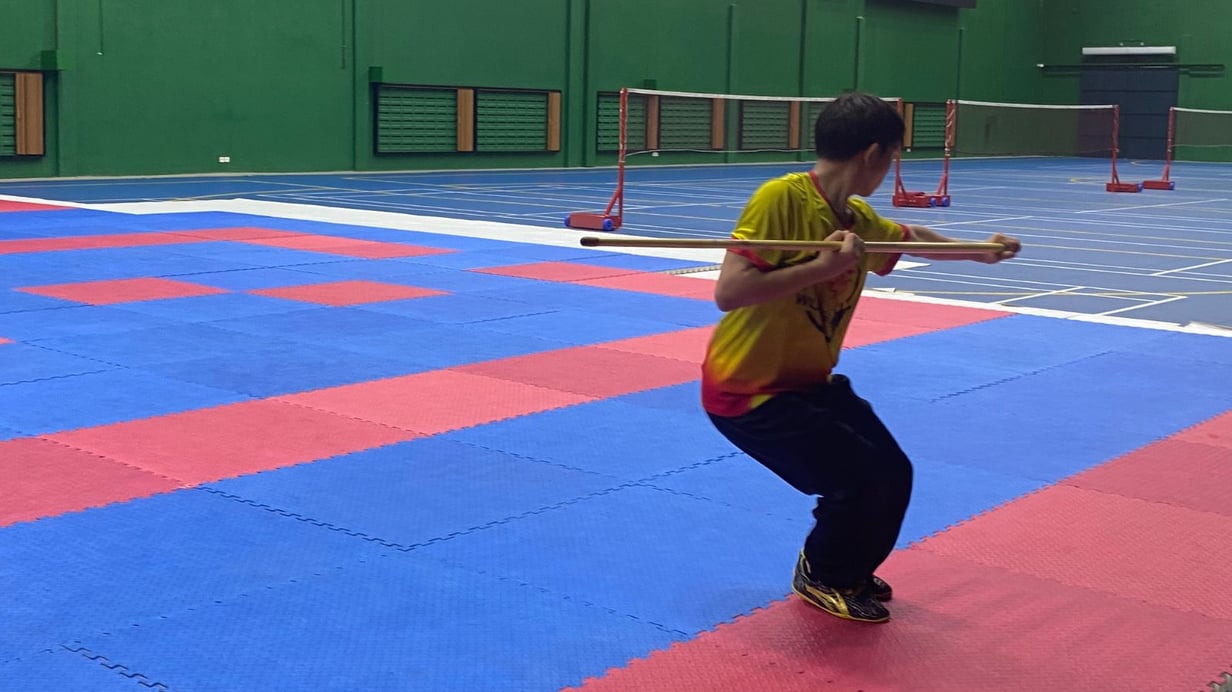
A gradual coaching structure allows children to familiarize themselves with wushu without the immediate pressure of chasing tournament results. Beyond technical skills, they learn to adapt to schedules, training protocols, coaching styles, and the social dynamics of their peers. This process is instrumental in determining which participants will thrive in the long term.
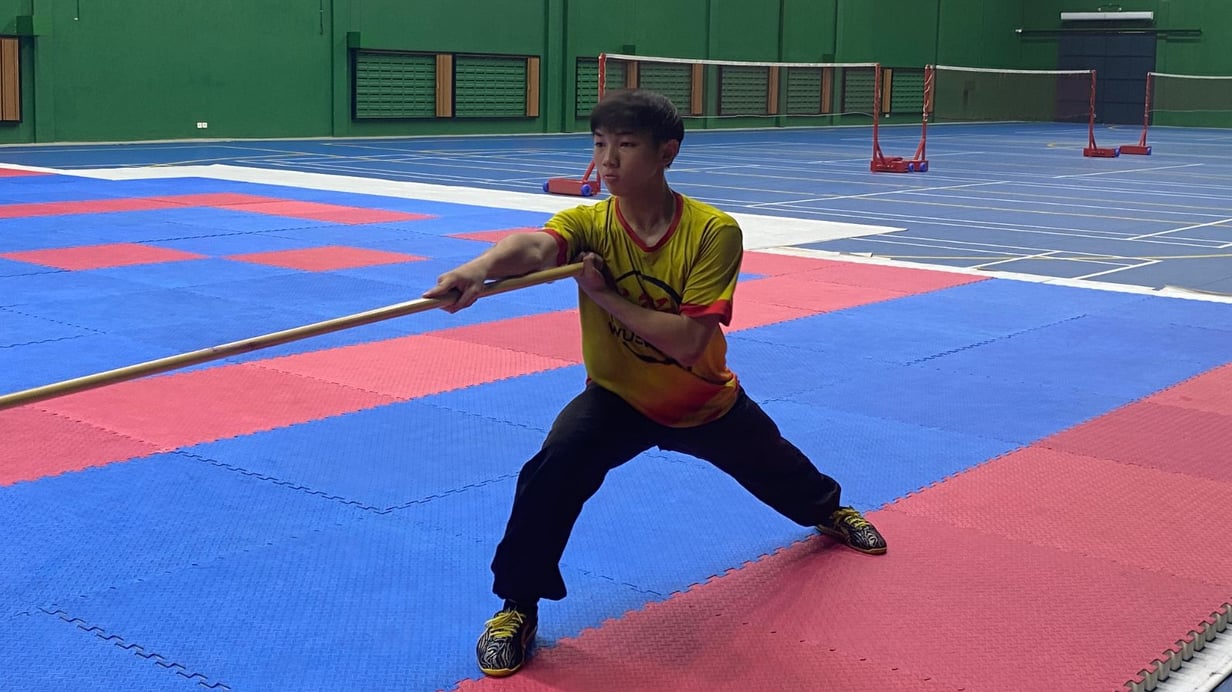
Kenichi Rain Lie Listiyanto is among the athletes benefiting from this structured training program. He trains five to six days a week, a rigorous schedule essential for preparing for major competitions, including the 2026 PBWI Wushu Kungfu National Championship.
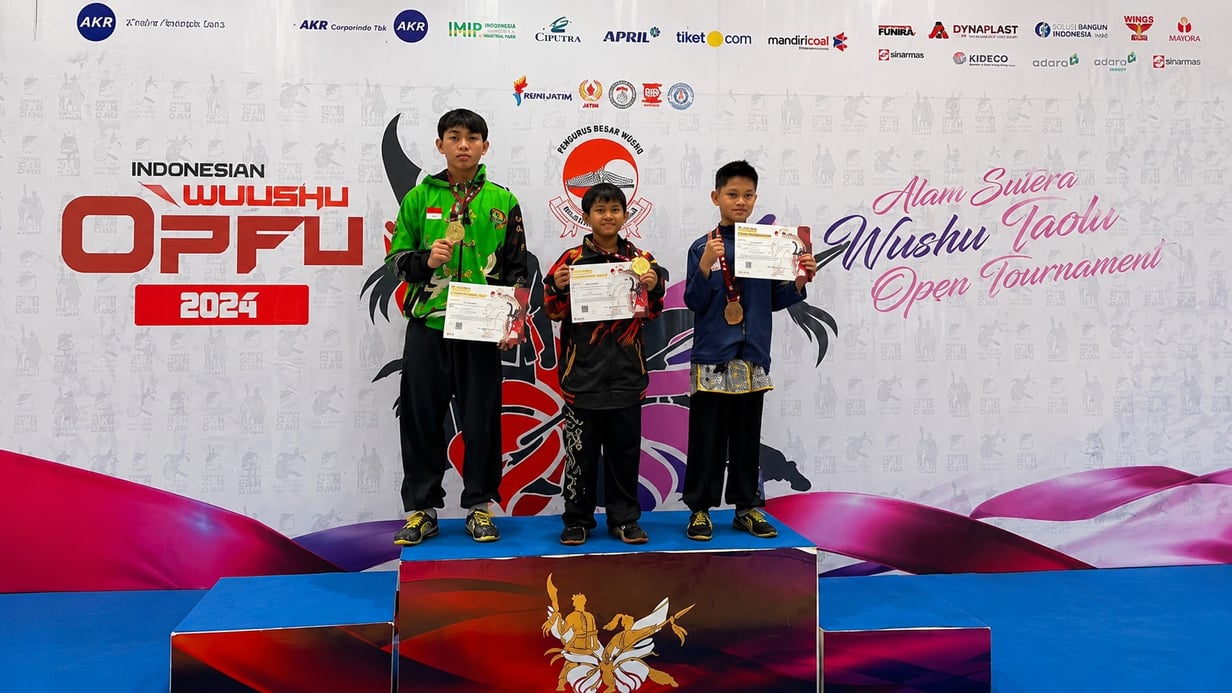
At the championship held in Tangerang, Kenichi secured two gold medals and one silver medal. Competing against athletes from across the country, he had to maintain intense focus to ensure his sequences met the required performance standards.
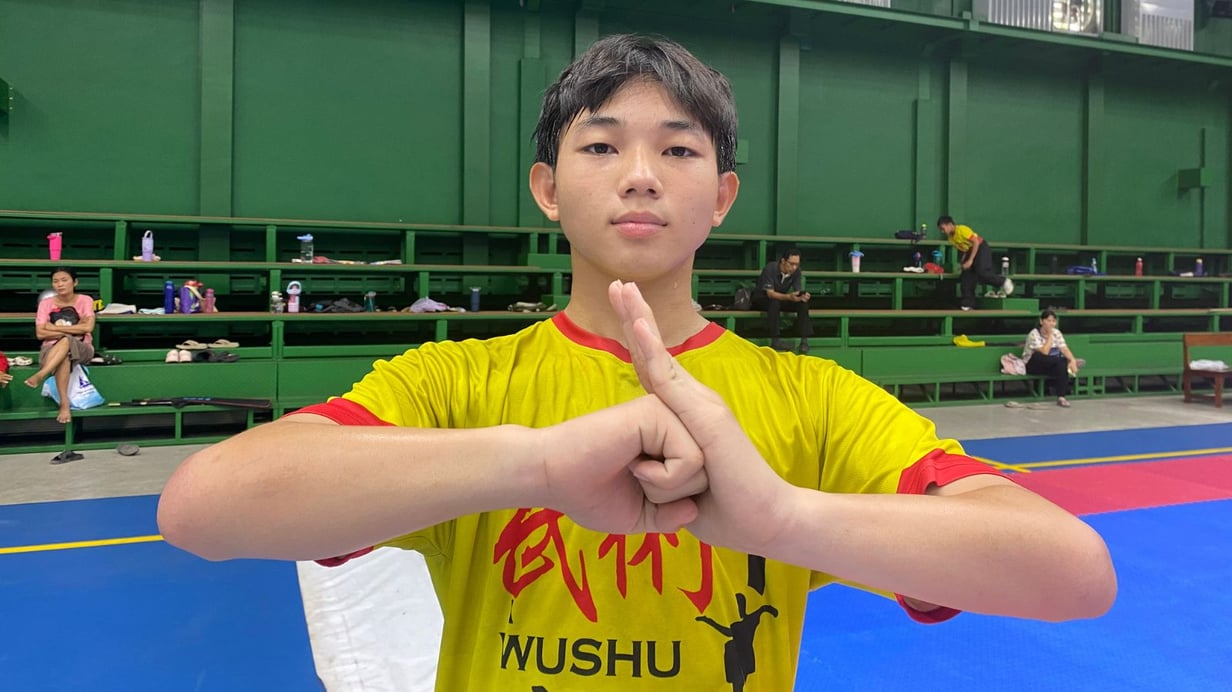
When the results were announced and his name appeared on the medalists' list, Kenichi was succinct in his reaction.
“I feel happy, a bit surprised, and proud,” Kenichi said.
He credited his coaches and parents for their vital support, which helps him manage his demanding training schedule, refine his techniques, and maintain his physical condition. His success in Tangerang serves as valuable experience for future competitions.
In the younger age group, Nindya Umi Abinaya has taken a different path. She was introduced to wushu by her family; her mother appreciated the artistic nature of the martial art, while her father encouraged her to pursue sports. Wushu was selected as it combines both elements.
Nindya began training in August 2022. Her interest grew because wushu encompasses more than just combat, blending form, rhythm, and intricate movement sequences. Despite the appeal, training remains challenging, particularly in memorizing the various forms.
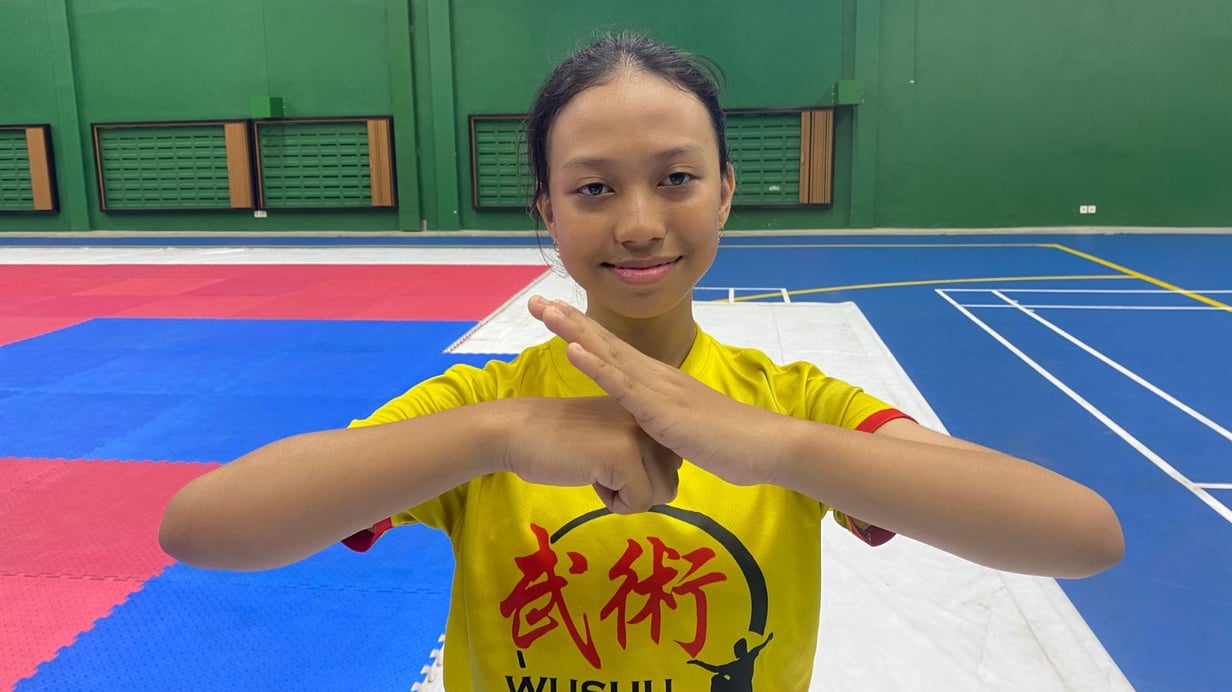
“In wushu, it is not just about one move. You have to memorize the movements. During practice, it is common to occasionally forget a sequence,” she said.
Nindya aims to elevate both her school and the Kudus wushu program to the international stage. To achieve this, she faces a rigorous path: consistent training, improving technical and physical capabilities, and gaining experience through various competitions.
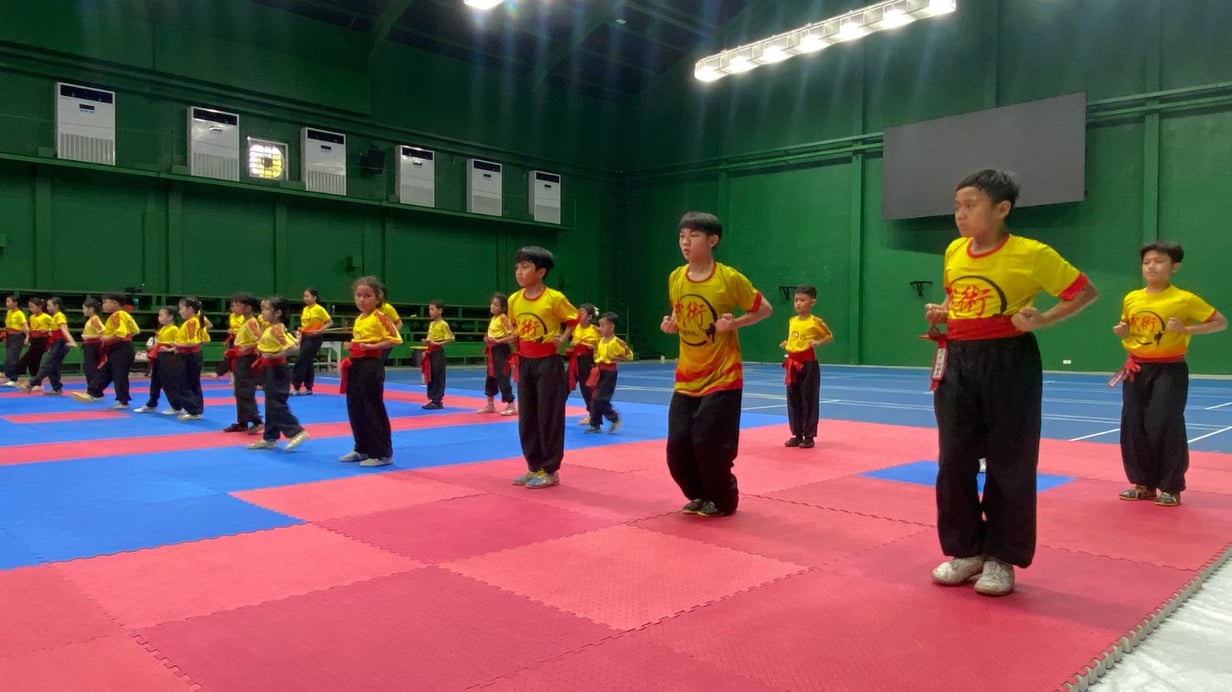
For Wushu Indonesia Kudus, junior athletes play a vital role in ensuring long-term program continuity. While experienced athletes undergo advanced training, new members focus on building a strong technical foundation. Both groups operate within a structured system with distinct objectives.
New cohorts are recruited periodically. As one group advances, the next replaces them, ensuring a steady stream of talent that does not rely on a single generation.
This model ensures development extends beyond medal-winning athletes. While juniors progress toward competitive levels, beginners focus on fundamentals like footwork, stances, and movement sequences. Each group operates at a different stage within the same training framework.

The 2026 PBWI National Wushu Kungfu Championship yielded 15 medals for the Kudus contingent. While this success reflects their training, it also serves as a benchmark for identifying areas that require further improvement.
Harjana noted that the technical skills of Kudus athletes have reached a commendable level. Future evaluations will focus primarily on physical conditioning. Enhancing strength, endurance, and movement stability is essential for athletes to maintain peak performance throughout matches.
The competitive landscape at the national level also remains a focus for the coaching staff. DKI Jakarta, which secured the overall title, is being used as a benchmark to assess opponent quality and identify areas where Kudus athletes need to improve.
"We are continuing our evaluations despite winning 15 medals. We are particularly looking at DKI Jakarta, the overall champion, to observe their techniques and determine what we must work toward," he stated.
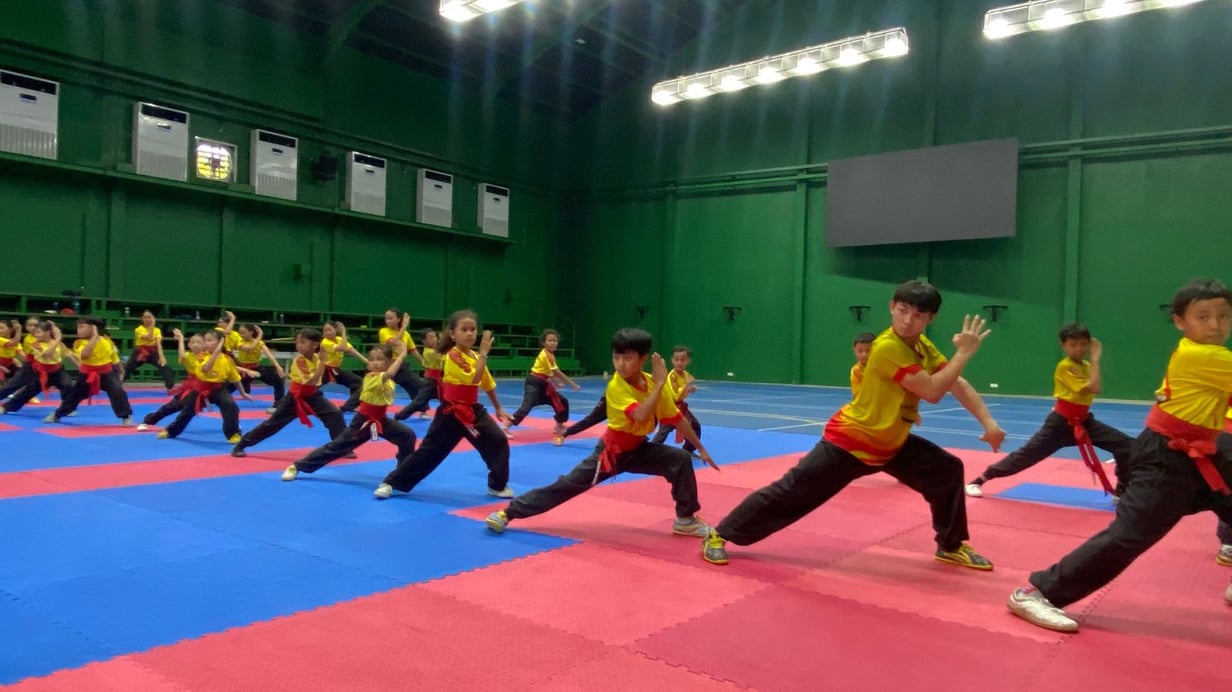
Athletes range from those newly introduced to wushu to those mastering forms and those beginning competitive training. Each is at a different level, yet all adhere to a process that emphasizes discipline, repetition, and evaluation.
While podium finishes are the visible outcome of this process, the essential work occurs in the gym: refining movements, maintaining fitness, repeating techniques, building confidence, and preparing athletes for the next generation. (ITN/mainkekudus)