
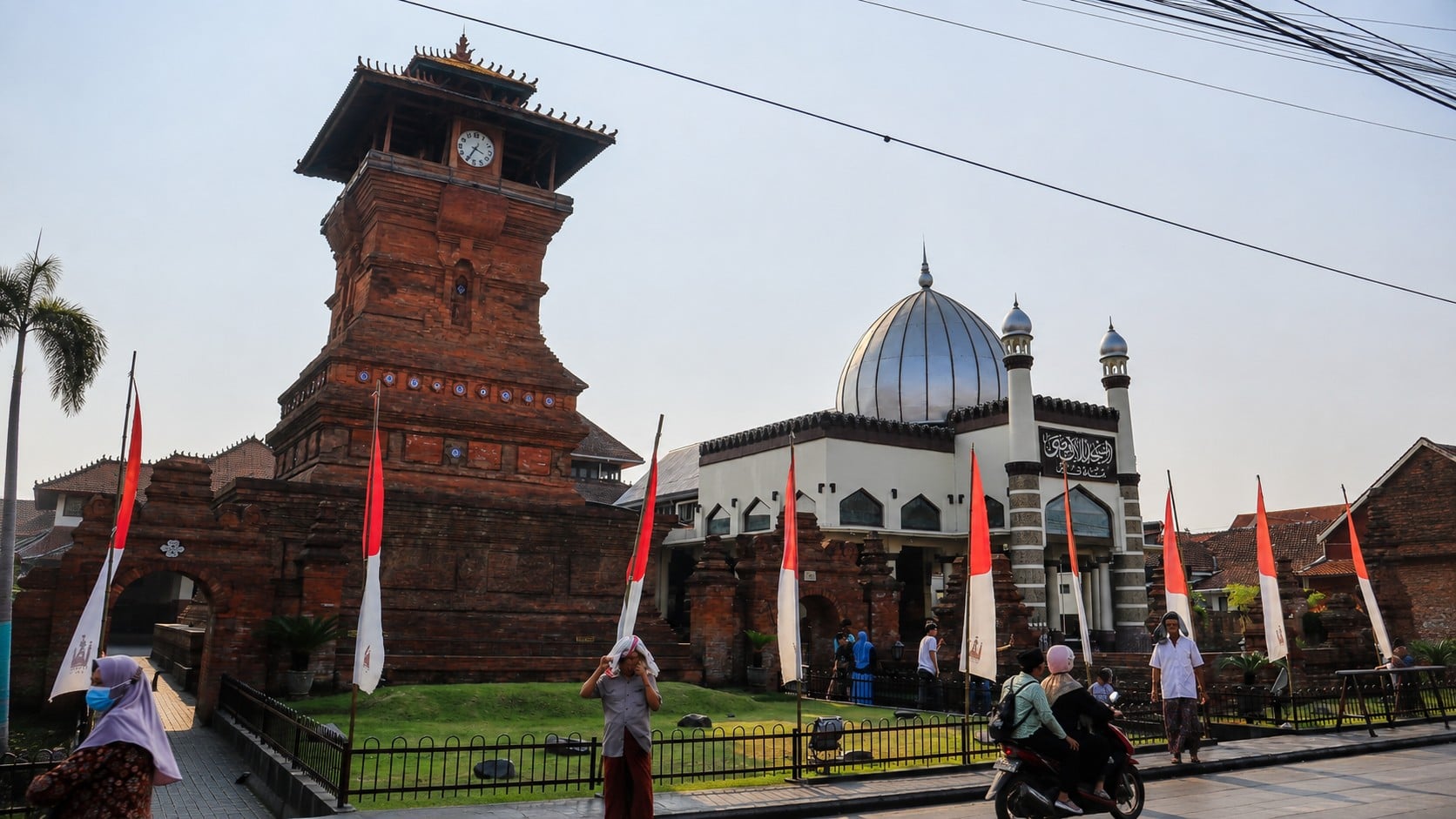
KUDUS – Nestled in the dense residential area of Kauman Village, Kudus District, the Menara Kudus stands alongside the mosque and the tomb of Sunan Kudus. The 18-meter-tall red brick structure is a vital landmark, blending Islamic history, local culture, and community life. For visitors to Kudus, this site is often the first stop to understand the essence of a city widely known as the "City of Students" (Kota Santri).
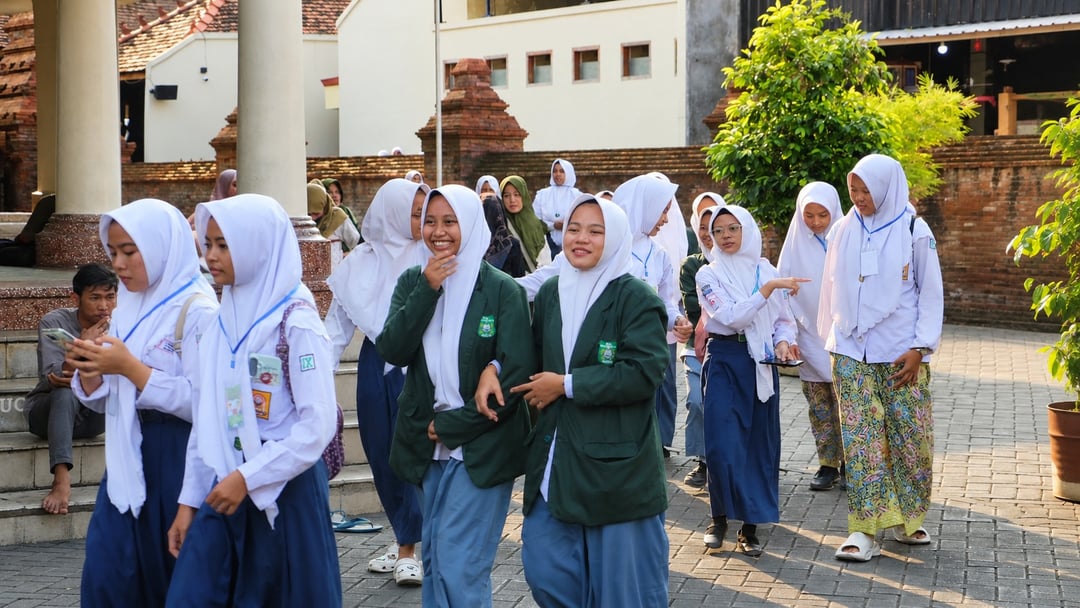
Visits to Menara Kudus extend beyond pilgrimages. Many travelers arrive to explore historical remnants, study the confluence of Hindu and Islamic cultures, participate in ongoing traditions, and experience the local way of life. At this site, tourism seamlessly intersects with religious and cultural activities that continue to be preserved.
The history of the Menara Kudus complex is deeply tied to Raden Ja’far Shodiq, also known as Sunan Kudus. Ahmad Arinal Haq, Deputy Secretary of the Menara Kudus Mosque and Sunan Kudus Tomb Foundation (YM3SK), stated that the Menara Kudus Mosque was established on 19 Rajab 956 Hijri, or August 23, 1549 AD.
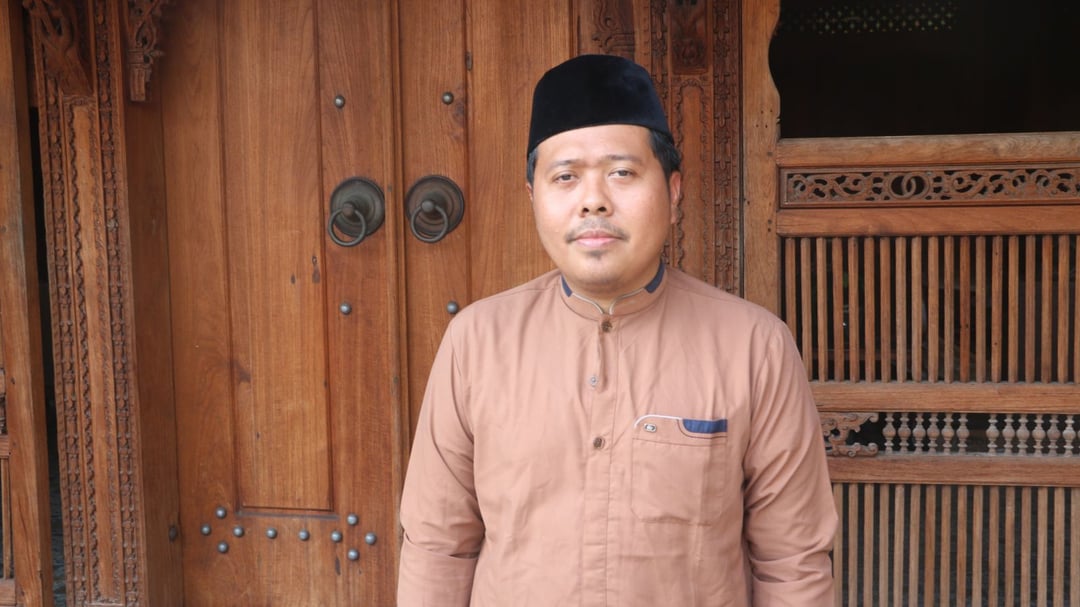
This information is recorded on a marble inscription located in the mosque's mihrab. The inscription describes the construction of the Al-Aqsa Mosque in the land of Kudus by Ja’far Shodiq. Initially, the mosque was modest in size, with the tower on the eastern side serving both religious and community functions.
The tower remains integral to daily life, as the *kentongan* (slit drum) and *bedug* (large drum) are used to signal prayer times and announce the start of Ramadan. The mosque later underwent expansions in 1926 and 1933, evolving into the structure seen today.
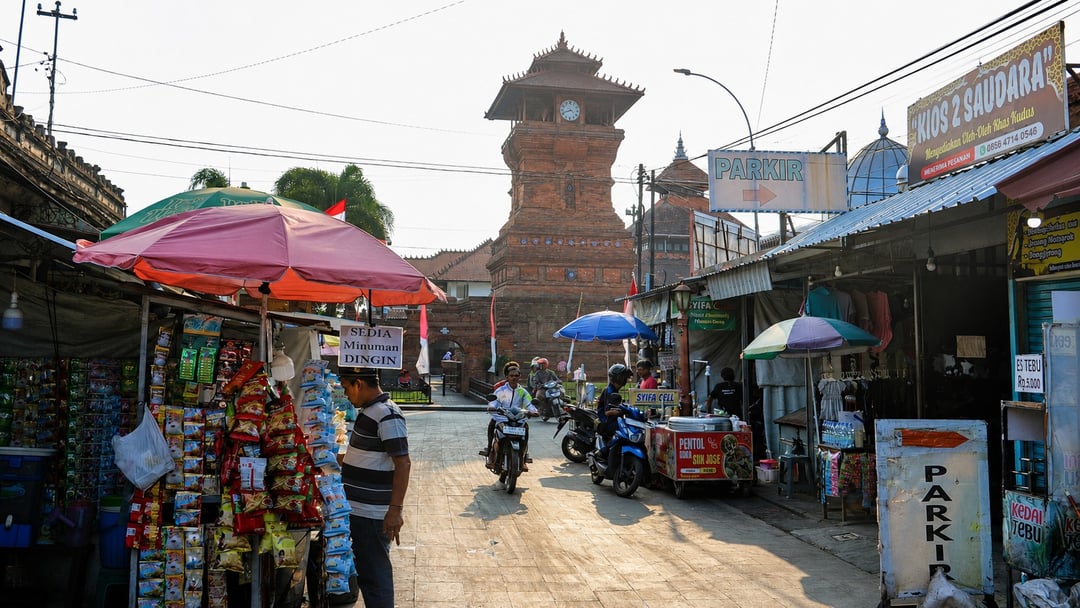
The area’s appeal lies beyond the age of its structures. The tower, the mosque facade, and the tomb of Sunan Kudus display architectural styles often associated with Javanese Hindu buildings, such as the *Candi Bentar* or Balinese *kul-kul*. According to Arinal, these design choices reflect the social landscape of Kudus during the era of Sunan Kudus' proselytizing.
At that time, the region was inhabited by a population that largely practiced Hinduism. By incorporating architectural forms familiar to the local community into the missionary environment, the arrival of Islam felt approachable. This process fostered a form of acculturation that remains a core element of the identity of the Menara Kudus area today.
The Al-Aqsa Mosque's mihrab inscription is located directly above the prayer niche where the imam leads services. This andesite stone artifact, measuring approximately 30 by 46 centimeters, serves as a primary source for reconstructing the early history of Kudus.
The inscription is written in Arabic using the Kufic-style Thuluth script. The text is arranged in five horizontal lines, utilizing archaic Arabic characters without diacritics or dots.
The content details the construction of the Al-Aqsa Mosque and the region or city of Quds. It also references Ja'far Shadiq—known as Sunan Kudus—and provides the date of 19 Rajab 956 Hijriah, marking the completion of the building.
This information gives the inscription significant weight in the study of Kudus history. The mention of the Al-Aqsa Mosque and the land of al-Quds serves as a key indicator linking the mosque's construction to the origin of the name Kudus.
The artifact also plays a central role in discussions regarding the anniversary of Kudus. Historically, Kudus Regency Regional Regulation Number 11 of 1990 established the city's anniversary as September 23, 1549. This date was based on a conversion of the 19 Rajab 956 Hijriah date inscribed on the stone.
Subsequent multidisciplinary research—incorporating epigraphy, archaeology, philology, and astronomy—has led to a revised conversion of that date. These studies suggest that 19 Rajab 956 Hijriah corresponds to Tuesday, August 23, 1549.
This discrepancy has prompted local government officials to re-evaluate the basis for the city's anniversary. Consequently, the inscription above the mihrab is not merely tied to the history of the mosque itself, but remains integral to the broader discourse on the founding of Kudus.
The spirit of tolerance extends beyond architecture. A well-known example is the prohibition of cattle slaughter among Sunan Kudus's followers as a gesture of respect toward the Hindu community. This tradition has influenced local culinary habits, leading to the development of dishes featuring buffalo meat, such as Soto Kerbau and Sate Kerbau.
The legacy of the Menara Kudus area extends beyond its structures. The YM3SK foundation maintains several traditions central to the community's life. One such practice is the Buka Luwur ceremony, held annually on the 10th of Muharram, or Suro. This procession involves replacing the cloth coverings on the tomb of Sunan Kudus.
Other observances include the Jamas Pusaka, a ritual cleaning of Sunan Kudus's heirlooms held periodically on the first Monday or Thursday after the 13th of Dzulhijjah. Additionally, the community observes the Bedug Dandang, or Dandangan tradition, where the beating of a drum from the top of the Menara Kudus marks the arrival of the first of Ramadan and the first of Shawwal. Over time, the Dandangan tradition has expanded to include cultural and economic activities.
For the younger generation, these diverse activities ensure the Menara Kudus area remains a multifaceted destination. Visitors arrive for worship, historical interest, or to experience the enduring traditions and cultural arts.
The Kudus Regency Culture and Tourism Office identifies the Menara Kudus as a vital anchor for regional tourism. Bimo Sekti Bagus Tohari, head of tourism for the Kudus Culture and Tourism Office, describes the site as a key destination that attracts pilgrims and drives local economic development.
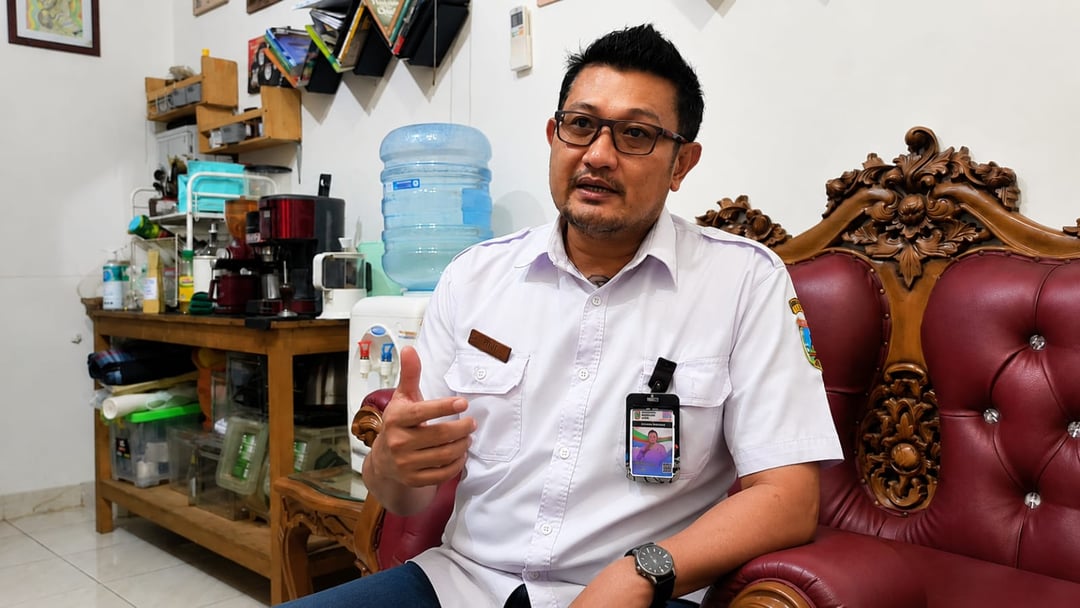
Tourist activity extends well beyond the Menara Kudus site, generating significant impact on local micro, small, and medium enterprises (MSMEs), culinary ventures, accommodation, hotels, and transportation. Consequently, local authorities are promoting the development of integrated tourism packages that link Menara Kudus with other regional destinations, combining religious, historical, cultural, culinary, and nature-based tourism into a single itinerary.
Similar opportunities are arising from local sporting events. Kudus regularly hosts various athletic competitions, including the Muria Trail Run and several regional championships. As part of these events, city tours are increasingly being directed toward the Menara Kudus area.
Bimo noted that while quantitative data regarding the direct correlation between event participation and tourist volume at Menara Kudus is still being compiled, city tours for athletes and spectators consistently feature the area as a landmark destination.
The appeal of the Menara Kudus area is also evident in the experiences of visitors from outside the region. Mohammad Qomat, a pilgrim from Sukadana, East Lampung, led a group of 55 people on a week-long Wali Sanga pilgrimage.
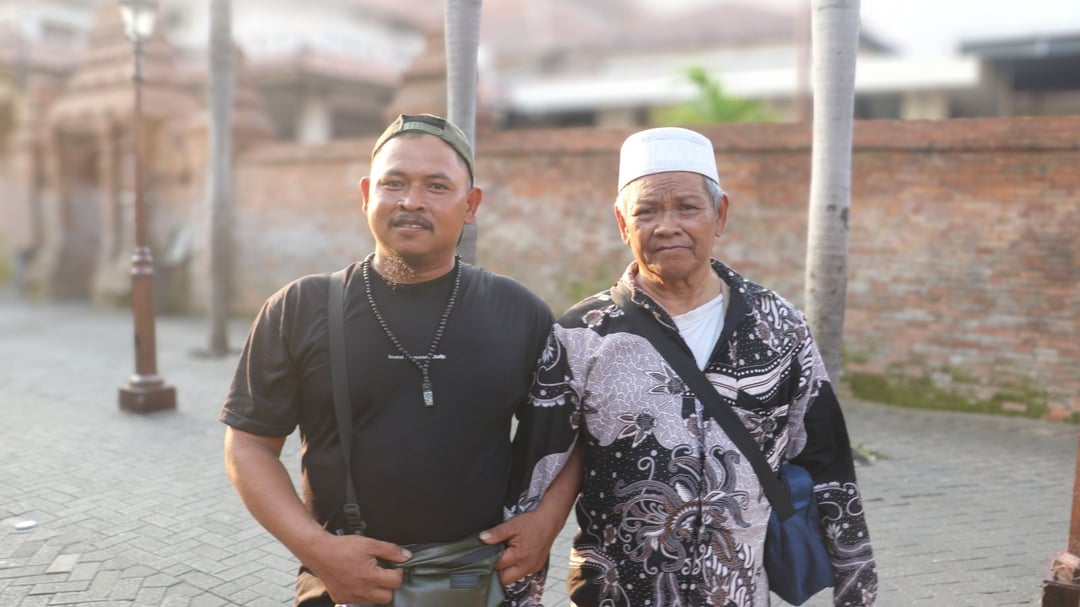
This inaugural visit left a lasting impression on Qomat. Beyond the architecture of the tower, he praised the hospitality of the local community, stating that Menara Kudus is a landmark he highly recommends to family and friends in his home region.
Umi, a tourist from Bandung who arrived with a group of 14, shared similar sentiments. For her, the visit was more than a sightseeing trip; it offered a direct encounter with historical heritage and a profound spiritual connection to the legacy of Sunan Kudus and his work in spreading Islam.

The accounts of these two travelers demonstrate that the experience at the Kudus Tower is defined by more than just its architecture. Interaction with the local community, the atmosphere of the area, and historical insights all contribute to the memories visitors take home.
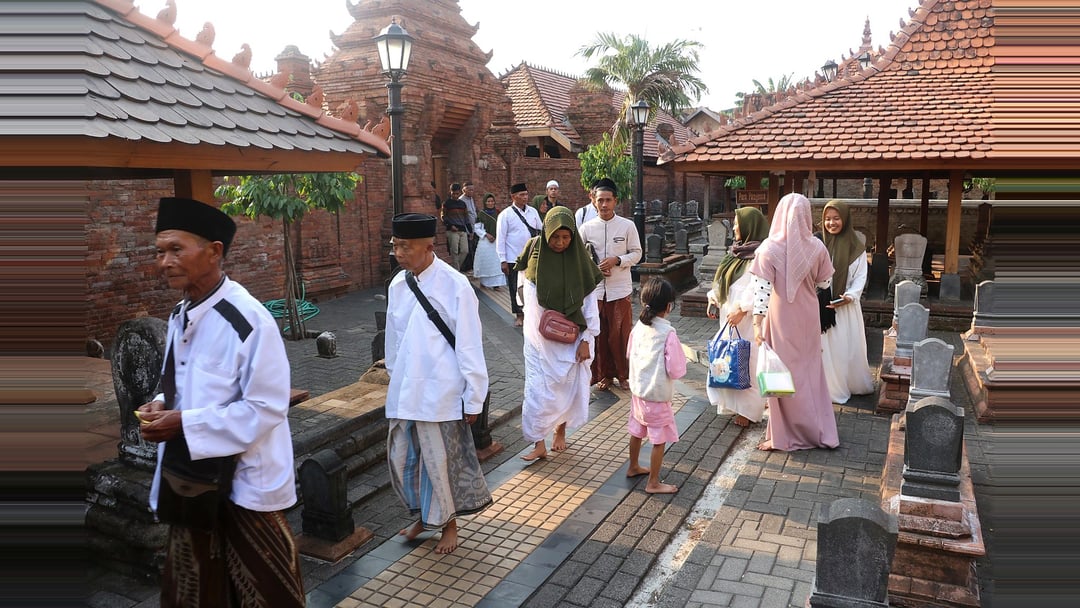
The Kudus Tower complex maintains extended operating hours. According to management, the site is open daily from after the Dawn (Subuh) prayer until midnight. From 1:00 AM until just before dawn, the area is closed for cleaning. On Thursday nights, the site remains open 24 hours.
Average daily attendance is approximately 2,500 visitors. During weekends or major Islamic holidays, such as the Mawlid or the month of Muharram, this figure can rise to about 10,000 visitors per day. When overcrowding occurs, management implements a gate entry system to maintain comfort and stay within the site's capacity.
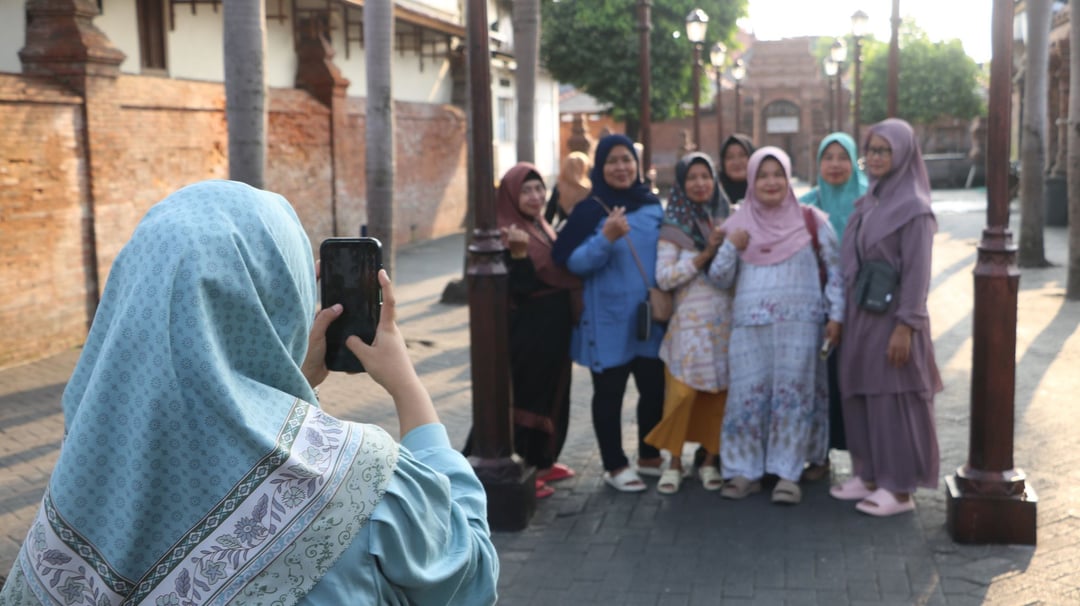
Visitors are expected to adhere to site regulations. Attire must be neat and modest. The use of loudspeakers in the cemetery area is prohibited to ensure a peaceful environment for other pilgrims. Visitors are not allowed to climb the tower structure or touch it excessively to aid in preserving the heritage site.
Available facilities include hundreds of ablution taps, restrooms—including accessibility features for persons with disabilities—and local tour guide services managed by the local Tourism Awareness Group.
The Kudus Tower continues to serve as a meeting point for religious, historical, cultural, and tourism activities. While its physical structure remains its most iconic feature, the enduring traditions and community engagement allow the site to serve a broader purpose.
Consequently, a visit involves more than simply viewing the tower or paying respects at the grave of Sunan Kudus. Travelers are invited to understand the values embedded in the site, including the history of acculturation and the tradition of respecting diversity that has flourished since the time of Sunan Kudus.
Ahmad Arinal Haq urged visitors to maintain order, cleanliness, and the preservation of the cultural heritage site while visiting the Menara Kudus area. The message underscored a vital aspect of travel: ensuring that what is observed and learned today remains protected for future generations to experience. (FZ/mainkekudus)