
Kudus – Thunderous applause echoed from the stands, with cheers erupting every time the ball rolled toward the goal. Cameras tracked the every move of the female athletes as they competed tirelessly on the grass of the Supersoccer Arena Kudus.
Yet, beyond every goal, save, and victory celebration at the HYDROPLUS Soccer League All Stars 2025/2026, held from July 5–12, 2026, lies a story that rarely makes it into the camera frame.
The tournament, featuring 16 U-15 and U-18 girls' soccer teams from various regions, provided highly competitive matches. However, the execution of such a major event depends on far more than just the players, coaches, or referees. Many hands worked from before sunrise until long after the stadium fell silent at night.
They were not the goal scorers, nor were they the individuals standing on the podium as trophies were hoisted high. Nevertheless, without their efforts, the matches could not have been conducted safely, comfortably, or in an organized manner.
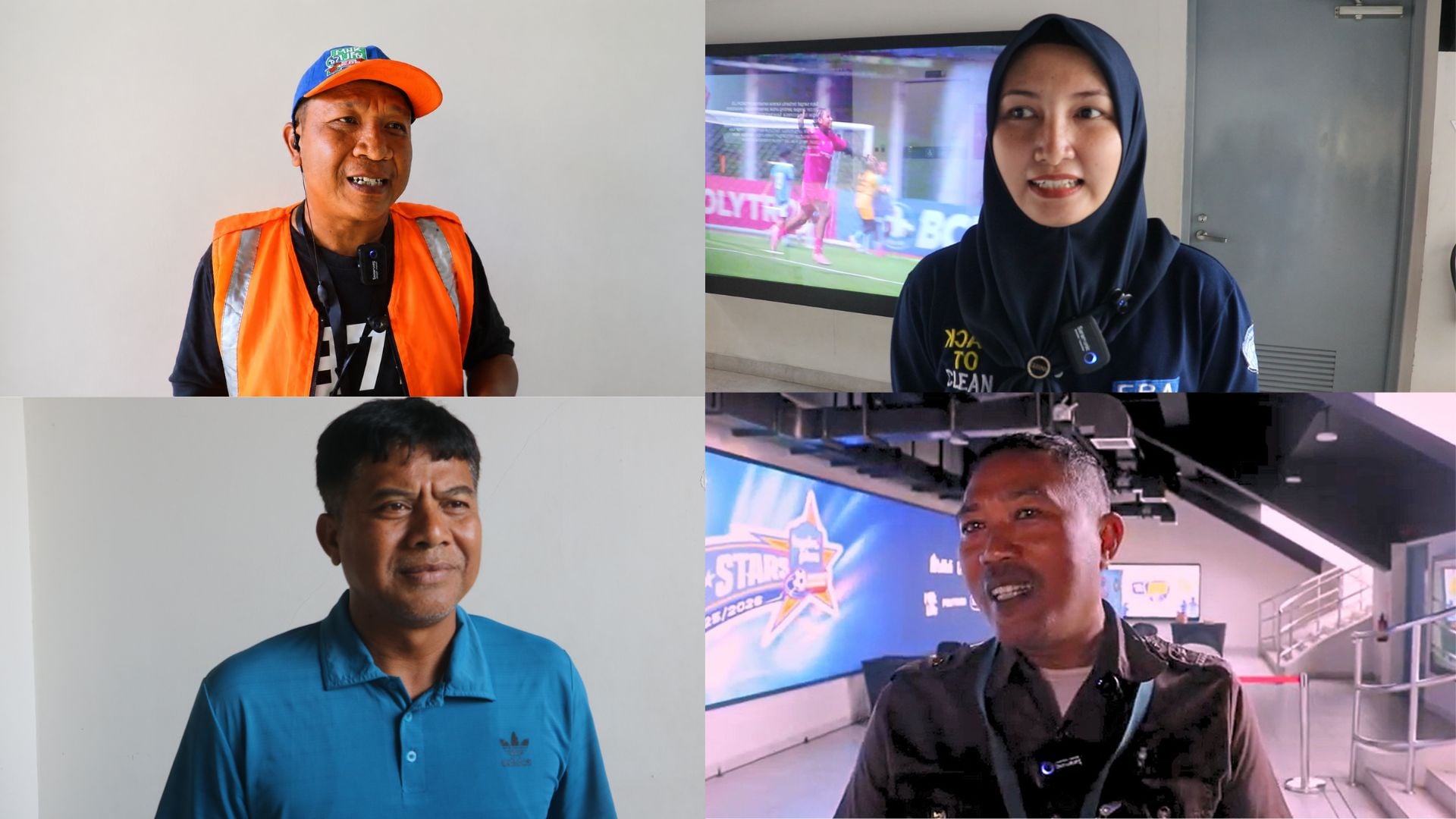
At the Supersoccer Arena Kudus, personnel like Supangat led stadium security, Bachtiar Arifin maintained every inch of the pitch, Indah Purnamasari ensured the area remained spotless, and Agung Kuncoro managed order at the sidelines. They worked away from the spotlight, yet it was through these rarely seen efforts that a tournament of this scale could succeed.
For Supangat, soccer matches are not merely about winning or losing. As the Head of Security for the Supersoccer Arena Kudus, he holds daily responsibility for the safety of the hundreds, and at times thousands, who visit the stadium.
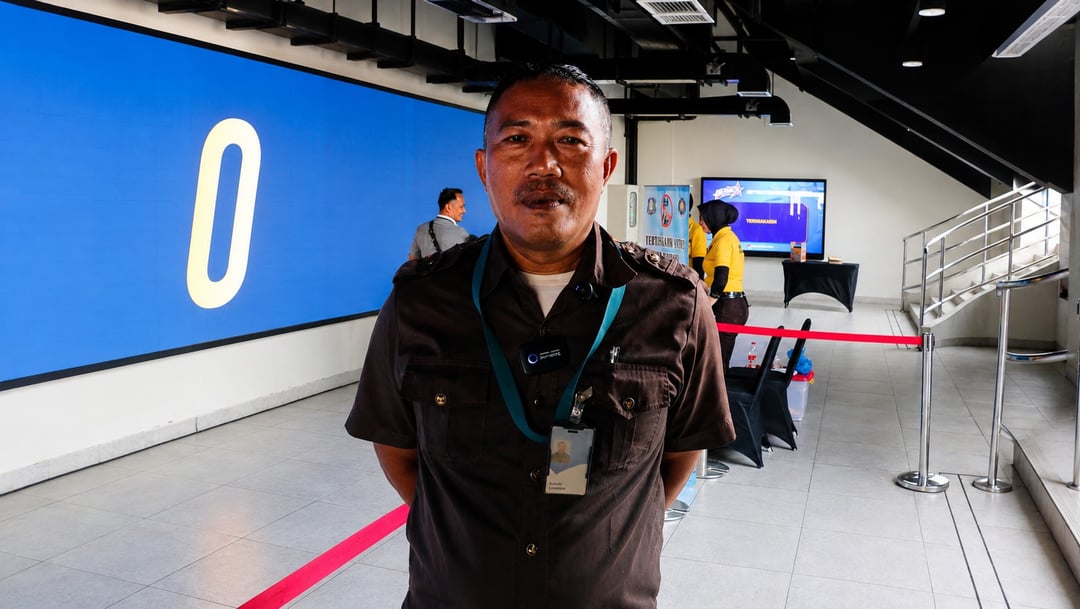
Security operations run in two shifts: the first from 6:00 a.m. to 2:00 p.m. WIB, and the second from 1:00 p.m. to 9:00 p.m. WIB. Each shift consists of 30 personnel deployed across vital points, including the main gate, motorcycle entrance, VIP and visitor parking, and access routes to the north and south locker rooms.
However, youth tournaments present unique challenges.
The majority of the audience consists of children accompanied by their families. Consequently, the approach adopted is not just security-focused but centers on protective, human-centric care.
Four personnel were stationed specifically in the stands to prevent children from playing near the relatively low guardrails. This security measure was bolstered by six National Police officers, four military personnel, and two Public Order Agency (Satpol PP) officers.
“The most memorable aspect for us is that this event is for children. Since most spectators are also children, we prioritize a more humanistic approach. We emphasize to all personnel at every security point that they must supervise the children gently and humanely,” Supangat said.
Throughout his service, Supangat has witnessed expressions that might escape the notice of many. He has seen children moved to tears after scoring a goal, parents embracing their daughters after the match, and young faces that still hold hope despite falling short of victory.
To him, every match tells a different story. The security team does not only safeguard the stadium; they also protect the space where young athletes cultivate their dreams.
“These athletes are still children. When they score a goal or win a match, the emotion is genuinely visible, sometimes even leading to tears. The same is true for their parents. Meanwhile, those who have not yet succeeded still harbor hope of becoming the best,” he concluded.
Every seamless short pass, every slip-free sprint, and every safe tackle begins with work performed long before the opening whistle.
Behind the lush turf of the Supersoccer Arena, Bachtiar Arifin performs his duties as a groundman.
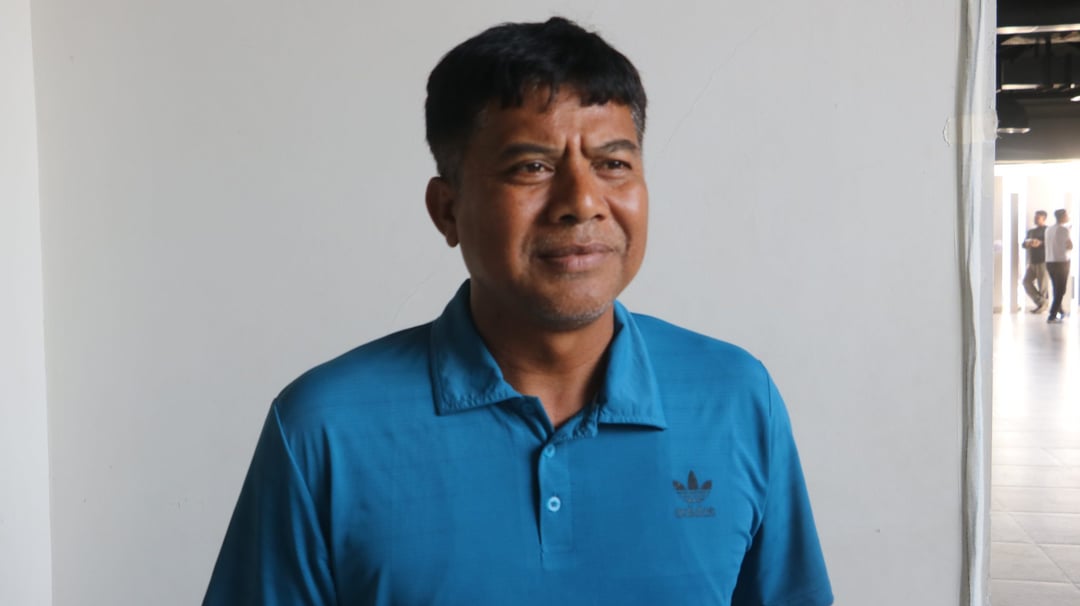
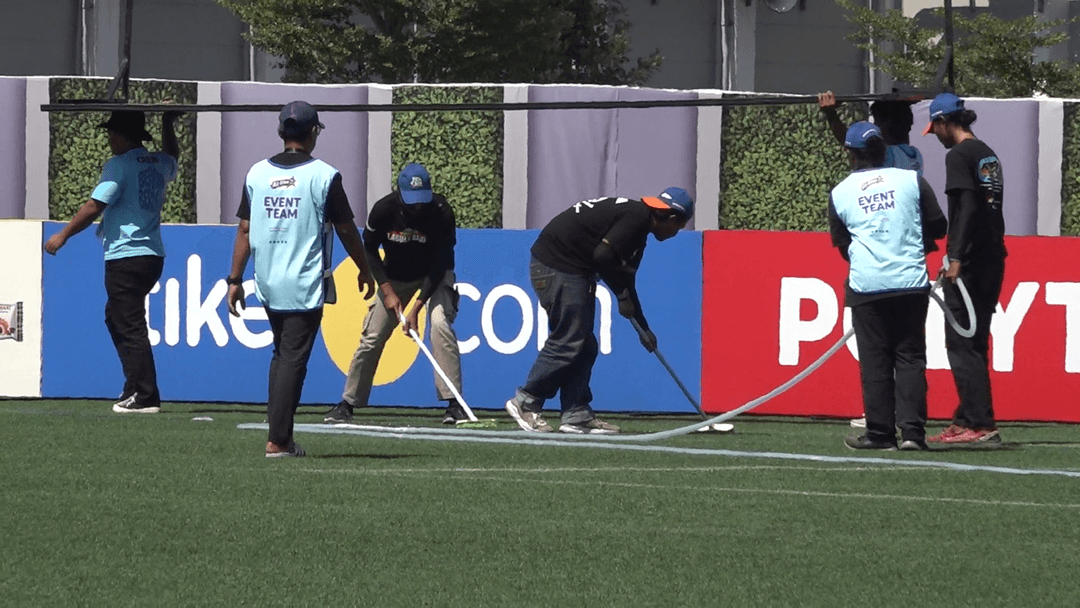
His routine begins with combing the grass to ensure the pitch remains level, followed by irrigation at noon to prevent the grass from drying out in Kudus's heat.
However, the work is far more detailed than many might imagine.
He must inspect every section of the field to ensure there are no foreign objects or sharp debris that could endanger players during runs or sliding tackles.
“Before an event begins, we prepare the pitch. We comb the grass and water it at 12:00 PM so it doesn't get too dry. We also anticipate small details, such as ensuring no sharp objects are left on the field, which could pose a risk to players,” Bachtiar said.
His official shift runs from 8:00 AM to 5:00 PM WIB, but in practice, he often remains at the stadium longer to accommodate training sessions or matches that extend into the evening.
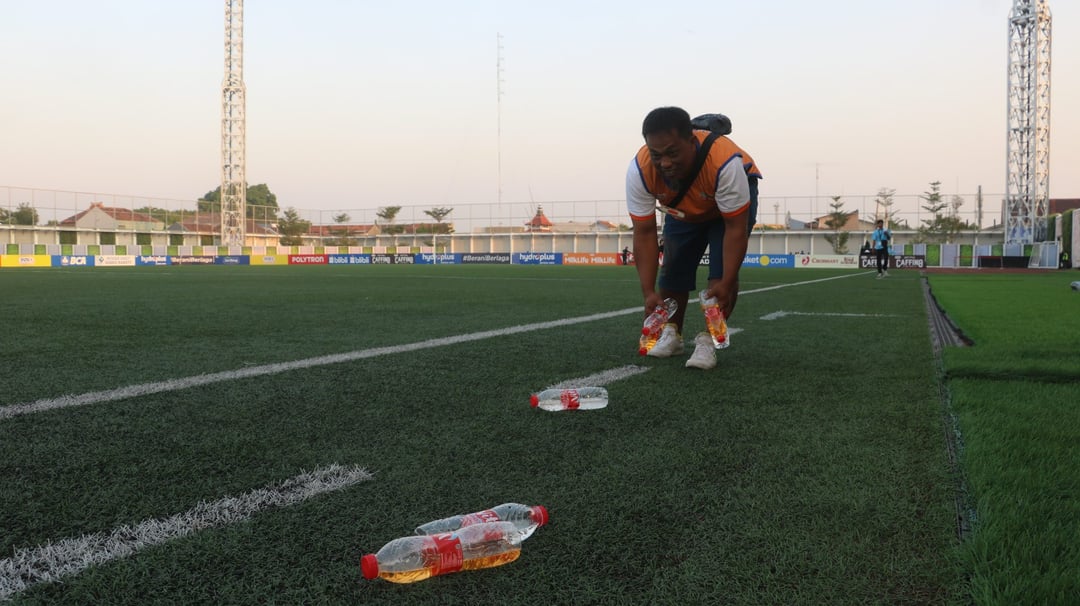
For him, the job is only truly finished when the pitch is ready for action once again.
“Our official working hours are 08:00 to 17:00 WIB. However, we often work past 17:00 because training sessions typically run from 15:30 until 17:30 WIB. We cannot always leave exactly at 17:00,” she added with a smile.
By the time spectators enter the stadium, the stands are spotless, corridors are tidy, and restrooms are ready for use. When matches conclude, most people head home immediately, unaware of the efforts taken to prepare the arena for the following day.
Behind this routine is Indah Purnamasari and her cleaning service team.
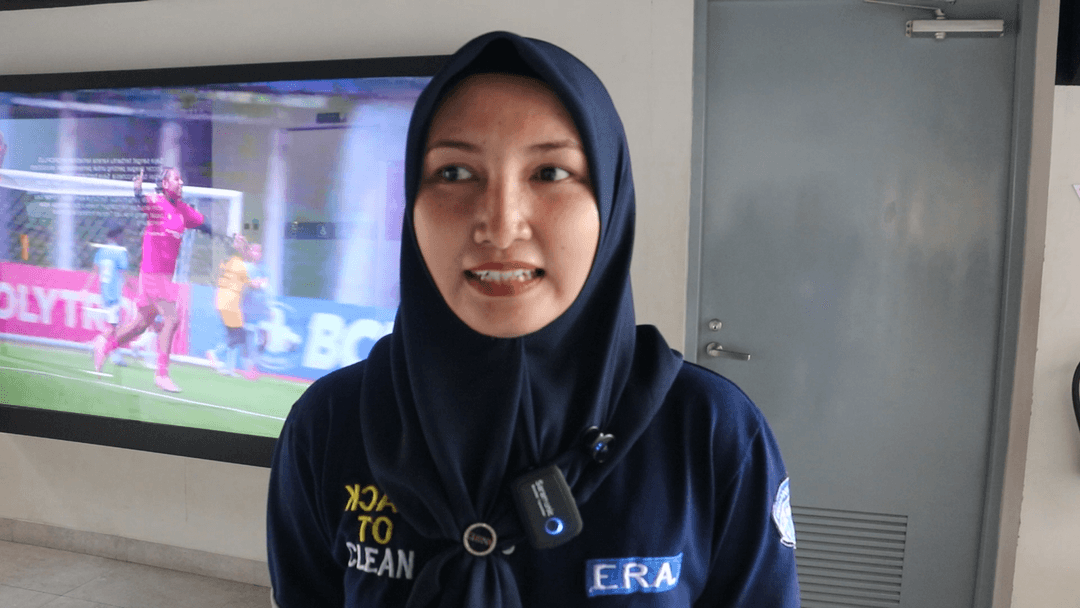
As the cleaning service lead, she manages operations across two shifts: 06:00–14:00 WIB and 13:00–21:00 WIB. Her team ensures the entire stadium, including stands, corridors, and other facilities, remains clean.
The work begins well before spectators arrive and concludes only after the stadium is empty.
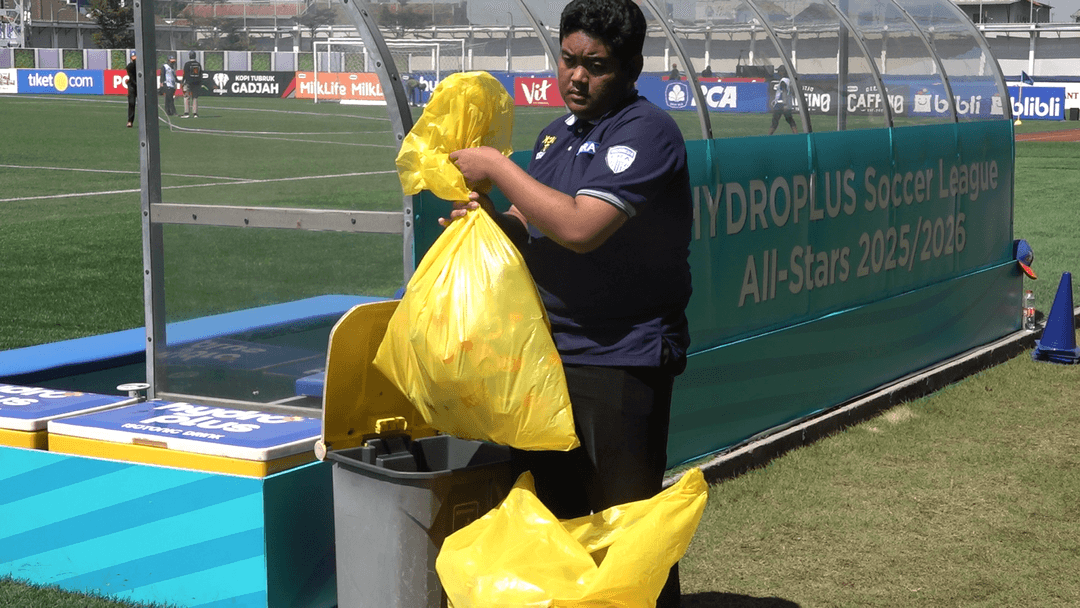
“Spectators may not realize that we arrive early to clear the area. The same applies at night; after the crowd leaves, we perform another clean-up so the facility is ready and sterilized for tomorrow's match,” Indah said.
For Indah, cleanliness is about more than just aesthetics; it is vital to the comfort of athletes, officials, and spectators alike.
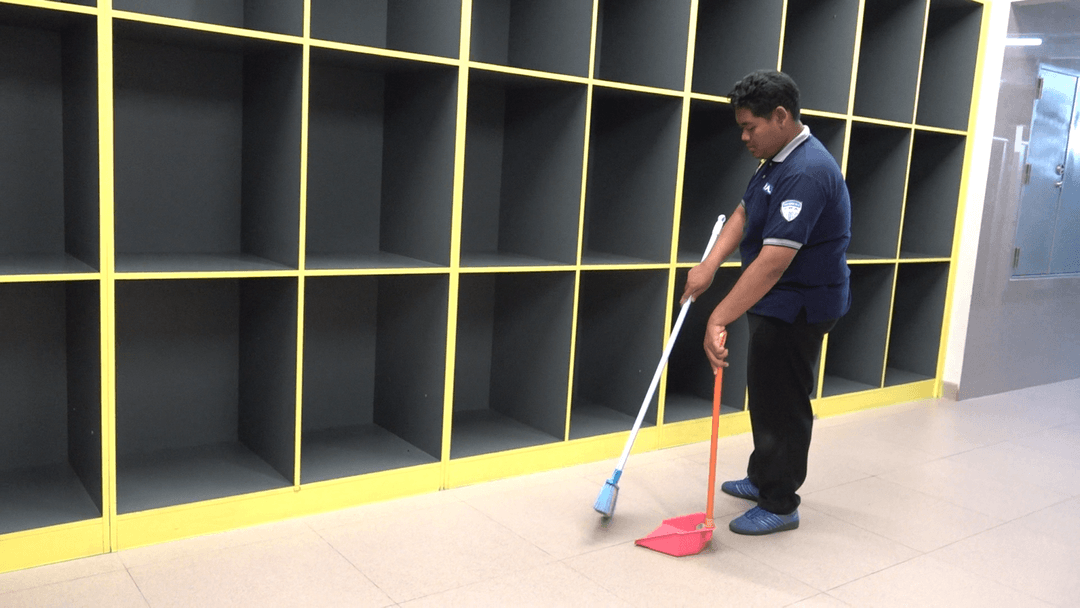
Therefore, even the smallest appreciation for their team's work serves as motivation to continue delivering the best service.
"It feels great to be recognized as cleaning service personnel. Without us, the area would not be comfortable or clean," they emphasized.
On the sidelines, Agung Kuncoro plays an equally vital role as a steward.
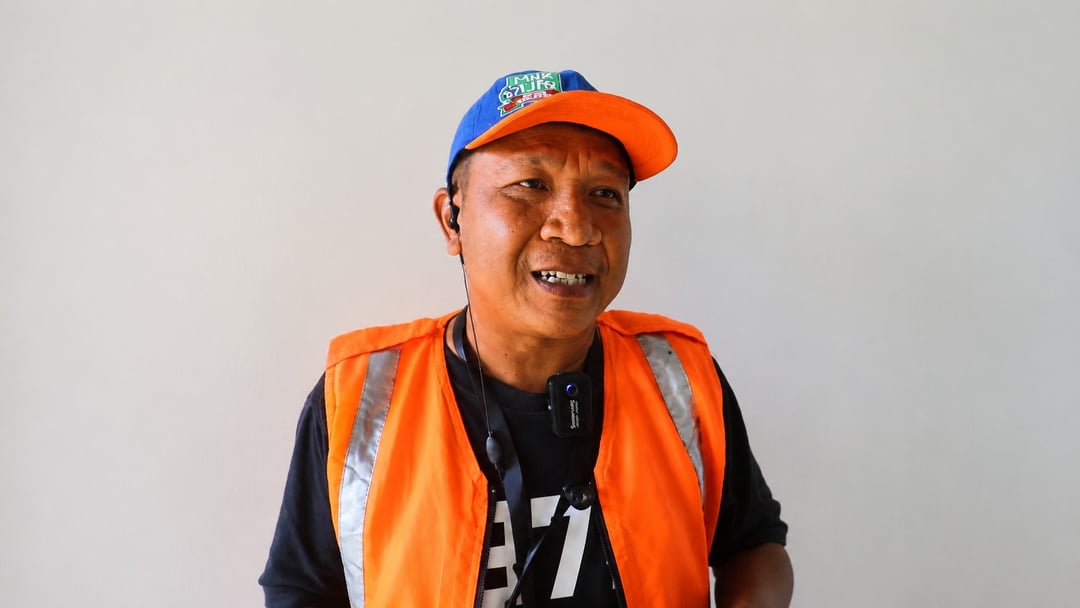
Positioned at the boundary between the field and the outside area, he ensures the match proceeds according to procedure while managing highly charged situations.
One of the greatest challenges arises when team officials protest match developments.
In such moments, Agung is required to remain calm, provide persuasive explanations, and carry out duties in accordance with the Standard Operating Procedure (SOP).
"A major challenge occurs when team officials voice protests. We are required to explain the situation; it is our duty. We maintain security according to SOP," he said.
Beyond his work, Agung holds simple yet meaningful motivations. He aims to work diligently to support his family while hoping that tournaments like these will inspire more Indonesian children to achieve success through sports.
"Thank God, this work is very meaningful to us, as it allows us to work hard to provide for our families. That is the main priority. Hopefully, our efforts benefit our children, adding spirit for early-age athletes to continue achieving. We hope that women's football in Indonesia will continue to advance through this tournament," he said.
The HYDROPLUS Soccer League All Stars 2025/2026 is more than just a competitive platform for young female footballers. This tournament is part of a long-term commitment to building an ecosystem for Indonesian women's football, supported by sustainable competitions and adequate facilities.
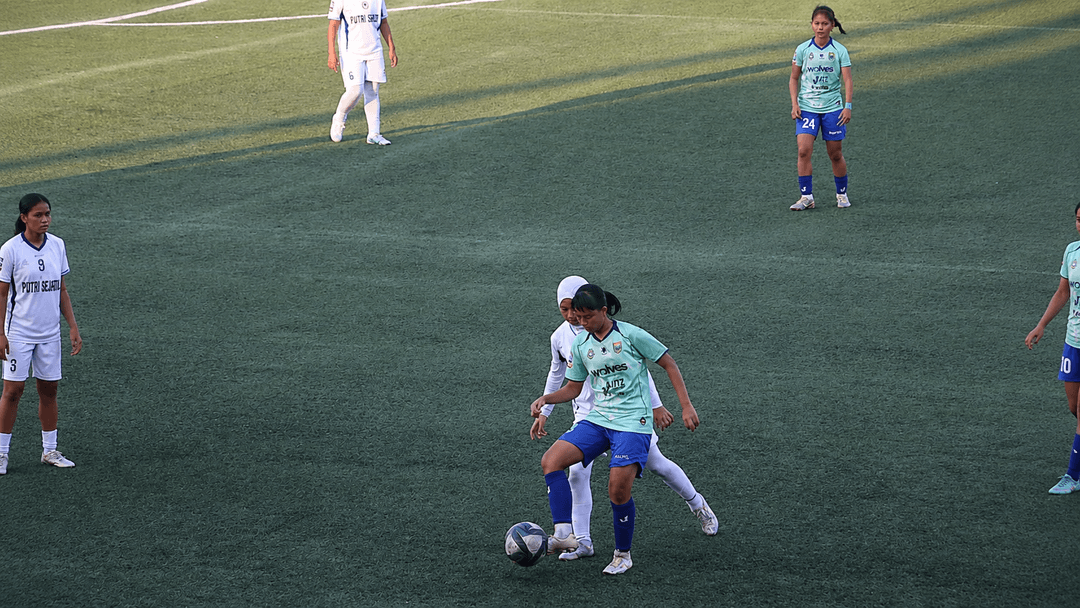
The Supersoccer Arena in Kudus was developed as more than just a match venue. It is intended to serve as a hub for the resurgence of women's football in Indonesia, a movement that began with the inaugural MilkLife Soccer Challenge in 2023. At its inception, the competition gradually expanded, drawing 712 female participants in its first phase.
As the competition evolves, match facilities and the overall environment are being continuously upgraded to approach international standards, ensuring that young Indonesian female players gain high-quality competitive experience early in their development.
After the final whistle blows and the trophy is hoisted, spectators recall the stunning goals, brilliant saves, and celebratory moments that defined the match.
Yet, behind every memory captured in the minds of the crowd, there is essential work performed without applause.
There are security personnel ensuring the safety of thousands. There are groundskeepers meticulously maintaining the pitch to ensure optimal playing conditions. There are cleaning crews arriving before dawn and leaving long after the crowds have departed. There are stewards maintaining order throughout the match, and venue managers providing the facilities necessary for great ambitions to flourish.
They may never be credited with a goal, and their names do not appear on the scoreboard. However, through their daily dedication, they create the stage where young female footballers can pursue their dreams.
Beyond the roar of the stadium, they are the ones who ensure that every match can be successfully held, executed, and concluded. (JMY/DN/BRO/mainkekudus)