
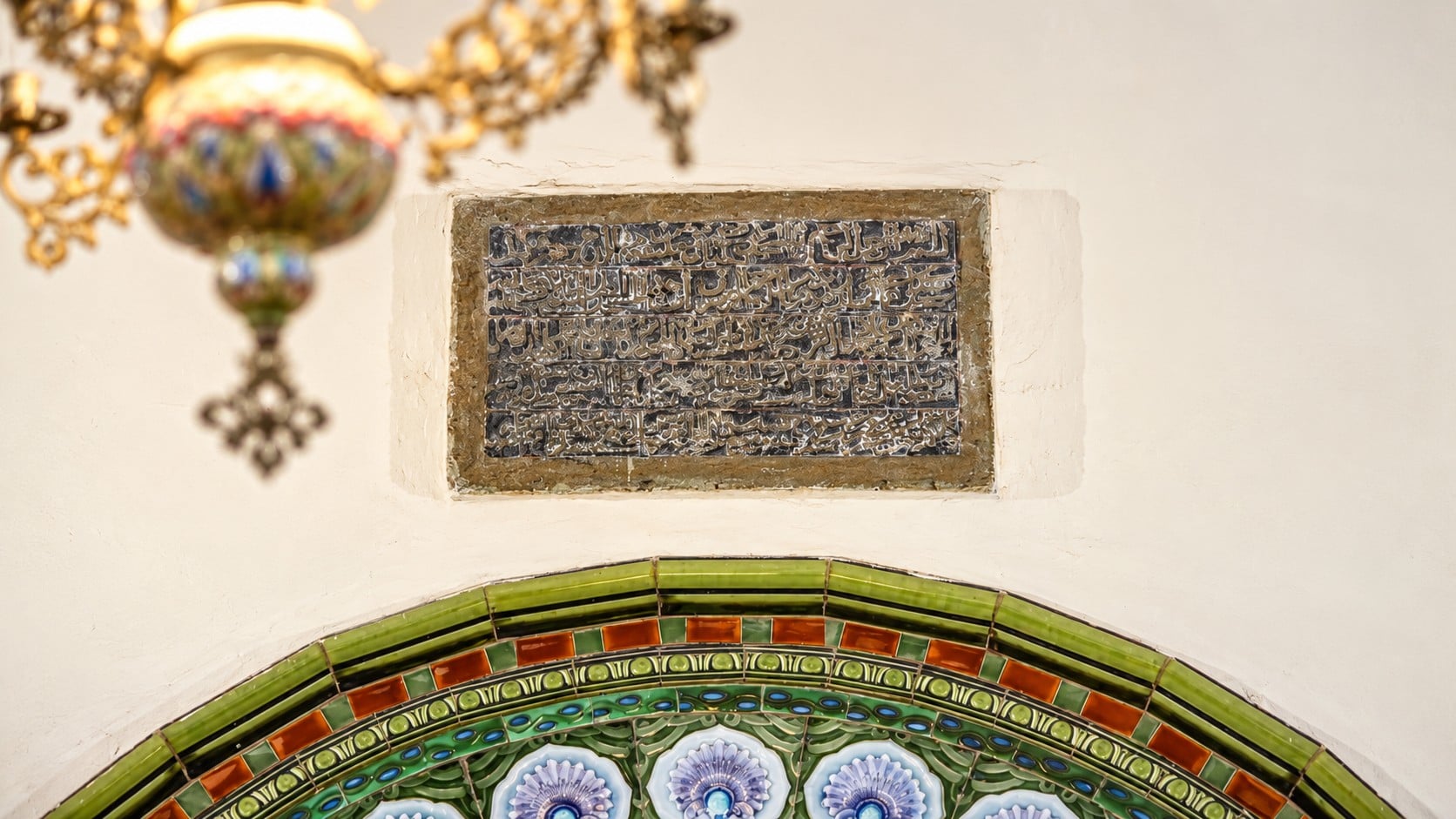
KUDUS – Nearly five centuries have passed since the name Ja’far Shadiq, or Sunan Kudus, was immortalized on an Arabic-language inscription above the mihrab of the Al-Aqsa Menara Kudus Mosque. The engraving serves as a vital historical resource for tracing the origins of both the mosque and Kudus as a city.
A point of significant interest for researchers is the date 19 Rajab 956 Hijriah. Calendar conversions indicate this corresponds to August 23, 1549, which differs by one month from the official Kudus Regency Anniversary, currently commemorated on September 23.
This discrepancy has reignited debate regarding the foundation of the region's anniversary. Various studies are being conducted to better understand the inscription, from identifying the figures and territories mentioned to interpreting the terminology used to describe the mosque's construction.
The inscription, however, is not the only artifact documenting the history of Kudus. The Menara Kudus Mosque complex retains numerous architectural elements and relics, including the minaret, tombs, a pulpit, traditional banners, and floor tiles that mark subsequent renovations.
Some of these artifacts remain in active use for worship and community traditions. Consequently, the history of the Menara Kudus Mosque can be traced not only through 16th-century written records but also through the physical evolution of the structure and the enduring traditions of the surrounding community.
To interpret the inscription, Abdul Jawat Nur, S.S., M.Hum., an expert in Arabic literature from Universitas Gadjah Mada (UGM), utilized epigraphic and philological approaches.
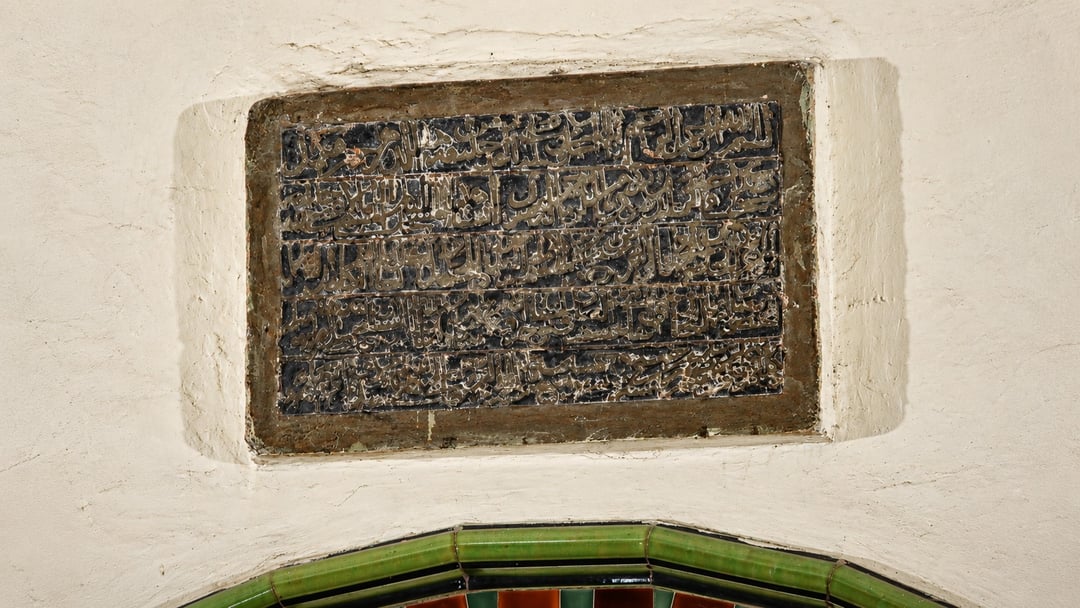
The inscription features Thuluth Qadim, an Arabic calligraphic style prevalent between the 14th and 17th centuries. The upright, authoritative characters are consistent with the estimated 16th-century origin of the inscription.
For Jawat, the script is only one component of the analysis. The stone material, the placement of the inscription, and the sentence structure are also essential to understanding the original author's intent.
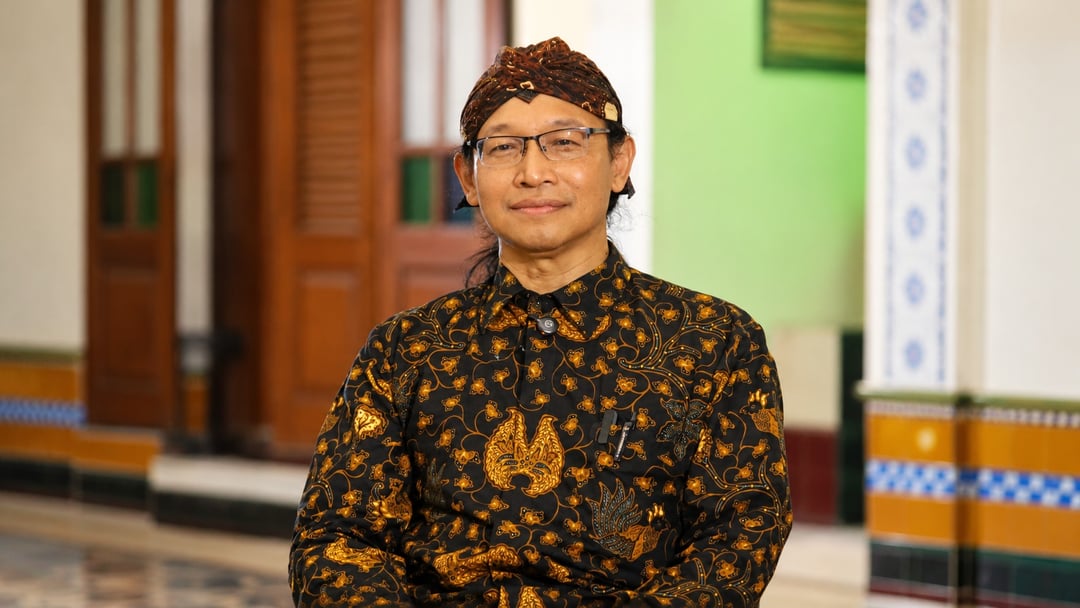
The epigraphic method allowed him to examine the physical characteristics and form of the engraving, while the philological approach was used to transcribe, translate, and interpret the carved text.
These combined methods enable the inscription to be analyzed as a primary source providing insight into the events and intellectual climate of its era.
The inscription opens with the Bismillahirrahmanirrahim, meaning “In the name of Allah, the Most Gracious, the Most Merciful.” It subsequently identifies the Al-Aqsa Mosque, Al-Quds, and Ja’far Shadiq, accompanied by religious titles, prayers, and the date of construction.
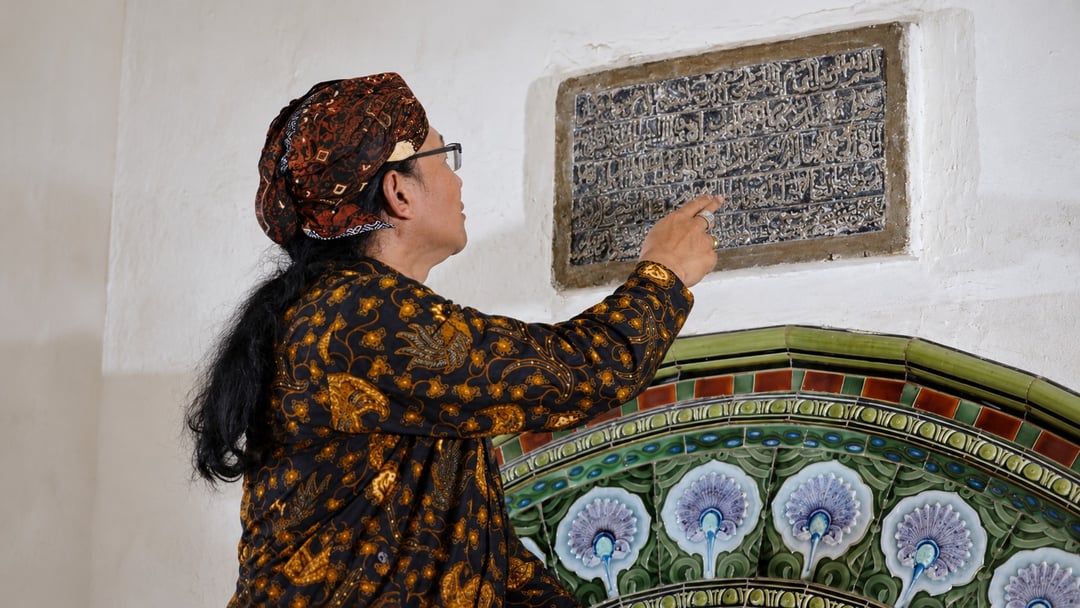
Jawat explains that Al-Aqsha refers to the name of the mosque, while Al-Quds designates the city or region. Ja’far Shadiq is a name associated with Sunan Kudus, a pivotal figure in the spread of Islam in Java.
The inscription also includes a prayer for the mosque's founder to be granted a place in eternal paradise. This phrasing indicates the inscription was not merely decorative, but served to document the mosque's founding and the individuals involved.
A term of particular interest in Jawat’s research is banā, which translates from Arabic as to build or establish.
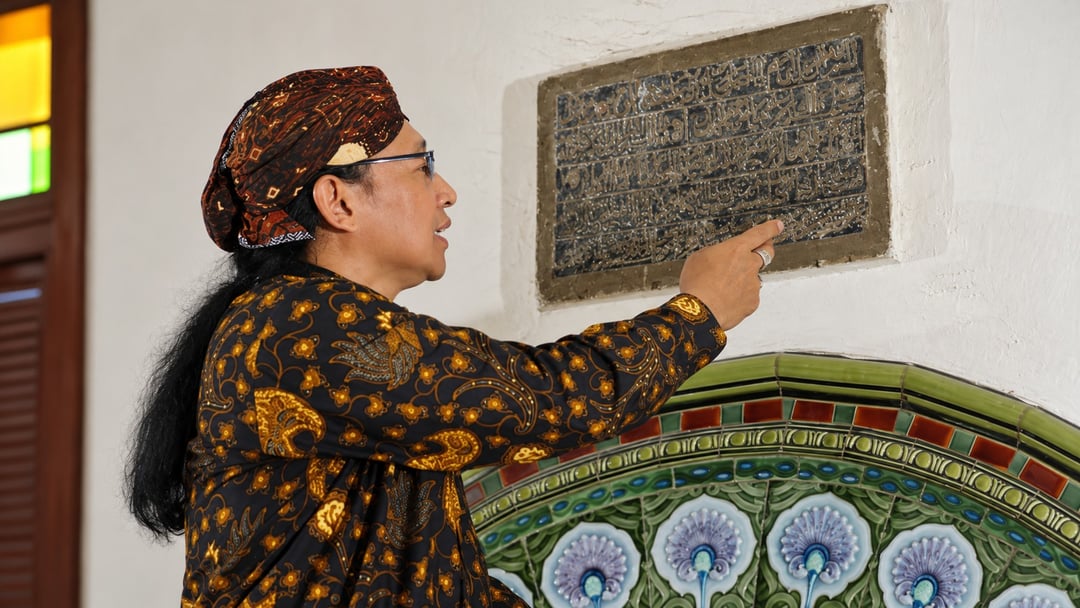
This word appears in a passage referencing the Al-Aqsha Mosque and the land of Al-Quds. He interprets the coupling of these names as potentially linking the construction of the mosque to the establishment of a regional Islamic identity.
Consequently, the inscription offers a broader historical perspective. The founding of the Al-Aqsha Mosque is seen not just as building a place of worship, but as integral to the development of Kudus's identity during the mid-16th century.
The name Kudus itself shares a close connection with the term Al-Quds found in the inscription. In Arabic, al-quds relates to holiness and is also used to refer to Jerusalem.
Gus Ahmad Arinal Haq, a representative of the Sunan Kudus Menara Mosque and Tomb Foundation (YM3SK), explains that the link between these names has long been recognized in local history and tradition.
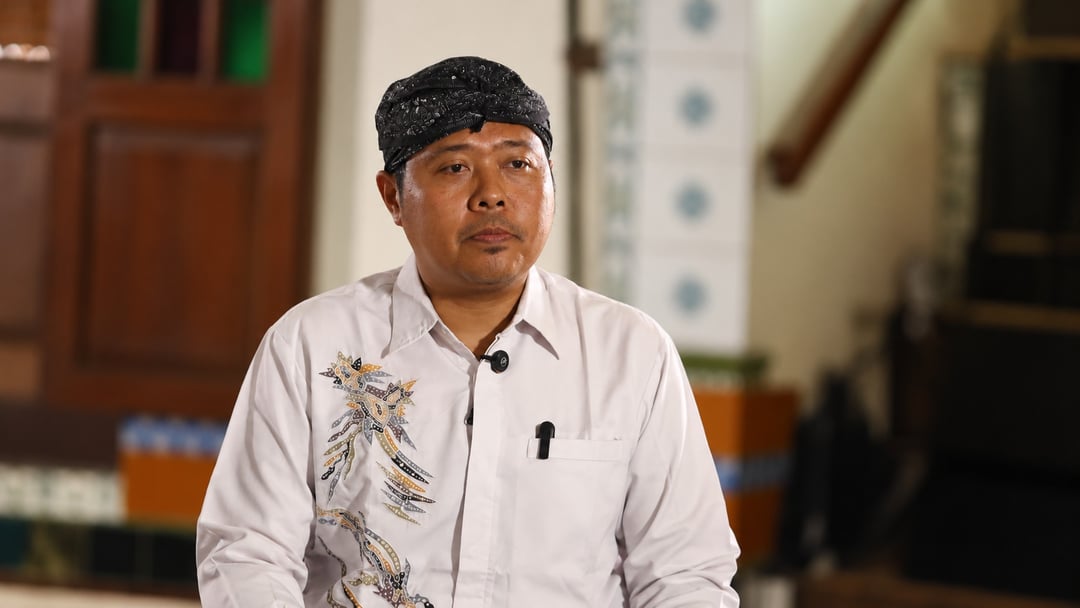
Gus Ari notes that the appearance of the name Al-Quds in the inscription serves as written evidence regarding the use of the term during the era of Sunan Kudus.
However, the reference to Al-Quds and Al-Aqsha does not definitively explain the reasoning behind the choice of these names.
In his philological study, Jawat interprets the use of both terms as part of the formation of Kudus' Islamic identity. Names associated with holy sites in Islamic tradition can signify a symbolic link between the local community and the broader Islamic world.
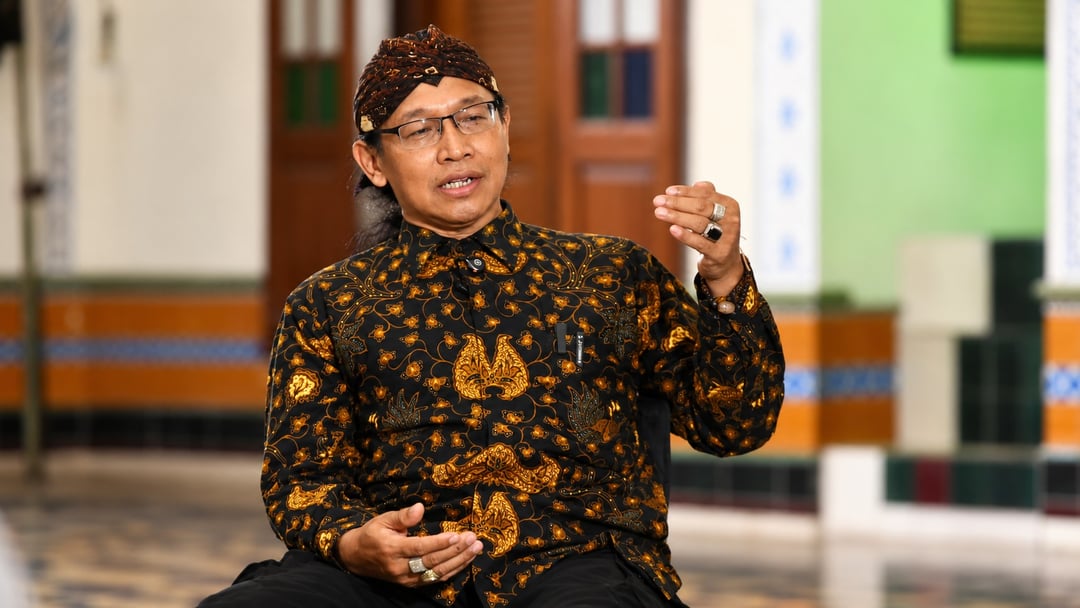
However, this interpretation should be distinguished from information explicitly stated in the inscription. While the text does include both names, it does not provide a detailed explanation for why they were chosen.
Beyond written records, the Kudus community also maintains various oral histories regarding the connection between Sunan Kudus and Baitul Maqdis in Jerusalem.
Gus Ari noted that in several versions of these accounts, Sunan Kudus is said to have served as an Amirul Hajj, leading a pilgrimage group while also pursuing religious studies in the region.
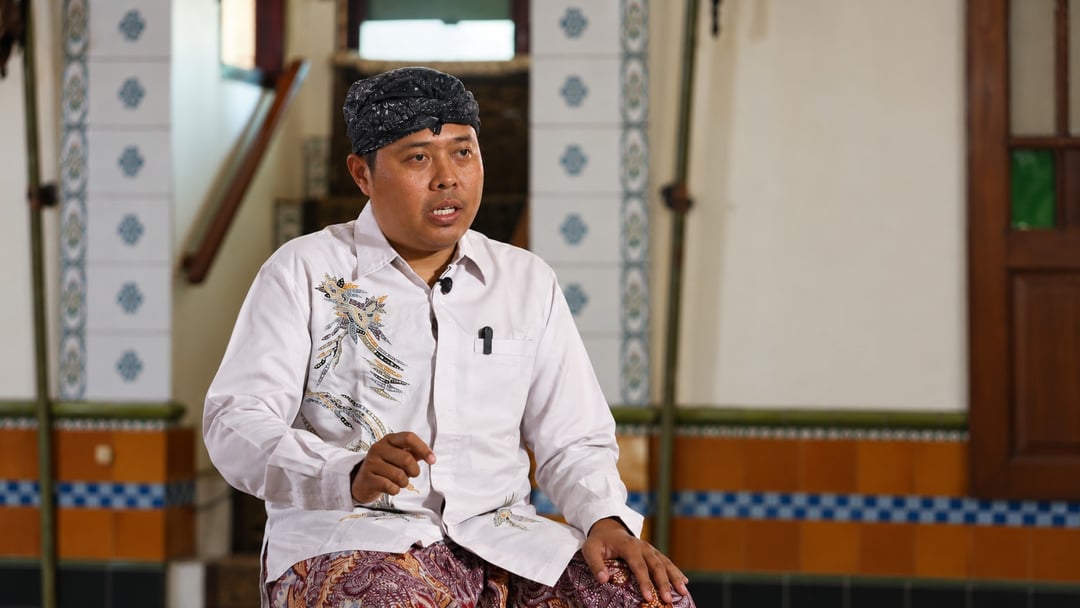
Upon returning from that journey, Sunan Kudus is said to have brought back a stone, which was later associated with the inscription above the mihrab of Al-Aqsha Mosque in Kudus.
This narrative has become part of the oral traditions passed down by the community. Nevertheless, the link between Sunan Kudus' travels and the origin of the inscribed stone cannot be definitively confirmed by the carved text alone.
Therefore, the presence of the names Al-Quds and Al-Aqsha offers two distinct modes of interpretation. On one hand, the inscription provides written evidence of the names' usage. On the other hand, local narratives demonstrate how the history of Sunan Kudus continues to be understood and preserved through local tradition.
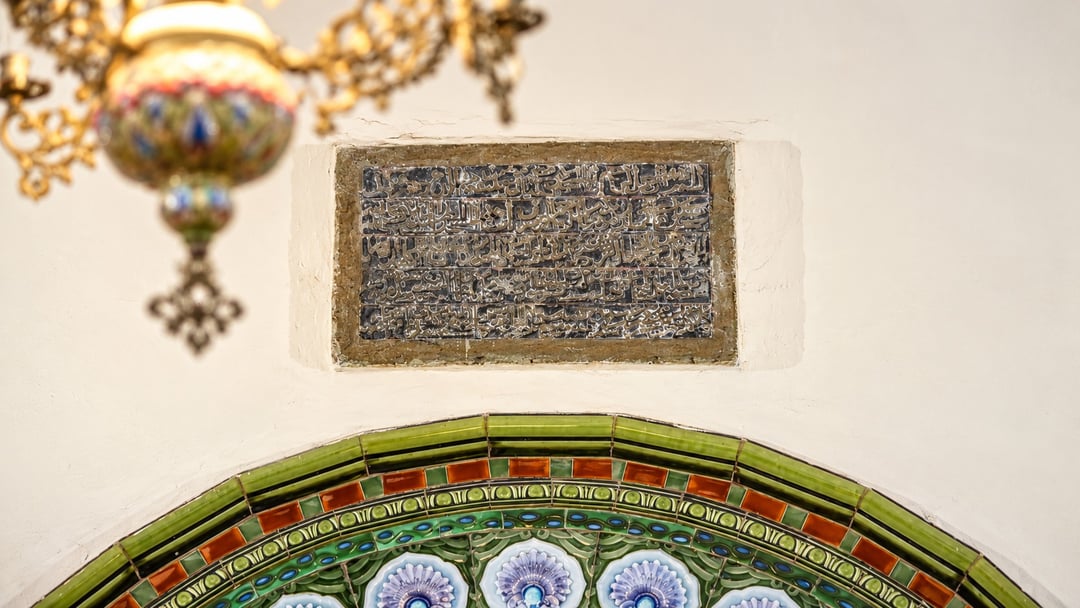
A key challenge in studying an inscription nearly five centuries old is deciphering text where parts of the surface have worn away.
To achieve a more accurate reading, Jawat climbed a ladder to closely examine each section of the text above the mihrab. He transcribed the Arabic, translated it, and discussed his findings with Arabic calligraphy experts in Kudus.
Special attention was given to the date. Unlike modern dating conventions, the timeline in the inscription was expressed through a series of Arabic terms that required careful reading and interpretation.
Based on this analysis, the date was identified as 19 Rajab 956 Hijri, which corresponds to August 23, 1549 CE.
According to Jawat, complete information regarding dates, months, and years is a critical component of historical research because it provides a chronological foundation that can be traced and verified.
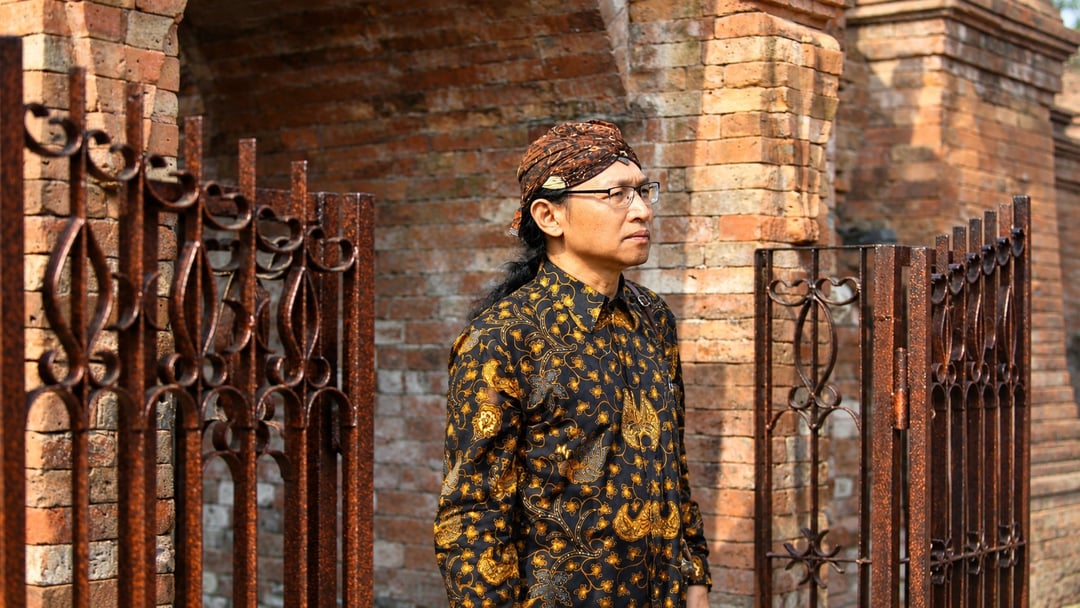
Unlike historical sources written long after an event has passed, inscriptions are written artifacts from the period directly related to the events they record.
Therefore, the results of date readings hold significant importance, especially when compared with the basis for establishing Kudus Regency’s anniversary, which has been in use thus far.
Jawat believes that a re-reading is necessary to secure a more accountable historical foundation. Furthermore, the September 23 date currently commemorated has its own history of establishment, while the specific date information in the inscription could only be read more comprehensively through subsequent research.
The Kudus Regency anniversary has been commemorated every September 23. Its designation is based on Regional Regulation Number 11 of 1990, following historical studies conducted by a Gadjah Mada University (UGM) team between 1989 and 1990.
At that time, the reading of the mihrab inscription successfully identified the year 956 Hijri or 1549 AD. Information regarding the specific date and month could not yet be read completely, leading the September 23 designation to incorporate other historical sources, including regional chronicles (babad).
Subsequent research developments have since provided more detailed information.
In 2001, Claude Guillot and Ludvik Kalus successfully identified the month of Rajab in the inscription. Ten years later, in 2011, a reading involving YM3SK and a UGM archaeological team identified the date as 19 Rajab 956 Hijri.
The converted date corresponds to August 23, 1549 AD—exactly one month earlier than the anniversary date currently observed.
This discrepancy is not merely a matter of changing a calendar date. Examining the content of the inscription also seeks to understand the actual events recorded through that dating.
In his analysis, Jawat connects the date to the use of the word banā, which refers to the construction of the Al-Aqsha Mosque and the land of Al-Quds.
He interprets the word as a signifier of the establishment, rather than simple building repairs. Using this approach, the date in the inscription is considered to have a link to the process of forming Kudus as an Islamic city.
The study also examines the title Khalifatullah fi al-ardh bestowed upon Al-Qadhi Ja’far ash-Shadiq. According to Jawat’s interpretation, the title indicates the religious standing and legitimacy of the figure mentioned in the inscription.
Meanwhile, phrases referencing the Book of Allah and the Prophet's Sunnah demonstrate the religious foundation inscribed in the mosque's founding text.
Nevertheless, there is a boundary between explicitly written information and conclusions derived through historical analysis. The inscription records names of figures, construction, and dates, while its connection to the city's formation and the structure of Islamic power remains an interpretation of the text and its historical context.
Discussions regarding these findings resurfaced during a multidisciplinary seminar on July 27, 2026. A number of academics from various fields participated, including Abdul Jawat Nur, archaeologist Prof. Dr. Inajati Adrisijanti Romli, architect Revianto Budi Santoso, and expert in Islamic astronomy (ilmu falak) Kiai Saifuddin Luthfi.
The involvement of experts from different disciplines allowed the inscription's information to be examined alongside archaeological evidence, architectural development, and chronological calculations.
In September 2026, the Kudus Regency Government announced plans to shift the Kudus Anniversary date from September 23 to August 23. Local authorities are drafting new regulations with the objective of implementation by 2027.
However, the proposed change must still undergo a formal regulatory process before it can be officially enacted.
A series of studies conducted since the late 1980s, alongside recent deliberations, illustrates the evolution of historical scholarship. Interpretations that previously focused solely on identifying the year have now yielded more comprehensive dating information, while also reopening discussions regarding the historical events that serve as the basis for designating the Kudus anniversary.
Beyond inscriptions and debates over dating, the Menara Kudus Mosque complex preserves traces of regional development spanning centuries.
According to Gus Ari, the area surrounding the Al-Aqsha Mosque was inhabited by a community well before the mosque itself was established. One such relic, he noted, is the Madureksan Mosque, located to the east of the Menara Kudus, which is recognized as an earlier place of worship.
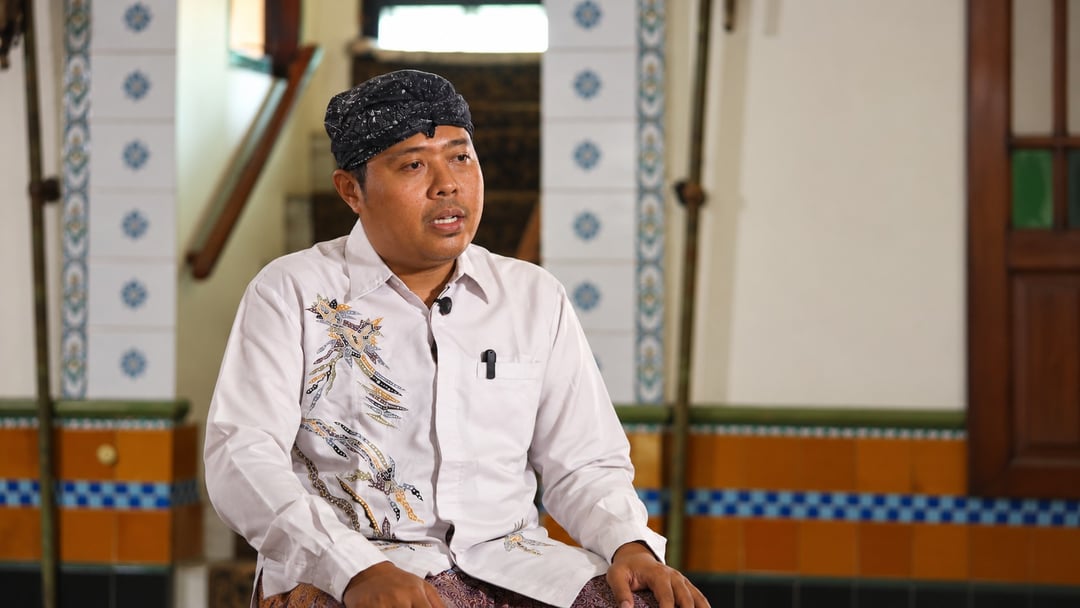
Historically, the life of this area has centered on three primary elements: the mosque, the minaret, and the tomb of Sunan Kudus. While each serves a distinct purpose, they are deeply interconnected in the religious and social activities of the community.
The Al-Aqsha Mosque serves as both a center for worship and religious education. Gus Ari explained that at a time before formal educational institutions were as developed as they are today, the mosque played a vital role as a space for the community to study religious teachings and foster social connections.
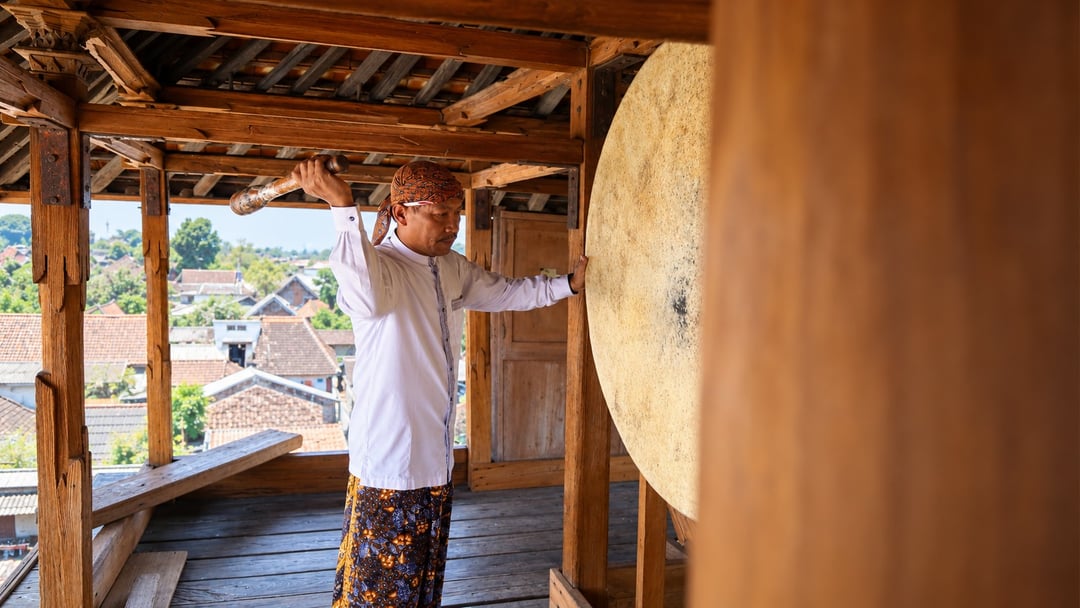
Located to the east of the mosque is the Menara Kudus, a structure with distinct architectural features that continues to serve its religious function to this day.
The drum (bedug) housed in the minaret is still struck to signal prayer times, the arrival of Ramadan, and the approach of religious holidays. This tradition demonstrates that the minaret's role extends beyond that of an architectural relic, remaining an integral part of the community’s religious life.
Meanwhile, to the west of the mosque lies the burial complex of Sunan Kudus, his family, and various prominent religious scholars.
The tomb area attracts pilgrims from diverse regions. Daily, the activities of pilgrims coexist alongside worship services in the mosque.
The relationship between the mosque, the minaret, and the tomb grants this area a significance that transcends its status as a mere place of worship. Together, they form a hub of religious activity that remains active for the community while serving as a crucial component of the historical heritage of Kudus.
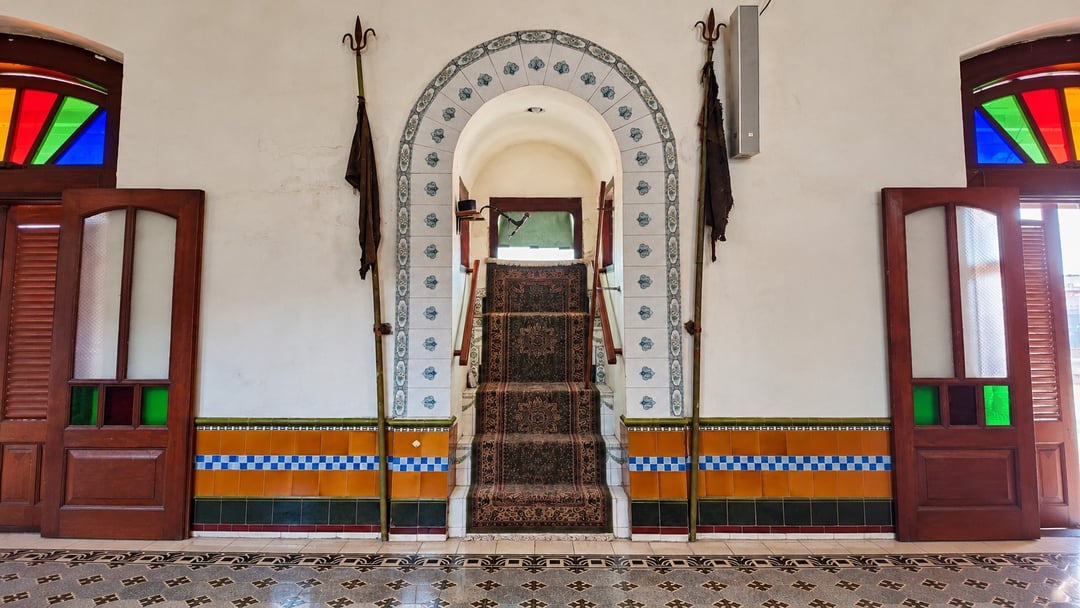
Several historical artifacts inside Al-Aqsha Mosque remain in use today. Among them is the three-tiered minbar situated on the northern side, to the right of the mihrab.
The minbar is utilized for Friday sermons, Eid prayers, and eclipse prayer sermons. Following long-standing traditions, the khatib ascends the minbar stairs carrying a staff to deliver the sermon.
Surrounding the minbar are ancient banners, which are part of the historical heritage of the Menara Kudus complex.
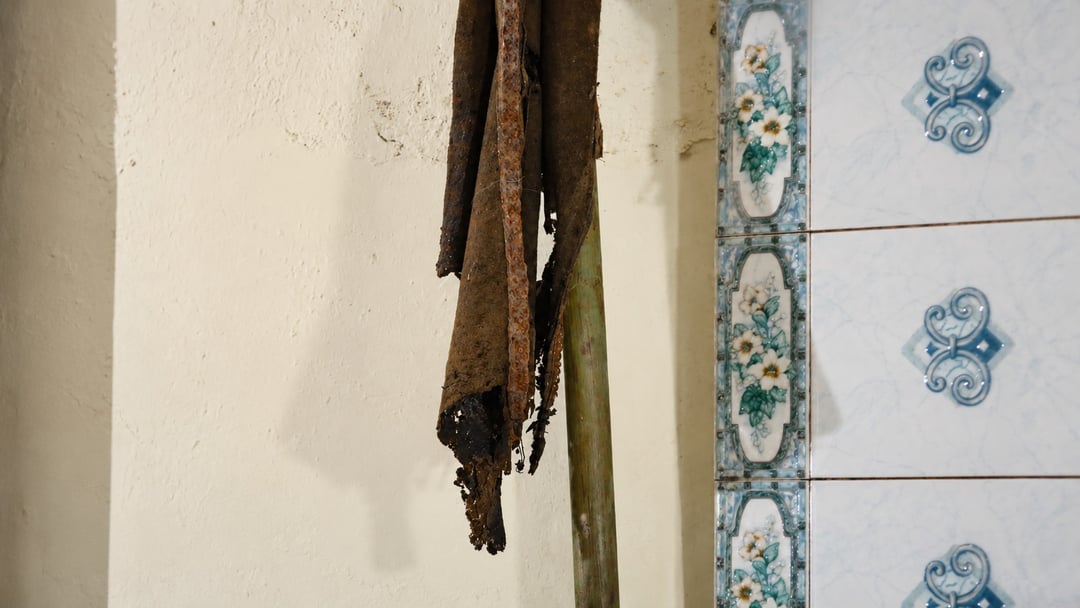
Gus Ari explained that these banners have long been part of the mosque complex, though it remains uncertain if they all date back to the same period as the construction of Al-Aqsha Mosque.
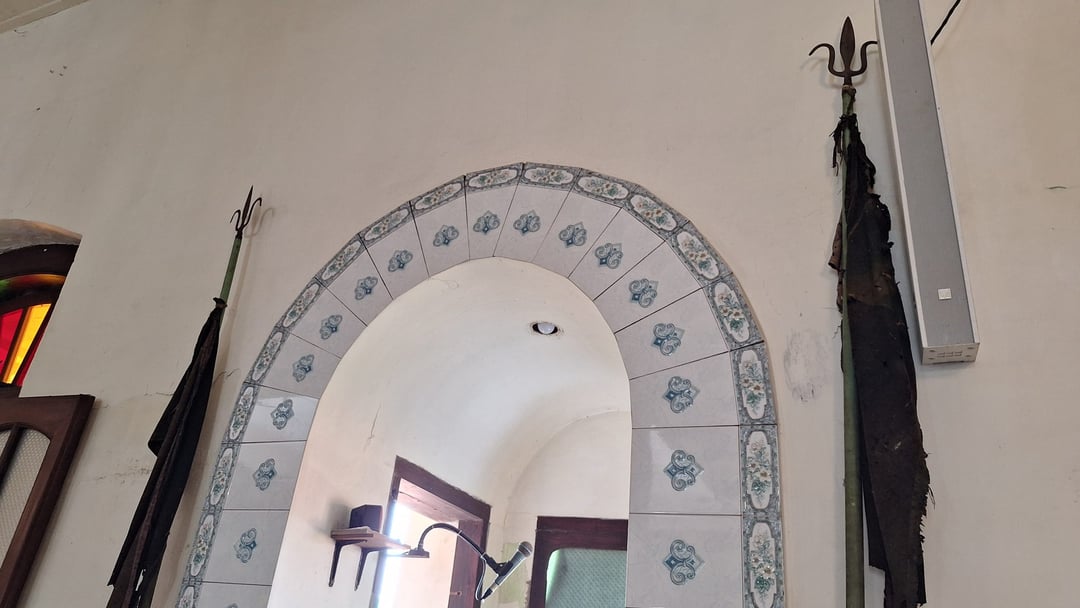
Another artifact closely linked to local tradition is the trident. These items are maintained through the jamasan process, a ritual cleaning that forms part of the Buka Luwur tradition.
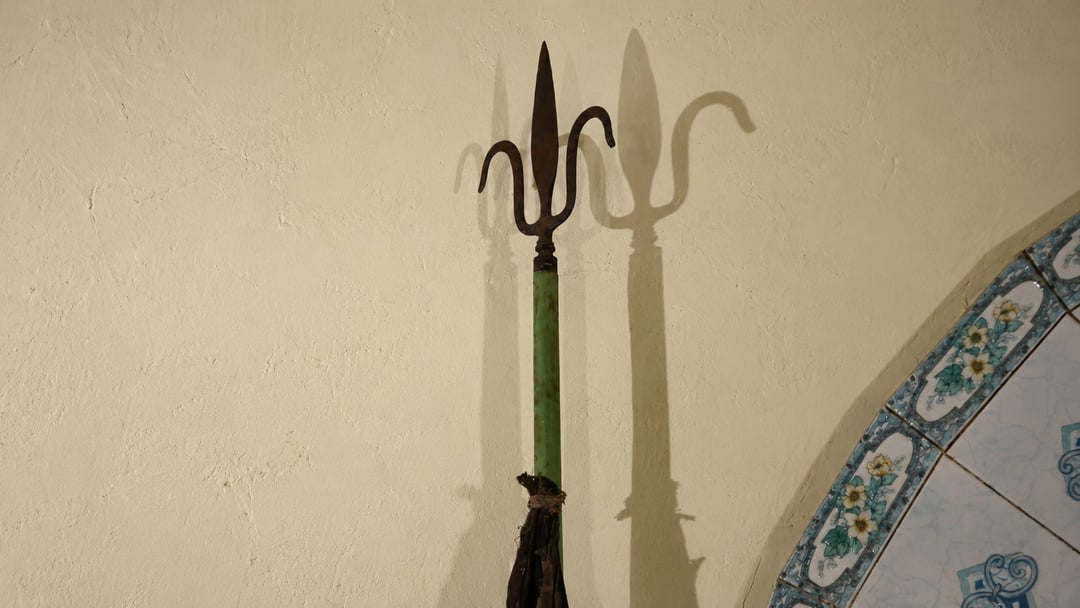
The presence of the pulpit, banners, and trident illustrates how historical artifacts serve distinct functions within community life. Some remain in use for religious activities, while others are preserved through traditions passed down across generations.
Although located within the same complex, the history of each relic does not necessarily trace back to the same period. Further research is required to determine the age, origin, and evolving functions of each item.
The history of the Menara Kudus Mosque can also be traced through the physical transformations of its architecture. Over time, various renovations have been conducted to accommodate worship needs and maintain the mosque’s integrity.
One such marker is located beneath the northern pillar of the mosque, inscribed with the date October 14, 1953.
According to officials from the YM3SK, that date corresponds to structural elevation or renovation work, including the replacement of floor tiles.
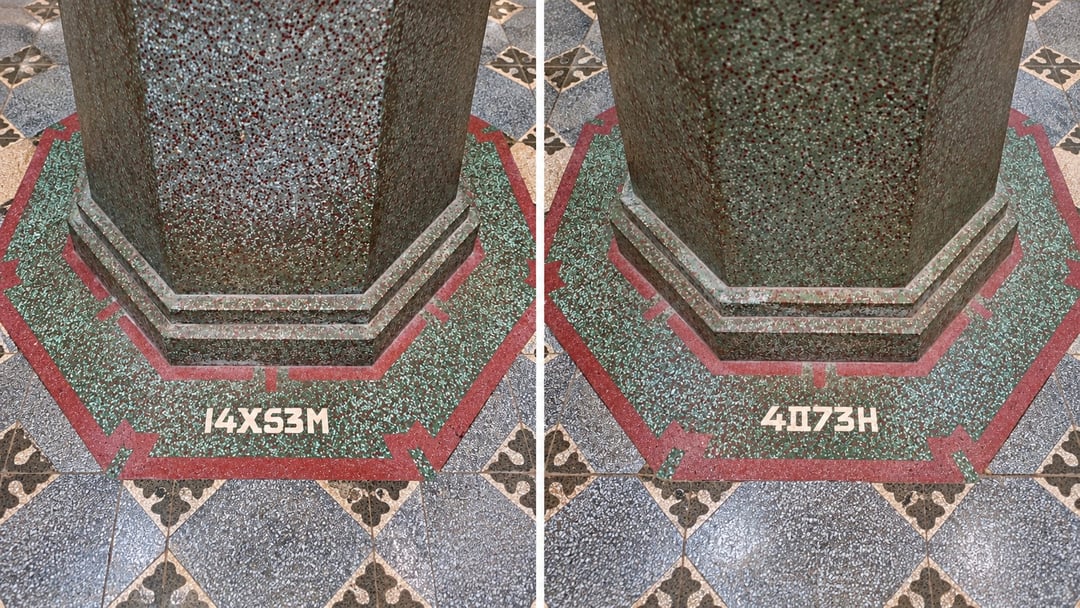
Traces of that renovation remain visible on the mosque floor. Several tiles feature patterns resembling clove flowers, a plant deeply intertwined with Kudus’ cultural identity.
These motifs became clearly visible when the mosque’s carpets were removed during the Covid-19 pandemic. Previously, most of the floor was carpeted to provide comfort for worshipers.
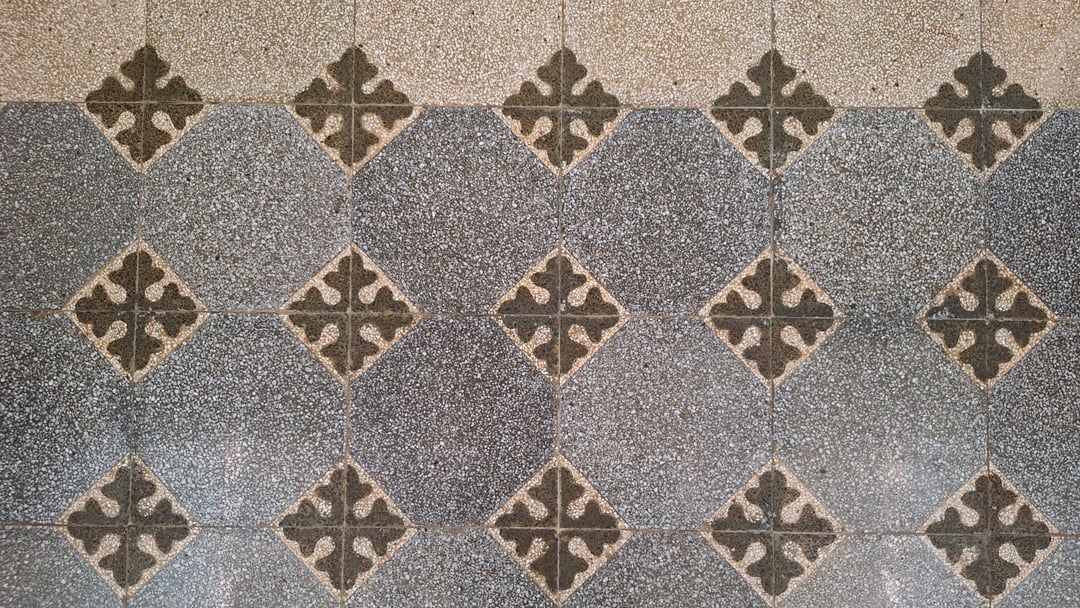
YM3SK administrators link the renovation and the use of these tiles to Kiai Kamal Hambali, a cleric who was also known as a merchant and tile entrepreneur.
According to management, Kiai Kamal Hambali played a role in the renovation work and was recognized as an influential figure in the early history of Nahdlatul Ulama.
However, the correlation between the renovation work, the selection of the clove motif, and Kiai Kamal Hambali’s specific role requires further investigation of historical sources to provide a more comprehensive account.
Regardless, the 1953 timestamp and the existence of the clove-patterned tiles offer valuable insight into a significant phase of the Menara Kudus Mosque's evolution.
Founded in the 16th century, the structure has not remained static throughout its existence. Various maintenance efforts and adjustments have been made, leaving layers of history from different eras.
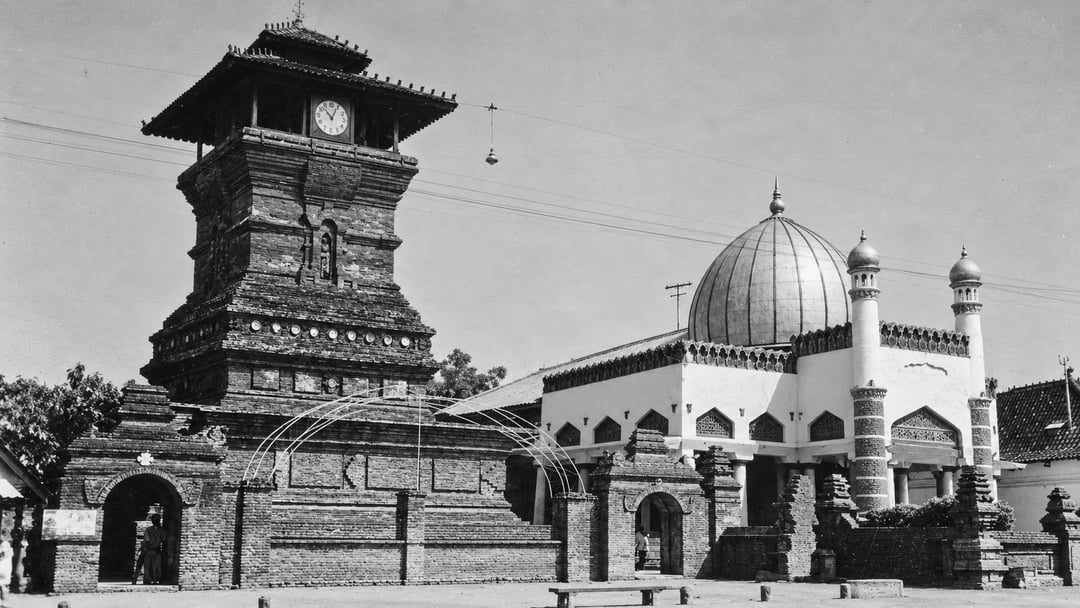
As a historic site still actively used for worship and pilgrimage, the Menara Kudus Mosque complex faces complex preservation challenges.
Management must maintain the condition of the buildings and artifacts while ensuring the site remains accessible to the public and visitors.
YM3SK conducts regular maintenance on the buildings, the surrounding environment, and the various artifacts housed within the complex.
Gus Ari explained that large-scale renovations are performed in consultation with cultural heritage authorities. Minor damage requiring immediate attention is repaired in accordance with established maintenance procedures.
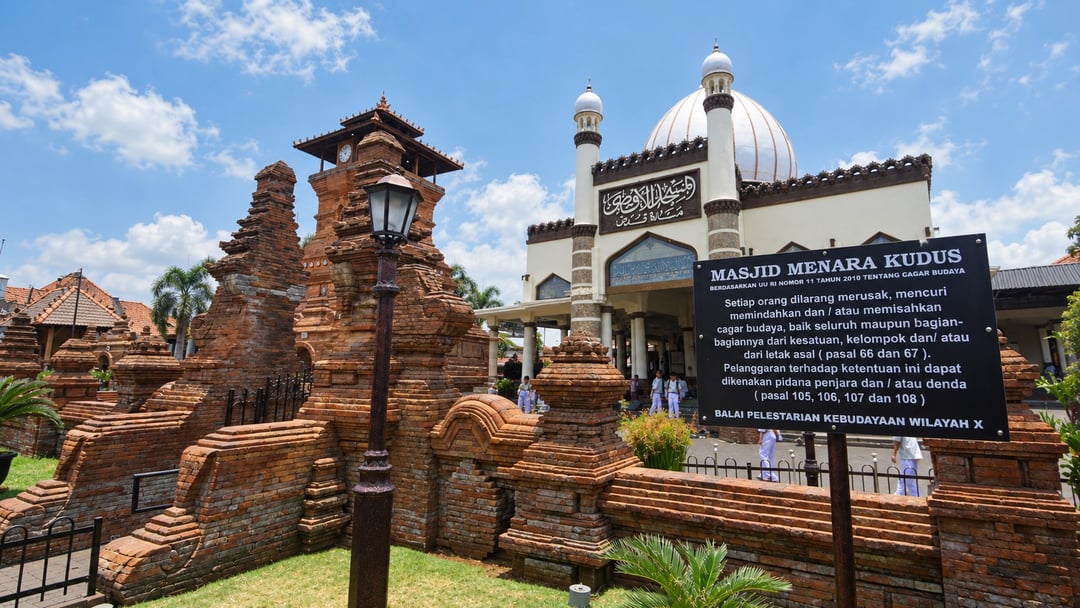
Sanitation is also a core part of site management. The mosque and tomb areas are cleaned at least three times daily, with comprehensive deep cleaning conducted at specific times, including prior to the Buka Luwur ceremony and Eid prayers.
Beyond structural preservation, YM3SK strives to maintain the traditions and cultural values intertwined with the community.
One value often associated with the teachings of Sunan Kudus is tepa selira, or tolerance toward others.
This principle is reflected in the local tradition of abstaining from cow slaughter. Oral history suggests this practice stems from Sunan Kudus’ respect for the Hindu community, who hold cows in high regard.
Instead, the community uses buffalo for various needs. This custom has influenced local culinary development, leading to Kudus’ reputation for its diverse array of buffalo meat dishes.
While the origin story of this tradition remains distinct from verifiable historical fact, the practice has become an integral part of the Kudus community's cultural identity.
Preservation of the Menara Kudus site thus encompasses more than just structural maintenance; it requires safeguarding the traditions and social values that have evolved around it.
For archaeologist Prof. Dr. Inajati Adrisijanti Romli, conservation must remain the primary consideration in any development plan for historic districts.
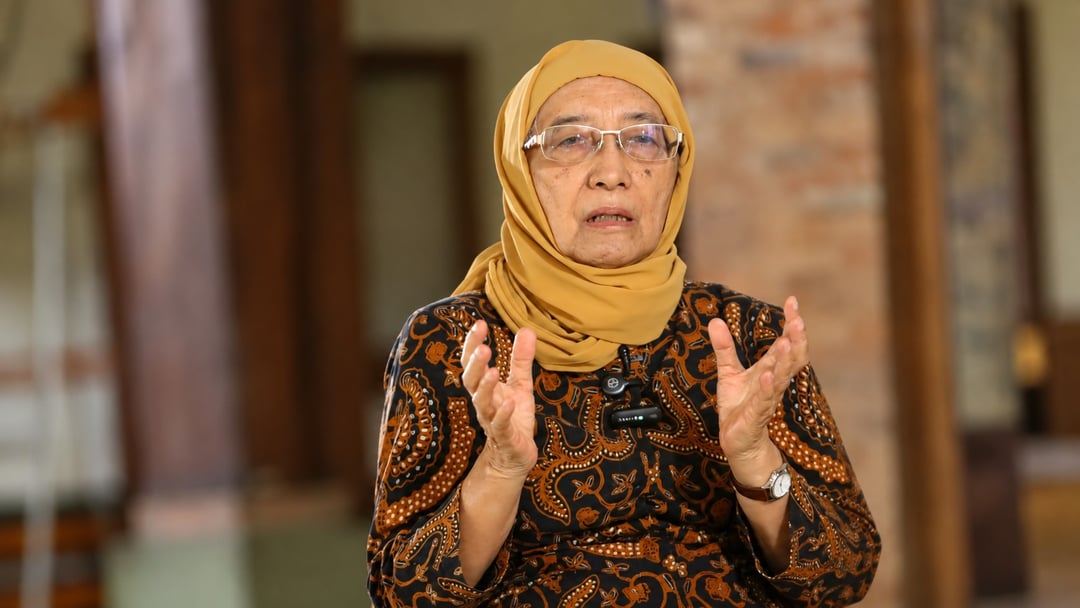
"Development is permissible, provided it does not compromise preservation," she stated.
This message remains highly relevant for the Menara Kudus Mosque complex, which continues to attract a steady influx of worshippers, pilgrims, and tourists.
Gus Ari further emphasized that the responsibility of protecting the area rests not only with its management but also with the public and visitors, who play a vital role in maintaining the site's cleanliness, comfort, and the preservation of its structures and artifacts.
From the inscription above the mihrab to evidence of past renovations on the mosque floors, every relic offers insights into different chapters of Kudus’ history.
Abdul Jawat Nur's analysis of the inscription has renewed discussions regarding the name Al-Quds, the legacy of Sunan Kudus, and the historical dates that inform the celebration of the Kudus Regency anniversary. Meanwhile, the mosque's tower, tomb, pulpit, and enduring traditions illustrate how the site has evolved significantly since its founding.
Nearly five centuries after the date recorded on the inscription, the Menara Kudus Mosque continues to fulfill its religious and social functions. Amidst the shifts occurring through generations, historical relics and local traditions remain integral to understanding the journey of Kudus to this day. (REDAKSIMKK)