
KUDUS – Mornings in Tanjungkarang Village, Jati District, Kudus Regency, typically begin at bustling local food stalls. Lentog—a dish of rice cakes, young jackfruit stew, and tofu—is served from dawn, enlivening the village that takes its name from this quintessential Kudus culinary staple.
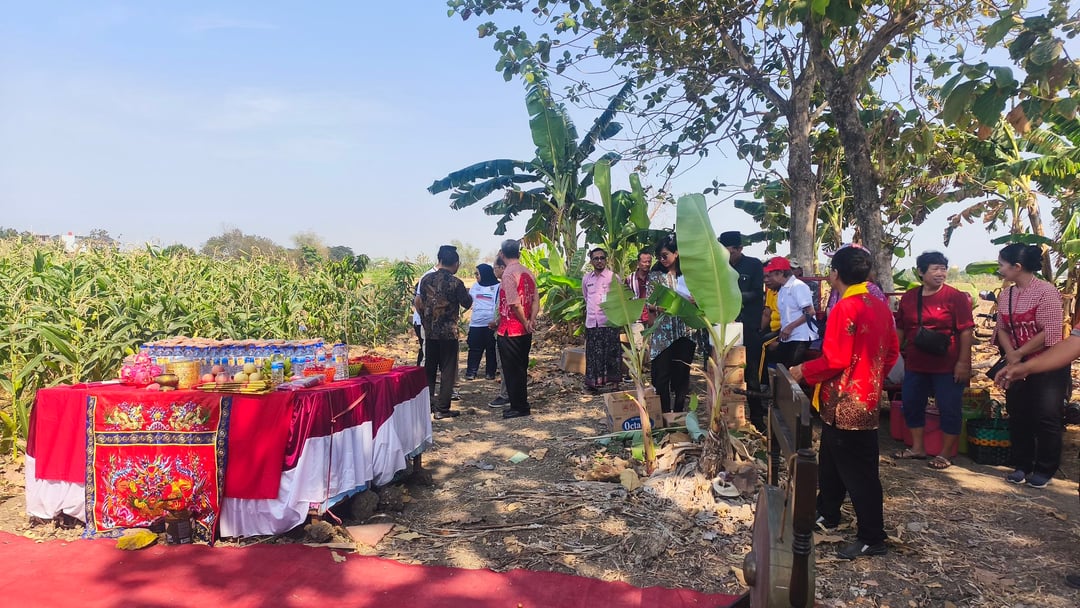
On Friday morning (Sept. 25, 2026), activity was also visible on a plot of land situated amidst rice fields. This site marks the former location of the Hok Tik Bio Temple before it was relocated to the main road of Tanjungkarang.
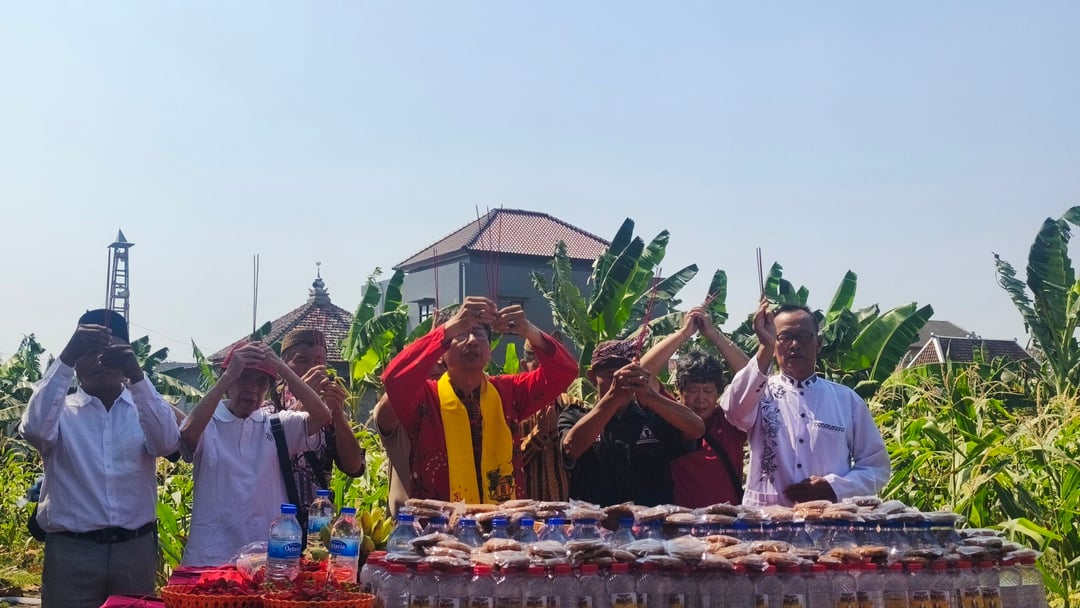
An altar table was set near the original stone foundations of the temple. Goei Tjwan Gie led prayers before it, while residents observed the procession either standing or seated nearby.
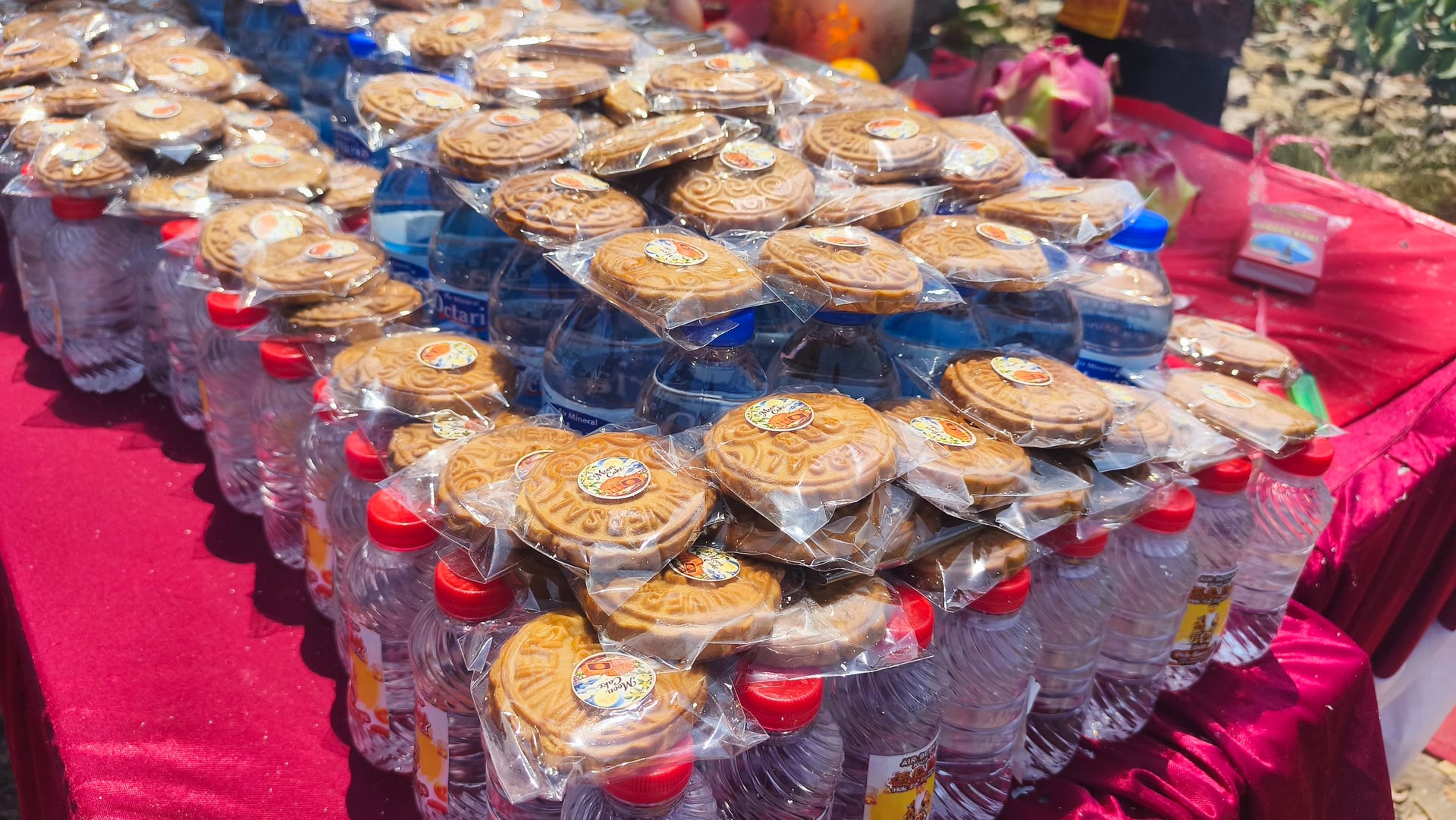
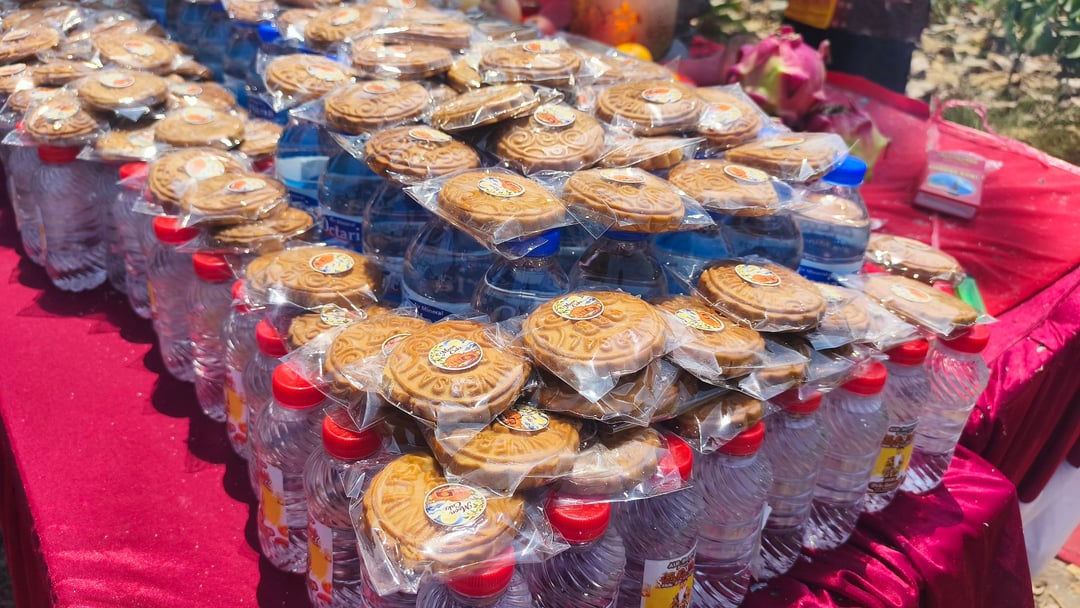
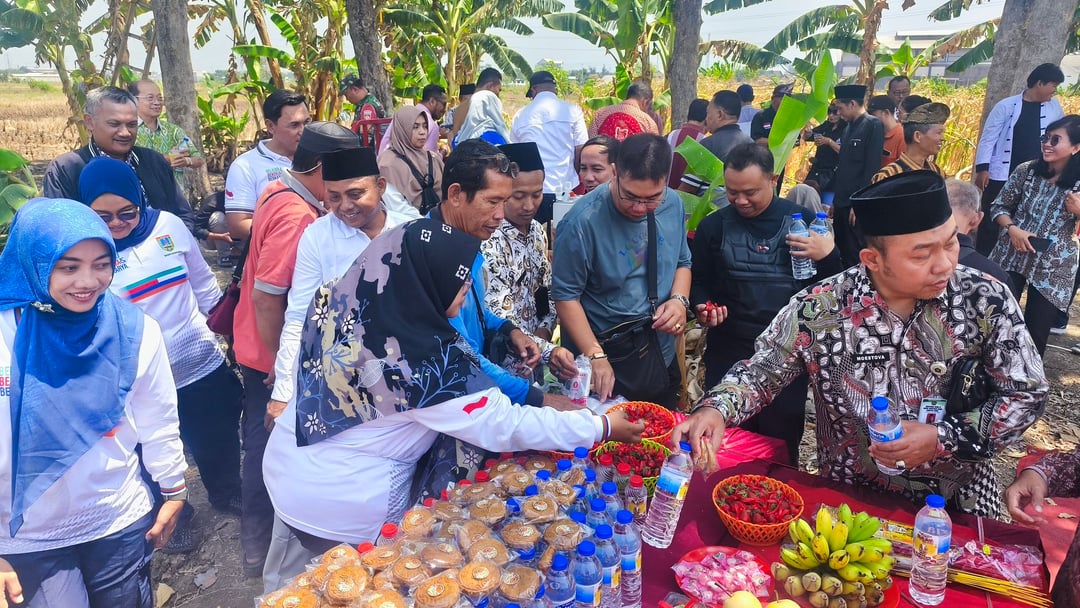
The occasion marked the celebration of Tiong Ciu Pia, or the Mid-Autumn Festival. Holy water and mooncakes were distributed to the community, while the local Lentog Tanjung was also served. Those in attendance came from various backgrounds; some participated in the ritual, while others were present to witness a tradition they had never seen firsthand.
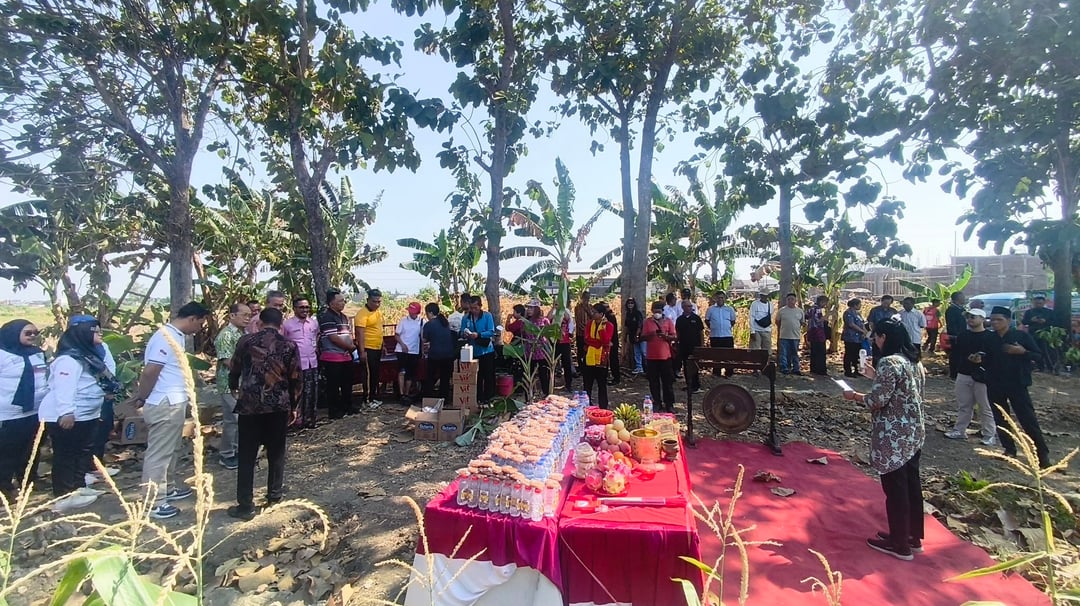
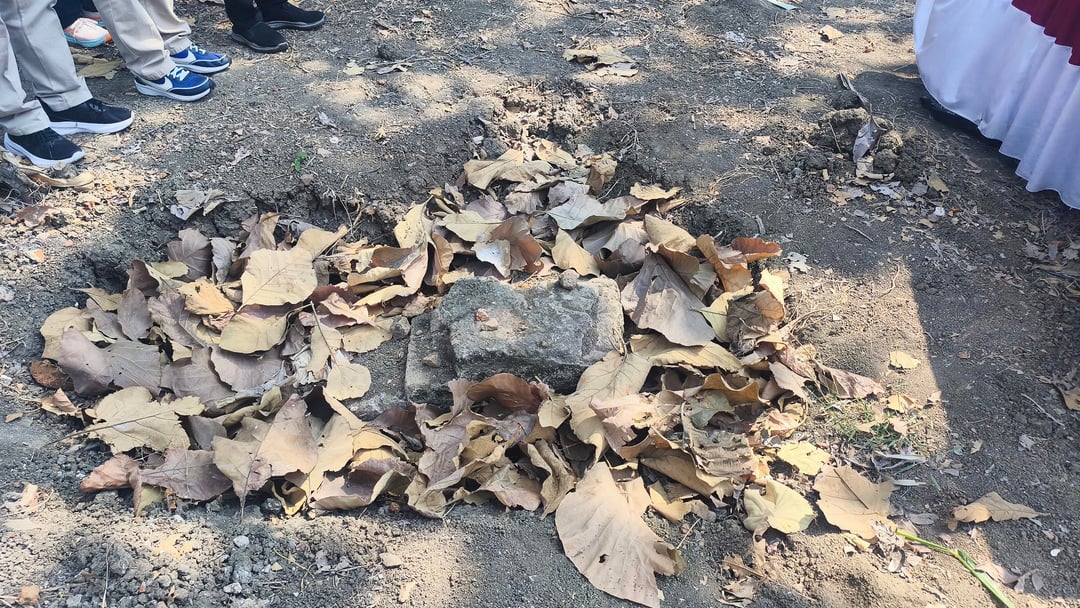
The remaining stone foundations near the altar serve as a vestige of the Hok Tik Bio Temple's presence at the site, marking the place where congregants worshipped before the temple’s relocation.
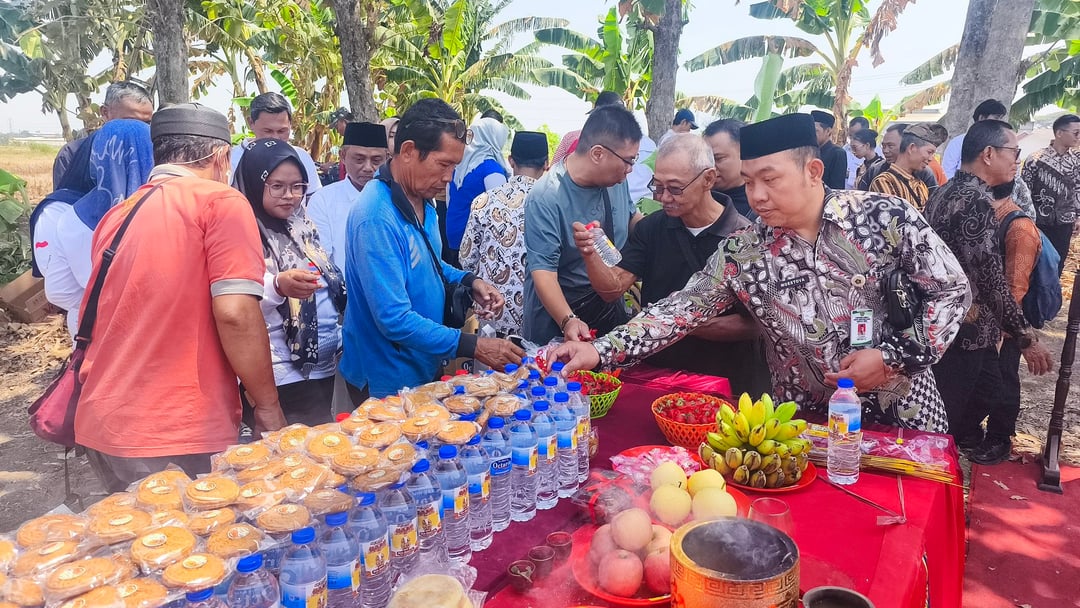
The presence of residents from diverse religious backgrounds at the celebration is not an unusual sight in Tanjungkarang, as similar participation frequently occurs across various village activities.
Tanjungkarang Village Head, Sumarno, noted that residents are accustomed to engaging with one another in local events.
“We have long lived side-by-side, maintaining peace, mutual respect, and support for one another. There is no friction, there are no issues,” said Sumarno.
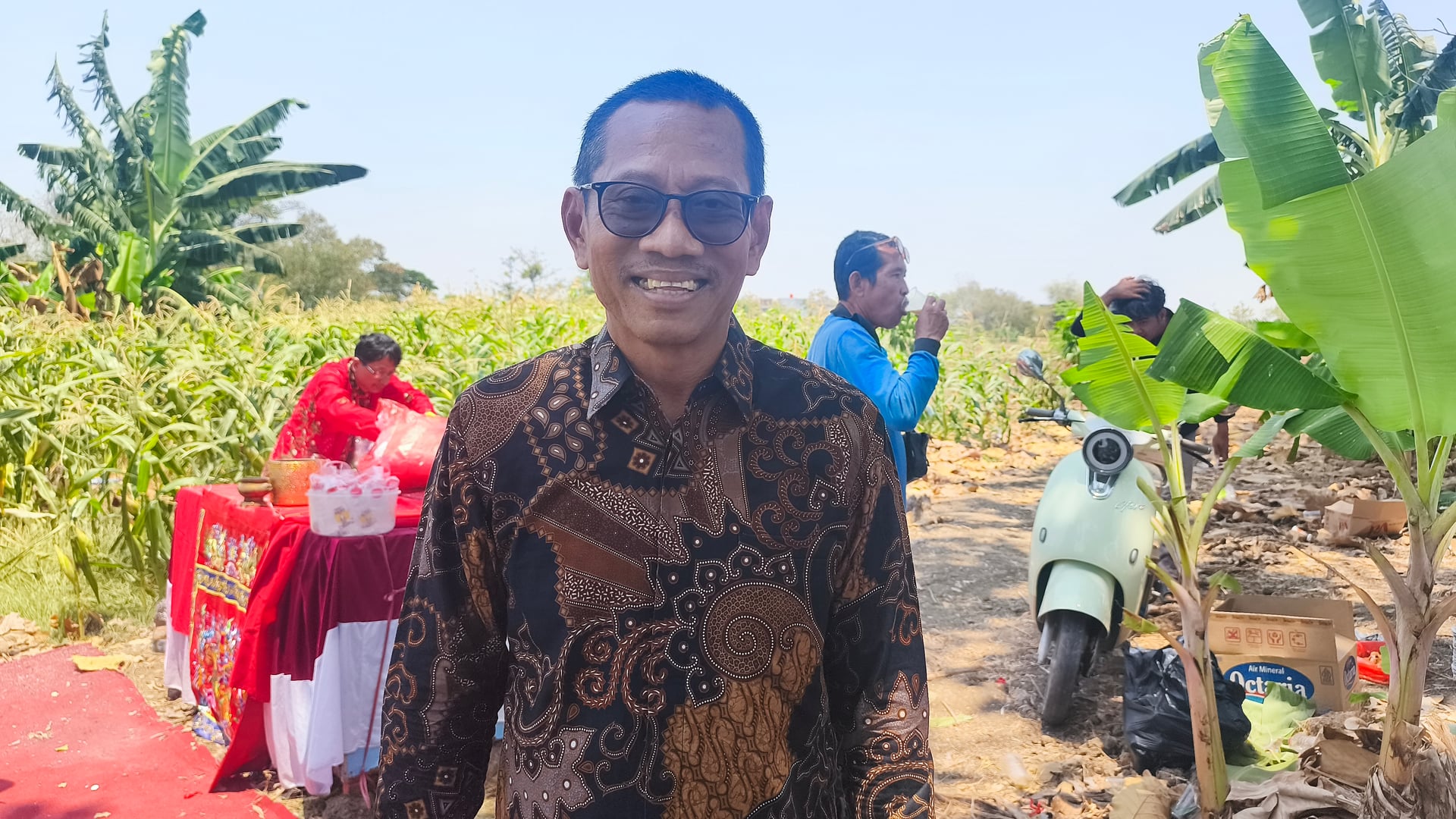
In village activities, residents of various religious backgrounds are involved as organizers or committee members. Similar support is extended when a specific group hosts religious events.
“Whenever there are village events, we include people from all faiths as organizers or committee members. If there is a religious event, we help and support one another,” he explained.
Suparno Bodhicakra, a Buddhist representative who attended the interfaith prayer, views his presence as a simple way to honor the traditions of other groups without compromising individual beliefs.
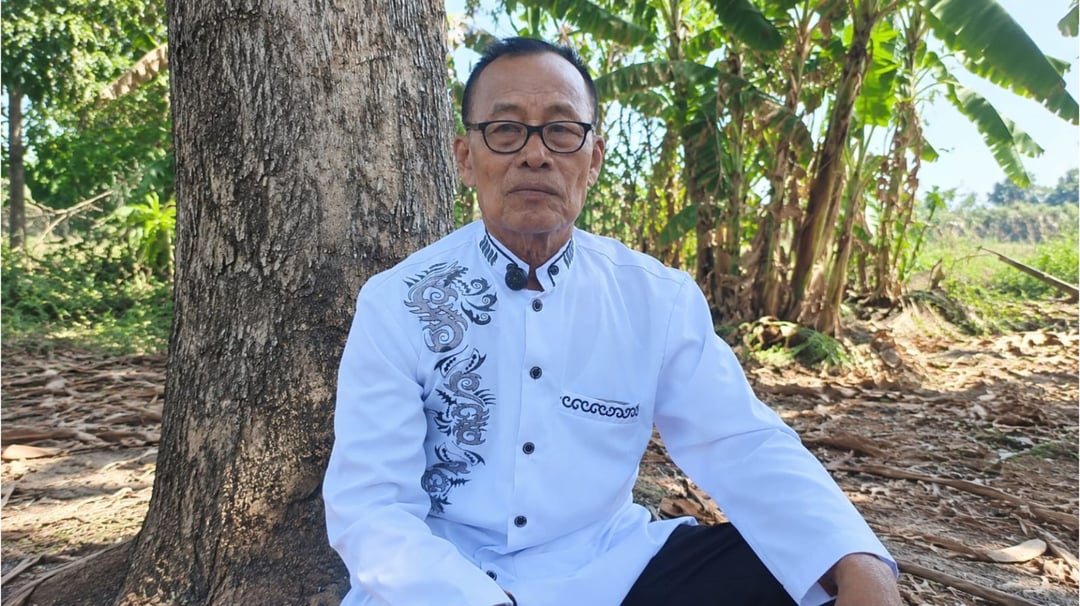
“Even just showing up, sitting quietly, is enough. In their hearts, they are already participating in the prayer,” he said.
For Suparno, attending provides residents an opportunity to gain firsthand knowledge of traditions they may have only heard about. One does not need to perform the same rituals. Simply coming, observing, and respecting the established practices is part of the neighborly bonds in Tanjungkarang.
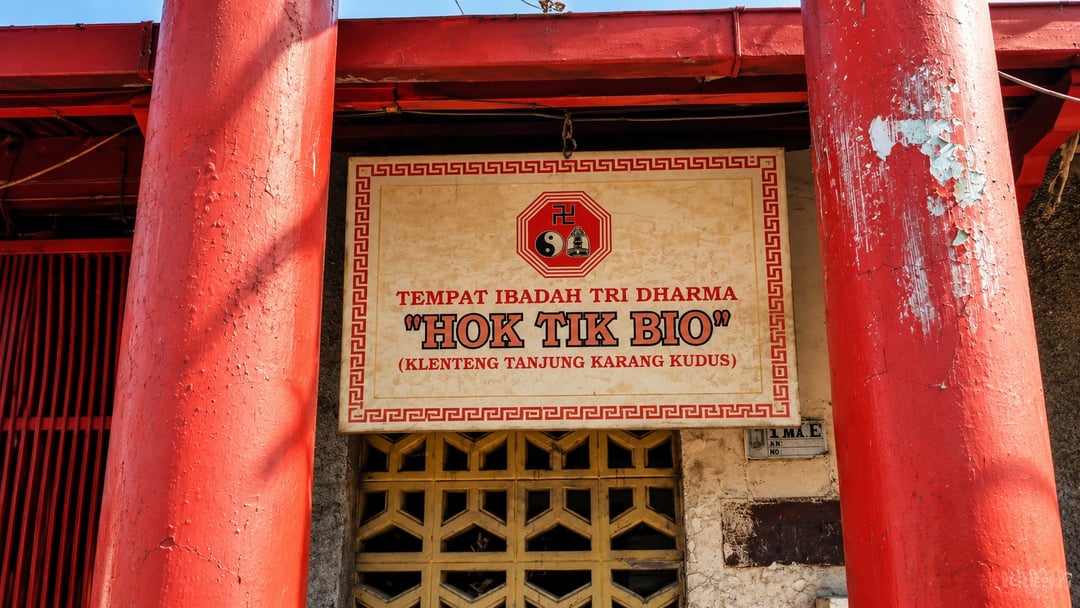
The history of the Hok Tik Bio Temple in Tanjungkarang is tied to the journey of the Chinese community that settled in the region. Its origins date back to the aftermath of the 1740 Pacinan Massacre in Batavia.
During the governorship of Adriaan Valckenier, a massacre of ethnic Chinese occurred in Batavia. Many survivors fled the city by boat, traveling along waterways until they reached what is now Tanjungkarang Village.
The group eventually settled in Bogo Hamlet. They brought an image of Hok Tek Cing Sien and constructed a simple house of worship—a small wooden shrine—near the river. This structure became the precursor to the Hok Tik Bio Temple.
The temple is estimated to have been established in 1741. While there is no formal documentation or inscription confirming the exact date, the year is widely accepted based on oral tradition and historical records regarding the arrival of the Chinese community following the Pacinan incident.
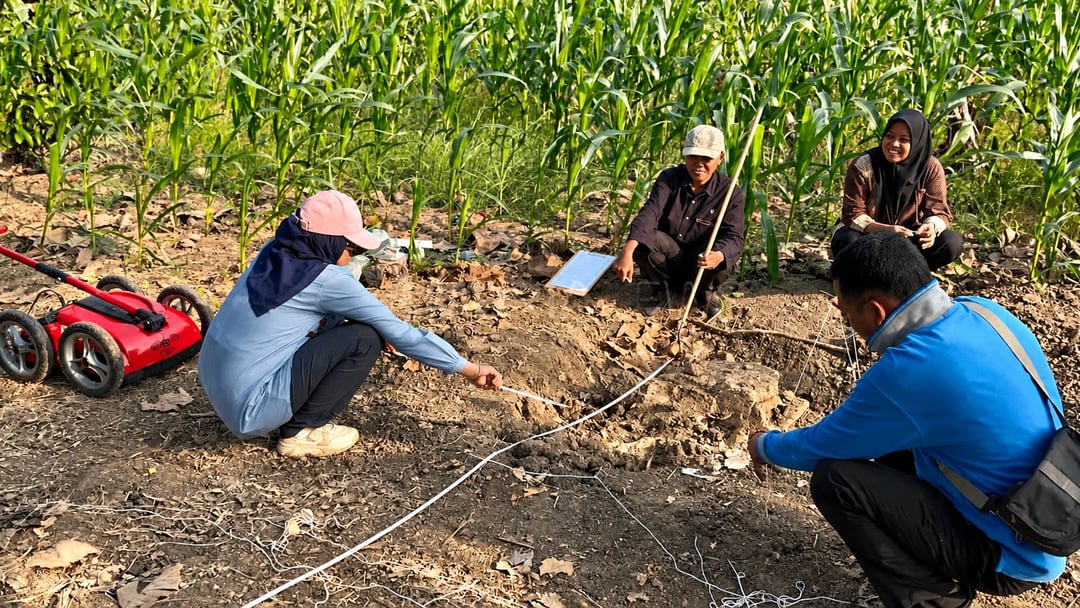
In the past, Tanjungkarang was known as a coastal area or harbor with coral reefs along the Muria Strait. Natural changes eventually transformed the region into solid land, and the name Tanjungkarang is derived from those geographical conditions.
Further change arrived with the construction of the Kudus-Purwodadi road in 1782. This new thoroughfare made the roadside area more strategic, particularly for the Chinese community, many of whom worked as merchants.
The temple was subsequently relocated from Bogo Hamlet to the main road. It is said that the building was moved intact by carrying it together.
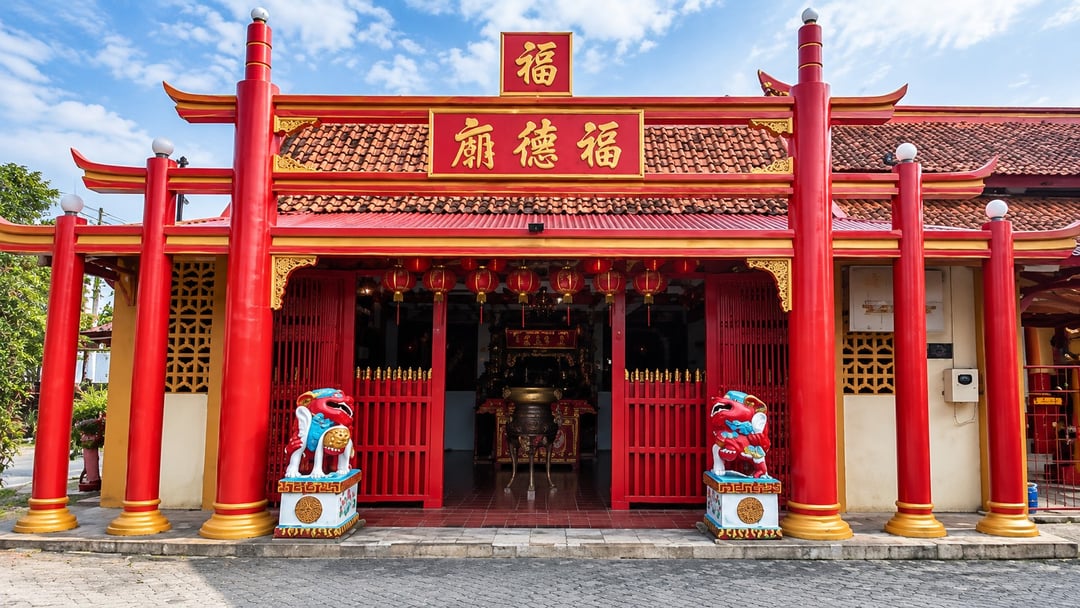
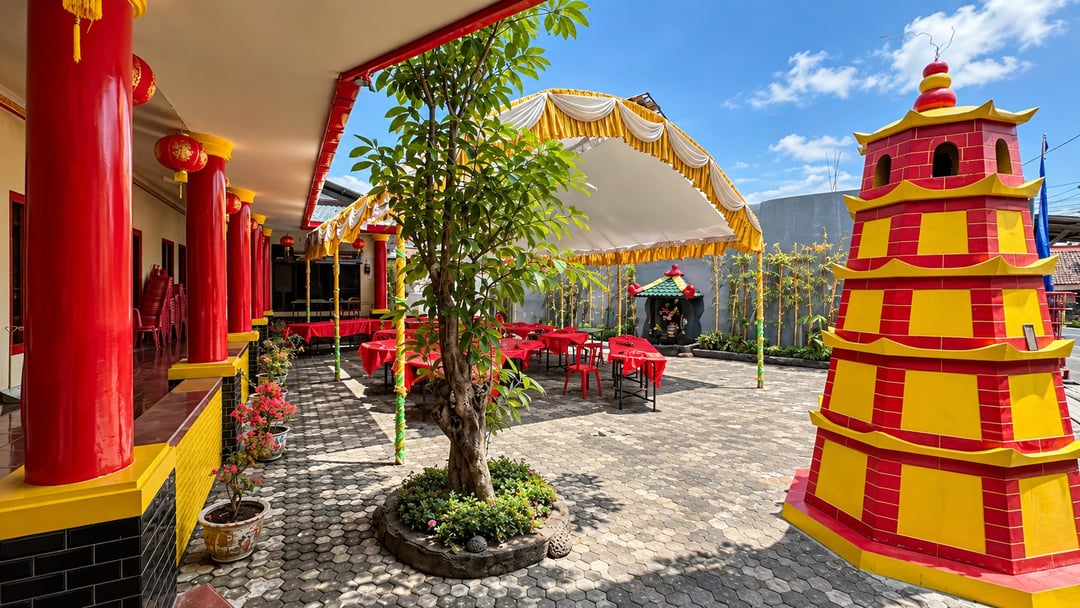
The Hok Tik Bio Temple is currently situated at Jalan Tanjung Karang Number 104, Tanjungkarang Village, Jati District. While the temple building no longer exists at the original location in Bogo Hamlet, its foundation remains as a historic marker of the place of worship.
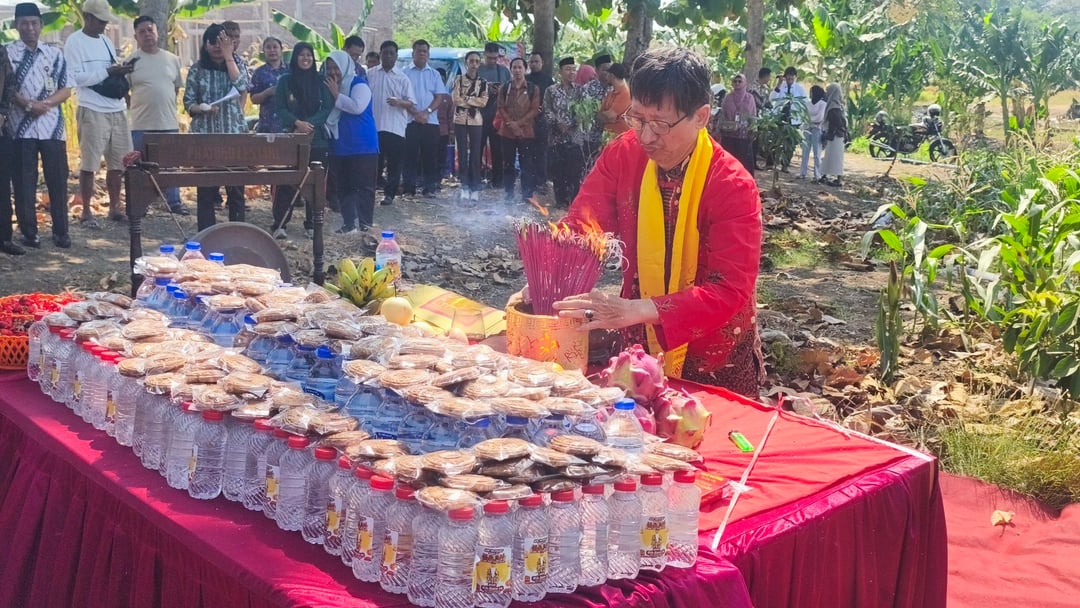
During the Tiong Ciu Pia festival, Kong Co Hok Tek Cing Sin is honored as the God of Earth. Devotees offer prayers seeking fortune, health, and prosperity.
Goei Tjwan Gie, who leads the ritual prayers for the Mooncake Festival, explained that Tiong Ciu Pia is commemorated on the 15th day of the eighth month of the lunar calendar. The celebration coincides with the birthday of Hok Tek Cing Sin and Yue Lao Ren, the deity of matchmaking.
"This is a commemoration of the Mooncake Festival, as well as the matchmaking day for the Confucian community, especially among the Chinese," Goei said.
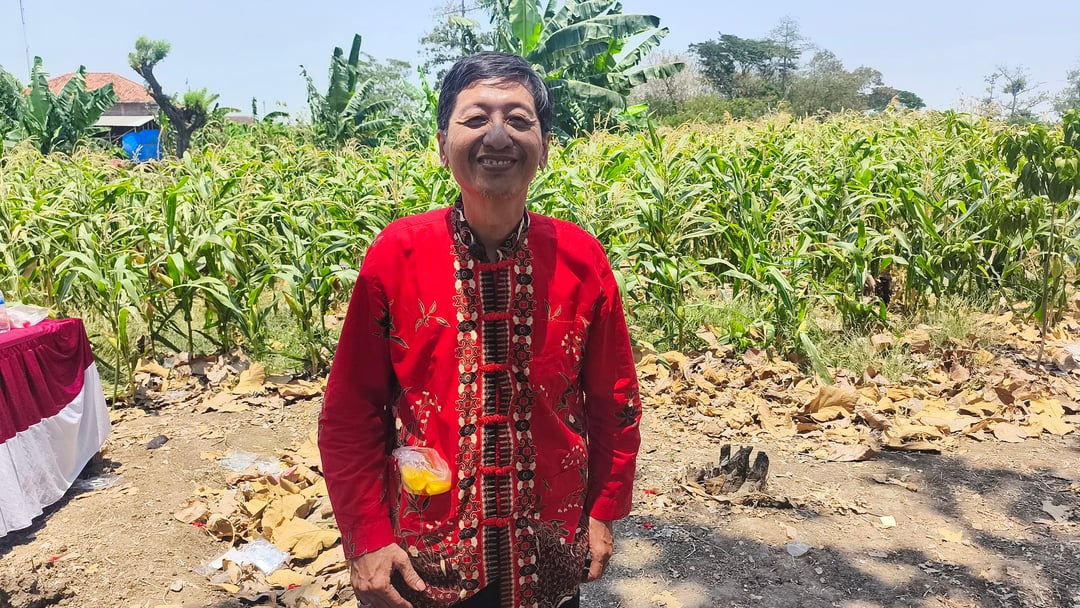
The rituals begin the previous night, followed by opening prayers at 9 a.m. the next morning—a time schedule maintained since the tradition first began, according to Goei.
"It starts at 9 a.m. immediately. We have kept that schedule since the first time we held this event," he noted.
Following the ceremony, blessed water is distributed to the public. Devotees believe the water serves as a medium for prayers regarding health, business success, and domestic matters.
Attendees take the water home, and Lentog Tanjung is served to those in attendance.
The mooncake is a central element of Tiong Ciu Pia. According to Goei, its significance is linked to the legend of the Moon Goddess and Prince Tian Feng, who are said to wait a year to reunite on the 15th day of the eighth lunar month.
Based on this legend, the mooncake is regarded as a symbol of fidelity and loyalty.
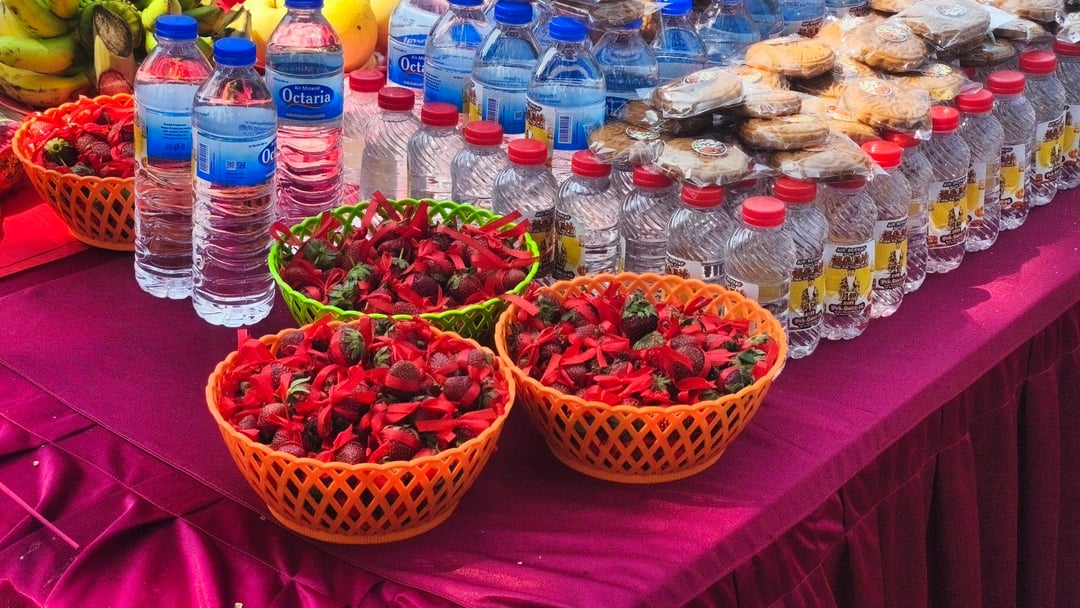
The celebration is also associated with Yue Lao Ren, the God of Matchmaking. According to tradition explained by Goei, those seeking a partner can offer prayers in hopes of finding a suitable match.
Approximately 400 portions of strawberries were prepared and distributed to the public. Chosen as a symbol of love, the fruit was fully distributed to attendees.
Among those in attendance was Septia Kholifatun Nadzifah, a resident from Pati. This was her first time witnessing the celebration in person.
"This is my first time here, so I am just participating and hoping for blessings," Septia said.
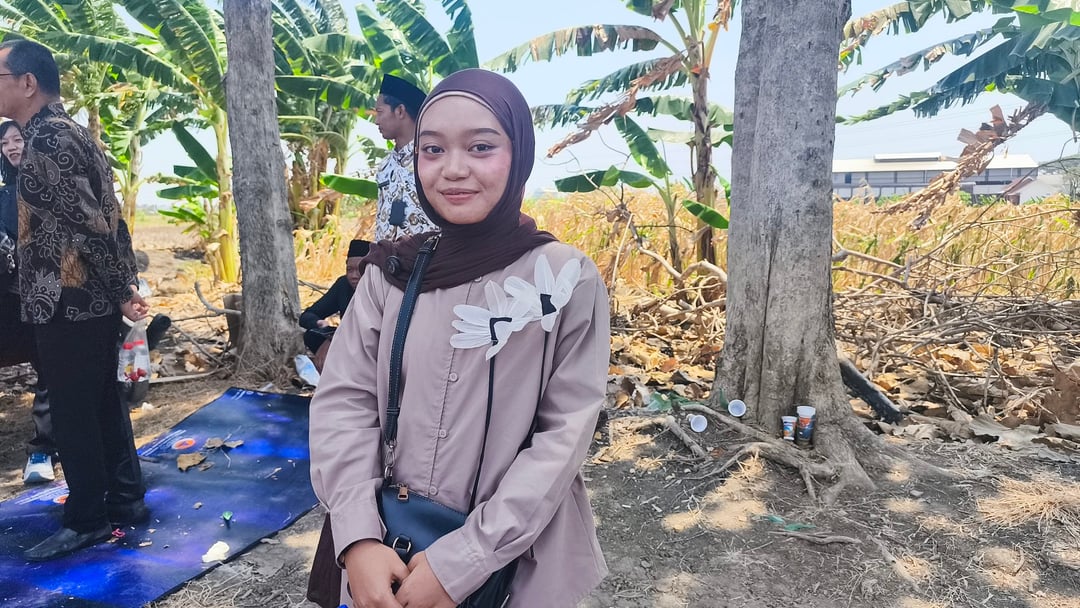
Septia did not attend with specific expectations regarding romance. She was more interested in observing the tradition, which she had previously only known through stories.
"I am not hoping for that, but I respect their beliefs and acknowledge that others may hold such faith," she said.
The event drew more than just local residents. Seven religious figures and representatives of various faiths participated in interfaith prayers as part of the event's activities.
The participants included Muhammad Fadlullah (Islam), Heri Kristianto (Christianity), Suparno (Buddhism), Nawanto (Hinduism), Father Walidi (Catholicism), Nurlan (indigenous faith), and Goei Tjwan Gie (Confucianism).
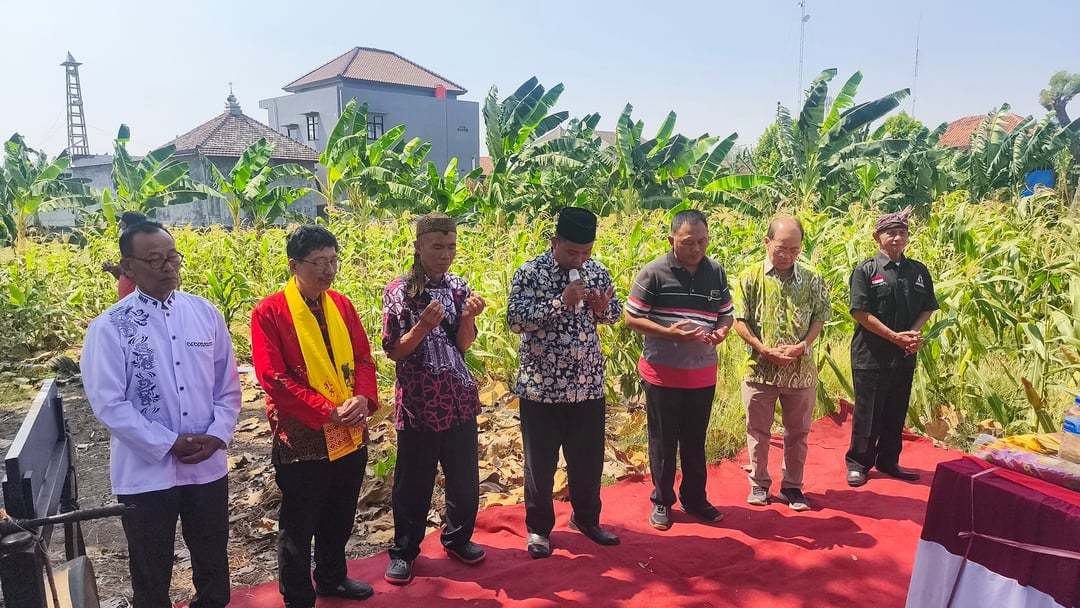
The head of the Kudus Regency Ministry of Religious Affairs, Shony Wardana, stated that their presence reflects the diversity of the Kudus community.
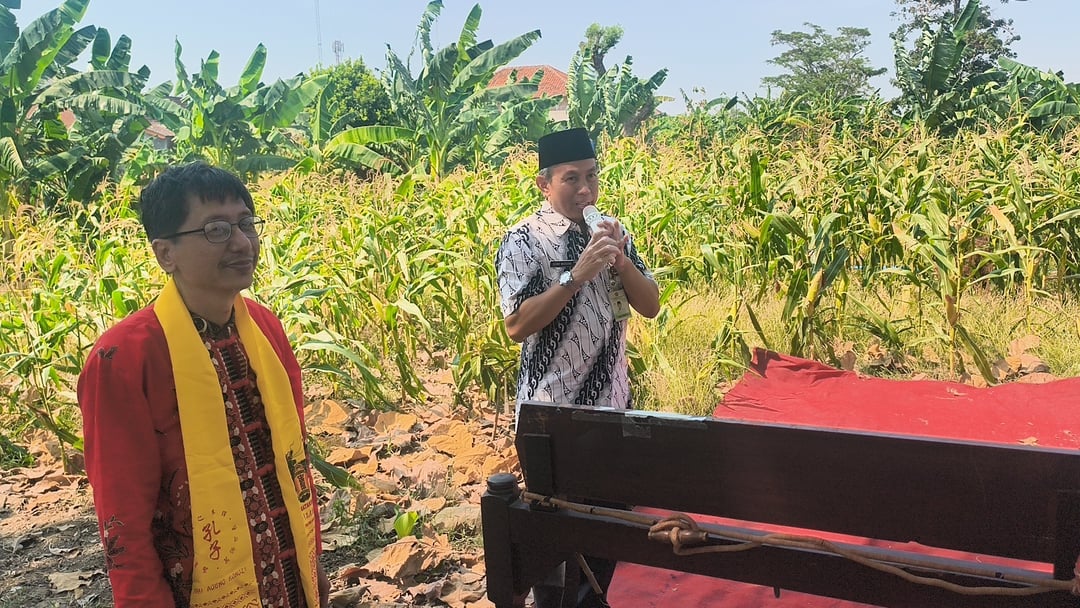
"In Kudus Regency, the diversity and harmony among all our citizens are evident. Whether Muslim, Christian, Catholic, Hindu, Buddhist, Confucian, or followers of indigenous faiths, everyone lives in harmony," he said.
The head of the Kudus National Unity and Politics Agency (Kesbangpol), Andrias Wahyu Adi Setiawan, affirmed the government's support for activities aimed at maintaining social harmony.
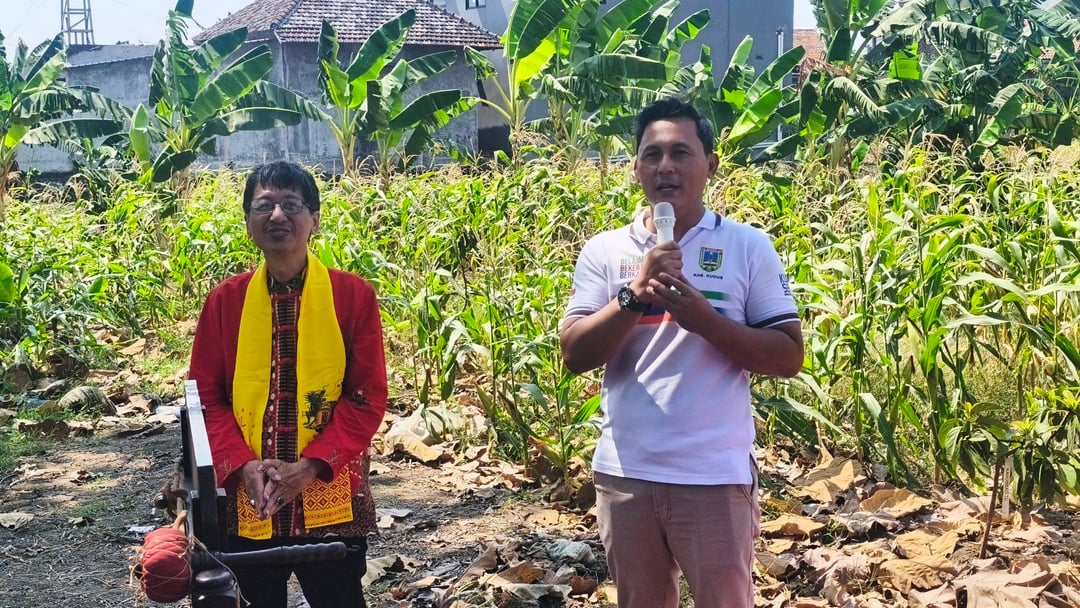
"The government supports all activities and events dedicated to maintaining harmony and preserving the integrity of the Unitary State of the Republic of Indonesia without discrimination. This aligns with our symbol, Bhinneka Tunggal Ika (Unity in Diversity)," he stated.
Sumarno's remarks at the start of the celebration illustrated how these relationships function at the village level. Residents do not only interact during interfaith prayers; they also collaborate as event committees, assist with the religious activities of other groups, or simply fulfill invitations from neighbors.
Etiquette for Visiting the Temple
The Hok Tik Bio Temple is open to the public for those interested in learning about the history and traditions of Tanjungkarang. However, as it is a place of worship, visitors are reminded to be mindful of proper conduct while on the premises.
Available visit information suggests general hours of 7:00 a.m. to 8:00 p.m. WIB. These are not official operating hours specifically published by the management.
Visitors wishing to enter the interior or take photographs, especially during worship services, should first seek permission from the caretakers or administrators.
Visitors are expected to dress modestly, neatly, and appropriately, in keeping with the temple's function as a place of worship.
Not all areas of the temple are accessible to visitors. If an area is restricted to the public, visitors must follow the instructions provided by the staff on-site.
Tanjungkarang is renowned for Lentog Tanjung, a local staple woven into the daily lives of its residents. In the same neighborhood, the Hok Tik Bio Temple preserves the legacy of the local Chinese community spanning hundreds of years, while traditions such as Tiong Ciu Pia continue to be observed today.
The Mooncake Festival brings these elements together in a single celebration. Lentog Tanjung is served, rituals are held at the site of the former temple, and residents from diverse religious backgrounds participate in the festivities.
This display of communal harmony has long been a part of daily life in Tanjungkarang. Traditions are upheld by those who observe them, while other residents support, assist, or simply engage with the cultural experience.
Ultimately, the history of Tanjungkarang resides not only in the surviving structures of the Hok Tik Bio Temple but also in the enduring traditions and the intercommunal bonds that flourish alongside them. (OEB/YSR/mainkekudus)