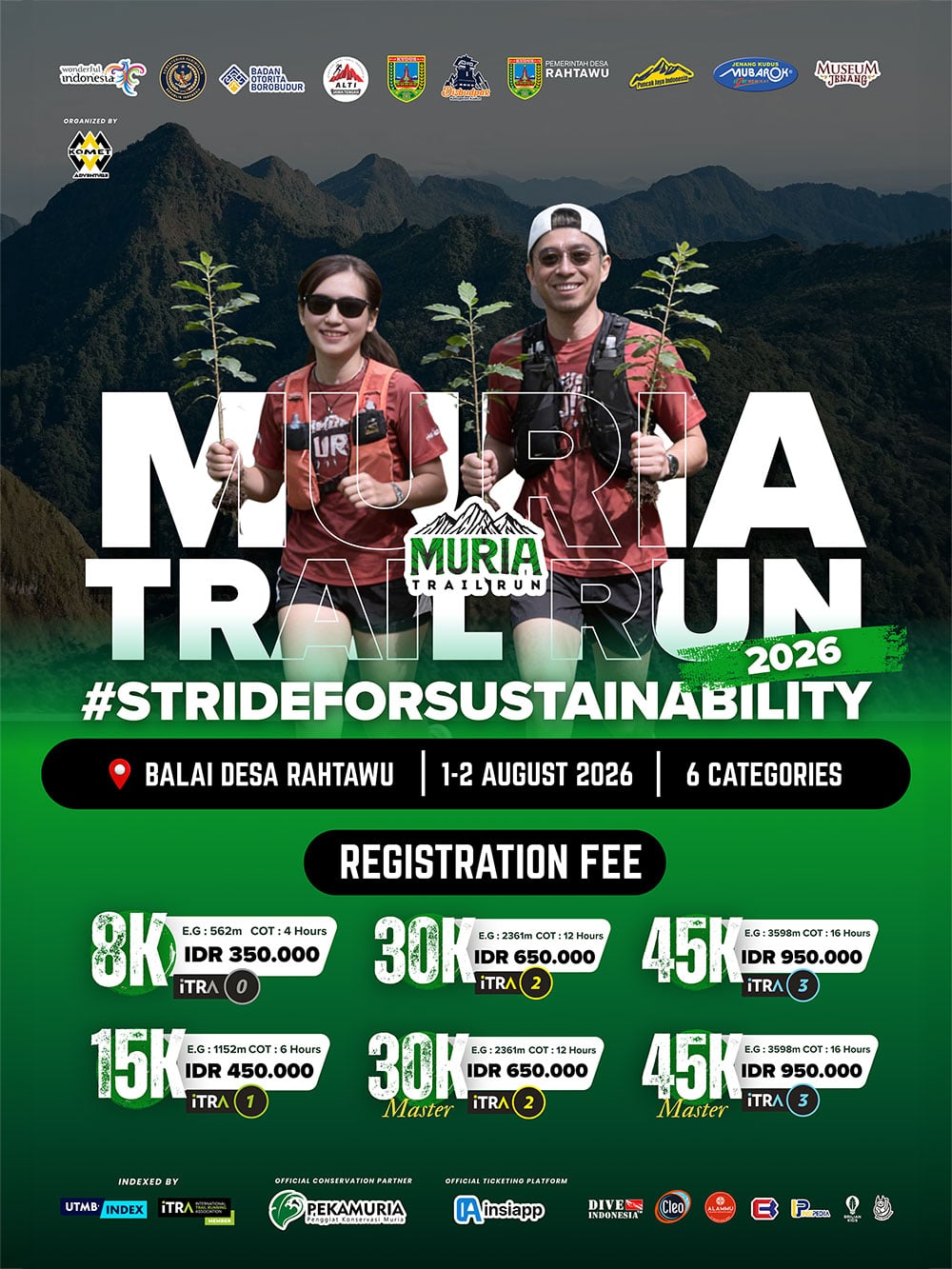
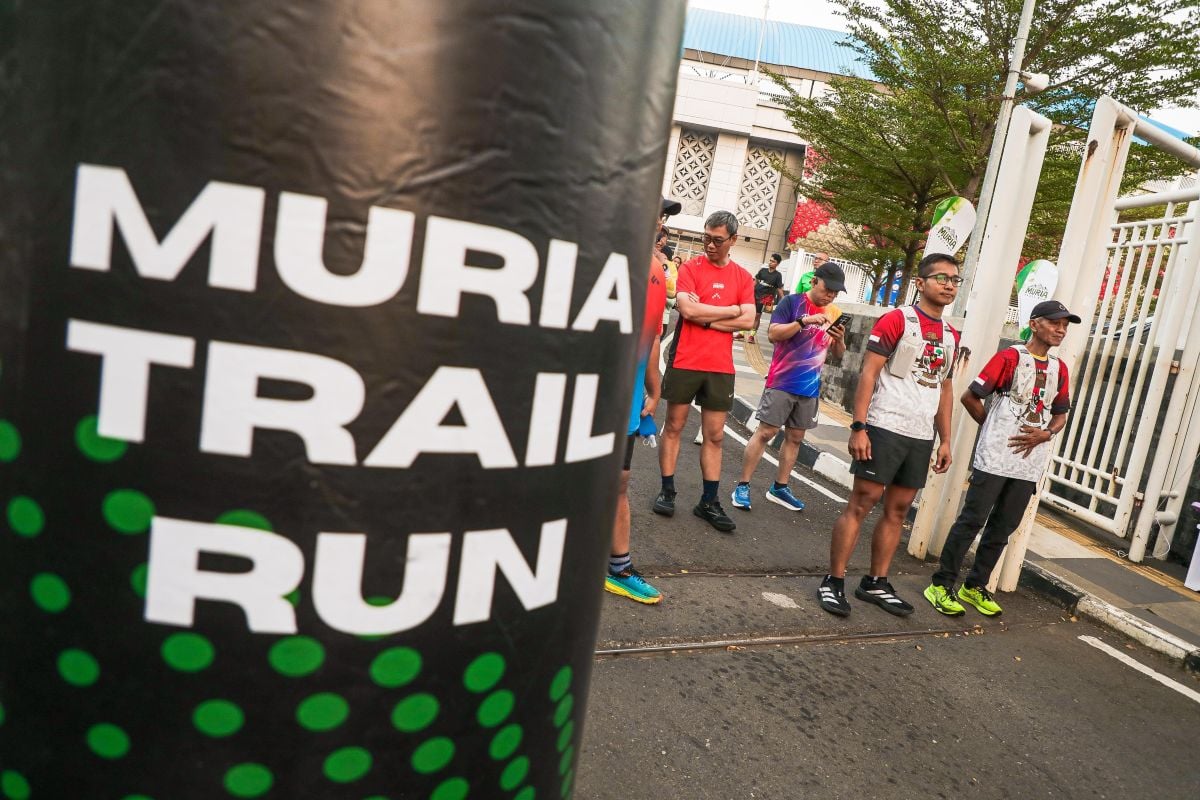
KUDUS – Hundreds of runners will traverse the slopes of Mount Muria from August 1–2, 2026, for the Muria Trail Run (MTR) 2026. Participants will navigate trails, dense forest terrain, steep inclines and descents, and some will even run through the night. For the competitors, the event is a test of physical and mental endurance. However, for the Indonesian Trail Running Association (ALTI) of Kudus, the Muria Trail Run serves a broader purpose beyond simply crowning the fastest finisher.
At least 450 runners are scheduled to participate in the 2026 Muria Trail Run in the Mount Muria region of Kudus Regency. Competitors will vie in four categories: the 8-kilometer (Watu Payung Fun Trail) designed for beginners; the 15-kilometer (Natas Angin Trail) for those seeking a mid-distance mountain challenge; the 30-kilometer (Sreni Trail) for experienced runners accustomed to long, technical off-road courses; and the 45-kilometer (Maha Muria Ultra Trail), the event's premier category, which tests physical stamina, mental resilience, and strategic planning on the trail.
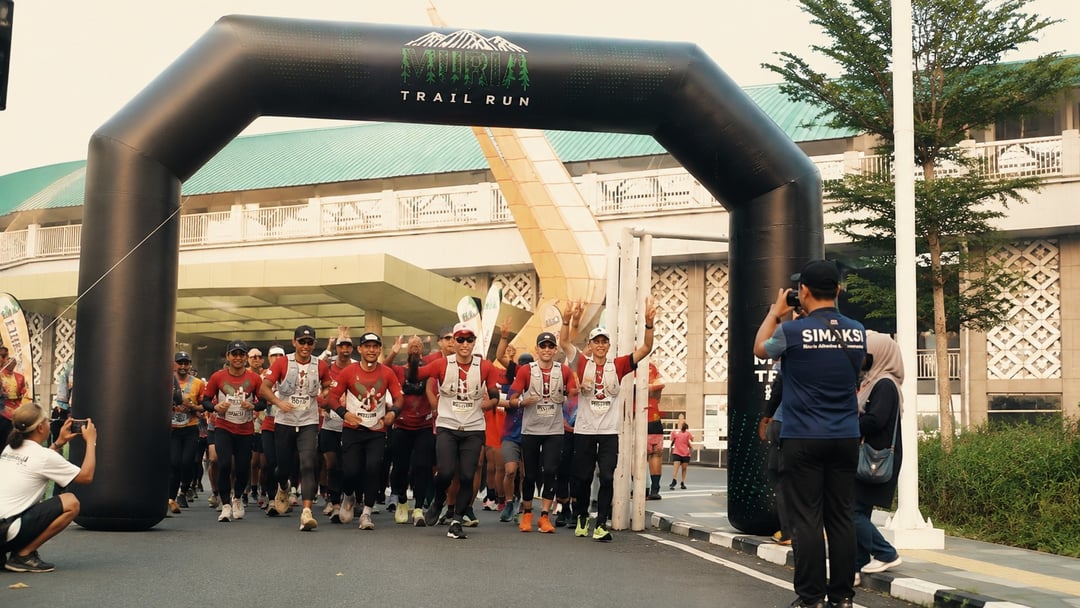
The organizers have also introduced 30K Master and 45K Master categories for participants aged 40 and over, allowing them to compete within their own age groups. The race will begin in stages based on the difficulty of each category. The 45K race is the first to launch on Saturday, August 1, 2026, at 10:00 PM, followed by the 30K category on Sunday, August 2, at 2:00 AM, the 15K at 5:00 AM, and the 8K at 6:00 AM.
This schedule is designed to ensure each participant can complete the course according to their category's requirements, while also supporting safety and operational management throughout the event.
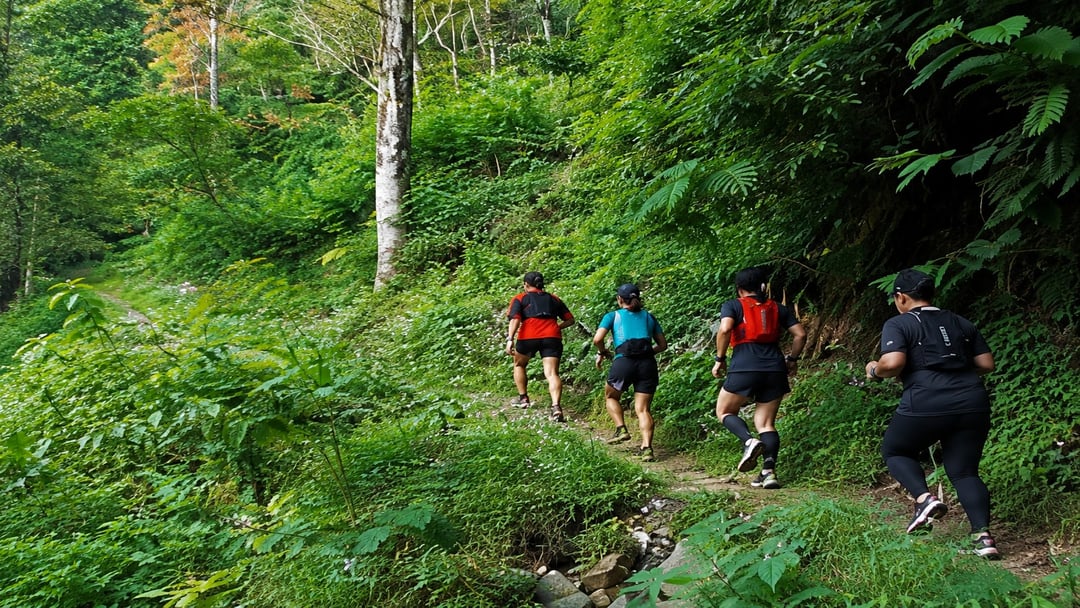
Unlike road running, which takes place on paved surfaces, trail running utilizes natural terrain, including mountain paths, forests, dirt, rocky ground, and footpaths. Beyond mere running ability, the sport requires participants to maintain balance, interpret terrain, manage energy levels, and adapt to changing weather conditions in the outdoors.
Each category has a Cut Off Time (COT), the maximum time limit set by organizers to complete the race. In the 2026 Muria Trail Run, the 8K category is allowed a maximum of four hours, 15K six hours, 30K 12 hours, and 45K 16 hours. Beyond the finish line time limit, the 30K and 45K categories also impose deadlines at various checkpoints or cut off points. If participants arrive past these designated times, organizers reserve the right to halt their progress, resulting in a did not finish (DNF) status, and they will be unable to continue the race.
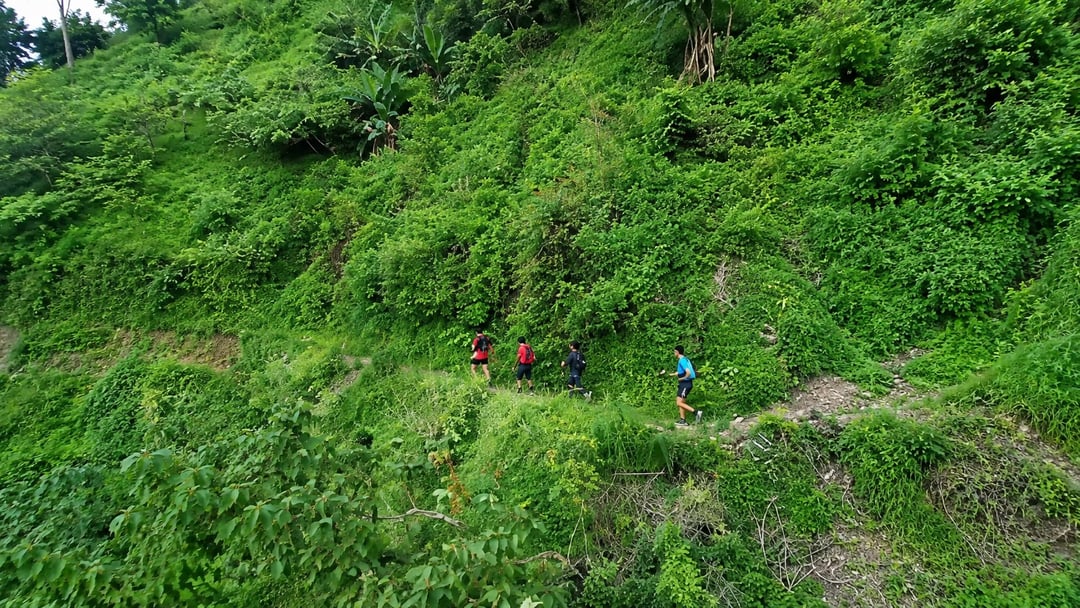
The COT policy is not merely a competition regulation but a safety measure to ensure all runners remain within a safe timeframe while navigating mountainous terrain. It also streamlines coordination for medical personnel, marshals, and rescue teams until the race concludes. These rules are part of a safety system necessary due to the rugged mountain terrain, rapidly changing weather, and more limited evacuation access compared to road races.
Entering its second year following the 2025 debut, the 2026 Muria Trail Run adopts the theme Eco-Green Sports Tourism through its #StrideForSustainability campaign. This concept integrates sport, tourism, and environmental stewardship, leveraging the Muria Mountains landscape as a race venue while showcasing the natural tourism potential of Kudus Regency.
Behind the Muria Trail Run, ALTI Kudus is on a mission to develop trail running as a sport in Kudus Regency. The organization overseeing the sport has resumed operations after a three-year hiatus.
ALTI Kudus Chairman Valian Hafid Jayvico, known as Jay, explained that while the organization was founded in March 2017, its activities had stalled due to a lack of leadership and active athletes.
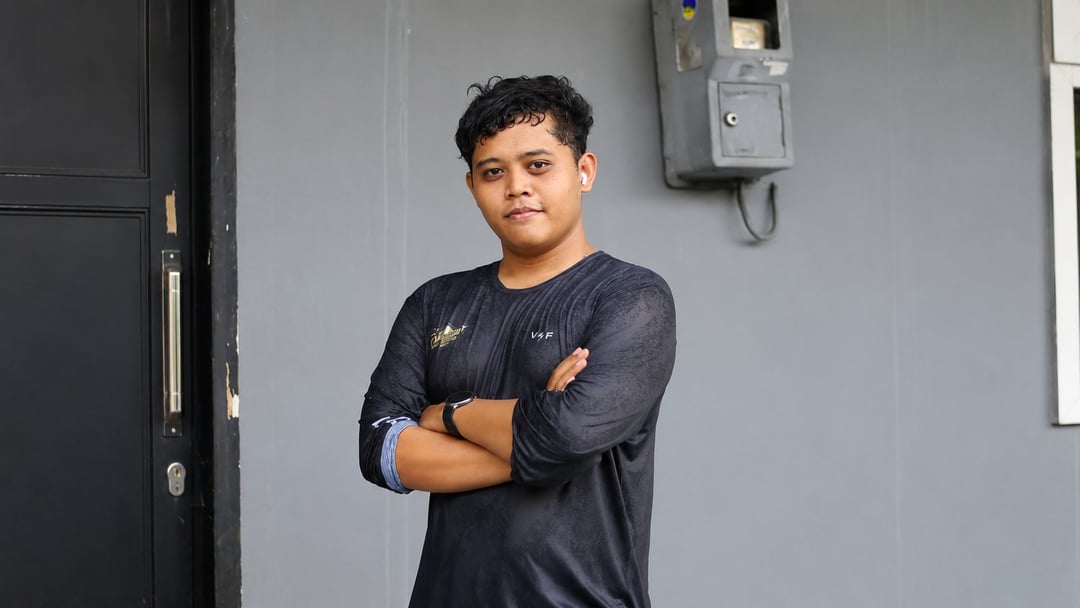
“ALTI Kudus has just become active again this year after a three-year vacuum. Coincidentally, trail running is starting to grow, so we are working to form new leadership and begin developmental training,” he said.
According to Jay, ALTI’s focus extends beyond supporting event organization. The group aims to build a sustainable athletic training system so that runners in Kudus no longer have to train independently without guidance.
He noted that while the potential for trail runners in Kudus is significant, many lack an understanding of proper training methods, which increases the risk of injury when tackling mountainous terrain.
“There is a great deal of potential among trail athletes in Kudus. The issue is that many of them train without proper structure. We want to provide guidance so they understand correct training techniques, nutrition management, and physical preparation before hitting the trails,” he said.
As an initial step, ALTI Kudus plans to hold athlete trials in August or September 2026 in preparation for regional championships. In the long term, this coaching program aims to produce athletes capable of competing at the national and international levels.
“We hope that athletes from Kudus can eventually reach the National Sports Week (PON) and one day compete at the Asian level,” said Jay.
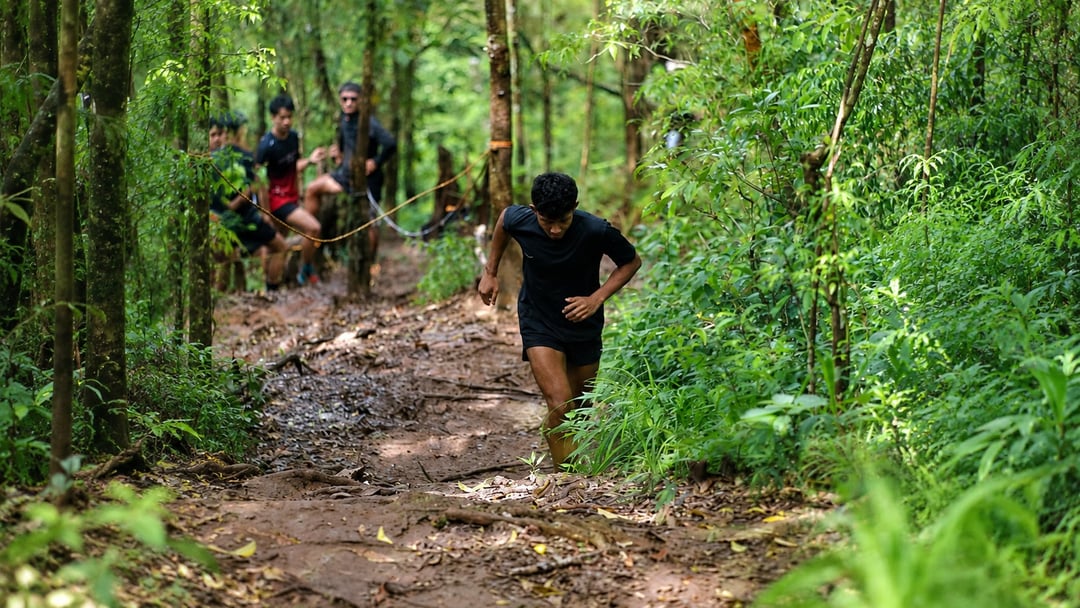
Mount Muria stands at an elevation of approximately 1,606 meters above sea level. Although not as high as other mountains on Java, its terrain presents a unique set of challenges for trail runners.
“Many underestimate Muria. They think it's easy because it's not very high. But once they try it themselves, they realize the terrain is grueling. Don't underestimate Muria,” Jay said.
According to Jay, the trail's difficulty is not determined solely by altitude. Frequent elevation changes, steep ascents and descents, narrow paths, exposed tree roots, rocks, and ground that becomes slippery in the rain are all challenges that participants must navigate.
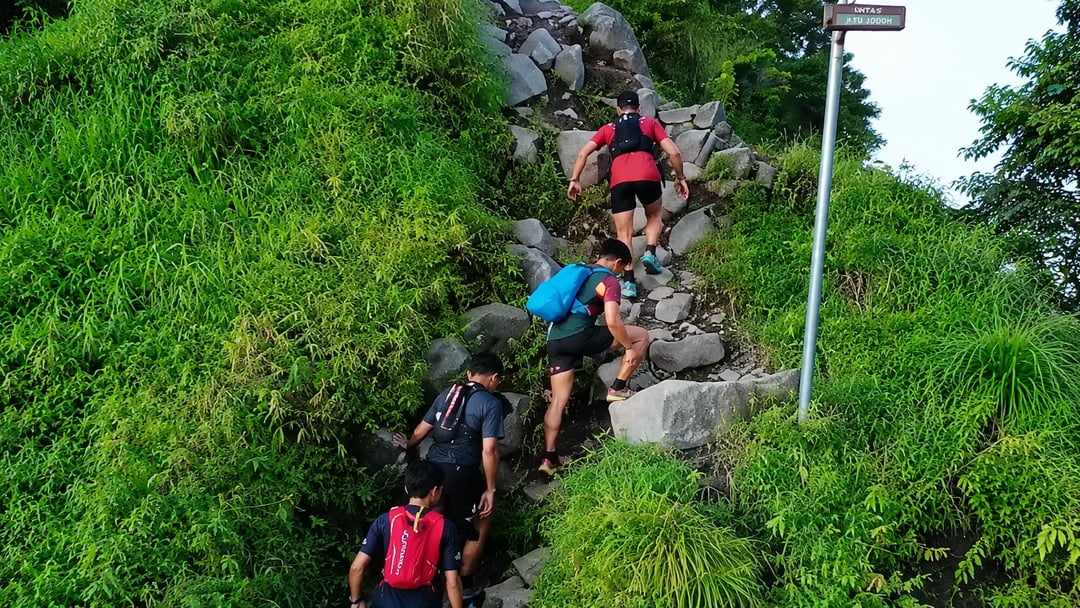
In the world of trail running, such conditions are known as technical trails, which require high levels of concentration, balance, precise footing, and the ability to pace oneself to safely overcome every obstacle.
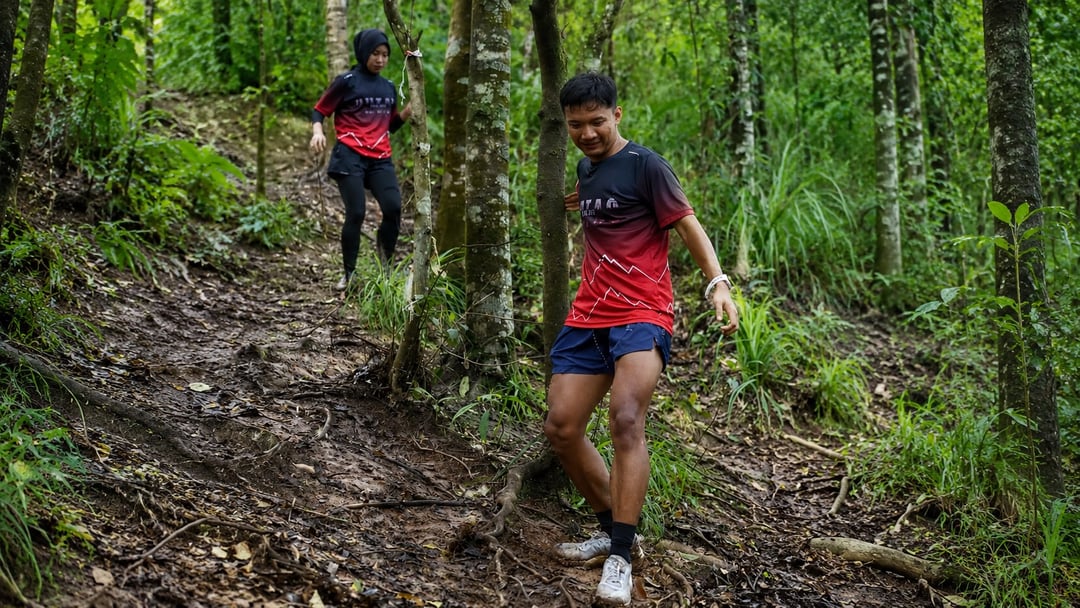
For this reason, safety is the top priority for organizers. Unlike road races that are easily accessible by vehicle, trail running events require careful planning for access to remote locations deep in mountainous areas.
According to Jay, one of the biggest challenges is positioning water stations, checkpoints, medical teams, and rescue personnel. Water stations serve as supply points for drinking water and light snacks to help participants maintain hydration and energy during the race. Meanwhile, checkpoints serve as registration points for monitoring progress and ensuring every runner stays on the designated course.
“Accessing mountainous terrain is difficult. We must carefully plan the placement of water stations, checkpoints, medical teams, and rescue units. Risks such as hypothermia and accidents must be anticipated,” he explained.
Hypothermia is a condition where body temperature drops below normal levels due to prolonged exposure to cold. This risk is a primary concern as weather in mountainous regions can change rapidly. Meanwhile, rescue teams are on standby to provide assistance and conduct evacuations if participants suffer injuries, become lost, or encounter emergencies along the course.
Additionally, staff are stationed at key junctions and critical points to ensure runners remain on the race route.
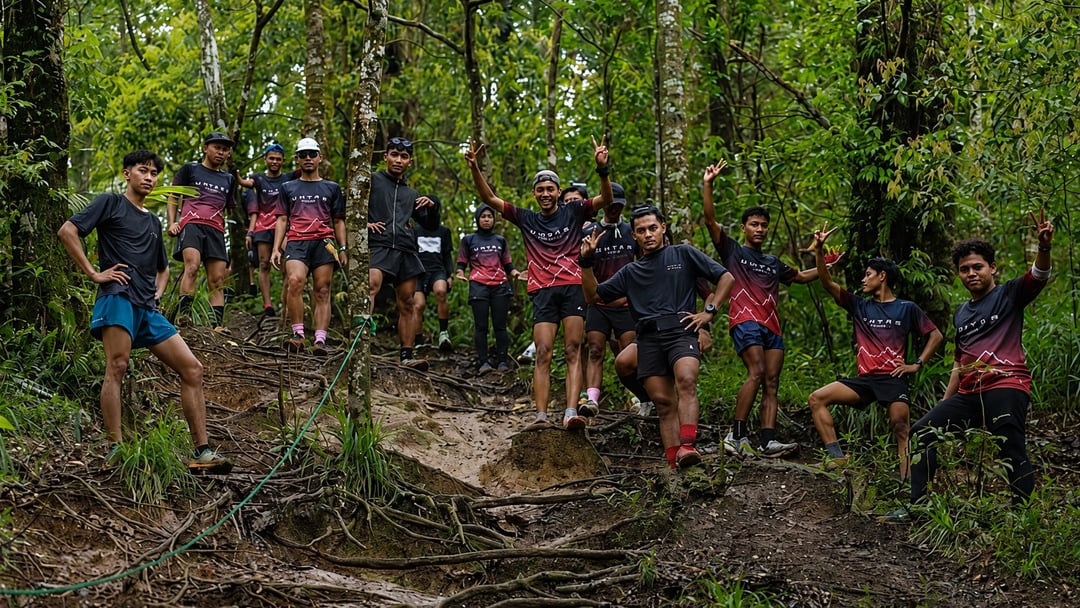
The passion for growing trail running is also shared by Muhammad Yusron, an ALTI Kudus member who will make his debut at this year's Muria Trail Run.
Before exploring trail running, Yusron was a dedicated road runner. His interest in cross-country running began in December 2025 when a friend invited him to run in the mountains. Unlike road running, which takes place on asphalt, concrete, or relatively flat stadium tracks, trail running utilizes natural paths such as mountain trails, forests, dirt, rocks, tree roots, and footpaths.
These differences impose varying physical demands. Road runners focus on maintaining pace, stride efficiency, and improving finish times on stable surfaces. Trail running, however, requires a more diverse skill set, ranging from balance and total leg strength to energy management during the constant fluctuations of inclines and declines.

The character of the terrain also influences equipment choices. Road runners generally prefer shoes with softer cushioning, lighter weight, and flat soles for comfort on hard surfaces. Conversely, trail runners require specialized footwear with thicker treads or lugs to provide traction on soil, rocks, and slippery paths. Because of this, trail running tests not just speed, but also the ability to adapt to ever-changing natural conditions during the race.
“I started as a road runner. When a friend invited me to the mountains, I found it enjoyable. Eventually, I got hooked and started participating in trail events,” he said.
For Yusron, the natural environment is the primary reason he keeps returning to mountain trails. Beyond providing a unique running experience, the natural terrain offers new challenges that are not found on paved roads.
“Road running scenery is often repetitive. In the mountains, the atmosphere is fresher, the views are beautiful, and I also make many new friends,” he said.
For the 2026 Muria Trail Run, Yusron chose the 30-kilometer category. Although this is his first trail race, he remains realistic, aiming primarily to finish the competition healthy and injury-free.
“The most important thing is finishing safely, healthy, and without injury, and if possible, placing in the top 10,” he said with a smile.
Preparation began well before race day. Twice a week, he undergoes road run training to build endurance, ensuring he can maintain performance during long-duration activities. Meanwhile, weekends are dedicated to practicing directly on mountain trails to help his body acclimate to elevation changes, trail characteristics, and the technical terrain that defines trail running.
According to him, one of the most challenging segments is the path from Natas Angin to Sreni.
“The trail is narrow, only wide enough for one person. There is a ravine on the side and the terrain is highly technical. That is one of the most challenging sections,” he explained.
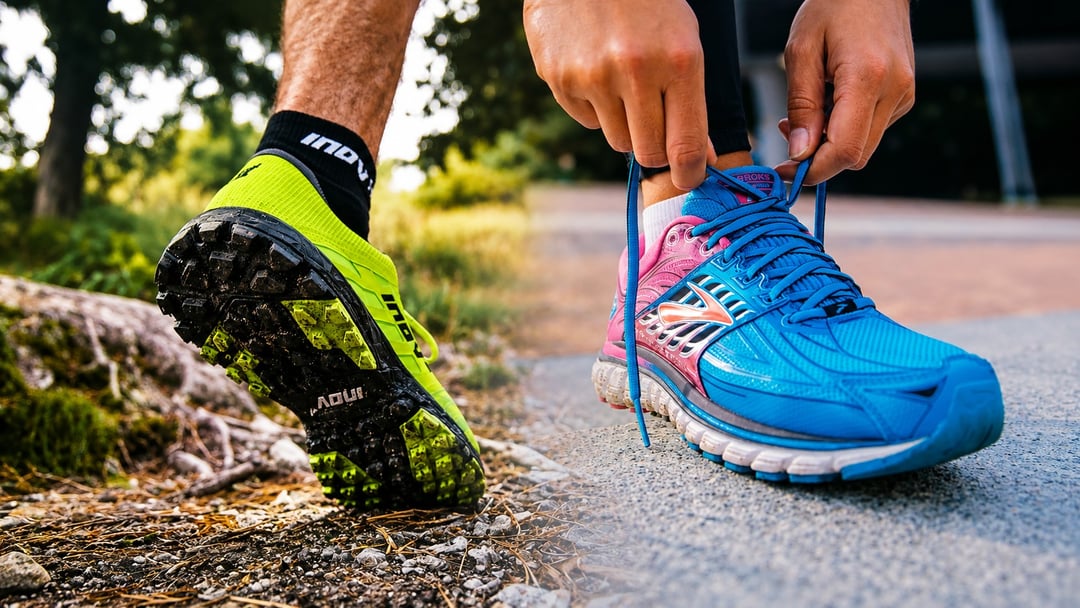
Switching from road run to trail running involves more than just changing surfaces; it requires adjusting equipment. For readers unfamiliar with the distinction, road running and trail running shoes are engineered with different characteristics to suit specific terrain. The variance in path surfaces—ranging from asphalt to mountain trails filled with soil, rocks, and tree roots—necessitates shoes with specialized designs, traction, and protection to ensure comfort and safety.
Road run shoes are designed for flat, hard surfaces like asphalt or concrete. Consequently, their outsoles are flatter and smoother to ensure efficient movement on paved roads. The uppers generally feature lightweight, breathable mesh fabric to keep feet comfortable during extended runs. The cushioning is also designed to be softer to absorb repetitive impacts on hard surfaces.

Conversely, trail running shoes are developed for diverse natural paths, including soil, rocks, tree roots, and mud. The outsoles feature deeper, rugged treads (lugs) for traction on slippery surfaces. The material is more durable and usually incorporates additional toe protection to reduce the risk of injury from rocks or roots. Their construction is more robust to provide stability on uneven or slanted terrain, helping to mitigate injury risks when navigating mountain trails.
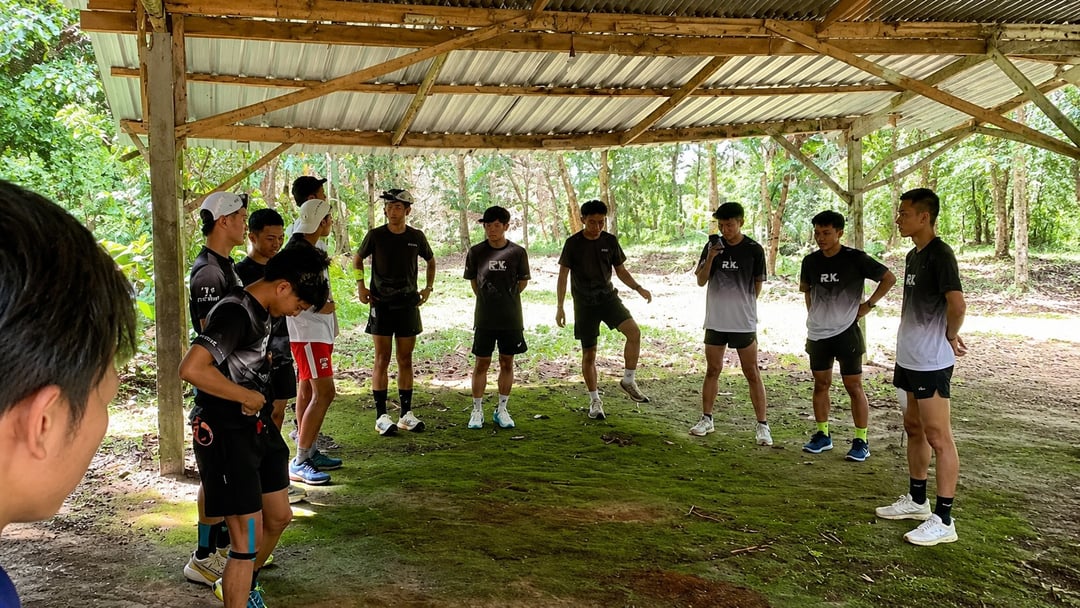
Both Jay and Yusron agree that trail running requires more than just basic running skills. Physical preparation, technique, and an understanding of natural terrain are critical components before entering a race.
Yusron advises novice runners to build an endurance foundation before focusing on speed.
“Build endurance first. Get accustomed to long-duration runs, and train regularly on mountainous terrain so the body adapts to the environment. Once the foundation is solid, then you can move on to speed training,” he explained.
Jay added that strength training is necessary to condition leg muscles and core stability, which helps minimize injury risk when navigating steep climbs and descents. Additionally, runners must manage their nutrition carefully, as water stations are often spaced far apart.
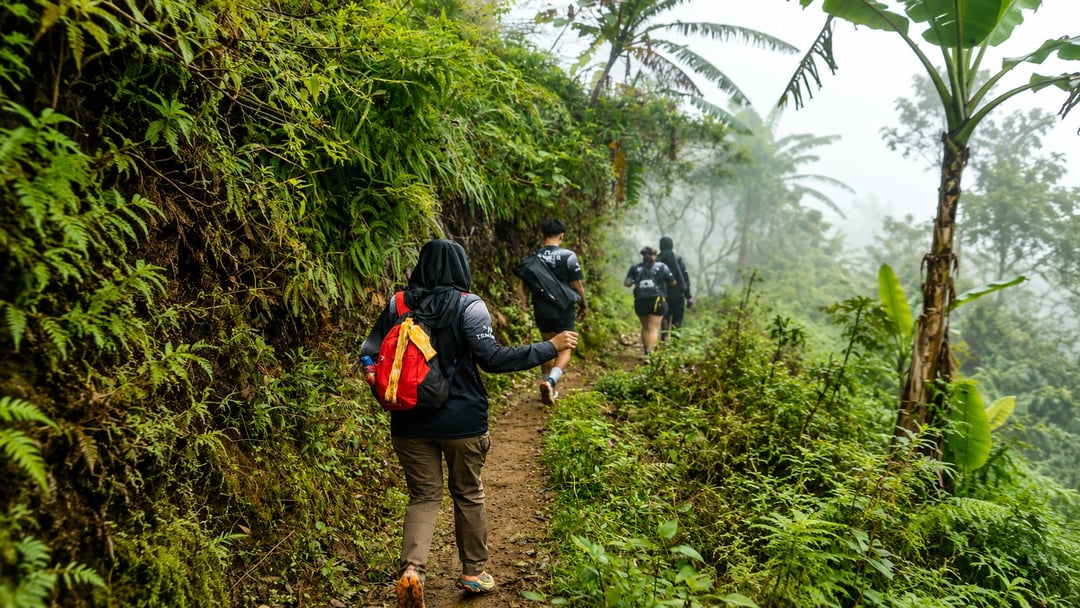
Navigation skills are equally important. Even when trails are clearly marked, participants must possess basic orientation skills to stay on course.
“First, know your own limits. Then, master trail techniques, maintain a consistent strength training routine, plan your nutrition given the distance between water stations, and ensure you remain proficient in navigation,” he stated.
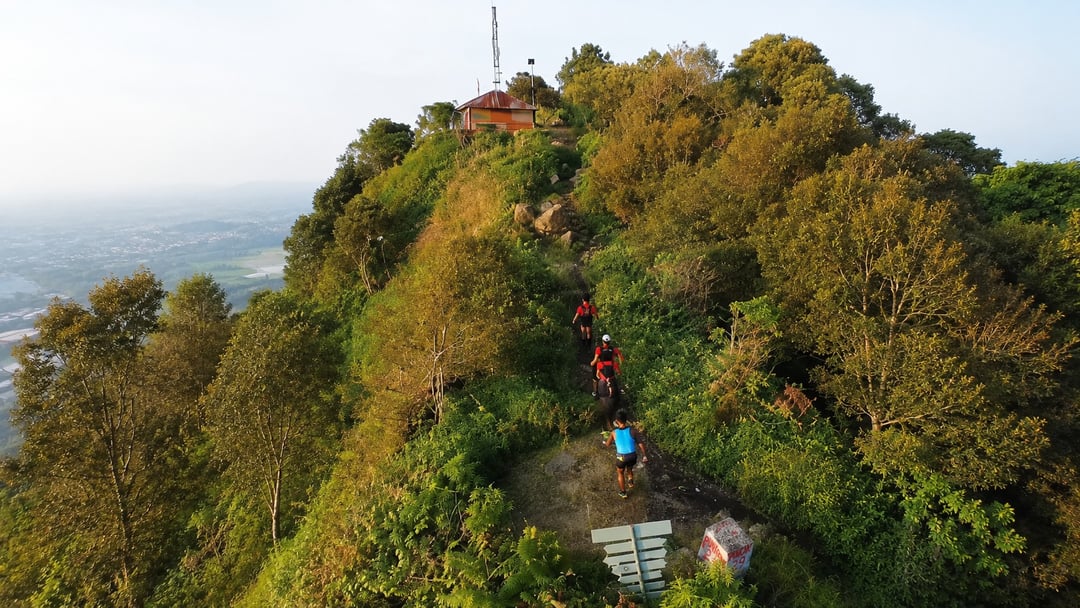
For ALTI Kudus, building a sustainable trail running ecosystem extends beyond hosting races. Their efforts include athlete development, educating the public on safe trail running techniques, improving training standards, and organizing regular, high-quality competitions.
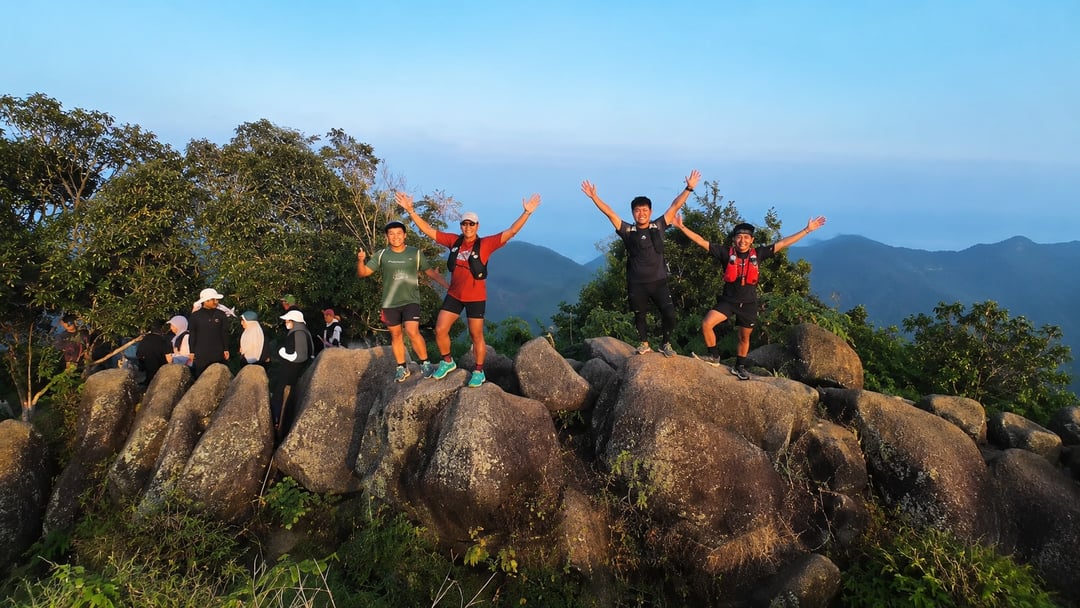
As hundreds of runners take to the trails of Mount Muria this coming August, more than just finish times will be at stake. Behind the Muria Trail Run, ALTI Kudus is establishing a development foundation intended to cultivate new trail running talent in Kudus Regency, while simultaneously showcasing the character of Mount Muria to the public through sports. (OEB/mainkekudus)