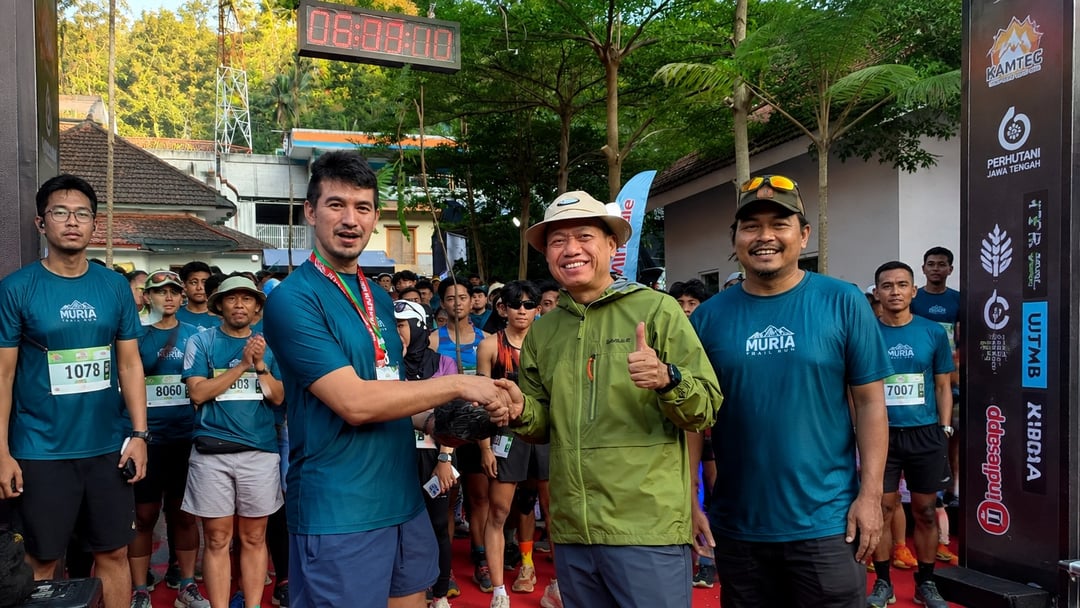
KUDUS – On the morning of Saturday, August 1, 2026, the Rahtawu Village Hall in Gebog, Kudus, bustled with participants arriving from across Indonesia. Before hitting the starting line or tackling the steep inclines of Mount Muria, the first day of the Muria Trail Run 2026 served as a gathering point for runners, villagers, volunteers, and organizers.
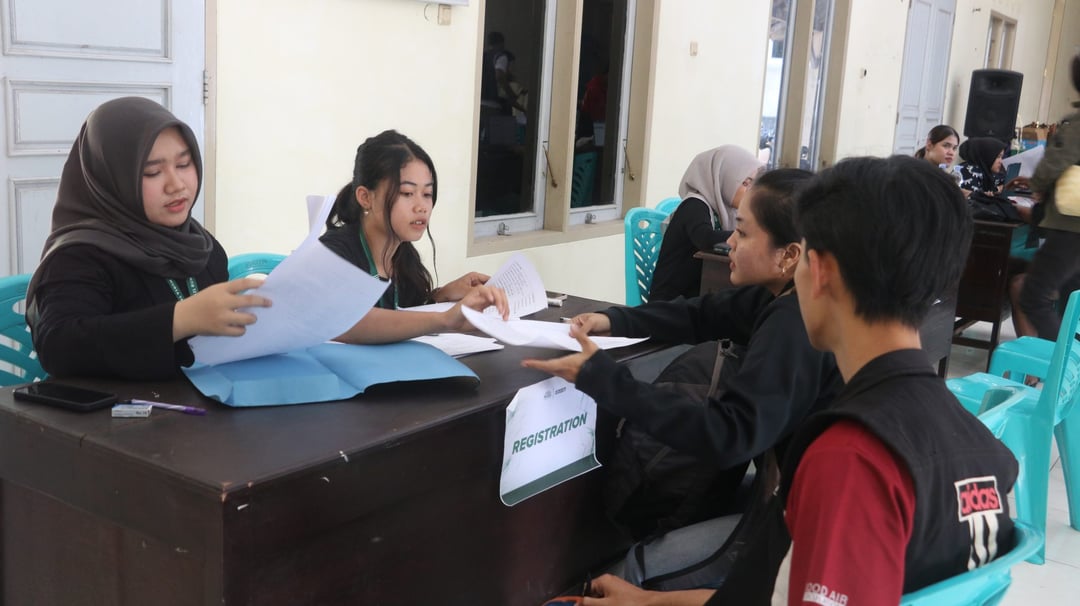
At the registration area, participants exchanged race packs, verified mandatory gear, and shared stories. Many had traveled thousands of kilometers from Makassar, Batam, and Kalimantan. While some runners were newcomers to Muria, others returned after experiencing the terrain during the inaugural 2025 event. The presence of international participants from Colombia and Vietnam underscores the growing recognition of Mount Muria among global trail runners.
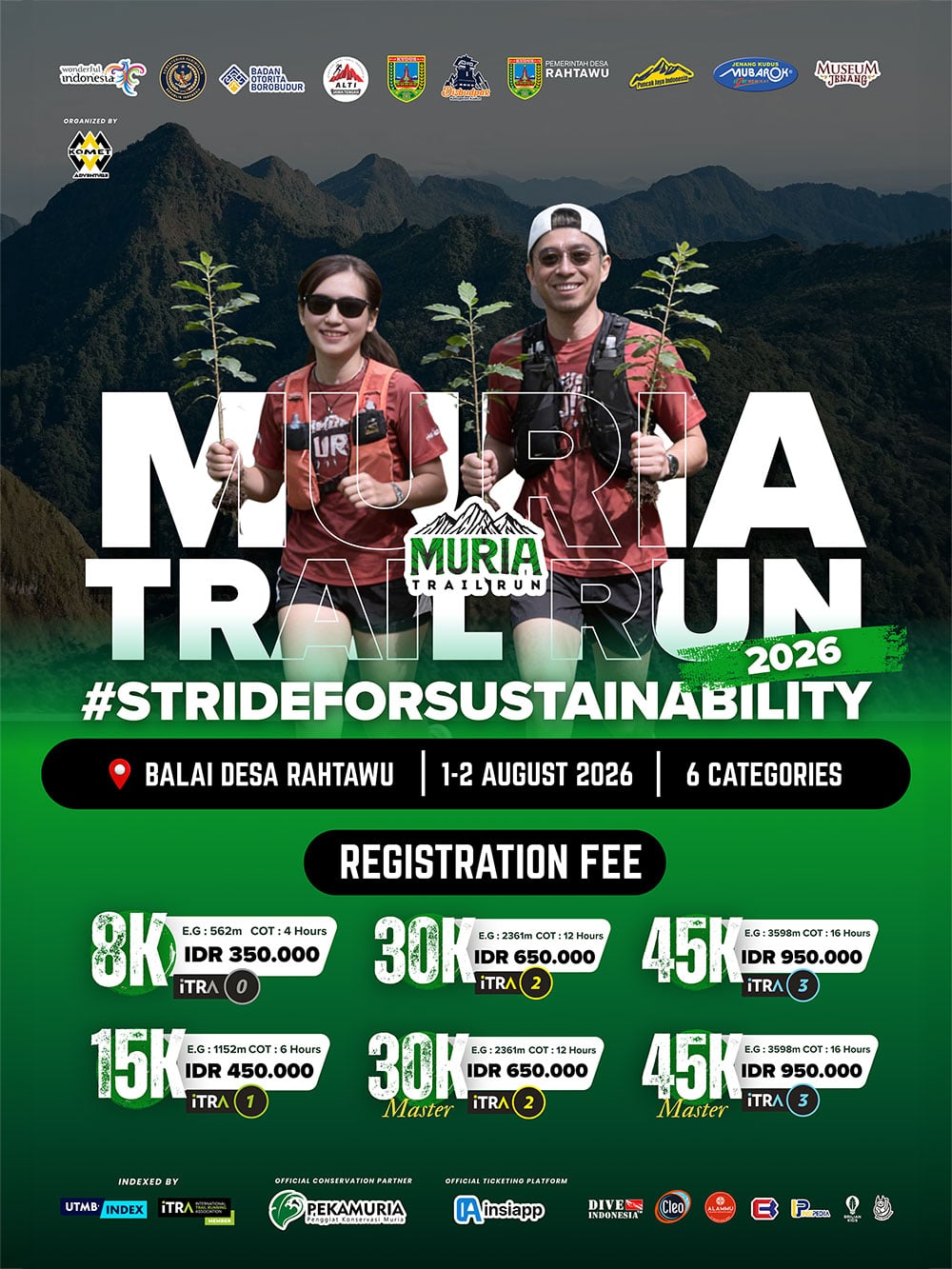
A total of 478 participants joined the Muria Trail Run 2026, held from August 1-2 in Rahtawu Village, Gebog, Kudus. The event featured four categories: the 8km Watu Payung (Fun Trail), 15km Natas Angin (Trail), 30km Sreni (Trail), and 45km Maha Muria (Ultra Trail). Organizers also included 30K Master and 45K Master categories for runners aged 40 and older. Each category is tailored to different skill levels, from the beginner-friendly Watu Payung 8K and intermediate Natas Angin 15K to the technical Sreni 30K and the demanding Maha Muria 45K for experienced ultra-trail runners.
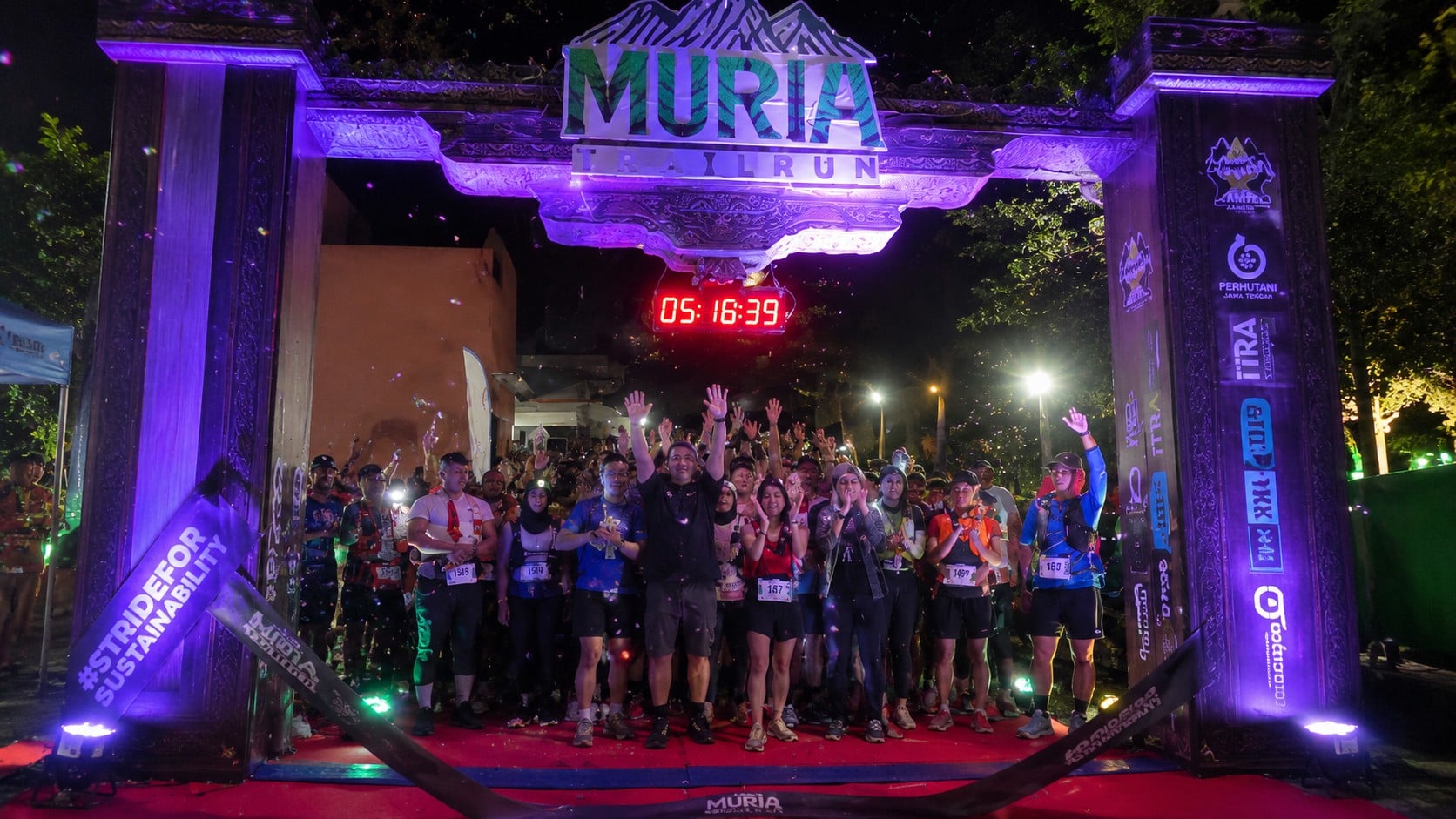
All races started and finished at the Rahtawu Village Hall. The 45km category kicked off on Saturday at 10:00 p.m. with a 16-hour cutoff time. Subsequent start times included the 30km race on Sunday at 2:00 a.m. (12-hour cutoff), the 15km race at 5:00 a.m. (six-hour cutoff), and the 8km race at 6:00 a.m. (four-hour cutoff). The courses vary in difficulty, challenging runners with elevation gains and demanding physical endurance, terrain navigation, and pacing strategy.
In its second year, the Muria Trail Run embraces an Eco-Green Sports Tourism concept under the theme Stride for Sustainability. This initiative integrates the outdoor running experience with community empowerment and environmental stewardship within the Muria mountain range.
The impact was visible from the start, as the Rahtawu Village Hall became a hub of activity. Villagers assisted with registration, local youth served as marshals, residents hosted out-of-town guests, and local eateries and cafes thrived as they served the influx of participants and their families.
Muria Trail Run 2026 Race Director Irwandani emphasized that community involvement is central to the event. He noted that the goal is for participants to experience not only the trails of Mount Muria but also the local culture of the communities living around it.
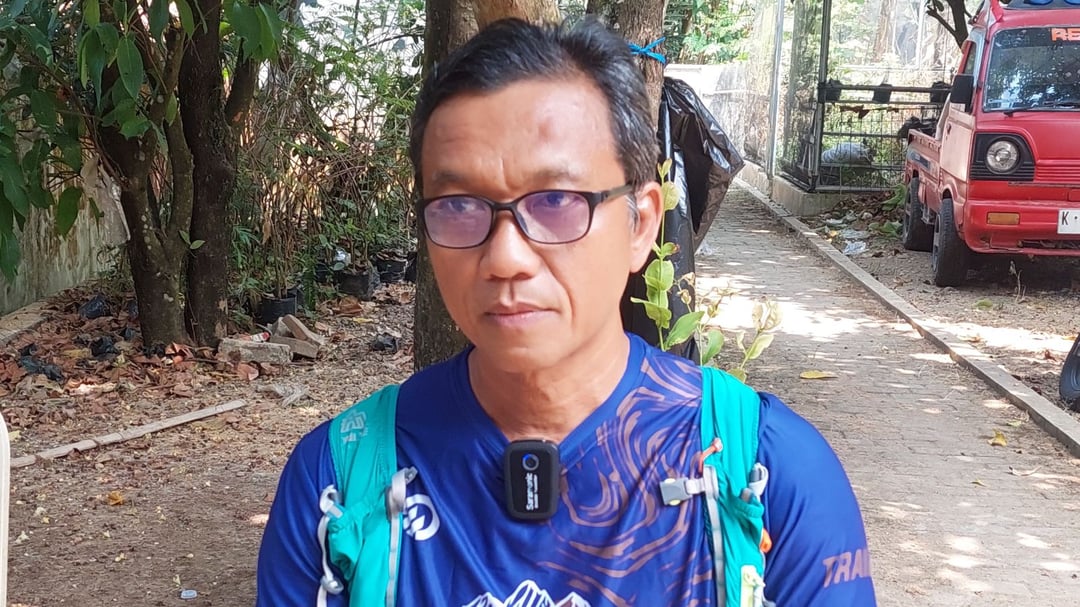
“We strive to ensure everyone involved is from the local community. Vendors, water station staff, and even the venue concept are tailored to the culture of Rahtawu Village. We want participants to truly feel that the Muria Trail Run is an integral part of Rahtawu and Kudus,” he said.
For him, the Muria Trail Run is more than just an annual sports event. Organizers aimed to create an initiative that provides space for the local community to participate directly while benefiting economically from the arrival of hundreds of runners.
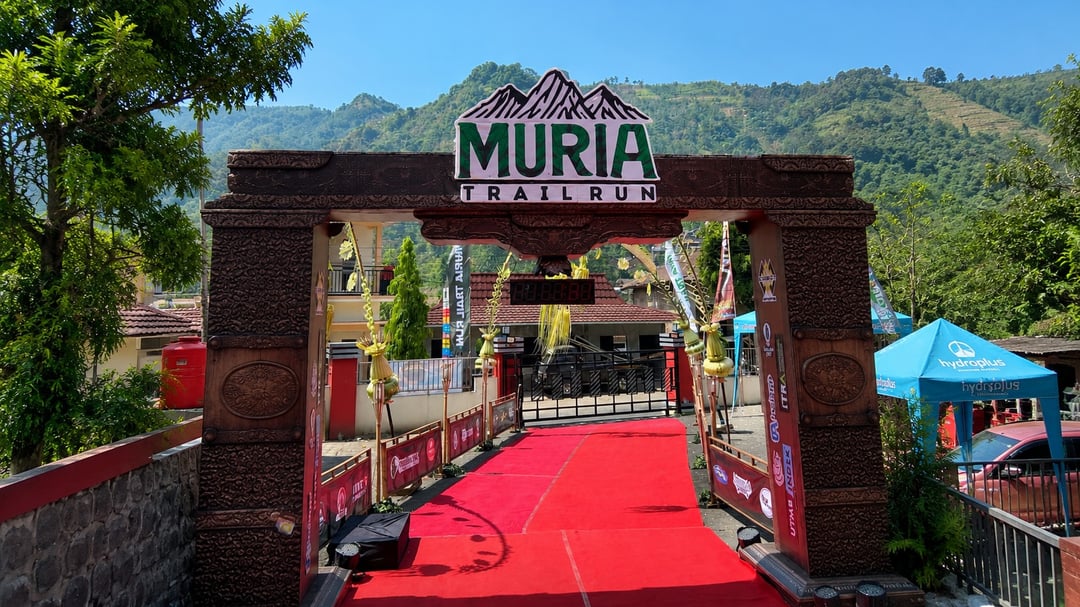
Course preparation began well before the race day. The final route inspection took place approximately three weeks prior to the event, while route marking was conducted over three consecutive days to ensure participants could navigate the path safely.
The Muria Trail Run course leads runners through coffee plantations, footpaths, natural rock formations, and steep inclines, including the iconic Watu Payung and Natas Angin areas of Mount Muria. In several high-difficulty sections, organizers installed safety ropes to assist participants in navigating the technical terrain.
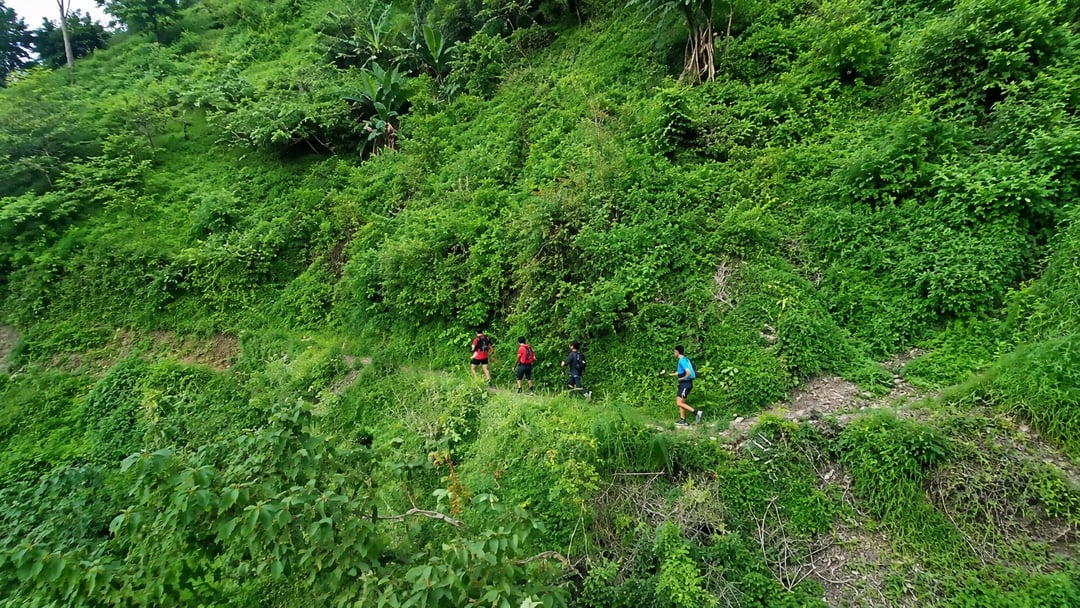
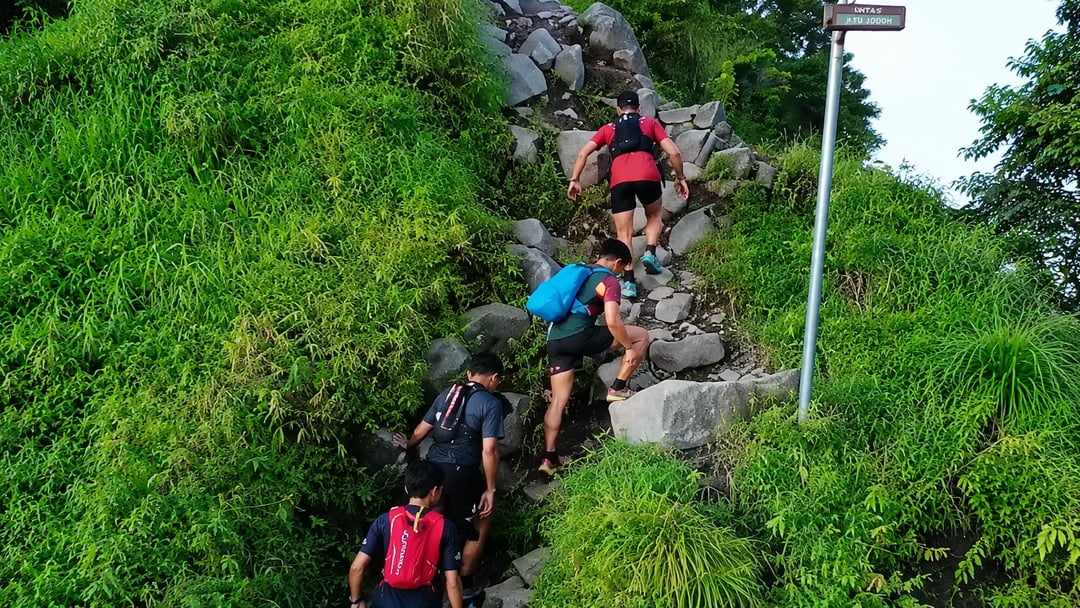
Irwandani explained that the organizers intentionally preserved the natural character of the trail. He noted that the majority of the course utilizes dirt paths and mountain trails to maintain an authentic trail running experience in Muria.
“Muria's character is truly varied. We have tried to reduce the use of paved concrete, opting instead for dirt, stone, and natural paths so that the trail running experience feels genuine,” he said.
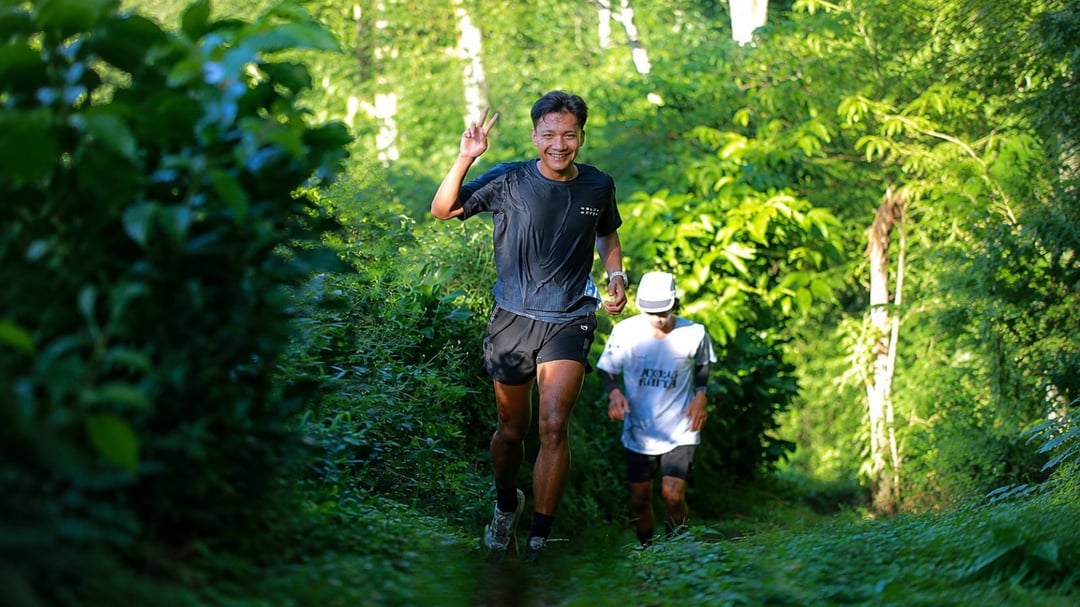
Environmental commitment is a core focus of this year's Muria Trail Run. Through the theme Stride for Sustainability, organizers are linking participant involvement directly to reforestation efforts in the Mount Muria region.
Each runner who completes the race requirements will have a tree planted in their name by the organizers. Participants will receive location details for their trees, allowing them to monitor their growth when they return for future editions of the event.
This initiative represents one of the organizers' efforts to balance sports activities with the conservation of the terrain used for the race.
For Desi Rahayuningsih, a runner from Cirebon and the 2025 Muria Trail Run women's champion, the main appeal of the race lies in the character of its trails. In her five years of trail running, she says she has always enjoyed the challenges that combine physical endurance with technical navigation.
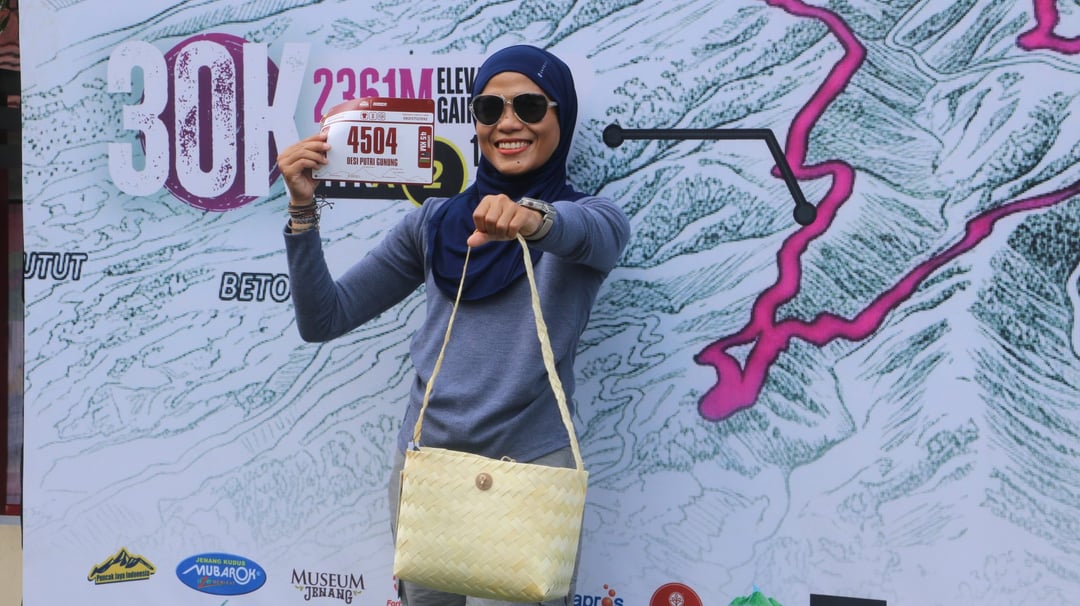
According to Desi, the Mount Muria trails possess a distinct profile compared to other routes she has encountered.
“Mount Muria is highly technical. The trail is like a dragon, winding along the ridges. Looking back, the shape really resembles a dragon. That is what sets Muria apart from other mountains,” she remarked.
To prepare for these challenges, Desi maintains a consistent fitness routine in the gym, trail training at least twice a week, and long runs of approximately 15 kilometers. She considers physical preparation and nutritional management essential requirements before heading out onto the mountain trails.
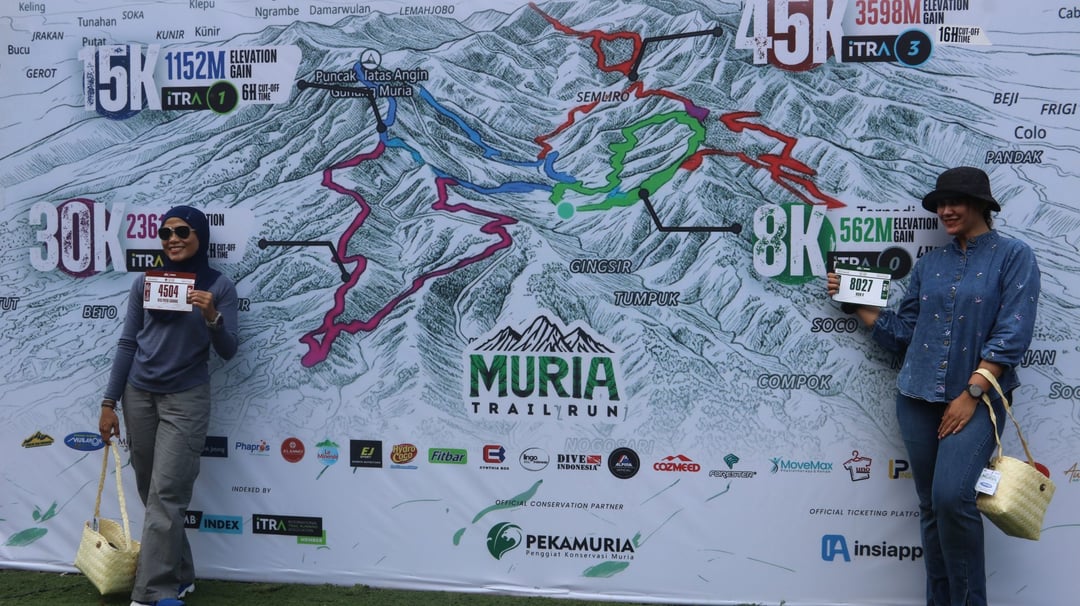
“You must train properly. Nutrition is also critical because this is no ordinary mountain,” he said.
He also observed that the popularity of trail running in Indonesia continues to rise. Events now routinely attract hundreds to thousands of participants from across the country, while simultaneously showcasing new destinations through sports.
A different spirit drives Arief Hartawan, a Kudus-based participant joining the Muria Trail Run for the first time. For him, racing in his hometown is an opportunity to help promote Kudus' natural tourism potential to participants visiting from other regions.
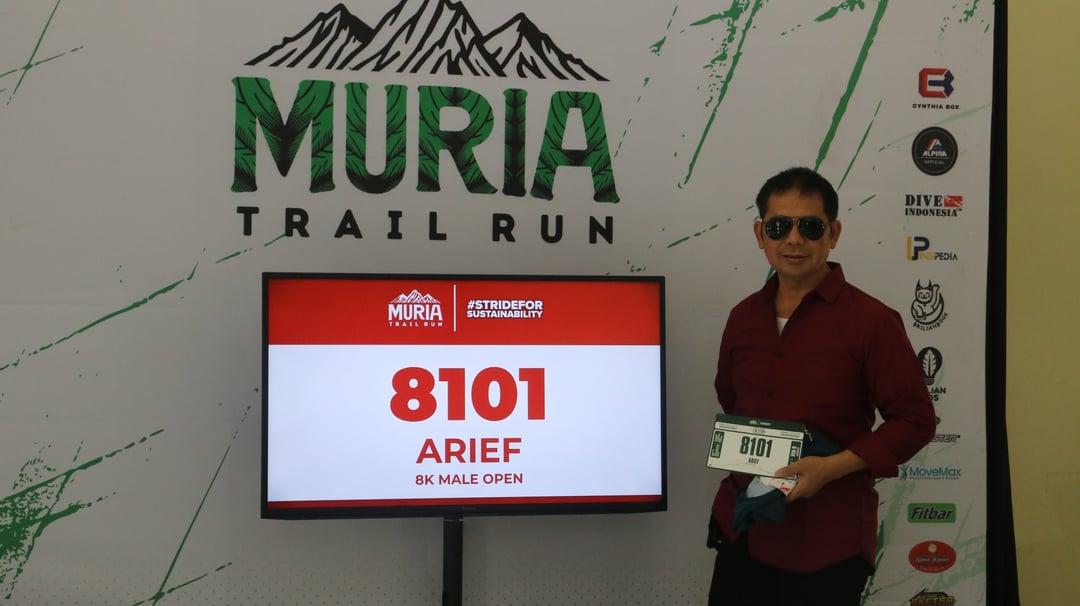
“I want to participate in the Muria Trail Run to help Kudus tourism become more widely known. Hopefully, it will attract more visitors,” he said.
Arief noted that while he is familiar with the Mount Muria area, this marks his first experience with the official Muria Trail Run course. He anticipates that this year's dry season will present challenges, including hotter weather, requiring runners to pace themselves carefully from the start.
Leading up to the race, he has focused on maintaining his fitness through regular exercise. According to Arief, anyone interested in trail running must build physical endurance before tackling mountainous routes.
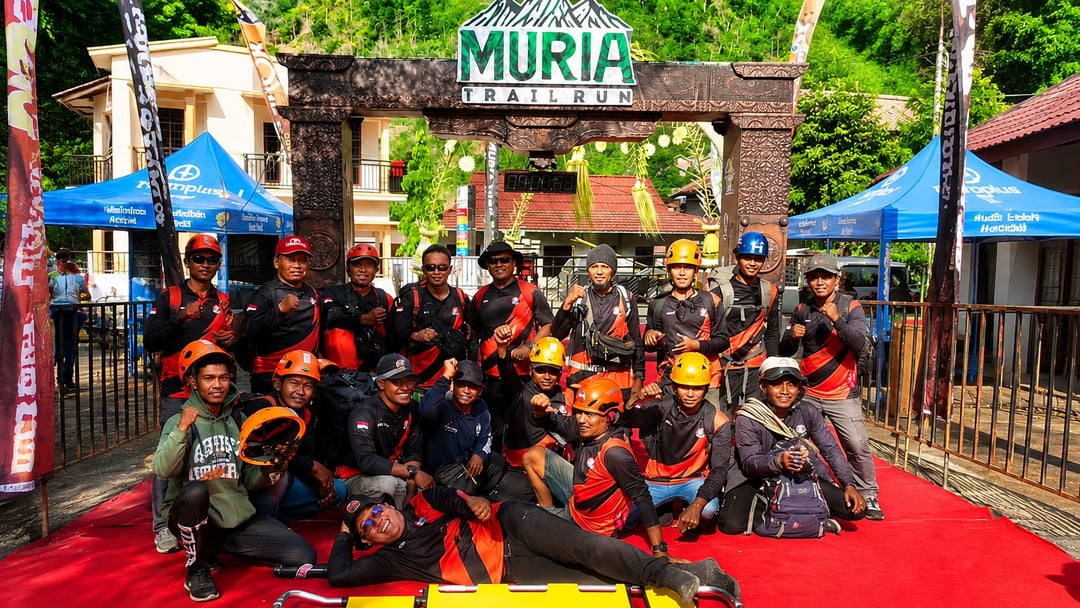
The activity surrounding the Muria Trail Run extends well beyond the registration desk and the racecourse. Behind the scenes, dozens of local volunteers work to ensure the safety of the entire event. They serve as course marshals, facilitate communication between checkpoints, and remain on standby to assist participants in need.
Among them is Suharno, a Rahtawu native who has long been involved in community events. He believes that hosting the Muria Trail Run has brought tangible benefits to the local population.
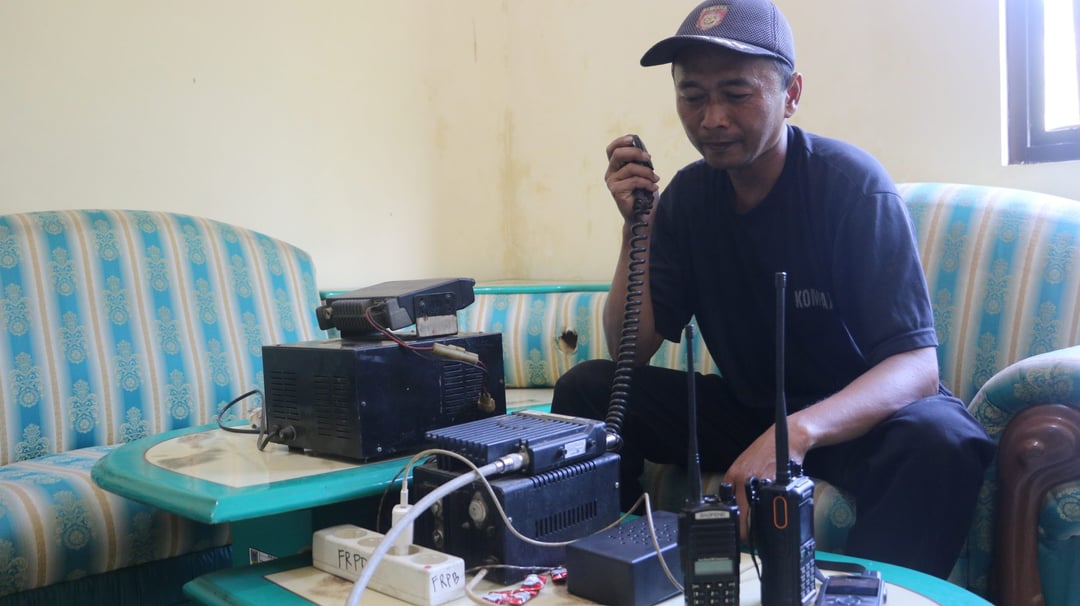
“The village has become quite busy. Many homes are being used for lodging, and the local youth are helping to monitor the trails. The economic impact on the community has been positive,” he said.
Beyond the economic benefits, Suharno believes the involvement of village youth in the event provides valuable experience. They are not only being introduced to the world of trail running but are also learning to collaborate on a national-scale event.
As a volunteer, he remains constantly on alert. His radio is always active to monitor the condition of participants at various points along the trail. If reports emerge of a runner facing difficulties or sustaining an injury, volunteers are dispatched immediately to the location.
“The most important thing is that all participants remain safe. That is our top priority,” he stated.
The first day of the Muria Trail Run did not feature the final dash to the finish line. However, from the registration process to the preparations ahead of the 45-kilometer category start on Saturday night, it was evident that the event engaged far more than just the competing runners.
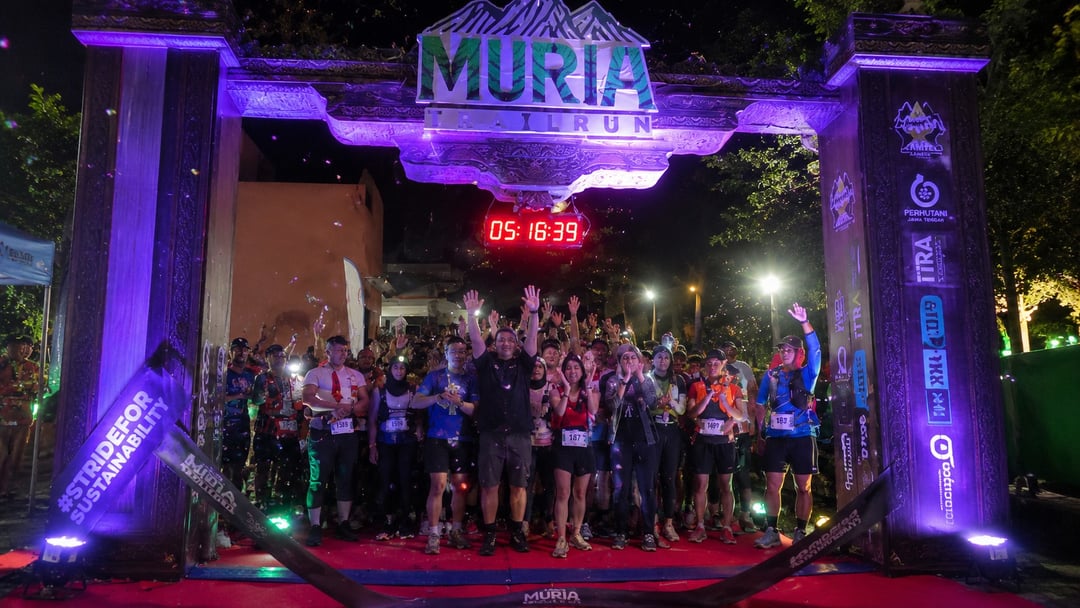
Participants arrived to take on the challenge of Mount Muria. The Rahtawu community opened their homes as lodging, energized local stalls, and participated as organizers and volunteers. Simultaneously, event organizers linked sports with conservation efforts through tree-planting programs and the utilization of local resources.
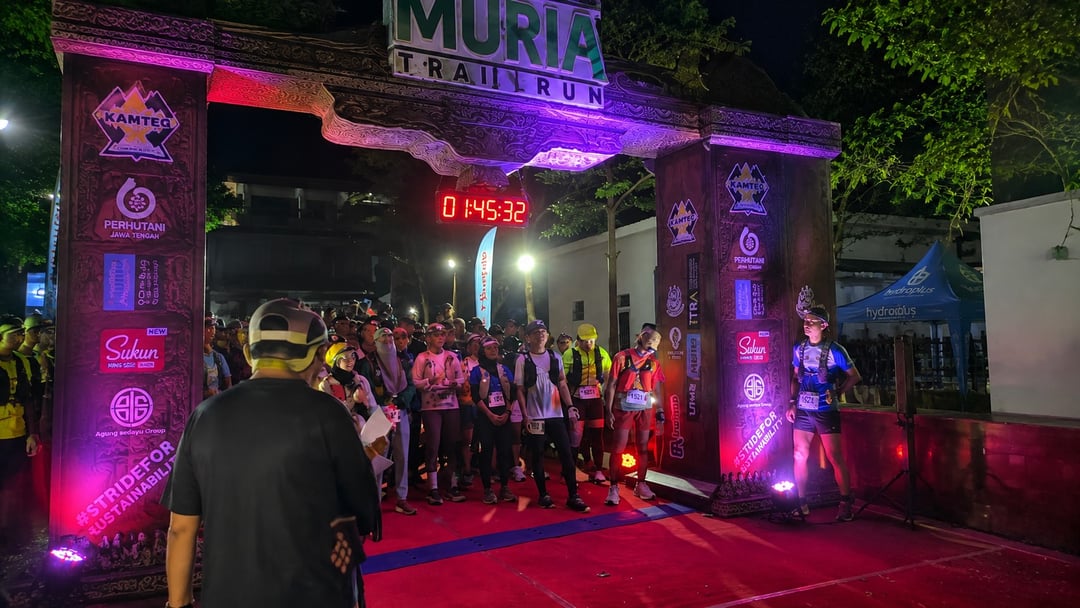
As night fell over Rahtawu and the headlamps of the 45-kilometer runners began to light up, the 2026 Muria Trail Run officially commenced. Before the first steps were taken on the Mount Muria trails, the opening day had already demonstrated that a trail running event can serve as a meeting point for sports, the local community, the environment, and a shared commitment to preserving the Muria Mountains for future generations. (FZ/mainkekudus)