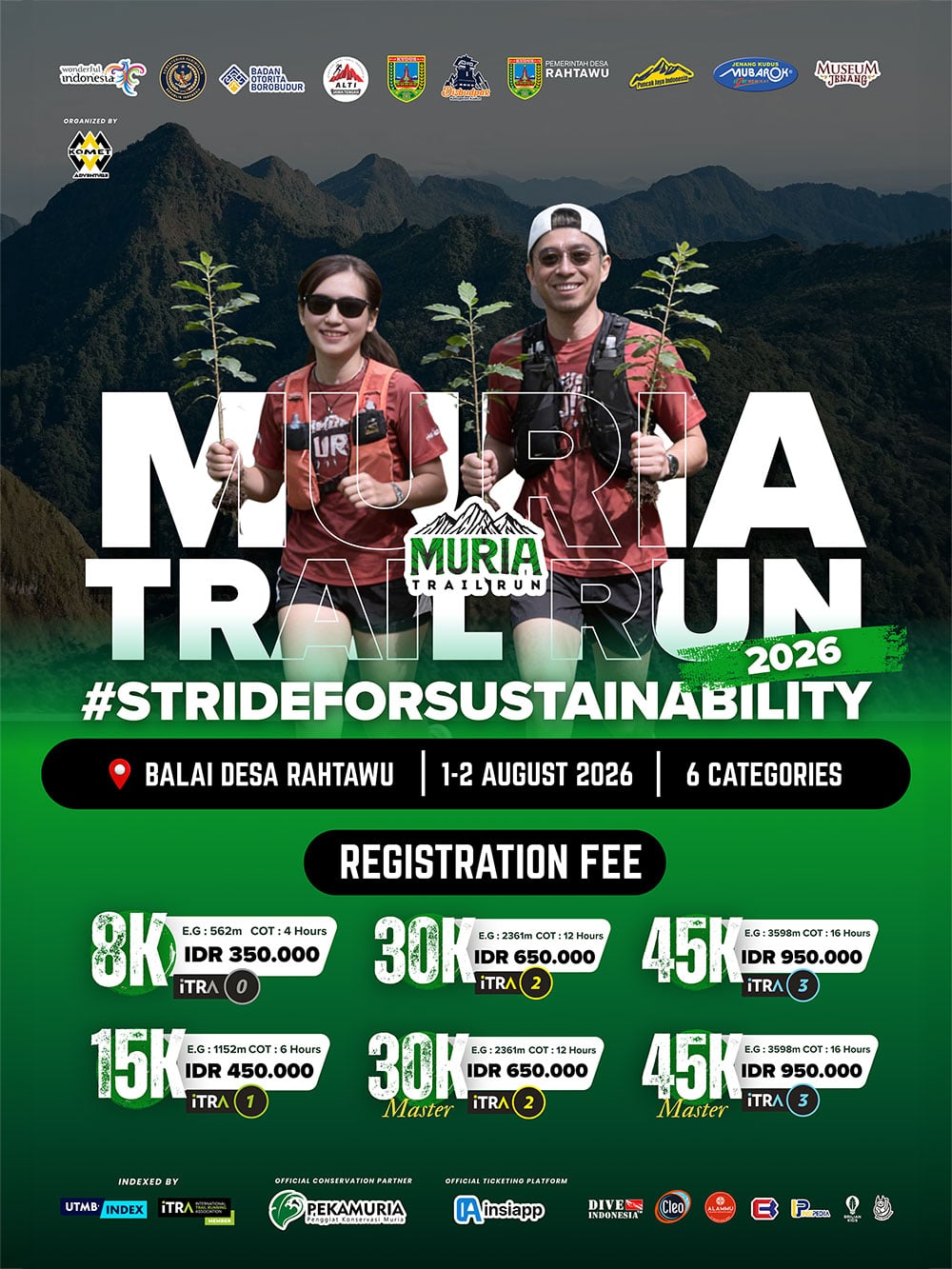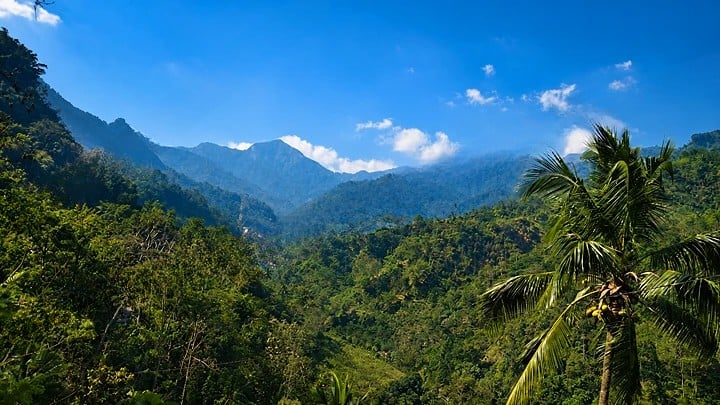
Kudus – The morning mist blanketing Rahtawu Village, Gebog District, Kudus Regency, consistently creates a unique atmosphere for those arriving at the slopes of Mount Muria. The dirt trails, pine forests, plantations, and the series of peaks surrounding the area have long been a destination for nature enthusiasts and a part of the local community’s daily life.
On August 1–2, 2026, this landscape will host the Muria Trail Run 2026. However, this year’s event goes beyond a standard trail competition. Organizers have intentionally designed the race to commemorate the 477th anniversary of Kudus Regency, blending sports, culture, environmental conservation, and local community involvement.
This concept ensures the Muria Trail Run transcends a mere sporting agenda, with the entire program structured to immerse participants in the unique character of Mount Muria, local traditions, and the lifestyles of the surrounding community.
In its second edition, the Muria Trail Run introduces a distinct theme modeled after a traditional village celebration.
Muria Trail Run 2026 Race Director Irwandani noted that the event area will be designed to evoke a festival atmosphere. The Rahtawu Village Hall will serve as the hub, adorned with bamboo decorations, traditional ornaments, and "gunungan jenang"—a display of the regional delicacy that serves as a hallmark of Kudus culinary identity.
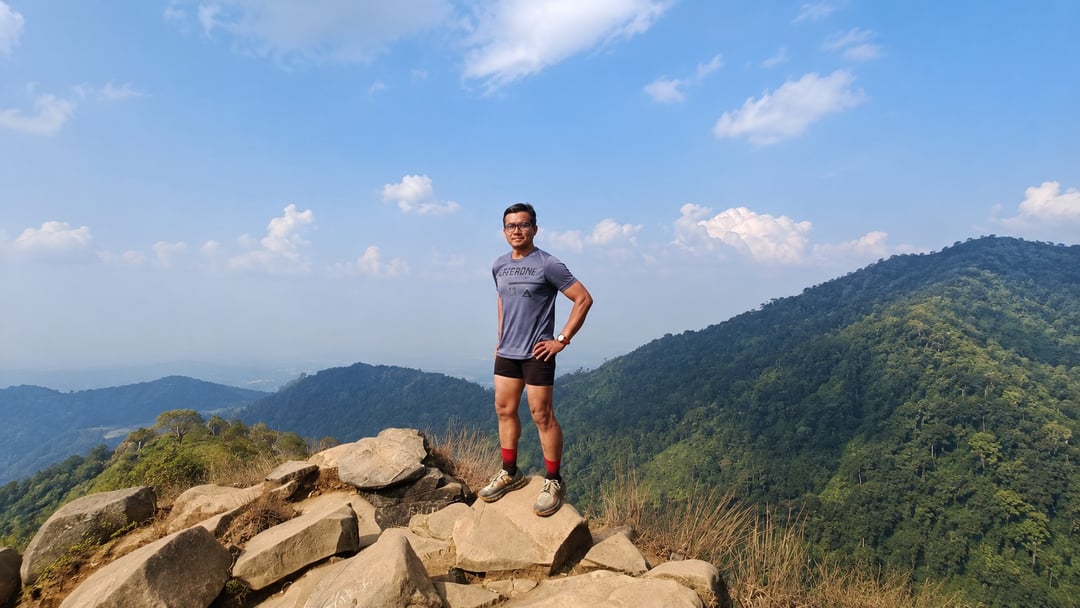
“We are adopting a celebration theme. The venue will be decorated with bamboo accents, jenang towers, and various local cultural elements. We have also partnered with Jenang Mubarok to ensure an atmosphere distinct from typical running events,” he said.
This concept is more than just decoration; the integration of local culture from the moment participants arrive is intended to be an integral part of the overall Muria Trail Run experience.
Everything from the registration process to the start and finish lines and other event corners has been prepared to showcase the identity of Rahtawu Village as the host.
Mount Muria is known for its diverse terrain, featuring dirt paths, rocky sections, long ascents, technical descents, and forested areas that provide unique challenges for each race category.
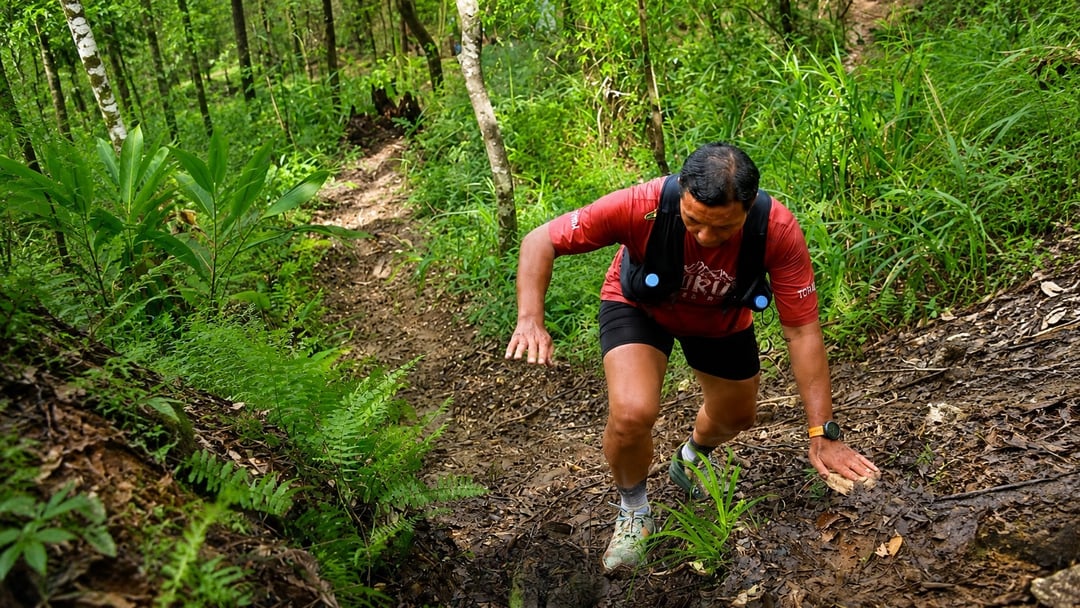
To accommodate various skill levels, organizers have provided four race categories: 8 kilometers, 15 kilometers, 30 kilometers, and 45 kilometers.
The 8K category is designed for those new to trail running, while the 15K to 45K categories are intended for experienced runners accustomed to mountainous terrain.
Irwandani explained that each category offers distinct trail characteristics.
“Muria is synonymous with its peaks, particularly Peak 29 and Peak Natasangin. The trails are varied and technical. From several points, participants can view landscapes extending to the sea in the Jepara region. The 45K category even passes through the pine forest area on the slopes of Sreni,” he explained.
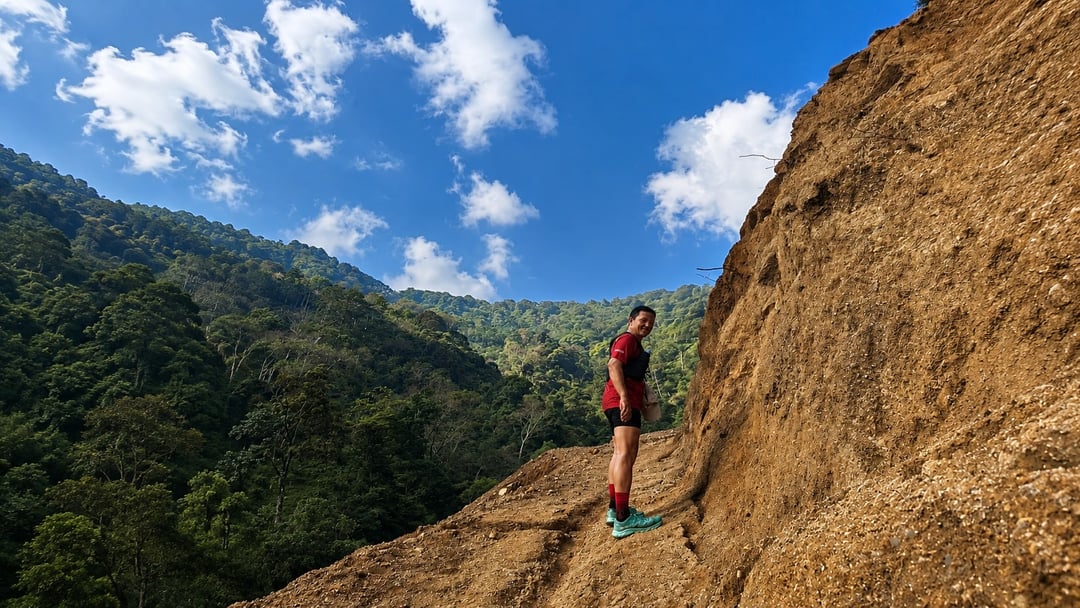
The course's unique characteristics serve as a primary draw for participants seeking the experience of trail running across diverse mountain terrain.
Mountainous terrain presents distinct challenges, making safety the organizer's top priority.
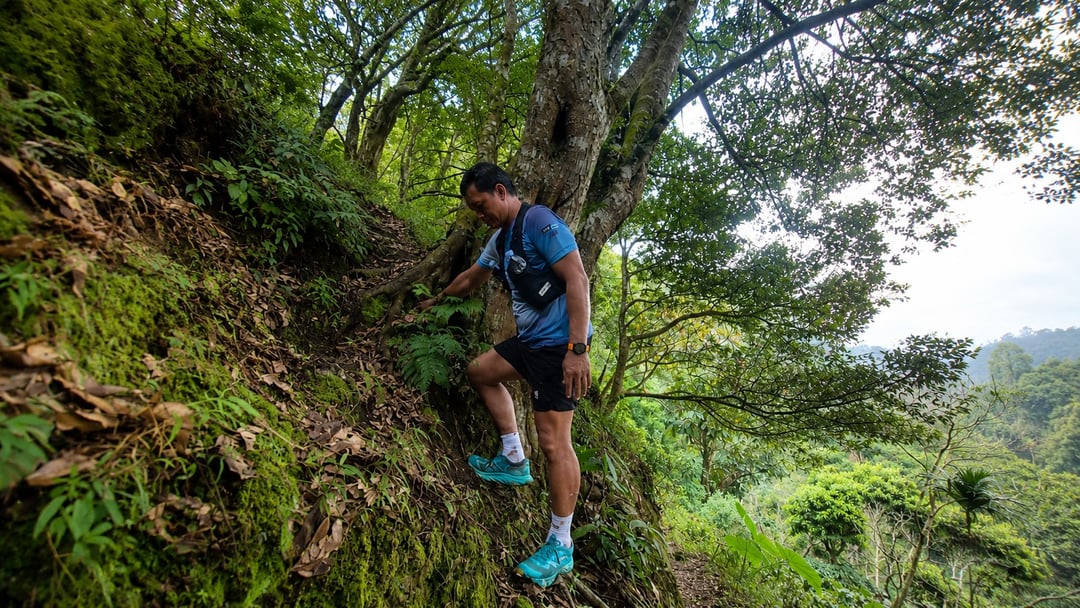
Organizers have implemented a security system by positioning personnel at high-risk points. Security operations will be conducted in coordination with the Regional Disaster Management Agency (BPBD), the National Search and Rescue Agency (Basarnas), and volunteers stationed along the race route.
With a total elevation gain of approximately 3,600 meters, the preparedness of the rescue team is an integral component of the event.
As the July 18, 2026, registration deadline approaches, more than 450 participants have signed up toward the 509-person target. These figures reflect the steady growth in interest since the inaugural Muria Trail Run.
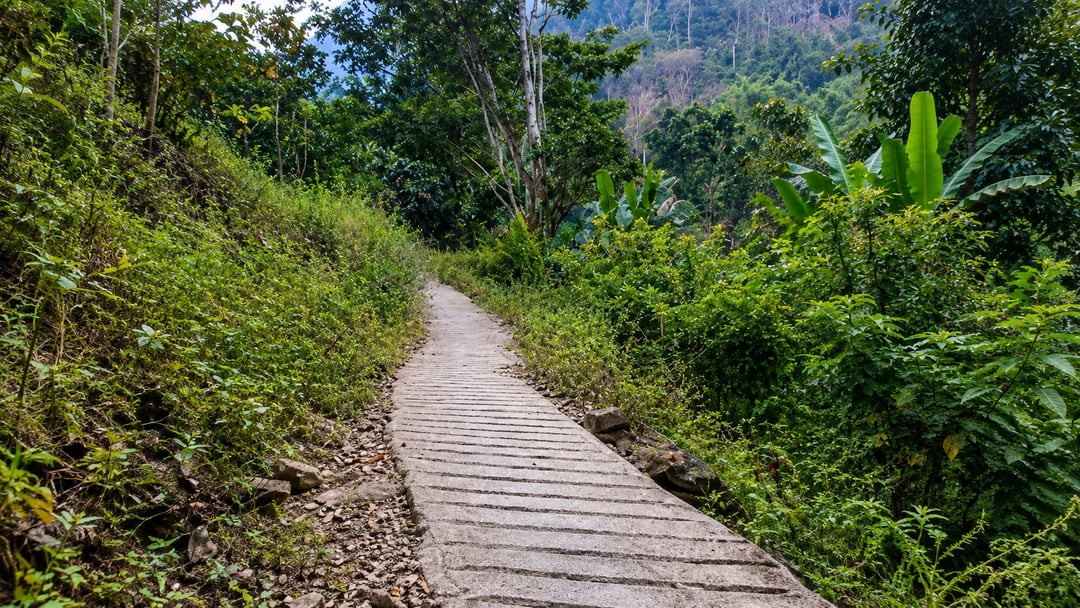
Beyond the mountain course, the Muria Trail Run has adopted the theme Stride For Sustainability as a core element of the event.
This theme is realized through various initiatives focused on environmental conservation within the Mount Muria region.
Joel, the committee member overseeing the sustainability concept, explained that each participant will be linked to reforestation programs scheduled after the race concludes.
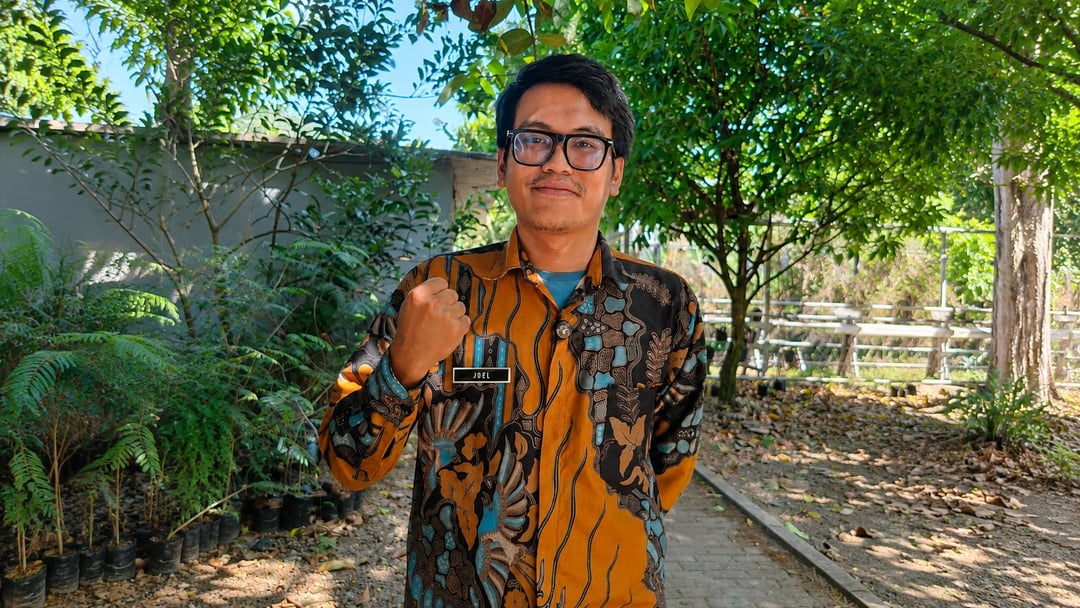
“We are collaborating with the Peka Muria nature lover community. We provide the tree seedlings, but the participants do not plant them directly. Instead, a dedicated team will plant the trees on behalf of those who successfully finish the race,” said Joel.
Through this initiative, participants have the opportunity to return to Muria in the following year to observe the growth of the trees planted in their name.
This reforestation program serves as a key contribution to protecting the slopes of Mount Muria, which serves as the event venue.
Environmental preservation efforts are also being implemented through comprehensive waste management during the event. Organizers have reduced the use of plastic materials by utilizing woven bamboo for various event supplies.
At every water station, a waste sorting system has been established to ensure that waste generated by participants is processed according to its type. Joel emphasized that maintaining the cleanliness of the race route is a collective responsibility.
“Our message to participants is not to leave any trash on the course. Plastic waste management at the water stations has been prepared and integrated into the waste management system in Rahtawu,” he said.
These measures are part of an effort to ensure that the sporting activity does not leave an adverse impact on the mountain region.
Community involvement is a core component of the Muria Trail Run. Beyond providing the venue, local residents are actively engaged in meeting various event requirements.
Irwandani explained that several vendors at the start and finish areas, catering services, and water station suppliers are all local business owners. Participants will be able to enjoy traditional regional specialties, such as Soto Kudus, Muria coffee, and parijoto syrup prepared by the local community.
This approach ensures the event is not solely focused on the race, but also provides a platform for residents to participate according to their business sectors.
“From the venue and vendors to the supplies at the water stations, everything involves local residents. We want this event to be an integral part of the community,” said Irwandani.
The Rahtawu Village government views the Muria Trail Run as an opportunity to introduce the village's potential to a wider audience.
Acting Village Head of Rahtawu, Ibnu Hajar, expressed hope that the activity would encourage more people to discover the tourism potential of the Muria slopes.
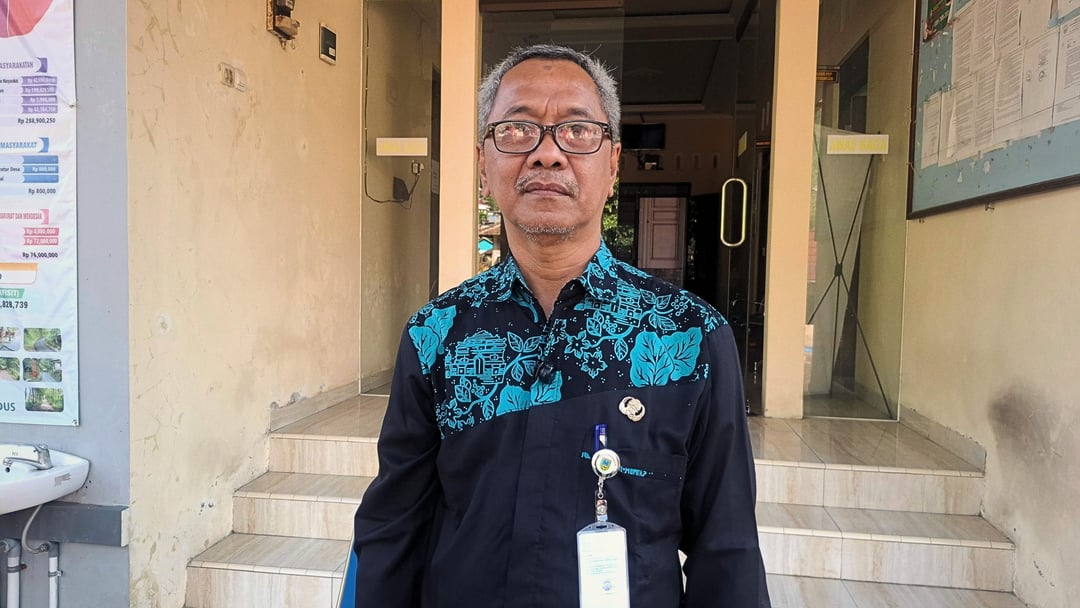
He also noted that the influx of participants from various regions has generated increased economic activity for village business owners.
“I would like to thank the organizers. We hope that Rahtawu Village becomes better known, which would support the development of the village. The arrival of visitors from various regions has also led to higher occupancy for homestays and lodging. We fully support this event,” said Ibnu Hajar.
In addition to lodging, the presence of participants and their companions has the potential to boost business at local food stalls, coffee shops, and other small enterprises surrounding the event location.
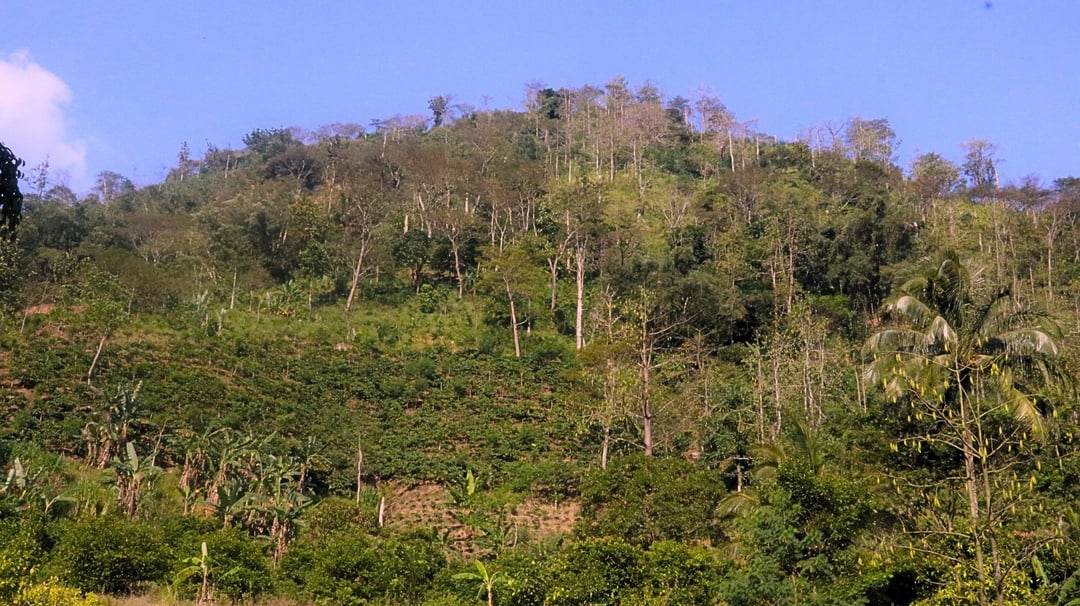
The organization of the Muria Trail Run has also received support from forest management authorities.
Teguh Jumadi Yanto, Head of the Ternadi Forest Management Resort (KRPH) under the Muria Pati Ayam Forest Management Unit (BKPH) and the Pati Forest Management Unit (KPH), stated that sporting activities can continue within forest areas as long as environmental conservation efforts are maintained and all parties comply with existing regulations.
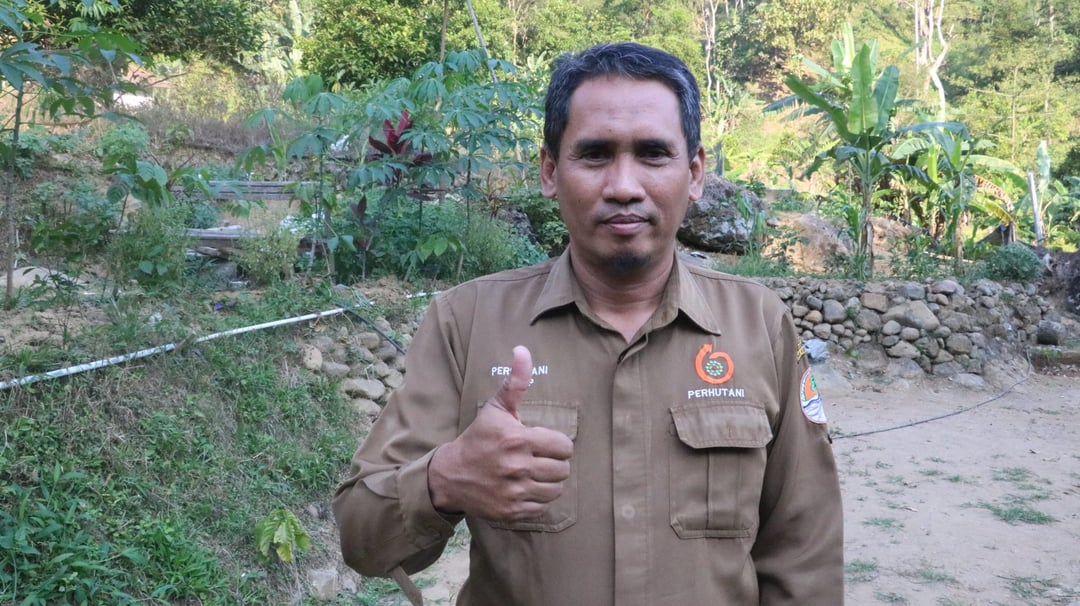
He urged participants to ensure they are physically prepared, as sections of the route traverse narrow forest trails.
“In addition to introducing tourist areas in plot 61, participants will also be exposed to routes leading to Peak 29, Argopiloso Peak, and Bukit Pandang. We hope participants prioritize their physical conditioning and remain committed to protecting the forest area throughout the event,” he said.
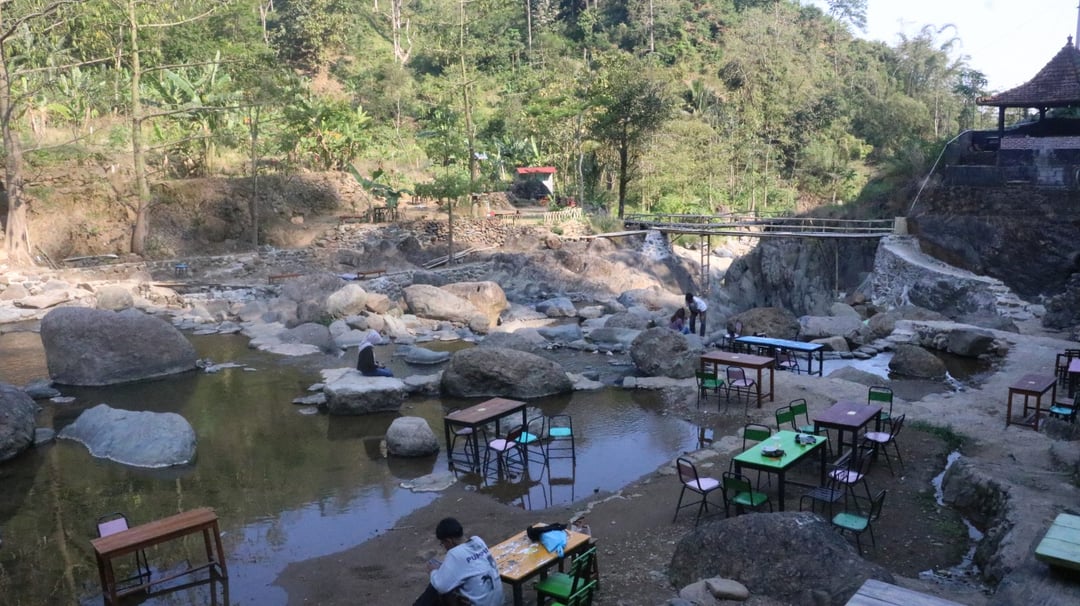
This message aligns with the organizers' goal of using the mountain landscape as both a sports venue and a space for sustainable preservation.
The Muria Trail Run 2026 demonstrates how sporting events can be designed to incorporate various elements beyond just the competition itself.
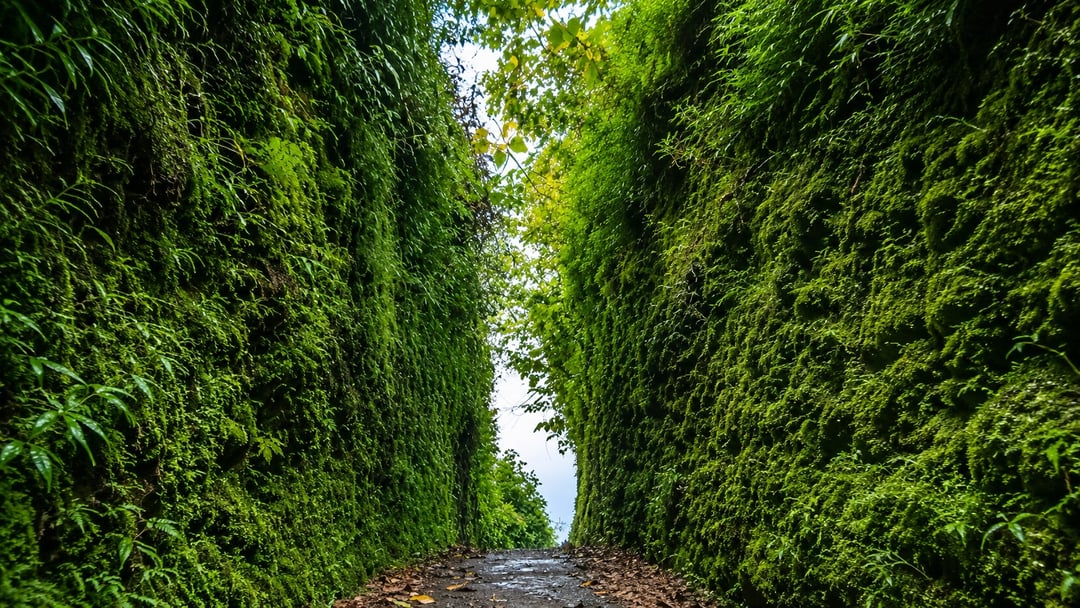
The mountain trails offer participants an opportunity to explore the unique character of Mount Muria. This event concept integrates local culture into the trail running experience. A reforestation initiative allows participants to extend their contribution beyond the finish line, while community involvement creates opportunities for local businesses to participate.
The collaboration among organizers, the government, local residents, nature conservation groups, and forest management authorities ensures the event extends beyond pure competition.
As participants traverse the trails of Mount Muria, they will face more than just steep climbs, descents, and technical terrain. They will become part of an initiative that unites sports, environmental conservation, local culture, and the daily life of Rahtawu village residents in a single journey. (JMY/mainkekudus)