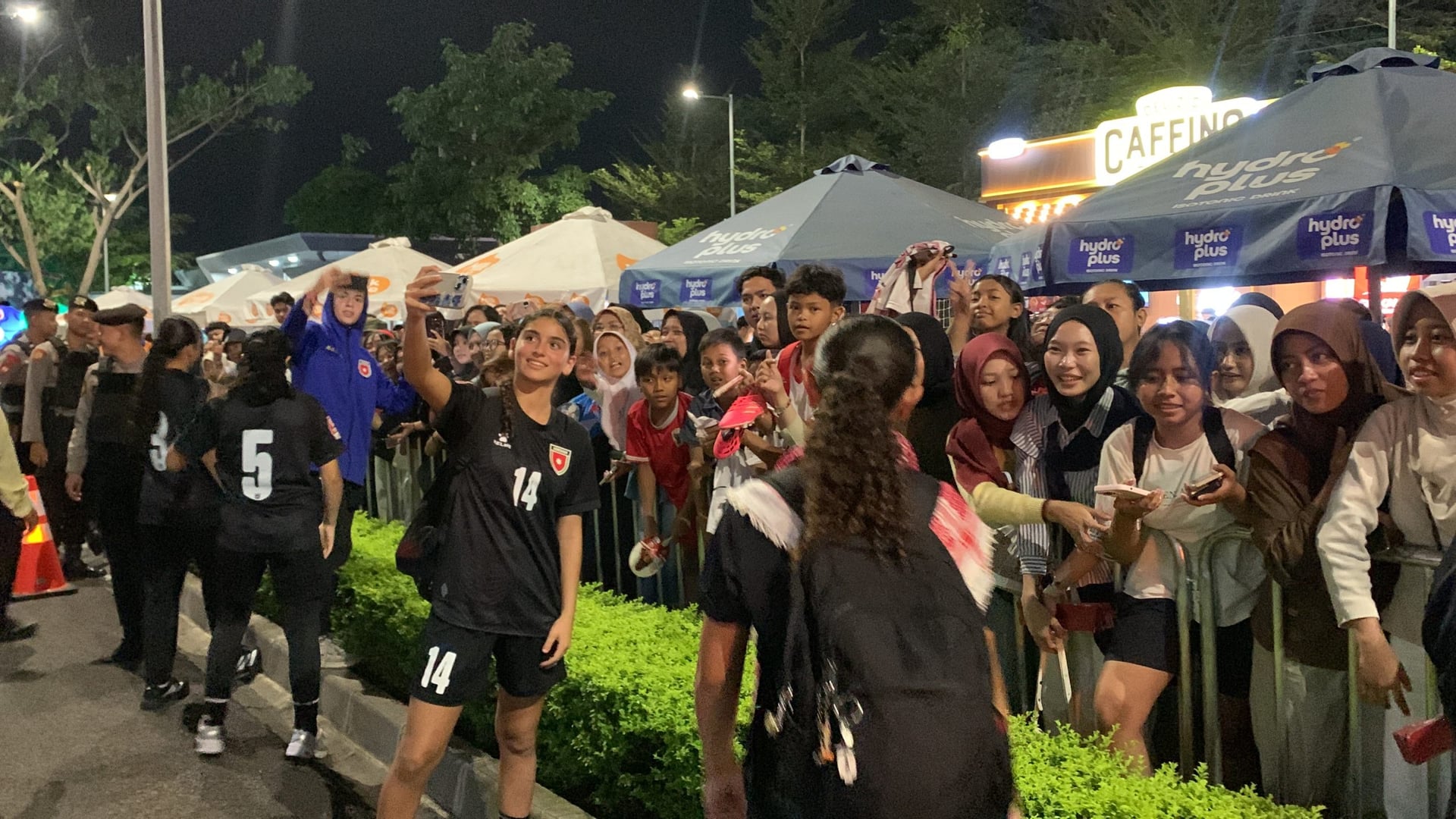
KUDUS – Throughout the Caffino Srikandi Merdeka Cup 2026, the spotlight has primarily been on the athletes on the pitch. However, their time in Kudus has also been defined by personal connections with those working behind the scenes.
From staff managing team arrivals and providing medical care to hotel personnel preparing meals, these daily interactions have become an integral part of the tournament experience.
While these relationships began as purely professional, extended time together has fostered genuine familiarity. Casual greetings in the lobby, brief conversations, and shared humor have woven a personal narrative into the fabric of the competition.
This is particularly true for Muhammad Nazrey Firmani.
Serving as a liaison officer (LO), Firmani was initially tasked with supporting the Malaysian delegation. His role focused on ensuring team needs were met, with communication during the early days centered on schedules, logistics, and administrative coordination.
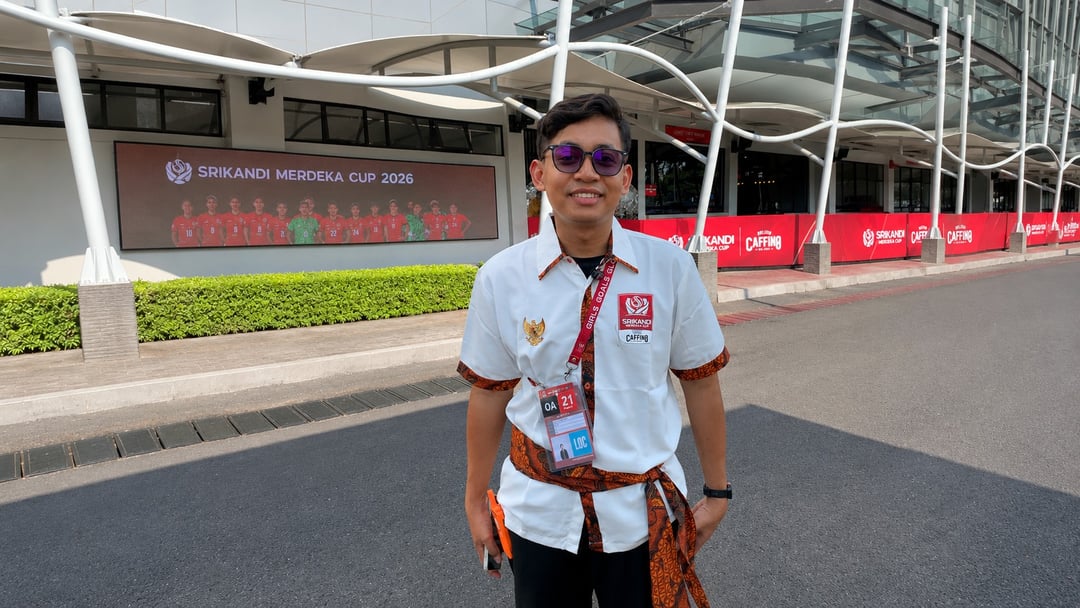
However, eight days together allowed those bonds to develop naturally.
Firmani began to notice the players' personal habits, noting with surprise that several members of the Malaysian team frequently listened to Indonesian music.
"What was surprising was that they listened to Indonesian songs like 'Tabola Bale' and 'Garam dan Madu'," Firmani said.
Such small observations signaled a shift from professional duty to personal rapport, as both the liaison and the players grew comfortable with one another throughout their stay in Kudus.
This closeness did not stem from lengthy conversations, but rather from the cumulative effect of repeated, brief encounters.
On one occasion, while Firmani was in the hotel lobby with team officials, the Malaysian players spotted them from the third floor and called down, initiating a lighthearted exchange.
"The players greeted us from the third floor, joking and laughing. That was the moment we really bonded," Firmani remarked.
Without the pressure of professional obligations, they were simply connecting as people who had spent days in each other's company.
Reflecting on his experience, Firmani noted that some officials and team members now feel like personal friends. For him, it was these ordinary moments—the repetitive, unplanned interactions—that turned once-unfamiliar faces into friends.
While Firmani connected with the players through his liaison duties, Dr. Rizal’s interactions occurred in a different context.
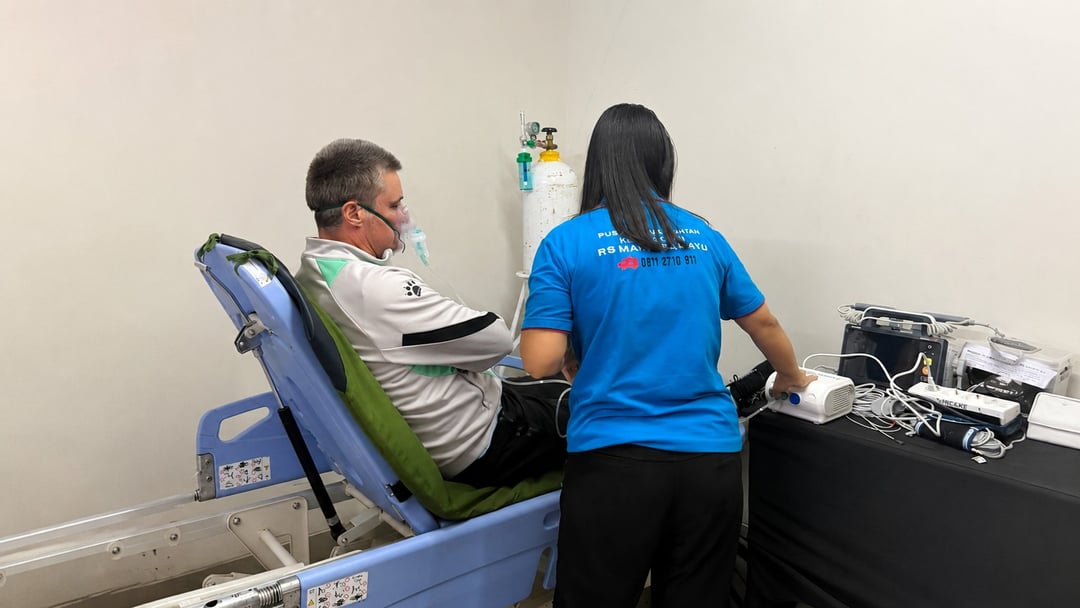
As a medical volunteer from Mardi Rahayu Hospital, Dr. Rizal and his nursing team provided care for players and officials in need. Their encounters were typically prompted by post-match injuries, minor ailments, or other health concerns.
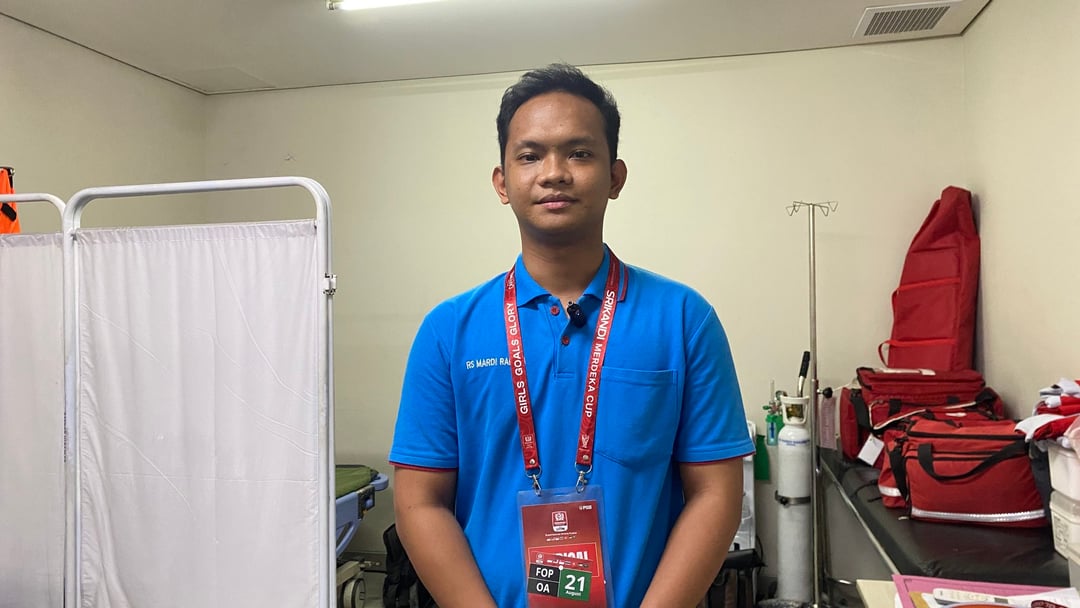
In the medical room, communication is vital to effective care. The team must grasp the players' conditions, while players need to understand the treatment provided.
Bridging language and cultural gaps has become part of the daily routine.
“The most important thing I have learned here is communication. We encounter language and cultural differences, which influences how we interact,” Dr. Rizal said.
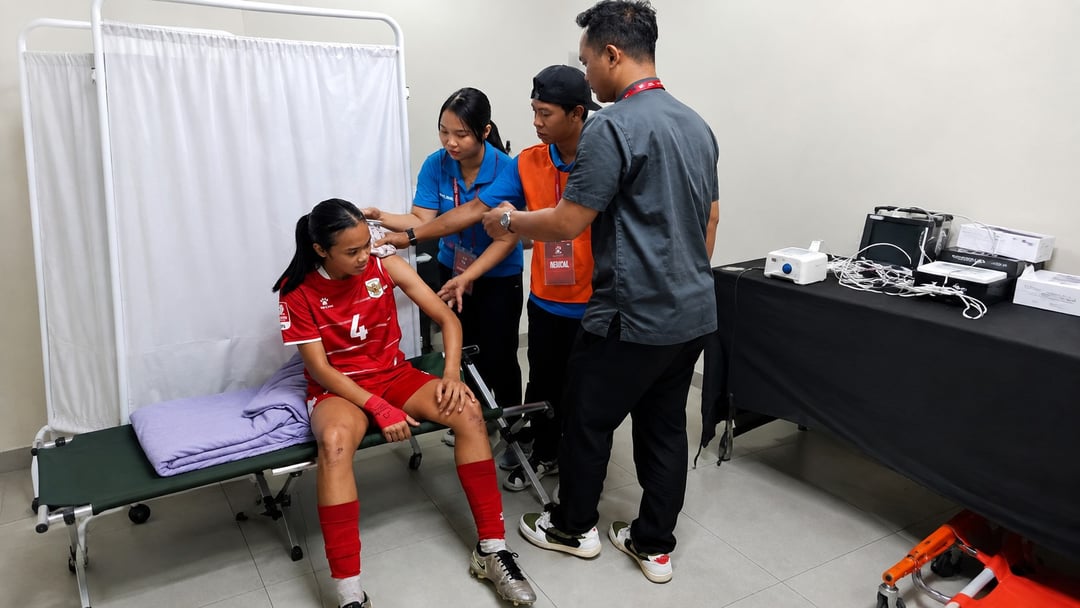
This experience has connected the medical team with athletes from various countries, including the Indonesian national team.
“This is an unforgettable experience, as we have had the opportunity to meet and care for players from abroad, as well as those from our own national team,” he added.
As the tournament nears its conclusion, Dr. Rizal noted that what will remain long after the participants have departed goes beyond medical reports.
“Once this event ends, I will miss the euphoria that defined it,” he said.
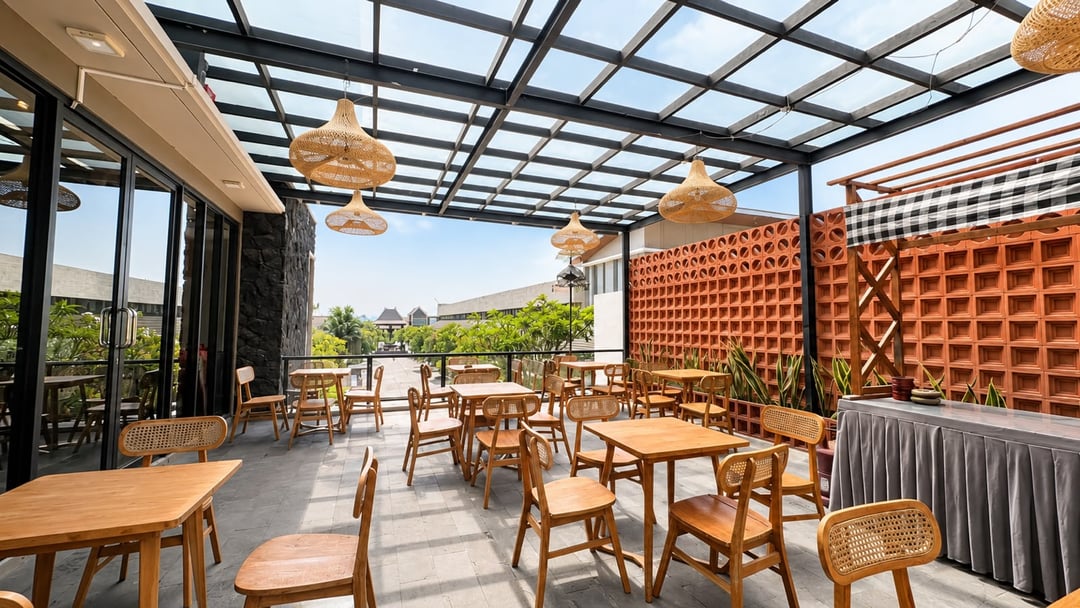
A different kind of interaction has unfolded at the hotel. For participants staying in Kudus for more than a week, the hotel has become a hub for daily contact with local staff.
At the Hotel Sapphire Kudus, F&B Manager Andri Santoso coordinated with team liaisons and coordinators prior to the groups' arrival. Upon check-in, guests were welcomed with a welcome drink and escorted to their rooms.
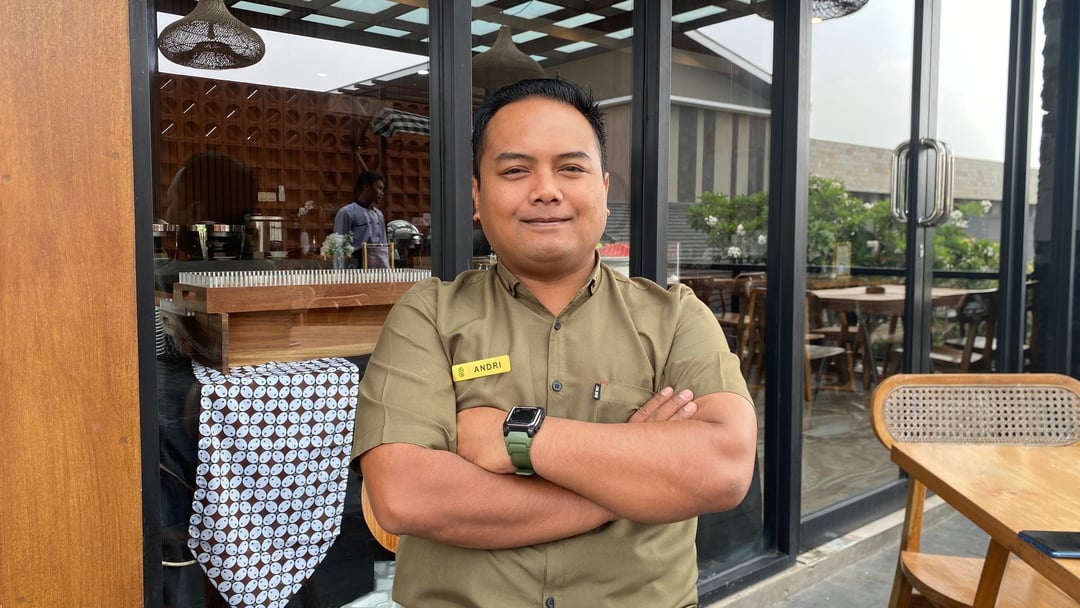
They were subsequently introduced to the dining areas designated for each country, including Saudi Arabia, Singapore, and Indonesia.
Following the initial reception, coordination remained ongoing. Andri was tasked with ensuring the daily dietary needs of the participants were met, covering breakfast, lunch, and dinner.
These frequent encounters turned the names and faces of the officials into a familiar part of the daily routine.
The Saudi Arabian delegation provided a unique experience, as they brought their own chefs. Since not all members spoke English, translators were necessary in various situations.
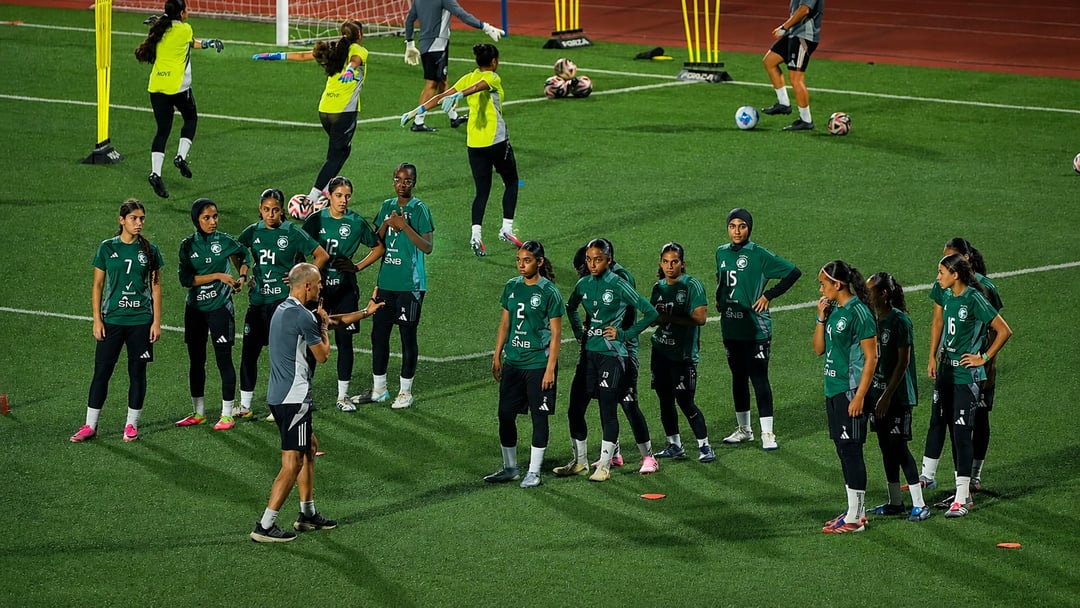
"The most interesting aspect was certainly working with the Saudi team, as they preferred to communicate in Arabic. Only a few, mainly their coordinator, spoke English," Andri noted.
Over the course of more than a week, names like Miss Sahar, Mr. Mohammed, Chef Mohammad Ali, and Chef Ibrahim became well-known to Andri.
This rapport was built not through formal meetings, but through routine daily requirements. Starting with dining logistics, interactions gradually evolved into casual conversations and small engagements throughout the participants' stay.

At Hotel Sapphire, interactions also occurred between the players and the interns working at the property.
With many participants in their teens, they found common ground with the similarly aged interns, creating opportunities for interaction beyond the formal relationship between hotel guests and staff.
“As for the teenage players, it just so happens that there are interns at Hotel Sapphire, so they can interact with peers their own age,” Andri explained.
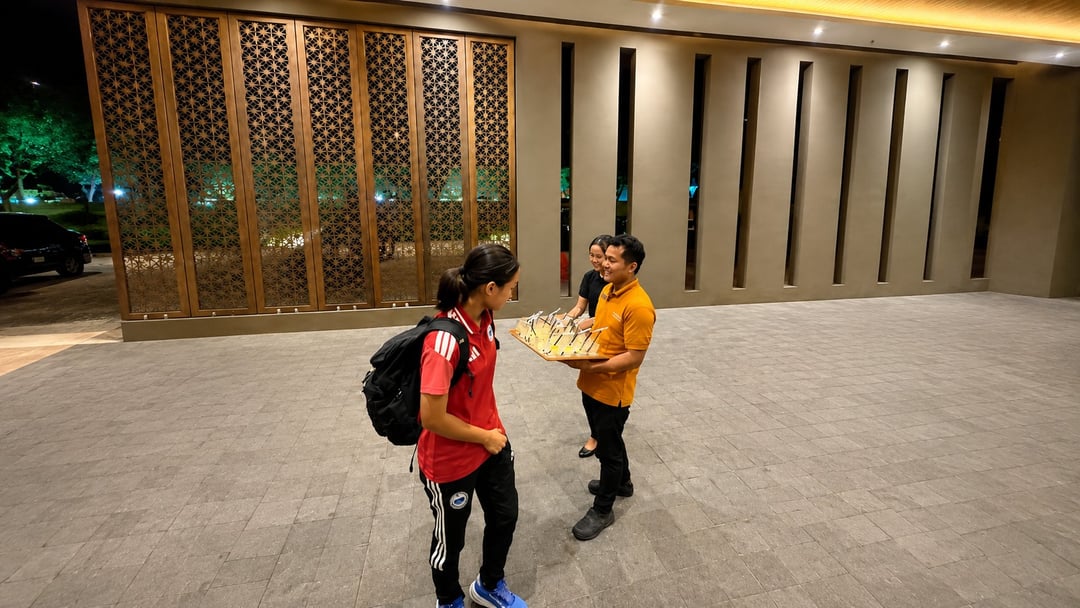
Conversations were not always centered on soccer. Curiosity regarding Indonesian language and culture, along with small, shared moments, helped make the atmosphere during their stay in Kudus more relaxed.
“There are definitely small, memorable moments, such as the unique and humorous incidents involving each country,” said Andri.
For hotel staff, the participants—who arrived as guests—gradually became a part of their daily routine during the tournament. For the players, the people they met at the hotel became another facet of their experience in Kudus.
The connections formed during the tournament are also visible from the participants' perspective.
Mohammad Hazwan Nizam Fazil, an official for the Malaysia U-17 team, frequently interacted with Firmani, the team’s liaison officer. He also became acquainted with Toni, a chef traveling with the delegation.
However, Hazwan's experience in Kudus extended beyond the pitch and the hotel. He made a pilgrimage to the Tomb of Sunan Kudus, which he described as one of the most memorable experiences of his trip.
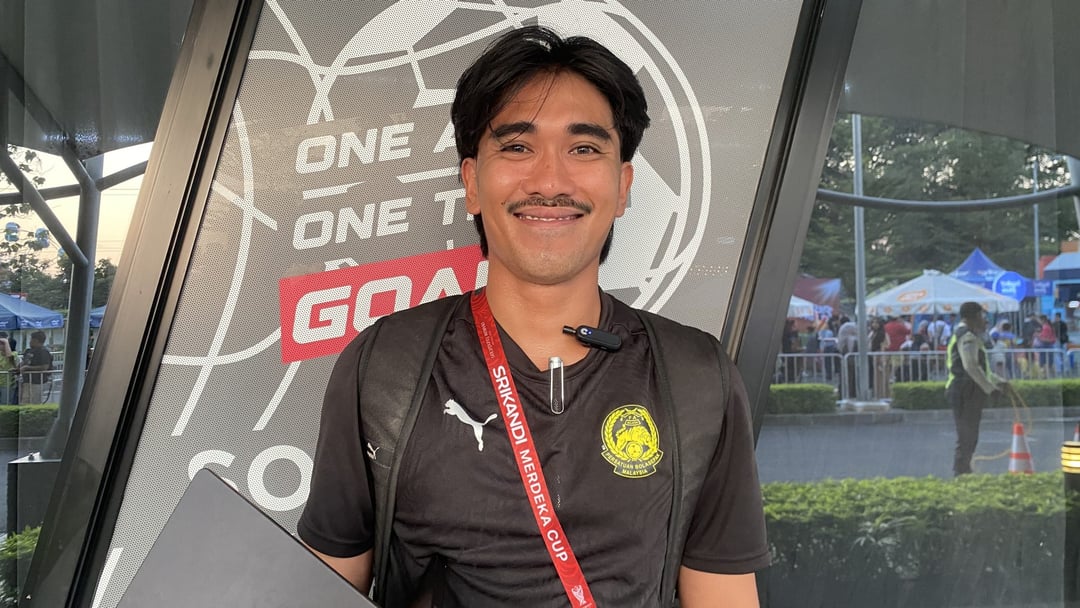
“The most memorable part was visiting the Tomb of Sunan Kudus,” Hazwan said.
He also began to understand the local atmosphere of Kudus through his daily activities. At night, for instance, Hazwan noted the contrast between the city's environment and that of Jakarta.
“The city is quite quiet at night, which is why I felt comfortable. I prefer it here over Jakarta because it feels more peaceful and secure,” he said.
For Hazwan, Kudus ultimately became more than just a tournament venue. The people he met, the places he visited, and the atmosphere of the city all became part of his overall experience in Indonesia.
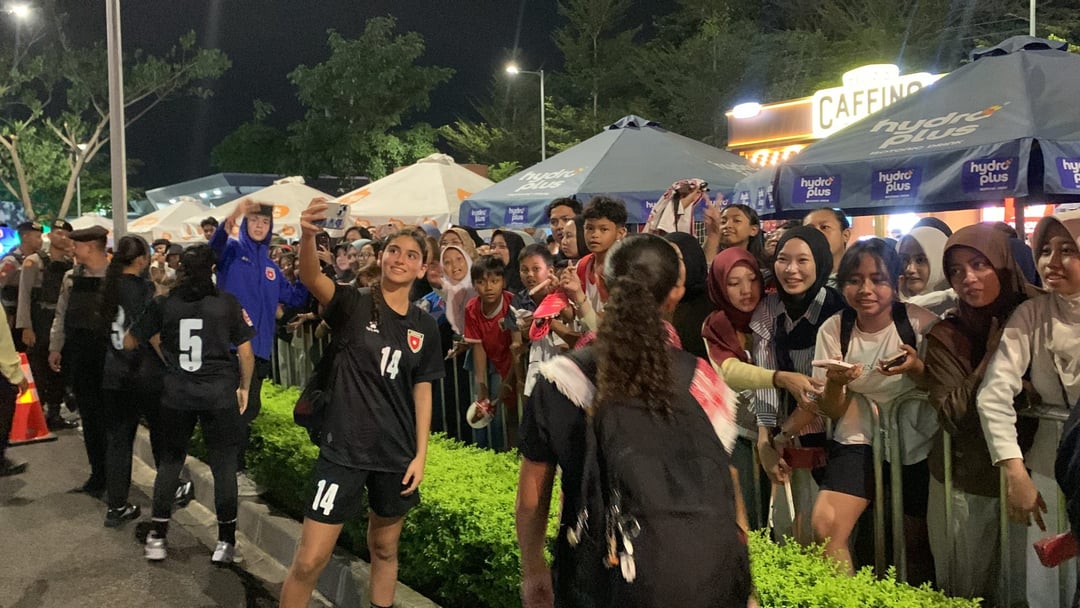
The Caffino Srikandi Merdeka Cup 2026 has concluded. Players and officials have returned to their respective countries, while those who supported them have resumed their daily activities.
For a few days, strangers shared spaces, routines, and experiences in Kudus. Not every encounter blossomed into a lasting friendship, but the names, faces, and stories from the tournament remain part of the experience they carry home.
The matches may have ended, but for those involved off the pitch, the encounters during the tournament left behind a unique story about Kudus.
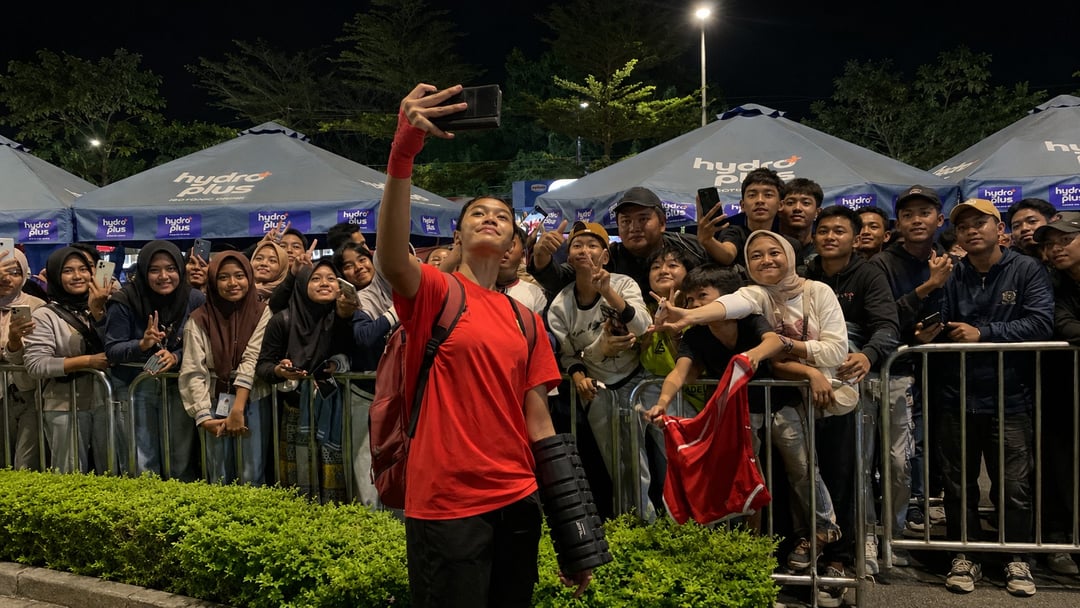
For the people in Kudus involved in the day-to-day operations of the tournament, the participants—who arrived as strangers—gradually became an integral part of their narrative. This rapport developed through repeated encounters, casual conversation, and shared daily routines.
Ultimately, the 2026 Srikandi Merdeka Cup brought more than just competition to the field. Beyond the matches, individuals who were initially united by professional duties began to forge personal connections, eventually taking home stories of one another from Kudus. (OEB/YSR/FZ/mainkekudus)